

Every year, about 17,000 people in the United States suffer from spinal cord injuries. This changes their lives a lot.
The spinal cord is very important for our nervous system. Injuries here can lead to serious and lasting effects, like paralysis. Knowing which vertebrae can cause paralysis helps us understand the dangers of spinal injuries.
Key Takeaways
- Spinal cord injuries can result in paralysis depending on the vertebrae affected.
- The severity of the injury determines the extent of paralysis.
- Understanding spinal anatomy is key to grasping the risks.
- Spinal injuries can have long-lasting consequences on the quality of life.
- Prevention is key to reducing the risk of spinal cord injuries.
Understanding the Spine and Spinal Cord Anatomy
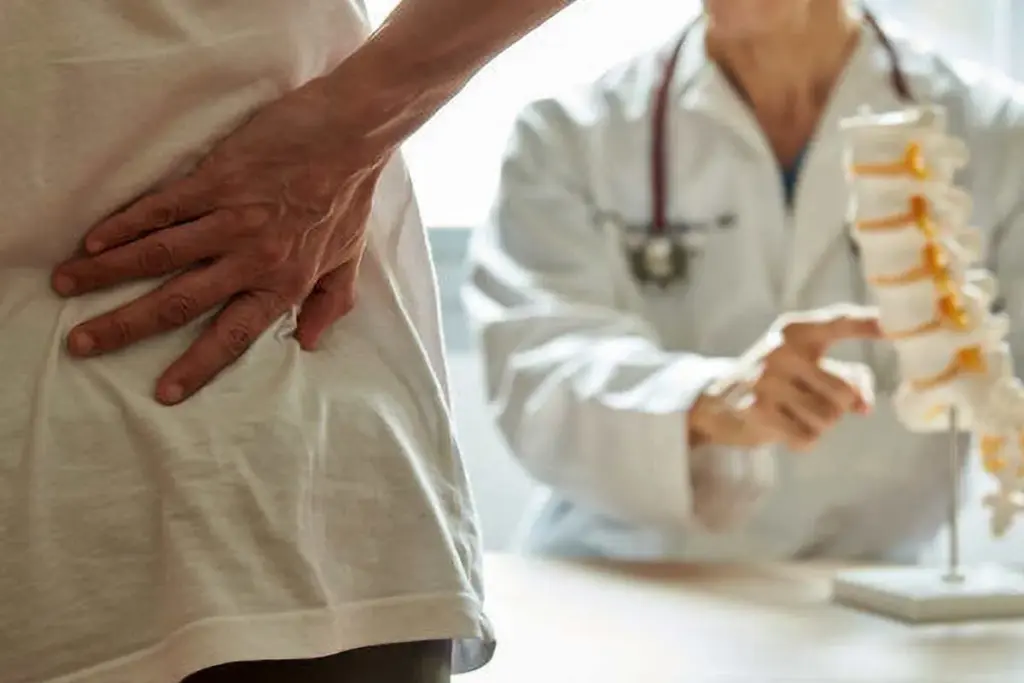
The spine and spinal cord are key to our nervous system. They help our brain talk to the rest of our body. The spine, or vertebral column, has 33 vertebrae. These are split into five areas: cervical, thoracic, lumbar, sacrum, and coccyx.
The Structure of the Vertebral Column
The vertebral column supports and protects the spinal cord. It’s made of 33 vertebrae, each with its own role. These vertebrae help absorb shock, bend, and keep the spinal cord safe.
|
Region |
Number of Vertebrae |
Primary Function |
|---|---|---|
|
Cervical |
7 |
Supports the head and allows for a wide range of motion |
|
Thoracic |
12 |
Provides attachment points for the ribs and supports the torso |
|
Lumbar |
5 |
Bears the weight of the body and facilitates lifting and bending |
The Function of the Spinal Cord
The spinal cord is a key nerve pathway. It helps control our body’s functions, like voluntary movements and reflex actions. It’s protected by vertebrae and is vital to our nervous system.
How Vertebrae Protect the Spinal Cord
The vertebrae keep the spinal cord safe in a bony canal. This is important to avoid damage. Damage can lead to serious issues like paralysis. Knowing how vertebrae protect the spinal cord helps us understand paraplegic meaning and spinal cord injuries.
In summary, the spine and spinal cord are essential for our body’s functions. The vertebrae and spinal cord work together. Damage to this system can have big effects.
The Mechanism of SCI and Resulting Paralysis
The spinal cord is key to our nervous system. It can get hurt, leading to paralysis. This happens based on how bad the injury is and where it is.
Spinal cord injuries (SCI) can come from many things. This includes accidents, infections, and diseases that wear it down over time.
How Spinal Cord Damage Occurs
Damage to the spinal cord happens when it stops working right. This can be because of an accident, sickness, or wear and tear. When this happens, the cord can get squished, bruised, or cut.
This damage can make it hard for the body to move below the injury spot.
Complete vs. Incomplete Spinal Cord Injuries
A complete spinal cord injury means no movement below the injury. But an incomplete injury means some movement is left. How much damage there is decides if someone will be tetraplegic (quadriplegic) or paraplegic.
The Relationship Between Injury Location and Functional Loss
Where the spinal cord gets hurt matters a lot. Higher up injuries, like in the neck, can cause more paralysis. This includes quadriplegic or tetraplegic conditions.
Lower down injuries might cause paraplegia or other specific problems.
The term “cord” in spinal anatomy means the spinal cord itself. It’s a complex mix of nerve fibers and cells. It’s vital for sending signals between the brain and the rest of the body.
Cervical Vertebrae Injuries and Their Effects
The cervical spine is a key area where injuries can cause big problems. These injuries can lead to different levels of paralysis. This depends on how bad the injury is and where it is.
C1-C4 Injuries: High Cervical Nerve Damage
Injuries to the upper cervical vertebrae (C1-C4) can cause high cervical nerve damage. This can severely affect breathing and might be life-threatening. People with these injuries often need to use ventilators or other devices to stay alive.
C5-C8 Injuries: Lower Cervical Nerve Damage
Injuries to the C5-C8 vertebrae can lead to paralysis in the arms and legs. How bad the paralysis is depends on the vertebrae affected and the injury’s severity. Knowing where the injury is located helps predict the outcome.
Tetraplegia/Quadriplegia: Definition and Daily Life Impact
Tetraplegia, or quadriplegia, is when all four limbs are partially or fully paralyzed. This happens due to severe damage to the cervical spinal cord. The meaning paralysis here means a big loss of motor function. It makes daily activities very hard without help.
|
Injury Level |
Effects on Motor Function |
Daily Life Impact |
|---|---|---|
|
C1-C4 |
Severe impairment of respiratory function, possible paralysis of all four limbs |
High dependency on medical devices, significant lifestyle adjustments |
|
C5-C8 |
Varying degrees of paralysis in arms and legs |
Challenges in mobility and performing daily tasks, possible independence |
It’s important to understand the effects of cervical vertebrae injuries. This knowledge helps in giving the right care and support. Healthcare professionals and family members can improve the life of those with tetraplegia or quadriplegia by working together.
Thoracic Vertebrae Injuries and Resulting Paralysis
Thoracic spine injuries can cause paralysis in the lower body. The thoracic area, with 12 vertebrae, is key in protecting the spinal cord and supporting the torso.
The severity of thoracic vertebrae injuries varies. It’s important for doctors and those at risk to understand these effects.
T1-T6 Injuries: Upper Thoracic Damage
Injuries to the upper thoracic vertebrae (T1-T6) can cause a lot of impairment. These injuries often lead to partial or complete loss of function below the injury. People with upper thoracic damage may struggle with trunk stability and have limited control over their abdominal muscles.
T7-T12 Injuries: Lower Thoracic Damage
Lower thoracic injuries (T7-T12) can also cause a lot of functional loss. Some people may keep some trunk stability, but others face big challenges with mobility and controlling their lower body.
Paraplegia: Definition and Functional Capabilities
Paraplegia is partial or complete paralysis of the lower half of the body. The level and severity of the spinal cord injury determine how much function someone can keep. Some people can stay quite independent, while others need a lot of help.
Thanks to medical progress and rehab, life for those with paraplegia has gotten better. It’s key to understand this condition well to offer the right support and care.
Lumbar and Sacral Vertebrae Injuries
Damage to the lumbar and sacral vertebrae can affect not just how we move but also important body functions. The lumbar region, with five vertebrae (L1-L5), and the sacral region, a fused set of bones at the spine’s base, are key. They support our body’s structure and help with various functions.
L1-L5 Injuries: Effects on Lower Body Function
Injuries to the lumbar vertebrae (L1-L5) can cause big problems with lower body functions. The impact’s severity depends on the injury’s level and completeness.
- Injuries at higher lumbar levels (L1-L2) may affect hip flexion and walking.
- Lower lumbar injuries (L3-L5) can impact knee extension and foot movements, making mobility hard.
Knowing the specific effects of these injuries is key for planning rehabilitation.
Sacral Injuries: Impact on Bowel, Bladder, and Sexual Function
Sacral injuries can deeply affect autonomic functions like bowel, bladder, and sexual functions. The sacral spinal cord controls these vital functions.
- Sacral injuries may lead to bladder control issues, needing catheterization.
- Bowel dysfunction can occur, requiring management strategies.
- Sexual dysfunction is also a possible consequence, affecting quality of life.
These injuries show the need for full care for those with sacral spine damage.
Cauda Equina Syndrome and Its Consequences
Cauda equina syndrome is a serious condition from compression or damage to the nerves in the lumbar and sacral spine. It needs immediate medical attention.
Symptoms include severe lower back pain, numbness or tingling in the legs, and loss of bladder or bowel control. Quick treatment is key to avoid long-term damage.
Early diagnosis and intervention are critical in managing cauda equina syndrome and mitigating its long-term consequences.
Common Causes of Paralyzing Spinal Injuries
It’s important to know why spinal injuries happen. These injuries can change a person’s life a lot. They can come from different things or conditions.
Traumatic Causes: Accidents, Falls, and Violence
Many spinal injuries come from accidents or violence. These include:
- Car accidents, which are a big reason for spinal cord injuries.
- Falls from high places, which are risky for older people.
- Violence, like being shot or physically attacked.
These events can hurt the spinal cord badly. This can lead to paralysis right away.
Non-Traumatic Causes: Disease, Infection, and Degeneration
Not all spinal injuries come from accidents. Some are caused by diseases or wear and tear. These include:
- Diseases like cancer or tumors that harm the spine.
- Infections that damage the spinal cord or vertebrae.
- Conditions like osteoarthritis or spinal stenosis that get worse over time.
These can slowly damage the spinal cord. This can lead to paralysis.
High-Risk Activities and Populations
Some activities and groups face a higher risk of spinal injuries. For example:
- Playing contact sports, like football or rugby, can be risky.
- Young adults are more likely to be in accidents or violent situations that can hurt the spine.
Diagnosis and Treatment Options for Spinal Cord Injuries
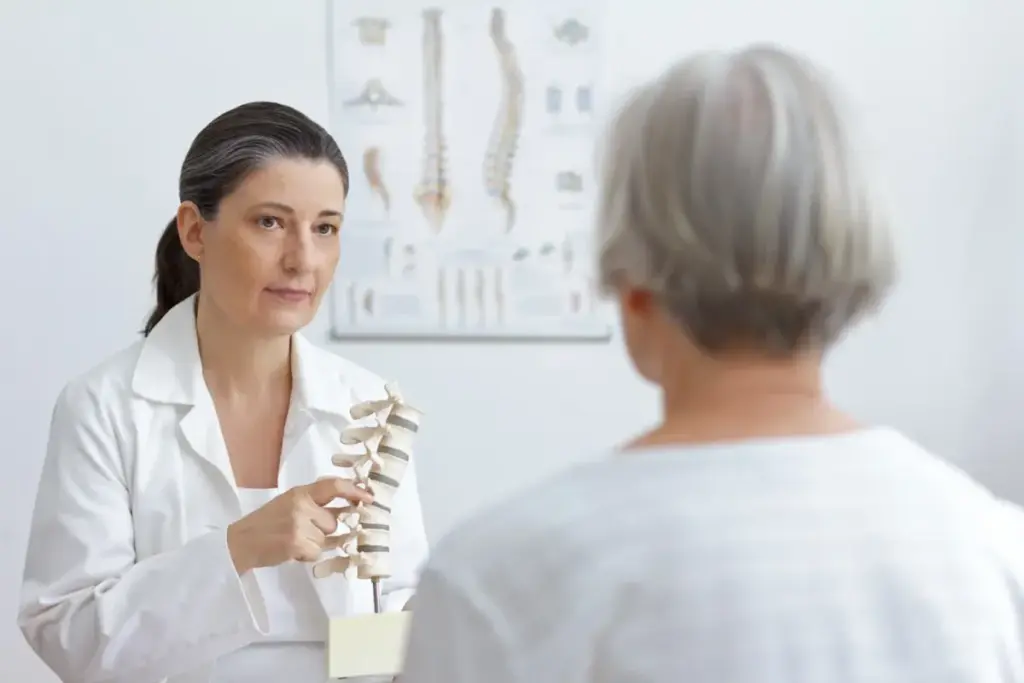
Understanding how to diagnose and treat spinal cord injuries is key. These injuries can change a person’s life a lot. Getting the right medical help quickly is very important.
Emergency Response and Initial Stabilization
Acting fast when someone gets a spinal cord injury is vital. Emergency workers make sure the spine is stable. This helps prevent more harm. Quick medical care is critical to see how bad the injury is and start treatment.
Diagnostic Procedures and Assessment Scales
At the hospital, doctors do a detailed check-up. They use MRI or CT scans to see how bad the injury is. The ASIA (American Spinal Injury Association) Impairment Scale helps figure out the injury’s severity. It ranges from A (no function) to E (full function).
|
Diagnostic Tool |
Purpose |
Benefits |
|---|---|---|
|
MRI |
Detailed imaging of soft tissues, including the spinal cord |
Helps identify the extent of injury and possible damage to the spinal cord |
|
CT Scan |
Imaging of bone structures |
Good for spotting fractures or misalignments of the vertebrae |
|
X-ray |
Initial check of bone structures |
Fast and good for first look at spinal alignment and fractures |
Current Treatment Approaches and Rehabilitation Methods
Treatment for spinal cord injuries includes surgery, medicine, and rehab. Surgery might be needed to fix the spine or relieve pressure. Medications like corticosteroids can help reduce swelling.
Rehab is a big part of treatment. It helps people regain function and adjust to changes. This includes physical therapy, occupational therapy, and counseling for the mind.
The goal of rehab is to help people live as independently as possible. New medical and rehab methods are making a big difference for those with spinal cord injuries.
Prevention Strategies for Spinal Cord Injuries
Spinal cord injuries can be very serious. That’s why preventing them is so important. We need to take steps to make activities safer, improve home and work safety, and teach people about prevention.
Safety Measures for High-Risk Activities
Activities like extreme sports or heavy lifting can lead to spinal cord injuries. Safety gear and training are key to reducing risks. For example, helmets for cycling and harnesses for climbing can help a lot.
Workplace and Home Safety Modifications
Workplaces and homes can be dangerous if not safe. Keeping floors clear, installing handrails, and using non-slip mats are simple steps. At work, following safety rules and training regularly can also help prevent injuries.
Public Health Initiatives and Education
Public health efforts are vital in preventing spinal cord injuries. They teach people about dangers and how to stay safe. Campaigns for safe driving, preventing violence, and falls in the elderly are very helpful. By spreading the word and promoting safety, we can lower the number of spinal cord injuries.
Conclusion: Living with SCI and Future Developments
Spinal cord injuries (SCI) are complex and deeply affect people’s lives. Different injuries can lead to different levels of paralysis. For example, paraplegia is when the lower half of the body is partially or fully paralyzed.
Managing SCI involves medical care, rehabilitation, and making lifestyle changes. New treatments and technologies are on the horizon. This could greatly improve life for those with SCI. Knowing about paralysis and conditions like paraplegia helps people cope better.
Research is ongoing, leading to new ways to treat SCI. It’s important for those with SCI, healthcare providers, and caregivers to stay updated. This knowledge can help improve care and support for those affected.
FAQ
What is the spinal cord, and what does it do?
The spinal cord is a key part of our nervous system. It runs from the brain to the lower back. It helps control our movements, feelings, and basic body functions like going to the bathroom.
What is paraplegia, and how does it occur?
Paraplegia is when the lower half of the body can’t move well or at all. It usually happens when the spine gets hurt in the middle or lower back. This damage stops the brain from talking to the lower body.
What is tetraplegia/quadriplegia, and what are its effects?
Tetraplegia, or quadriplegia, means all four limbs can’t move well or at all. It often comes from injuries to the neck. These injuries can mess up how the brain controls the arms, legs, and other parts of the body.
How do spinal cord injuries occur, and what are the common causes?
Spinal cord injuries can happen in many ways. They can be caused by accidents, falls, or violence. They can also come from diseases, infections, or wear and tear. Some activities and people are more at risk.
What are the effects of injuries to different regions of the spine?
Spine injuries affect the body differently. Neck injuries can lead to tetraplegia/quadriplegia. Injuries in the middle or lower back can cause paraplegia. Injuries at the bottom can mess with bowel, bladder, and sex functions.
What is cauda equina syndrome, and what are its consequences?
Cauda equina syndrome happens when nerves in the lower back get squished. This can be from a disk problem or injury. It causes pain, numbness, and weakness in the legs, and can also affect bowel and bladder control.
How are spinal cord injuries diagnosed and treated?
Doctors use tests and exams to find spinal cord injuries. Treatment includes emergency care, stabilizing the injury, and rehab. The goal is to lessen damage and help the body recover.
What are the prevention strategies for spinal cord injuries?
To prevent spinal cord injuries, we need to be careful in risky situations. We should make safe environments at home and work. Education and health programs also help.
Where can I find more information about spinal cord injuries and their effects?
For more info on spinal cord injuries, check out health websites and support groups. They offer lots of information on causes, effects, and how to manage injuries.
What is the meaning of paralysis, and how does it relate to spinal cord injuries?
Paralysis means losing control over part of the body. It often happens because of nerve damage. Spinal cord injuries can cause paralysis by breaking the brain’s connection to the body.
Define cord, and explain its role in the body.
The spinal cord is a long, thin structure in the back. It carries messages between the brain and the body. It helps us move, feel, and control basic body functions.
What is a quadriplegic injury, and how does it affect the body?
Quadriplegic injuries damage the neck and lead to tetraplegia/quadriplegia. This makes it hard for the brain to control the arms, legs, and other parts of the body. It greatly limits what a person can do.
Define paraplegic, and describe its functional capabilities.
A paraplegic has partial or complete paralysis of the lower body. The extent of their abilities depends on the injury. Many paraplegics lead active lives with the help of technology and rehab.
References
National Center for Biotechnology Information. Evidence-Based Medical Insight. Retrieved from https://www.ncbi.nlm.nih.gov/pmc/articles/PMC3323636/