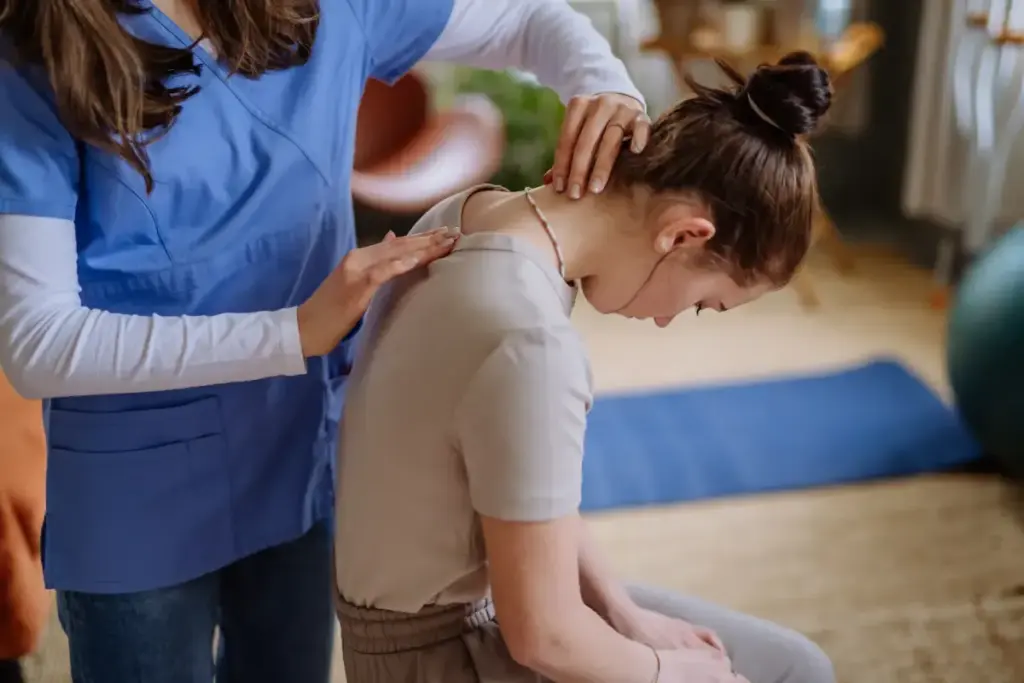
Did you know that nearly 3 million people are diagnosed with scoliosis in the United States each year? A lot of them need quick and effective treatment.
Dealing with scoliosis is tough, not just for those diagnosed but also for their families. Scoliosis is a condition where the spine curves abnormally. It needs quick and proper care to avoid more problems.
At our institution, we’re dedicated to top-notch healthcare. We focus on helping international patients get the best medical treatments. We aim to mix medical knowledge with caring understanding, so our patients get the best care possible.
Key Takeaways
- Understanding scoliosis is key for good treatment.
- Quick medical help can greatly improve results.
- Our care includes medical treatment and support services.
- There are advanced ways to manage scoliosis.
- International patients can get world-class healthcare with our help.
Understanding Scoliosis and Its Impact on the Body
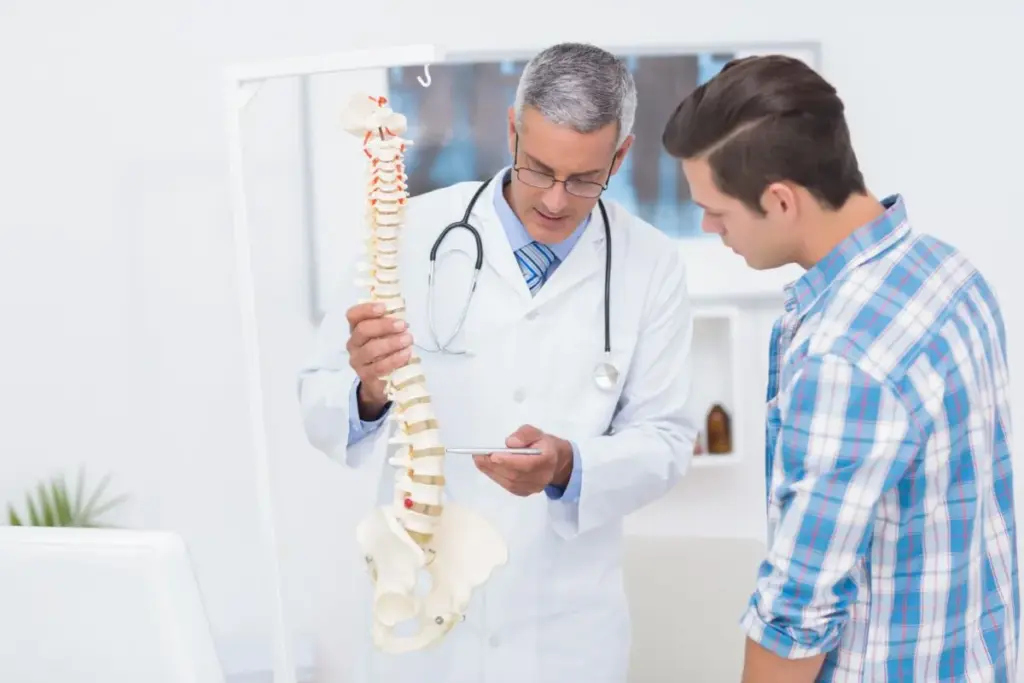
Scoliosis is more than just a spine curve. It deeply affects overall health. Let’s explore what scoliosis is, its medical classification, and its body impact.
Definition and Medical Classification
Scoliosis is an abnormal spine curve. Doctors measure this curve using the Cobb angle. A curve of 10 degrees or more is scoliosis.
The classification is based on the Cobb angle:
- Mild: 10-20 degrees
- Moderate: 21-40 degrees
- Severe: 41-60 degrees
- Very Severe: 61 degrees or more
How Scoliosis Affects Overall Health
Scoliosis impacts more than just the spine. It can cause pain, discomfort, and even affect breathing and heart function.
|
Health Impact |
Description |
|---|---|
|
Musculoskeletal |
Strain on muscles and joints, leading to pain and discomfort |
|
Respiratory |
Severe curvature can compress lungs and diaphragm, affecting breathing |
|
Cardiac |
In severe cases, the curvature can impact heart function and circulation |
Progression Patterns and Risk Factors
Scoliosis progression varies. Some curvatures stay the same, while others worsen. Factors like age, gender, and initial curvature degree play a role.
Key risk factors include:
- Age: Younger patients are at higher risk for progression
- Gender: Females are more likely to experience progression
- Cobb Angle: Larger curvatures are more likely to progress
Recognizing Scoliosis Symptoms and Warning Signs
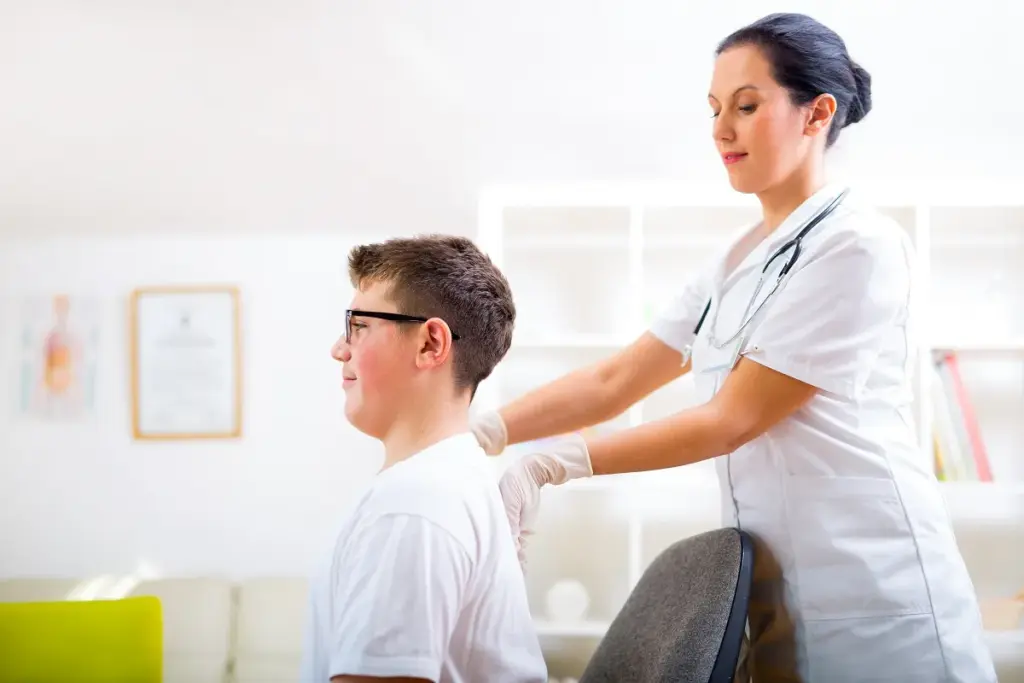
Spotting scoliosis early is key. It’s important to know its signs. Scoliosis shows up differently in everyone, so being aware is vital.
Physical Symptoms and Visible Signs
One way to spot scoliosis is by looking at body posture. Uneven shoulders or a prominent shoulder blade are signs. An uneven waist or an abnormal spine curve can also indicate it.
When bending forward, these signs become clearer. It’s important to watch for them, mainly in kids and teens. Their bodies are growing, and early detection is critical.
Pain Patterns and Functional Limitations
Scoliosis can also cause pain and limit movement. Back pain is common, ranging from mild to severe. It might be constant or come and go.
People with scoliosis may also find it hard to bend or stand for long. In adults, it can make everyday tasks harder and affect their quality of life.
When Symptoms Require Immediate Attention
While scoliosis is often not severe at first, some symptoms need quick medical help. Severe back pain, numbness in the legs, or trouble with bladder or bowel control are urgent signs. They might mean the condition is getting worse or there are complications.
If symptoms change fast or if you have a family history of scoliosis, see a doctor. Early treatment can make a big difference. It might prevent the need for more serious treatments later.
What Causes Scoliosis to Develop?
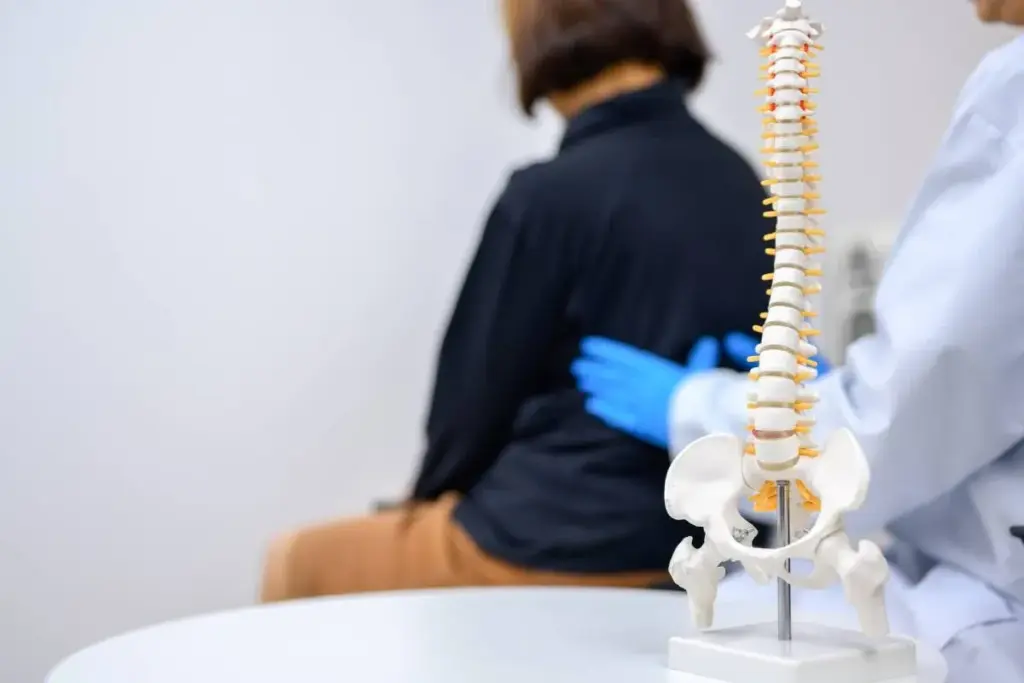
Scoliosis is a complex spinal condition with many causes. It can come from genetics, birth defects, or other factors. Knowing these causes helps find the best treatment.
Congenital Factors and Genetic Predisposition
Congenital scoliosis happens when the spine forms wrong during pregnancy. This can cause a spine curve. Family history also plays a big role, as those with a family history are more likely to get it. Research shows some genes might raise the risk, but how is not fully understood.
Some key congenital factors include:
- Vertebral anomalies, such as hemivertebrae
- Spinal dysraphism, which involves issues with the spine’s formation
- Other congenital conditions that affect spinal development
Idiopathic Scoliosis: The Most Common Type
Idiopathic scoliosis is the most common, making up about 80% of cases. It’s called “idiopathic” because we don’t know the cause. It can happen at any age, but mostly in teens. Its severity and how fast it gets worse can vary a lot.
Things that might make idiopathic scoliosis happen include:
- Hormonal changes during growth spurts
- Abnormal muscle activity around the spine
- Genetic predisposition, as seen in familial patterns
Secondary Causes: Neuromuscular and Degenerative Conditions
Secondary scoliosis comes from other health issues. Neuromuscular scoliosis is linked to conditions like cerebral palsy. These conditions can cause muscle imbalances that curve the spine.
Degenerative scoliosis happens in adults due to spinal wear and tear. It can be caused by aging, past injuries, or conditions like osteoporosis.
Knowing why scoliosis happens is key to treating it well. Each type needs a special plan to manage it effectively.
Diagnostic Process: From Screening to Comprehensive Assessment
Diagnosing scoliosis is a detailed process. It uses both clinical checks and advanced imaging. Accurate diagnosis is key to finding the best treatment.
Initial Screening Methods
Screening for scoliosis starts with a physical check. We look for signs like uneven shoulders or a prominent rib cage. The Adam’s Forward Bend Test is used to check the spine’s symmetry.
Key indicators during screening include:
- Visible curvature of the spine
- Asymmetry in the shoulders or hips
- Prominence of one side of the rib cage
Imaging Techniques and Cobb Angle Measurement
After initial screening, we use imaging to confirm scoliosis. X-rays are the main tool, helping us measure the Cobb angle.
The Cobb angle shows how severe the curvature is. An angle of 10 degrees or more is usually a sign of scoliosis.
Advanced Diagnostic Tools for Treatment Planning
We use tools like MRI or CT scans for more detailed assessments. These scans give a clearer view of the spine, helping us find any underlying issues.
Advanced diagnostics can reveal:
- Detailed spinal anatomy
- Presence of any spinal deformities or abnormalities
- Information critical for surgical planning, if needed
By combining screening methods with advanced imaging, we get a full picture of scoliosis. This helps us create a treatment plan that meets each person’s needs.
Conventional Treatment Timeline for Scoliosis
Managing scoliosis well means knowing the treatment timeline. We’ll cover the usual steps and what affects how fast treatment goes. This will help patients know what to expect.
Observation Protocol for Mild Curves
For mild scoliosis, with curves under 25 degrees, watching closely is often the first step. Patients get checked every 4-6 months. We use X-rays to see if the curve is changing.
Key aspects of observation include:
- Regular checks to spot any curve changes early
- Changing how often we check based on age and curve details
- Telling patients about signs of curve getting worse and when to get help fast
Standard Progression of Interventions
As scoliosis gets worse, treatment gets stronger. For curves between 25-40 degrees, a brace is often suggested, mainly for kids who are growing. The brace aims to stop the curve from getting worse and lets the spine grow.
|
Cobb Angle |
Typical Treatment Approach |
Frequency of Monitoring |
|---|---|---|
|
< 25 degrees |
Observation |
Every 4-6 months |
|
25-40 degrees |
Bracing |
Every 6-12 months |
|
> 40 degrees |
Surgical evaluation |
As needed based on surgical plans |
Factors Influencing Treatment Speed
Many things can change how fast treatment for scoliosis works. These include the patient’s age, how bad and flexible the curve is, and if there are other health issues. Younger patients, with more growing to do, might need more active treatment to stop the curve from getting worse fast.
Key factors affecting treatment speed include:
- Patient age and how grown up their bones are
- How big and flexible the curve is
- If there are other health problems or conditions
Knowing these factors and the usual treatment timeline helps patients and their families. They can make better choices about their care.
Scoliosis Bracing: Accelerating Curve Correction
Scoliosis bracing is a key part of treating spinal curves without surgery. It helps guide the spine into the right shape. This is very helpful for kids and teens.
Modern Bracing Technologies and Innovations
New bracing tech makes scoliosis braces better. They are now lighter, breathable, and easier to adjust. This makes wearing them more comfortable and effective.
- Customizable designs that fit individual patient needs
- Advanced materials that provide better support while being less bulky
- Dynamic bracing systems that allow for more natural movement
Full-time vs. Nighttime Bracing Effectiveness
There’s a debate on full-time vs. nighttime bracing. Full-time bracing is worn for 23 hours a day. Nighttime bracing is for 8-10 hours at night. Both can work well, depending on the scoliosis and the patient’s life.
Full-time bracing is best for severe cases. Nighttime bracing offers more freedom during the day.
Intensive Bracing Protocols for Faster Results
Some patients need intense bracing for quicker results. This might include wearing the brace all the time and doing special exercises.
Compliance Strategies for Optimal Outcomes
Wearing the brace as told is key to success. Regular checks and exercises also help a lot. We help patients find a bracing plan that works for them.
Surgical Approaches for Rapid Scoliosis Correction
Surgical treatments for scoliosis have improved a lot. Now, patients can recover faster and get better results. When other treatments don’t work or the curve is very bad, surgery is needed.
Traditional Fusion Surgery: Procedure and Recovery
Traditional fusion surgery is a common treatment for scoliosis. It joins vertebrae together using bone grafts, rods, and screws. This helps stabilize the spine and fix the curve.
Recovering from this surgery takes a few months. You’ll need to rest a lot and then do physical therapy to get strong again. Even though it works well, it can be a big surgery with a long recovery.
Vertebral Body Tethering and Growth Modulation
Vertebral body tethering is a new, innovative surgery for young patients. It uses a flexible cord to attach to the vertebrae on the curve side. This lets the spine grow and correct the curve over time.
This method is particularly beneficial for children as it maintains spinal flexibility and facilitates growth. Early studies show it can correct curves well and reduce the chance of them getting worse.
Minimally Invasive Options with Shorter Recovery
Minimally invasive surgeries are becoming more common for scoliosis. They have smaller cuts, less damage to tissue, and faster healing. These surgeries use advanced imaging to place implants accurately.
These new options are promising. They could make surgery less hard on patients and lead to better results.
When Surgery Provides the Fastest Path to Correction
Surgery is often the quickest way to fix severe scoliosis or when other treatments don’t work. The choice to have surgery depends on many things. These include how curved the spine is, the patient’s age, and their overall health.
|
Surgical Method |
Recovery Time |
Key Benefits |
|---|---|---|
|
Traditional Fusion Surgery |
Several months |
Effective for severe curvatures, well-established procedure |
|
Vertebral Body Tethering |
Varies, generally shorter than fusion |
Preserves spinal flexibility, suitable for younger patients |
|
Minimally Invasive Surgery |
Typically shorter than traditional fusion |
Less tissue damage, smaller incisions, quicker recovery |
Specialized Physical Therapy Methods for Scoliosis
Advanced physical therapy methods are changing how we treat scoliosis. These methods offer personalized treatment plans for each patient. They help manage the condition and improve life quality for those with scoliosis.
Schroth Method: Principles and Intensive Protocols
The Schroth Method is a non-invasive treatment for scoliosis. It was developed in the 1920s by Katharina Schroth. This method focuses on exercises that:
- Improve posture
- Enhance spinal flexibility
- Strengthen the muscles around the spine
Intensive Schroth protocols include a detailed exercise program tailored to each patient’s spinal curve. Patients learn to correct their posture through specific exercises and breathing techniques.
CLEAR Institute Approach and Treatment Intensity
The CLEAR Institute (Compression with Lateral Electrical Surface Stimulation) approach is another specialized method. It combines lateral electrical surface stimulation with compression to:
- Reduce spinal curvature
- Improve spinal flexibility
- Enhance muscle strength
Treatment intensity depends on the scoliosis severity and patient response. Regular assessments are key to adjust the treatment plan as needed.
ScolioSmart and Other Proprietary Systems
ScolioSmart is a proprietary system for scoliosis management. It includes:
- Customized exercise programs
- Postural correction techniques
- Patient education
Other proprietary systems offer innovative solutions, like advanced bracing techniques and specialized physical therapy equipment.
Measuring Progress in Therapy-Based Approaches
Progress in therapy-based approaches for scoliosis is tracked through regular assessments. These include:
|
Assessment Method |
Description |
Frequency |
|---|---|---|
|
X-rays |
To measure Cobb angle and assess spinal curvature |
Every 6-12 months |
|
Physical Examination |
To assess posture, flexibility, and muscle strength |
Every 3-6 months |
|
Patient Feedback |
To monitor symptoms and quality of life |
Ongoing |
Healthcare providers use these assessment methods to tailor treatment plans. This ensures effective management of scoliosis for each patient.
Targeted Exercise Programs for Faster Curve Management
Targeted exercise programs are key in managing scoliosis. They help slow or reduce spinal curvature. By adding specific exercises to their treatment, people with scoliosis can see improvement.
Core Strengthening and Stabilization Techniques
Core strengthening is vital in scoliosis exercise plans. A strong core supports the spine, lowering curvature risk. Exercises like planks, bridges, and pelvic tilts are great for this.
Curve-Specific Exercises and Their Mechanisms
Curve-specific exercises target an individual’s scoliosis. They counteract the spine’s abnormal curve. It’s important to work with a healthcare professional to create a personalized program.
Breathing Rehabilitation and Its Impact on Spine Position
Breathing rehabilitation is also key in scoliosis exercise plans. Certain breathing techniques improve lung capacity and spinal alignment. Diaphragmatic breathing is very beneficial for posture and lung health.
Creating an Efficient Home Exercise Program
Creating a good home exercise program needs planning and commitment. Start with a healthcare professional’s assessment to find the best exercises for you. Consistency is key. Set aside time each day to do your exercises.
|
Exercise Type |
Benefits |
Frequency |
|---|---|---|
|
Core Strengthening |
Improves spinal stability, reduces curvature progression |
3-4 times a week |
|
Curve-Specific Exercises |
Counteracts abnormal curvature, improves spinal alignment |
Daily |
|
Breathing Rehabilitation |
Enhances lung capacity, promotes better posture |
Daily |
By adding these targeted exercise programs to your scoliosis management, you can manage your curve faster and more effectively. Always talk to a healthcare professional before starting any new exercise plan.
Alternative and Complementary Approaches to Speed Recovery
Complementary approaches can make traditional scoliosis treatments better. It’s key to know how to mix them into a full care plan.
Chiropractic Methods Specific for Scoliosis
Chiropractic care is a big help for scoliosis. Chiropractors use special techniques to align the spine and ease pain. Studies show it can lessen scoliosis pain and boost spinal health.
Some chiropractors use special methods for scoliosis, like the Gonstead or Activator Methods. These aim to fix spinal problems.
Specialized Massage and Soft Tissue Techniques
Massage therapy is also good for scoliosis patients. It relaxes muscles, boosts flexibility, and makes people feel better. Massage therapists use deep tissue, myofascial release, or trigger point therapy to ease tension.
Massage can work with other treatments like bracing or physical therapy. It helps make these treatments more effective.
Electrical Stimulation and Other Modalities
Electrical stimulation helps with scoliosis, mainly when muscle imbalance is a problem. Techniques like EMS or TENS strengthen muscles. This can slow or stop the curve from getting worse.
Integrating Complementary Approaches with Conventional Care
It’s important to work with healthcare providers when adding alternative therapies to scoliosis treatment. This ensures all treatments work well together and are safe.
For example, mixing chiropractic care with bracing or physical therapy can lead to better results. A study found that this combination reduced pain and improved spinal alignment in scoliosis patients.
|
Therapy |
Primary Benefits |
Potential Outcomes |
|---|---|---|
|
Chiropractic Care |
Improved spinal alignment, pain relief |
Enhanced spinal function, reduced discomfort |
|
Specialized Massage |
Reduced muscle tension, improved flexibility |
Better overall comfort, enhanced treatment effectiveness |
|
Electrical Stimulation |
Muscle strengthening, potentially slowing curve progression |
Improved spinal stability, reduced risk of curve progression |
By mixing these complementary approaches with traditional treatments, patients can see better results and live better lives.
Age-Specific Considerations: Children vs. Adults with Scoliosis
Treating scoliosis requires knowing the unique challenges for different ages. Children and adults face different needs because of growth and how scoliosis affects the spine at different life stages.
Growth-related opportunities in pediatric cases
In kids, treatment aims to guide the spine as it grows. For those diagnosed during puberty, bracing is often used to stop the curvature from getting worse. Early treatment can greatly change the condition’s course, helping manage it better and possibly avoiding more serious treatments later.
Treatments for kids are designed to keep up with their growth. They adjust as needed to keep the spine aligned right. This shows how important regular check-ups with a scoliosis specialist are.
Adult scoliosis: addressing pain vs. correcting curves
Adults focus more on pain management and keeping functional, not just correcting the curve. Degenerative scoliosis in older adults can cause a lot of pain and affect daily life. Treatment might include physical therapy, pain management, and sometimes surgery to stabilize the spine and ease symptoms.
Adults aim to improve their quality of life, not just fix the curve. This involves a wide range of approaches, including lifestyle changes and targeted treatments.
Accelerated approaches for different age groups
Younger patients might get more intense bracing and physical therapy, while older adults might need less invasive treatments for pain relief.
Setting realistic expectations based on age and curve type
It’s key for patients and families to know what treatment can achieve based on age and scoliosis type. Realistic expectations help plan the best treatment. For example, younger patients with growth left might get more aggressive treatments, while older adults might focus on symptom management.
Understanding these age-specific needs helps patients choose the right treatment with a scoliosis specialist. This ensures they get the best care for their situation.
Intensive Rehabilitation Programs: The Fastest Treatment Options
Intensive rehabilitation programs are quick and effective for treating scoliosis. They are made to fix spinal curvatures fast. Each program is unique, based on the patient’s needs and goals.
These programs mix physical therapy, bracing, and sometimes prep for surgery. They are designed to help patients with different spinal curvatures.
Two-week intensive rehabilitation protocols
Our two-week programs pack a lot of therapy into a short time. They include:
- Daily physical therapy sessions focusing on scoliosis-specific exercises
- Adjustments and fittings for custom bracing to support spinal correction
- Education on posture management and daily activity modifications
Patients get checked at the start and end to see how they’re doing. This helps adjust the treatment as needed.
Boot camp approaches to scoliosis correction
Boot camp programs are intense and short. They aim to make big changes quickly. Experienced therapists lead these programs, which include:
- Intensive exercise regimens tailored to the individual’s curve type and severity
- Manual therapy techniques to improve spinal flexibility and reduce pain
- Training in corrective exercises and postural awareness
Multi-disciplinary intensive programs
Multi-disciplinary programs bring together experts like orthopedic surgeons and physical therapists. They offer a full range of care for scoliosis patients. These programs include:
- Collaborative treatment planning to ensure a unified approach
- Access to a wide range of therapeutic modalities and interventions
- Ongoing monitoring and adjustments to the treatment plan
Results and maintenance after intensive treatment
Intensive programs can lead to big improvements in spinal alignment and symptom reduction. To keep these gains, we recommend:
|
Maintenance Strategy |
Description |
Frequency |
|---|---|---|
|
Regular Exercise |
Continuation of scoliosis-specific exercises learned during the program |
Daily |
|
Bracing |
Use of custom bracing as directed by the orthotist |
As prescribed |
|
Follow-up Appointments |
Regular check-ups with the treatment team to monitor progress and adjust the treatment plan |
Every 3-6 months |
By sticking to these strategies, patients can enjoy lasting benefits from their intensive program.
Conclusion: Creating Your Personalized Fast-Track Scoliosis Treatment Plan
Creating a good scoliosis treatment plan means knowing a lot about the condition and how it affects you. We’ve looked at many treatment options in this article. These range from common methods to more intense programs.
For the fastest and best treatment, getting advice from experts is key. They will make a personalized care plan just for you. This plan will consider your age, how severe your curve is, and your overall health.
Using the right treatment and staying committed to scoliosis treatment can lead to big improvements. You might use braces, physical therapy, or surgery. A well-made plan can reduce symptoms and improve your life quality.
We suggest talking to a healthcare expert to make a treatment plan that fits you. This plan will help manage scoliosis and get you the best results.
FAQ
What is scoliosis and how does it affect the body?
Scoliosis is a condition where the spine curves abnormally. It can cause discomfort, pain, and breathing problems. It also affects posture and how you look.
What are the common symptoms of scoliosis?
Symptoms include uneven shoulders and a visible spine curve. Back pain and breathing issues can also occur. The severity varies from person to person.
What causes scoliosis to develop?
Scoliosis can be caused by genetics, congenital factors, or neuromuscular diseases. Idiopathic scoliosis, where the cause is unknown, is the most common type.
How is scoliosis diagnosed?
First, doctors do physical exams and visual checks. Then, they use X-rays to measure the Cobb angle. Advanced tools might be used for a full assessment.
What are the treatment options for scoliosis?
Mild cases might just need watching. Bracing can stop it from getting worse. Physical therapy and surgery are options for more severe cases.
How effective is bracing in treating scoliosis?
Bracing works well to stop scoliosis from getting worse, mainly in kids and teens. There are different types of braces, and wearing them as directed is key.
What is the role of physical therapy in scoliosis treatment?
Physical therapy, like the Schroth method, helps manage scoliosis. It improves posture, reduces pain, and increases spinal flexibility through specific exercises.
Can scoliosis be treated without surgery?
Yes, many cases can be treated without surgery. Bracing, physical therapy, and exercises can help. The choice depends on the severity, age, and health of the person.
What are the benefits of intensive rehabilitation programs for scoliosis?
Intensive programs offer fast treatment through a mix of physical therapy, bracing, and sometimes surgery. They help correct scoliosis quickly and effectively.
How does age affect scoliosis treatment?
Age is a big factor in treatment. Kids and teens might get treatments that help them grow. Adults might need more conservative or surgical options, based on their condition and health.
What is the importance of creating a personalized treatment plan for scoliosis?
A personalized plan is key. It considers the person’s condition, age, health, and lifestyle. This ensures the best treatment for their scoliosis.
National Center for Biotechnology Information. Evidence-Based Medical Insight. Retrieved from https://pubmed.ncbi.nlm.nih.gov/3501989/



 Departments
 Related Videos
 Our Doctors
 News
News