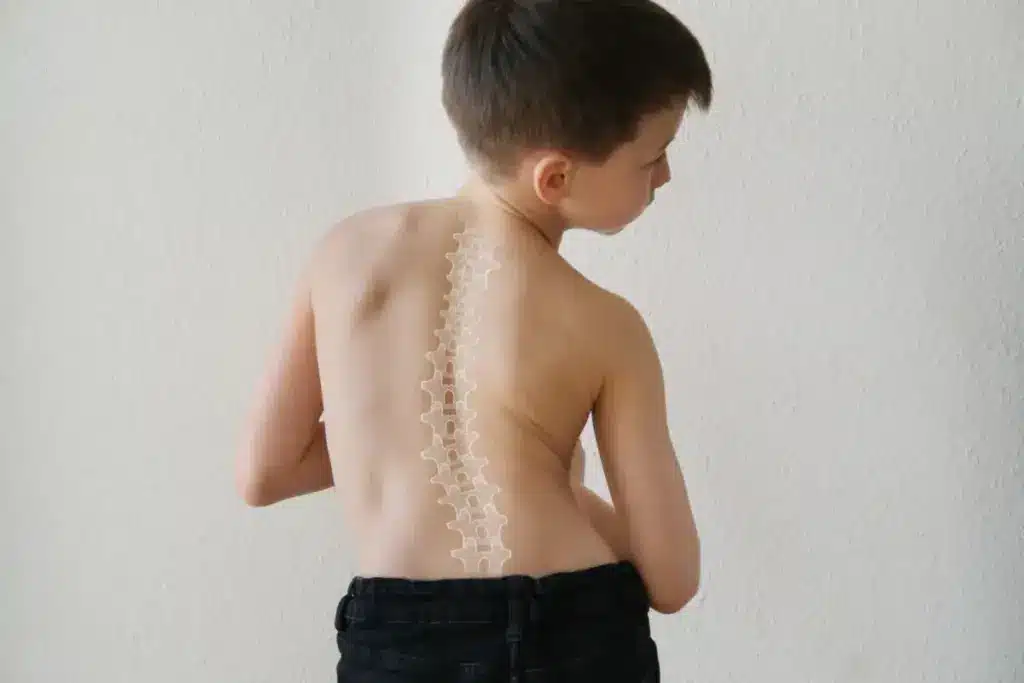
Did you know that about 3 million people in the United States are diagnosed with scoliosis every year? A lot of them need some kind of treatment.
Scoliosis is a condition where the spine curves abnormally. If not treated right, it can really affect someone’s life. We know how important it is to act fast to avoid serious problems later on.
Deciding to treat scoliosis means looking at how bad it is, the person’s health, and the treatment’s benefits and risks. We need to look at the latest research and what experts say to make the best choice.
Key Takeaways
- Understanding the severity of scoliosis is key to picking the right treatment.
- Acting quickly can greatly improve results and stop serious issues later.
- A good treatment plan should fit the person’s needs and health.
What Is Scoliosis and How Does It Develop?
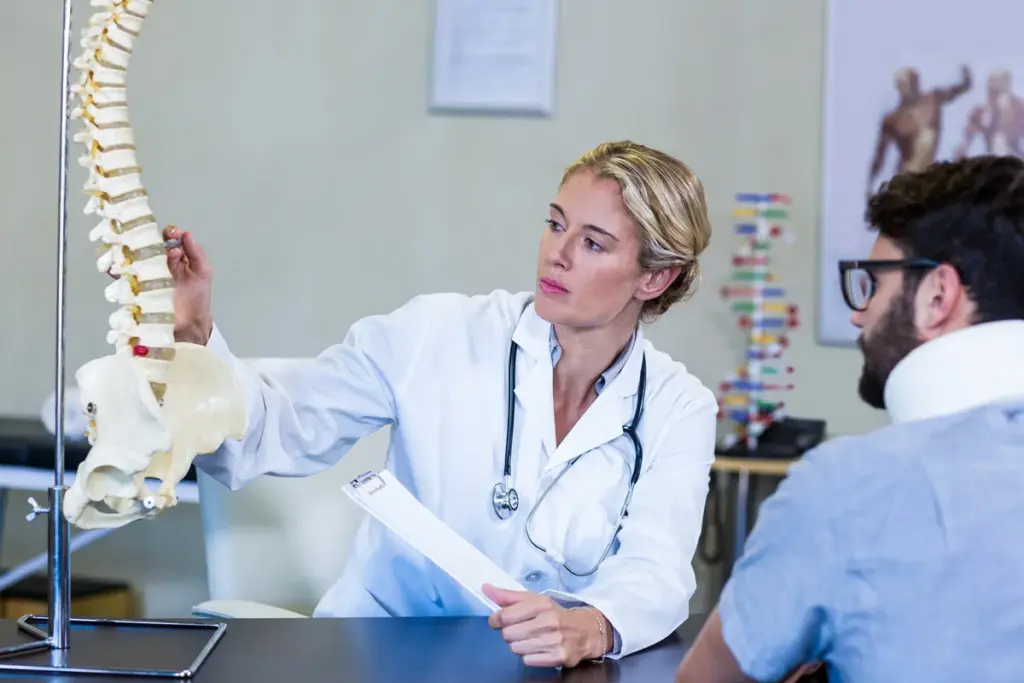
Scoliosis is a condition where the spine curves abnormally to one side. It can affect different parts of the spine and impact a person’s life greatly.
Definition and Basic Anatomy
Scoliosis is when the spine curves sideways. It often happens in the mid-back or lower back. Normally, the spine is straight from the front, but in scoliosis, it curves.
The spine has vertebrae stacked on each other, cushioned by discs. In a healthy spine, these vertebrae line up well for support and flexibility. But in scoliosis, they don’t, causing an abnormal curve.
Types of Spinal Curvatures
Scoliosis can curve in different ways. The most common types are:
- Levorotatory scoliosis: The spine curves to the left.
- Dextrorotatory scoliosis: The spine curves to the right.
It can also be classified by cause and when it starts, which we’ll look at later.
Prevalence and Demographics
Scoliosis can happen at any age, but it’s most seen in teens. About 2-3% of teens have it. It can also happen in babies and adults, for different reasons.
|
Age Group |
Prevalence of Scoliosis |
|---|---|
|
Infants (0-3 years) |
1 in 10,00 |
|
Adolescents (10-18 years) |
2-3% |
|
Adults |
Up to 68% in some degenerative cases |
Knowing how common scoliosis is helps find it early and manage it better.
Recognizing the Signs and Symptoms of Scoliosis
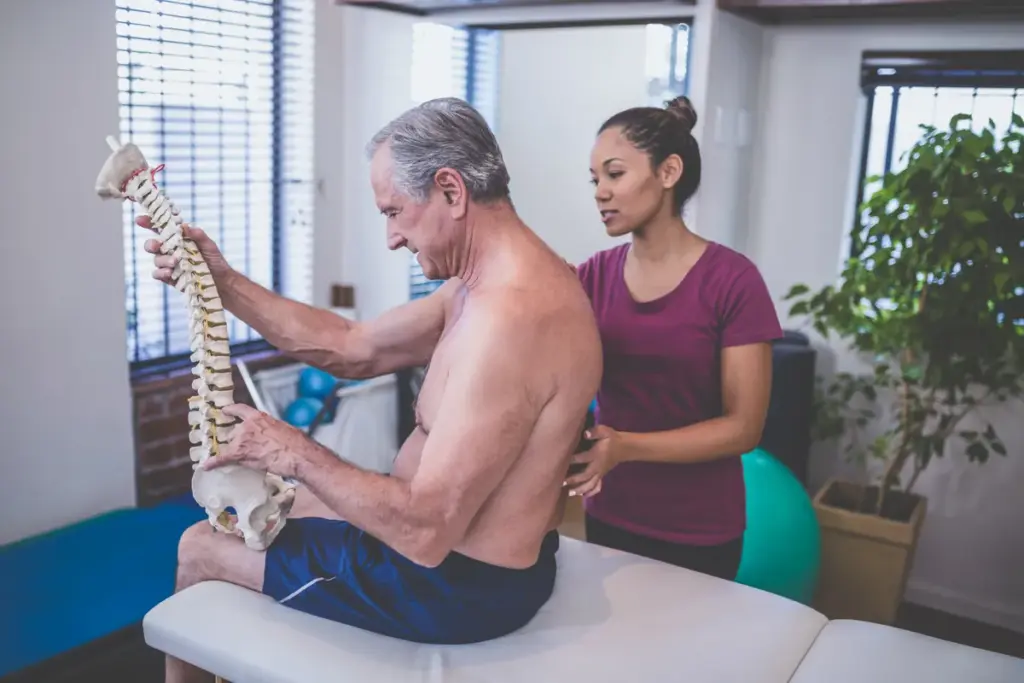
Spotting the signs of scoliosis is key to getting help early. Scoliosis affects people in different ways. Being aware of the signs and symptoms is crucial for early detection and effective treatment.
Visual and Physical Symptoms
One clear sign of scoliosis is an uneven spine. This can make the body look off-balance. Look out for:
- Uneven shoulders or shoulder blades
- A prominent rib cage or uneven waist
- Leaning to one side
- Differences in the height or position of the hips
Pain and Discomfort Patterns
Pain from scoliosis can be different for everyone. Some common pains are:
- Lower back pain
- Neck pain
- Leg pain or numbness due to nerve compression
The type and where the pain is can tell us a lot about scoliosis.
Functional Limitations
Scoliosis can make everyday tasks harder. It can affect how well you move and breathe. Common issues include:
|
Functional Limitation |
Description |
|---|---|
|
Reduced flexibility |
Difficulty bending or twisting |
|
Breathing difficulties |
In severe cases, scoliosis can affect lung capacity |
|
Fatigue |
Muscle fatigue due to compensatory mechanisms |
Seeing these signs early is vital. It helps start the right treatment and improve life for those with scoliosis.
Diagnosing Scoliosis: Methods and Measurements
Getting a correct scoliosis diagnosis is key to finding the right treatment. We use different methods to check the condition fully.
Physical Examination Techniques
A detailed physical check is the first step in finding out if someone has scoliosis. We look for signs like uneven shoulders or a big rib cage. The Adam’s Forward Bend Test is a tool we use. It helps us see if the spine is straight or not.
During the check-up, we notice things like:
- Uneven shoulders or hips
- A big rib cage on one side
- A curved spine
- Different heights of the left and right scapula
Imaging Studies
Imaging tests are very important for confirming the diagnosis and seeing how bad the scoliosis is. We mainly use:
- X-rays: They give us clear pictures of the spine’s bones, so we can measure the curve.
- MRI (Magnetic Resonance Imaging): It helps us see the spinal cord and find any nerve problems.
- CT (Computed Tomography) scans: They give us detailed pictures of the spine’s shape.
Classification of Curve Severity
The Cobb angle from X-rays helps us know how bad the scoliosis is. It tells us if the curve is mild, moderate, severe, or very severe.
- Mild: Cobb angle of 10-20 degrees
- Moderate: Cobb angle of 21-40 degrees
- Severe: Cobb angle of 41-60 degrees
- Very Severe: Cobb angle greater than 60 degrees
Knowing how bad the curve is helps us choose the best treatment and guess if it will get worse.
Factors That Determine When Scoliosis Should Be Corrected
Deciding when to treat scoliosis involves looking at several important signs. We carefully consider these factors to find the best treatment for each patient.
Age and Skeletal Maturity
Age and how fully developed the bones are are key. Young patients, who are growing fast, are watched closely. Their curves can grow quickly during these times.
Skeletal maturity is checked with X-rays. These show how much growth is left, using the Risser grade.
Curve Magnitude and Progression Rate
The size of the curve and how fast it’s growing are also important. Big curves or ones growing fast might need treatment.
The Cobb angle measures the curve’s size. Curves over 45-50 degrees are big and might need surgery or a brace to stop getting worse.
Location and Pattern of the Curve
Where the curve is and its shape also matter. Curves in different parts of the spine can have different effects.
- Thoracic curves can hurt lung space and are often more serious.
- Lumbar curves can affect how well you move and balance.
Underlying Causes and Comorbidities
The reason for scoliosis and any other health issues also play a big part. Scoliosis without a known cause is common but has its own rules. Scoliosis caused by other health issues or born with it needs different care.
|
Underlying Cause |
Considerations |
|---|---|
|
Idiopathic Scoliosis |
Usually checked regularly and treated based on the curve size and how it’s changing. |
|
Neuromuscular Scoliosis |
Linked to conditions like cerebral palsy. Treatment might include physical therapy and surgery. |
|
Congenital Scoliosis |
Present at birth due to spinal issues. Early surgery is often needed. |
In summary, deciding to treat scoliosis looks at many factors. These include age, curve size, location, and why it’s happening. This helps doctors create a treatment plan that fits each patient’s needs.
Scoliosis in Children: Early Intervention Considerations
Early treatment is key for scoliosis in young kids. Scoliosis makes the spine curve abnormally. It can get worse fast, so quick action is vital to avoid serious problems.
Infantile Scoliosis (0-3 years)
Infantile scoliosis is found in kids under three. It needs close watching and sometimes treatment right away. We use casts and braces to help the spine grow right. Sometimes, surgery is needed to help the spine grow correctly.
Juvenile Scoliosis (4-10 years)
Juvenile scoliosis is tough because kids are growing. We use special treatments to help the spine grow right. This includes braces and sometimes surgery. Our goal is to make sure the spine grows well.
Growth Modulation Approaches
Growth modulation helps the spine grow in the right way. This can be with braces that kids wear a lot or a little. For serious cases, surgery like growing rods might be needed.
Casting and Early Bracing Options
Casting and bracing are ways to treat scoliosis without surgery. Casting is for the youngest kids. It uses a plaster cast to fix the spine. Older kids wear braces to stop the spine from curving more.
Starting treatment early and using different methods can greatly help kids with scoliosis. It can lower the chance of serious problems and the need for big surgeries later.
Adolescent Idiopathic Scoliosis: Critical Treatment Windows
Knowing when to treat adolescent idiopathic scoliosis is key. We must look at the patient’s growth stage, curve severity, and health. This helps us manage AIS effectively.
Monitoring During Growth Spurts
Adolescence is a time of big changes in the spine, mainly during growth spurts. Regular monitoring is essential to track the spinal curve. This helps us choose the best treatment. We suggest regular check-ups to adjust treatment plans as needed.
Bracing Thresholds and Timing
Bracing is often used for AIS, mainly for moderate curvatures. The choice to use a brace depends on several factors. These include the curve degree, skeletal maturity, and symptoms. Effective bracing can stop further curvature and lower surgery risks. We consider bracing for curves between 25 and 40 degrees in growing patients.
Surgical Considerations for Adolescents
For severe curvatures or when bracing fails, surgery might be needed. Surgical correction aims to stabilize and correct the spine. Surgery timing is critical and depends on skeletal maturity. We evaluate each patient’s needs to find the best surgery time.
Psychological Factors in Treatment Decisions
The mental side of AIS treatment is important. Adolescents may feel anxious, self-conscious, or worried about their body image. Supportive care from healthcare, family, and friends is vital. We aim to treat both physical and emotional needs of our patients.
Adult Scoliosis: When Correction Becomes Necessary
Scoliosis in adults can really affect how well you live, making it key to know when to fix it. As we get older, our spines change, which can cause scoliosis to start or get worse.
Adult scoliosis can be split into two types: de novo and progressive. Knowing the difference helps us choose the right treatment.
De Novo vs. Progressive Adult Scoliosis
De novo scoliosis happens in adults, often because of wear and tear. Progressive scoliosis, on the other hand, is when scoliosis from youth gets worse.
- De novo scoliosis is more common in older adults and is often linked to wear and tear on discs and joints.
- Progressive scoliosis, while starting in youth, can also get worse in adulthood due to wear and tear.
Pain-Driven Treatment Decisions
Pain is a big reason to decide if scoliosis needs to be fixed in adults. Chronic pain can really hurt your quality of life, so acting fast is important.
We look at several things when deciding on treatment based on pain, including:
- The severity and how long the pain lasts
- How pain affects daily life and quality of life
- What treatments have worked before
Functional Decline Indicators
Functional decline is another important sign that scoliosis correction might be needed in adults. As scoliosis gets worse, it can make it hard to do everyday things.
Signs of functional decline include:
- Having trouble walking or standing for a long time
- Feeling off balance or being at risk for falls
- Not being able to do daily tasks as well
Quality of Life Considerations
When deciding to fix scoliosis in adults, we think about how it affects life quality. This includes easing pain, improving function, and dealing with the emotional and social sides of scoliosis.
We focus on a full approach that looks at the person’s overall health and well-being.
Understanding adult scoliosis and what affects treatment choices helps us give care that improves life quality and outcomes.
Conservative Treatment Approaches for Scoliosis
Managing scoliosis conservatively means using many methods. These include physical therapy, bracing, and managing pain. These steps help stop the curve from getting worse and ease symptoms.
Physical Therapy and Specialized Exercise Programs
Physical therapy is key in treating scoliosis. It uses special exercises to strengthen spine muscles, improve posture, and boost flexibility. Exercises like the Schroth Method are very helpful. They focus on breathing and correcting posture.
Bracing Options and Wear Schedules
Bracing is vital for treating scoliosis, mainly in kids and teens. The brace type and how often to wear it depend on the curve’s severity and the patient’s growth stage. Today’s braces are more comfy and less noticeable, making it easier for patients to stick to treatment.
Pain Management Interventions
Managing pain is important for those with scoliosis. It helps them live better lives. Treatments range from medicines to physical therapy, like heat or cold therapy, and even acupuncture. Good pain management lets patients keep up with their daily activities and stay well.
Alternative and Complementary Approaches
There are also other treatments that can help. Chiropractic care, yoga, and Pilates can improve flexibility and lessen pain. It’s important for patients to talk to their doctors about these options to make sure they’re safe and work well.
Surgical Intervention: Timing and Indications
Deciding on surgery for scoliosis depends on several factors. These include how severe the curvature is and the patient’s health. Surgery is considered when the curve is too big or when other treatments don’t work well.
Absolute Indications for Surgery
Severe spinal curves, over 50 degrees in adults or 45 degrees in teens, are a clear sign for surgery. Also, if you have numbness, weakness, or trouble with your bladder, you need to see a surgeon right away.
Severe curvature can harm your health. It can make breathing hard because it presses on important organs.
Relative Indications for Surgery
Other reasons for surgery include curves that keep getting worse, pain that won’t go away, and concerns about how you look. The choice to have surgery depends on your health, how much you’ve grown, and what you want.
Before surgery, some doctors might suggest wearing a brace. This is for curves that are big but not so bad they need surgery right away.
Risks of Delaying Necessary Surgery
Waiting too long for surgery can make your curve worse. It can also cause more pain and even harm your nerves. Sometimes, waiting can make the surgery harder and longer to recover from.
It’s important to talk to your doctor about when to have surgery. They will help you weigh the risks and benefits based on your situation.
Preoperative Evaluation and Planning
Before surgery, you’ll have many tests. These include X-rays, lung function tests, and a full medical history. These help find any risks and plan for the best results.
You’ll also learn about what to expect after surgery. This includes how to manage pain and what to do to get better. This helps you have a smooth recovery.
Modern Surgical Techniques for Scoliosis Correction
Today, surgery offers many ways to fix scoliosis, based on what each patient needs. The right surgery depends on how bad the curve is, the patient’s age, and their health.
Traditional Spinal Fusion Procedures
Spinal fusion is a key treatment for scoliosis. It joins vertebrae together with bone grafts, rods, and screws. This makes the spine stable and straightens it out. But, it can make the spine less flexible.
Growth-Friendly Surgeries for Young Children
Young kids with scoliosis get special surgeries that let their spine grow. These include growing rods and the VEPTR. They help the spine grow without fusing it, keeping room for growth.
Minimally Invasive Surgical Options
New, less invasive surgeries are changing how we treat scoliosis. They use small cuts and special tools to fix the spine. This way, recovery is faster and scars are smaller.
Motion-Preserving Techniques
New methods aim to keep the spine flexible, even when fixing scoliosis. For example, vertebral body tethering corrects the curve but keeps the spine moving.
We know every patient is different, and the right surgery is personal. With these modern methods, we can fix scoliosis better and improve our patients’ lives.
Recovery and Outcomes After Scoliosis Treatment
Recovering from scoliosis treatment is a journey with many steps. It includes rehabilitation and ongoing checks. Knowing what to expect helps patients get the best results.
Post-Treatment Rehabilitation
Rehab after treatment is key to getting back strength and flexibility. A good rehab plan includes physical therapy, exercises, and changes in lifestyle.
A typical rehab plan might include:
- Physical therapy to boost mobility and strength
- Custom exercises based on the patient’s needs
- Changes in diet and stress management
Expected Outcomes by Treatment Type
Results after scoliosis treatment depend on the treatment. For example, surgery can greatly improve spinal alignment and reduce pain.
|
Treatment Type |
Expected Outcomes |
|---|---|
|
Surgical Correction |
Improved spinal alignment, reduced pain, and better quality of life |
|
Bracing |
Slows or stops curve growth, improves spinal stability |
|
Physical Therapy |
Boosts flexibility, strength, and posture |
Long-term Monitoring Requirements
Keeping an eye on the spine long-term is vital after treatment. Regular check-ups with a specialist are recommended.
These visits may include:
- Regular X-rays to check spinal alignment
- Physical checks to see how flexible and strong the spine is
- Reports from patients on their quality of life and pain
Potential Complications and Management
While treatment is usually safe, complications can happen. These might include infection, hardware failure, or the curve getting worse.
To handle these issues, we:
- Watch patients for signs of infection or other problems
- Use the latest surgical methods and materials to lower risks
- Teach patients how to spot and report any complications
Understanding the recovery and outcomes after scoliosis treatment helps patients on their path to better spinal health and well-being.
Consequences of Untreated or Delayed Treatment of Scoliosis
If scoliosis is not treated, it can cause many problems. These problems affect the spine and overall health. The spine’s curvature can get worse, leading to health issues.
Progression of Curvature
Untreated scoliosis can make the spine’s curvature worse. This can lead to more serious health problems. How fast the curvature gets worse can vary, but it often happens faster during growth spurts.
Factors influencing curvature progression include:
- Age: Younger patients are at higher risk for rapid progression.
- Curve magnitude: Larger curves are more likely to progress.
- Skeletal maturity: Patients with less skeletal maturity are at higher risk.
Cardiopulmonary Complications
Severe scoliosis can cause problems with the heart and lungs. This is because the spine’s curve can press on these organs. It can make breathing and doing everyday things harder.
|
Complication |
Description |
Impact |
|---|---|---|
|
Reduced Lung Capacity |
Compression of lungs due to severe curvature |
Shortness of breath, reduced endurance |
|
Cardiac Issues |
Compression or displacement of the heart |
Fatigue, palpitations, reduced cardiac output |
Chronic Pain Development
Untreated scoliosis can cause chronic pain. This pain is because of the abnormal strain on muscles and joints. It can really affect a person’s life, making daily activities hard.
Chronic pain management is key. It involves physical therapy, pain medicine, and sometimes surgery.
Psychological and Social Impact
Scoliosis can also affect a person’s mind and social life. People may feel bad about themselves, anxious, or depressed. This is because of the visible deformity and health problems.
We know it’s important to tackle scoliosis in all ways, including the mind and social life. Early treatment can help a lot. It can improve both physical health and mental well-being of those with scoliosis.
Conclusion
Knowing when to correct scoliosis is key for effective treatment. This helps improve life quality for those with the condition. We’ve looked at scoliosis’s definition, signs, diagnosis, and treatment options in this article.
Getting help from a scoliosis specialist early is vital. It stops the spinal curve from getting worse and prevents complications. Treatment plans are made just for each person, considering their age, curve size, and health.
We stress the need to see a scoliosis specialist for the right treatment. This way, patients can make smart choices about their care. It helps avoid serious problems and boosts their health and happiness.
FAQ
What is scoliosis and how does it develop?
Scoliosis is a condition where the spine curves abnormally. It’s not always clear why it happens. It might be due to genetics, neuromuscular issues, or changes in the spine over time.
What are the common signs and symptoms of scoliosis?
Signs of scoliosis include uneven shoulders and a visible spine curve. People might also feel back pain or have trouble breathing if the curve is severe.
How is scoliosis diagnosed?
Doctors use physical exams and X-rays to diagnose scoliosis. They might also use MRI or CT scans to see how severe the curve is.
What factors determine when scoliosis should be corrected?
Deciding to treat scoliosis depends on several things. These include the patient’s age, how severe the curve is, and if it’s getting worse. The location and pattern of the curve also play a role.
What are the treatment options for scoliosis?
Treatment for scoliosis can be non-surgical or surgical. Non-surgical options include physical therapy, bracing, and managing pain. Surgery is considered when these methods don’t work.
When is surgical intervention necessary for scoliosis?
Surgery is needed for scoliosis when the curve is very severe. It’s also necessary if the curve is getting worse and treatments haven’t helped.
What are the modern surgical techniques used for scoliosis correction?
Modern surgery for scoliosis includes traditional spinal fusion and surgeries that help young children grow. There are also minimally invasive and motion-preserving techniques, chosen based on the patient’s needs.
What are the consequences of untreated or delayed scoliosis treatment?
Not treating scoliosis can cause the curve to get worse. It can also lead to breathing problems, chronic pain, and affect a person’s mental and social well-being. This shows why early treatment is important.
How is scoliosis in children and adolescents managed differently than in adults?
Kids and teens with scoliosis focus on preventing the curve from getting worse. Adults, on the other hand, aim to manage pain and improve their quality of life.
What is the role of bracing in scoliosis treatment?
Bracing helps prevent or slow the curve in children and teens. It’s a key part of non-surgical treatment during growth spurts.
Can scoliosis be treated without surgery?
Yes, many cases of scoliosis can be treated without surgery. This includes using physical therapy, bracing, and managing pain, depending on the severity of the curve.
What is the importance of long-term monitoring after scoliosis treatment?
Monitoring after scoliosis treatment is vital. It helps ensure the correction is stable and catches any complications early. It also helps manage ongoing issues related to the condition.
National Center for Biotechnology Information. Evidence-Based Medical Insight. Retrieved from https://pubmed.ncbi.nlm.nih.gov/29435499/



 Departments
 Related Videos
 Our Doctors
 News
News