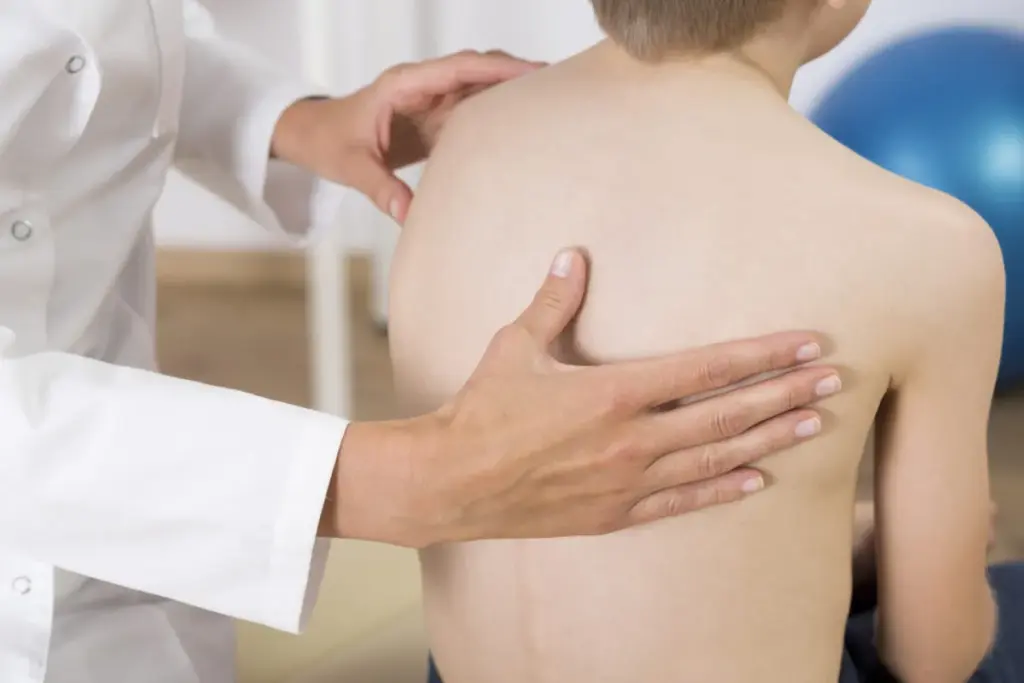
Did you know scoliosis affects millions worldwide? It causes a lot of pain and can lead to serious problems if not treated. Scoliosis is when the spine curves in a way it shouldn’t. It’s important to find the right doctor to manage it well.
Finding the right specialist for scoliosis treatment can be challenging. But, it’s a key step to getting better. A doctor who knows a lot about scoliosis can really help. We’ll help you find the best doctor for you.
Key Takeaways
- A thorough understanding of scoliosis is essential for effective management.
- A specialist with scoliosis experience can greatly improve your outcome.
- Finding the right doctor means looking at their expertise and how they care for patients.
- Good scoliosis care needs a complete treatment plan.
- Support from others is also very important for treatment success.
Understanding Scoliosis: Types, Causes, and Severity Levels
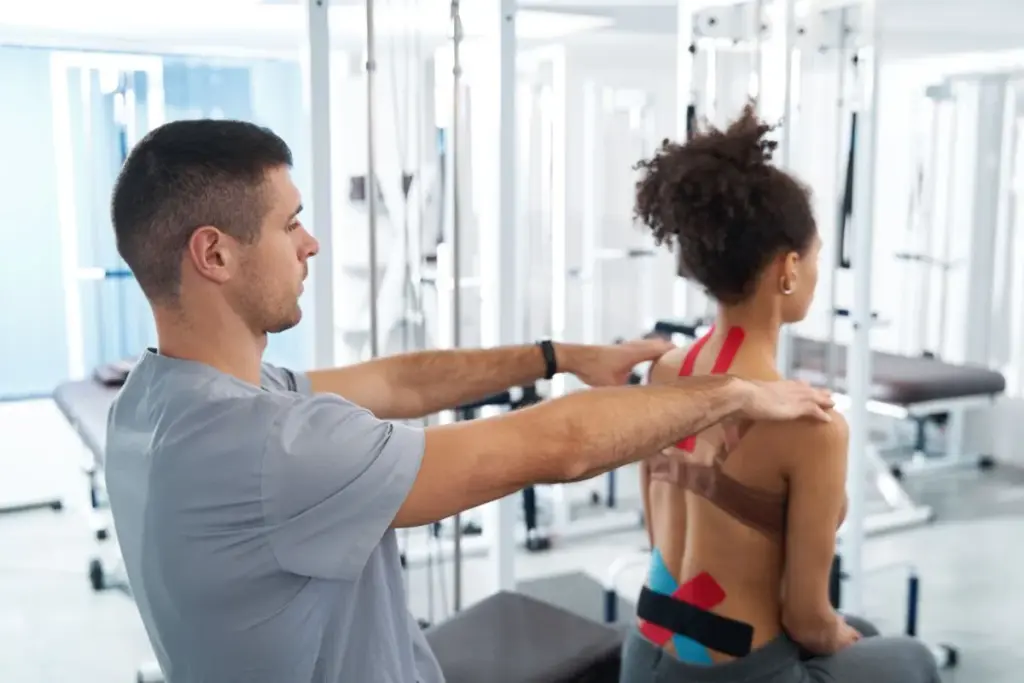
Scoliosis is a complex condition with different types, causes, and severity levels. Scoliosis encompasses a variety of spinal deformities rather than being a singular condition. Each can have its own set of characteristics and effects.
What Is Scoliosis and How Does It Develop?
Scoliosis is when the spine curves abnormally to one side. Most cases have no known cause, but genetics, hormones, and environment play a role. It often shows up during puberty, a time of rapid growth.
Different Types of Scoliosis
There are many types of scoliosis. Idiopathic scoliosis is the most common, with no known cause. Congenital scoliosis is present at birth, and degenerative scoliosis happens in adults due to spinal wear and tear. Each type needs a different treatment plan.
Measuring Severity: The Cobb Angle Explained
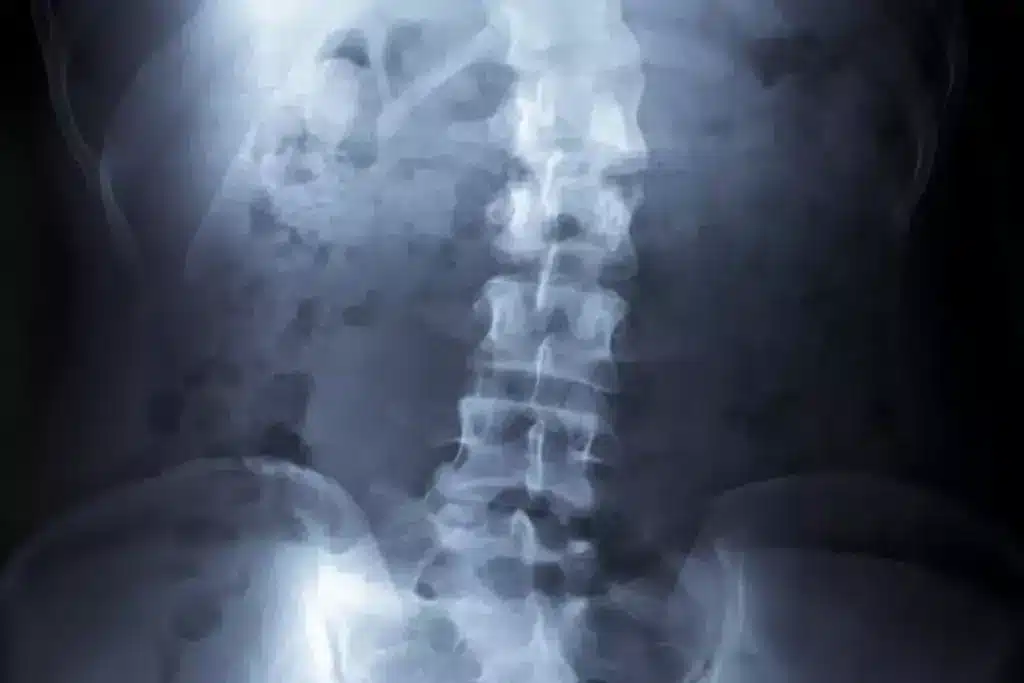
The Cobb angle is used to measure scoliosis severity from X-rays. It shows the degree of curvature. The higher the angle, the more severe the scoliosis. Treatment choices often depend on the Cobb angle, with more severe cases needing surgery.
|
Cobb Angle (Degrees) |
Severity Level |
Typical Treatment Approach |
|---|---|---|
|
10-20 |
Mild |
Observation |
|
20-40 |
Moderate |
Bracing |
|
40+ |
Severe |
Surgical |
Knowing the type and severity of scoliosis is key to finding the right treatment. Mild cases might just need watching or bracing. But severe scoliosis often needs surgery to fix the curve and ease symptoms.
Key Medical Specialists Who Treat Scoliosis
Treating scoliosis needs a team effort. Many medical experts with different skills work together. This team approach makes sure patients get care that fits their needs.
Orthopedic Surgeons: Specialists in Skeletal Conditions
Orthopedic surgeons are key in treating scoliosis, mainly when surgery is needed. They know a lot about skeletal problems, like spinal deformities.
Key Responsibilities of Orthopedic Surgeons:
- They check how bad scoliosis is and if surgery is needed.
- They do spinal fusion and other surgeries to fix the spine.
- They take care of patients before and after surgery to help them heal well.
Neurosurgeons: When Nerve Involvement Is Present
When scoliosis affects nerves, neurosurgeons join the treatment team. They are experts in surgeries for the nervous system. This is important for complex scoliosis cases.
Role of Neurosurgeons in Scoliosis Treatment:
- They handle nerve problems and manage them.
- They do surgeries to ease nerve pressure.
- They work with orthopedic surgeons on complex spine surgeries.
Physiatrists: Physical Medicine and Rehabilitation Doctors
Physiatrists help patients with chronic pain and musculoskeletal issues. They are key in scoliosis treatment for managing pain and improving function.
Contributions of Physiatrists to Scoliosis Care:
- They create plans without surgery to ease pain and improve movement.
- They oversee physical therapy and rehabilitation programs.
- They work with other doctors to make sure treatment is complete.
Pediatric Specialists for Early-Onset Scoliosis
Pediatric specialists are vital for kids with early-onset scoliosis. They know how to treat scoliosis in growing children and teens.
Role of Pediatric Specialists:
- They watch how the spine grows in young patients.
- They suggest treatments that won’t stop growth.
- They support and guide families during treatment.
Here’s a comparison of these specialists’ roles:
|
Specialist |
Primary Role in Scoliosis Treatment |
Key Skills/Expertise |
|---|---|---|
|
Orthopedic Surgeon |
Surgical correction of spinal deformities |
Spinal surgery, skeletal disorder management |
|
Neurosurgeon |
Managing nerve-related complications |
Nervous system surgery, nerve decompression |
|
Physiatrist |
Pain management and rehabilitation |
Physical medicine, rehabilitation techniques |
|
Pediatric Specialist |
Treating scoliosis in children |
Pediatric care, growth monitoring, age-specific treatments |
The Role of Primary Care Physicians in Scoliosis Management
Primary care physicians are key in diagnosing and managing scoliosis. They help spot the condition early and make sure patients get the right care.
Initial Diagnosis and Referral Process
Primary care doctors are often the first to see patients with scoliosis symptoms. They check the patient’s medical history, perform a physical exam, and might do some initial imaging.
During the physical exam, doctors look for signs like uneven shoulders or a curved spine. If they think it’s scoliosis, they send the patient to a specialist for more tests and a diagnosis.
Coordinating Care Between Specialists
After a referral, primary care doctors keep helping by coordinating care. They manage referrals, check test results, and make sure treatment plans work.
Effective coordination is crucial for comprehensive care. Primary care doctors work with specialists to keep track of patient progress and change treatment plans if needed.
|
Healthcare Provider |
Role in Scoliosis Management |
|---|---|
|
Primary Care Physician |
Initial diagnosis, referral to specialists, care coordination |
|
Orthopedic Surgeon |
Comprehensive evaluation, surgical treatment options |
|
Physical Therapist |
Pre and post-surgical rehabilitation, specialized techniques like Schroth Method |
Primary care physicians play a crucial role in the management of scoliosis. They help from the start to ongoing care, ensuring the best results for patients.
Orthopedic Spine Surgeons: The Primary Scoliosis Specialists
Orthopedic spine surgeons lead in treating scoliosis. They have the skills and knowledge needed for surgery. Their training makes them the top choice for scoliosis surgery.
Training and Expertise in Spinal Deformities
Orthopedic spine surgeons get a lot of training in spinal surgery. They learn about many surgical methods, from old to new ones. This helps them choose the best surgery for each patient.
Thinking about surgery can be scary. But these surgeons are not only good at their job. They also care about their patients. They listen to concerns and work with patients to find the right treatment.
When to Consult an Orthopedic Spine Surgeon
See an orthopedic spine surgeon if your scoliosis is severe or hasn’t gotten better with other treatments. Your doctor will help decide if you need to see a surgeon.
If you have a big curve in your spine, pain, or other problems, talk to your doctor. They can tell if you need to see a spine surgeon.
What to Expect During Your First Consultation
Your first visit with a spine surgeon will be detailed. They will look at your medical history, do a physical check, and talk about your symptoms and goals.
The surgeon might also want to do tests like X-rays or an MRI. These help them see how bad your scoliosis is and your spine’s health. Then, they will talk about your options, including surgery, and its risks.
It’s good to ask questions during your visit. Knowing what treatments are available and what surgery is like can make you feel more at ease. It helps you understand your care better.
Comprehensive Scoliosis Treatment Options and Approaches
Scoliosis care is very personal. We tailor treatments to each patient’s needs. Every case of scoliosis is different, so we treat each one uniquely.
Observation and Monitoring Approaches
For mild scoliosis, we often suggest watching and checking in regularly. These visits help us see if the curve is getting worse. We use X-rays to check the Cobb angle.
Key aspects of observation and monitoring include:
- Regular X-rays to assess the Cobb angle
- Clinical examinations to evaluate spinal flexibility and overall spinal health
- Patient and family education on signs of progression and when to seek immediate care
Bracing Techniques and Technologies
Bracing is a common treatment for scoliosis, mainly for those with moderate curves or who are growing. It aims to stop the curve from getting worse.
Advances in bracing techniques and technologies have improved the effectiveness and comfort of scoliosis bracing.
Some of the latest developments include:
- Customized 3D-printed braces that offer a precise fit
- Nighttime bracing options for patients who find full-time bracing challenging
- Adjustable braces that can be modified as the patient grows or as the curvature changes
When Conservative Treatment Is Recommended
For patients at risk of progression but not needing surgery, we recommend conservative treatment. This includes watching, bracing, and physical therapy.
Factors influencing the decision for conservative treatment include:
- The degree of spinal curvature
- The patient’s age and skeletal maturity
- The presence of any symptoms or signs of progression
By taking a detailed and personal approach to scoliosis treatment, we can manage the condition well. This improves our patients’ quality of life.
Physical Therapists Specializing in Scoliosis
Physical therapy is key for those with scoliosis. It helps manage the condition and boosts quality of life. Physical therapists with scoliosis expertise offer tailored treatment plans.
Schroth Method and Other Specialized Techniques
The Schroth Method is a top choice in scoliosis therapy. It uses exercises that match the person’s spinal shape. This method works to better posture, lessen deformity, and boost spinal function.
Other techniques might include exercises to strengthen the core and improve flexibility.
The Role of PT in Pre and Post-Surgical Care
Physical therapy is critical before and after scoliosis surgery. Pre-surgery PT prepares the patient, possibly lowering surgery risks and improving results. Post-surgery PT helps in recovery, helping patients regain strength and mobility.
Finding a Scoliosis-Certified Physical Therapist
Finding a certified scoliosis physical therapist is vital. Ask your doctor for a referral or look for certified therapists through scoliosis treatment organizations.
Working with a scoliosis-certified physical therapist offers personalized care. This care addresses your unique needs and promotes spinal health. Whether it’s the Schroth Method or other techniques, physical therapy greatly helps manage scoliosis.
Chiropractors and Their Approach to Scoliosis
Chiropractic care can be a part of treating scoliosis. Chiropractors focus on the musculoskeletal and nervous systems. They help with some scoliosis symptoms.
Chiropractic Techniques for Scoliosis Management
Chiropractors use different methods to help with scoliosis. They do spinal manipulation, adjustments, and exercises. These help with pain and discomfort.
Some chiropractic techniques for scoliosis include:
- Spinal adjustments to improve alignment
- Soft tissue techniques to reduce muscle tension
- Exercises tailored to the patient’s needs
Limitations of Chiropractic Care for Scoliosis
Chiropractic care has its benefits but also limitations. It can’t fix the spinal curvature of scoliosis. It should be used with other treatments.
The table below shows the benefits and limitations of chiropractic care for scoliosis:
|
Benefits |
Limitations |
|---|---|
|
Pain relief through spinal manipulation |
Cannot correct spinal curvature |
|
Improved spinal flexibility |
May not be suitable for severe scoliosis cases |
|
Complementary to other treatments |
Requires coordination with other healthcare providers |
Integrating Chiropractic with Medical Treatment
Combining chiropractic care with medical treatment is beneficial. It offers a holistic approach to managing scoliosis. This way, patients get a more complete care plan.
We suggest patients talk to both their doctor and chiropractor. This ensures a well-rounded treatment plan. It helps manage scoliosis more effectively.
Surgical Options for Severe Scoliosis
Severe scoliosis can really affect your life. Surgery is often needed when other treatments don’t work. This is to stop the spine from curving more.
Types of Scoliosis Surgery
Scoliosis surgery has different methods. Fusion surgery joins vertebrae together. It uses bone grafts and rods to keep the spine stable.
Non-fusion surgeries fix the curve without fusing bones. They include growing rods for kids and vertebral body tethering for more flexibility.
Minimally Invasive vs. Traditional Surgical Techniques
Minimally invasive surgery (MIS) is a newer way to operate. It uses smaller cuts and less damage to tissues. This can mean faster healing and less pain after surgery.
But, MIS isn’t right for every case. Traditional open surgery is better for complex problems. It gives surgeons more room to make detailed corrections.
Finding the Right Surgeon for Your Procedure
Finding a good scoliosis surgeon is key. Look for someone who knows a lot about spinal deformities and has good results. Getting a second opinion and asking about their experience with your condition is smart.
Knowing about the surgery options and what to look for in a surgeon helps you make a good choice.
Adult Scoliosis Treatment: Finding Specialists for Mature Patients
Treating scoliosis in adults means fixing the spine and managing pain. As people get older, scoliosis can get worse, causing more pain. So, finding the right doctor is key to managing it well.
Degenerative Scoliosis vs. Progression of Adolescent Scoliosis
Adult scoliosis comes from two main causes. Degenerative scoliosis happens in older adults due to spinal wear and tear. On the other hand, adolescent scoliosis that lasts into adulthood may get worse, needing closer watch and possibly stronger treatments.
Specialized Approaches for Adult Patients
There’s no single treatment for adult scoliosis. Doctors might use bracing, physical therapy, or surgery, depending on the case. The choice depends on how severe the scoliosis is, the patient’s health, and what they prefer.
Pain Management Specialists and Their Role
Pain management doctors are vital for adult scoliosis patients. They create plans to manage pain, which might include medicine or injections. Good pain management helps patients do physical therapy and other treatments better.
|
Characteristics |
Degenerative Scoliosis |
Progression of Adolescent Scoliosis |
|---|---|---|
|
Age of Onset |
Typically older adults |
Can occur in adolescents and continue into adulthood |
|
Cause |
Wear and tear on spinal discs and joints |
Progression of existing spinal curvature |
|
Treatment Approach |
Often focuses on pain management and stabilization |
May involve surgical correction or ongoing monitoring |
Pediatric Scoliosis: Choosing the Right Doctor for Your Child
Finding the right doctor is key for parents dealing with pediatric scoliosis. This condition affects a child’s spine, needing special care. It’s important to find a doctor who knows how to handle it well.
Early Intervention Specialists
Early treatment is vital for kids with scoliosis. Doctors who focus on early treatment are essential. They help spot the problem early and suggest the best treatments.
Key characteristics of early intervention specialists include:
- Experience in diagnosing and treating scoliosis in children
- Knowledge of the latest treatment options and technologies
- Ability to provide or refer for necessary supportive care, such as physical therapy
Growth-Friendly Surgical Approaches for Young Children
Young kids with scoliosis might need surgery. This surgery helps fix the spine without stopping growth. It’s designed for kids to keep growing while their spine is being treated.
Growth-friendly surgery uses special rods or implants. These need a surgeon who knows how to do these surgeries in kids.
Supporting Your Child Through Treatment
It’s just as important to support your child as it is to treat them. You should be there emotionally, explain things they can understand, and help them stick to their treatment plan.
Practical ways to support your child include:
- Maintaining open communication about their treatment and feelings
- Encouraging participation in normal activities when possible
- Seeking support for yourself and your family through support groups or counseling
Recovery and Rehabilitation After Scoliosis Surgery
Recovering from scoliosis surgery takes a detailed plan made just for you. This plan is key to getting back to life as you know it. It helps you regain your strength and quality of life.
The Immediate Post-Surgical Period
The first days after surgery are very important. You’ll be watched closely in the hospital for any issues. Managing pain well is also a top priority. This lets you start your recovery sooner.
Long-Term Recovery and Physical Therapy
Getting back to normal takes time. Physical therapy is a big part of this. Physical therapists help you get stronger, improve your posture, and move better.
- Regain strength and flexibility
- Improve posture and spinal alignment
- Enhance overall physical function
Specialists Who Guide the Rehabilitation Process
A team of experts helps you through rehab. This includes physical therapists, orthopedic surgeons, and pain management specialists. Working together ensures you get the care you need.
Recovering well from scoliosis surgery can greatly improve your life. Knowing about the process and the team involved helps you on your journey to full recovery.
How to Evaluate and Select the Best Scoliosis Doctor
Finding the right scoliosis doctor is important. The right specialist can greatly improve your treatment. They ensure you get the best care for your condition.
Essential Qualifications and Credentials
When looking for a scoliosis specialist, check their qualifications. Here are important things to look for:
- Board certification in orthopedic surgery or a related field
- Specialized training in spinal deformities and scoliosis treatment
- Experience in treating patients with your specific type and severity of scoliosis
- Membership in professional societies related to scoliosis and spinal surgery
Questions to Ask During Your Consultation
Asking the right questions during your first visit is key. It helps you understand your doctor’s expertise and approach. Consider these questions:
|
Question |
What It Helps You Understand |
|---|---|
|
What experience do you have with scoliosis cases similar to mine? |
The doctor’s familiarity with your specific condition |
|
What treatment options do you recommend, and why? |
The doctor’s approach to your treatment and their rationale |
|
How will we monitor my condition’s progression? |
The plan for ongoing assessment and adjustments to your treatment |
Red Flags to Watch For When Choosing a Specialist
Be cautious of red flags when choosing a scoliosis doctor. These signs may mean you should keep looking. Watch for:
- A lack of clear communication or unwillingness to answer your questions
- Pushing for a specific treatment without discussing alternatives
- Poor reviews or complaints from previous patients
- Lack of transparency regarding credentials or experience
Trust your instincts and do your research. This will help you find a scoliosis specialist who meets your needs and provides the best care.
Conclusion: Creating Your Scoliosis Care Team
Managing scoliosis well needs a team of experts. We’ve looked at the doctors and therapists involved in scoliosis care. This includes orthopedic and neurosurgeons, physical therapists, and chiropractors.
A good scoliosis care team is key to making treatment plans that fit each patient. With many specialists working together, patients get care that meets their specific needs. This is true for both young and adult scoliosis patients.
When picking your scoliosis care team, look at each specialist’s qualifications and experience. A team approach means you get top-notch care from start to finish.
Choosing a team focused on scoliosis care means you’re getting the best healthcare. We’re dedicated to helping you manage your scoliosis effectively.
FAQ
What is scoliosis and how does it develop?
Scoliosis is a condition where the spine curves abnormally. It’s not always clear why it happens. It might be due to genetics, neuromuscular issues, or changes in the spine over time.
What are the different types of scoliosis?
There are several types of scoliosis. These include idiopathic, congenital, neuromuscular, and degenerative scoliosis. Each type has its own characteristics and treatment needs.
How is the severity of scoliosis measured?
Doctors use X-rays to measure scoliosis severity. They look at the Cobb angle. A higher angle means a more severe curve.
What is the role of primary care physicians in scoliosis management?
Primary care doctors are key in diagnosing and managing scoliosis. They work with specialists to ensure patients get the best care.
When should I consult an orthopedic spine surgeon for scoliosis?
See an orthopedic spine surgeon if your scoliosis is severe or getting worse. They can help with treatments like surgery or non-surgical options.
What are the treatment options for scoliosis?
Treatments for scoliosis include watching the condition, using braces, physical therapy, or surgery. The right treatment depends on the curve’s severity and the patient’s health.
Can scoliosis be cured?
Scoliosis can’t be completely “cured.” But, treatments can manage the condition, stop it from getting worse, and reduce symptoms.
What is the Schroth Method, and how is it used in scoliosis treatment?
The Schroth Method is a physical therapy for scoliosis. It focuses on exercises to improve posture and reduce curvature. It’s often used with other treatments.
How do I find a scoliosis-certified physical therapist?
Look for physical therapists with Schroth Method certification. Your doctor can recommend them or check professional directories.
What are the surgical options for severe scoliosis?
For severe scoliosis, surgery options include spinal fusion or non-fusion methods. The choice depends on the curve’s severity and the patient’s health.
How do I evaluate and select the best scoliosis doctor?
Choose a doctor based on their experience and scoliosis specialization. Ask questions during your visit. Be wary of doctors who don’t clearly explain treatment options.
What is the recovery process like after scoliosis surgery?
After surgery, you’ll need to rest and be monitored. Then, you’ll start a rehabilitation program to regain strength and mobility.
Can adults with scoliosis receive effective treatment?
Yes, adults with scoliosis can get effective treatment. This might include pain management, physical therapy, bracing, or surgery, based on their condition and health.
How can I support my child through scoliosis treatment?
Support your child by understanding their condition and attending appointments. Encourage them to follow their treatment plan, whether it’s bracing, physical therapy, or surgery.
National Center for Biotechnology Information. Evidence-Based Medical Insight. Retrieved from https://pubmed.ncbi.nlm.nih.gov/30953503/