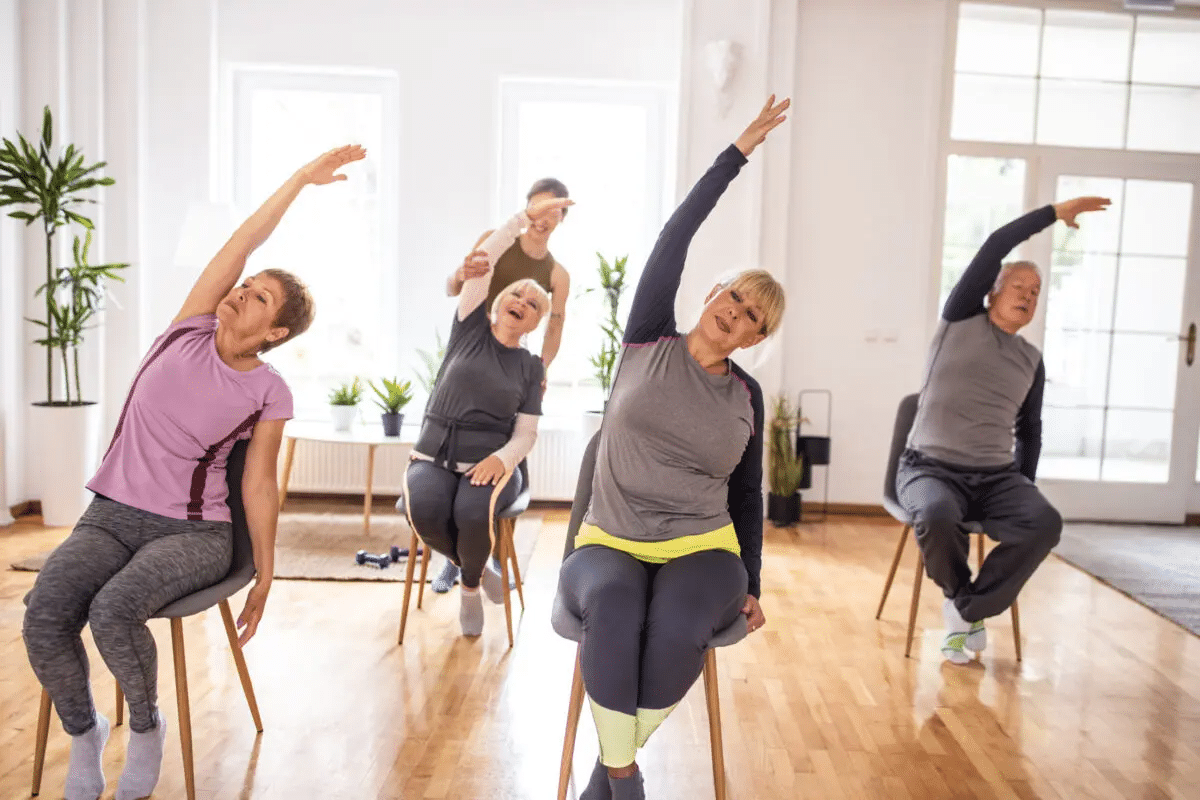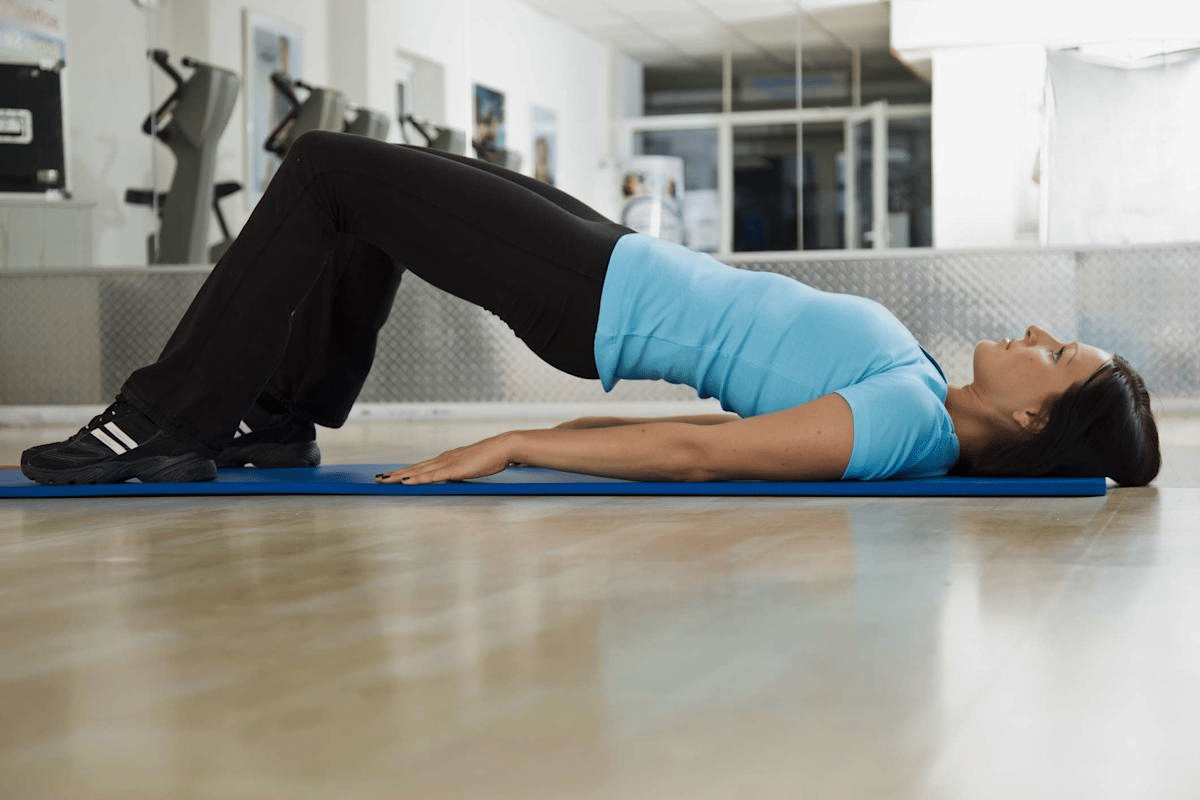
Seated stretching exercises for seniors are safe. The best daily routine to loosen tight joints and maintain vital mobility easily.
As people get older, it’s harder to stay flexible and independent. Studies from 2022 show that flexibility drops by about 6 degrees per decade after 55. Gentle chair-based stretching routines are a good way to stay flexible. They help improve movement, reduce pain, and lower the chance of falls.
Liv Hospital knows how important it is to have safe and effective wellness programs for seniors. Seated stretching exercises are key. They offer accessible and safe methods to keep seniors flexible and moving well.
Key Takeaways
- Flexibility decreases by approximately 6 degrees per decade after age 55.
- Gentle chair-based stretching routines improve mobility and reduce pain.
- Seated stretching exercises are a safe and accessible method for seniors.
- Regular stretching can decrease the risk of falls.
- Liv Hospital is committed to evidence-based senior wellness programs.
The Importance of Flexibility for Seniors
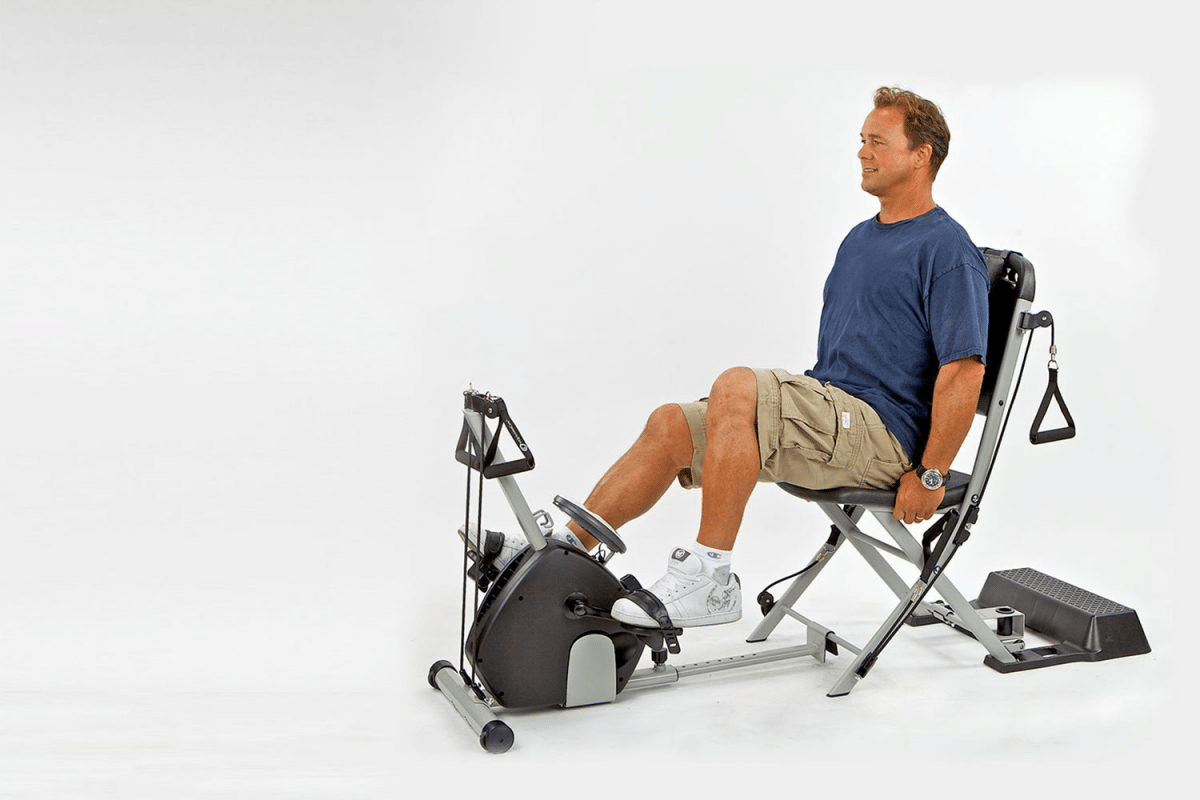
Flexibility is key for seniors to stay independent and enjoy life. As people get older, their flexibility goes down. This makes it harder to do daily tasks and stay independent.
Age-Related Flexibility Decline
As we age, our muscles and joints get less flexible. This is because of changes in our body’s structure. It makes it tough to move easily and do everyday things.
Factors contributing to age-related flexibility decline include:
- Reduced muscle mass and strength
- Decreased joint mobility and flexibility
- Changes in connective tissue
Impact on Daily Activities and Independence
Keeping flexible is vital for seniors to do daily tasks without trouble. When flexibility goes down, even simple tasks like getting dressed or walking can be hard.
|
Daily Activity |
Impact of Flexibility Decline |
|---|---|
|
Dressing |
Difficulty bending or reaching |
|
Bathing |
Struggling to stand or sit for extended periods |
|
Walking |
Reduced stride length and balance issues |
Seniors can fight off flexibility loss by doing seated stretching exercises. This helps keep them independent.
Chair stretching is safe and works well for seniors. It makes them more flexible, less stiff, and more mobile. Regular stretching can also improve balance, lower fall risks, and enhance life quality.
Benefits of Chair Stretching for Older Adults
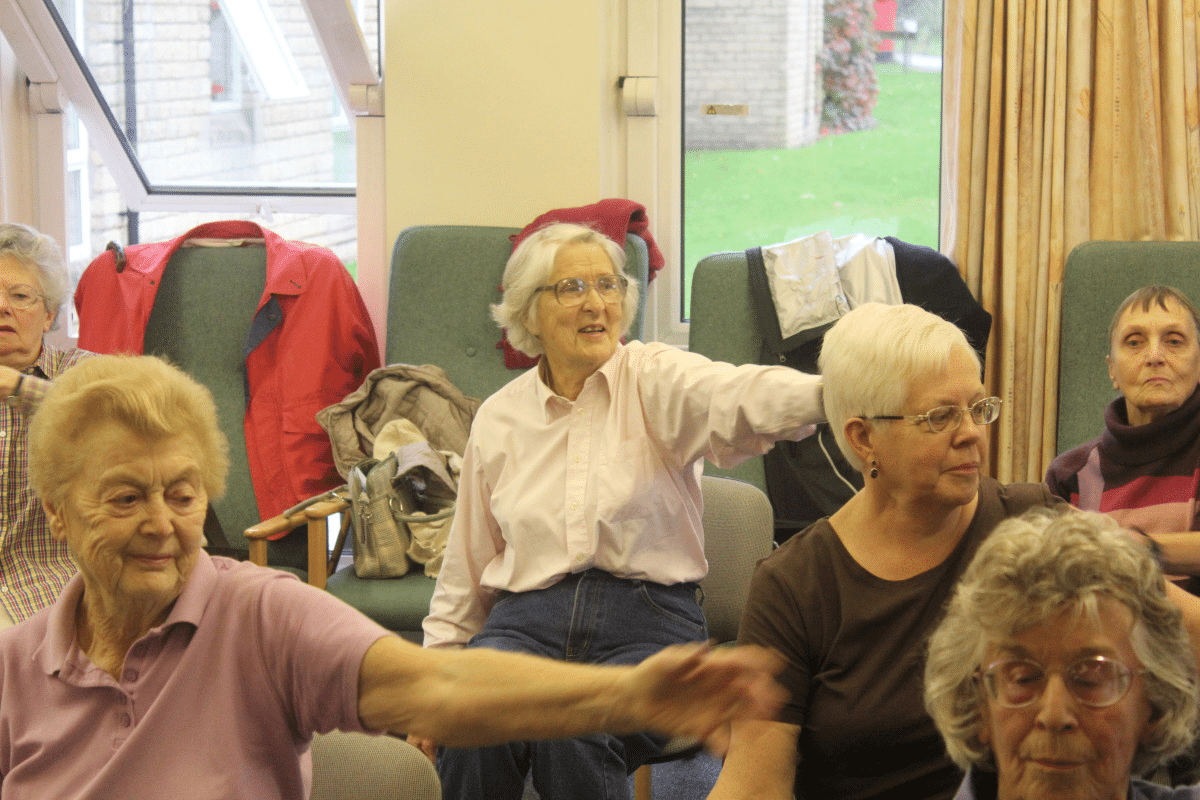
Chair stretching exercises are great for older adults. They help improve their quality of life. These exercises are safe because they can be done while sitting, reducing the chance of falls and injuries.
Improved Flexibility and Range of Motion
Regular chair stretching can make older adults more flexible and mobile. Increased flexibility means they can move easier and do more on their own. Research shows that these exercises help seniors with everyday tasks like getting dressed and cooking.
Reduced Joint Pain and Muscle Stiffness
Chair stretching can also reduce joint pain and muscle stiffness. It makes joints move better and muscles less tight. This makes seniors feel more comfortable and mobile. Plus, it lowers the chance of chronic pain.
Enhanced Circulation and Energy Levels
Chair stretching boosts circulation and energy. Better blood flow means muscles and joints get what they need. This improves health and energy, helping seniors stay active and engaged.
Decreased Fall Risk and Improved Balance
Chair stretching improves flexibility, strength, and balance. This lowers the risk of falls. Exercises focus on the core and balance, helping seniors move safely. Regular practice boosts confidence and independence.
Safety Considerations Before Starting
Seniors starting a seated stretching routine need to think about safety first. It’s important to be safe when starting any new exercise, even more so for older adults with health issues.
Consulting Healthcare Providers
It’s crucial to talk to healthcare providers before starting any exercise, even more so for seniors with health problems. Doctors can give advice tailored to your health.
This talk can help spot risks and plan how to avoid them. It makes sure the exercise is safe and good for you.
Recognizing Warning Signs During Exercise
Seniors should listen to their body during exercise. Knowing warning signs like pain, dizziness, or trouble breathing is key. If you feel any of these, stop and rest right away.
If these symptoms don’t go away, getting medical help is a good idea. It helps avoid serious health problems.
Proper Breathing Techniques
Right breathing is important for seated stretching. Deep, steady breaths make stretches work better and keep you relaxed.
Seniors should breathe naturally and not hold their breath. Holding breath can cause unnecessary strain.
By keeping these safety tips in mind, seniors can safely enjoy the benefits of seated stretching.
Selecting the Right Chair for Stretching
Choosing the right chair is key to a good seated stretching routine. A stable, comfy chair that fits your needs is essential. It helps you get the most out of stretching while keeping you safe.
Chair Stability Requirements
A stable chair is vital for safe stretching. Find a chair with a wide base and low center of gravity. This prevents it from tipping over. Make sure it sits on a flat, non-slippery surface for extra stability.
Optimal Seat Height and Width
The seat height should let your feet rest flat or on a footrest. Your knees should be at or below hip level. The seat width should be comfy, allowing for full motion without feeling cramped.
Armrest Considerations for Support
Armrests add support and balance during stretching. They should be adjustable for different exercises and preferences. They need to be padded for comfort and allow for a natural arm position, easing shoulder and back strain.
By thinking about these points, seniors can pick a chair that makes stretching better. It ensures safety, comfort, and effectiveness.
Proper Seated Stretching Form and Technique
Effective seated stretching for seniors starts with the right form. It’s important to keep good posture and use controlled movements. This helps get the most out of stretching while staying safe.
Maintaining Good Posture Throughout Exercises
Good posture is key for seated stretching. Seniors should sit with feet flat, knees at or below hip level, and back straight. This keeps the spine’s natural curve and supports the body.
Controlled Movement Principles
Controlled movements are vital for safe stretching. Seniors should stretch slowly and smoothly, avoiding jerky movements. This way, they can stretch without straining their muscles.
Avoiding Common Mistakes and Compensations
Some common mistakes include leaning forward or to the side, holding breath, and stretching too far. Seniors should avoid these to stay safe. Proper breathing and body awareness can prevent injuries.
|
Common Mistake |
Correct Technique |
|---|---|
|
Leaning forward during neck stretches |
Keep chin level, stretching directly to the side |
|
Holding breath during stretches |
Breathe naturally, exhaling into the stretch |
|
Stretching beyond a comfortable range |
Stop at the point of gentle tension, avoiding pain |
By focusing on proper form and technique, seniors can enjoy the full benefits of seated stretching. This improves flexibility, balance, and overall health.
Essential Warm-Up Exercises
Seniors should start with essential warm-up exercises to loosen muscles and joints. Warming up before stretching is key. It prepares the body and prevents injuries.
Gentle Joint Mobilization Sequence
Gentle joint mobilization is a vital part of a warm-up routine. It slowly moves joints through their range of motion. This increases blood flow and reduces stiffness.
Examples include:
- Gently tilting the head from side to side
- Rotating the shoulders in a circular motion
- Wrist rotations, both clockwise and counterclockwise
- Slowly bending and straightening the elbows
- Ankle circles, lifting the feet off the floor
Preparing the Body for Deeper Stretches
Preparing the body for deeper stretches is more than just mobilizing joints. It also involves activating muscles and boosting circulation. This can be done through:
- Marching in place while seated
- Seated leg lifts, focusing on controlled movements
- Gentle arm swings, avoiding any jerky motions
Circulation-Boosting Movements
Circulation-boosting movements are essential for better blood flow and oxygen delivery. This makes stretching exercises more effective. Some examples include:
- Seated toe taps to stimulate blood flow in the legs
- Gentle finger bends and spreads to improve hand circulation
- Seated deep breathing exercises to enhance overall circulation
By adding these warm-up exercises to their routine, seniors can improve flexibility. They can also reduce injury risk and enhance their stretching experience.
Upper Body Seated Stretching Exercises for Seniors
Upper body stretches are key for seniors to boost flexibility and ease muscle tightness. Regular stretching keeps seniors independent in daily tasks and boosts their quality of life.
Neck and Shoulder Stretches
Neck and shoulder stretches are critical for seniors to ease tension and enhance movement. Chin Tucks are a simple move where you sit up straight and tuck your chin towards your chest. Hold for a few seconds before releasing. This stretch can improve posture and lessen neck pain.
Shoulder Rolls are another great exercise. Roll your shoulders forward and backward in a circle. This relaxes the shoulder muscles and boosts flexibility.
|
Exercise |
Description |
Repetitions |
|---|---|---|
|
Chin Tucks |
Tuck chin towards chest |
5-10 |
|
Shoulder Rolls |
Roll shoulders forward and backward |
10-15 |
Arm and Wrist Stretches
Arm and wrist stretches enhance flexibility and cut down stiffness. Arm Raises involve lifting your arms straight out to the sides until they reach shoulder height. Hold for a few seconds before lowering. This exercise boosts shoulder mobility and can be done while seated.
Wrist Extensions are done by holding your arm straight out in front and gently pulling your hand back with your other hand. This stretch improves wrist flexibility and lowers the risk of wrist injuries.
|
Exercise |
Description |
Repetitions |
|---|---|---|
|
Arm Raises |
Lift arms to shoulder height |
5-10 |
|
Wrist Extensions |
Pull hand back with other hand |
5-10 per wrist |
Core and Back Seated Stretching Exercises
As we get older, our core and back muscles need extra care. Seated stretching exercises are key to keeping them strong and flexible. These exercises help improve movement, lessen muscle tightness, and support better posture.
Gentle Spinal Twists for Mobility
Gentle spinal twists are great for making your spine more mobile and less stiff. Sit with your feet flat on the floor and knees bent. Twist your torso to one side, keeping your feet and hips facing forward. Hold for a few seconds and then return to the start. Do the same on the other side.
Benefits: These twists make your spine more flexible, reduce stiffness, and boost rotational movement.
Side Bends for Obliques and Lateral Flexibility
Side bends work the obliques and boost lateral flexibility. Sit with your hands on your thighs or armrests. Bend to one side, keeping your back straight, and then go back to the start. Do the same on the other side.
Tip: Move slowly and carefully to avoid straining your muscles.
Back Extension Stretches for Posture
Back extension stretches strengthen your upper back muscles, helping your posture. Sit with your hands behind you on the armrests or seat. Arch your back, looking up, and then return to the start.
Benefits: These stretches strengthen your upper back, improve your posture, and lower the risk of kyphosis.
Abdominal Engagement Techniques
Engaging your abdominal muscles is key for good posture and core stability. Sit and take a deep breath in. As you exhale, pull your belly button towards your spine. Hold for a few seconds and then release. Do this several times.
|
Exercise |
Benefits |
Tips |
|---|---|---|
|
Gentle Spinal Twists |
Improves spinal flexibility, reduces stiffness |
Keep your feet and hips facing forward |
|
Side Bends |
Targets obliques, improves lateral flexibility |
Move slowly and controlledly |
|
Back Extension Stretches |
Strengthens upper back muscles, improves posture |
Gently arch your back, looking upwards |
|
Abdominal Engagement |
Improves core stability, maintains good posture |
Pull your belly button towards your spine as you exhale |
Lower Body Seated Stretching Exercises for Seniors
Seated stretching exercises for the lower body can greatly improve seniors’ quality of life. They help increase flexibility, reduce stiffness, and enhance mobility.
Hip and Glute Stretches
Hip and glute stretches are key to keeping flexibility and lowering fall risks. Here are some effective seated stretches:
- Hip Flexor Stretch: Slowly lift your knee towards your chest and hold for 30 seconds.
- Glute Stretch: Cross one leg over the other and gently press your knee towards your opposite thigh.
Leg and Ankle Stretches
Leg and ankle stretches boost circulation and cut down on stiffness. Some great exercises include:
- Ankle Circles: Rotate your ankles in both clockwise and counterclockwise directions.
- Leg Lifts: Slowly lift your legs off the floor, keeping them straight, and hold for a few seconds.
- Toe Taps: Lift your toes up and down to improve ankle mobility.
These exercises can be done while seated and are great for keeping lower body flexibility.
Creating a Balanced Seated Stretching Routine
A balanced seated stretching routine can help older adults improve their mobility and reduce fall risks. It’s key to know how often and for how long to stretch.
Recommended Frequency and Duration Based on Research
Studies say older adults should stretch 2-3 times a week to stay flexible and stable. The time needed for each session can vary. It usually ranges from 15 to 30 minutes.
For beginners, start with shorter sessions. Then, slowly increase the time as you get more comfortable with the exercises.
Sample 15-Minute Daily Routine
A 15-minute daily routine is a great start for seniors. Here’s a routine that targets key muscle groups:
- Neck Stretch: 2 minutes per side
- Shoulder Rolls: 2 minutes
- Arm Circles: 2 minutes
- Seated Twist: 2 minutes per side
- Leg Lifts: 3 minutes per leg
- Ankle Rotations: 2 minutes per ankle
Sample 30-Minute Comprehensive Routine
If you have more time or want a more detailed routine, a 30-minute session is beneficial. Here’s an example:
- Warm-up (5 minutes): Gentle joint mobilization and circulation-boosting movements
- Upper Body Stretches (10 minutes): Neck, shoulder, arm, and wrist stretches
- Core and Back Stretches (5 minutes): Seated twists, side bends, and back extensions
- Lower Body Stretches (10 minutes): Hip, glute, leg, and ankle stretches
Tracking Progress and Consistency
To stay consistent and track progress, seniors can use a stretching journal or a mobile app. Regularly checking your progress can keep you motivated to stretch.
Setting realistic goals and celebrating small wins is also helpful. It keeps you motivated and encourages sticking to the routine long-term.
Seated Stretching for Common Senior Health Conditions
Seated stretching is great for seniors with common health issues. These include arthritis, joint stiffness, back pain, and limited mobility. Chair exercises can improve flexibility and quality of life.
Exercises for Arthritis and Joint Stiffness
Seniors with arthritis or joint stiffness can benefit from gentle stretching. Simple finger bends and extensions keep hands flexible. Wrist rotations and forearm stretches are also helpful.
For stiffness in the lower body, ankle rotations and toe wiggles are good while seated.
Stretches for Back Pain Relief
Back pain is common in seniors, often due to less mobility or bad posture. Seated stretches can ease this pain. Seated spinal twists keep the spine flexible.
Shoulder rolls reduce tension in the upper back. Chest stretches improve posture and lessen back strain.
Modifications for Limited Mobility
For seniors with limited mobility, chair exercises can be adjusted. Seated marching and leg lifts boost circulation and leg strength. Even small actions like toe taps and heel digs help when full mobility is hard.
Adaptations for Various Fitness Levels
Seated stretching routines can be tailored for different fitness levels. More able seniors can do deeper stretches and longer holds. Those with less ability can try gentle movements and shorter holds.
It’s key to listen to your body and adjust as needed to avoid discomfort or injury.
Conclusion
Seated stretching exercises are a safe and effective way for seniors to stay flexible and mobile. Regular practice helps them keep their independence and boosts their health.
Seniors can gain many benefits from seated stretching. These include better flexibility, less joint pain, and improved blood flow. This can make their life better and increase their overall happiness.
Creating a good seated stretching routine is key. It can be made to fit each person’s needs and abilities. This makes it a great activity for seniors. By focusing on staying flexible and mobile, seniors can live a healthier and more active life.
FAQ
What are the benefits of seated stretching exercises for seniors?
Seated stretching exercises can make seniors more flexible. They can also reduce joint pain and improve blood flow. These exercises help lower the risk of falls and improve balance.
How often should seniors perform seated stretching exercises?
Seniors should do seated stretching exercises 2-3 times a week. Each session should last at least 10-15 minutes. For better results, aim for 30 minutes per session.
What type of chair is best for seated stretching exercises?
A sturdy chair with a wide base and armrests is best. It should be stable and not tip over during exercises. The seat height should be just right for comfort.
Are there any safety considerations seniors should be aware of before starting seated stretching exercises?
Yes, seniors should talk to their doctor before starting. They should watch for warning signs and breathe properly to avoid injury.
Can seated stretching exercises help with common senior health conditions like arthritis or back pain?
Yes, these exercises can help with arthritis and back pain. Gentle stretches can ease symptoms and improve flexibility.
How can seniors maintain proper form and technique during seated stretching exercises?
Seniors should sit up straight and use controlled movements. Avoid bouncing or jerking. Listen to your body and stop if you feel pain.
What are some examples of upper body seated stretching exercises?
Upper body exercises include neck stretches, shoulder rolls, and arm circles. Wrist extensions are also good. These help loosen the neck, shoulders, and arms.
How can seated stretching exercises be modified for seniors with limited mobility?
For those with limited mobility, use gentle movements and reduce the range of motion. Try seated marching or arm raises that don’t require much movement.
Can seated stretching exercises help improve balance and reduce the risk of falls?
Yes, these exercises can improve balance and reduce fall risks. They strengthen core muscles and improve flexibility and mobility.
How can seniors track their progress with seated stretching exercises?
Seniors can track progress by keeping a stretching journal. Monitor flexibility and range of motion. Adjust the routine as needed to stay consistent and reach goals.
References
https://www.snugsafe.com/all-posts/stretching-exercises-for-seniors