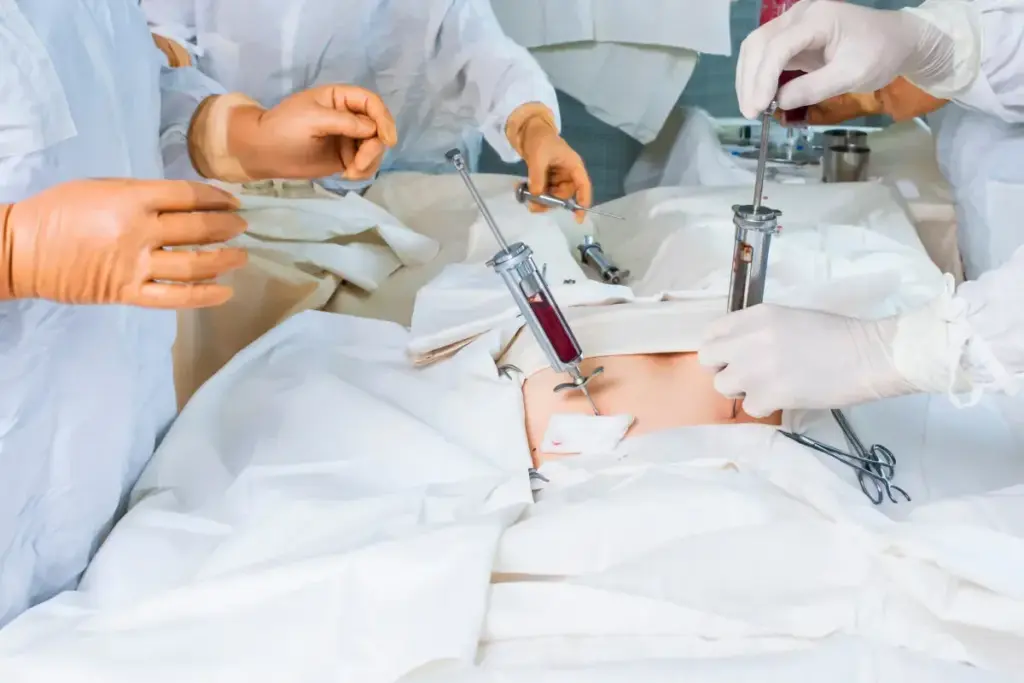
For patients with relapsed multiple myeloma, a second autologous stem cell transplant is an option. Studies show it can help some patients live longer and have better health outcomes.
At Liv Hospital, we are committed to providing world-class healthcare. We offer full support for international patients. Our team works hard to give each patient the best care possible.
Deciding on a second transplant is complex. It depends on how well the patient responds to first treatments and their overall health. Autologous stem cell therapy is a key treatment for multiple myeloma, giving patients new hope.
Key Takeaways
- Patients with relapsed multiple myeloma may be eligible for a second autologous stem cell transplant.
- Recent research supports the feasibility and benefits of a second ASCT in selected patients.
- Liv Hospital is dedicated to providing comprehensive care for international patients undergoing advanced treatments.
- The effectiveness of a second transplant depends on individual patient factors and response to initial therapy.
- Autologous stem cell therapy is a significant treatment option for multiple myeloma.
The Science Behind Autologous Stem Cell Transplantation
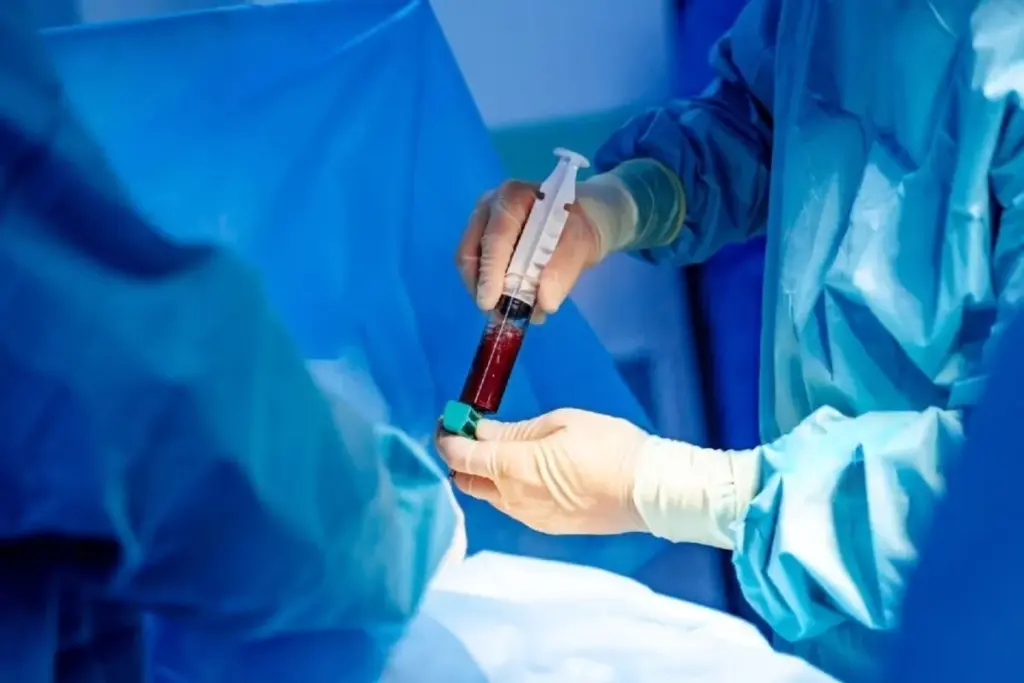
In the fight against multiple myeloma, autologous stem cell transplantation is key. We’ll explore how it works and why it’s important for treating this disease.
What is an autologous stem cell transplant?
An autologous stem cell transplant uses a patient’s own stem cells. These cells are collected, stored, and then given back after strong chemotherapy. This method is vital in treating multiple myeloma by getting rid of cancer cells. Autologous cell transplantation helps fix the bone marrow, aiming for a cure for multiple myeloma patients.
The biological mechanism of ASCT
The science behind ASCT is quite complex. It starts with taking stem cells, then uses strong chemotherapy to kill cancer. The saved stem cells are then put back into the patient to fix their bone marrow. This is a big deal in regenerative medicine, using the body’s own cells to fight disease.
Grasping the science of ASCT is key to seeing its value in treating multiple myeloma. By using a patient’s own stem cells, ASCT is a tailored therapy. It lowers the chance of bad side effects seen with other transplant types.
When Is a Second Autologous Stem Cell Transplant Considered?
A second autologous stem cell transplant is considered based on several key factors. These include disease relapse patterns and how well the first transplant worked. Doctors carefully evaluate each patient to see if a second ASCT is right for them with relapsed multiple myeloma.
Disease Relapse Patterns in Multiple Myeloma
The pattern of disease relapse is very important when deciding on a second ASCT. Patients who wait a long time before relapsing are often better candidates. We look at these patterns to see if a second transplant will work well.
Timeframe Considerations After First Transplant
The time between the first transplant and relapse is also key. A longer wait often means a better chance for a successful second transplant. We check the best time to do a second ASCT to help patients the most.
Initial Response as a Predictor for Second Transplant Success
The first transplant’s success is a big clue for the second one. Patients who did well with the first transplant are more likely to benefit from the second. A study at the American Society of Hematology (ASH) 2023 meeting found that how well the first ASCT worked is very important for the second transplant’s success ASH 2023 Meeting.
By looking at these factors, we can decide if a second autologous stem cell transplant is right for patients with relapsed multiple myeloma. This could lead to better treatment results for them.
Efficacy of Second Autologous Stem Cell Therapy
Research on a second ASCT is showing its benefits for patients with relapsed multiple myeloma. At Liv Hospital, our experts lead in using these advanced therapies to better patient outcomes.
Progression-Free Survival Rates
Studies reveal a second ASCT can greatly improve disease control. The median time without disease progression is 20 to 24 months. This shows a significant period of disease control.
A study in a top medical journal found promising results for a second ASCT in relapsed multiple myeloma. The median time without disease progression was 22 months. Some patients even had extended periods of disease control.
“The median progression-free survival was 22 months, with some patients achieving extended periods of disease control.”
Overall Survival Outcomes
The survival rates after a second ASCT are impressive. Data show 5-year survival rates range from 17% to 27%. This highlights the chance for long-term survival in some patients.
|
Survival Metric |
Range |
|---|---|
|
Median Progression-Free Survival |
20-24 months |
|
5-Year Overall Survival |
17%-27% |
Response Rates in Relapsed Multiple Myeloma
The response rates to a second ASCT in patients with relapsed multiple myeloma are key to its success.
Complete Response Rates
Many patients achieve complete responses after a second ASCT. This shows a high level of disease control.
Partial Response Outcomes
Partial responses are also common. They add to the overall success of the treatment.
Stem cell therapy is a big step forward in treating multiple myeloma. It offers new hope to patients who relapse after initial treatment.
We are dedicated to top-notch healthcare. We support international patients, including those getting advanced therapies like second ASCT.
Safety Profile and Risk Assessment
The safety of second autologous stem cell transplantation is key in making treatment choices. It’s generally safe but comes with risks that must be looked at closely.
Treatment-Related Mortality Statistics
Treatment-related mortality (TRM) is a big worry with ASCT. The TRM rate for a second transplant is about 3%, a bit higher than the first.
Common Complications After Second Transplant
After a second ASCT, common issues include infections, organ damage, and blood problems. Infections are a big worry because the treatment weakens the immune system.
Comparative Risks Between First and Second Transplants
The risks of second ASCT fall into short-term and long-term categories.
Short-term Complications
Short-term issues include fever from low white blood cells, mouth sores, and stomach problems. These can usually be handled with good care.
Long-term Effects
Long-term problems might include new cancers, organ failure, and late side effects. Keeping an eye on these is key for living a long life.
|
Complication |
First ASCT (%) |
Second ASCT (%) |
|---|---|---|
|
Infections |
20 |
25 |
|
Organ Toxicities |
15 |
18 |
|
Hematologic Toxicities |
10 |
12 |
Knowing these risks helps in deciding on a second ASCT. We must think about the benefits and risks, looking at each patient’s situation and the latest research.
Second Primary Malignancy Considerations
Patients getting autologous stem cell transplantation (ASCT) face a risk of second primary malignancies (SPM). As we move forward in stem cell treatment and regenerative medicine, knowing this risk is key.
Incidence Rates After ASCT
Research shows a 2.5% SPM incidence at 60 months after ASCT. We must weigh this risk when deciding if ASCT is right for patients.
Survival Rates After Developing SPM
Survival rates for SPM after ASCT vary. Early detection and management can greatly improve outcomes.
Risk Factors and Preventive Strategies
It’s important to identify risk factors to prevent SPM. Factors like previous treatments, genetic predispositions, and the ASCT conditioning regimen play a role. To prevent SPM, we can select patients carefully, monitor them closely, and adjust treatment plans.
|
Risk Factor |
Preventive Strategy |
|---|---|
|
Previous therapies |
Careful patient history and monitoring |
|
Genetic predispositions |
Genetic screening |
|
Conditioning regimen |
Adjusting treatment protocols |
Optimal Candidate Selection for Second Autologous Stem Cell Transplants
Choosing the right candidate for a second autologous stem cell transplant is key. We look at many factors to see if a patient is a good fit for a second ASCT.
Patient Characteristics Associated with Better Outcomes
Some patient traits lead to better results after a second transplant. These include:
- Age: Younger patients often do better because they have fewer health issues and can handle tough treatments better.
- Performance Status: Patients who are doing well and can handle a lot of treatment are more likely to do well with a second transplant.
- Disease Status: How the disease is doing at the time of the second transplant greatly affects the outcome.
Contraindications and Exclusion Criteria
Some conditions make a second transplant not a good idea. These include:
- Big problems with organs that make it too risky to use strong chemotherapy.
- Active infections or other health issues that make the risk too high.
- Poor health that means a high chance of dying from the transplant.
The Critical Role of Response to Salvage Therapy
How well a patient responds to treatment before the second ASCT is very important. We look at two main things:
Chemosensitivity Indicators
How well the disease responds to chemotherapy is key. Patients whose disease is sensitive to chemotherapy usually do better after a second ASCT.
Timing Considerations
When to do the second transplant is also very important. It depends on how well the patient did after the first transplant and how they respond to treatment before the second one.
By carefully looking at these factors, we can find out who will likely benefit most from a second autologous stem cell transplant. This helps us get the best results for our patients.
Maintenance Therapy After Second Transplantation
Maintenance therapy after a second ASCT is key for better long-term survival and disease control. We look at what makes maintenance therapy important for patient outcomes.
Impact on Long-term Survival Rates
Research shows that maintenance therapy after ASCT boosts long-term survival. It helps keep the disease under control, leading to longer survival and better health.
Current Maintenance Therapy Protocols
Today’s maintenance therapy includes new drugs like lenalidomide and bortezomib. These have proven effective in controlling the disease and improving survival chances.
Duration and Monitoring Recommendations
The length of maintenance therapy varies based on how well a patient responds and tolerates treatment. It’s important to keep a close eye on how the patient is doing to adjust the treatment as needed.
Novel Agents in Maintenance
New drugs, like proteasome inhibitors and immunomodulatory drugs, are being used more in maintenance therapy. They offer new ways to help patients do better.
Managing Side Effects
It’s vital to manage side effects well to keep patients’ quality of life high during maintenance therapy. This includes taking steps to prevent and treat common side effects.
|
Therapy Type |
Duration |
Common Side Effects |
|---|---|---|
|
Lenalidomide |
1-2 years |
Fatigue, neutropenia |
|
Bortezomib |
1 year |
Neuropathy, thrombocytopenia |
Understanding maintenance therapy after a second autologous stem cell transplant helps manage multiple myeloma better. This leads to better outcomes for patients.
Alternative Treatments for Relapsed Multiple Myeloma
The treatment for multiple myeloma is changing fast. New treatments are available for those whose cancer has come back. These new options give hope to patients.
Novel Drug Therapies and Combinations
New drugs are making a big difference in treating relapsed multiple myeloma. Doctors are using a mix of drugs to fight the cancer. For example, daratumumab with lenalidomide and dexamethasone has helped patients live longer without their cancer getting worse.
Allogeneic Transplantation Considerations
Stem cell transplants from another person might cure some patients. But, it’s risky and can cause serious side effects. Choosing the right patient and matching the donor is key to success.
Emerging Immunotherapies and Clinical Trials
New ways to fight cancer are being tested. CAR-T cell therapy and bispecific antibodies are showing great promise.
CAR-T Cell Therapy
CAR-T cell therapy changes a patient’s T cells to attack myeloma. Early tests have shown it works well in patients who have tried many treatments before.
Bispecific Antibodies
Bispecific antibodies help T cells find and kill myeloma cells. They are showing good results in early studies. Researchers are working to make them even better.
These new treatments show how fast the field of multiple myeloma therapy is growing. As research keeps going, we’ll see even more new ways to fight cancer.
Conclusion
A second autologous stem cell transplant can be safe and effective for some patients with relapsed multiple myeloma. It can improve how long patients live without their disease getting worse. At Liv Hospital, we’ve seen good results with this treatment, which is key in regenerative medicine.
Our studies show that some patients greatly benefit from a second ASCT. They get better disease control and a better quality of life. The success of this treatment depends on choosing the right patients. This means looking at how well they responded to treatment first, their disease patterns, and their overall health.
We aim to provide top-notch healthcare and support to our international patients. We want to make sure they get the best care for their condition. By using the newest advances in autologous stem cell therapy and regenerative medicine, we hope to improve patient outcomes and enhance their quality of life.
FAQ
What is a second autologous stem cell transplant?
This treatment uses a patient’s own stem cells. First, these cells are taken out and stored. Then, after high-dose chemotherapy, they are put back in to help the bone marrow recover. It’s for patients with relapsed multiple myeloma.
When is a second autologous stem cell transplant considered?
Doctors consider it based on several factors. These include how the disease came back, how long it’s been, and how well the patient did after the first transplant.
What are the benefits of a second autologous stem cell transplant?
It can lead to better survival rates and more responses in patients with relapsed multiple myeloma. It’s a good option for some patients.
What are the risks associated with a second autologous stem cell transplant?
There are risks like death from treatment and common problems. It’s also important to think about the chance of getting another cancer. These are big factors in deciding if it’s right for a patient.
How are patients selected for a second autologous stem cell transplant?
Doctors pick patients based on several things. They look for good outcomes, no big reasons not to do it, and how well the patient responds to treatment. They also consider when to do it.
What is the role of maintenance therapy after a second autologous stem cell transplant?
Maintenance therapy is key to keeping patients alive longer and controlling the disease. It’s important to know how long to do it and how to check on it.
Are there alternative treatments for relapsed multiple myeloma?
Yes, there are new treatments like drugs and immunotherapies. These include CAR-T cell therapy and bispecific antibodies. They offer hope for patients.
What is regenerative medicine’s role in stem cell therapy?
Regenerative medicine uses the body’s repair powers to fix damaged tissues. Our team is leading the way in using these advanced therapies.
How does autologous cell transplantation work?
It starts with taking out the patient’s stem cells. Then, they get high-dose chemotherapy. After that, the stem cells are put back in to fix the bone marrow. It’s a detailed process that needs careful planning.
References
- PMC: https://pmc.ncbi.nlm.nih.gov/articles/PMC11286382/
- Haematologica: https://haematologica.org/article/view/haematol.2023.283202
- ASH Conference Abstracts: https://ash.confex.com/ash/2023/webprogram/Paper184904.html
- Blood (ASH Publications): https://ashpublications.org/blood/article/142/Supplement%201/911/499737/Predictive-Score-for-Utilization-of-Second
- PMC: https://www.ncbi.nlm.nih.gov/pmc/articles/PMC7434552/