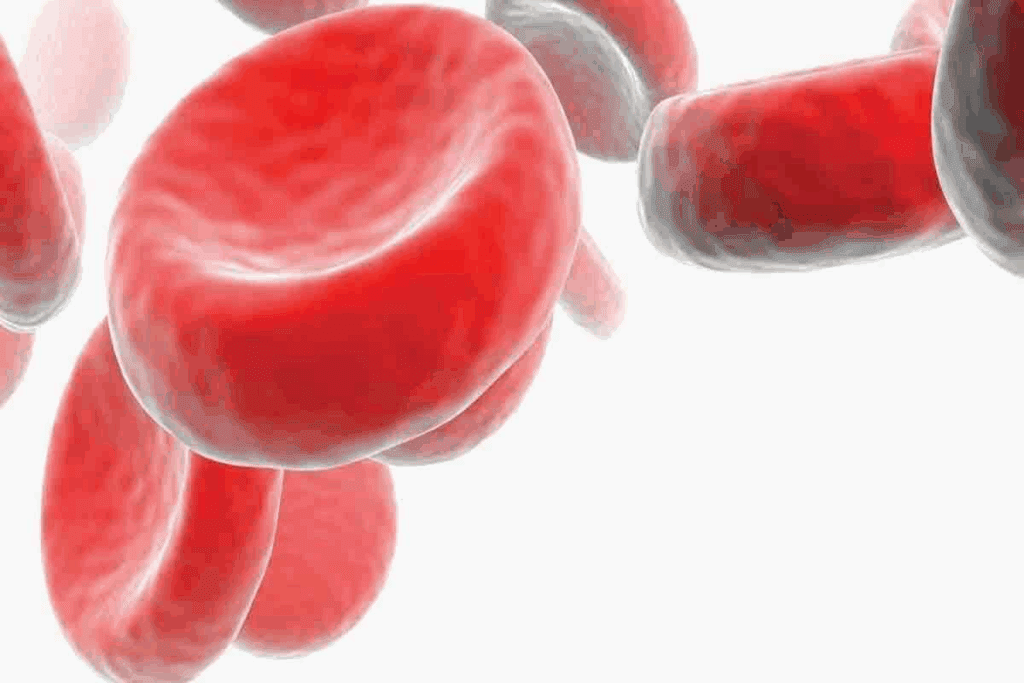
Severe Aplastic Anemia (SAA) is a serious blood disorder. It happens when the bone marrow can’t make enough blood cells. We know how critical it is to give top-notch care.
SAA is a rare but dangerous condition. It stops the bone marrow from making blood cells. This leads to serious health problems and can be deadly. At LivHospital, we aim to offer the best care. We support patients from all over with our international patient services.
It’s vital to know about SAA, from finding out you have it to the treatment options. We give a detailed look at this condition. We stress the need for quick and effective treatment.
Key Takeaways
- Severe Aplastic Anemia is a life-threatening condition requiring thorough care.
- SAA diagnosis involves understanding the failure of bone marrow to produce blood cells.
- LivHospital provides world-class healthcare delivery for international patients.
- Timely and effective treatment is key for SAA patients.
- Comprehensive support and guidance are available for patients and their families.
What is Severe Aplastic Anemia?

Severe Aplastic Anemia (SAA) is a rare and serious blood disorder. It affects the bone marrow’s ability to make blood cells. This condition happens when the bone marrow fails to produce enough blood cells.
This failure leads to pancytopenia. Pancytopenia is when there are not enough red and white blood cells, and platelets.
Definition and SAA Medical Abbreviation
The term “Severe Aplastic Anemia” is often shortened to SAA. Knowing the SAA medical abbreviation is key for healthcare workers and patients. It helps them quickly spot the condition.
SAA is marked by severe bone marrow failure. This failure results in low blood cell counts. These low counts can cause infections, anemia, and bleeding.
How SAA Affects Bone Marrow Function
SAA greatly impacts the bone marrow’s blood cell production. Normally, the bone marrow makes all blood cells. But in SAA, the bone marrow is damaged or not working right.
This damage leads to fewer blood cells being made. This can cause serious health problems. Problems include life-threatening infections and uncontrolled bleeding.
“The bone marrow failure in SAA is a critical issue that necessitates prompt and effective treatment to restore blood cell production or replace the damaged marrow altogether.”
Prevalence and Demographics
The number of SAA cases varies worldwide. The incidence is between 0.6 to 6.1 cases for every million people. SAA can affect anyone, but some groups may be more likely to get it.
Knowing who is more likely to get SAA helps in finding ways to prevent it. It also helps in understanding the condition better.
| Region | Incidence Rate (per million) |
| North America | 2.0 – 4.0 |
| Europe | 1.5 – 3.5 |
| Asia | 0.6 – 6.1 |
By understanding SAA’s definition, its impact on the bone marrow, and its prevalence, we can improve how we diagnose and treat it.
Severe Aplastic Anemia vs. Cancer: Important Distinctions
It’s key to know the differences between Severe Aplastic Anemia (SAA) and cancer. Both can be serious and need strong treatments. But, they start in different ways and affect the body differently.
Why SAA is Not Classified as Cancer
Severe Aplastic Anemia isn’t called cancer because it doesn’t grow out of control like cancer does. Instead, SAA happens when the bone marrow can’t make enough blood cells. This is because the immune system attacks the bone marrow’s stem cells.
Key differences between SAA and cancer include:
- The absence of malignant cells in SAA
- The primary issue in SAA is bone marrow failure, not uncontrolled cell proliferation
- SAA is typically treated by addressing the immune system’s attack on the bone marrow, not cancer cells
Similarities in Treatment Approaches
Even though SAA and cancer are different, their treatments share some similarities. Both might need treatments to calm down the immune system.
| Treatment Aspect | Severe Aplastic Anemia | Cancer |
| Immunosuppressive Therapy | Used to stop the immune system from attacking the bone marrow | Used to prevent rejection in bone marrow transplants and sometimes to treat certain cancers |
| Bone Marrow Transplant | Can cure by replacing the damaged bone marrow | Used to replace the patient’s bone marrow with healthy marrow, mainly in bone marrow-related cancers |
| Supportive Care | Includes blood transfusions and infection management | May include similar supportive care measures, depending on the type and stage of cancer |
Understanding the Immune-Mediated Nature of SAA
Severe Aplastic Anemia happens when the immune system attacks and destroys the bone marrow’s stem cells. Knowing this is key to finding the right treatments that focus on the immune system.
Seeing SAA as an immune issue has led to new treatments. These treatments help patients, sometimes without needing a bone marrow transplant.
Recognizing Symptoms and Causes of SAA Disease
It’s important to know the symptoms and causes of Severe Aplastic Anemia (SAA) for early treatment. SAA makes it hard for the bone marrow to make blood cells. This leads to different symptoms.
Common Clinical Manifestations
People with SAA often have symptoms from not having enough blood cells. These include:
- Fatigue and weakness from not enough red blood cells
- Frequent infections because the immune system is weak
- Bleeding or bruising easily from low platelet counts
These symptoms can really affect a person’s life. They need quick medical help to manage these issues.
Potential Triggers and Risk Factors
Being around certain chemicals, like pesticides, can raise the risk of SAA. Some medicines, like antibiotics, can also cause it.
Viral infections, like hepatitis, can lead to SAA in some cases. Knowing these risk factors helps doctors diagnose and treat the disease.
When to Seek Medical Attention
If you’re tired all the time, get infections often, or bleed easily, see a doctor. Early treatment of SAA can greatly improve your chances of getting better.
A doctor will do tests like blood tests and bone marrow biopsies to find out if you have SAA. They will then decide the best treatment for you.
Key factors to discuss with your healthcare provider include:
- Any history of exposure to chemicals or radiation
- Current medications and any recent infections
- Family history of blood disorders
By knowing the symptoms, causes, and risk factors of SAA, patients can get the care they need. This can help them recover better.
SAA Diagnosis: From Blood Tests to Bone Marrow Biopsy
To diagnose SAA, doctors use blood tests and bone marrow biopsies. These tools help confirm the condition. They are key to understanding how severe it is and what treatment is needed.
Initial Laboratory Findings
The first step is blood tests to check the blood cell count. A Complete Blood Count (CBC) looks at red, white blood cells, and platelets. A reticulocyte count checks young red blood cells to see if the bone marrow is working right.
These tests give clues about the bone marrow’s health. They help doctors think SAA might be the issue. But, more tests are needed to be sure.
The Definitive Role of Bone Marrow Examination
A bone marrow biopsy is the key test for SAA. It takes a sample from the hipbone for a closer look. This test shows if the bone marrow has the right number of cells.
The biopsy confirms SAA and rules out other bone marrow problems. It’s important for a correct diagnosis.
Ruling Out Other Bone Marrow Disorders
Differentiating SAA from other bone marrow issues is critical. The bone marrow biopsy helps with this. It shows unique signs of SAA, confirming the diagnosis.
Getting the diagnosis right is key for effective treatment. Blood tests and bone marrow biopsies together give a clear picture. This helps doctors choose the best treatment for SAA patients.
Comprehensive Treatment Approaches for Severe Aplastic Anemia
Treating Severe Aplastic Anemia (SAA) requires a detailed plan. This plan includes immunosuppressive therapy, supportive care, and sometimes bone marrow transplantation. This approach helps manage SAA’s complex nature and aims to improve patient outcomes.
First-Line Immunosuppressive Therapy
Immunosuppressive therapy (IST) is often the first step in treating SAA. It works by calming down the immune system’s attack on the bone marrow. This allows the bone marrow to recover and produce blood cells as it should.
The most common IST regimen uses antithymocyte globulin (ATG) and cyclosporine. Studies show this combination can boost blood counts and reduce the need for transfusions in many patients.
The choice of IST is based on its ability to control the immune system’s abnormal response. This is key in SAA’s pathogenesis. By reducing the immune system’s attack, IST helps restore blood cell production.
Supportive Care and Blood Product Transfusions
Supportive care is vital in SAA management, mainly in the early stages. It includes transfusions of blood products to manage anemia, thrombocytopenia, and neutropenia. Red blood cell transfusions help with anemia, while platelet transfusions lower bleeding risks. Granulocyte colony-stimulating factor (G-CSF) boosts white blood cell production, reducing infection risks.
Supportive care also involves managing infections and complications from SAA. Prophylactic antibiotics and antifungal medications are used to prevent infections, mainly in those with severe neutropenia.
Determining Treatment Eligibility Factors
Choosing between bone marrow transplantation (BMT) and immunosuppressive therapy (IST) depends on several factors. These include disease severity, patient age, and donor availability. Younger patients with a matched sibling donor often opt for BMT for its curative benefits.
For those not eligible for BMT or without a suitable donor, IST remains a viable option. The decision is highly individualized, considering the patient’s health, disease severity, and personal preferences.
Understanding the various treatment options for SAA helps healthcare providers tailor treatment plans. This personalization aims to improve patient outcomes and quality of life.
BMT for Aplastic Anemia: The Path to a Cure
Bone marrow transplantation (BMT) is a promising cure for Severe Aplastic Anemia (SAA). It replaces damaged bone marrow with healthy stem cells from a donor. This gives patients a chance for long-term recovery.
Patient Selection and Timing of Transplantation
Choosing BMT depends on the disease’s severity, the patient’s health, and donor availability. Patients with very severe aplastic anemia often get BMT if they don’t respond to other treatments.
The right time for the transplant is key. Young patients with a matched sibling donor usually get BMT first. Those without a matched donor might try other treatments before BMT.
Donor Selection: Matched Sibling vs. Unrelated Donors
Choosing the right donor is vital. Matched sibling donors are preferred because they lower the risk of graft-versus-host disease (GVHD). But, only 30% of patients have a matched sibling.
For those without a matched sibling, unrelated donors are an option. Thanks to better HLA typing, transplants from unrelated donors are safer and more effective.
| Donor Type | Advantages | Disadvantages |
| Matched Sibling Donor | Lower risk of GVHD, better match | Limited availability (only 30% have a match) |
| Unrelated Donor | Potential donor pool is large | Higher risk of GVHD, longer search time |
The Bone Marrow Transplant Procedure
The BMT process starts with conditioning therapy. This uses high-dose chemotherapy and/or radiation to clear the bone marrow. Then, the donor’s stem cells are infused.
After the transplant, patients need careful monitoring for signs of engraftment, GVHD, and other issues. Supportive care, like blood transfusions and antibiotics, is key during recovery.
Survival Rates and Outcomes After Bone Marrow Transplant
Bone marrow transplantation has changed how we treat Severe Aplastic Anemia. It gives hope to those facing this serious condition. We need to know what affects success and how age plays a role.
Five-Year Survival Statistics
Studies show that the five-year survival rate after a bone marrow transplant for Severe Aplastic Anemia is 75-90% in some cases. This big jump in survival is thanks to better transplant methods, better donor matches, and improved care after the transplant.
- Improved donor matching techniques
- Advances in immunosuppressive therapy
- Better management of post-transplant complications
These improvements make bone marrow transplant a lifesaving option for many SAA patients.
Factors Influencing Transplant Success
Several things affect how well a bone marrow transplant works for Severe Aplastic Anemia. These include:
- The degree of donor-recipient HLA matching
- Patient age at the time of transplant
- Pre-transplant conditioning regimen
- Post-transplant graft-versus-host disease (GVHD) management
Graft-versus-host disease is a big problem that can affect how well the transplant works. Managing GVHD well is key to better survival rates.
Age-Related Outcomes in Children vs. Adults
Age is a big factor in how well a bone marrow transplant works for SAA patients. Generally, children do better than adults because they have fewer health problems and a stronger immune system. But, new transplant methods have also helped adults do better.
A study looked at how children and adults with SAA did after a bone marrow transplant. It found that:
| Age Group | 5-Year Survival Rate |
| Children (<18 years) | 85-90% |
| Adults (18-40 years) | 75-85% |
| Older Adults (>40 years) | 60-75% |
These numbers show why age is important when looking at bone marrow transplant results for SAA patients.
In conclusion, bone marrow transplantation is a hopeful treatment for Severe Aplastic Anemia, with better survival rates. Knowing what affects success and how age impacts it helps patients and doctors make better choices.
Is Aplastic Anemia Curable? Long-Term Recovery and Quality of Life
Understanding if aplastic anemia is curable is complex. It involves looking at long-term recovery and quality of life. We need to explore treatment outcomes and what affects them.
Defining Cure in Aplastic Anemia
What does “cure” mean in aplastic anemia? It means the disease is gone, and the bone marrow works right. Treatments like bone marrow transplantation (BMT) can lead to long-term recovery. But, the idea of a cure is complex, as some may face late effects or need ongoing care.
Returning to Normal Activities After Treatment
Patients often ask when they can go back to normal after treatment. The answer depends on how well they respond to treatment and their health. Those who get successful BMT or immunosuppressive therapy can usually get back to normal activities. But, this can be affected by health issues or the need for ongoing medication.
Long-Term Follow-Up Requirements
Long-term follow-up is key for aplastic anemia patients. Regular visits with healthcare providers are needed to watch for late effects like secondary cancers or organ problems. Patients also need blood tests and bone marrow exams to keep the disease in remission. By being proactive and following recommended care, patients can improve their survival and quality of life.
The journey to recovery from aplastic anemia is tough. But, with the right treatment and support, many see a big improvement in their life quality. As we learn more about this disease, we’re dedicated to giving the best care and guidance to those affected.
Conclusion: Advances in Severe Aplastic Anemia Treatment
We’ve looked into severe aplastic anemia (SAA), a rare and serious disease. New treatments have greatly helped patients, giving them hope.
Immunosuppressive therapy and bone marrow transplantation (BMT) have been key. BMT is now a main cure for many, with success rates up to 90% in some cases.
Our understanding of SAA and its treatment is growing. A full approach is needed. This includes good treatments, care, and follow-up.
Thanks to new treatments, patients with SAA can live better lives. They can recover and do normal things again. Our goal is to provide top-notch care and support, making a big difference in their lives.
FAQ
What is Severe Aplastic Anemia (SAA)?
Severe Aplastic Anemia is a rare blood disorder. It happens when the bone marrow can’t make blood cells. This leads to severe anemia, infections, and bleeding.
What does SAA stand for in medical terms?
SAA stands for Severe Aplastic Anemia. It’s a condition where the bone marrow fails to produce blood cells.
Is Severe Aplastic Anemia a type of cancer?
No, Severe Aplastic Anemia is not cancer. Though, some treatments might be similar to cancer therapy. It’s an immune disorder.
What are the common symptoms of SAA?
Symptoms include fatigue, infections, and bleeding. These happen because the bone marrow can’t make enough blood cells.
How is SAA diagnosed?
First, blood tests are done. Then, a bone marrow biopsy checks if the bone marrow can make blood cells.
What is the first-line treatment for SAA?
The first treatment is immunosuppressive therapy. It helps stop the immune system from attacking the bone marrow.
Can bone marrow transplantation cure SAA?
Yes, bone marrow transplantation (BMT) can cure SAA. It’s most effective when a matched donor is available.
What is the success rate of BMT for SAA?
BMT success rates for SAA are high. Five-year survival rates are 75% to 90%. This depends on the donor match and patient age.
Is SAA curable?
SAA can be cured with the right treatment. This includes immunosuppressive therapy or bone marrow transplantation. Many patients can lead normal lives again.
What are the long-term follow-up requirements for SAA patients?
SAA patients need ongoing care. This is to watch for relapse, manage complications, and adjust treatments as needed.
How does age affect the outcome of BMT for SAA?
Age affects BMT outcomes. Younger patients usually do better than older adults.
What are the potentially triggers and risk factors for SAA?
Triggers and risk factors include chemicals, viral infections, and environmental factors. These can trigger an immune response against the bone marrow.
References
- Miano, M., & Dufour, C. (2020). The diagnosis and treatment of aplastic anemia: a review. International Journal of Hematology, *111*(1), 34-44. https://pubmed.ncbi.nlm.nih.gov/31720909/