
As we get older, facial aging shows more, and smile lines become very noticeable. These lines can change how we look, making many people look for anti-aging treatments. A lot of people choose cosmetic procedures every year to fix these issues.
Answering whether you can put fillers in smile lines (nasolabial folds) and detailing the best types of fillers for that area.
Dermal fillers are a popular choice to lessen the look of smile lines. Knowing what dermal fillers are and how they work helps people make better choices for their cosmetic procedures.
Key Takeaways
- Dermal fillers are a common anti-aging treatment for smile lines.
- Cosmetic procedures like dermal fillers can greatly reduce facial aging signs.
- Understanding the options for dermal fillers is key for those thinking about cosmetic procedures.
- Facial aging affects everyone, but anti-aging treatments can lessen its signs.
Understanding Smile Lines and Facial Aging
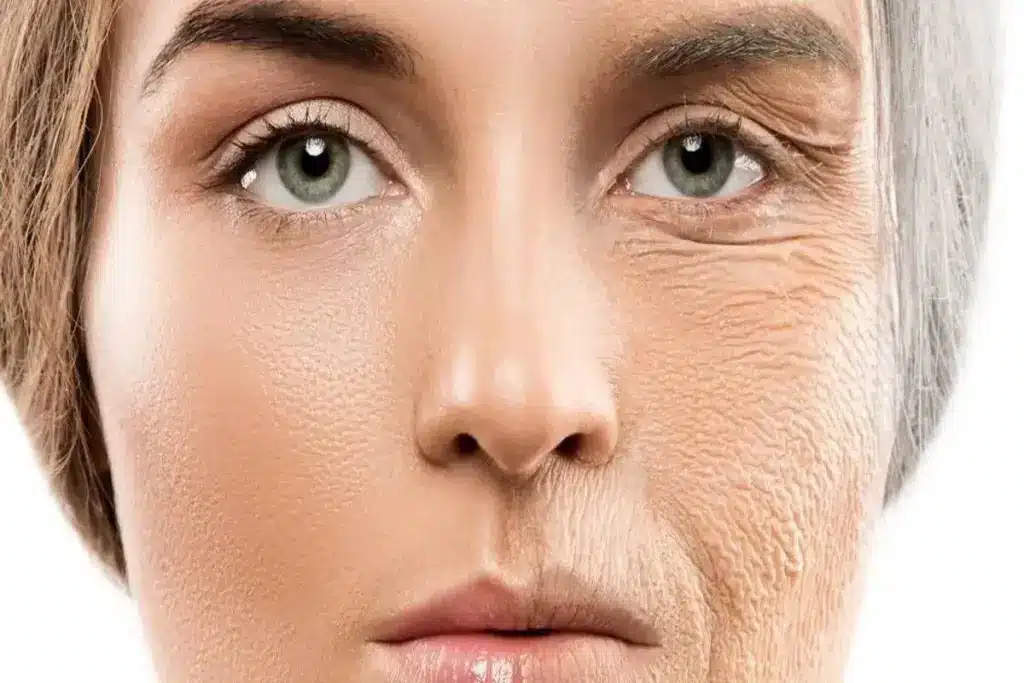
Facial aging is a complex process that affects everyone. Smile lines are one of its most noticeable signs. As we age, our skin undergoes significant changes. These changes can lead to the formation of various facial wrinkles, including smile lines.
What Are Smile Lines?
Smile lines, also known as nasolabial folds, are deep wrinkles from the nose to the mouth. They are a natural part of our facial structure. They become more pronounced with age due to the loss of skin elasticity and the repeated action of facial muscles.
Why Smile Lines Develop
Smile lines develop due to a combination of factors. These include the natural aging process, genetic predisposition, and lifestyle influences. As we age, the skin’s ability to produce collagen and elastin diminishes. This leads to a loss of firmness and the formation of wrinkles.
The Natural Aging Process and Facial Changes
The natural aging process brings about numerous facial changes. These include the redistribution of fat, the weakening of facial muscles, and the degradation of collagen and elastin. These changes contribute to the deepening of smile lines and the overall appearance of aging skin.
Understanding these changes is essential for addressing concerns about smile lines and facial aging. By recognizing the causes and effects of these changes, individuals can make informed decisions about their skincare and treatment options.
The Science Behind Smile Lines
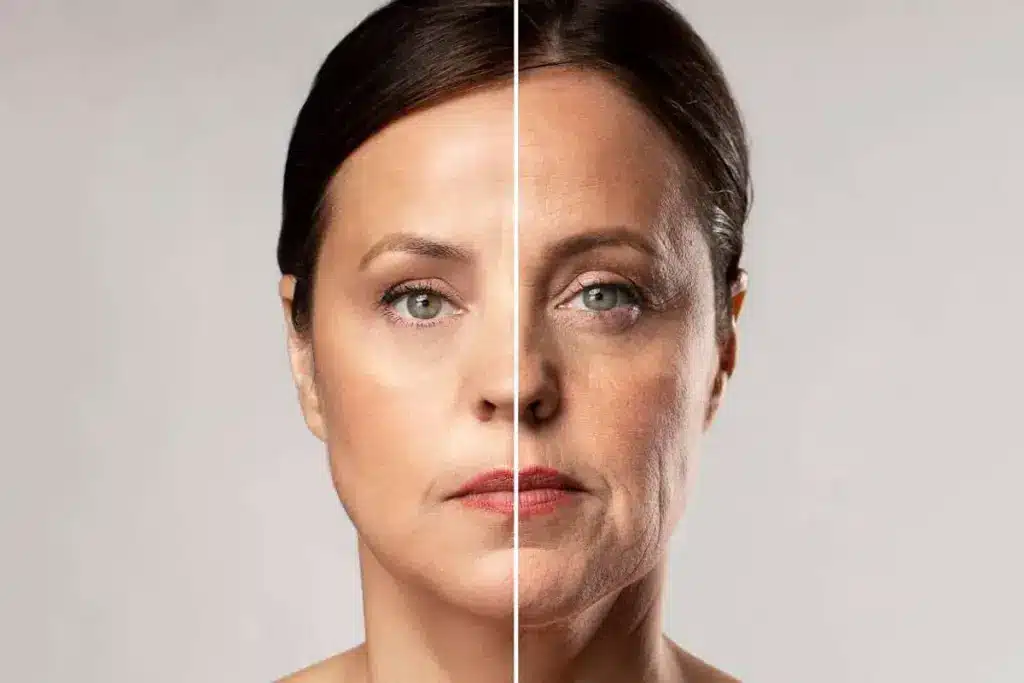
To understand smile lines, we must explore facial aging. These lines, or nasolabial folds, come from aging and other factors. They are a natural part of growing older.
Anatomy of Nasolabial Folds
Nasolabial folds are deep wrinkles from the nose to the mouth. They are a normal facial feature. But, they can get deeper with age due to collagen loss and less facial volume.
Collagen Loss and Its Effects
Collagen is key for skin structure and elasticity. As we age, collagen production drops. This leads to less firm skin and more wrinkles.
This collagen loss makes nasolabial folds and other aging signs worse.
Factors That Accelerate Smile Line Formation
Many things can make smile lines appear sooner. Genetics, sun exposure, and lifestyle choices like smoking are big factors. They speed up collagen loss and facial volume loss.
This makes nasolabial folds more noticeable at a younger age.
Knowing how smile lines form helps us see why we need to prevent them. It also shows the value of treatments to reduce their look.
Dermal Fillers for Smile Lines: How They Work
Understanding dermal fillers can help you decide if they’re right for you. These products are used to fill in smile lines and restore volume to the face. They’re a popular choice for smoothing out wrinkles and improving facial features.
What Are Dermal Fillers?
Dermal fillers are gel-like substances injected into the skin. They’re used to fill in deep lines and wrinkles. Made from materials like hyaluronic acid, they offer a way to rejuvenate the face.
How Fillers Target Nasolabial Folds
Nasolabial folds, or smile lines, are a common concern. These lines run from the nose to the mouth, making the face look tired or old. Dermal fillers are injected into these folds to make them less visible.
The process involves a series of injections in a clinical setting. The type of filler used depends on your skin and the depth of the folds. It also depends on how long you want the results to last.
The Science of Volume Restoration
Volume restoration is key in treating smile lines with dermal fillers. As we age, our face loses volume. Fillers help restore this volume, making the face look younger.
|
Filler Type |
Material |
Duration of Results |
|---|---|---|
|
Juvederm |
Hyaluronic Acid |
Up to 12 months |
|
Radiesse |
Calcium Hydroxylapatite |
Up to 18 months |
|
Sculptra |
Poly-L-Lactic Acid |
Up to 2 years |
Choosing the right dermal filler is important, says Medical Expert. “A qualified practitioner can help you make the best choice for your treatment.”
Types of Fillers Used for Treating Smile Lines
Choosing the right filler for smile lines is key. Dermal fillers are popular for treating nasolabial folds. They come in various types to meet different needs and preferences.
Hyaluronic Acid Fillers (Juvederm, Restylane)
Hyaluronic acid fillers, like Juvederm and Restylane, are favorites for smile lines. They draw in moisture, adding volume. They offer quick results and last a while.
Calcium Hydroxylapatite Fillers (Radiesse)
Calcium hydroxylapatite fillers, such as Radiesse, are another choice. They boost collagen and last longer than some fillers. They’re great for deeper folds.
Poly-L-Lactic Acid Fillers (Sculptra)
Poly-L-lactic acid fillers, like Sculptra, stimulate collagen over time. This leads to gradual but lasting results. They’re good for deeper folds and can last up to 2 years.
Comparing Filler Longevity and Results
Filler longevity depends on the type and individual factors. Here’s a table comparing the average duration of different fillers for smile lines:
|
Filler Type |
Average Duration |
|---|---|
|
Hyaluronic Acid Fillers |
6-12 months |
|
Calcium Hydroxylapatite Fillers |
12-18 months |
|
Poly-L-Lactic Acid Fillers |
2 years or more |
Knowing about the different fillers and their effects helps in making choices. It’s important to talk to a healthcare professional to find the best filler for you.
The Smile Line Filler Procedure Explained
The journey to smoother, more youthful-looking skin starts with a consultation. This first step is key to finding the right treatment for you.
Consultation and Assessment
A healthcare professional will look at your face, skin, and smile lines during the consultation. They will pick the best filler for you and create a treatment plan just for you.
- Discussion of your aesthetic goals
- Evaluation of your medical history
- Examination of your facial anatomy
The Injection Process
The injection process uses a fine needle to put the filler in the right spots.
Key aspects of the injection process include:
- Preparation of the skin with a topical anesthetic
- Precise injection of the filler
- Massage of the area to ensure even distribution
What to Expect During Treatment
You might feel a pinch or stinging when the filler is injected. But this feeling is usually short and not too bad.
Immediate Results and Recovery
One of the best things about smile line fillers is seeing results right away. You’ll notice your smile lines look better immediately after.
Recovery is typically straightforward, and most people can go back to their day quickly. You might see some mild swelling, redness, or bruising. But these effects usually go away in a few days.
Benefits of Using Fillers for Smile Lines
Dermal fillers are now more popular for smile lines. They are effective and quick to use. They help reduce nasolabial folds, making your face look better.
Immediate Visible Results
Dermal fillers give immediate visible results. You can see the change right after the treatment. This makes them a great choice for those who want fast results.
Minimal Downtime
These treatments need minimal downtime. Most people can go back to their day quickly. It’s perfect for those with tight schedules.
Natural-Looking Outcomes
When done right, dermal fillers look natural. They aim to improve your look without being too obvious. This is what they do best.
Psychological Benefits
Dermal fillers also have psychological benefits. They can make you feel more confident and better about yourself. This is a big plus.
|
Benefit |
Description |
|---|---|
|
Immediate Results |
Visible effects right after treatment |
|
Minimal Downtime |
Quick return to daily activities |
|
Natural-Looking |
Enhances appearance without looking unnatural |
|
Psychological Boost |
Improves self-confidence and self-esteem |
Potential Risks and Side Effects
It’s important to know the risks and side effects of dermal fillers before getting them. They are generally safe but can cause different effects, from mild to severe.
Common Side Effects
Most people have minor side effects after getting dermal fillers. These can include:
- Redness and swelling at the injection site
- Bruising, which usually goes away in a few days
- Itching or discomfort
These side effects are usually short-lived and go away quickly.
Rare Complications
Though rare, serious complications can happen. These may include:
- Infection, which can be treated with antibiotics
- Allergic reactions, though rare with hyaluronic acid fillers
- Tissue necrosis, a serious condition that needs immediate medical attention
When to Seek Medical Attention
If you have any of these symptoms, get medical help right away:
- Severe pain or swelling
- Signs of infection, such as increased redness, warmth, or pus
- Difficulty breathing or swallowing
Managing Expectations
It’s important to manage your expectations with dermal fillers. Remember, they are temporary and may need to be done again. Talk to your provider about your goals and any worries to get the best results.
Botox vs. Fillers for Smile Lines: What’s the Difference?
Botox and fillers are used to fight smile lines, but they do it differently. Both aim to lessen facial lines, but they use different methods.
How Botox Works on Facial Lines
Botox is a neurotoxin that relaxes facial muscles. This makes dynamic wrinkles, like those from smiling, less visible. It does this by stopping the muscles from contracting.
When Botox Is Appropriate for Smile Lines
Botox is best for dynamic smile lines. These are lines that show when you move your face. But, for lines that are always there, even when you’re not moving, fillers might be better.
Combining Botox and Fillers for Optimal Results
Using Botox and fillers together can be very effective. Botox handles the moving lines, while fillers fill in the deep lines. This gives a smoother, younger look.
For people with both moving and always-present lines, Botox and fillers together work great. It lets you get a treatment that covers all your aging concerns.
Choosing between Botox, fillers, or both depends on your needs and lines. Talking to a skilled doctor is key to finding the right treatment for you.
Real Patient Experiences with Smile Line Fillers
Real patient experiences offer valuable insights into smile line fillers. They show the benefits and outcomes of this cosmetic treatment. Many people have shared their stories, giving a clear picture of what to expect.
Before and After Results
Looking at before and after photos is a great way to see how smile line fillers work. Patients often post their progress online. This shows the amazing changes they’ve seen.
Patient Testimonials
Patient testimonials give a real look at the smile line filler experience. Many say they feel more confident after the treatment. They also mention that it was less painful than they thought.
“I was amazed at how natural I looked after the fillers. It was like a mini-facelift without the surgery!”
— Emily, age 42
Recovery Timelines
Knowing how long it takes to recover is important for those thinking about smile line fillers. Most people can go back to their normal routine right away. Some might have mild side effects like swelling or bruising, but these usually go away in a few days.
- Immediate recovery: Resume daily activities
- Mild side effects: Swelling, bruising
- Full recovery: Within a week
Long-Term Satisfaction Rates
Most patients are very happy with their smile line filler results over time. The fillers last a long time, and the results look natural. This makes patients very satisfied.
|
Aspect |
Patient Feedback |
Satisfaction Rate |
|---|---|---|
|
Natural Appearance |
Most patients report a natural look |
95% |
|
Procedure Comfort |
Patients generally tolerate the procedure well |
90% |
|
Longevity of Results |
Results last several months to a year or more |
85% |
Looking at real patient experiences helps people make informed choices about smile line fillers. It shows the good and the possible outcomes of the treatment.
How to Reduce Smile Lines Without Fillers
Smile lines can be lessened without fillers. This is thanks to non-invasive treatments and lifestyle changes. These methods tackle the causes of smile lines, like collagen loss and facial expressions.
Topical Treatments and Skincare
Topical treatments are key in reducing smile lines. Retinol, peptides, and hyaluronic acid products help. They boost collagen, improve skin elasticity, and keep skin hydrated.
- Retinol-based creams improve skin texture and reduce fine lines.
- Peptide-infused products boost collagen production.
- Hyaluronic acid serums deeply hydrate the skin.
Facial Exercises and Massage Techniques
Facial exercises and massage tone facial muscles and boost blood flow. This reduces smile lines. Try smiling with your eyes closed or facial yoga for benefits.
“Facial exercises can be as simple as smiling or frowning, and repeating these actions can help strengthen facial muscles.”
Lifestyle Changes That Help
Changing your lifestyle can also help with smile lines. This includes:
- Quitting smoking to prevent early aging.
- Using sunscreen daily to protect your skin from the sun.
- Eating a diet full of antioxidants and vitamins.
- Drinking lots of water to stay hydrated.
Prevention Strategies
To prevent smile lines, focus on good skincare, sun protection, and a healthy lifestyle. Use sunscreen, don’t smoke, and eat well. These steps are essential.
By adding these strategies to your daily life, you can lessen smile lines without fillers. Remember, consistency and patience are important. These methods may take time to work.
Finding the Right Provider for Smile Line Fillers
Choosing the right provider is key for successful smile line filler treatments. With more people getting dermal fillers, it’s important to know what to look for. This ensures you get the best results.
Qualifications to Look For
First, check the provider’s qualifications. Look for those who are board-certified in dermatology or plastic surgery. They have the right training to use fillers safely and well.
Also, see if they have experience with the specific filler you want, like Juvéderm or Restylane.
Questions to Ask During Consultation
During your first meeting, ask important questions. Find out about their experience with smile line fillers and the results they’ve gotten. It’s also good to ask about possible side effects and how they handle problems.
A good provider will be open and answer your questions honestly.
Red Flags to Watch Out For
Watch out for providers who promise too much or charge way less than others. This might mean they’re not experienced or using approved products. Also, be careful if they don’t take the time to talk to you or seem in a hurry during treatment.
Checking Provider Credentials
It’s important to check a provider’s credentials. Make sure they are licensed to practice in their state and have no history of malpractice. You can find this info on state medical board websites or through groups like the American Academy of Dermatology.
By carefully choosing a qualified provider, you can have a safe and successful experience with smile line fillers.
Conclusion
Dermal fillers are a great way to reduce smile lines, a common sign of aging. They help by understanding why smile lines happen and what treatments are out there. This way, people can choose the best anti-aging options for themselves.
Dermal fillers, like Juvederm and Restylane, fill in lost volume and smooth out wrinkles. The process is quick, with little downtime, and shows results right away. But, it’s important to talk to a skilled provider to find the right treatment for you.
Thinking about the good and bad of dermal fillers can lead to a younger look. They can be used alone or with other treatments to get a smoother, brighter smile.
FAQ
What are smile lines and why do they develop?
Smile lines, also known as nasolabial folds, are deep wrinkles from the nose to the mouth. They appear due to aging, facial expressions, and collagen loss.
How do dermal fillers work to treat smile lines?
Dermal fillers fill in deep wrinkles and folds. This reduces smile lines. They are made from materials like hyaluronic acid and calcium hydroxylapatite.
What types of fillers are used for treating smile lines?
Fillers like Juvederm, Restylane, Radiesse, and Sculptra are used. Each has its own material and lasts from months to years.
Are there any potentially risks or side effects associated with fillers for smile lines?
Yes, there are risks and side effects. These include redness, swelling, and bruising. Rare complications like infection or allergic reactions can also occur.
Can Botox be used to treat smile lines?
Botox is not usually for smile lines. It works best on dynamic wrinkles. But, it can be used with fillers for better results.
How long do fillers last for smile lines?
Fillers’ longevity varies by type. They can last from months to years. Regular treatments are needed to keep the results.
Are there alternative methods for reducing smile lines without fillers?
Yes, there are alternatives. Topical treatments, facial exercises, and healthy lifestyle choices can help. Eating well, staying hydrated, and protecting your skin from the sun are key.
How do I choose a suitable provider for smile line fillers?
Choose a provider based on qualifications, experience, and reputation. Ask questions during your consultation and check their credentials to ensure they’re qualified.
What can I expect during the smile line filler procedure?
The procedure includes a consultation, assessment, and injection. You might feel some discomfort, and it usually takes less than an hour.
How can I manage expectations and ensure natural-looking outcomes?
Managing expectations starts with a detailed consultation. Discuss your goals and understand what’s possible. A skilled provider will help you achieve natural results.
National Center for Biotechnology Information. Evidence-Based Medical Insight. Retrieved from https://pubmed.ncbi.nlm.nih.gov/36449129/