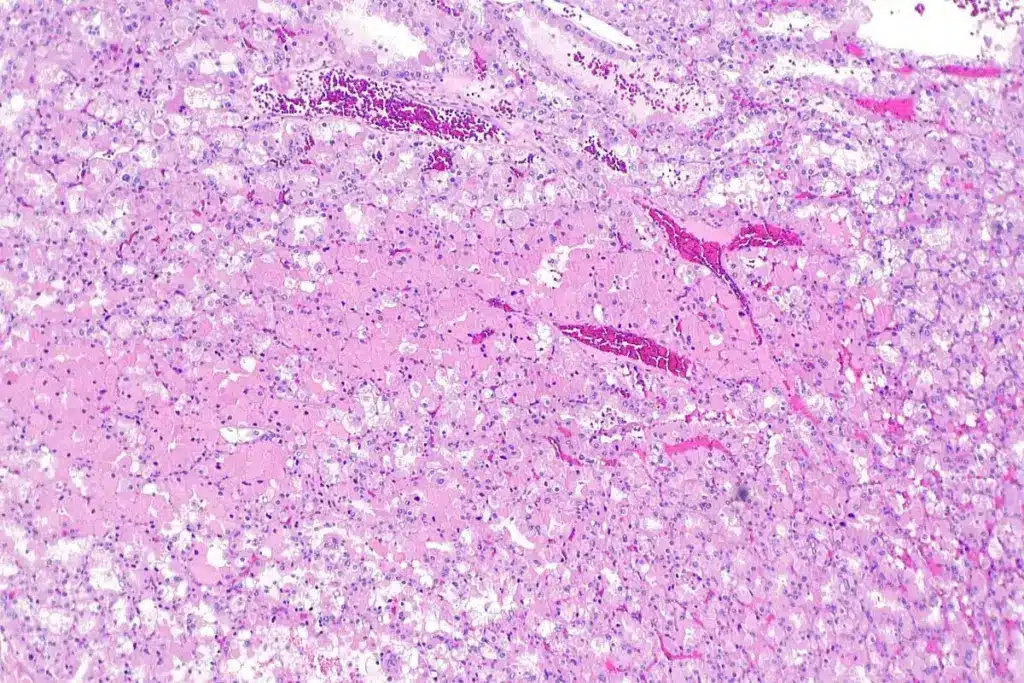
Waiting for skin biopsy results can be very stressful. Did you know that millions of people get biopsies every year in the United States? Knowing what to expect can make the wait less scary. Detailing how long to wait for skin biopsy results (typically 7-14 days) following a punch biopsy or other procedure.
Usually, biopsy results take about one to three weeks. But, this time can change based on the biopsy type and the lab’s work.
Learning about the process and what affects the wait can prepare you better. In this article, we’ll look at what happens when you get skin biopsy results and what you might feel during this time.
Key Takeaways
- The typical waiting time for skin biopsy results is between one to three weeks.
- Several factors can influence the waiting period, including the type of biopsy and laboratory processing times.
- Understanding the process can help alleviate anxiety during the waiting period.
- The waiting time can vary depending on the complexity of the case and the workload of the laboratory.
- It’s essential to follow up with your doctor if you haven’t received your results within the expected timeframe.
What Is a Skin Biopsy and Why Is It Performed?
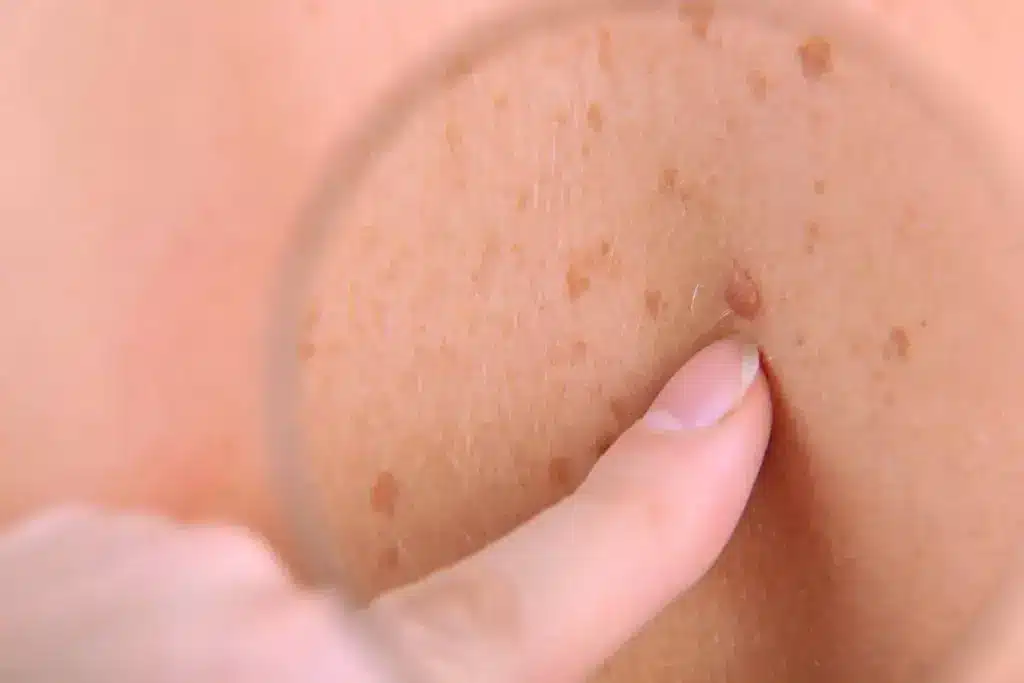
To understand the need for a skin biopsy, it’s important to know what it is. A skin biopsy is when a doctor takes a piece of skin for a microscope check.
Definition and Purpose of Skin Biopsies
A skin biopsy means taking a skin sample for a close look. It helps doctors figure out what’s wrong with your skin. They can spot infections, diseases, or even skin cancers.
Common Conditions Requiring Biopsies
Biopsies are key for finding out about skin cancer, strange moles, or long-lasting rashes. Doctors look at the tissue to find the cause of your skin issue.
When Your Doctor Might Recommend a Biopsy
Your doctor might want you to get a skin biopsy if they’re worried about a skin spot. They look at your skin and medical history to decide.
Knowing why you need a biopsy can make you feel better. It helps you get ready for the test.
Types of Skin Biopsies You Might Undergo
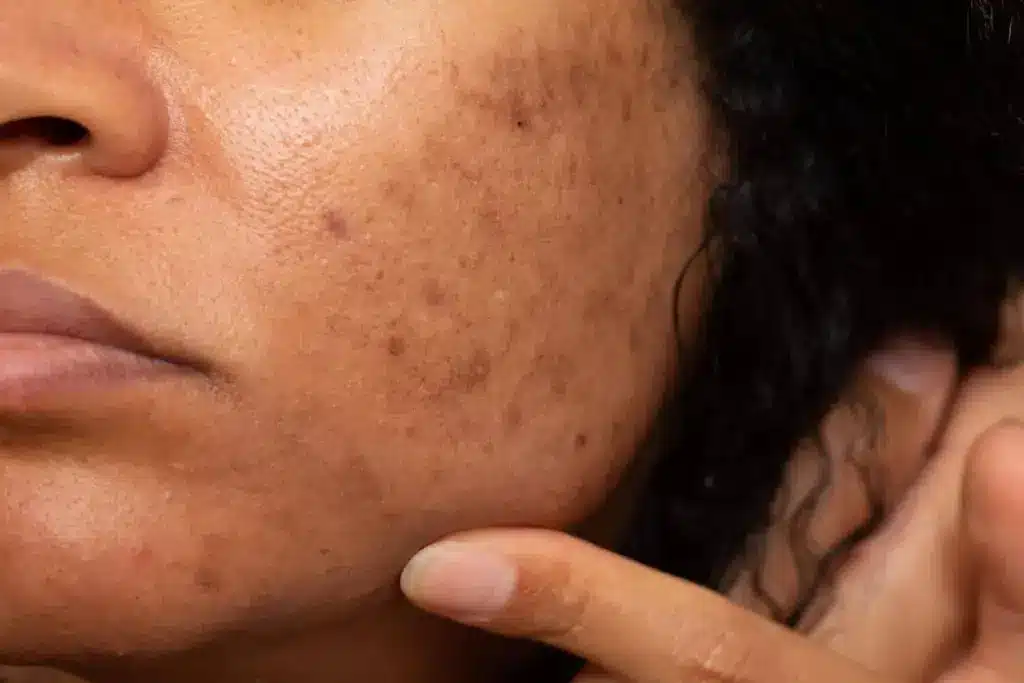
There are several ways to do a skin biopsy, each for different reasons. Your doctor will pick the right one based on what they think might be wrong, where the spot is, and other details. This choice is important for getting the right diagnosis.
Shave Biopsy: Procedure and Recovery
A shave biopsy takes off the top skin layers with a special tool. It’s for spots that are near the skin’s surface. The area gets numbed to avoid pain.
After, it’s covered with antibiotic ointment and a bandage. Recovery is fast, with little to no scarring.
Excisional and Incisional Biopsies Explained
Excisional biopsies take out the whole spot and some skin around it. This is often for cancer worries. Incisional biopsies just take a piece of the spot. This is for big spots or when taking it all out isn’t possible.
When Each Type Is Typically Used
Choosing between these biopsies depends on the spot’s size, location, and what it might be. Shave biopsies work for surface spots. Excisional biopsies are for spots that might be cancer and need to be checked fully. Incisional biopsies are for big spots where just a piece is needed.
Knowing about these biopsies can make you feel less worried. It helps you get ready for the test and what comes after.
The Punch Biopsy Procedure: What to Expect
Punch biopsies are a way to take a skin sample for analysis. They are used to check for skin problems like unusual growths or rashes.
Preparation for a Punch Biopsy
Before a punch biopsy, you might need to stop taking blood-thinning meds. This includes aspirin or certain supplements. The area will be cleaned and numbed with a local anesthetic to make the process painless.
Step-by-Step Procedure Details
The punch biopsy process includes several steps:
- The skin is stretched and held firmly in place.
- A circular cutting tool (punch) is rotated into the skin to the required depth.
- The skin sample is carefully removed and sent for laboratory analysis.
- The wound may be closed with stitches or left to heal on its own, depending on its size.
Immediate Post-Procedure Care
Proper wound care is key after a biopsy. This means keeping the area clean and dry, using antibiotic ointment, and covering the wound.
Pain Management After Biopsy
Some pain is normal after a biopsy. You can use over-the-counter pain relievers. If the pain doesn’t go away, talk to your doctor.
Bandaging and Wound Protection
It’s important to protect the wound from further damage. You might need to wear a bandage and avoid activities that could hurt the healing process.
Knowing what to expect from a punch biopsy can help ease your worries. By understanding the process and aftercare, you can have a smoother recovery and wait for your results with confidence.
The Journey of Your Biopsy Sample
Learning about your biopsy sample’s path from collection to diagnosis can help you understand the wait for biopsy results. This journey is key to figuring out your next steps in care.
From Collection to Laboratory
After a skin biopsy, the sample goes into a container with a fixative solution. This keeps the tissue safe. Then, it’s sent to a lab for tests.
The time it takes to get to the lab can change based on where it is and the lab’s schedule.
Processing and Staining Techniques
When the sample reaches the lab, it’s prepared for thin slices. These slices are stained with dyes to show cell details. The most used method is Hematoxylin and Eosin (H&E) staining.
This helps pathologists see the tissue’s structure and cell details.
|
Processing Step |
Description |
Significance |
|---|---|---|
|
Fixation |
Preserving the tissue sample |
Prevents degradation |
|
Embedding |
Encasing the sample in a supportive medium |
Facilitates thin sectioning |
|
Sectioning |
Cutting the sample into thin slices |
Prepares for staining and examination |
Pathologist Examination Process
A pathologist then looks at the slides under a microscope. They search for any issues or diseases. The report will tell you what they found.
This could be anything from a simple condition to a serious disease. The complexity of the case can affect how long it takes to get biopsy results.
The detailed check and report are vital. They lead to a diagnosis that helps plan your treatment.
Standard Waiting Times for Biopsy Results
Patients often wonder how long it takes to get biopsy results. Waiting can be tough, filled with worry and uncertainty. Knowing what affects waiting times can help ease the wait.
Average Timeframes by Biopsy Type
The time to get biopsy results varies by type. Most people get their results in one to three weeks. But, it can be shorter or longer based on the case’s complexity and lab workload.
|
Biopsy Type |
Average Waiting Time |
|---|---|
|
Shave Biopsy |
7-10 days |
|
Punch Biopsy |
10-14 days |
|
Excisional Biopsy |
14-21 days |
Routine vs. Expedited Processing
Labs offer different processing options. Routine takes longer, but expedited is faster for a fee. Talk to your doctor to choose the best option for you.
“The key to managing the waiting period is understanding that different biopsy types and laboratory processes can significantly impact the timeframe for receiving results.”
How Results Are Typically Communicated
Results are shared in various ways. The method depends on the doctor’s policy and your preference.
Patient Portal Notifications
Many doctors use patient portals for secure online access. You get notified when your results are ready, letting you check them anytime.
Phone Call vs. In-Person Discussions
Some results are shared over the phone, for urgent cases. Others might need a face-to-face talk, if more treatment is needed.
Knowing these details can help you cope with the wait for biopsy results. While it’s stressful, being prepared can make it easier.
Factors That Can Delay Your Biopsy Results
The time it takes to get skin biopsy results can vary a lot. Some results come back in a few days. But others may take longer because of different complexities.
Complex or Unusual Findings
When a biopsy shows complex or unusual conditions, pathologists need more time. They might use specialized staining techniques or consult with other experts. This ensures they get an accurate diagnosis.
Need for Specialized Testing
Sometimes, routine tests aren’t enough. Specialized tests like molecular diagnostics or more immunohistochemistry are needed. These tests give more detailed info but take longer.
External Consultations and Second Opinions
In tough cases, pathologists might ask for external consultations or second opinions from specialists. This ensures accuracy but can delay getting the results.
Laboratory Backlogs and Staffing Issues
Laboratory backlogs and not enough staff can slow down biopsy processing. Recent data shows waiting times vary by lab and how fast they work. Labs with a lot to do or not enough staff take longer.
Knowing these factors helps set realistic expectations for when you’ll get your biopsy results. It’s key to talk to your healthcare provider about any worries or questions. They can give a better estimate based on your case.
Healing After Your Skin Biopsy
Knowing how to care for your skin after a biopsy is key to a smooth recovery. Your body starts healing right after the procedure. It’s important to follow wound care tips and understand what to expect.
Pictures of Normal Skin Biopsy Healing Stages
Knowing the healing stages can ease worries. At first, the area might look red and swollen. Then, it might scab and fall off, showing new skin underneath. Make sure to keep it clean and follow your doctor’s advice for best healing.
Proper Wound Care Instructions
It’s vital to keep the biopsy site clean. Wash it with mild soap and water. Use any creams or ointments your doctor tells you to. Don’t pick at scabs or scratch it, as this can cause infection or scars.
- Gently clean the area daily
- Apply prescribed topical treatments
- Avoid direct sun exposure
- Monitor for signs of infection
When to Call Your Doctor About Healing Concerns
Some discomfort is normal, but watch for signs that mean you need to see a doctor. If the area gets more red, swollen, or painful, or if you see pus or fever, call your doctor. Also, if the wound isn’t healing right, or if you have other worries, reach out to your healthcare provider.
Interpreting Your Skin Biopsy Results
Understanding your skin biopsy results needs some knowledge of pathology report terms. You’ll get a detailed report from a pathologist when you receive your results.
Common Terminology in Pathology Reports
Pathology reports use specific terms to describe the biopsied tissue. You’ll see words like hyperplasia, dysplasia, and neoplasia to describe cell changes.
|
Term |
Description |
|---|---|
|
Hyperplasia |
An increase in cell number |
|
Dysplasia |
Abnormal cell development |
|
Neoplasia |
Abnormal cell growth that can be benign or malignant |
Understanding Benign vs. Malignant Findings
Biopsy results will say if the findings are benign or malignant. Benign means non-cancerous, and malignant means cancerous cells.
What “Inconclusive” Results Mean
Sometimes, biopsy results are inconclusive. This means the pathologist couldn’t make a clear diagnosis. In these cases, more tests might be needed.
Follow-up Testing Options
Follow-up tests can include more biopsies, imaging, or other procedures. They help clarify the diagnosis.
When a Repeat Biopsy Might Be Needed
You might need another biopsy if the first sample was not enough. Or if the results don’t match what your doctor expected.
It’s key to understand your skin biopsy results to know what to do next. If you have questions or concerns, talk to your healthcare provider.
Managing Anxiety While Waiting for Results
Anxiety is common when waiting for skin biopsy results. The uncertainty can be hard to handle, affecting daily life and well-being.
Normal Emotions During the Waiting Period
Feeling anxious or worried is normal while waiting for biopsy results. These feelings come from concerns about the diagnosis, fear of the unknown, or past experiences. Recognizing these emotions is the first step to managing them.
Practical Coping Strategies
Several strategies can help ease anxiety during this time:
- Staying connected with friends and family
- Engaging in relaxing activities such as meditation or yoga
- Maintaining a healthy lifestyle through balanced diet and regular exercise
- Seeking professional help if anxiety becomes overwhelming
|
Coping Strategy |
Description |
Benefits |
|---|---|---|
|
Meditation |
Practice mindfulness and relaxation techniques |
Reduces stress, improves mental clarity |
|
Social Support |
Connect with friends, family, or support groups |
Emotional comfort, practical help |
|
Healthy Lifestyle |
Maintain a balanced diet and regular exercise |
Improves physical and mental health |
When to Inquire About Delayed Results
If the waiting time is longer than expected, it’s okay to ask your healthcare provider for an update. Being proactive can ease some of the anxiety.
Questions to Prepare for Your Follow-up Appointment
Preparing a list of questions can make your follow-up appointment more useful. Think about asking about the results, what they mean for your health, and what to do next.
Conclusion
Waiting for skin biopsy results can be very stressful. How long it takes to get them depends on a few things. These include the type of biopsy and how complex the analysis is.
There are different kinds of skin biopsies, like shave and punch biopsies. Each one takes a different amount of time to process. Knowing this can help you feel less anxious while you wait.
Things like extra tests or lab delays can slow down getting your biopsy results. Knowing these possible reasons can help you plan better. It also tells you when to ask about your results.
Learning about the process and timeline for skin biopsy results helps a lot. It makes the waiting period easier to handle. And it prepares you for what comes next after you get your diagnosis.
FAQ
What is a skin biopsy?
A skin biopsy is a medical test. It removes a skin sample for a microscope check. This helps diagnose skin issues, like cancer.
How long does a skin biopsy take?
The biopsy itself takes a few minutes to an hour. This depends on the type and case complexity.
How long do biopsy results take?
Results usually take 7-10 days. Sometimes, it can be a few days or up to a couple of weeks.
What are the different types of skin biopsies?
There are several types. These include shave, punch, excisional, and incisional biopsies. Each serves a different purpose.
What is a shave biopsy?
A shave biopsy removes a thin skin layer. It’s often used for minor skin issues.
How long does it take to get biopsy results back?
Results time varies. It depends on the lab, case complexity, and biopsy type.
What factors can delay biopsy results?
Several things can cause delays. These include complex findings, specialized tests, external opinions, and lab backlogs.
How can I manage anxiety while waiting for biopsy results?
Use relaxation techniques and stay informed. Support from loved ones or professionals also helps.
What should I expect during the healing process after a skin biopsy?
Expect scabbing, redness, and possible scarring. Most wounds heal in a few weeks.
How are biopsy results communicated to patients?
Doctors usually share results in person, over the phone, or online.
What does “inconclusive” mean in a biopsy report?
“Inconclusive” means the sample didn’t give a clear diagnosis. More tests or a repeat biopsy might be needed.
Define biopsied.
Being biopsied means having tissue removed for a microscope check. It helps diagnose or rule out conditions.
What are pictures of skin biopsy healing stages?
Healing pictures show the wound’s journey. They include scabbing, redness, and scar formation stages.
References
Centers for Disease Control and Prevention. Evidence-Based Medical Insight. Retrieved from https://www.cdc.gov/cancer/skin/basic_info/diagnosis.htm