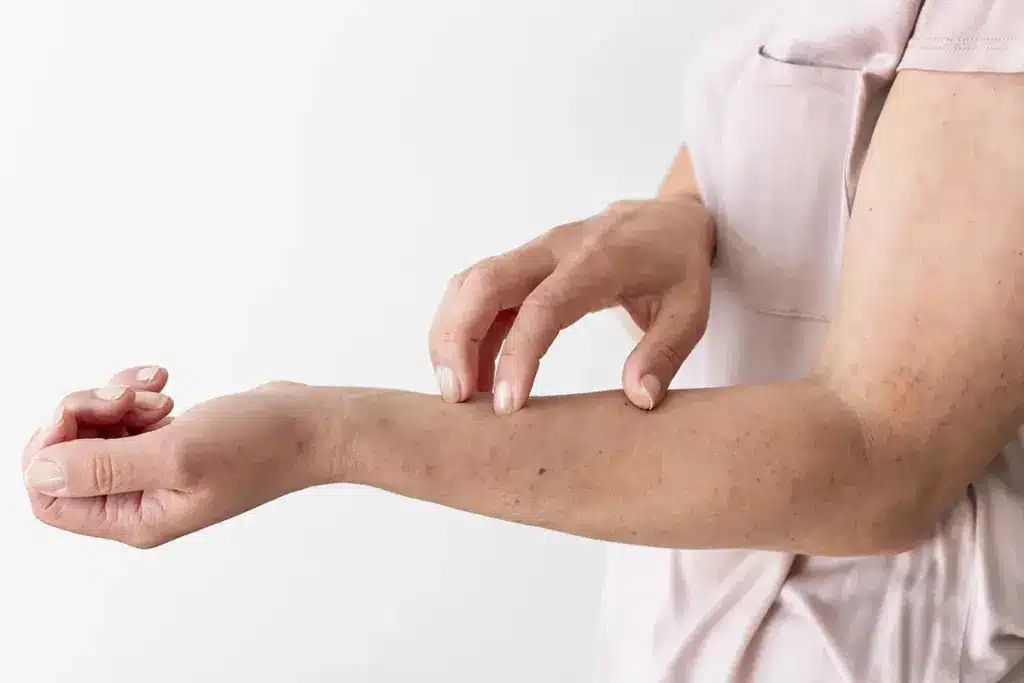
Did you know that cold temperatures can cause a rare allergic reaction called cold urticaria? This condition makes people get hives or itchy skin when they’re cold. It affects thousands of people around the world. We’ll look into the symptoms, causes, and ways to manage this condition. This will help people live normally despite this allergy.
Cold urticaria, or being “allergic to cold,” needs to be understood and managed well. By learning more about it, we hope to help those affected manage their symptoms better.
Key Takeaways
- Cold urticaria is a rare condition triggered by exposure to cold temperatures.
- Symptoms include hives, itchy skin, and potentially life-threatening reactions.
- Understanding the causes and triggers is key to managing it well.
- Management strategies include avoiding cold and using medication.
- Getting a proper diagnosis is vital for a treatment plan.
What is Cold Urticaria?

Cold urticaria is a condition that affects many people worldwide. It causes an allergic reaction to cold temperatures, leading to hives or itchy skin. Understanding this condition is key to managing its symptoms well.
Definition and Overview
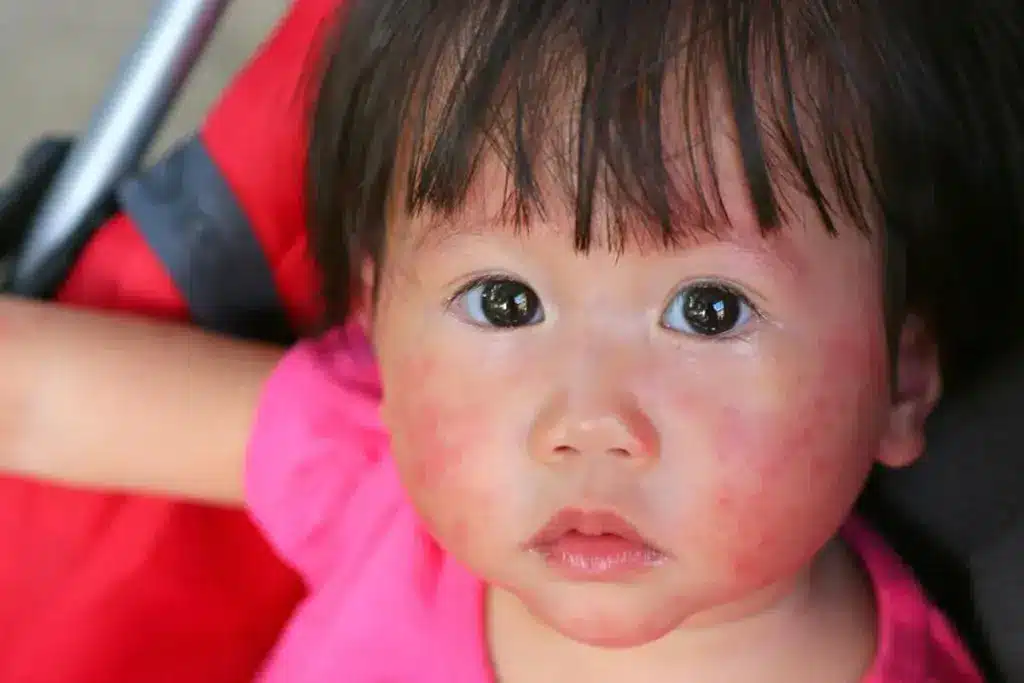
Cold urticaria is an allergic reaction to cold temperatures. When exposed to cold, the body releases histamine. This leads to hives, itching, and sometimes severe reactions. The exact cause of cold urticaria can vary, but it often involves an abnormal immune response.
We see cold urticaria as a serious condition needing thorough care. Knowing its definition and overview helps individuals understand their diagnosis and treatment options better.
Key Symptoms to Watch For
The symptoms of cold urticaria vary but often include:
- Redness and itching of the skin after exposure to cold
- Swelling in areas exposed to cold temperatures
- Hives or rashes that appear after being in cold environments
Recognizing these symptoms early is vital for managing the condition. We suggest that those experiencing these symptoms see a healthcare professional for a proper diagnosis.
Causes of Cold Urticaria
Cold urticaria is caused by both genetic and environmental factors. We will look into these causes to understand their role in the condition.
Research shows that genetics and environmental triggers are key in cold urticaria. Let’s explore these factors to understand their impact.
Genetic Factors
Genetics can make some people more likely to get cold urticaria. Studies suggest that certain genetic traits can lead to this condition. Specific genetic mutations can change how the body reacts to cold, causing symptoms of cold urticaria.
While we’re learning more about these genetic links, it’s clear they play a big role. Ongoing research helps us understand how genetics affect cold urticaria.
Environmental Triggers
Environmental factors also play a big part in cold urticaria. Cold temperatures are a main trigger, but other factors can also cause episodes. For example, changes in weather or cold water can set off symptoms.
Knowing and avoiding these triggers can help manage cold urticaria. By steering clear of these factors, people can lessen their symptoms.
Diagnosing Cold Urticaria
To diagnose cold urticaria, doctors use a mix of medical history and physical exams. This method helps us understand the patient’s condition. It also guides us in creating a treatment plan.
Medical History Evaluation
Looking at a patient’s medical history is key in diagnosing cold urticaria. We search for any past hives or itchy skin after cold exposure. A detailed history helps us spot patterns or triggers.
Physical Examination
A physical exam is also essential. We might use an ice pack on the skin to see if hives appear. This test, called the ice cube test, is simple and effective for diagnosing cold urticaria.
We also do other tests to check for other conditions. These might include blood tests for infections or inflammation.
|
Diagnostic Method |
Description |
Purpose |
|---|---|---|
|
Medical History Evaluation |
Assessing patient’s past episodes and symptoms |
Identify patterns or triggers |
|
Physical Examination |
Includes the ice cube test |
Directly observe the reaction to cold |
|
Blood Tests |
Checking for infections or inflammatory markers |
Rule out underlying conditions |
By using medical history and physical exams, we can accurately diagnose cold urticaria. This allows us to create a treatment plan that meets the patient’s needs.
The Ice Test for Urticaria
The ice test is a key tool for finding cold urticaria. This condition makes people get hives when it’s cold. The test helps doctors see if a person’s hives are from cold urticaria.
What is the Ice Test?
The ice test, or ice cube test, checks how someone reacts to cold. It involves putting an ice cube on the skin for a bit. Then, doctors watch for hives or other signs.
How is the Ice Test Conducted?
To do the ice test, we follow these steps:
- An ice cube is wrapped in a plastic bag or cloth to prevent direct contact with the skin, minimizing the risk of skin damage.
- The wrapped ice cube is then placed on the patient’s forearm or another selected area for 5 minutes.
- The skin is observed for the development of hives or other reactions during and after the application.
- The test is considered positive if hives or swelling appear within 10-15 minutes after the ice cube is removed.
Interpreting Ice Test Results
Understanding the ice test results is key for diagnosing cold urticaria:
- A positive result, shown by hives or swelling at the test site, means cold urticaria.
- A negative result doesn’t mean it’s not cold urticaria. Some people might react later or have other issues.
- The how bad the reaction is can tell us more about how the condition affects the person.
Knowing about the ice test helps doctors make a treatment plan that fits the patient’s needs.
Treatment Options for Cold Urticaria
Understanding cold urticaria is key to treating it. We’ll look at ways to manage symptoms and improve life quality.
Medication Strategies
Medicines are vital in treating cold urticaria. Antihistamines are often the first choice. They help with itching and hives. We might suggest newer antihistamines that don’t make you sleepy.
In severe cases, corticosteroids can reduce swelling. For those who don’t get better, omalizumab might help.
Choosing the right medicine depends on how bad the condition is and how well you respond. We help find the best treatment for you.
Lifestyle Adjustments
Changing your lifestyle is important in managing cold urticaria. Staying away from cold is key. This means dressing warmly and avoiding cold showers or swimming in cold water.
Being mindful of your surroundings and taking precautions in cold weather is also important. Eating well and exercising regularly can help your overall health.
Emergency Preparedness
For those with severe cold urticaria, being ready for emergencies is critical. Always carry an EpiPen or other emergency medication, like epinephrine auto-injectors, for anaphylaxis. We teach you how to spot anaphylaxis and use emergency meds.
Having a plan for emergencies can greatly lower the risk of serious reactions. We help create a personalized emergency plan for you.
Living with Cold Urticaria
Cold urticaria can be tough to handle, but it’s possible to live a normal life with the right approach. It takes a mix of medical care, lifestyle changes, and coping skills. We know it’s hard to manage this condition every day. But with the right info and support, you can lessen its effects.
Daily Management Tips
Managing cold urticaria daily means a few important steps. First, avoid sudden temperature changes to prevent outbreaks. Taking antihistamines as directed by your doctor can also help. Plus, wearing the right clothes for the weather keeps you safe from cold that might cause a reaction.
- Check the weather forecast to get ready for cold days.
- Wear protective gear like gloves and scarves in the cold.
- Steer clear of cold showers or sudden cold water exposure.
Coping Strategies
Dealing with cold urticaria is more than just medical treatment. It’s about managing stress and staying informed. Connecting with support groups offers emotional support and practical tips from others facing similar issues.
- Try stress-reducing activities like meditation or yoga.
- Keep up with the latest research and management tips for cold urticaria.
- Look for online forums or local groups for cold urticaria sufferers.
The Importance of Allergy Testing
For those with cold urticaria, allergy testing is key. It helps manage symptoms like hives and itching. It’s vital for a good treatment plan.
When to Consult an Allergist
If you have cold urticaria symptoms, see an allergist. They can help with diagnosis and treatment. Look for an allergist if you:
- Get hives or itch after cold exposure
- Have had severe allergic reactions before
- Symptoms are affecting your daily life
Seeing an allergist early can greatly improve your life.
Tests Commonly Used for Diagnosis
Several tests are used for cold urticaria. The main ones are:
- The Ice Cube Test: An ice cube is placed on the skin to see if a reaction happens.
- Blood Tests: These check for underlying conditions that might be causing your symptoms.
- Skin Prick Tests: These tests are used for other allergies but can help rule out cold urticaria.
A study in a Journal says the ice cube test is effective. This shows the value of thorough testing.
“Accurate diagnosis through allergy testing is the cornerstone of effective management for cold urticaria patients.”
– Expert in Allergy and Immunology
Understanding the need for allergy testing and seeing an allergist can help manage symptoms. It improves life quality for those with cold urticaria.
Impact on Daily Life
Understanding cold urticaria’s impact is key to managing it well. It affects not just the body but also a person’s social, emotional, and mental health.
Social and Emotional Effects
Cold urticaria can change a person’s social life a lot. The unpredictability of the condition makes people anxious about going out, mainly in cold weather. As one patient said,
“I used to love going out with friends, but now I avoid it during the winter months because I’m afraid of having a reaction.”
This fear can make people feel lonely and depressed, leading to social isolation.
The emotional side of cold urticaria is also very important. Always being careful about temperature can be very stressful. Managing this stress is vital for well-being. Mindfulness, meditation, and cognitive-behavioral therapy can help with the emotional side.
Activities to Avoid
People with cold urticaria often have to skip certain activities to avoid reactions. For example, swimming in cold water is a common trigger. Some may also need to stay away from air-conditioned places or walk in cold weather without proper clothes. Knowing these triggers is essential for managing the condition.
- Avoiding cold showers or baths
- Minimizing exposure to cold air
- Not consuming cold foods or drinks too quickly
- Dressing warmly in cold weather
By knowing and avoiding these triggers, people with cold urticaria can lessen symptoms and live better lives. As research goes on, we hope to find even better ways to manage this condition.
Cold Urticaria in Various Age Groups
It’s important to know how cold urticaria affects different ages. This condition causes hives or itchy skin when exposed to cold. It can really affect someone’s life. How it’s handled changes as people get older.
Children and Adolescents
For kids and teens, cold urticaria is tough because they’re always on the move and get cold often. Early diagnosis is key to keep them comfortable. Parents and caregivers need to spot the signs and teach kids to stay warm.
Teens with cold urticaria might need to change their habits. They should avoid cold water and winter sports without protection. It’s important for them to know how to handle emergencies.
Adults and Older Adults
Adults with cold urticaria face challenges in their daily lives, like work in cold places. Knowing what triggers it helps them stay safe. They should know their limits and take steps to avoid bad reactions.
Older adults might have other health issues that make cold urticaria worse. Doctors need to think about these when treating them. It’s important for older adults to learn how to manage their condition with their health in mind.
In every age group, education and awareness are vital. Knowing about cold urticaria helps people live their lives fully while staying safe from its effects.
Research and Future Directions
In recent years, there’s been a big push to understand and manage cold urticaria. This effort is key to finding better treatments and improving life for those with the condition.
Recent Studies on Cold Urticaria
Studies have been diving into the causes of cold urticaria. They’ve looked at autoantibodies and the role of immune cells. They’ve also found genetic links that might make some people more likely to get it.
For example, some genetic changes affect how histamine is released. Histamine is a big player in urticaria symptoms.
Potential Breakthroughs in Treatment
New research is leading to possible treatments for cold urticaria. Scientists are looking into biologics that target the immune system. They’re also exploring immunotherapy to help patients get used to cold.
Some exciting areas of research include:
- Biologic Therapies: Medications that target specific pathways involved in the allergic response.
- Immunotherapy: Treatments aimed at desensitizing patients to cold.
- Genetic Studies: Research into genetic factors that may contribute to the development of cold urticaria.
These new ideas could really help manage cold urticaria better. They could make life much better for those with the condition.
Resources for Cold Urticaria Patients
Living with cold urticaria can be tough. But, finding the right resources can really help. There are many groups and websites that offer support and help.
Support Networks
Support groups and organizations are great for connecting with others. They offer emotional support and share ways to cope. The Food Allergy Research & Education (FARE) is one group that helps people with cold urticaria and other allergies.
Online Information Hubs
There are many online resources for cold urticaria. Sites like the National Institute of Allergy and Infectious Diseases (NIAID) and the American Academy of Allergy, Asthma, and Immunology (AAAAI) have lots of info. They help patients stay informed and manage their condition better.
FAQ
What is cold urticaria?
Cold urticaria is a condition where cold temperatures cause an allergic reaction. This reaction leads to hives or itchy skin. Symptoms include redness, itching, and swelling when exposed to cold.
What are the symptoms of cold urticaria?
Symptoms of cold urticaria include redness, itching, and swelling after cold exposure. In severe cases, it can cause more widespread reactions.
How is cold urticaria diagnosed?
Doctors diagnose cold urticaria by looking at your medical history and doing a physical exam. They use the ice test to confirm the condition.
What is the ice test for cold urticaria?
The ice test involves placing an ice cube on the skin for a few minutes. If hives or itchy skin appear, it confirms cold urticaria.
Can cold urticaria be treated?
Yes, cold urticaria can be treated with antihistamines and other medications. Avoiding cold exposure is also key in managing the condition.
How can I manage cold urticaria daily?
Managing cold urticaria daily means avoiding cold, wearing protective clothing, and being ready for emergencies. Use antihistamines and other treatments as prescribed.
Is cold urticaria an allergic reaction?
Yes, cold urticaria is an allergic reaction to cold temperatures. Understanding this helps in managing the condition and avoiding triggers.
Can children have cold urticaria?
Yes, children can have cold urticaria. Its management may need special considerations based on age and health.
Are there support groups for people with cold urticaria?
Yes, there are support groups and organizations for cold urticaria. They provide resources and a community for those affected.
Can cold urticaria be cured permanently?
There is no definitive cure for cold urticaria yet. But, treatments and management strategies can help control symptoms and improve life quality.
How does cold urticaria affect daily life?
Cold urticaria can greatly affect daily life, impacting social and emotional well-being. It requires careful management to avoid triggers and maintain a normal lifestyle.
What are the latest developments in cold urticaria treatment?
Research into cold urticaria is ongoing, leading to new treatments. This offers hope for better management and quality of life for those affected.
Is it possible to be allergic to cold temperatures?
Yes, it is possible to be allergic to cold temperatures. This condition is known as cold urticaria or cold allergy, where cold exposure triggers an allergic reaction.
References
National Center for Biotechnology Information. Ice cube test in children with cold urticaria. Retrieved from https://pubmed.ncbi.nlm.nih.gov/1305812/