
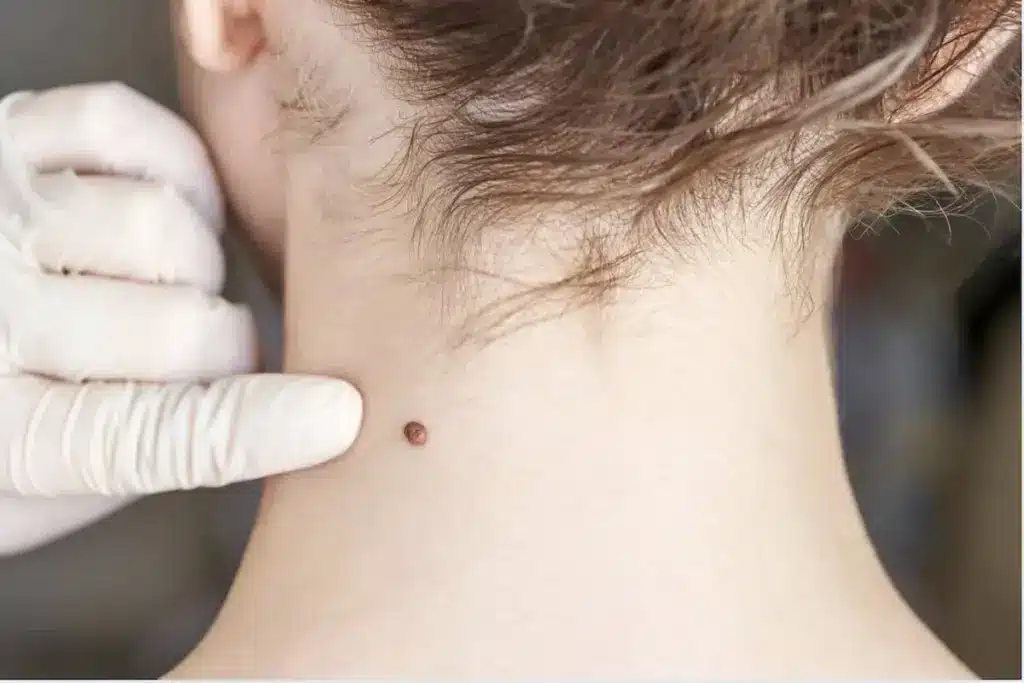
Guide on when a punch biopsy or other skin biopsy should be performed (suspicious lesions, chronic rashes, etc.).
A skin biopsy is a key test that removes cells or skin samples for lab checks.
This includes infections, inflammatory problems, and skin cancers. By looking at the skin sample under a microscope, doctors can see if a condition is there and how big it is. This helps them decide on the best treatment.
When is a skin biopsy needed? It’s usually suggested when a skin spot or issue might be cancer. Or when it’s not clear what the problem is. Knowing about skin biopsies can make people feel better and help them understand this important test.
Key Takeaways
- A skin biopsy involves removing skin cells or samples for lab testing.
- It’s a key tool for finding out about skin issues, including cancers.
- A biopsy is often suggested for spots that might be cancer or when it’s hard to tell what’s wrong.
- The test helps doctors choose the right treatment by giving a clear diagnosis.
- Learning about skin biopsies can ease worries and help people understand this important test.
What Is a Skin Biopsy and Why Is It Performed?
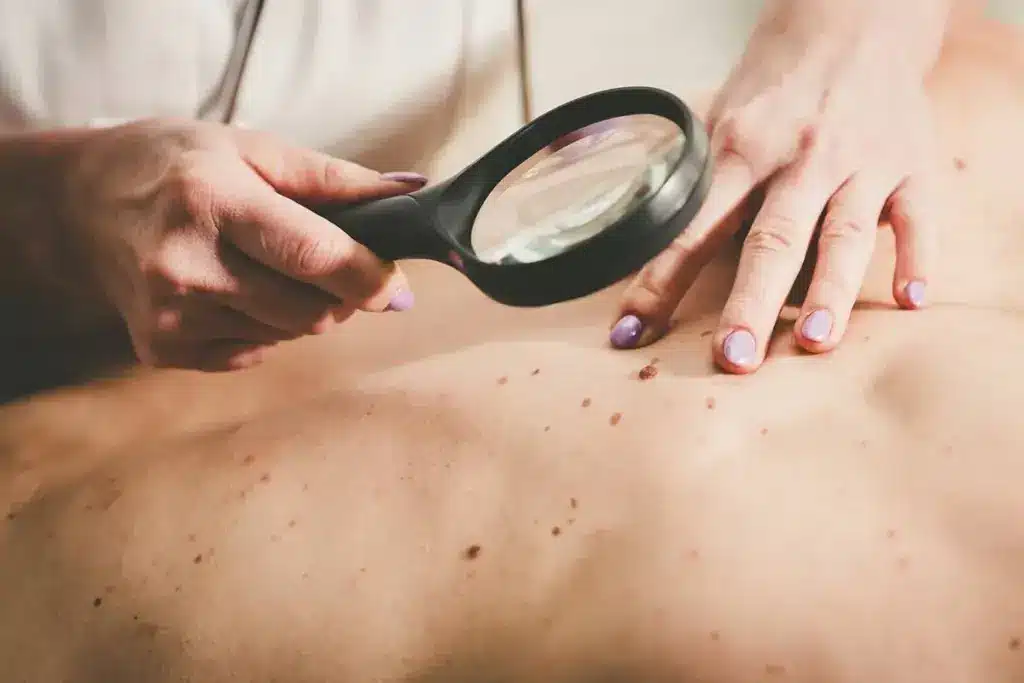
A skin biopsy is a key tool for doctors to diagnose skin issues. It’s often used to find out if you have skin cancer.
Definition and Purpose
A skin biopsy takes a small piece of skin for a closer look. Doctors use it to check for diseases by looking at the skin cells under a microscope.
Common Conditions Requiring Biopsies
Doctors use biopsies to find skin cancer, like melanoma. They also use them for conditions like eczema and psoriasis.
- Skin cancer diagnosis
- Inflammatory skin conditions
- Infections and other skin disorders
Diagnostic Benefits
Biopsies offer many benefits. They help doctors find out what’s wrong with your skin and how to treat it. Doctors say, “A skin biopsy is a key tool for early detection and treatment of skin diseases.”
A skin biopsy is a key tool for early detection and treatment of skin diseases.
There are different types of biopsies, like shave and punch biopsies. Knowing about them helps you take care of your skin better.
Different Types of Skin Biopsies
The type of skin biopsy depends on the skin lesion’s location, size, and suspected cause. There are three main types: punch biopsy, shave biopsy, and excisional biopsy.
Punch Biopsy
A punch biopsy removes a small, circular skin sample with a special tool. It’s good for diagnosing many skin conditions.
Procedure Overview
First, local anesthesia numbs the area. Then, a punch tool removes the skin sample. The sample is examined afterwards.
When It’s Preferred
A punch biopsy is best for deeper skin issues. This includes suspected melanoma or serious skin conditions.
Shave Biopsy
A shave biopsy removes the top skin layers with a special tool. It usually doesn’t need stitches.
Procedure Overview
This quick procedure shaves off the affected area with a surgical blade. It’s good for raised or protruding lesions.
Ideal Situations for Use
Shave biopsies are best for diagnosing superficial skin lesions. These are growths limited to the outer skin layer.
Excisional and Incisional Biopsies
Excisional and incisional biopsies are more invasive. They surgically remove a larger skin sample.
Key Differences
An excisional biopsy removes the whole lesion and some normal skin. An incisional biopsy only takes part of the lesion.
When They’re Recommended
These biopsies are for larger or complex skin lesions. They need a bigger sample for accurate diagnosis.
When Is a Punch Biopsy Necessary?
A punch biopsy is key for skin issues. It removes a small skin section, including deeper layers, for closer examination
Suspicious Moles and Skin Lesions
Punch biopsies are mainly for suspicious moles or skin lesions. These look different and might be cancer. Doctors use this test to check if they are safe or not.
Inflammatory Skin Conditions
They also help with inflammatory skin conditions like dermatitis or psoriasis. Doctors look at the skin to find out why it’s inflamed. Then, they can suggest the right treatment.
Unexplained Rashes and Discoloration
For unexplained rashes or skin discoloration, a punch biopsy is very helpful. It finds out what’s causing the rash, like an allergy or infection. This helps doctors know how to treat it.
Suspected Skin Infections
When suspected skin infections don’t get better, a biopsy is important. It lets doctors test the tissue to find the infection’s cause.
Doctors say, “A punch biopsy is a simple, effective way to diagnose a range of skin conditions, from benign lesions to life-threatening diseases like melanoma.” (
Medical professionals
).
In short, a punch biopsy is a key tool for skin problems. It gives detailed samples for better diagnosis.
Preparing for Your Skin Biopsy
Before your skin biopsy, knowing what to do is key. It makes the process smoother and more successful.
Medical History Review
Telling your doctor about your medical history is very important. Share any past illnesses, allergies, or surgeries. This helps your doctor plan and prepare for your biopsy.
Medication Considerations
Some medicines can change how the biopsy goes or its results. Always tell your doctor about all the medicines you take.
Blood Thinners
If you’re on blood thinners like warfarin or aspirin, your doctor might ask you to stop a few days before. This is to lower the risk of bleeding. But, never stop taking any medicine without talking to your doctor first.
Other Medications
Other medicines, like some antibiotics and anti-inflammatory drugs, might also be a concern. Your doctor will look at the risks and benefits of stopping or continuing these before the biopsy.
What to Expect on Biopsy Day
On biopsy day, here’s what you can expect:
- The area where the biopsy will be done will be cleaned and ready.
- Local anesthesia will be used to numb the area.
- The biopsy will be done, and the sample will be sent for analysis.
By knowing these steps and preparing well, you can make your biopsy experience as easy as possible.
The Punch Biopsy Procedure Step by Step
Knowing what happens during a punch biopsy can make patients feel less nervous. This procedure is used by dermatologists to check out skin spots that look odd.
Pre-Procedure Preparation
First, the doctor will look over your health history and any medicines you’re on. Telling your doctor about blood thinners or medicines that might slow healing is key.
Anesthesia Administration
To make the procedure painless, the area is numbed with a local anesthetic. This numbing shot might feel a bit stinging at first.
How the Punch Biopsy Is Performed
With the area numb, the doctor uses a special tool to take a small skin sample. The size of the tool depends on the size of the skin spot being checked.
- The tool is pressed into the skin and rotated gently to cut through the skin layers.
- The skin sample is then carefully removed and prepared for examination.
Suturing and Immediate Aftercare
After the biopsy, the wound might be stitched up with one or more sutures. The area is then covered with a bandage to keep it safe.
How Long Does a Biopsy Take to Do?
Even though the procedure is short, patients should plan to spend about 30 minutes at the doctor’s office. This includes getting ready and getting aftercare instructions.
Understanding the steps of a punch biopsy helps patients get ready and know what to expect during recovery.
Recovery and Healing After a Skin Biopsy
After a skin biopsy, knowing how to heal is key. The healing process includes wound care and skin recovery. It’s important to follow these steps to avoid complications.
Normal Healing Timeline
The time it takes for a skin biopsy to heal varies. It depends on the biopsy size and location. Medical experts say it helps doctors identify many skin issues.
Pictures of Skin Biopsy Healing
Seeing pictures can help patients understand healing better. There are many online resources that show the healing stages of a skin biopsy.
Wound Care Instructions
To heal right, follow these steps:
- Keep the wound clean and dry
- Apply topical antibiotic ointment as directed
- Cover the wound with a bandage
- Avoid picking at scabs or scratching the wound
Potential Complications
Though rare, complications can happen. Knowing the signs is important.
Infection Signs
Look out for signs of infection like redness, swelling, warmth, or pus. If you see these, call your doctor right away.
Abnormal Scarring
Scarring can happen if the wound isn’t cared for right. Following the care instructions can help avoid this.
|
Complication |
Signs |
Action |
|---|---|---|
|
Infection |
Increased redness, swelling, warmth, or pus |
Contact doctor |
|
Abnormal Scarring |
Excessive scarring |
Follow wound care instructions |
When to Contact Your Doctor
If you notice anything odd while healing, reach out to your doctor. They can offer help and address any issues early.
Understanding Your Biopsy Results
Getting to know your biopsy results is key to making smart choices about your health. After a biopsy, the results tell you a lot about your health. They help you and your doctor figure out what to do next.
How Long Does It Take to Get Biopsy Results?
It can take a few days to a couple of weeks to get your biopsy results. This time can change based on how complex the test is and how fast the lab works. Your doctor will let you know when to expect your results.
What Your Results Might Show
Biopsy results can show different things. They might find non-cancerous issues or something more serious like cancer. Here are some possible results:
Benign Findings
- Non-cancerous conditions that may not need treatment.
Precancerous Conditions
- Abnormal cells that could turn into cancer if not treated.
Malignant Results
- Cancerous cells that need quick treatment.
Follow-up Procedures
After getting your biopsy results, you might need more tests or treatment. Or you might just need to keep an eye on your condition. Your doctor will tell you what to do next based on your results.
Risks and Benefits of Skin Biopsies
It’s important to know the risks and benefits of skin biopsies before getting one. Skin biopsies are usually safe, but there are some risks and side effects to be aware of.
Potential Risks and Side Effects
Like any medical procedure, skin biopsies have risks. These include infection, scarring, and bleeding. Infection is rare but can happen and is treated with antibiotics. Scarring might occur, mainly if the biopsy site gets infected or the wound is big.
Benefits of Early Detection
One big benefit of skin biopsies is finding skin conditions early, like skin cancer. Finding these conditions early can greatly improve treatment results. Early detection means quicker action, which can lower the risk of serious problems.
Weighing Pros and Cons
When thinking about a skin biopsy, it’s key to consider both sides. While there are risks, the benefits often outweigh them, mainly when a serious skin condition is suspected.
Insurance Coverage Considerations
Most health insurance plans cover skin biopsies if they’re medically needed. But, coverage can differ based on the insurance and the situation. It’s a good idea to check with your insurance before the procedure.
In summary, knowing the risks and benefits of skin biopsies helps patients make better choices. While there are risks, the advantages of early detection and diagnosis often make the procedure worth it.
Choosing a Specialist for Your Skin Biopsy
Choosing the right specialist for a skin biopsy is key for a correct diagnosis and treatment. A skin biopsy needs precision and skill. So, picking the right specialist is a big decision.
Dermatologists vs. General Practitioners
Dermatologists are experts in skin conditions. They are trained to do skin biopsies and understand the results. General practitioners can also do biopsies, but dermatologists are better for complex cases.
Key benefits of choosing a dermatologist include:
- Specialized training in skin conditions and their diagnosis
- Experience with various types of skin biopsies
- Ability to interpret biopsy results accurately
Questions to Ask Before Your Procedure
Before a skin biopsy, ask important questions. This ensures you’re in good hands. Consider asking:
- What experience do you have with skin biopsies?
- What are the possible risks and complications?
- How will the biopsy results be communicated to me?
Finding a Qualified Provider
To find a qualified provider, start with your primary care physician’s referral. Check with your insurance for recommended dermatologists. Online reviews can also help you choose.
By choosing a qualified specialist and being informed, you can ensure a smooth and successful skin biopsy experience.
Conclusion
A skin biopsy is key for diagnosing and treating many skin issues. It involves taking a skin sample for a microscope check. This method helps doctors spot skin cancers, inflammatory conditions, and infections early.
There are different types of skin biopsies, like punch, shave, excisional, and incisional. Each type is used for different skin problems. Knowing when and what to expect from a biopsy can make the process easier.
In conclusion, a skin biopsy is a vital tool for understanding skin health. By knowing its benefits and what it involves, people can make better choices for their skin. This leads to better health outcomes.
FAQ
What is a skin biopsy?
A skin biopsy is a medical test. It removes a skin sample for a microscope check. This helps diagnose skin issues like cancer, infections, and inflammatory diseases.
Why is a skin biopsy performed?
A skin biopsy is done to find out what’s causing a skin problem. It helps diagnose skin cancer or identify the cause of symptoms like redness or itching.
What are the different types of skin biopsies?
There are several types of skin biopsies. These include punch, shave, excisional, and incisional biopsies. Each has its own use and benefits.
How long does a biopsy take to do?
The time for a biopsy varies. It depends on the type, location, and complexity. But it usually takes 15 to 60 minutes.
How long does it take to get biopsy results?
Getting biopsy results can take a few days to weeks. It depends on the lab and the test’s complexity. But it’s usually 7 to 14 days.
What should I expect during a punch biopsy procedure?
For a punch biopsy, the area is numbed first. Then, a small skin sample is taken with a special tool. The wound is then stitched or dressed.
How do I care for the biopsy site after the procedure?
After a biopsy, keep the wound clean and dry. Apply antibiotic ointment and cover it with a bandage. Follow your doctor’s instructions carefully.
What are the possible complications of a skin biopsy?
Complications can include bleeding, infection, scarring, and allergic reactions. These can happen due to anesthesia or dressing materials.
Will my insurance cover the cost of a skin biopsy?
Most insurance plans cover skin biopsies. But, it’s best to check with your provider. This way, you’ll know about any costs you might have to pay.
Should I see a dermatologist or a general practitioner for my skin biopsy?
Seeing a dermatologist for a skin biopsy is recommended. They specialize in skin conditions. They can perform the procedure and interpret the results better.
References
National Center for Biotechnology Information. Evidence-Based Medical Insight. Retrieved from https://www.ncbi.nlm.nih.gov/books/NBK470457/