
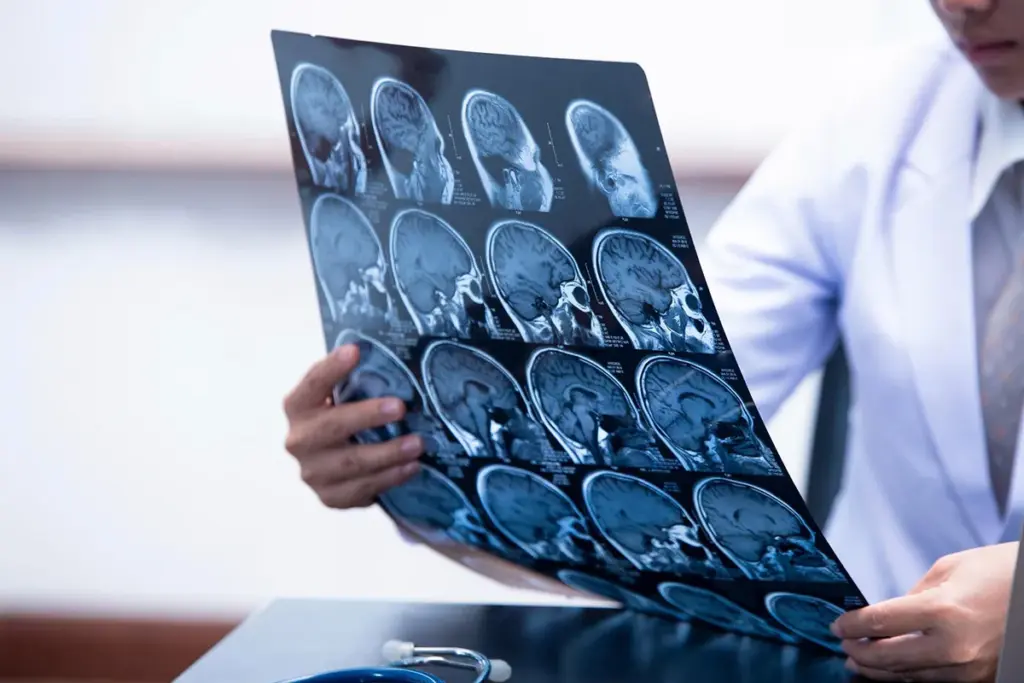
Traumatic brain injuries (TBI) can deeply affect a person’s life. They can impact not just immediate health but also long-term survival and quality of life. Studies show that TBI survivors might live shorter lives, with some research pointing to a big drop in lifespan compared to others.
The road to recovery from a TBI is tough. Knowing what affects life expectancy after a TBI is key for survivors and their families. The long-term effects of a TBI can vary a lot. They depend on the injury’s severity, the first treatment’s success, and the ongoing care’s quality.
Key Takeaways
- Life expectancy after a TBI can be influenced by the severity of the injury.
- TBI survivors may experience a range of long-term effects, from cognitive impairments to physical disabilities.
- The quality of initial treatment and ongoing care plays a significant role in determining outcomes for TBI survivors.
- Understanding the factors that affect life expectancy can help TBI survivors and their families plan for the future.
- Advances in medical care are continually improving outcomes for individuals with TBI.
The Nature and Impact of Traumatic Brain Injury

Traumatic Brain Injury (TBI) is a big health issue that needs a deep look. It affects millions globally, making it key to understand its effects and causes.
Definition and Classification Systems
TBI is when the brain changes because of an outside force. It’s classified by how severe it is and how it happened. The Glasgow Coma Scale (GCS) is one way to measure its severity.
Classification systems help doctors know how to treat TBI. The GCS scores range from 3 to 15. Scores above 13 mean the brain is working better.
Epidemiology and Common Causes in the United States
The study of TBI’s spread is vital for public health. The CDC says TBI is a top reason for death and disability in the U.S. The Global Burden of Disease Study shows TBI’s big impact worldwide.
In the U.S., falls lead to most TBIs, followed by car crashes and being hit by objects. Young and old people are more likely to get TBI. Knowing this helps in making prevention plans.
Looking into TBI’s definition, types, and how common it is helps us grasp its complexity. This knowledge is essential for talking about TBI in more detail later.
Is Life Expectancy Shorter After Experiencing a TBI?
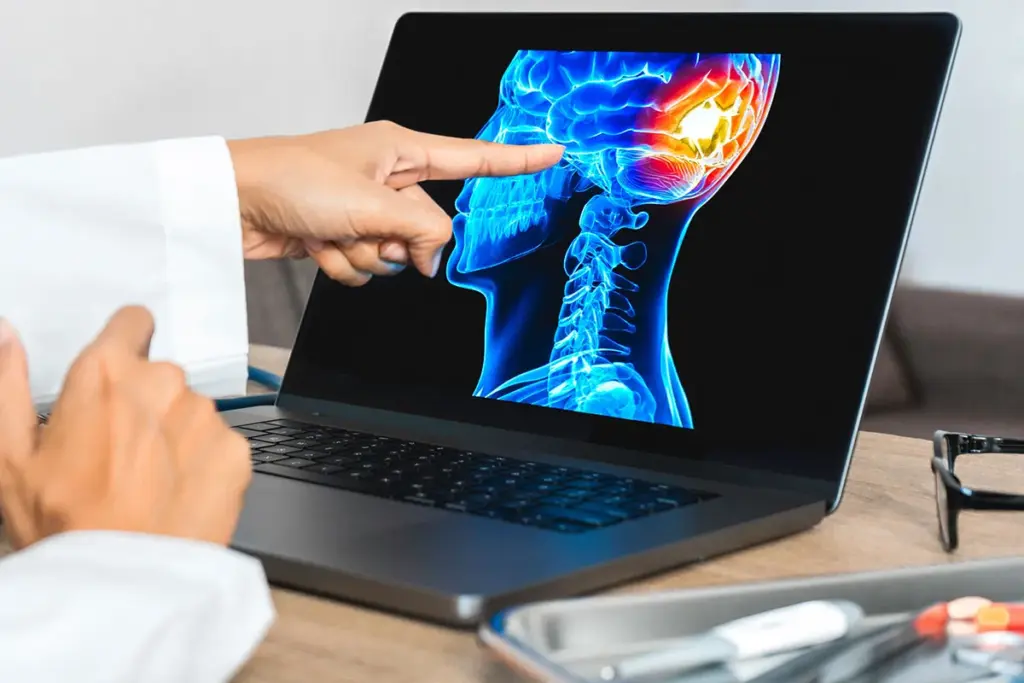
It’s important to know how TBI affects life expectancy. Traumatic Brain Injury (TBI) can change a person’s life a lot. It impacts their health now and their future life and survival.
Statistical Evidence and Research Findings
Studies show TBI can shorten life expectancy. People with TBI face a higher risk of death than others. For example, a study found TBI survivors die more often because of their injury’s severity and other complications.
People with TBI usually live shorter lives than others. This is because of how severe their injury was, their age when hurt, and the care they got right away.
“The long-term consequences of TBI are complex and multifaceted, requiring extensive care and support to manage effectively.”
A leading neurosurgeon
Mortality Rate Comparisons with General Population
Looking at death rates between TBI survivors and everyone else helps us understand TBI’s long-term effects. Studies show TBI survivors die more often, mostly in the first few years after their injury.
|
Population Group |
Mortality Rate (per 1000 person-years) |
Life Expectancy (years) |
|---|---|---|
|
TBI Survivors |
25.6 |
65.2 |
|
General Population |
10.4 |
78.5 |
The table shows TBI survivors face higher death rates and shorter lives than others. These numbers highlight the need for better care and support for TBI patients.
As we learn more about TBI, it’s clear we must focus on improving life expectancy after TBI. This is key to better care and support for those affected.
Key Factors Influencing Survival Rates After Brain Trauma
The chance of surviving a brain injury depends on several important factors. Knowing these helps both patients and doctors deal with brain injury care.
Severity of the Initial Injury
The first injury’s severity greatly affects survival chances after a brain injury. More severe injuries lead to higher death rates. Doctors use the Glasgow Coma Scale (GCS) to measure injury severity. Lower scores mean more severe injuries.
- Mild TBI (GCS 14-15): Most people with mild TBI recover well.
- Moderate TBI (GCS 9-13): Those with moderate TBI may face big challenges in thinking and moving.
- Severe TBI (GCS 3-8): Severe TBI carries a high risk of death and lasting disability.
Age and Overall Health at Time of Injury
Age and health at injury time also play big roles in survival. Older people and those with health issues usually face tougher recovery paths. This is because older folks might not bounce back as well from injuries.
Important things to think about include:
- Having health problems like high blood pressure or diabetes.
- Being in good physical and mental shape before the injury.
- Getting the right medical help quickly.
Access to Immediate and Specialized Medical Care
Getting to medical care fast and getting the right help is key for surviving brain injuries. Quick medical action can greatly lower death rates and improve recovery chances. This means:
- Getting to a trauma center quickly.
- EMS teams providing first aid.
- Getting care from brain experts like neurosurgeons and neurologists.
Understanding these factors helps us see how complex brain injury management is. It shows why a full care plan is so important.
The Critical 72 Hours After Brain Injury
The first 72 hours after a brain injury are key for medical help and recovery. During this time, the patient’s health can change fast. This means they need close watching and quick action.
Physiological Changes During the Acute Phase
Right after a brain injury, many changes happen that can affect the patient’s health. These include changes in brain pressure, swelling, and brain shifts that could cause herniation. It’s vital to watch these changes to avoid more brain harm.
The body reacts to brain injury in complex ways. This includes inflammation, oxidative stress, and excitotoxicity. Knowing these helps us choose the right treatments to lessen damage and aid recovery.
Life-Saving Medical Interventions
Medical help in the first 72 hours can be lifesaving. This might include surgery to ease brain pressure, medicines to reduce swelling or stop seizures, and care to keep vital functions going.
Quick action is key this time. For example, surgery to relieve pressure can stop more brain damage. Also, the right medical care can manage complications and better the patient’s chances.
We stress the need for a team effort. This includes neurosurgeons, intensivists, and rehab experts. They work together to give the best care during this important time.
Can You Die From a Head Injury Years Later?
People who survive traumatic brain injuries often face many challenges. These include the risk of serious complications that can be deadly. Even with better immediate care, the long-term effects of TBI are a big worry. We will look at how delayed complications and neurodegeneration can affect life expectancy and quality of life.
Delayed Complications That Can Be Life-Threatening
Traumatic brain injuries can lead to serious complications that can be fatal. These include:
- Post-traumatic epilepsy: Seizures can happen years after the injury, leading to a life-threatening condition.
- Hydrocephalus: This is when cerebrospinal fluid builds up in the brain, causing high pressure and can be deadly if not treated.
- Infections: Skull fractures or injuries can lead to infections like meningitis, which can be deadly.
It’s important to understand these complications to manage TBI survivors’ long-term care. Regular check-ups and monitoring can help catch and treat these issues early.
Progressive Neurodegeneration Following TBI
Progressive neurodegeneration is a big worry for TBI survivors. Conditions like Chronic Traumatic Encephalopathy (CTE) are linked to repeated head trauma. This is common in athletes and people with a history of concussions. CTE can cause memory loss, cognitive decline, and even dementia.
|
Neurodegenerative Condition |
Characteristics |
Potential Outcomes |
|---|---|---|
|
Chronic Traumatic Encephalopathy (CTE) |
Progressive tauopathy associated with repeated head trauma |
Cognitive decline, memory loss, dementia |
|
Alzheimer’s Disease |
Beta-amyloid plaques and tau tangles leading to neuronal loss |
Memory loss, confusion, reduced cognitive function |
|
Parkinson’s Disease |
Loss of dopamine-producing neurons, leading to motor symptoms |
Tremors, rigidity, bradykinesia |
The table above shows some neurodegenerative conditions that can happen after TBI. It lists their characteristics and possible outcomes. Research is ongoing to understand these conditions and find effective treatments.
Severe Craniocerebral Injury: Survival Rates and Prognosis
Severe craniocerebral injuries are very serious head traumas. They greatly affect survival chances and long-term health. These injuries happen when the head suffers a strong impact, damaging the brain. It’s key for doctors to know how serious these injuries are to give the right care.
Defining Characteristics of Severe Head Trauma
These injuries have a big impact on the brain right away and can last a long time. They can cause big problems with thinking, feeling, and moving. Doctors use the Glasgow Coma Scale (GCS) to see how bad the injury is. Scores from 3 to 8 mean it’s very severe.
People with these injuries need quick and intense medical help. This can include surgery to fix the damage and prevent more harm. Doctors must quickly figure out how bad the injury is and decide the best treatment.
Long-term Outcomes Based on Clinical Studies
Studies show that how well someone does after a severe injury can vary a lot. Things like how bad the injury was, the person’s age, and their health matter. Also, how fast and well they get medical care plays a big role.
Thanks to better medical care, more people survive severe head injuries. But, the outlook is not always good, mainly for the worst cases. Many need ongoing care and therapy to get better and live a good life.
Every person’s experience with a severe head injury is different. Knowing what to expect can help support patients and their families during recovery.
Life Expectancy After Anoxic Brain Injury
Understanding life expectancy after anoxic brain injury means looking at the brain damage caused by lack of oxygen. This injury happens when the brain doesn’t get enough oxygen, like during cardiac arrest or drowning. How long someone lives after this injury depends on how long and how much oxygen was missing.
How Oxygen Deprivation Damages Neural Tissue
Oxygen lack can harm brain cells, leading to death and serious problems with thinking and moving. The brain is very sensitive to not having enough oxygen. Even a short time without oxygen can cause a lot of damage.
Mechanisms of Damage: Without oxygen, cells can’t work right, leading to death. This damage can keep happening even after oxygen is back, causing symptoms to get worse over time.
Survival Statistics and Quality of Life Considerations
How long someone lives after anoxic brain injury depends on many things. Studies show that those with severe injuries often don’t live as long as others. But, every person’s outcome is different.
Quality of Life: Survivors may face challenges like mild thinking problems or severe disabilities. Some may stay in a vegetative state. The goal of rehab is to help them recover and improve their life quality.
We know each patient’s journey is unique. Our care is designed to meet their specific needs. By understanding the effects of anoxic brain injury, we can support patients and their families better.
Brain Swelling: Recovery Chances and Impact on Longevity
After a TBI, the brain may swell, known as cerebral edema. This can greatly affect a patient’s recovery and long-term health. Cerebral edema is a complex condition that arises from the brain’s response to injury.
It leads to increased intracranial pressure and potentially life-threatening complications. Understanding the pathophysiology, treatment options, and their effectiveness is key for managing TBI patients effectively.
Pathophysiology of Cerebral Edema After Trauma
Cerebral edema occurs due to the disruption of the blood-brain barrier. This leads to fluid accumulation in the brain tissue. The swelling increases intracranial pressure, reducing blood flow to the brain.
This can cause further damage. The pathophysiological changes involve complex cellular and molecular mechanisms. These include the release of inflammatory mediators and the disruption of normal ionic balances.
Treatment Approaches and Their Effectiveness
The management of cerebral edema involves a multi-faceted approach. This includes medical interventions to reduce intracranial pressure and surgical procedures to relieve pressure and remove damaged tissue. Hyperosmolar therapy using mannitol or hypertonic saline is commonly employed to reduce brain swelling.
Also, therapeutic hypothermia has been explored as a strategy to mitigate the effects of cerebral edema. The effectiveness of these treatments varies depending on the severity of the edema and the individual patient’s condition.
Monitoring and adjusting treatment strategies based on continuous assessment of the patient’s neurological status and intracranial pressure are critical for optimizing outcomes.
Post-Traumatic Seizures and Their Effect on Lifespan
Post-traumatic seizures after a TBI are a big deal. They can affect how long someone lives and their overall health. These seizures can really change a person’s life and might even shorten it.
Duration of Seizures Before Permanent Damage
Knowing how long seizures last before they cause permanent harm is key. Long seizures, called status epilepticus, can seriously damage the brain if not treated quickly. Status epilepticus is when a seizure lasts more than 30 minutes or when someone has multiple seizures without fully waking up. The longer a seizure goes on, the more damage it can do to the brain and the more problems it can cause.
Several things can affect how much damage a seizure might cause:
- The reason for the seizure
- How long the seizure lasts
- How fast and well medical help is given
Managing Epilepsy After TBI
Dealing with epilepsy after a TBI needs a full plan. This includes medicine, changes in lifestyle, and sometimes surgery. Medicines called antiepileptic drugs (AEDs) are the main way to control seizures. Choosing the right AED depends on many things, like the type of seizure, the person’s health, and possible side effects.
Good ways to manage include:
- Sticking to the medicine schedule
- Going to regular check-ups with doctors to adjust treatment if needed
- Making lifestyle changes like getting enough sleep, avoiding alcohol, and managing stress
In some cases, surgery might be an option for people with seizures that don’t respond to medicine. This could be removing the part of the brain where seizures start or other treatments like vagus nerve stimulation.
Understanding the risks of post-traumatic seizures and using good management plans can help. This can make life better and possibly longer for people who have had a TBI.
Chronic Traumatic Encephalopathy (CTE): Understanding the Long-term Risks
Chronic Traumatic Encephalopathy, or CTE, is a serious brain disease caused by repeated head injuries. It has become a big concern in sports and military circles.
Development and Progression Patterns
CTE happens when tau protein builds up in the brain, causing brain cells to die. We don’t know all about how CTE starts and gets worse. But, it seems that how bad and how often the head is hit plays a big role.
Key factors influencing CTE development include:
- Severity and frequency of head trauma
- Age at which head trauma occurs
- Genetic predisposition
CTE Life Expectancy: What Research Tells Us
Research shows that CTE can shorten a person’s life. Studies on athletes and military veterans have found a link between head injuries and CTE.
The exact impact of CTE on life expectancy is not fully understood. But, it’s clear that CTE can cause serious health problems for a long time. It’s important to know the risks and take steps to prevent them.
We are learning more about CTE and its effects. As we get more research, we can better understand how to deal with and prevent CTE’s long-term risks.
Long-Term Effects of Traumatic Brain Injury in Adults
Adults with TBI face big challenges that affect their daily life. TBI impacts many areas, like thinking, feeling, and moving. It also changes how they interact with others.
Cognitive and Neuropsychological Changes
TBI can cause problems with memory, attention, and thinking speed. It can also lead to mood changes, like depression and anxiety. These changes can make daily life tough.
Cognitive rehabilitation helps manage these changes. It aims to improve memory, attention, and emotional control. This can make a big difference in how someone feels and functions.
Physical and Neurological Complications
TBI can also cause physical and neurological problems. These include chronic pain, headaches, and balance issues. Some people may have seizures or other neurological problems.
Physical therapy is key in managing these issues. It helps improve strength, balance, and pain management. This can greatly enhance physical function.
Impact on Independence and Daily Functioning
TBI can make it hard for adults to live independently. They might need help with everyday tasks like money management and cooking. They may also struggle to keep up with social activities.
Rehabilitation programs are very helpful. They focus on functional skills and getting back into the community. These programs teach important skills for daily life and work.
Cumulative Damage from Concussions and Mild TBIs
Repeated head injuries, like concussions and mild TBIs, can harm your brain long-term. These injuries can cause big problems with thinking, feeling, and moving. It’s important to know the risks and how to prevent and manage them.
The Danger of Multiple Head Injuries
Getting hit in the head many times can damage your brain. This damage can lead to chronic traumatic encephalopathy (CTE), a serious brain disease. Studies show that people who get hit in the head a lot are more likely to have long-term brain problems. These can include memory loss, depression, and dementia.
People in contact sports, like football and hockey, and those hit in the head for other reasons, like domestic violence or military service, are at high risk. Symptoms can be different for everyone. They might include trouble focusing, mood swings, and being easily irritated.
“The accumulation of tau protein in the brain, a hallmark of CTE, can lead to a decline in cognitive function and eventually result in dementia. Understanding the risks and taking preventive measures is critical.”
|
Risk Factor |
Description |
Potential Outcome |
|---|---|---|
|
Multiple Concussions |
Repeated blows to the head |
CTE, Cognitive Decline |
|
Contact Sports |
Participation in sports like football, hockey |
Increased risk of head trauma |
|
Military Service |
Exposure to blasts or combat |
Higher risk of TBI and CTE |
Prevention Strategies and Management Approaches
To prevent damage from head injuries, we need to take many steps. Teaching people about the dangers of head injuries is very important. We can prevent injuries by:
- Wearing the right helmet and protective gear in sports
- Making rules in sports to reduce head hits
- Getting medical help right away for any head injury
- Resting and recovering well after a concussion
Managing the effects of head injuries means having a detailed treatment plan. This might include therapy, support for your mind, and medicine for symptoms. Getting help early can help avoid long-term problems.
By knowing the risks and using good prevention and management, we can lessen the harm from head injuries. It’s a big issue that needs help from doctors, researchers, athletes, and the community.
Living with Brain Lesions: What to Expect
It’s important to know what brain lesions mean after a brain injury. These lesions are damaged brain areas. They can happen from many types of brain injuries, like concussions or severe blows to the head.
Types and Locations of Traumatic Brain Lesions
Brain lesions can be different in type and where they are. This affects how symptoms show up and what challenges people face. Here are some common types:
- Contusions: Bruises on the brain tissue.
- Lacerations: Tears in the brain tissue.
- Hematomas: Collections of blood outside of blood vessels.
- Diffuse Axonal Injury: Widespread damage to the brain’s axons.
Where the lesions are matters a lot. Different parts of the brain do different things. For example, the frontal lobe helps with decisions and moving. The temporal lobe is key for memory and feelings.
As one study noted, “The variability in lesion location and type contributes to the heterogeneity of TBI outcomes.”
Treatment Options and Quality of Life Considerations
Treatment for brain lesions aims to manage symptoms and help the brain heal. It might include:
- Medications to control seizures, reduce swelling, or manage other symptoms.
- Rehabilitation therapies, such as physical, occupational, and speech therapy, to regain lost skills.
- Surgery, in some cases, to remove lesions or relieve pressure.
Improving quality of life is key. “The journey to recovery is not just about treating the lesion itself but also about supporting the whole person.” Family, healthcare, and support groups are vital for support.
Every person’s experience with brain lesions is different. Treatment plans need to be made just for them. By understanding brain lesions, we can help those affected live better lives.
The TBI Survivor Experience: Beyond Medical Statistics
TBI survivors face many personal and emotional challenges during their recovery. This journey is not just about physical healing. It also involves deep psychological and emotional struggles.
Psychological and Emotional Aspects of Recovery
The psychological effects of TBI can be very strong. They can affect a survivor’s mental health, emotional state, and overall life quality. Some common issues include:
- Anxiety and Depression: Many survivors deal with anxiety and depression. This can be because of the injury or the stress of recovery.
- Mood Swings: Emotional ups and downs are common. These mood swings can be hard for both the survivor and their loved ones.
- Personality Changes: TBI can sometimes change a person’s personality. This can affect their relationships and daily life.
Emotional support is very important during this time. Family and friends are key in providing emotional support. Professional help, like counseling or therapy, is also very helpful.
Support Systems and Resources for Long-term Management
A strong support system is essential for TBI survivors. It helps with recovery and managing long-term effects. Important parts include:
- Family and Friends: Loved ones can offer emotional support, help with daily tasks, and encourage treatment plans.
- Support Groups: Joining a support group can connect survivors with others facing similar challenges. It provides a sense of community and understanding.
- Professional Services: Access to medical professionals, therapists, and counselors is key for managing TBI’s physical, emotional, and psychological aspects.
Also, resources like rehabilitation programs, online forums, and educational materials are very helpful. They offer valuable information and support. By using these resources, TBI survivors can better manage their recovery and improve their long-term outcomes.
Medical Advancements Improving Outcomes After TBI
The way we treat TBI is changing fast thanks to new medical discoveries. This means better chances for people who have had a brain injury.
Current Evidence-Based Treatment Approaches
Today’s TBI treatments are based on solid research. They include targeted rehabilitation programs to help with brain and body problems. Also, neurocritical care has gotten better, helping avoid more brain damage.
Also, personalized medicine approaches let doctors create plans just for each patient. This could lead to better recovery for everyone.
Promising Research and Emerging Therapies
New treatments and research are very promising for TBI. Stem cell therapies might help fix damaged brain areas. And, new medicines could lessen TBI’s long-term effects.
Also, neurotechnology like brain-computer interfaces and robots are helping. They offer new ways to improve recovery and life quality for TBI survivors.
Conclusion
Knowing how long someone might live after a TBI is very important. We’ve looked at many things that affect how long someone might live, like how bad the injury was and their age. We also talked about how getting quick and special medical help matters.
The effects of TBI can last a long time. There can be more problems later on, and even brain damage that gets worse. But, with the right care, people with TBI can live happy lives. We need to keep working on new treatments and research to help them.
Every person’s experience after a TBI is different. By giving them ongoing support and care, we can help them deal with their challenges. This way, they can live a better life.
FAQ
Can you die from a head injury years later?
Yes, it’s possible to die from a head injury years later. This can happen due to complications like progressive neurodegeneration, post-traumatic seizures, or chronic traumatic encephalopathy (CTE).
What is the life expectancy after a traumatic brain injury (TBI)?
Life expectancy after TBI varies. It depends on the injury’s severity, your age, and health at the time. It also depends on getting immediate and specialized medical care.
How long can a seizure last before brain damage occurs?
Seizures lasting over 30 minutes can cause permanent brain damage. Getting medical help quickly is key to avoiding long-term problems.
What are the long-term effects of traumatic brain injury in adults?
Adults with TBI may face cognitive and neuropsychological changes. They might also have physical and neurological complications. These can affect their daily life and independence.
Can brain swelling after TBI be life-threatening?
Yes, brain swelling can be life-threatening. It needs to be managed properly. Treatment options include medication and surgery.
What is the impact of anoxic brain injury on life expectancy?
Anoxic brain injury can greatly reduce life expectancy. Oxygen deprivation can cause severe and irreversible damage to brain tissue.
How does chronic traumatic encephalopathy (CTE) affect life expectancy?
CTE is a progressive disorder that can shorten life expectancy. Research shows it can lead to early death. More studies are needed to fully understand its effects.
What are the chances of recovery from brain swelling after TBI?
Recovery from brain swelling depends on several factors. These include the swelling’s severity, the effectiveness of treatment, and individual health factors like age.
Can you live with a brain lesion caused by TBI?
Yes, living with a brain lesion from TBI is possible. The impact on daily life and quality of life varies. It depends on the lesion’s type, location, and severity.
What is the role of support systems in the recovery of TBI survivors?
Support systems are vital for TBI survivors. They include family, friends, and healthcare professionals. These groups provide emotional, psychological, and practical support.
Are there any medical advancements that can improve outcomes after TBI?
Yes, medical advancements are ongoing. They include evidence-based treatments and emerging therapies. These can improve TBI outcomes and enhance survivors’ quality of life.
How can multiple head injuries impact long-term health?
Multiple head injuries can cause cumulative damage. This increases the risk of long-term cognitive, emotional, and neurological problems. It can also lead to conditions like CTE.
Reference
National Center for Biotechnology Information. Evidence-Based Medical Insight. Retrieved from https://pmc.ncbi.nlm.nih.gov/articles/PMC5537588/