

Sickle cell anemia is a serious genetic condition and the most common type of Sickle Cell Disease (SCD). SCD affects millions of people, mainly in Africa, the Mediterranean, the Middle East, and South Asia. It changes how red blood cells make hemoglobin, reducing their ability to carry oxygen properly.
This results in red blood cells becoming sickle-shaped. The abnormal shape causes blockages in blood vessels and leads to many health problems, including pain, anemia, and organ complications.
Learning more about sickle cell anemia and SCD is essential for managing its effects on individuals and communities. Early diagnosis, proper treatment, and awareness can greatly improve quality of life for those living with this condition.
Key Takeaways
- Sickle Cell Disease is a genetic disorder affecting hemoglobin production.
- It causes red blood cells to have an abnormal shape.
- SCD is prevalent in specific global regions.
- Understanding SCD is key to managing its health implications.
- SCD affects millions of people worldwide.
Understanding Sickle Cell Disease
Sickle Cell Disease (SCD) is a genetic disorder that affects hemoglobin production. Hemoglobin is a protein in red blood cells that carries oxygen. It’s vital for our bodies to function properly.
Definition and Basic Concepts
SCD is caused by abnormal hemoglobin, called hemoglobin S. This abnormal hemoglobin makes red blood cells sickle or crescent-shaped. This happens when oxygen levels are low.
These sickled red blood cells can block small blood vessels. This leads to various health problems.
The disease is inherited in an autosomal recessive pattern. This means a person needs two defective hemoglobin genes to have the disease. Carriers have one normal and one defective gene. They usually don’t show symptoms but can pass the defective gene to their children.
Types of Sickle Cell Disease
There are several types of SCD, each with its own health implications and treatment needs. The main types include:
- HbSS (Sickle Cell Anemia): This is the most common and often the most severe form of SCD. Individuals have two copies of the hemoglobin S gene.
- HbSC: This type occurs when a person inherits one hemoglobin S gene and one hemoglobin C gene. It tends to be milder than HbSS but can cause significant health issues.
- HbSβ Thalassemia: This condition involves one hemoglobin S gene and one β-thalassemia gene. The severity can vary depending on the specific mutation of the β-thalassemia gene.
Knowing the specific type of SCD a person has is key to managing it well. It helps anticipate and prepare for any complications.
Sickle Cell Anemia: The Most Common Form
It’s important to understand sickle cell anemia to grasp sickle cell disease. Sickle cell anemia is the most severe form. It’s caused by abnormal hemoglobin, known as Hemoglobin S.
Normal vs. Sickle-Shaped Red Blood Cells
Normal red blood cells are flexible and disk-shaped. They move easily through blood vessels. But, red blood cells with sickle cell anemia are rigid and sickle-shaped.
This makes them hard to pass through smaller vessels. The abnormal Hemoglobin S causes this misshapen shape under certain conditions.
The sickle-shaped cells in sickle cell anemia cause health problems. They can get stuck in small blood vessels. This blocks blood flow.
This can lead to pain episodes, known as sickle cell crises. It may also cause other serious problems.
Hemoglobin S and Its Effects
Hemoglobin S comes from a genetic mutation. It changes the hemoglobin protein in red blood cells. Normally, hemoglobin carries oxygen.
But, Hemoglobin S can polymerize under low oxygen. This causes red blood cells to sickle.
| Characteristics | Normal Red Blood Cells | Sickle-Shaped Red Blood Cells |
| Shape | Disk-shaped | Sickle-shaped |
| Flexibility | Flexible | Rigid |
| Hemoglobin | Normal Hemoglobin | Hemoglobin S |
The presence of Hemoglobin S and sickle-shaped red blood cells are key. They are central to sickle cell anemia’s pathophysiology. Knowing this is vital for finding effective treatments and management strategies.
Genetic Basis of Sickle Cell Disease

Understanding Sickle Cell Disease’s genetic roots is key. It’s a disorder caused by a mutation in the HBB gene. This gene codes for a part of hemoglobin.
Inheritance Patterns
SCD follows an autosomal recessive pattern. This means a person needs two defective HBB genes to have the disease. These genes come from both parents. Carriers, with one normal and one defective gene, usually don’t show symptoms but can pass the mutated gene to their kids.
The pattern of inheritance is as follows:
- If both parents are carriers, there’s a 25% chance each child will have SCD, a 50% chance they’ll be carriers, and a 25% chance they’ll neither have the disease nor be carriers.
- If one parent has SCD and the other is a carrier, there’s a 50% chance each child will have SCD and a 50% chance they’ll be carriers.
- If one parent has SCD and the other is not a carrier, all children will be carriers.
Sickle Cell Trait vs. Sickle Cell Disease
It’s important to know the difference between sickle cell trait and Sickle Cell Disease. Carriers are usually healthy but can pass the mutated gene to their kids. People with SCD, on the other hand, face serious health issues like anemia and pain episodes.
| Condition | Genotype | Health Impact |
| Sickle Cell Trait (Carrier) | One normal HBB gene and one mutated HBB gene | Generally healthy, but can pass the mutated gene to offspring |
| Sickle Cell Disease | Two mutated HBB genes | Significant health issues, including anemia and pain episodes |
Genetic screening is key to finding carriers and those at risk. It helps families plan better and ensures kids with SCD get the care they need early on.
Historical Context and Discovery
The journey to understand Sickle Cell Disease started over a hundred years ago. The first clinical descriptions came in the early 20th century. This was the start of a long journey to solve the mysteries of SCD.
This disease has big implications for public health, mainly in areas where it’s common.
First Medical Descriptions
In 1910, James Herrick first described Sickle Cell Disease. He saw sickle-shaped red blood cells in a dental student from Grenada with anemia. This discovery was a big step forward in studying the disease.
After Herrick’s find, more studies focused on SCD’s causes and genetics. The early 20th century saw more people learn about the disease. But it was not well-known until the mid-20th century.
Understanding the Genetic Mutation
The genetic cause of Sickle Cell Disease was found in the HBB gene. This gene codes for a part of hemoglobin. The mutation leads to hemoglobin S (HbS), which causes red blood cells to change shape under low oxygen.
Knowing about this genetic change helped create tests and treatments. Finding the HBB gene mutation helped with genetic counseling and prenatal tests. This has greatly changed how we manage SCD.
The history of Sickle Cell Disease shows how far we’ve come. From the first descriptions to finding the genetic cause, we’ve made big steps. These steps have shaped how we deal with SCD today.
Epidemiology and Demographics
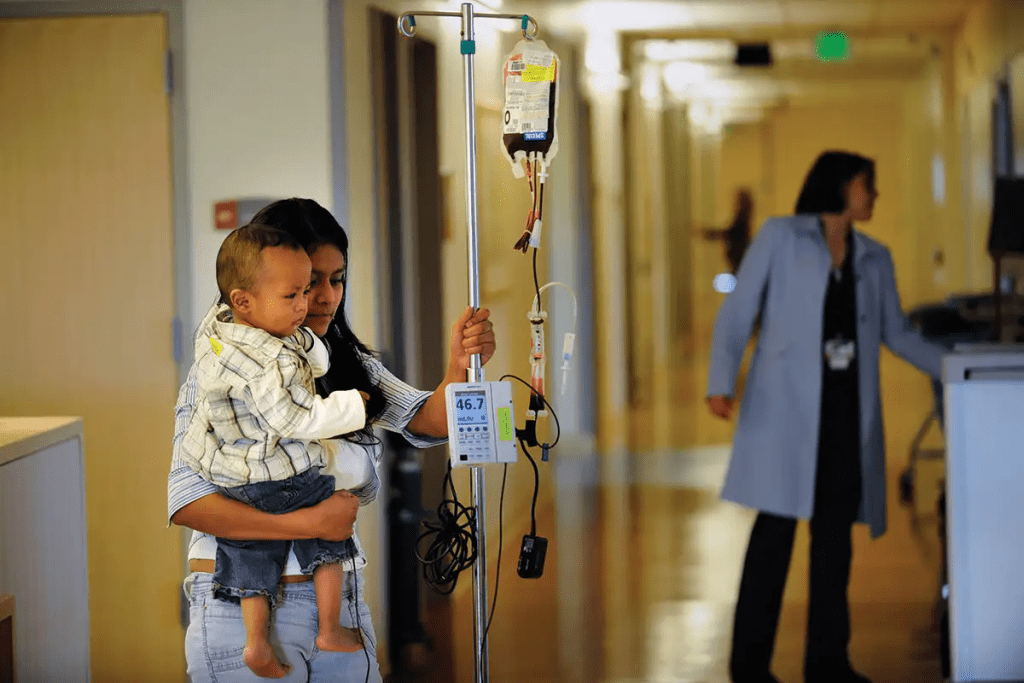
The study of SCD shows a complex pattern of where it is found. This is due to genetics, location, and who is affected. It’s a big health issue worldwide, touching the lives of millions.
Global Distribution
SCD is found in many parts of the world, mostly in warm areas. It’s common in places where malaria used to be a big problem. This is because the gene for SCD helps protect against malaria.
Global Prevalence: The World Health Organization (WHO) says SCD affects millions globally. The highest numbers are in sub-Saharan Africa, the Middle East, and parts of India.
| Region | Estimated Prevalence |
| Sub-Saharan Africa | High |
| Middle East | Moderate to High |
| India | Moderate |
| United States | Approximately 100,000 people |
Prevalence in the United States
In the US, SCD affects about 100,000 people, mostly African Americans. The Centers for Disease Control and Prevention (CDC) says SCD hits about 1 in 365 African American births. It affects about 1 in 16,300 Hispanic American births.
“Sickle Cell Disease is a significant health issue in the United States, particularlly among African Americans. Efforts to improve diagnosis, treatment, and management of the disease are critical.” – CDC
The high number of SCD cases in the US shows we need better health plans. Knowing how SCD spreads helps us find ways to stop it and help those affected.
Signs and Symptoms of Sickle Cell Disease
Knowing the signs and symptoms of SCD is key for early diagnosis and treatment. Sickle Cell Disease is a genetic disorder that affects how red blood cells make hemoglobin. This leads to various health problems.
Early Symptoms in Children
In children, SCD can show up early, often in the first few months. Common early signs include:
- Anemia, which can cause paleness, fatigue, and shortness of breath
- Swelling in the hands and feet due to vaso-occlusive crises
- Increased susceptibility to infections, like pneumonia
- Jaundice, a yellowing of the skin and eyes due to hemolysis
Early diagnosis through newborn screening has greatly helped manage SCD in kids. It allows for timely interventions.
Symptoms in Adults
In adults, SCD can cause many complications, including:
- Chronic pain due to repeated episodes of vaso-occlusion
- Organ damage, such as splenic infarction and renal failure
- Increased risk of infections and stroke
- Avascular necrosis, mainly in the hips and shoulders
Adults with SCD need ongoing medical care to manage their symptoms and prevent complications.
Sickle Cell Crisis
A sickle cell crisis, or vaso-occlusive crisis, happens when sickled red blood cells block blood vessels. This causes severe pain. It can be triggered by dehydration, infection, and extreme temperatures.
Managing a sickle cell crisis involves quick medical attention. This includes hydration, pain management, and sometimes blood transfusions. Knowing the triggers and recognizing early signs is vital for timely care.
The symptoms of SCD can differ a lot among people. This highlights the need for personalized care and management strategies.
Complications of Sickle Cell Disease
Sickle Cell Disease can lead to serious complications. These issues can greatly affect the life quality of those with SCD. It’s important to manage it well.
Acute Complications
Acute complications of SCD happen suddenly and can be dangerous. Two major ones are splenic sequestration and acute chest syndrome.
- Splenic Sequestration: This is when red blood cells get stuck in the spleen. It can make the spleen big and cause a drop in blood pressure.
- Acute Chest Syndrome: It’s when a new spot shows up on a chest X-ray, often with fever, breathing problems, or chest pain. It’s a big reason for sickness and death in SCD patients.
Chronic Complications
Chronic complications take time to develop and can harm organs. Some include:
- Organ Damage: Damage can happen in organs like the kidneys, liver, and heart because of repeated blockages.
- Vision Problems: SCD can cause eye problems, like retinopathy, which might lead to losing vision.
- Osteonecrosis: The disease can damage bones because of poor blood flow. This can cause long-term pain and trouble moving.
Handling these complications needs a team effort. This includes regular check-ups, medicine, and changes in lifestyle to lessen their effects.
Diagnosis of Sickle Cell Disease
Early detection of Sickle Cell Disease is key. Diagnosis comes from blood tests and genetic testing. It finds abnormal hemoglobin, a disease sign.
Newborn Screening
Newborn screening for Sickle Cell Disease is vital. It uses a blood sample from a heel prick. This sample is checked for abnormal hemoglobin.
Benefits of Newborn Screening:
- Early SCD detection leads to timely medical care.
- Parents learn about the condition, helping in management.
- It helps prevent complications with early care.
Blood Tests and Genetic Testing
Blood tests are key in diagnosing Sickle Cell Disease. They find abnormal hemoglobin, like Hemoglobin S.
| Test Type | Description | Significance |
| Hemoglobin Electrophoresis | Separates and identifies different types of hemoglobin in the blood. | Critical for diagnosing SCD and identifying carriers. |
| High-Performance Liquid Chromatography (HPLC) | Quantifies the different types of hemoglobin. | Provides detailed information on the types and amounts of hemoglobin. |
| Genetic Testing | Analyzes DNA to identify the genetic mutation causing SCD. | Confirms diagnosis and provides information for family planning. |
Prenatal Diagnosis
Prenatal diagnosis tests the fetus for Sickle Cell Disease during pregnancy. It uses amniocentesis or chorionic villus sampling (CVS).
Prenatal diagnosis helps parents make informed choices. It prepares them for a child with SCD.
Treatment Options for Sickle Cell Disease
Managing Sickle Cell Disease (SCD) needs a mix of treatments. The aim is to lessen the disease’s impact, improve life quality, and extend life expectancy.
Medications and Therapies
Medicines are key in treating SCD. Hydroxyurea is often used to cut down on painful episodes and blood transfusion needs. Pain relievers and antibiotics help with acute issues.
Physical therapy also helps. It boosts mobility and eases pain.
Blood Transfusions
Blood transfusions are vital for some SCD patients. They reduce the risk of complications by lowering sickled red blood cells. Simple transfusions replace some red blood cells, while exchange transfusions replace more.
Stem Cell Transplantation
Stem cell transplantation, or bone marrow transplant, can cure SCD. It replaces the patient’s bone marrow with healthy donor marrow. Though risky, it’s an option for severe cases.
Choosing stem cell transplant is complex. It involves weighing benefits against risks. Human leukocyte antigen (HLA) matching is key to avoid graft-versus-host disease.
Managing Sickle Cell Crisis
Managing sickle cell crisis needs both emergency care and pain management. When a crisis hits, patients face severe pain and other serious issues. They need quick medical help.
Emergency Care Protocols
Emergency care for sickle cell disease (SCD) is vital. Keeping patients hydrated is key to avoid dehydration. They get intravenous fluids to stay hydrated.
Key components of emergency care include:
- Hydration through intravenous fluids
- Pain management using various analgesics
- Blood transfusions in some cases to reduce the concentration of red blood cells that can sickle
| Emergency Care Component | Purpose |
| Hydration | Prevent dehydration and reduce crisis severity |
| Pain Management | Alleviate severe pain associated with the crisis |
| Blood Transfusions | Reduce the concentration of sickled red blood cells |
Pain Management Strategies
Pain management is key in sickle cell crisis. The aim is to reduce pain using different painkillers.
Pain management strategies include:
- Use of opioids for severe pain
- Other analgesics such as NSAIDs for additional pain relief
- Adjuvant therapies to support pain management and reduce opioid doses
Good pain management needs a plan made just for the patient. Healthcare providers must find the right balance. They need to relieve pain without the risks of opioids.
Living with Sickle Cell Disease
People with Sickle Cell Disease can live happy lives with the right lifestyle changes. It’s important to make daily habits and routines work for them. This helps manage the condition well.
Lifestyle Modifications
Those with Sickle Cell Disease should make several lifestyle changes. Drinking lots of water is key to staying hydrated. Also, avoiding extreme temperatures helps prevent sickle cell crises.
Eating a healthy and balanced diet is also essential. Foods rich in nutrients, vitamins, and minerals are good. Some foods may trigger symptoms, so it’s good to know which ones to avoid.
Nutrition and Hydration
Nutrition is very important for managing Sickle Cell Disease. Eating foods high in folate, vitamin B12, and iron helps make healthy red blood cells. Leafy greens, beans, and fortified cereals are good choices.
Drinking enough water is also key. It helps prevent dehydration, which can lead to a crisis. Drink water all day and avoid dehydrating drinks like those with caffeine or alcohol.
Exercise and Physical Activity
Regular exercise and physical activity are good for health and well-being. But, it’s important to choose exercises that fit your health and abilities.
Low-impact activities like swimming, walking, and yoga are good. They help improve flexibility and strength without too much strain. Always listen to your body and rest when needed to avoid overexertion.
Psychological and Social Aspects
Living with Sickle Cell Disease (SCD) is not just about physical challenges. It also affects your mental health and how you interact with others. The disease’s impact goes beyond just the body, touching on mental well-being and social life.
Mental Health Considerations
People with SCD face a higher risk of mental health problems like anxiety and depression. The disease’s chronic nature and unpredictable crises can cause a lot of stress. Healthcare providers must focus on these mental health issues as part of overall care.
Mental Health Challenges:
- Anxiety from not knowing when a crisis will happen
- Depression from dealing with constant pain and lifestyle changes
- Stress on family members and caregivers
Support Systems and Resources
Having a strong support system is key for those with SCD. This includes family, friends, healthcare providers, and support groups. These networks offer emotional support, practical help, and a sense of belonging. They are essential for coping with the disease’s psychological aspects.
Key Components of Support Systems:
| Support Type | Description | Benefits |
| Family Support | Emotional and practical help from family | Better coping, less feeling alone |
| Support Groups | Community of people with SCD or caregivers | Shared experiences, emotional support, advice |
| Healthcare Providers | Medical professionals giving care and advice | Medical care, symptom management, mental health support |
Resources like counseling, online forums, and educational materials are also important. They help support those with SCD. By understanding the disease’s psychological and social impacts, we can offer more complete care.
Advances in Sickle Cell Disease Research
Genetic engineering and gene therapy are changing how we treat Sickle Cell Disease. Scientists are finding new ways to fix the disease’s cause. This offers hope for patients all over the world.
Gene Therapy and CRISPR
Gene therapy might cure Sickle Cell Disease. It aims to fix the genetic problem that causes it. This could help patients make normal hemoglobin again.
CRISPR Technology is a key part of this. It lets scientists precisely edit the HBB gene, which is faulty in SCD patients. This could remove the disease’s symptoms.
CRISPR works by making targeted changes to DNA. It cuts the DNA at specific points. This lets researchers fix the SCD-causing genetic defect. Early trials show it’s safe and works well, improving hemoglobin levels and symptoms.
Emerging Treatments and Clinical Trials
New treatments are being looked at for Sickle Cell Disease. These include drugs that could reduce sickle cell crises. They aim to improve patients’ lives. Clinical trials are checking if these treatments are safe and work.
Clinical trials are key in SCD research. They give important data on new treatments. This helps bring these treatments to market. Patients in trials get new treatments and help scientists understand the disease better.
The future for Sickle Cell Disease treatment is bright. Gene therapy, CRISPR, and other new treatments are advancing. As research goes on, patients will have better ways to manage their disease and maybe even cures.
Conclusion
Sickle Cell Disease is a complex genetic disorder that affects millions worldwide. It causes significant morbidity and mortality. We have explored its definition, types, genetic basis, signs and symptoms, complications, diagnosis, and treatment options in this article.
Managing SCD requires early diagnosis, proper medical care, and lifestyle modifications. Ongoing research into gene therapy, CRISPR, and emerging treatments offers promising avenues. These advancements aim to improve the lives of those affected by SCD.
A conclusion on SCD emphasizes the need for continued research and awareness. It highlights the challenges posed by this disease. A multifaceted approach is necessary to combat SCD effectively.
As we move forward, summarizing SCD management and research will be key. It will shape the future of SCD care. This will ultimately enhance the quality of life for individuals living with this condition.
FAQ
References:
- American Society of Hematology. (2022). ASH clinical practice guidelines on sickle cell disease. https://www.hematology.org/education/clinicians/guidelines-and-quality-care/clinical-practice-guidelines/sickle-cell-disease-guidelines
Sickle Cell Disease (SCD) affects millions, mainly in Africa, the Mediterranean, the Middle East, and South Asia. It changes how red blood cells make hemoglobin.
This leads to red blood cells becoming sickle shaped. This shape causes many health problems. Knowing about SCD helps manage its effects on people and communities.
Key Takeaways
- Sickle Cell Disease is a genetic disorder affecting hemoglobin production.
- It causes red blood cells to have an abnormal shape.
- SCD is prevalent in specific global regions.
- Understanding SCD is key to managing its health implications.
- SCD affects millions of people worldwide.
Understanding Sickle Cell Disease
Sickle Cell Disease (SCD) is a genetic disorder that affects hemoglobin production. Hemoglobin is a protein in red blood cells that carries oxygen. It’s vital for our bodies to function properly.
Definition and Basic Concepts
SCD is caused by abnormal hemoglobin, called hemoglobin S. This abnormal hemoglobin makes red blood cells sickle or crescent-shaped. This happens when oxygen levels are low.
These sickled red blood cells can block small blood vessels. This leads to various health problems.
The disease is inherited in an autosomal recessive pattern. This means a person needs two defective hemoglobin genes to have the disease. Carriers have one normal and one defective gene. They usually don’t show symptoms but can pass the defective gene to their children.
Types of Sickle Cell Disease
There are several types of SCD, each with its own health implications and treatment needs. The main types include:
- HbSS (Sickle Cell Anemia): This is the most common and often the most severe form of SCD. Individuals have two copies of the hemoglobin S gene.
- HbSC: This type occurs when a person inherits one hemoglobin S gene and one hemoglobin C gene. It tends to be milder than HbSS but can cause significant health issues.
- HbSβ Thalassemia: This condition involves one hemoglobin S gene and one β-thalassemia gene. The severity can vary depending on the specific mutation of the β-thalassemia gene.
Knowing the specific type of SCD a person has is key to managing it well. It helps anticipate and prepare for any complications.
Sickle Cell Anemia: The Most Common Form
It’s important to understand sickle cell anemia to grasp sickle cell disease. Sickle cell anemia is the most severe form. It’s caused by abnormal hemoglobin, known as Hemoglobin S.
Normal vs. Sickle-Shaped Red Blood Cells
Normal red blood cells are flexible and disk-shaped. They move easily through blood vessels. But, red blood cells with sickle cell anemia are rigid and sickle-shaped.
This makes them hard to pass through smaller vessels. The abnormal Hemoglobin S causes this misshapen shape under certain conditions.
The sickle-shaped cells in sickle cell anemia cause health problems. They can get stuck in small blood vessels. This blocks blood flow.
This can lead to pain episodes, known as sickle cell crises. It may also cause other serious problems.
Hemoglobin S and Its Effects
Hemoglobin S comes from a genetic mutation. It changes the hemoglobin protein in red blood cells. Normally, hemoglobin carries oxygen.
But, Hemoglobin S can polymerize under low oxygen. This causes red blood cells to sickle.
| Characteristics | Normal Red Blood Cells | Sickle-Shaped Red Blood Cells |
| Shape | Disk-shaped | Sickle-shaped |
| Flexibility | Flexible | Rigid |
| Hemoglobin | Normal Hemoglobin | Hemoglobin S |
The presence of Hemoglobin S and sickle-shaped red blood cells are key. They are central to sickle cell anemia’s pathophysiology. Knowing this is vital for finding effective treatments and management strategies.
Genetic Basis of Sickle Cell Disease
Understanding Sickle Cell Disease’s genetic roots is key. It’s a disorder caused by a mutation in the HBB gene. This gene codes for a part of hemoglobin.
Inheritance Patterns
SCD follows an autosomal recessive pattern. This means a person needs two defective HBB genes to have the disease. These genes come from both parents. Carriers, with one normal and one defective gene, usually don’t show symptoms but can pass the mutated gene to their kids.
The pattern of inheritance is as follows:
- If both parents are carriers, there’s a 25% chance each child will have SCD, a 50% chance they’ll be carriers, and a 25% chance they’ll neither have the disease nor be carriers.
- If one parent has SCD and the other is a carrier, there’s a 50% chance each child will have SCD and a 50% chance they’ll be carriers.
- If one parent has SCD and the other is not a carrier, all children will be carriers.
Sickle Cell Trait vs. Sickle Cell Disease
It’s important to know the difference between sickle cell trait and Sickle Cell Disease. Carriers are usually healthy but can pass the mutated gene to their kids. People with SCD, on the other hand, face serious health issues like anemia and pain episodes.
| Condition | Genotype | Health Impact |
| Sickle Cell Trait (Carrier) | One normal HBB gene and one mutated HBB gene | Generally healthy, but can pass the mutated gene to offspring |
| Sickle Cell Disease | Two mutated HBB genes | Significant health issues, including anemia and pain episodes |
Genetic screening is key to finding carriers and those at risk. It helps families plan better and ensures kids with SCD get the care they need early on.
Historical Context and Discovery
The journey to understand Sickle Cell Disease started over a hundred years ago. The first clinical descriptions came in the early 20th century. This was the start of a long journey to solve the mysteries of SCD.
This disease has big implications for public health, mainly in areas where it’s common.
First Medical Descriptions
In 1910, James Herrick first described Sickle Cell Disease. He saw sickle-shaped red blood cells in a dental student from Grenada with anemia. This discovery was a big step forward in studying the disease.
After Herrick’s find, more studies focused on SCD’s causes and genetics. The early 20th century saw more people learn about the disease. But it was not well-known until the mid-20th century.
Understanding the Genetic Mutation
The genetic cause of Sickle Cell Disease was found in the HBB gene. This gene codes for a part of hemoglobin. The mutation leads to hemoglobin S (HbS), which causes red blood cells to change shape under low oxygen.
Knowing about this genetic change helped create tests and treatments. Finding the HBB gene mutation helped with genetic counseling and prenatal tests. This has greatly changed how we manage SCD.
The history of Sickle Cell Disease shows how far we’ve come. From the first descriptions to finding the genetic cause, we’ve made big steps. These steps have shaped how we deal with SCD today.
Epidemiology and Demographics
The study of SCD shows a complex pattern of where it is found. This is due to genetics, location, and who is affected. It’s a big health issue worldwide, touching the lives of millions.
Global Distribution
SCD is found in many parts of the world, mostly in warm areas. It’s common in places where malaria used to be a big problem. This is because the gene for SCD helps protect against malaria.
Global Prevalence: The World Health Organization (WHO) says SCD affects millions globally. The highest numbers are in sub-Saharan Africa, the Middle East, and parts of India.
| Region | Estimated Prevalence |
| Sub-Saharan Africa | High |
| Middle East | Moderate to High |
| India | Moderate |
| United States | Approximately 100,000 people |
Prevalence in the United States
In the US, SCD affects about 100,000 people, mostly African Americans. The Centers for Disease Control and Prevention (CDC) says SCD hits about 1 in 365 African American births. It affects about 1 in 16,300 Hispanic American births.
“Sickle Cell Disease is a significant health issue in the United States, particularlly among African Americans. Efforts to improve diagnosis, treatment, and management of the disease are critical.” – CDC
The high number of SCD cases in the US shows we need better health plans. Knowing how SCD spreads helps us find ways to stop it and help those affected.
Signs and Symptoms of Sickle Cell Disease
Knowing the signs and symptoms of SCD is key for early diagnosis and treatment. Sickle Cell Disease is a genetic disorder that affects how red blood cells make hemoglobin. This leads to various health problems.
Early Symptoms in Children
In children, SCD can show up early, often in the first few months. Common early signs include:
- Anemia, which can cause paleness, fatigue, and shortness of breath
- Swelling in the hands and feet due to vaso-occlusive crises
- Increased susceptibility to infections, like pneumonia
- Jaundice, a yellowing of the skin and eyes due to hemolysis
Early diagnosis through newborn screening has greatly helped manage SCD in kids. It allows for timely interventions.
Symptoms in Adults
In adults, SCD can cause many complications, including:
- Chronic pain due to repeated episodes of vaso-occlusion
- Organ damage, such as splenic infarction and renal failure
- Increased risk of infections and stroke
- Avascular necrosis, mainly in the hips and shoulders
Adults with SCD need ongoing medical care to manage their symptoms and prevent complications.
Sickle Cell Crisis
A sickle cell crisis, or vaso-occlusive crisis, happens when sickled red blood cells block blood vessels. This causes severe pain. It can be triggered by dehydration, infection, and extreme temperatures.
Managing a sickle cell crisis involves quick medical attention. This includes hydration, pain management, and sometimes blood transfusions. Knowing the triggers and recognizing early signs is vital for timely care.
The symptoms of SCD can differ a lot among people. This highlights the need for personalized care and management strategies.
Complications of Sickle Cell Disease
Sickle Cell Disease can lead to serious complications. These issues can greatly affect the life quality of those with SCD. It’s important to manage it well.
Acute Complications
Acute complications of SCD happen suddenly and can be dangerous. Two major ones are splenic sequestration and acute chest syndrome.
- Splenic Sequestration: This is when red blood cells get stuck in the spleen. It can make the spleen big and cause a drop in blood pressure.
- Acute Chest Syndrome: It’s when a new spot shows up on a chest X-ray, often with fever, breathing problems, or chest pain. It’s a big reason for sickness and death in SCD patients.
Chronic Complications
Chronic complications take time to develop and can harm organs. Some include:
- Organ Damage: Damage can happen in organs like the kidneys, liver, and heart because of repeated blockages.
- Vision Problems: SCD can cause eye problems, like retinopathy, which might lead to losing vision.
- Osteonecrosis: The disease can damage bones because of poor blood flow. This can cause long-term pain and trouble moving.
Handling these complications needs a team effort. This includes regular check-ups, medicine, and changes in lifestyle to lessen their effects.
Diagnosis of Sickle Cell Disease
Early detection of Sickle Cell Disease is key. Diagnosis comes from blood tests and genetic testing. It finds abnormal hemoglobin, a disease sign.
Newborn Screening
Newborn screening for Sickle Cell Disease is vital. It uses a blood sample from a heel prick. This sample is checked for abnormal hemoglobin.
Benefits of Newborn Screening:
- Early SCD detection leads to timely medical care.
- Parents learn about the condition, helping in management.
- It helps prevent complications with early care.
Blood Tests and Genetic Testing
Blood tests are key in diagnosing Sickle Cell Disease. They find abnormal hemoglobin, like Hemoglobin S.
| Test Type | Description | Significance |
| Hemoglobin Electrophoresis | Separates and identifies different types of hemoglobin in the blood. | Critical for diagnosing SCD and identifying carriers. |
| High-Performance Liquid Chromatography (HPLC) | Quantifies the different types of hemoglobin. | Provides detailed information on the types and amounts of hemoglobin. |
| Genetic Testing | Analyzes DNA to identify the genetic mutation causing SCD. | Confirms diagnosis and provides information for family planning. |
Prenatal Diagnosis
Prenatal diagnosis tests the fetus for Sickle Cell Disease during pregnancy. It uses amniocentesis or chorionic villus sampling (CVS).
Prenatal diagnosis helps parents make informed choices. It prepares them for a child with SCD.
Treatment Options for Sickle Cell Disease
Managing Sickle Cell Disease (SCD) needs a mix of treatments. The aim is to lessen the disease’s impact, improve life quality, and extend life expectancy.
Medications and Therapies
Medicines are key in treating SCD. Hydroxyurea is often used to cut down on painful episodes and blood transfusion needs. Pain relievers and antibiotics help with acute issues.
Physical therapy also helps. It boosts mobility and eases pain.
Blood Transfusions
Blood transfusions are vital for some SCD patients. They reduce the risk of complications by lowering sickled red blood cells. Simple transfusions replace some red blood cells, while exchange transfusions replace more.
Stem Cell Transplantation
Stem cell transplantation, or bone marrow transplant, can cure SCD. It replaces the patient’s bone marrow with healthy donor marrow. Though risky, it’s an option for severe cases.
Choosing stem cell transplant is complex. It involves weighing benefits against risks. Human leukocyte antigen (HLA) matching is key to avoid graft-versus-host disease.
Managing Sickle Cell Crisis
Managing sickle cell crisis needs both emergency care and pain management. When a crisis hits, patients face severe pain and other serious issues. They need quick medical help.
Emergency Care Protocols
Emergency care for sickle cell disease (SCD) is vital. Keeping patients hydrated is key to avoid dehydration. They get intravenous fluids to stay hydrated.
Key components of emergency care include:
- Hydration through intravenous fluids
- Pain management using various analgesics
- Blood transfusions in some cases to reduce the concentration of red blood cells that can sickle
| Emergency Care Component | Purpose |
| Hydration | Prevent dehydration and reduce crisis severity |
| Pain Management | Alleviate severe pain associated with the crisis |
| Blood Transfusions | Reduce the concentration of sickled red blood cells |
Pain Management Strategies
Pain management is key in sickle cell crisis. The aim is to reduce pain using different painkillers.
Pain management strategies include:
- Use of opioids for severe pain
- Other analgesics such as NSAIDs for additional pain relief
- Adjuvant therapies to support pain management and reduce opioid doses
Good pain management needs a plan made just for the patient. Healthcare providers must find the right balance. They need to relieve pain without the risks of opioids.
Living with Sickle Cell Disease
People with Sickle Cell Disease can live happy lives with the right lifestyle changes. It’s important to make daily habits and routines work for them. This helps manage the condition well.
Lifestyle Modifications
Those with Sickle Cell Disease should make several lifestyle changes. Drinking lots of water is key to staying hydrated. Also, avoiding extreme temperatures helps prevent sickle cell crises.
Eating a healthy and balanced diet is also essential. Foods rich in nutrients, vitamins, and minerals are good. Some foods may trigger symptoms, so it’s good to know which ones to avoid.
Nutrition and Hydration
Nutrition is very important for managing Sickle Cell Disease. Eating foods high in folate, vitamin B12, and iron helps make healthy red blood cells. Leafy greens, beans, and fortified cereals are good choices.
Drinking enough water is also key. It helps prevent dehydration, which can lead to a crisis. Drink water all day and avoid dehydrating drinks like those with caffeine or alcohol.
Exercise and Physical Activity
Regular exercise and physical activity are good for health and well-being. But, it’s important to choose exercises that fit your health and abilities.
Low-impact activities like swimming, walking, and yoga are good. They help improve flexibility and strength without too much strain. Always listen to your body and rest when needed to avoid overexertion.
Psychological and Social Aspects
Living with Sickle Cell Disease (SCD) is not just about physical challenges. It also affects your mental health and how you interact with others. The disease’s impact goes beyond just the body, touching on mental well-being and social life.
Mental Health Considerations
People with SCD face a higher risk of mental health problems like anxiety and depression. The disease’s chronic nature and unpredictable crises can cause a lot of stress. Healthcare providers must focus on these mental health issues as part of overall care.
Mental Health Challenges:
- Anxiety from not knowing when a crisis will happen
- Depression from dealing with constant pain and lifestyle changes
- Stress on family members and caregivers
Support Systems and Resources
Having a strong support system is key for those with SCD. This includes family, friends, healthcare providers, and support groups. These networks offer emotional support, practical help, and a sense of belonging. They are essential for coping with the disease’s psychological aspects.
Key Components of Support Systems:
| Support Type | Description | Benefits |
| Family Support | Emotional and practical help from family | Better coping, less feeling alone |
| Support Groups | Community of people with SCD or caregivers | Shared experiences, emotional support, advice |
| Healthcare Providers | Medical professionals giving care and advice | Medical care, symptom management, mental health support |
Resources like counseling, online forums, and educational materials are also important. They help support those with SCD. By understanding the disease’s psychological and social impacts, we can offer more complete care.
Advances in Sickle Cell Disease Research
Genetic engineering and gene therapy are changing how we treat Sickle Cell Disease. Scientists are finding new ways to fix the disease’s cause. This offers hope for patients all over the world.
Gene Therapy and CRISPR
Gene therapy might cure Sickle Cell Disease. It aims to fix the genetic problem that causes it. This could help patients make normal hemoglobin again.
CRISPR Technology is a key part of this. It lets scientists precisely edit the HBB gene, which is faulty in SCD patients. This could remove the disease’s symptoms.
CRISPR works by making targeted changes to DNA. It cuts the DNA at specific points. This lets researchers fix the SCD-causing genetic defect. Early trials show it’s safe and works well, improving hemoglobin levels and symptoms.
Emerging Treatments and Clinical Trials
New treatments are being looked at for Sickle Cell Disease. These include drugs that could reduce sickle cell crises. They aim to improve patients’ lives. Clinical trials are checking if these treatments are safe and work.
Clinical trials are key in SCD research. They give important data on new treatments. This helps bring these treatments to market. Patients in trials get new treatments and help scientists understand the disease better.
The future for Sickle Cell Disease treatment is bright. Gene therapy, CRISPR, and other new treatments are advancing. As research goes on, patients will have better ways to manage their disease and maybe even cures.
Conclusion
Sickle Cell Disease is a complex genetic disorder that affects millions worldwide. It causes significant morbidity and mortality. We have explored its definition, types, genetic basis, signs and symptoms, complications, diagnosis, and treatment options in this article.
Managing SCD requires early diagnosis, proper medical care, and lifestyle modifications. Ongoing research into gene therapy, CRISPR, and emerging treatments offers promising avenues. These advancements aim to improve the lives of those affected by SCD.
A conclusion on SCD emphasizes the need for continued research and awareness. It highlights the challenges posed by this disease. A multifaceted approach is necessary to combat SCD effectively.
As we move forward, summarizing SCD management and research will be key. It will shape the future of SCD care. This will ultimately enhance the quality of life for individuals living with this condition.
FAQ
What is sickle cell disease?
Sickle cell disease (SCD) is a genetic disorder. It affects how red blood cells make hemoglobin. This causes the cells to become sickle-shaped and break down.
What are the different types of sickle cell disease?
There are several types of SCD. The main ones are sickle cell anemia (HbSS), hemoglobin SC disease (HbSC), and hemoglobin S beta thalassemia (HbSβ thalassemia).
What is the difference between sickle cell trait and sickle cell disease?
Sickle cell trait means having one mutated hemoglobin gene. Sickle cell disease happens when you have two mutated genes, one from each parent.
How is sickle cell disease inherited?
SCD is inherited in an autosomal recessive pattern. This means a child needs two mutated genes, one from each parent, to have the disease.
What are the symptoms of sickle cell disease?
Symptoms include episodes of pain, anemia, infections, and damage to organs. Organs like the kidneys, liver, and heart can be affected.
What is a sickle cell crisis?
A sickle cell crisis is a painful episode. It happens when sickled red blood cells block blood vessels. This reduces blood flow and oxygen to organs and tissues.
How is sickle cell disease diagnosed?
Diagnosis is made through newborn screening and blood tests. These tests look for abnormal hemoglobin and genetic testing.
What are the treatment options for sickle cell disease?
Treatments include medications, blood transfusions, and stem cell transplantation. These help manage symptoms, prevent complications, and improve life quality.
How can sickle cell crisis be managed?
Managing a crisis involves emergency care, pain management, and hydration. These steps help alleviate suffering and prevent complications.
What lifestyle modifications can help manage sickle cell disease?
Staying hydrated, avoiding extreme temperatures, exercising regularly, and eating a balanced diet are helpful. These lifestyle changes can manage the disease.
Are there any new treatments being developed for sickle cell disease?
Yes, new treatments like gene therapy and CRISPR technology are being explored. They could change how SCD is managed and treated.
Can sickle cell disease be cured?
Currently, stem cell transplantation is the only cure for SCD. But it’s a complex procedure with risks. It’s not suitable for all patients.
What are the psychological and social aspects of living with sickle cell disease?
Living with SCD can affect mental health and social life. It requires strong support systems and resources to cope with these challenges.
FAQS
What is sickle cell disease?
Sickle cell disease (SCD) is a genetic disorder. It affects how red blood cells make hemoglobin. This causes the cells to become sickle-shaped and break down.
What are the different types of sickle cell disease?
There are several types of SCD. The main ones are sickle cell anemia (HbSS), hemoglobin SC disease (HbSC), and hemoglobin S beta thalassemia (HbSβ thalassemia).
What is the difference between sickle cell trait and sickle cell disease?
Sickle cell trait means having one mutated hemoglobin gene. Sickle cell disease happens when you have two mutated genes, one from each parent.
How is sickle cell disease inherited?
SCD is inherited in an autosomal recessive pattern. This means a child needs two mutated genes, one from each parent, to have the disease.
What are the symptoms of sickle cell disease?
Symptoms include episodes of pain, anemia, infections, and damage to organs. Organs like the kidneys, liver, and heart can be affected.
What is a sickle cell crisis?
A sickle cell crisis is a painful episode. It happens when sickled red blood cells block blood vessels. This reduces blood flow and oxygen to organs and tissues.
How is sickle cell disease diagnosed?
Diagnosis is made through newborn screening and blood tests. These tests look for abnormal hemoglobin and genetic testing.
What are the treatment options for sickle cell disease?
Treatments include medications, blood transfusions, and stem cell transplantation. These help manage symptoms, prevent complications, and improve life quality.
How can sickle cell crisis be managed?
Managing a crisis involves emergency care, pain management, and hydration. These steps help alleviate suffering and prevent complications.
What lifestyle modifications can help manage sickle cell disease?
Staying hydrated, avoiding extreme temperatures, exercising regularly, and eating a balanced diet are helpful. These lifestyle changes can manage the disease.
Are there any new treatments being developed for sickle cell disease?
Yes, new treatments like gene therapy and CRISPR technology are being explored. They could change how SCD is managed and treated.
Can sickle cell disease be cured?
Currently, stem cell transplantation is the only cure for SCD. But it’s a complex procedure with risks. It’s not suitable for all patients.
What are the psychological and social aspects of living with sickle cell disease?
Living with SCD can affect mental health and social life. It requires strong support systems and resources to cope with these challenges.
References:
- American Society of Hematology. (2022). ASH clinical practice guidelines on sickle cell disease. https://www.hematology.org/education/clinicians/guidelines-and-quality-care/clinical-practice-guidelines/sickle-cell-disease-guidelines