
Did you know people with sickle cell disease often struggle with nutrition? A balanced diet is key to managing the condition and improving life quality. As we explore Sickle cell nutrition, we’ll look at how foods like eggs can help support better health and well-being.
Eggs are packed with proteins, vitamins, and minerals. For those with sickle cell disease, eggs can be a big help. They support health and may even ease some symptoms.
Key Takeaways
- A balanced diet is vital for managing sickle cell disease.
- Eggs are a nutrient-rich food that can support overall health.
- Incorporating eggs into the diet may help alleviate some symptoms of sickle cell disease.
- Nutritional choices play a significant role in patient outcomes.
- A well-managed diet can improve the quality of life for individuals with sickle cell disease.
Understanding Sickle Cell Disease and Nutritional Needs
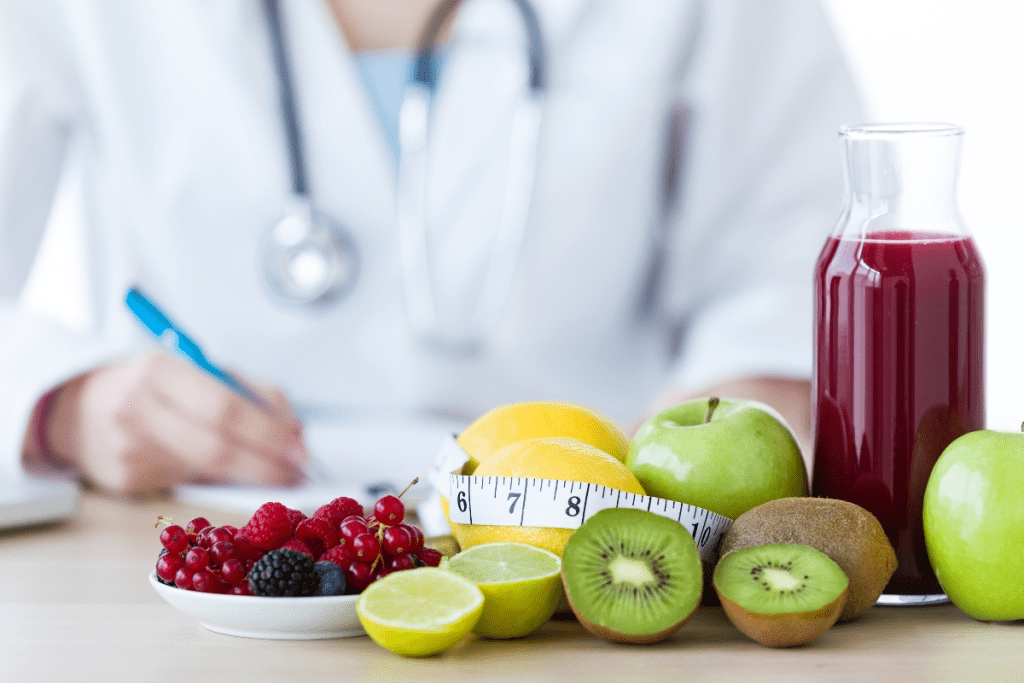
It’s important to understand sickle cell disease to manage its symptoms. This genetic disorder affects how hemoglobin is made. Hemoglobin is a protein in red blood cells that carries oxygen.
What is Sickle Cell Disease?
Sickle cell disease makes abnormal hemoglobin, called sickle hemoglobin or hemoglobin S. This causes red blood cells to curve like a sickle when oxygen levels are low. These curved cells can block small blood vessels, leading to pain, infections, and anemia.
How Nutrition Impacts Sickle Cell Management
Nutrition is key in managing sickle cell disease. A balanced diet can help lessen symptoms. Drinking enough water is important to avoid dehydration, which can cause crises.
Eating foods high in antioxidants, like fruits and veggies, can also help. Antioxidants reduce oxidative stress, which is common in sickle cell patients.
Nutritional Needs for Sickle Cell Patients include more of certain nutrients. For example, folate helps make new red blood cells. Vitamin D is important for health and immune function. Getting enough of these nutrients through food or supplements can help manage the disease.
The Nutritional Profile of Eggs
Eggs are packed with nutrients, including vitamins and minerals. They are a great source of proteins, vitamins, and healthy fats. These nutrients are key for people with sickle cell disease.
Complete Protein Content in Eggs
Eggs are full of high-quality protein. They have all nine essential amino acids needed for health. This is important for making healthy red blood cells for those with sickle cell disease.
We suggest adding eggs to your diet. They help meet your daily protein needs.
Vitamins and Minerals in Eggs
Eggs are rich in vitamins and minerals. They have vitamin D, vitamin B12, and selenium. Vitamin D is key for bone health and the immune system.
These nutrients are vital for managing sickle cell disease. They can help improve overall health and reduce symptoms.
Healthy Fats in Egg Yolks
Egg yolks have healthy fats. They include omega-3 fatty acids, which fight inflammation. These fats are good for the heart and can help with sickle cell disease symptoms.
Eating eggs with omega-3 fatty acids is a smart choice. It’s a great way to boost your nutrition.
Protein Requirements for Sickle Cell Patients
Protein is key for people with sickle cell disease. It helps make red blood cells, which carry oxygen. This is vital for the body’s health.
Why Protein Matters for Red Blood Cell Production
Red blood cells carry hemoglobin, a protein that brings oxygen. People with sickle cell disease have trouble making healthy red blood cells. So, they need enough protein to help make these cells.
People with sickle cell disease need more protein for several reasons:
- They lose red blood cells faster.
- They often have inflammation.
- They have more pain and other problems.
How Eggs Meet Protein Needs for Sickle Cell Patients
Eggs are a great source of protein, which is important for sickle cell patients. Egg whites have a lot of protein, about 6-7 grams in one large egg. Eggs have all the amino acids needed for hemoglobin and other proteins.
Eggs are easy to add to meals. Egg whites can be in omelets or on salads. Whole eggs can be boiled, scrambled, or in frittatas.
Eating eggs as part of a balanced diet is best. This diet should also have other proteins, fruits, vegetables, and whole grains. This helps manage sickle cell disease symptoms and supports overall health.
Iron Considerations in Sickle Cell Disease
Iron is complex in sickle cell disease, affecting patients in different ways. It’s important to know how diet, like eggs, affects their iron levels. This is true for both iron deficiency and overload.
Iron Overload vs. Iron Deficiency in Sickle Cell
Sickle cell disease patients struggle with iron issues. Blood transfusions, a common treatment, can cause iron overload. Yet, some may have iron deficiency from poor diet or chronic hemolysis.
“Managing iron levels in sickle cell disease is a delicate balance,” studies say. It’s key to avoid both deficiency and overload, as both can harm health.
Iron Content in Eggs: Friend or Foe?
Eggs are rich in nutrients, including iron. They can help those with iron deficiency. But, for those at risk of iron overload, eggs’ iron content must be considered.
A large egg has about 0.6 to 0.7 milligrams of iron, mostly in the yolk. While it may seem small, it adds to dietary iron. Eggs’ iron is non-heme, but eating them with vitamin C can improve absorption.
In summary, eggs can be good for sickle cell disease patients. But, their iron content must be balanced with the patient’s iron status. Patients should consult their healthcare providers to manage iron levels.
Sickle Cell Nutrition: Essential Nutrients and Their Sources
Eating well is key for people with sickle cell disease. Good food helps manage the disease, lowers risk of problems, and boosts life quality. We’ll look at important nutrients for sickle cell and how eggs can help.
Key Nutrients for Managing Sickle Cell Disease
Managing sickle cell disease means getting enough of certain nutrients. These are:
- Protein: Needed for making and fixing red blood cells.
- Iron: Important for red blood cells, but too much is bad.
- Vitamin D: Good for bones and the immune system.
- Omega-3 Fatty Acids: Helps fight inflammation.
- Antioxidants: Vitamins C and E, and others, reduce stress.
These nutrients are vital for controlling sickle cell symptoms and improving health.
How Eggs Contribute to These Nutritional Needs
Eggs are packed with nutrients and can help meet dietary needs for sickle cell patients. They are a great source of protein, giving all amino acids needed for red blood cells. Eggs also have vitamins and minerals like vitamin D and B vitamins, which are good for health.
Plus, eggs can be cooked in many ways, making them easy to fit into a balanced diet.
Vitamin D and Sickle Cell Disease
Keeping vitamin D levels up is key for those with sickle cell disease. It’s not just for bones; it boosts the immune system too. This is very important for sickle cell disease patients.
The Role of Vitamin D in Immune Function
Vitamin D helps control the immune system. It keeps the body’s infection-fighting abilities in check. People with sickle cell disease need a strong immune system to fight off infections.
Immune system support is a big plus of having enough vitamin D. This is very important for those with sickle cell disease who often have weaker immune systems.
Eggs as a Natural Source of Vitamin D
Eggs are a natural source of vitamin D. This is true for fortified eggs or those from hens fed vitamin D. The egg yolk has most of the vitamin D, making it a great food for boosting vitamin D levels.
Eating foods high in vitamin D, like eggs, helps support the immune system. It’s good for overall health for those with sickle cell disease.
Omega-3 Fatty Acids and Inflammation in Sickle Cell
Omega-3 fatty acids help reduce inflammation in many conditions, including sickle cell disease. People with sickle cell disease often face chronic inflammation. This leads to recurring pain and other issues. Omega-3 fatty acids can help manage these symptoms.
Anti-inflammatory Benefits of Omega-3s
Omega-3 fatty acids are known for their anti-inflammatory effects. EPA and DHA, two types of omega-3s, lower inflammatory molecules. Eating foods rich in omega-3s can help reduce inflammation and improve health for those with sickle cell disease.
Key benefits of omega-3 fatty acids include:
- Reducing inflammation and pain associated with sickle cell crises
- Improving heart health by lowering triglycerides and reducing blood pressure
- Supporting brain health and potentially reducing the risk of depression
Eggs Enriched with Omega-3: A Potent Benefit
Eggs enriched with omega-3 fatty acids are a great dietary source. Hens fed omega-3 rich feed lay eggs with more of these fats. Eating these eggs is a simple way to boost omega-3 intake for those with sickle cell disease.
The benefits of omega-3 enriched eggs include:
- A more balanced omega-3 to omega-6 fatty acid ratio in the diet
- Increased intake of EPA and DHA without the need for supplements
- A versatile and easily incorporated food item into daily meals
By understanding omega-3 fatty acids’ role in reducing inflammation, people with sickle cell disease can improve their health. Adding omega-3 enriched eggs to their diet can help manage their condition better.
Antioxidants and Oxidative Stress in Sickle Cell Disease
Oxidative stress is a big problem for sickle cell disease patients. Knowing about antioxidants is key to managing it. People with sickle cell disease often face more oxidative stress because of their abnormal hemoglobin and frequent red blood cell turnover. This stress can make their symptoms worse.
Antioxidants are important in fighting oxidative stress. They neutralize free radicals, which are harmful molecules. By eating foods rich in antioxidants, sickle cell patients might see their symptoms lessen.
Why Antioxidants Matter for Sickle Cell Patients
Antioxidants protect cells from damage by free radicals. For sickle cell patients, eating foods full of antioxidants can help manage oxidative stress. This might reduce painful crises and other disease complications.
Key benefits of antioxidants for sickle cell patients include:
- Reducing oxidative stress and inflammation
- Protecting against cell damage
- Supporting overall health and well-being
Antioxidant Properties in Eggs
Eggs are not just a good protein source but also have antioxidants. The yolks are packed with lutein and zeaxanthin, which are good for the eyes and help fight oxidative stress.
Lutein and zeaxanthin in egg yolks help prevent age-related eye diseases. While their main benefit is for eye health, they also boost overall health.
Understanding the antioxidant benefits of foods like eggs helps sickle cell patients make better diet choices. Adding eggs to a balanced diet can help keep them healthy.
Potential Concerns: Eggs and Cholesterol for Sickle Cell Patients
Managing sickle cell disease means making smart food choices. This includes knowing about eggs and cholesterol. People with this condition worry about eggs’ cholesterol and how it affects their heart.
Debunking Cholesterol Myths
Eggs used to be seen as bad for heart health because of their cholesterol. But new studies say this isn’t true. Dietary cholesterol doesn’t raise blood cholesterol levels much for most people.
The American Heart Association agrees. They say it’s the overall diet, not just eggs, that matters for heart health.
“Eggs’ cholesterol doesn’t affect blood cholesterol as much as thought,” a study found. This new info helps us see eggs in a different light, even for those with sickle cell disease.
Current Research on Eggs and Cardiovascular Health
Studies have looked into eggs and heart health. They found that eating up to one egg a day doesn’t raise heart disease risk for most. This is good news for sickle cell patients, as eggs can be part of a healthy diet.
- Eggs are full of protein, vitamins, and minerals.
- They have antioxidants that fight inflammation.
- Eggs can be cooked in many ways to keep their nutrients.
Understanding sickle cell disease better shows how important diet is. Adding eggs to a balanced diet helps sickle cell patients get nutrients without big risks.
Egg Preparation Methods for Maximum Nutritional Benefit
Eggs can be a great addition to a sickle cell patient’s diet. But, how we cook them matters a lot. The right cooking method can keep their nutrients safe.
Cooking Techniques That Preserve Nutrients
To get the most from eggs, choose cooking methods that keep nutrients in. Poaching and boiling are top choices because they don’t add extra fats. When boiling, keep the time short to avoid losing iron.
Scrambling or making an omelette is also good. Just use low heat and don’t overcook. Adding veggies like spinach or mushrooms makes your eggs even healthier.
Egg-Based Recipes for Sickle Cell Patients
Making egg-based dishes that are both tasty and healthy is easy. Here are some ideas:
- Spinach and Feta Omelette: Whisk eggs with salt and pepper, add chopped spinach and crumbled feta, cook into an omelette.
- Egg and Avocado Toast: Top toasted whole grain bread with mashed avocado, a poached egg, and a sprinkle of salt and pepper.
- Boiled Egg Salad: Chop boiled eggs and mix with diced veggies like cucumbers, tomatoes, and bell peppers, dressed with olive oil and lemon juice.
For sickle cell patients, eating a balanced diet is key. Eggs are great because they’re full of protein and nutrients.
| Cooking Method | Nutrient Preservation | Additional Tips |
| Poaching | High | Use vinegar in water to help egg white set faster. |
| Boiling | High | Boil for 6-7 minutes for optimal doneness. |
| Scrambling | Medium | Use low heat and stir constantly. |
Integrating Eggs into a Sickle Cell Diet Plan
For those with sickle cell disease, a well-thought-out meal plan is key. A good diet helps manage the condition and boosts health. Eggs are a great addition, packed with important nutrients.
Balanced Meal Planning for Sickle Cell Management
Creating a balanced diet is vital for managing sickle cell disease. It should be full of nutrients like proteins, vitamins, and minerals. Eggs are a top choice because they’re rich in protein and vitamins.
A good meal plan includes a variety of foods. This ensures you get all the nutrients you need. Foods like eggs, fruits, vegetables, whole grains, and healthy fats are all important.
Nutritional Benefits of Eggs:
- High-quality protein for red blood cell production
- Rich in vitamins and minerals, such as vitamin D and iron
- Good source of antioxidants
Sample Meal Plans Featuring Eggs
Here are some meal plans that include eggs. They offer a balanced and nutritious diet for those with sickle cell disease:
| Meal | Menu | Nutritional Benefits |
| Breakfast | Scrambled eggs with spinach and whole-grain toast | Protein, iron, and fiber |
| Lunch | Grilled chicken salad with boiled eggs, avocado, and mixed greens | Protein, healthy fats, and vitamins |
| Dinner | Omelette with vegetables and a side of quinoa | Protein, vitamins, and complex carbohydrates |
These meal plans show how eggs can be part of a diet for sickle cell disease. They provide essential nutrients and support overall health.
Research on Dietary Interventions for Sickle Cell Disease
Research on diet and sickle cell disease is growing. We’re learning how nutrition helps manage symptoms and complications. This is a big step forward.
Studies show certain foods can greatly improve health for those with sickle cell. A diet full of essential nutrients can lessen severe symptoms.
Current Studies on Nutrition and Sickle Cell
New research is finding important nutrients for sickle cell disease. It’s clear a balanced diet with enough protein, vitamins, and minerals is key.
Antioxidants are also in the spotlight. They help fight oxidative stress, a big problem in sickle cell. Foods like fruits and veggies are being studied for their antioxidant powers.
| Nutrient | Benefit | Food Sources |
| Protein | Supports red blood cell production | Eggs, lean meats, fish |
| Vitamin D | Enhances immune function | Fatty fish, fortified dairy, eggs |
| Omega-3 Fatty Acids | Reduces inflammation | Fatty fish, flaxseeds, walnuts |
Evidence for Egg Consumption in Sickle Cell Management
Eggs are packed with nutrients like protein, vitamins, and minerals. They’re good for people with sickle cell disease because of this.
Egg consumption boosts dietary quality. Eggs are rich in vitamin D, which is good for bones and the immune system.
Even though more research is needed, eggs are a good addition to a balanced diet for sickle cell management.
Other Beneficial Foods to Pair with Eggs for Sickle Cell Patients
Eggs are great for sickle cell patients when eaten with other nutrient-rich foods. A balanced diet is key to managing the condition and boosting health.
Complementary Foods for Enhanced Nutrition
To make a meal full of nutrients, pair eggs with foods that boost their value. Some good foods to go with eggs include:
- Leafy Greens: Spinach, kale, and collard greens are full of folate, iron, and antioxidants. They help make red blood cells and support health.
- Berries: Blueberries, strawberries, and raspberries are packed with vitamin C and antioxidants. They help fight inflammation and stress.
- Fatty Fish: Salmon and sardines are full of omega-3 fatty acids. They reduce inflammation and are good for the heart.
- Legumes: Lentils, chickpeas, and black beans are high in protein, fiber, and minerals. They’re great for a sickle cell diet.
- Nuts and Seeds: Almonds, sunflower seeds, and pumpkin seeds have healthy fats, protein, and antioxidants. They make eggs even more nutritious.
Creating Nutrient-Dense Meals with Eggs and Other Foods
Mixing eggs with these foods makes meals that help manage sickle cell. For instance:
- A spinach and feta omelette with whole-grain toast adds iron, protein, and fiber.
- A salad with hard-boiled eggs, mixed greens, berries, and nuts is full of vitamins, minerals, and antioxidants.
- A breakfast bowl with scrambled eggs, black beans, and avocado is packed with protein, healthy fats, and fiber.
Eating eggs with other nutrient-rich foods in a balanced diet helps sickle cell patients manage their condition. It also improves their overall health.
Conclusion: The Role of Eggs in Sickle Cell Nutrition
Eggs are important for managing sickle cell disease because of their nutritional value. They are packed with high-quality protein, vitamins, and minerals. These nutrients are key for people with sickle cell disease.
Eggs help reduce some symptoms of sickle cell disease. They are a complete protein source, which helps make red blood cells. They also have vitamins and minerals that boost overall health.
Adding eggs to your diet can help manage sickle cell disease. Knowing how eggs benefit sickle cell nutrition helps people make better food choices. This supports their health and well-being.
As part of a balanced diet, eggs can improve life for those with sickle cell disease. They help manage the condition better, leading to a better quality of life.
FAQ
Are eggs a good source of protein for individuals with sickle cell disease?
Yes, eggs are a great source of protein. This is key for making red blood cells. People with sickle cell disease need more protein, and eggs can help.
Can eggs help with iron deficiency in sickle cell patients?
Eggs have some iron, which is good for those with iron deficiency. But, for those at risk of too much iron, eating eggs in moderation is wise.
How do eggs contribute to vitamin D intake for sickle cell patients?
Eggs are a natural source of vitamin D, thanks to fortification or special feed for hens. Vitamin D is important for the immune system and bones. People with sickle cell disease might need more of it.
Are omega-3 enriched eggs beneficial for sickle cell patients?
Yes, omega-3 enriched eggs are good. They have anti-inflammatory omega-3 fatty acids. These can help with chronic inflammation in sickle cell disease.
Do eggs contain antioxidants that can help mitigate oxidative stress in sickle cell disease?
Yes, eggs have antioxidants. These can help reduce oxidative stress, a big concern for those with sickle cell disease.
Is it safe for sickle cell patients to consume eggs due to cholesterol concerns?
Recent studies show that dietary cholesterol doesn’t greatly affect blood cholesterol levels for most. Sickle cell patients can safely eat eggs in moderation as part of a balanced diet.
How can eggs be prepared to maximize their nutritional benefits for sickle cell patients?
Use cooking methods that keep nutrients, like poaching or boiling. Avoid overcooking or frying, as it can lower nutritional value.
Can eggs be part of a complementary diet plan for managing sickle cell disease?
Yes, eggs are a valuable part of a balanced diet. They offer essential nutrients like protein, vitamins, and minerals.
Are there other beneficial foods that can be paired with eggs for sickle cell patients?
Yes, combining eggs with other nutrient-rich foods like fruits, vegetables, and whole grains boosts their nutritional value. This creates well-rounded meals.
What does current research say about the role of eggs in managing sickle cell disease?
Studies now support the benefits of specific nutrients, including eggs, in managing sickle cell disease. Eggs provide key nutrients that help alleviate some symptoms of the disease.
Reference
- Jonassaint, C. R., De Castro, L., Shah, N., & Jonassaint, J. C. (2023). Prevalence of substance use disorders in sickle cell disease compared to other chronic conditions: A population-based study of Black American adults. Journal of General Internal Medicine, 38(5), 1214-1223. Retrieved from https://pubmed.ncbi.nlm.nih.gov/36220945/