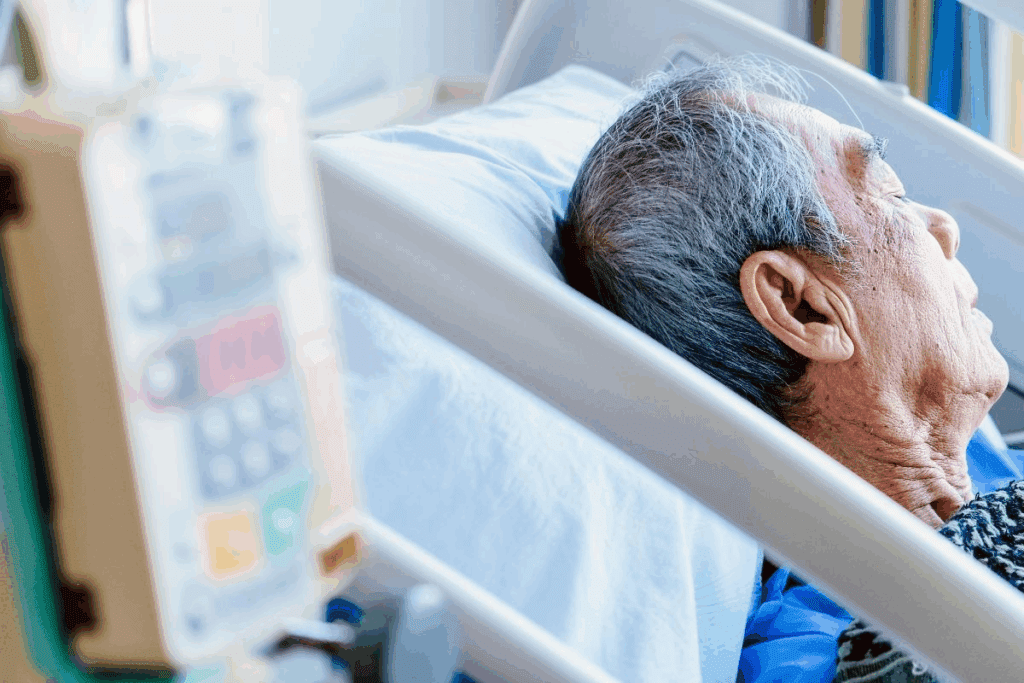
Learn the 7 key side effects of anesthesia in elderly patients. These are the critical risks all seniors and caregivers need to know. As more people get older, it’s vital to know about the dangers of anesthesia in older adults. General anesthesia uses medicines to make patients unable to move or wake up during surgeries. This is done by an anesthesiologist.
Elderly people are more likely to face problems because of how their bodies change with age. It’s important for both patients and doctors to know about the risks of anesthesia for this group.
Key Takeaways
- Elderly patients are at a higher risk of anesthesia-related complications.
- Physiological changes with aging contribute to increased risks.
- Awareness of possible risks is key for patients and healthcare providers.
- Liv Hospital follows international standards and innovative protocols.
- Knowing about anesthesia risks helps in better patient care.
Why Elderly Patients Face Higher Anesthesia Risks

The aging process changes how elderly patients react to anesthesia. As more people age, it’s key for healthcare to understand these changes. This helps manage anesthesia better in older adults.
Physiological Changes That Occur With Aging
Aging affects the body in many ways, including the heart, lungs, and brain. These changes make elderly patients more likely to face anesthesia complications. For example, the heart’s ability to pump blood and the blood vessels’ flexibility decrease with age.
Cardiovascular Changes: This can lead to less blood flow to important organs.
Respiratory Changes: Older lungs may not exchange gases as well, increasing the risk of breathing problems.
| System | Changes with Aging | Impact on Anesthesia |
| Cardiovascular | Decreased cardiac output, increased vascular stiffness | Increased risk of cardiovascular complications |
| Respiratory | Reduced lung elasticity, decreased strength | Higher risk of respiratory complications |
| Nervous | Reduced neuronal density, altered neurotransmitter balance | Variable response to anesthetic agents |
How These Changes Affect Anesthesia Response
The changes with aging can greatly affect how elderly patients react to anesthesia. For instance, older livers and kidneys may not break down anesthetic drugs as well. This can cause the drugs to stay in the body longer or have stronger effects.
Studies show that up to 53 percent of surgeries are on patients over 65. This shows how important it is to understand aging’s impact on anesthesia. By knowing these changes, healthcare can tailor anesthesia care for elderly patients. This helps reduce risks and improve results.
The Scope of the Issue: Statistics and Prevalence
As the world’s population ages, more elderly patients are undergoing surgery with anesthesia. This change affects healthcare systems globally, highlighting the risks for older adults.
Percentage of Surgeries Performed on Patients Over 65
Research shows that a large number of surgeries are done on those 65 and older. In the United States, over 40% of surgeries are for this age group. The prevalence of cognitive side effects like postoperative delirium and cognitive dysfunction is higher, affecting up to 10% of elderly patients.
The increasing age of the population is a major reason for this trend. As people live longer, they need more surgeries for age-related issues. This raises concerns about the dangers of anesthesia in elderly patients, including long-term cognitive decline.
Increasing Surgical Needs in an Aging Population
The aging population is leading to more surgical needs, with more older adults needing procedures under anesthesia. This trend is expected to grow, with projections showing a significant increase in elderly patients undergoing surgery in the future.
To tackle these challenges, healthcare providers must understand the effects of anesthesia in the elderly. They need to take steps to reduce risks. This includes thorough preoperative checks, customized anesthesia plans, and close monitoring after surgery to avoid complications.
By grasping the scope of the issue and the specific challenges for elderly patients, healthcare providers can improve outcomes for this growing group.
Side Effects of Anesthesia in Elderly Patients: The Complete Picture
Anesthesia’s impact on elderly patients is complex, with both short-term and long-term effects. As more people age, it’s vital for healthcare to understand these impacts well.
Immediate vs. Long-Term Effects
Anesthesia can affect elderly patients in different ways. Immediate effects include changes in blood pressure or heart rate during surgery. Long-term effects might include cognitive issues, longer recovery times, or other complications after surgery.
Elderly patients face higher risks from anesthesia due to less physical strength and more health issues. It’s key to know these risks to find ways to reduce them.
How Comorbidities Compound Anesthesia Risks
Elderly patients often have health problems like diabetes, heart disease, and breathing issues. These can make anesthesia risks higher. It’s important to carefully check and manage patients before, during, and after surgery.
Healthcare providers need to tailor anesthesia care for each patient. They must consider the patient’s health, the surgery type, and the anesthesia method to lower risks.
For example, heart disease patients might need closer monitoring during surgery. Those with breathing problems might need extra help breathing after surgery.
Risk #1: Postoperative Delirium
Postoperative delirium is a big worry for older patients after surgery. It can lead to more health problems, higher death rates, and bigger healthcare bills. This condition makes it hard for patients to stay awake and think clearly, and it happens quickly.
Recognizing the Signs and Symptoms
It’s very important to spot postoperative delirium early. Signs and symptoms include being confused, not knowing where you are, and trouble focusing. These signs can change during the day and might not be easy for doctors to see right away.
Incidence Rates in High-Risk Elderly Patients
Research shows that up to 50% of high-risk elderly patients might get postoperative delirium. This risk is even higher for those having big surgeries like orthopedic or heart surgery.
Duration and Management Approaches
How long postoperative delirium lasts can vary a lot. Good management approaches include moving patients early, managing pain, and helping them sleep better. It’s also key to find and treat any underlying problems, like infections or side effects from medicines.
By knowing the risks and taking steps to prevent them, doctors can help lower the chances of postoperative delirium in older patients.
Risk #2: Postoperative Cognitive Dysfunction
Postoperative cognitive dysfunction affects many elderly patients, impacting their quality of life. This condition is a decline in cognitive function after surgery. It can be short-term or last a long time.
Short-Term vs. Persistent Cognitive Decline
Cognitive decline after surgery can vary. Some patients have short-term issues that go away. Others face persistent cognitive dysfunction lasting months or years.
Short-term cognitive decline happens right after surgery. It’s often due to anesthesia and the surgery itself. On the other hand, persistent cognitive dysfunction is a serious condition. It can last a long time and affect a patient’s quality of life.
The 10% Statistic: Understanding Long-Term Risks
Studies show up to 10% of elderly patients face long-term cognitive dysfunction after surgery. This statistic shows the big risk of anesthesia and surgery in older adults.
| Risk Factor | Description | Impact on Cognitive Function |
| Age | Advanced age increases vulnerability to cognitive decline. | Higher risk of persistent cognitive dysfunction. |
| Type of Surgery | Major surgeries, like cardiac surgery, have higher risks. | Increased risk of both short-term and long-term cognitive issues. |
| Anesthesia Type | General anesthesia may have different risks compared to regional anesthesia. | Variable impact on cognitive function depending on the type used. |
Differentiating From Normal Aging and Dementia
It’s important to tell postoperative cognitive dysfunction from normal aging or dementia. While aging can cause some decline, postoperative cognitive dysfunction is different. It needs special attention.
Diagnostic criteria include looking at the patient’s cognitive status before surgery. It also involves checking when the decline started and ruling out other causes. Knowing these helps in managing the condition properly.
Risk #3: Cardiovascular Complications
Elderly people face more risks with heart problems during surgery. This is because their bodies change with age. As more people get older, heart disease becomes a big worry for those having surgery.
Blood Pressure Instability During and After Surgery
Blood pressure can be tricky for older patients under anesthesia. It can change because of high blood pressure, stiff blood vessels, and how anesthetics work. It’s very important to watch blood pressure closely before, during, and after surgery to avoid heart problems.
Experts say managing blood pressure is key for elderly patients with heart issues. They recommend choosing the right anesthetics and keeping a close eye on heart health.
Heart Rhythm Disturbances Under Anesthesia
Older patients might get heart rhythm problems under anesthesia. This can happen because of imbalances in salts, heart disease, or how anesthetics affect the heart. It’s important to spot who’s at risk and take steps to prevent it to reduce these problems during surgery.
Medication Interactions With Cardiac Drugs
Older patients often take many medicines, including heart drugs. It’s vital to know how these might react with anesthetics. For example, heart rate and blood pressure can be affected by interactions with beta-blockers and anti-arrhythmics. It’s critical for anesthesiologists and cardiologists to work together to manage these interactions well.
A study showed the need for careful medication management in older surgical patients. It said, “The complexity of medication regimens in elderly patients undergoing surgery necessitates a thorough approach to minimize adverse interactions and ensure the best care before, during, and after surgery.”
Risk #4: Respiratory Complications
Using anesthesia on older patients can cause breathing problems. As people get older, their lungs work less well. This makes them more likely to have breathing issues during and after surgery.
Reduced Lung Function and Oxygen Exchange
Older people often have less efficient lungs. This is because of aging and conditions like COPD. These issues make it harder to manage anesthesia.
- Decreased lung elasticity and weakened respiratory muscles contribute to reduced lung function.
- Inadequate oxygenation can lead to prolonged recovery times and increased risk of postoperative complications.
Aspiration Risks and Preventive Measures
Aspiration is a big risk during anesthesia for older patients. They might have trouble gagging or swallowing. This can cause serious pneumonia or ARDS.
- Preoperative fasting and rapid sequence induction can help lower aspiration risks.
- Careful patient monitoring during anesthesia is key to spotting and handling aspiration quickly.
Post-Surgical Breathing Support Requirements
Older patients might need help breathing after surgery. This is true if they had breathing problems before or if the surgery was big. Needing ventilation can affect how long they stay in the hospital.
- The choice to use postoperative ventilation depends on the patient and the surgery.
- Close monitoring in a recovery or ICU is vital for those needing breathing help.
In summary, breathing problems are a big risk for older patients under anesthesia. Knowing these risks and taking steps to prevent them is key to better outcomes.
Risk #5: Prolonged Drug Effects and Adverse Reactions
As people age, their bodies take longer to process drugs. This can lead to longer-lasting effects and more side effects after surgery. This is a big worry for older patients having surgery, as it can slow down their recovery.
Slower Drug Metabolism and Elimination
Older adults often have slower kidneys and liver. These organs help break down drugs. So, drugs stay in their bodies longer, raising the risk of bad side effects. Research shows that aging affects how well drugs work and are safe for older patients.
Extended Recovery Room Requirements
Older patients often need to stay in the recovery room longer. This lets doctors keep a close eye on them and handle any side effects. This highlights the need for careful planning and management of anesthesia for older patients.
Common Adverse Reactions Specific to Elderly Patients
Older adults face a higher risk of side effects because of their weaker bodies and health issues. Common problems include breathing troubles, brain fog, and heart issues. Here’s a table of some common side effects and what they mean for older patients.
| Adverse Reaction | Implications for Elderly Patients |
| Respiratory Depression | Increased risk of hypoxia and respiratory failure |
| Cognitive Impairment | Prolonged delirium and confusion, potentially leading to long-term cognitive decline |
| Cardiovascular Instability | Increased risk of cardiac complications, including arrhythmias and myocardial infarction |
In summary, the risk of long-lasting drug effects and side effects is a big worry for older patients under anesthesia. Understanding these risks helps doctors work to reduce them and improve outcomes for their patients.
Risk #6: Functional Decline and Rehabilitation Challenges
The risk of functional decline and rehabilitation challenges is a big worry for elderly patients after surgery. As more people get older, knowing about these risks is key for doctors and nurses.
Impact on Mobility and Independence
Functional decline means a patient can’t do daily tasks as well as before. Elderly patients face a big risk of losing mobility after surgery. This can really hurt their quality of life.
Key factors contributing to functional decline include:
- Prolonged immobilization during and after surgery
- Muscle atrophy due to reduced physical activity
- Postoperative pain and discomfort
- Cognitive decline or confusion
Extended Hospital Stays and Complications
Elderly patients who decline function often need to stay in the hospital longer. This can lead to more hospital problems. These problems can be infections, bed sores, or blood clots. Longer stays also mean higher costs and more stress for patients and their families.
Strategies to mitigate these risks include:
- Early mobilization and physical therapy
- Pain management protocols
- Multidisciplinary care teams
- Enhanced recovery after surgery (ERAS) programs
Strategies for Successful Rehabilitation
Helping elderly patients recover well after surgery needs a detailed plan. This includes checking them before surgery, managing them carefully during surgery, and caring for them after. Physical therapy and rehab are key to helping them get strong and mobile again.
Effective rehabilitation strategies involve:
- Personalized care plans
- Early start of physical therapy
- Family and caregiver support
- Monitoring and managing postoperative complications
Understanding the risks of functional decline and rehab challenges helps doctors and nurses. They can then make plans to help elderly patients do better after surgery and anesthesia.
Risk #7: Increased Mortality and Morbidity
Using anesthesia on older patients can be risky. It can lead to higher death rates and more health problems. As more people live longer, doctors need to know these risks to make better choices about surgery.
Understanding the Statistics on Surgical Outcomes
Research shows older patients face higher risks after surgery. A study in the Journal of the American Medical Association found older patients have a higher death rate during non-cardiac surgery. This is compared to younger people.
“The risk of postoperative mortality and major morbidity increases substantially with age, particulary after the age of 65.”
Journal of the American Medical Association
Not just age, but also health problems, surgery type, and overall health affect these risks. This means each patient’s situation is different.
| Age Group | Mortality Rate (%) | Morbidity Rate (%) |
| 65-74 | 2.5 | 15 |
| 75-84 | 4.2 | 20 |
| 85+ | 6.8 | 25 |
Risk Factors That Predict Poor Outcomes
Several factors can lead to poor results for older patients. These include:
- Pre-existing cardiovascular disease
- Chronic obstructive pulmonary disease (COPD)
- Diabetes mellitus
- Renal insufficiency
- Cognitive impairment
Spotting these risks early helps doctors prepare better. They can improve the patient’s health before surgery.
Balancing Necessary Surgery Against Risks
Deciding on surgery for older patients is tough. It involves looking at their health, the surgery’s urgency, and other treatment options.
Careful preoperative evaluation and personalized anesthesia plans can help. Tailored postoperative care, including pain management and rehabilitation, is also key.
By understanding these risks and working together, doctors can help older patients have better surgery outcomes.
Conclusion: Making Informed Decisions About Anesthesia in Later Life
Elderly patients and their families need to know the risks and benefits of anesthesia. This knowledge helps them make better choices about their care. Studies show that well-informed elderly patients can make more informed decisions.
It’s important to understand the risks of anesthesia for the elderly. Knowing about complications like postoperative delirium and cardiovascular issues helps. This way, patients can work with their healthcare providers to reduce these risks.
To make good decisions about anesthesia, elderly patients need to understand the risks and benefits. This understanding helps them have better outcomes and recover smoothly. Healthcare providers are key in educating patients and families about anesthesia and elderly care. They help patients make informed choices about their treatment options.
FAQ
What are the most significant risks associated with anesthesia in elderly patients?
Elderly patients face higher risks from anesthesia. This is due to changes with aging. These changes include weaker heart and lung function and a greater sensitivity to drugs.
How do comorbidities affect anesthesia risks in elderly patients?
Comorbidities like heart disease and diabetes increase anesthesia risks. It’s important to manage these conditions before, during, and after surgery.
What is postoperative delirium, and how is it managed?
Postoperative delirium is a common issue in elderly patients. It causes confusion and altered mental status. To manage it, early recognition and minimizing sedatives are key. Strategies to promote comfort and orientation are also important.
What is the difference between short-term and persistent postoperative cognitive dysfunction?
Short-term cognitive dysfunction is a temporary decline that usually resolves within weeks. Persistent cognitive dysfunction, on the other hand, can last months or years.
How do anesthesia medications interact with cardiac drugs?
Anesthesia medications can affect the work of cardiac drugs. This includes drugs for heart rhythm and blood pressure. Managing these interactions is critical to avoid complications.
What are the risks of respiratory complications in elderly patients undergoing anesthesia?
Elderly patients are at higher risk for respiratory problems. These include weaker lung function and aspiration. Careful management of breathing is essential to reduce these risks.
How can functional decline be prevented or minimized in elderly patients after surgery?
Preventing functional decline involves early mobilization and physical therapy. Tailored rehabilitation programs are also key. These help in recovery and reduce complications.
What are the statistics on surgical outcomes in elderly patients, and what are the risk factors for poor outcomes?
Surgical outcomes in elderly patients vary. Factors include age, health conditions, and surgery type. Advanced age and multiple health issues are risk factors for poor outcomes.
How can patients and families make informed decisions about anesthesia in later life?
Patients and families can make informed decisions by understanding anesthesia risks and benefits. Discussing individual concerns with healthcare providers is important. Weighing surgery risks is also key.
Are there any age limits for anesthesia, and how is the decision to proceed with surgery made?
There’s no age limit for anesthesia. The decision to have surgery depends on the patient’s health and the surgery type. Benefits and risks are considered.
What are the long-term side effects of anesthesia in elderly patients?
Long-term side effects include cognitive dysfunction and decreased mobility. Increased risk of falls is also a concern. Proper management and follow-up care can help minimize these risks.
How can the risks of anesthesia be minimized in elderly patients?
To minimize anesthesia risks, evaluate and manage health conditions carefully. Choose the right anesthetic techniques. Strategies to promote comfort, mobility, and recovery are also important.
References
https://www.ncbi.nlm.nih.gov/books/NBK572137