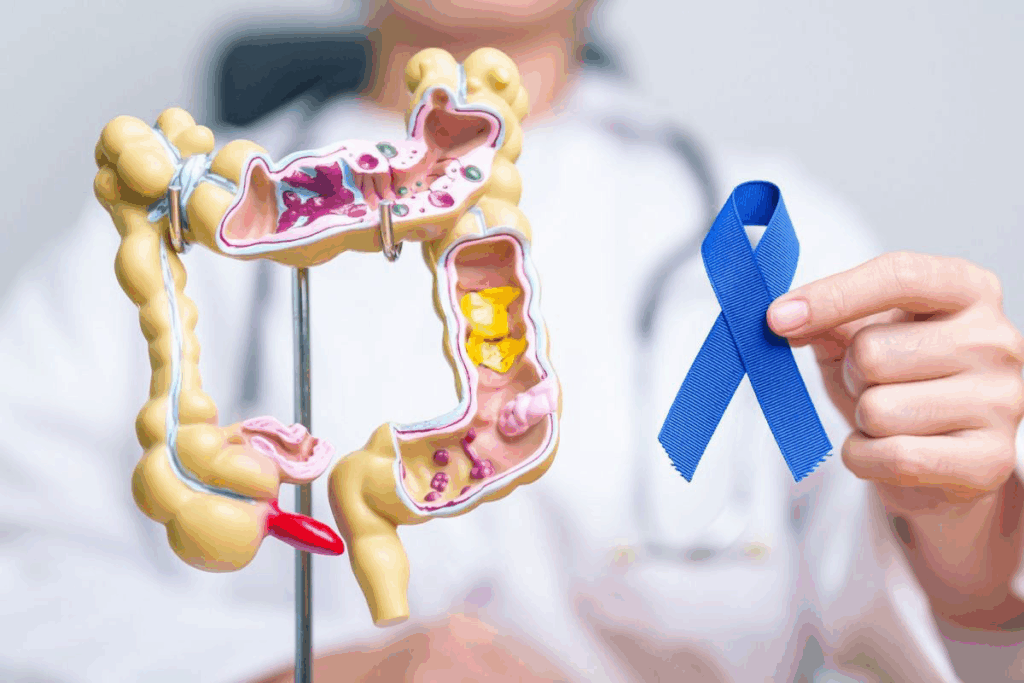
Sigmoid colon pain is a big problem for many people around the world. It causes discomfor t in the lower left abdomen. This can really affect how we live our daily lives. Suffering from sigmoid colon pain? This guide explores 7 alarming causes, from diverticulitis to IBS, and the best, proven fixes for fast relief.
Feeling sigmoid colon discomfort can be really upsetting. It might come and go or stay for a long time. Knowing what causes it and how to feel better is key to feeling more comfortable and well.
We want to help you understand how to ease sigmoid pain. We’ll talk about what causes it, its symptoms, and how to treat it. By looking at the reasons for sigmoid colon tenderness, we hope to make you feel less alone in this experience.
Key Takeaways
- Understanding the causes of sigmoid colon pain is essential for effective relief.
- Sigmoid colon discomfort can significantly impact daily life and overall well-being.
- Various relief strategies are available to address sigmoid pain.
- Effective treatments can help alleviate sigmoid colon tenderness.
- Comprehensive care is key for managing sigmoid colon discomfort.
Understanding the Sigmoid Colon

The sigmoid colon is key to our digestive system and health. It’s a part of the large intestine shaped like the letter S. It’s about 35 to 40 centimeters long.
Anatomy and Function of the Sigmoid Colon
The sigmoid colon links the descending colon to the rectum. It acts as a storage for fecal waste until it’s time to leave the body. Its S-shaped structure fits well in the pelvic cavity, making the most of the space.
The sigmoid colon’s shape and function are closely tied. Its muscular walls work together to push waste towards the rectum.
The S-Shaped Structure and Its Purpose
The sigmoid colon’s S-shape is not just for looks. It’s designed to hold waste. This shape helps the sigmoid colon handle different amounts of waste without too much pressure.
Role in Digestive Health
The sigmoid colon is essential for digestive health. It helps keep our gut microbiome balanced by storing and eliminating waste. Problems with the sigmoid colon can cause a lot of discomfort and health issues.
Knowing how the sigmoid colon affects our digestive health is important. It shows why we need to take care of it. A balanced diet, enough water, and a healthy lifestyle are key.
What Causes Sigmoid Colon Pain?

The sigmoid colon can get hurt by many things, leading to pain. Knowing what causes it helps in finding relief.
Diverticular Disease and Diverticulitis
Diverticular disease is common in older people. It makes small pouches in the digestive tract. If these pouches get inflamed or infected, it’s called diverticulitis. This can cause pain in the sigmoid colon.
Key symptoms of diverticulitis include:
- Severe abdominal pain, often on the lower left side
- Fever and chills
- Nausea and vomiting
- Changes in bowel habits
Chronic Constipation and Impaction
Chronic constipation puts extra pressure on the sigmoid colon, causing pain. If it gets bad, a hard stool mass can get stuck in the colon.
Factors contributing to chronic constipation include:
- Inadequate fiber intake
- Lack of physical activity
- Certain medications
- Underlying medical conditions
Inflammatory Bowel Conditions
Ulcerative colitis and Crohn’s disease can make the sigmoid colon inflamed. This leads to pain and other symptoms.
Common symptoms of inflammatory bowel conditions include:
- Diarrhea or bloody stools
- Abdominal pain and cramping
- Weight loss and loss of appetite
- Fatigue
Irritable Bowel Syndrome (IBS)
IBS is a disorder that can cause pain in the sigmoid colon. It often changes how you go to the bathroom.
Symptoms of IBS may include:
- Abdominal pain or cramping
- Bloating and gas
- Diarrhea or constipation
- Mucus in the stool
Recognizing Sigmoid Colon Pain Symptoms
Sigmoid colon pain can feel like anything from a slight ache to a sharp, stabbing pain. Knowing these symptoms is key to figuring out what to do next.
Where Is Sigmoid Colon Pain Felt?
Pain from the sigmoid colon usually shows up in the left lower abdomen. This spot is where the sigmoid colon is located in the large intestine. The pain might stay in one place or spread to other parts of the belly.
Types and Characteristics of Pain
The pain from sigmoid colon problems can be quite different. It might feel:
- Dull and aching, which often means a long-term issue.
- Colicky or cramping, pointing to spasms or blockages.
- Sharp and stabbing, which could be a sign of something serious like diverticulitis.
Associated Digestive Symptoms
People with sigmoid colon problems might also notice other digestive signs. These include:
- Bloating and gas, leading to discomfort and changes in bowel movements.
- Changes in bowel movements, like constipation or diarrhea.
- Abdominal tenderness, feeling sore when touched in the affected area.
Knowing these symptoms can help you spot problems with your sigmoid colon. It’s a good reason to see a doctor.
When to Seek Medical Attention
Knowing when to see a doctor for sigmoid colon pain is key. This pain is not just a minor issue. It can signal a serious problem that needs a doctor’s check-up.
Warning Signs That Require a Doctor’s Visit
Some symptoms with sigmoid colon pain mean you should see a doctor. These include:
- Severe abdominal pain that doesn’t get better or gets worse
- Fever over 101.5°F (38.6°C)
- Vomiting blood or constant vomiting
- Bloody stools or black, tarry stools
- Abdominal tenderness or muscle tension
If you have any of these symptoms, you should see a doctor right away.
Emergency Symptoms Needing Immediate Care
Some symptoms of sigmoid colon pain are emergencies. These include:
Symptom | Description |
Severe abdominal pain | Pain that is intense and doesn’t stop |
Vomiting blood | Hematemesis or vomiting that looks like coffee grounds |
Signs of shock | Pale skin, fast heartbeat, shallow breathing, or fainting |
If you or someone you know has these symptoms, get emergency care right away.
“The key to managing sigmoid colon pain effectively is recognizing when it requires medical attention. Ignoring severe symptoms can lead to complications.”
What to Tell Your Healthcare Provider
When you see your doctor, tell them everything about your symptoms. This includes:
- The length and how bad your sigmoid colon pain is
- Any other symptoms like fever, vomiting, or changes in bowel habits
- Your medical history, including any past stomach problems
- Any medicines or supplements you’re taking
Telling your doctor all about your symptoms helps them find the cause of your pain.
Knowing when to get medical help for sigmoid colon pain is important. It helps you get the right care, avoid complications, and improve your life.
Quick Relief Strategies for Sigmoid Colon Pain
When you feel pain in your sigmoid colon, finding quick relief is key. This pain can really disrupt your day. Luckily, there are ways to ease the discomfort and get back to normal.
Immediate Pain Management Techniques
First, try immediate pain management. Over-the-counter pain relievers like acetaminophen can help. Doctors say, “Managing pain is important, and meds can help a lot.” Remember to take the right amount and talk to a doctor first.
Also, try a warm compress on the painful area. Heat can relax muscles and ease cramps. Warmth can really help. Use a warm, not hot, compress for 15-20 minutes.
Beneficial Positions and Gentle Movements
Some positions and movements can also help. For example, lying on your back with knees bent can ease pain. Gentle stretching or yoga can also help by relaxing muscles and improving digestion.
- Resting in a comfortable position
- Gentle stretching or yoga
- Avoiding strenuous activities
A healthcare expert says, “Gentle movements and certain positions can help by relaxing muscles and improving blood flow.” Listen to your body and avoid actions that make pain worse.
Effective Heat Therapy Applications
Heat therapy is also a good way to ease pain. A warm compress or a heating pad on low can help.
Combining different relief strategies can work well. “Heat therapy, in particular, can provide quick relief by relaxing muscles and improving circulation,” a doctor notes. Always put a barrier between the heat and your skin to avoid burns.
Dietary Modifications to Alleviate Sigmoid Colon Pain
To ease sigmoid colon pain, making smart food choices is key. What we eat greatly affects our digestion. Some foods can help manage and reduce pain in the sigmoid colon.
Foods to Avoid During Flare-ups
When pain strikes, it’s important to steer clear of foods that can make it worse. These include:
- Red meat and processed foods: They’re hard to digest and can make symptoms worse.
- Dairy products: For those with lactose intolerance, dairy can add to the discomfort.
- High-FODMAP foods: These can be tough for some people to handle.
Beneficial Foods for Colon Health
Adding certain foods to your diet can help your colon and ease pain. These include:
- Fruits and vegetables: They’re full of fiber, vitamins, and minerals that support digestion.
- Whole grains: Foods like brown rice and whole-wheat bread are rich in fiber and help with bowel movements.
- Lean proteins: Chicken, fish, and tofu are easier to digest and offer important nutrients.
Hydration Strategies for Pain Relief
Drinking enough water is essential for your digestive health. It helps soften stool and keeps bowel movements regular, reducing constipation and pain.
Tips for staying hydrated:
- Drink at least 8-10 glasses of water a day.
- Eat hydrating foods like watermelon and cucumbers.
- Limit caffeinated and alcoholic drinks that can dry out your body.
Meal Timing and Portion Control
Your eating habits can affect your sigmoid colon health. Eating smaller, more frequent meals and controlling portions can help manage symptoms.
Meal Timing Tips | Portion Control Tips |
Eat smaller, more frequent meals to ease digestion. | Avoid overeating, which can put pressure on the sigmoid colon. |
Establish a regular eating schedule to regulate bowel movements. | Use smaller plates to help control portion sizes. |
By making these dietary changes, you can better manage sigmoid colon pain and improve your digestive health.
Effective Home Remedies for Sigmoid Colon Pain
People with sigmoid colon pain can find relief with home remedies. These methods not only ease pain but also boost digestive health.
Herbal Teas and Natural Anti-inflammatories
Herbal teas have long been used to ease digestive problems, including sigmoid colon pain. Ginger tea and chamomile tea are great because they fight inflammation. Ginger’s gingerol can lessen inflammation, and chamomile’s apigenin relaxes colon muscles.
To make these teas, boil water and add fresh ginger or dried chamomile. Let it steep for 5-10 minutes, then strain and drink warm. Enjoy up to three times a day. Other teas like peppermint and turmeric also have anti-inflammatory effects and can be part of your daily routine.
Probiotics and Gut Microbiome Health
Probiotics are good bacteria and yeasts that support gut health. They help keep the gut microbiota balanced, which is key for digestion and can ease sigmoid colon pain. Foods like yogurt, kefir, sauerkraut, and kimchi are full of probiotics.
If it’s hard to get enough probiotics from food, supplements can help. When picking a probiotic supplement, choose ones with many strains and a guarantee of potency until the expiration date. Always talk to a healthcare provider to find the right probiotic for you.
Stress Reduction and Relaxation Techniques
Stress can make sigmoid colon pain worse, so reducing stress is key. Yoga and meditation are great for this. They calm the nervous system, which can lessen spasms and pain in the sigmoid colon.
Simple techniques like deep breathing or progressive muscle relaxation also work. Regular use of these methods can help manage sigmoid colon pain and improve your overall health.
Over-the-Counter Solutions for Sigmoid Colon Pain
Over-the-counter (OTC) solutions can help with sigmoid colon pain without a doctor’s prescription. These options include medications and supplements. It’s important to know how to use them right and what side effects they might have.
Antispasmodics and Pain Relievers
Antispasmodics can ease cramping in the sigmoid colon. Hyoscyamine and dicyclomine are common ones found in OTC products. Acetaminophen or ibuprofen can also help with pain and swelling.
It’s key to follow the dosage instructions and watch for interactions with other drugs. For example, ibuprofen can upset your stomach, so use it carefully.
Fiber Supplements and Stool Softeners
Fiber supplements like psyllium husk or methylcellulose can help with bowel movements. Stool softeners, like docusate sodium, can prevent constipation, a common cause of pain.
Start with a small dose of fiber supplements and gradually increase it. Drinking enough water is also important to avoid constipation.
Proper Usage Guidelines and Precautions
To safely use OTC solutions for sigmoid colon pain, follow these guidelines:
- Always read and follow the label instructions for dosage and administration.
- Be aware of possible side effects and interactions with other drugs.
- Talk to a healthcare provider before starting any new medication or supplement, if you have health issues or are pregnant/breastfeeding.
- Keep an eye on your symptoms and adjust your treatment as needed.
By knowing how to use OTC solutions right, you can manage sigmoid colon pain and live better.
Medical Treatments for Chronic Sigmoid Colon Pain
Many people with chronic sigmoid colon pain find relief through medical treatments. These treatments can greatly improve their quality of life. If simple steps don’t work, doctors may suggest more advanced options.
Prescription Medications and Their Effects
Medicines are key in managing chronic sigmoid colon pain. Antibiotics are used for bacterial infections or diverticulitis. Anti-inflammatory drugs reduce inflammation and pain. Sometimes, drugs that help the gut or stop spasms are suggested.
It’s important to take the medicine as directed by your doctor. This ensures it works well and avoids side effects.
Non-Surgical Therapeutic Procedures
Non-surgical methods can help diagnose and treat. Endoscopy lets doctors see the sigmoid colon and find problems. They can also take biopsies or remove polyps during an endoscopy.
Gut-directed hypnotherapy and cognitive behavioral therapy are also options. They help manage pain by focusing on the brain-gut connection.
Surgical Interventions When Necessary
Surgery is sometimes needed for chronic sigmoid colon pain. It’s considered when the sigmoid colon is badly damaged, like in severe diverticulitis or obstruction.
The surgery type depends on the problem. It might involve removing part of the colon. Laparoscopic surgery is a less invasive option that can lead to faster recovery.
Recovery Expectations After Treatment
Recovery times vary based on the treatment. After surgery, it takes several weeks to recover. You might need to follow a special diet and rest a lot.
For non-surgical treatments, recovery is faster. But, it’s vital to follow the doctor’s instructions for a smooth recovery.
Understanding your treatment options and working with your doctor can help manage chronic sigmoid colon pain. This way, you can improve your life quality.
Preventing Future Episodes of Sigmoid Colon Pain
Staying healthy through diet, exercise, and managing stress can lower the chance of sigmoid colon pain. Making smart lifestyle choices and keeping an eye on your health can help avoid future pain episodes.
Daily Lifestyle Adjustments for Colon Health
Keeping your colon healthy is key to avoiding sigmoid colon pain. Eating a balanced diet full of fiber, fruits, and veggies helps keep your bowels regular and prevents constipation.
Drinking lots of water is also important. Try to eat less processed food and avoid foods that make you uncomfortable. These steps help keep your colon in good shape.
Exercise and Physical Activity Recommendations
Regular exercise is vital in preventing sigmoid colon pain. It helps move your bowels and boosts your digestive health. Try to do at least 30 minutes of moderate exercise every day.
Walking, swimming, or cycling are great choices. Exercise not only helps your colon but also improves your mood and mental health.
Regular Screening and Health Monitoring
Regular health checks and screenings are essential in preventing sigmoid colon pain. They help catch problems early. Make sure to visit your doctor regularly and get screenings for colon health.
Screening Type | Frequency | Benefit |
Colonoscopy | Every 10 years (starting at age 50) | Detects polyps and cancer early |
Fecal Occult Blood Test (FOBT) | Annually | Detects hidden blood in stool |
Managing Underlying Conditions
If you have conditions like irritable bowel syndrome (IBS) or diverticular disease, managing them is key. Work with your doctor to create a plan that works for you.
Understanding what triggers your pain and using the right treatments can help lessen its impact. This way, you can reduce how often and how severe the pain gets.
Conclusion
We’ve looked at many ways to ease sigmoid colon pain, from changing what we eat to using medicine. To manage this pain, we need to tackle it from different angles. This means looking at the root causes of the discomfort.
Adding stress-reducing activities and choosing the right foods can help. Sometimes, we might need medical help to fix the underlying issues causing the pain.
Getting relief from sigmoid colon pain means making lifestyle changes, trying home remedies, and sometimes, getting medical help. It’s key to see a doctor if the pain doesn’t go away or gets worse.
By taking a full approach to dealing with sigmoid colon pain, we can feel better and have better digestion. We’ve seen how important it is to know about the sigmoid colon and what can cause pain.
FAQ
Where is sigmoid colon pain typically felt?
Sigmoid colon pain is usually felt in the lower left abdomen. This is because the sigmoid colon is located in this region. Pain from this area can radiate to the surrounding areas.
What are the common causes of sigmoid colon pain?
Common causes of sigmoid colon pain include diverticular disease, chronic constipation, inflammatory bowel conditions, and irritable bowel syndrome (IBS). These conditions can cause inflammation, irritation, or obstruction in the sigmoid colon, leading to pain.
How can I relieve sigmoid colon pain quickly?
Quick relief strategies for sigmoid colon pain include applying heat therapy, such as using a warm compress. Taking over-the-counter pain relievers and practicing relaxation techniques like deep breathing or meditation can also help. Beneficial positions and gentle movements can also help alleviate pain.
What dietary changes can help alleviate sigmoid colon pain?
Dietary modifications that can help alleviate sigmoid colon pain include avoiding foods that trigger flare-ups. Increasing fiber intake through beneficial foods like fruits and vegetables is also helpful. Staying hydrated and practicing meal timing and portion control are also important.
Are there any home remedies that can help with sigmoid colon pain?
Yes, several home remedies can help alleviate sigmoid colon pain. Herbal teas like peppermint or chamomile, probiotics to support gut microbiome health, and stress reduction techniques like yoga or meditation are beneficial.
When should I seek medical attention for sigmoid colon pain?
You should seek medical attention if you experience severe or persistent pain, fever, vomiting, or bloody stools. Warning signs that require a doctor’s visit include changes in bowel habits, abdominal tenderness, or unexplained weight loss.
What medical treatments are available for chronic sigmoid colon pain?
Medical treatments for chronic sigmoid colon pain include prescription medications like antispasmodics or anti-inflammatory agents. Non-surgical therapeutic procedures and surgical interventions when necessary are also available. Your healthcare provider can help determine the best course of treatment.
How can I prevent future episodes of sigmoid colon pain?
Preventing future episodes of sigmoid colon pain involves making daily lifestyle adjustments. Incorporating exercise and physical activity, practicing stress reduction techniques, and managing underlying conditions are important. Regular screening and health monitoring can also help identify issues early.
What is the sigmoid colon, and what is its function?
The sigmoid colon is the S-shaped portion of the large intestine. It plays a critical role in digestive health by storing and eliminating waste. Its function is to absorb water and electrolytes, and to facilitate the movement of waste towards the rectum.
Can stress exacerbate sigmoid colon pain?
Yes, stress can exacerbate sigmoid colon pain by increasing muscle tension and worsening digestive symptoms. Practicing stress reduction techniques like meditation, yoga, or deep breathing can help alleviate pain and discomfort.
Are there any over-the-counter solutions for sigmoid colon pain?
Yes, over-the-counter solutions for sigmoid colon pain include antispasmodics, pain relievers, fiber supplements, and stool softeners. It’s essential to follow proper usage guidelines and precautions to ensure safe and effective use.
References
National Center for Biotechnology Information. Evidence-Based Medical Guidance. Retrieved from https://www.ncbi.nlm.nih.gov/pmc/articles/PMC7941864/