

Did you know millions of people worldwide suffer from chronic abdominal pain? A big part of this is due to sigmoid colon pain. This pain is often felt in the left lower abdomen. It can be a sign of many gastrointestinal problems.
We will look into why understanding sigmoid colon pain is important. The sigmoid colon is key in our digestive system. Issues here can cause discomfort, like LLQ tenderness and pelvic area discomfort.
What is sigmoid colon pain? Our guide reveals the surprising, critical causes, from simple gas to a shocking diverticulitis attack.
Key Takeaways
- Understanding the causes of sigmoid colon pain is key to managing it well.
- Sigmoid colon pain can be a sign of many gastrointestinal issues.
- Left lower abdomen pain is common in those with sigmoid colon problems.
- LLQ tenderness and pelvic area discomfort are symptoms that need attention.
- Early diagnosis is vital for treating the underlying causes of sigmoid colon pain.
What is the Sigmoid Colon?
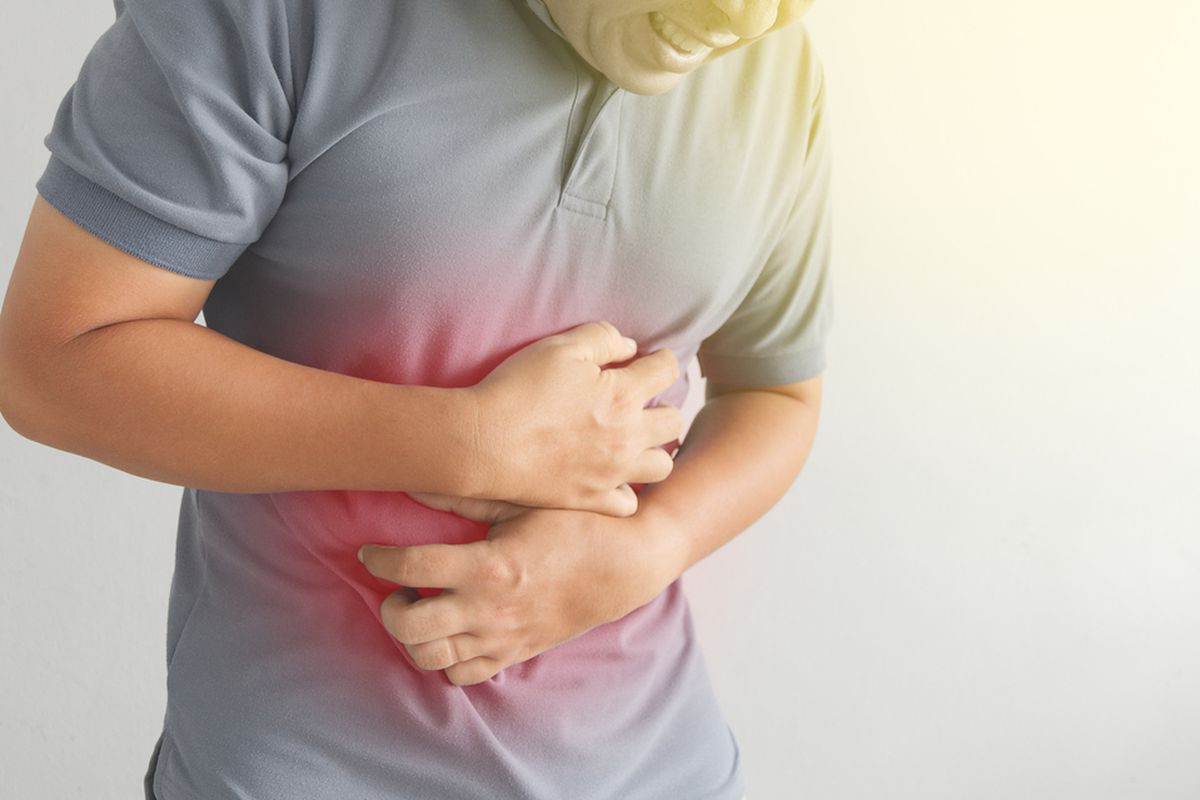
The sigmoid colon is a key part of the large intestine. It’s often linked to lower abdominal pressure and sharp lower left pain. Knowing about its role in digestion can help us understand many gut issues.
Anatomy and Location
The sigmoid colon sits in the lower left abdomen. It connects the descending colon to the rectum. Its S-shaped curve helps it hold waste until it’s time to go.
It’s in front of the sacrum, a bone at the spine’s base and the pelvis’s back. This spot makes it prone to problems that cause localized colon ache.
Characteristics | Description |
Location | Lower left abdomen |
Shape | S-shaped |
Function | Stores waste until elimination |
Function of the Sigmoid Colon
The sigmoid colon’s main job is to hold fecal matter until it’s time to go. It helps absorb water and electrolytes, making stool solid.
Its muscles work together to push waste towards the rectum. This is key for regular bowel movements.
- The sigmoid colon stores waste.
- It absorbs water and electrolytes.
- Its muscular walls facilitate the movement of waste towards the rectum.
Symptoms of Sigmoid Colon Pain

Sigmoid colon pain can feel different for everyone. It’s important to know the symptoms to manage and treat it well. We’ll look at common symptoms and how they change with different conditions.
Common Symptoms to Identify
Common signs include crampy pain, a steady abdominal ache, and pelvic pressure. These can make daily life hard.
How Symptoms Vary by Condition
Symptoms change a lot depending on the cause. For example, diverticulitis can cause severe pain. IBS might lead to crampy pain and changes in bowel movements.
Condition | Common Symptoms | Additional Characteristics |
Diverticulitis | Severe abdominal pain, fever | Tenderness in the lower left abdomen |
IBS | Crampy pain, changes in bowel movements | Bloating, gas |
Colorectal Cancer | Steady abdominal ache, changes in bowel habits | Weight loss, fatigue |
Common Causes of Sigmoid Colon Pain
Sigmoid colon pain can stem from many conditions. Knowing what causes it is key to managing it well. We’ll look at the main reasons for this pain, like inflammation, functional disorders, and tumors.
Diverticulitis
Diverticulitis is when small pouches in the sigmoid colon get inflamed. This can lead to lower GI pain, mainly in the lower left quadrant (LLQ) of the abdomen.
Symptoms of diverticulitis include:
- Constant LLQ pain
- Fever
- Changes in bowel habits
- Nausea and vomiting
Irritable Bowel Syndrome (IBS)
Irritable bowel syndrome (IBS) is a disorder that can cause colon cramping and left pelvic pain. It’s marked by recurring abdominal pain and changes in bowel habits.
Symptoms | Characteristics |
Abdominal pain | Cramping, often relieved by bowel movements |
Bloating | Visible distension of the abdomen |
Bowel habits | Diarrhea, constipation, or alternating between both |
Colorectal Cancer
Colorectal cancer can also cause sigmoid colon pain, though it’s less common than diverticulitis and IBS. Symptoms include:
- Blood in the stool
- Changes in bowel habits
- Unexplained weight loss
- Persistent lower GI pain
Knowing the causes of sigmoid colon pain is vital for the right diagnosis and treatment. We’ll keep exploring how to diagnose and manage this pain in the next sections.
Diagnosing Sigmoid Colon Pain
To find out what’s causing sigmoid colon pain, doctors use a few key steps. They start with a detailed medical history and a physical check-up. They also use advanced imaging and endoscopic techniques. This helps them figure out the root cause of the pain, like sigmoid spasm, deep lower abdominal pain, or referred pelvic discomfort.
Medical History and Physical Examination
The first step is to talk to the patient about their symptoms and health history. This helps doctors narrow down possible causes.
Next, a physical exam is done. The doctor checks the abdomen for tenderness and muscle tension. These signs can point to where the pain is coming from.
Imaging Tests for Accurate Diagnosis
Imaging tests are key in diagnosing sigmoid colon pain. They include:
- Computed Tomography (CT) scans to see the sigmoid colon and nearby areas.
- Ultrasound to check the abdominal organs for any issues.
- X-rays to rule out other causes of pain.
These tests help doctors spot problems like diverticulitis, inflammatory bowel disease, or other issues with the sigmoid colon.
Endoscopic Procedures
Endoscopic procedures let doctors see the sigmoid colon up close. They’re very important for diagnosing problems in this area.
A sigmoidoscopy or colonoscopy can show:
- Inflammation or irritation of the sigmoid colon mucosa.
- Diverticula or diverticulitis.
- Polyps or tumors.
These tests involve using a flexible tube with a camera to look at the sigmoid colon. Doctors can also take biopsies during these procedures for more checks.
Treatment Options for Sigmoid Colon Pain
Sigmoid colon pain can be treated in many ways. This includes making lifestyle changes or even surgery. The right treatment depends on the cause of the pain. This could be due to diverticulitis, irritable bowel syndrome (IBS), or colorectal cancer.
Lifestyle Changes and Dietary Adjustments
Managing sigmoid colon pain often starts with lifestyle changes and dietary adjustments. Eating more fiber can help prevent constipation, which can cause pain. A diet full of fruits, vegetables, and whole grains is recommended. Drinking plenty of water is also key to prevent constipation and keep the digestive system healthy.
It’s also important to avoid foods that make symptoms worse. For some, this means cutting down on dairy, gluten, or high-FODMAP foods. Keeping a food diary can help figure out which foods are troublemakers.
Medications for Pain Relief
If lifestyle changes don’t work, medications may be needed to manage pain and conditions. For example, antispasmodic medications can ease cramps from IBS. Anti-inflammatory drugs might be used for diverticulitis. In severe cases, stronger pain medications might be prescribed by a doctor.
It’s vital to work with a healthcare provider to find the right medication and dosage. The goal is to control symptoms without causing side effects.
Surgical Interventions
In some cases, surgery may be needed to fix the root cause of sigmoid colon pain. This could be to remove a part of the colon due to diverticulitis or colorectal cancer. Surgery is usually considered after other treatments have been tried and discussed with a specialist.
It’s important to understand the benefits and risks of surgery. Patients should talk to their healthcare provider about their options to make an informed choice.
Feeling tender lower quadrant pain or localized lower ache can be upsetting. Working collaboratively with healthcare professionals and exploring various treatment options can help individuals achieve relief from sigmoid colon pain and improve their quality of life.
When to Seek Medical Attention
Knowing when to see a doctor for sigmoid colon pain is key. This pain might signal a serious issue that needs quick medical help.
Identifying Severe Symptoms
Some symptoms mean you should get medical help right away. These include:
- Intense or worsening pain in the left lower abdomen.
- Fever with stomach pain.
- Bleeding from the rectum or blood in the stool.
- Changes in bowel habits, like constant diarrhea or constipation.
Seeing these signs, like LLQ tenderness, could mean you have a serious problem like diverticulitis or colorectal cancer.
Importance of Timely Diagnosis
Getting medical help quickly is vital for good treatment and avoiding problems. A fast diagnosis lets doctors:
- Find out what’s causing sigmoid colon pain.
- Start the right treatment, like medicine, diet changes, or surgery.
- Keep an eye on the condition to stop it from getting worse.
Acting fast can greatly help people with sigmoid colon pain.
Living with Chronic Sigmoid Colon Pain
Living with chronic sigmoid colon pain is tough. It affects both physical and mental health. To manage it, we need a plan that includes coping strategies, diet, and lifestyle changes.
Coping Strategies and Support
Managing chronic sigmoid colon pain means finding ways to live better. Keeping a pain journal helps track symptoms. Activities like meditation or yoga can reduce stress. Talking to loved ones or joining support groups is also helpful.
- Maintaining a pain journal to track symptoms and identify patterns
- Engaging in stress-reducing activities, such as meditation or yoga
- Seeking support from family, friends, or support groups
These strategies can make life better. They help reduce pelvic area discomfort and lower abdominal pressure.
Dietary Considerations
Diet is key in managing chronic sigmoid colon pain. Eating right can help. For example, more fiber can ease symptoms and help with bowel movements.
Dietary Change | Benefit |
Increasing fiber intake | Reduces symptoms of diverticulitis and promotes regular bowel movements |
Avoiding trigger foods | Minimizes discomfort and reduces the risk of exacerbating symptoms |
Staying hydrated | Helps prevent constipation and reduces lower abdominal pressure |
Good diet choices can ease symptoms. This includes sharp lower left pain. It’s a step towards better health.
Working with a healthcare provider is vital. They can help create a plan that fits your needs. With the right treatment and lifestyle changes, you can manage pain and live better.
Prevention of Sigmoid Colon Pain
Preventing sigmoid colon pain requires a mix of healthy habits and regular health checks. By choosing the right foods, staying active, and getting screenings, we can lower our risk. These steps help keep our digestive system in top shape.
Healthy Lifestyle Choices
Healthy habits are key to avoiding sigmoid colon pain. Eating foods high in fiber is a must. Fruits, veggies, and whole grains help prevent constipation and sigmoid inflammation.
Regular exercise is also important. It keeps our bowels moving and boosts gut health. Drinking enough water is essential for preventing constipation and keeping our digestive system running smoothly.
- Eating a diet high in fiber
- Engaging in regular physical activity
- Staying adequately hydrated
Regular Screenings and Check-ups
Regular health checks are vital for catching problems early. They help find issues before they get worse, allowing for quick action.
People at risk or over 50 should get screenings like colonoscopies. These tests spot diverticulitis or colorectal cancer, which can cause crampy pain or a steady abdominal ache. Finding these issues early can greatly improve treatment results.
Screening Type | Recommended Frequency | Benefits |
Colonoscopy | Every 10 years for individuals over 50 | Detects polyps and cancerous growths early |
Fecal Occult Blood Test (FOBT) | Annually | Detects hidden blood in the stool |
Sigmoidoscopy | Every 5-10 years | Examines the sigmoid colon for abnormalities |
By combining healthy habits with regular health checks, we can prevent or reduce sigmoid colon pain. It’s all about being proactive about our health.
Conclusion: Understanding Sigmoid Colon Pain
We’ve looked into the details of sigmoid colon pain. This includes its symptoms, causes, and how to treat it. Knowing about lower GI pain, colon cramping, and LLQ pain is key to managing it well.
Key Takeaways
Sigmoid colon pain can signal many health issues. These include diverticulitis, irritable bowel syndrome (IBS), and even colorectal cancer. Getting a correct diagnosis is vital. This involves looking at your medical history, doing physical exams, and using imaging and endoscopic tests.
Seeking Professional Help
If you’re dealing with ongoing or severe sigmoid colon pain, get help from a doctor. They can figure out what’s causing your pain and create a treatment plan just for you. Taking action early can help you feel better and live a fuller life.
FAQ
What are the common symptoms of sigmoid colon pain?
Symptoms include crampy pain and a steady ache in the abdomen. You might also feel pelvic pressure, lower abdominal pressure, or sharp pain in the lower left area. These signs can change based on the cause.
What causes sigmoid colon pain?
Pain can come from diverticulitis, Irritable Bowel Syndrome (IBS), or colorectal cancer. Each issue affects the sigmoid colon differently.
How is sigmoid colon pain diagnosed?
Doctors start with a medical history and physical exam. They might use CT scans, MRI, or colonoscopy. Finding the exact cause is key.
What are the treatment options for sigmoid colon pain?
Treatments include making lifestyle changes and adjusting your diet. You might also need pain meds or surgery. The right treatment depends on the cause and how severe it is.
When should I seek medical attention for sigmoid colon pain?
See a doctor if your pain gets worse or doesn’t go away. Also, seek help if you have severe pain, fever, or bleeding.
How can I manage chronic sigmoid colon pain?
To manage chronic pain, try coping strategies and make dietary changes. Adjusting your lifestyle is also important. Working with a healthcare provider to create a plan is key.
Can sigmoid colon pain be prevented?
While prevention isn’t always possible, healthy habits and regular check-ups can help. These steps can lower your risk of getting conditions that cause pain.
What lifestyle changes can help alleviate sigmoid colon pain?
Changes like eating more fiber, staying hydrated, exercising, and managing stress can help. These habits can ease your pain.
How does dietary adjustment help in managing sigmoid colon pain?
Eating right, like avoiding certain foods and following a balanced diet, can help manage symptoms. It’s a big part of managing pain.
What is the role of stress management in sigmoid colon pain?
Stress management, like meditation or deep breathing, can help. It can reduce stress, which might help with pain.
References
National Center for Biotechnology Information. Evidence-Based Medical Insight. Retrieved from https://www.ncbi.nlm.nih.gov/pmc/articles/PMC6476351/



 Departments
 Related Videos
 Our Doctors
 News
News