

A brain tumor can show up in many ways, including changes in how you smell things. Some smells or changes in how you smell can mean there’s a problem.
The link between smell disturbances and brain health is deep. Studies have found that people with brain tumors might notice strange smells or trouble smelling things.
Key Takeaways
- Smell disturbances can be a symptom of a brain tumor.
- Certain odors or changes in smell perception may indicate an underlying brain issue.
- Understanding the connection between smell and brain health is important.
- Brain tumors can cause a range of symptoms, including olfactory disturbances.
- Recognizing the warning signs of a brain tumor is key for early detection.
Understanding Brain Tumors and Their Impact on the Body
Brain tumors, whether they are benign or malignant, can deeply affect the body. It’s important to know their signs and symptoms. These tumors grow from cells in the brain that don’t stop dividing.
What Are Brain Tumors and How Do They Form?
Brain tumors are abnormal cell growths in the brain. They can be benign or malignant. The exact cause is often unclear, but it might be genetic mutations or radiation.
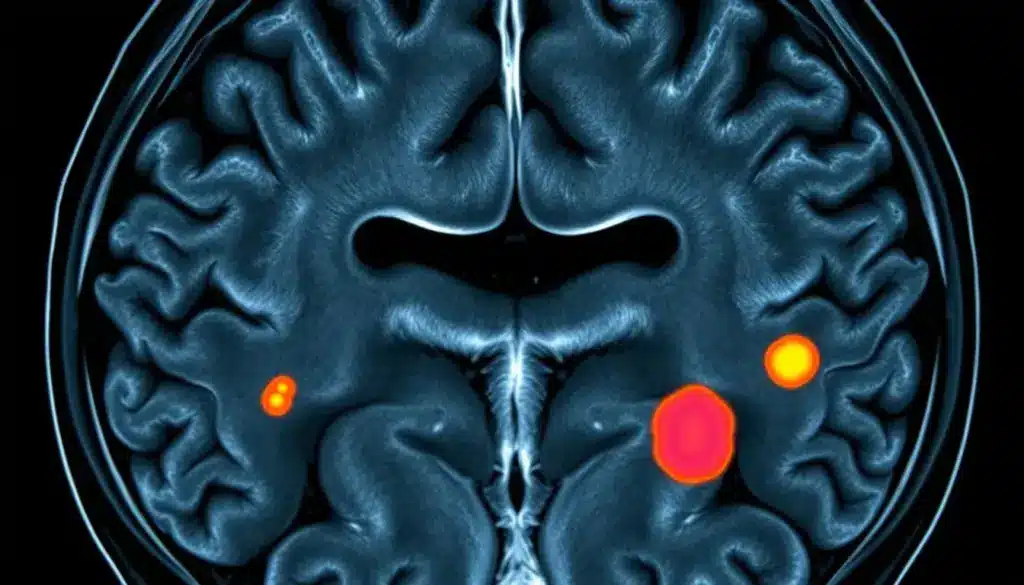
Common Types of Brain Tumors
There are many types of brain tumors, each with its own traits. Here are some common ones:
- Meningioma: These are usually benign tumors from the meninges, the brain’s protective membranes.
- Glioma: Tumors from the brain’s glial cells, ranging from low-grade to high-grade (glioblastoma).
- Acoustic Neuroma: Benign tumors on the nerve from the inner ear to the brain.
- Pituitary Adenoma: Tumors in the pituitary gland, affecting hormone production.
How Tumors Affect Brain Function
Brain tumors can impact brain function in different ways. This depends on their location, size, and type. They can cause:
- Pressure on surrounding brain tissue, leading to headaches and nausea.
- Disruption of normal brain activity, causing seizures or cognitive changes.
- Impairment of specific brain functions, like speech, vision, or motor skills, based on the tumor’s location.
It’s vital to recognize the signs and symptoms of brain tumors for early diagnosis and treatment. Knowing how tumors affect the brain helps individuals understand their diagnosis and treatment options.
The Connection Between Brain Tumors and Olfactory
To understand how brain tumors affect our sense of smell, we need to explore the brain’s smell centers. The sense of smell involves many brain areas. Problems in this system can signal neurological issues, like brain tumors.
Anatomy of the Brain’s Smell Processing Centers
The olfactory system is led by the olfactory bulb and cortex. The olfactory bulb handles smell processing in the forebrain. The olfactory cortex helps us perceive odors. Tumors in these areas can change how we smell.
How Tumors Can Disrupt Smell Pathways
Tumors can harm brain function by pressing on or growing into brain tissue. When they hit smell processing areas, they can cause smell problems. These include losing smell (anosmia), smelling things that aren’t there (phantosmia), and smelling things differently (parosmia).
Types of Brain Tumors Most Likely to Affect Smell
Some brain tumors are more likely to mess with our sense of smell because of where they are. These include:
|
Tumor Type |
Location |
Effect on Smell |
|---|---|---|
|
Olfactory groove meningioma |
Near the olfactory bulb |
Loss of smell (anosmia) |
|
Frontal lobe glioma |
Frontal lobe |
Distorted smell perception (parosmia) |
|
Temporal lobe tumor |
Temporal lobe |
Phantom smells (phantosmia) |
Knowing the type and location of a brain tumor is key to understanding its smell impact. Early diagnosis and treatment can greatly improve outcomes for those with smell problems from brain tumors.
Phantom Smells (Phantosmia) as a Warning Sign
Phantosmia is when you smell things that aren’t there. It’s a sign that might mean you have a brain tumor. People with phantosmia smell things that don’t exist. This can happen for many reasons, including brain tumors.
What Is Phantosmia?
Phantosmia is smelling things that aren’t there. You might smell something nice or something really bad. Many things can cause phantosmia, like brain tumors or sinus infections.
Having phantosmia doesn’t always mean you have a brain tumor. But, it’s a sign that you should see a doctor. The brain’s smell system is complex. Any problem with it can make you smell things that aren’t there.
Common Phantom Smells Reported by Brain Tumor Patients
People with brain tumors often smell strange things. They might smell:
- Bad smells like burning or rotting flesh
- Strong smells like chemicals or gasoline
- Smells of food that’s not there
These smells can vary based on where the tumor is and how it affects the brain. The brain’s smell areas are close to where tumors grow.
Distinguishing Tumor-Related Phantosmia from Other Causes
Phantosmia can be a sign of brain tumors, but it’s not the only reason. Figuring out why you have phantosmia needs a doctor’s help. If you have:
- Phantosmia that started suddenly
- Smells that keep coming back
- Other brain problems
A doctor will check you out. They might use tests like imaging to find out why you’re smelling things that aren’t there.
Loss of Smell (Anosmia) and Its Relationship to Brain Tumors
Loss of smell, or anosmia, is a symptom that needs attention, mainly when linked to brain tumors. It can show up in different ways and can signal health problems, like brain tumors.
Complete vs. Partial Loss of Smell
Anosmia can be either complete or partial. Complete anosmia means you can’t smell anything at all. Partial anosmia means you can smell, but not as well. Knowing the difference helps doctors figure out what’s causing it.
|
Type of Anosmia |
Description |
Potential Causes |
|---|---|---|
|
Complete Anosmia |
Total inability to perceive odors |
Brain tumors, head trauma, certain infections |
|
Partial Anosmia |
Reduced ability to smell |
Nasal obstructions, neurological conditions, aging |
Gradual vs. Sudden Onset
Anosmia can start either slowly or suddenly. Gradual anosmia might mean a condition is getting worse, like a brain tumor. On the other hand, sudden anosmia could be from something like a head injury or infection.
When Anosmia May Indicate a Tumor
Anosmia can be a sign of brain tumors, mainly if they’re in areas that affect smell. Tumors in these spots can harm the smell processing parts of the brain.
If you keep losing your smell or it doesn’t come back, see a doctor. Early treatment can make a big difference, even for brain tumors.
Distorted Smell Perception (Parosmia) in Brain Tumor Cases
Brain tumors can cause many symptoms, including parosmia. This is when smells seem different or bad. It can really change how people live, making it hard to enjoy food or smell dangers like gas leaks.
Manifestation in Brain Tumor Patients
In people with brain tumors, parosmia happens because of the tumor’s location. Tumors near smell-processing areas can mess with how we smell things. Some people might only notice small changes, while others have big problems with their sense of smell.
Common Smell Distortions Reported
Those with brain tumors often say they smell things in weird ways. They might smell something bad when it’s not there, or smell things that are not there at all. They also might have trouble telling different smells apart.
These problems can happen all the time or just sometimes. They can be very strong or not so bad.
Distinguishing Features of Tumor-Related Parosmia
Parosmia from tumors is different from other causes. It often starts suddenly and gets worse over time. It can also come with other brain problems.
Doctors need to know these signs to find brain tumors early. This helps them start the right tests and treatments.
Common Signs of Brain Tumor Beyond Smell Changes
Brain tumors can show up in many ways, not just through smell changes. It’s important to know these signs. Some symptoms might seem unrelated to the brain but can hint at a tumor’s presence.
Headaches and Their Characteristics
Headaches are a common sign of a brain tumor. These headaches can be constant and get worse over time. They often feel worse in the morning and may come with nausea and vomiting.
The type of headache can vary. But, they usually don’t go away with over-the-counter pain meds.
Vision Changes and Disturbances
Vision problems can also point to a brain tumor. You might see blurred vision, double vision, or lose some of your side vision. Some people see things that aren’t there or see flashes of light.
This happens because the tumor can put pressure on the nerves that help us see.
Balance and Coordination Issues
A growing brain tumor can mess with balance and coordination. You might find it hard to walk, feel dizzy, or unsteady. Some people struggle with coordination in their hands or legs, making simple tasks tough.
Nausea and Vomiting
Nausea and vomiting are common with brain tumors, often with headaches. These symptoms can be really bad in the morning and get worse with changes in position or activity. Sometimes, the vomiting can be so forceful it’s projectile, showing high pressure inside the skull.
Spotting these signs early is key for getting help fast. If you or someone you know is showing these symptoms, it’s vital to see a doctor to find out what’s going on.
Neurological Symptoms Associated with Brain Tumors
Brain tumors can cause many neurological symptoms. These include seizures, changes in thinking, and problems with speech and personality. The symptoms depend on the tumor’s location, size, and how fast it grows.
Seizures and Seizure-Like Episodes
Seizures are a common symptom of brain tumors. They happen when the brain’s electrical activity gets out of balance. Tumors can cause seizures by pressing on or invading areas of the brain that control electrical activity.
Types of Seizures:
- Focal seizures: Affecting only one part of the brain, these seizures can cause a variety of symptoms depending on the area affected.
- Generalized seizures: These involve both sides of the brain and can cause convulsions, loss of consciousness, or other widespread symptoms.
Cognitive and Memory Changes
Brain tumors can also cause changes in thinking and memory. These changes include trouble concentrating, memory loss, and confusion. They can happen because the tumor presses on areas of the brain or because of increased pressure inside the skull..
“The cognitive symptoms associated with brain tumors can be quite varied, reflecting the diverse locations and types of tumors that can occur.” – A Neurologist
Speech and Language Difficulties
Speech and language problems are also symptoms of brain tumors. Tumors near areas that handle language can cause trouble speaking or understanding speech. This can lead to aphasia, dysarthria, or other speech issues.
|
Symptom |
Description |
|---|---|
|
Aphasia |
Difficulty understanding or producing speech |
|
Dysarthria |
Slurred or difficult-to-understand speech due to muscle weakness |
Personality and Behavior Changes
Brain tumors can also change a person’s personality and behavior. These changes might include mood swings, irritability, or feeling less interested in things. These changes can happen because the tumor affects areas of the brain that control emotions and behavior.
Location-Specific Signs of Brain Tumor
The spot where a brain tumor grows affects the symptoms it causes. Tumors can pop up in different brain areas, each with its own job. This leads to a wide range of symptoms.
Frontal Lobe Tumor Symptoms
Tumors in the frontal lobe mess with motor function, language, and personality. People might feel weak or paralyzed on one side, struggle with speaking, or see mood swings.
- Motor deficits, such as weakness or paralysis
- Language difficulties, including speech production issues
- Personality changes, such as mood swings or apathy
Temporal Lobe Tumor Symptoms
The temporal lobe handles memory and auditory information. Tumors here can cause seizures, memory problems, and hearing or language issues.
- Seizures, which may be accompanied by auditory or olfactory hallucinations
- Memory disturbances, such as difficulty forming new memories
- Auditory disturbances, including changes in hearing or tinnitus
Parietal Lobe Tumor Symptoms
Tumors in the parietal lobe mess with sensory processing and spatial awareness. Patients might feel numb or tingly, struggle with spatial tasks, or have math problems.
|
Symptom |
Description |
|---|---|
|
Sensory disturbances |
Numbness, tingling, or altered sensations |
|
Spatial awareness issues |
Difficulty navigating spaces or understanding spatial relationships |
|
Calculation difficulties |
Challenges with mathematical calculations or problem-solving |
Occipital Lobe and Cerebellum Tumor Symptoms
The occipital lobe deals with visual processing, while the cerebellum handles motor movements and balance. Tumors here can cause vision problems or coordination issues.
- Visual disturbances, including blindness or visual field defects
- Coordination and balance issues, such as ataxia or difficulty walking
- Speech difficulties, including dysarthria or slurred speech
How Do You Know If You Have a Brain Tumor? Early Warning Signs
Spotting brain tumors early is all about noticing the early signs. These signs can be subtle and easy to miss. It’s important to know what to look for.
Subtle Early Symptoms Often Overlooked
Early signs of brain tumors can be tricky to spot. They might seem like other, less serious issues. For example, persistent headaches that get worse in the morning or with nausea and vomiting are a red flag. Other signs include:
- Fatigue or feeling unwell
- Difficulty focusing or remembering things
- Mood swings, like depression or anxiety
- Seizures, even if you’ve never had them before
Experts say, “Spotting the pattern of symptoms early is key. Seek medical help if they don’t go away or get worse.”
“The sooner we find and treat brain tumors, the better the patient’s chances of recovery.”
Symptom Patterns That Raise Concern
Some symptom combinations suggest a brain tumor might be present. For instance, headaches, vision problems, and balance issues need a closer look. Here’s a table of common symptom patterns:
|
Symptom Pattern |
Possible Indication |
|---|---|
|
Persistent headaches with nausea |
Increased intracranial pressure |
|
Vision changes (double vision, blurred vision) |
Tumor affecting optic pathways |
|
Balance and coordination issues |
Tumor affecting cerebellum or brainstem |
Differentiating Between Common Ailments and Tumor Symptoms
Telling apart common issues from brain tumor symptoms can be hard. But, if symptoms don’t go away, get worse, or cause other problems, it might be serious. Always see a doctor if you notice unusual or lasting symptoms.
Knowing the early signs and symptom patterns helps. This way, people can get help fast. It could make a big difference for those with brain tumors.
When to Seek Medical Attention for Unusual Smell Perceptions
It’s important to know when to see a doctor for strange smells. These smells can mean different health problems. Knowing what they mean is key.
Red Flags That Warrant Immediate Medical Evaluation
Some symptoms need quick medical help. These include:
- Persistent or recurring smells that are unusual or unexplained
- Sudden loss of smell (anosmia) or distorted smell perception (parosmia)
- Severe headaches or migraines
- Vision changes or disturbances
- Seizures or seizure-like episodes
If you notice these signs, get medical help fast. Doctors say early detection is very important.
“The presence of unusual smell perceptions, specially when combined with other neurological symptoms, should prompt a thorough medical evaluation to rule out serious conditions like brain tumors.”
What to Tell Your Doctor About Your Symptoms
Tell your doctor all about your symptoms. Be ready to talk about:
- The nature of the smell perceptions (e.g., type, frequency, duration)
- Any other symptoms you’re experiencing
- Your medical history, including any previous neurological conditions
- Any medications or supplements you’re currently taking
Sharing all this info helps your doctor make a correct diagnosis.
Preparing for Your Medical Appointment
Get ready for your doctor’s visit by:
- Making a list of your symptoms and when they happen
- Bringing any relevant medical records or test results
- Writing down questions or concerns you have
- Sharing information about your family’s health history
Being ready ensures a good conversation with your doctor.
Diagnostic Process for Suspected Brain Tumors
The process to find out if you have a brain tumor is detailed. It includes checking your brain with special tests and doing a thorough check-up. If you notice strange smells or other signs, doctors will start looking for a tumor.
Initial Evaluation and Neurological Examination
First, doctors do a detailed check of your brain. They look at how well you think, move, feel, and balance. This helps find any signs of a tumor.
Key parts of the check-up are:
- Checking how well you think
- Looking at your nerves
- Testing your muscles and senses
- Assessing your balance and coordination
Imaging Tests: MRI, CT Scans, and PET Scans
Imaging tests are key in finding brain tumors. They show detailed pictures of your brain. This helps doctors see the tumor’s size, where it is, and what it looks like.
Magnetic Resonance Imaging (MRI) is often the best choice. It’s very good at showing soft tissues in the brain. MRI can tell different types of tumors apart.
Other tests used are:
- Computed Tomography (CT) scans, which are fast and useful in emergencies
- Positron Emission Tomography (PET) scans, which show how active the tumor is
Biopsy and Other Confirmatory Tests
Often, a biopsy is needed to confirm a brain tumor. This means taking a piece of the tumor and checking it under a microscope. It helps find out what kind of tumor it is and how serious it is.
“The diagnosis of brain tumors relies heavily on the integration of clinical findings, imaging studies, and histopathological examination.” –
A leading neurosurgeon
Specialized Tests for Olfactory Function
If you have trouble smelling, like smelling things that aren’t there, special tests can help. These tests check how well you smell and if it’s related to a tumor.
Finding out if you have a brain tumor is a team effort. Doctors use many tests and work together. This way, they can find and understand the tumor, helping plan the best treatment.
Other Conditions That Can Cause Smell Abnormalities
Many conditions, not just brain tumors, can mess with our sense of smell. These include loss of smell (anosmia), smells that don’t match what they should (parosmia), and smells that aren’t there (phantosmia). Knowing about these can help doctors figure out what’s wrong.
Sinus and Nasal Conditions
Sinus and nasal problems are big reasons for smell issues. These include:
- Chronic sinusitis
- Nasal polyps
- Upper respiratory infections
- Allergic rhinitis
These issues can block the nose or hurt the smell-making parts. Fixing the problem often fixes the smell issues too.
Neurological Disorders Beside Tumors
Other brain problems can mess with our smell, like:
- Parkinson’s disease
- Alzheimer’s disease
- Multiple sclerosis
These can damage the smell paths or brain smell centers. Getting a diagnosis early is key.
|
Neurological Disorder |
Smell-Related Symptoms |
|---|---|
|
Parkinson’s disease |
Reduced sense of smell, often before other symptoms |
|
Alzheimer’s disease |
Hard to identify or smell odors |
|
Multiple sclerosis |
Smell can be off or missing |
COVID-19 and Smell Dysfunction
COVID-19 often leads to smell problems, like not being able to smell or smells that don’t make sense. Scientists are trying to figure out why. It might hurt the smell-making parts or the brain’s smell center.
Medication Side Effects
Some medicines can mess with our smell. These include:
- Antibiotics
- Antidepressants
- Antihypertensive drugs
If you’re on meds and can’t smell right, talk to your doctor. They might have other options.
Treatment Approaches for Brain Tumors
Brain tumor treatment is complex and varies by tumor type and location. Each plan is customized for the patient, considering the tumor’s size, growth rate, and the patient’s health.
Surgical Interventions
Surgery is often the first step for many brain tumors. The goal is to remove as much of the tumor as possible while keeping the brain safe. New techniques like intraoperative MRI and awake craniotomy have made surgery safer and more precise.
Key considerations for surgical interventions include:
- Tumor location and accessibility
- Tumor size and relation to surrounding structures
- Patient’s overall health and possible risks
Radiation Therapy Options
Radiation therapy is a key part of brain tumor treatment, often paired with surgery or chemotherapy. There are different types, like external beam radiation therapy (EBRT), stereotactic radiosurgery (SRS), and brachytherapy.
The choice of radiation therapy depends on:
- Type and grade of the tumor
- Tumor location and size
- Patient’s age and health status
Chemotherapy and Targeted Treatments
Chemotherapy and targeted therapies are becoming more common in treating brain tumors. These treatments can be given orally or through an IV. They aim to kill tumor cells or slow their growth.
Key aspects of chemotherapy and targeted treatments include:
- Drug selection based on tumor type and genetic characteristics
- Potential side effects and management strategies
- Ongoing research into new and more effective agents
Recovery of Smell Function After Treatment
The effect of brain tumor treatment on smell can vary. Some may notice changes in their sense of smell during or after treatment. Others might see an improvement as the tumor is treated.
Factors influencing the recovery of smell function include:
- Location of the tumor and its impact on olfactory pathways
- Type and extent of treatment received
- Individual patient factors and overall health
Conclusion: Understanding the Significance of Smell Changes in Brain Health
Changes in smell can be a key sign of brain health issues, possibly pointing to a brain tumor. We’ve looked into how brain tumors affect our sense of smell. This includes different types of smell problems linked to these tumors.
Smell changes can be an early sign of brain tumors. Knowing the signs like phantosmia, anosmia, and parosmia is important. It helps get medical help and a correct diagnosis sooner.
It’s vital to understand how smell changes relate to brain health. This knowledge helps both patients and doctors. By recognizing these changes, people can get medical help quickly. This could lead to better treatment for those with brain tumors.
FAQ
What are the common symptoms of a brain tumor?
Symptoms include headaches and vision changes. You might also have balance issues and feel nauseous or vomit. Seizures, memory problems, and speech issues are common too. Personality changes and smell disturbances like phantosmia and anosmia can happen.
How do brain tumors affect the sense of smell?
Tumors can mess with smell pathways in the brain. This can lead to phantom smells, losing your sense of smell, or smelling things differently than they are.
What types of brain tumors are most likely to affect smell?
Tumors in areas like the frontal, temporal, or olfactory bulb can affect smell. These areas are key for processing smells.
Can a brain tumor cause a sudden loss of smell?
Yes, a tumor can damage smell pathways and cause sudden loss of smell. But, other things like COVID-19 or sinus infections can also cause it.
How is a brain tumor diagnosed?
Doctors use a neurological exam and imaging like MRI and CT scans. Sometimes, a biopsy is needed to confirm the tumor. Tests for smell function might also be done.
What are the treatment options for brain tumors?
Treatments include surgery, radiation, chemotherapy, and targeted treatments. The best option depends on the tumor’s type, size, and location.
Can smell function recover after brain tumor treatment?
Some people can regain their sense of smell after treatment. It depends on the damage and how well the treatment works. Results vary.
What are the red flags that warrant immediate medical evaluation for smell disturbances?
Look out for sudden or severe smell changes. If you have headaches, vision issues, or seizures with smell problems, seek help right away.
How can I prepare for a medical appointment for smell-related symptoms?
Keep a detailed record of your symptoms. Note when they started and any changes. Be ready to talk about your medical history and other symptoms you’re experiencing.
Are there other conditions that can cause smell abnormalities beside brain tumors?
Yes, sinus infections, neurological disorders, COVID-19, and some medications can affect smell. A full medical check-up is needed to find the cause.
National Center for Biotechnology Information. Evidence-Based Medical Insight. Retrieved from https://pmc.ncbi.nlm.nih.gov/articles/PMC11959957/



 Departments
 Related Videos
 Our Doctors
 News
News