
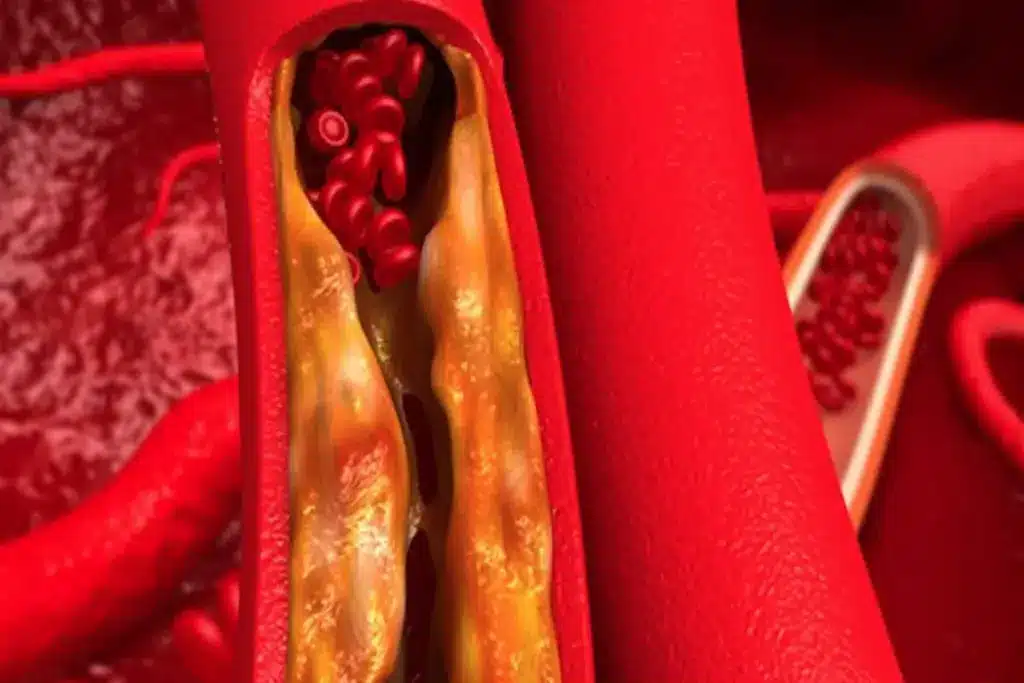
Heart disease, frequently linked to clogged arteries, stands as the leading cause of death worldwide, highlighting the need for awareness about heart health. It accounts for over 17.9 million deaths each year. This shows how vital it is to understand the risks to our heart health and what we can do to prevent them.
Clogged arteries, or atherosclerosis, happen when plaque builds up in the arteries. This can lead to heart disease. We can help prevent and manage this condition with natural remedies and by making lifestyle changes.
Fighting signs of clogged arteries? Discover best safe drinks. While not a magic cure, hydration is vital for amazing circulation and health.
Key Takeaways
- Understanding the risks associated with clogged arteries is key for heart health.
- Natural remedies can help prevent and manage clogged arteries.
- Lifestyle changes, like diet and exercise, are important for heart health.
- Early detection and treatment can greatly improve outcomes for those with clogged arteries.
- A complete approach to heart health includes both medical treatment and natural remedies.
Understanding Clogged Arteries
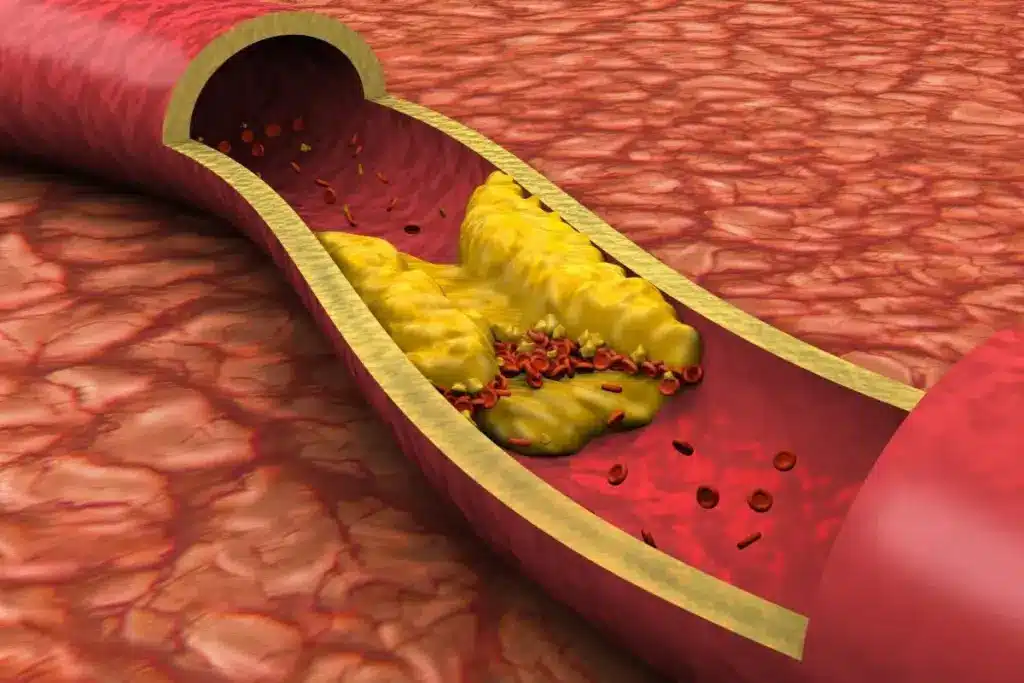
It’s important to know why arteries get clogged to keep our hearts healthy. Arteries get narrowed or blocked by a buildup of plaque. This buildup includes fat, cholesterol, and other substances. If not treated, it can cause heart disease, heart attacks, and strokes.
What Causes Clogged Arteries?
Many things can lead to clogged arteries. High cholesterol levels are a big factor because they can cause plaque. Also, hypertension, or high blood pressure, can damage blood vessel linings, making them more likely to block.
A study found that high LDL cholesterol increases the risk of clogged arteries. It stressed the need to control cholesterol through diet, exercise, and sometimes medicine.
The Role of Cholesterol
Cholesterol is a fat in our blood that’s important for making hormones and vitamin D. But too much LDL cholesterol is bad. Keeping cholesterol levels healthy is essential to prevent artery plaque buildup.
- Eating less saturated fats and more fiber can help manage cholesterol.
- Regular exercise can increase HDL, or “good” cholesterol.
- Not smoking and drinking less alcohol also helps keep cholesterol healthy.
|
Cholesterol Type |
Impact on Heart Health |
Healthy Levels |
|---|---|---|
|
LDL (Bad) Cholesterol |
High levels can lead to plaque buildup. |
Less than 100 mg/dL |
|
HDL (Good) Cholesterol |
High levels can help remove plaque. |
60 mg/dL or higher |
|
Total Cholesterol |
A combination of LDL and HDL. |
Less than 200 mg/dL |
The Impact of Lifestyle Choices
Our lifestyle choices greatly affect our risk of clogged arteries. A sedentary lifestyle and a diet high in saturated fats and cholesterol can increase this risk. On the other hand, regular physical activity and a balanced diet rich in fruits, vegetables, and whole grains can lower it.
The CDC says at least 150 minutes of moderate-intensity aerobic activity or 75 minutes of vigorous-intensity aerobic activity per week can greatly improve heart health.
By understanding the causes of clogged arteries and making smart lifestyle choices, we can take steps to keep our hearts healthy and reduce the risk of heart disease.
Recognizing the Signs of Clogged Arteries
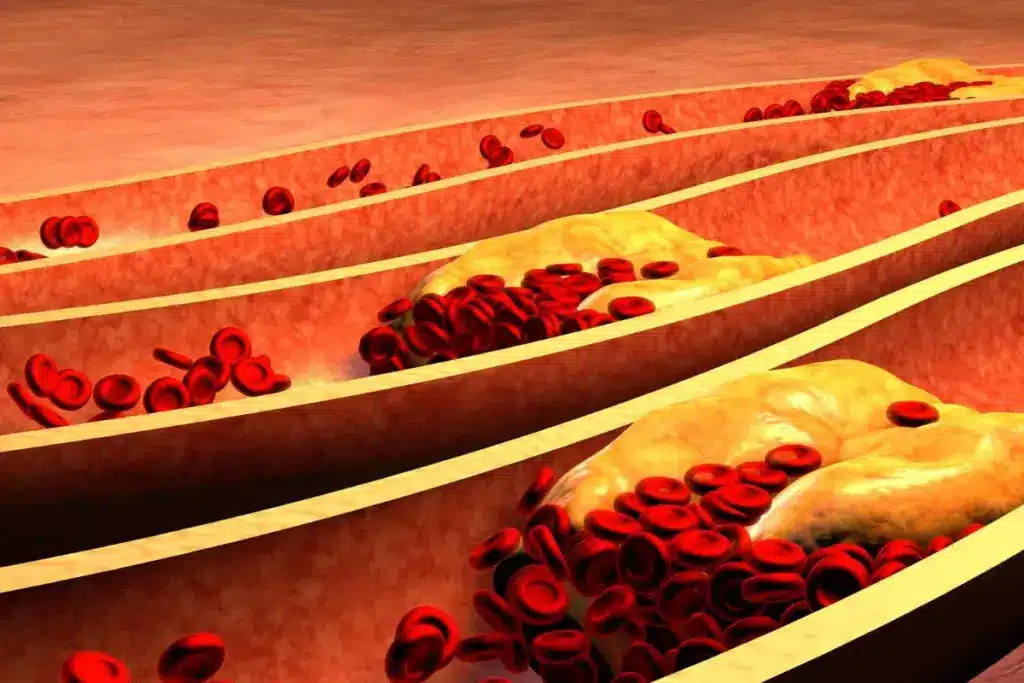
Knowing the symptoms of clogged arteries is vital for quick medical help. If not treated, clogged arteries can cause heart attacks and strokes. We will look at common symptoms and when to see a doctor.
Common Symptoms to Look For
The signs of clogged arteries can differ, but some are common:
- Chest Pain (Angina): A feeling of tightness in the chest that may spread to the arms, back, neck, jaw, or stomach.
- Shortness of Breath: Feeling like you can’t breathe or are winded even when sitting or lying down.
- Pain or Weakness in the Legs or Arms: Feeling pain or weakness in your limbs, mainly when you’re active, due to less blood flow.
- Fatigue: Feeling very tired or weak without a clear reason.
- Palpitations: Having irregular heartbeats or palpitations, often after eating, exercising, or feeling stressed.
These symptoms suggest reduced blood flow due to clogged arteries. It’s important to watch for these signs and see a doctor if they don’t go away or get worse.
When to Seek Medical Attention
If you notice any of these, get medical help right away:
- Severe Chest Pain: If the chest pain is very bad, lasts a long time, or comes with dizziness or nausea.
- Symptoms of a Heart Attack: If you have cold sweats, feel lightheaded, or have pain that spreads down your arm, call for emergency care.
- Unexplained Shortness of Breath: Sudden trouble breathing without a clear reason.
Spotting these signs early and getting medical help fast can greatly improve your health. Always keep an eye on your heart health and talk to doctors if you’re worried about your symptoms.
Risk Factors for Developing Clogged Arteries
Many factors can raise your risk of clogged arteries. Knowing them is the first step to a healthier heart. We’ll dive into these risk factors to help you lower them.
Age and Gender Considerations
Age is a big risk factor for clogged arteries. As we get older, our heart disease risk grows. Men face heart disease risks earlier than women, but women’s risk goes up after menopause. Knowing these risks helps both you and your doctor prevent problems.
Family History and Genetics
Having a family history of heart disease is another key risk. If your family members had heart disease young, you might too. Genetics can affect how your body handles cholesterol, raising your artery clog risk. Knowing your family history can lead to early screenings and prevention.
Lifestyle Factors: Diet and Exercise
Your lifestyle choices greatly impact artery clog risk. Eating too much saturated fat, trans fat, and cholesterol is bad. Not exercising enough also raises your risk. Eating heart-healthy foods and staying active can lower your risk. Adding these habits to your daily life can greatly reduce your risk.
Understanding these risk factors helps you make better lifestyle and health choices. This can lower your chance of clogged arteries.
The Importance of Heart Health
Heart health is key to living a long and healthy life. It’s not just about avoiding heart disease. It’s about enjoying life to the fullest.
Why Heart Health Matters
Heart health affects our lives in many ways. A healthy heart gives us the energy for daily activities. This includes playing with kids, working, or enjoying hobbies.
Keeping our heart healthy improves our quality of life. It also lowers the risk of heart-related illnesses. This is important for people of all ages.
Statistics on Heart Disease
Heart disease is a big health problem worldwide. It’s a leading cause of death globally. In the U.S., someone dies from heart disease every 36 seconds.
Some important statistics include:
- Heart disease causes over 17.9 million deaths each year worldwide.
- In the U.S., heart disease is behind about 1 in 4 deaths.
These numbers show how vital heart health is. We need to take steps to prevent heart disease.
Knowing the risks and taking action can help us keep our hearts healthy. This means eating right, staying active, and managing stress.
Natural Remedies for Heart Health
Working towards a healthier heart means using natural remedies. We can do this by eating certain foods, staying hydrated, and drinking herbal teas. These steps help our heart stay in top shape.
Foods to Include in Your Diet
Eating foods rich in nutrients is key for heart health. Foods high in omega-3 fatty acids, like salmon and sardines, fight inflammation and boost heart health. Berries and leafy greens, full of antioxidants, also protect against heart disease.
We should eat fiber-rich foods like oats, barley, and fruits. They help lower cholesterol and improve heart health. Adding these to our meals is tasty and good for us.
Benefits of Hydration
Drinking enough water is vital for heart health. Adequate hydration keeps our blood vessels flexible and blood flowing well. We should drink lots of water every day.
Hydration also helps keep blood pressure healthy. Even a little dehydration can raise blood pressure, which is hard on the heart.
Herbal Teas for Heart Support
Some herbal teas are great for the heart. Hibiscus tea can lower blood pressure, and green tea is full of antioxidants that fight heart disease.
Drinking these teas is a calming way to support heart health. We can have them hot or cold, with or without sugar. They’re easy to fit into our daily lives.
Drinks That May Help Clear Blockages
Some drinks can help keep your heart healthy and clear blockages in arteries. Adding these drinks to your daily routine can be a simple way to improve your heart health.
Water: The Essential Drink
Drinking enough water is key for heart health. Water helps blood flow well and keeps artery walls healthy. It also helps prevent blood clots that can cause blockages.
Experts say to drink 8-10 glasses of water a day. But, how much you need can depend on your climate, how active you are, and your health.
Green Tea: A Heart-Friendly Choice
Green tea is full of antioxidants called catechins. These may lower heart disease risk. Green tea’s antioxidants can also lower cholesterol and stop artery plaques.
Research shows green tea can improve heart health. Drinking 2-3 cups a day is best for its benefits.
Pomegranate Juice and Its Benefits
Pomegranate juice is good for your heart. It’s packed with antioxidants that reduce inflammation and improve blood flow.
Drinking pomegranate juice can lower heart disease risk. It does this by lowering blood pressure and cholesterol. But, make sure to choose 100% juice without added sugars.
|
Drink |
Heart Health Benefits |
|---|---|
|
Water |
Maintains blood circulation, prevents blood clots |
|
Green Tea |
Lowers cholesterol, prevents plaque formation |
|
Pomegranate Juice |
Reduces inflammation, improves blood flow |
Adding these drinks to your daily routine can help keep your heart healthy. A balanced diet, regular exercise, and the right drinks are all important for heart health.
Foods to Avoid for Healthy Arteries
To prevent clogged arteries, it’s important to know which foods to limit or avoid. Making smart food choices can greatly lower heart disease risk and keep our heart health in check.
Trans Fats and Processed Foods
Trans fats in processed and fried foods raise “bad” cholesterol levels, clogging arteries. Processed foods are also high in unhealthy fats, salt, and sugar. Always check food labels to steer clear of trans fats.
- Limit baked goods like cakes and cookies made with partially hydrogenated oils.
- Avoid fried foods and snacks with high trans fats.
- Watch out for processed meats and ready-to-eat meals with hidden trans fats.
Excessive Sugar and Salt
Too much sugar and salt harm heart health. High sugar intake can cause insulin resistance and high triglycerides. Excessive salt can lead to high blood pressure, a heart disease risk factor. Cut down on sugary drinks and foods with added sugars, and use less salt in cooking.
- Choose unsweetened beverages and limit desserts.
- Use herbs and spices for flavor instead of salt.
- Watch the sodium in canned goods and processed foods.
Red Meat and Saturated Fats
Not all red meat is bad, but too much, and processed meat in particular, raises heart disease risk. Choose lean cuts and mix up your protein sources to reduce this risk. Also, limit saturated fats in full-fat dairy and certain oils.
- Go for lean meats and trim visible fat.
- Vary your protein with poultry, fish, and plant-based options.
- Opt for lower-fat dairy and watch your portion sizes.
Knowing these dietary factors and making smart choices can help keep our arteries healthy and lower heart disease risk.
Lifestyle Changes to Prevent Clogged Arteries
To prevent clogged arteries, we need to make several lifestyle changes. These changes include healthy habits and changing certain behaviors. They help lower the risk of heart disease.
Importance of Regular Exercise
Regular exercise is key for heart health. It boosts circulation, lowers blood pressure, and improves heart function. Aim for 150 minutes of moderate exercise, 75 minutes of vigorous exercise, or a mix of both each week.
- Improved cardiovascular health: Exercise makes the heart stronger and better at moving oxygen and nutrients.
- Weight management: It helps keep a healthy weight, reducing the risk of obesity-related heart disease.
- Enhanced mental health: Exercise can also lower stress and anxiety, improving overall well-being.
Managing Stress Levels
Chronic stress is bad for the heart, leading to high blood pressure and other heart problems. It’s important to manage stress well to prevent clogged arteries.
Good stress management includes:
- Meditation and mindfulness exercises
- Yoga and other relaxation techniques
- Deep breathing exercises
- Doing things that bring joy and relaxation
By managing stress, we can lower heart disease risk and live better lives.
Quitting Smoking
Smoking is a big risk for heart disease. It damages artery linings, raises blood pressure, and cuts blood flow to the heart. Quitting is a key change to prevent clogged arteries.
There are many ways to quit smoking:
- Nicotine replacement therapy (gum, patches, lozenges)
- Prescription medications (e.g., bupropion, varenicline)
- Counseling and support groups
- Mobile apps and online resources
Quitting smoking greatly reduces heart disease risk and improves health.
In summary, making lifestyle changes for heart health is essential to prevent clogged arteries. By doing regular exercise, managing stress, and quitting smoking, we can actively prevent heart disease.
Monitoring Your Heart Health
Keeping an eye on your heart health is key. It involves regular check-ups and making smart lifestyle choices. By tracking important health signs, we can lower the risk of heart disease. Let’s talk about why regular visits to the doctor are important and what health metrics to watch.
Regular Check-Ups and Screenings
Regular visits to the doctor are essential for heart health. These visits help doctors check your blood pressure and cholesterol levels. Catching problems early can lead to better health outcomes.
Understanding Blood Pressure and Cholesterol Levels
Blood pressure and cholesterol levels are key to heart health. High blood pressure can cause heart disease. High cholesterol can lead to artery blockages. It’s important to know these numbers and manage them through diet and exercise, or medication if needed.
|
Category |
Blood Pressure (mmHg) |
Cholesterol Level (mg/dL) |
|---|---|---|
|
Normal |
Less than 120/80 |
Less than 200 |
|
Pre-Hypertension |
120-139/80-89 |
200-239 |
|
High |
140 or higher/90 or higher |
240 or higher |
By regularly checking in with your doctor and keeping an eye on your blood pressure and cholesterol, you can prevent heart disease.
Conclusion: Emphasizing Heart Health
Keeping our hearts healthy is key to feeling good overall. By knowing the signs of clogged arteries and using natural remedies, we can lower heart disease risk.
Key Takeaways for Heart Health
We talked about the need for a balanced diet, exercise, and managing stress to avoid heart disease. Foods full of nutrients like omega-3s, antioxidants, and fiber help keep our arteries open.
Adopting a Heart-Healthy Lifestyle
Making smart choices and sticking to our heart health goals can lead to a longer, healthier life. Regular health checks and screenings help us track our progress and catch problems early.
As we wrap up our heart health talk, we urge you to start a heart-healthy lifestyle. Focus on preventing heart disease and add heart health tips to your daily life. This way, you’ll have a positive and lasting heart health conclusion.
FAQ
What are the signs of clogged arteries?
Signs include chest pain and shortness of breath. You might also feel tired or have pain in your legs or arms. Catching these symptoms early is key.
How can I naturally support heart health?
Eat heart-healthy foods and drink plenty of water. Herbal teas can also help. Exercise and managing stress are important too.
What foods should I avoid to prevent clogged arteries?
Avoid trans fats and processed foods. Limit sugar, salt, and red meat with lots of saturated fats. These choices are better for your heart.
Can certain drinks help clear blockages?
Yes, drinking water and green tea can help. Pomegranate juice is also good for your heart.
How often should I monitor my heart health?
Get regular check-ups and screenings. Knowing your blood pressure and cholesterol is key to staying healthy.
What lifestyle changes can help prevent clogged arteries?
Regular exercise and managing stress are key. Quitting smoking is also important for your heart.
Are there any natural remedies that can help manage heart palpitations after eating?
Yes, avoid caffeine, sugar, and alcohol. Staying hydrated can also help manage palpitations.
Can diet affect heart rate?
Yes, diet can change your heart rate. Foods high in fats, sugar, and salt can increase it. A balanced diet supports heart health.
How does stress impact heart health?
Stress can raise blood pressure and heart rate. Activities like meditation or yoga can help reduce this risk.
What is the role of cholesterol in clogged arteries?
High cholesterol can lead to clogged arteries. Keeping cholesterol levels healthy through diet and exercise is vital.
Can quitting smoking improve heart health?
Yes, quitting smoking greatly improves heart health. It lowers the risk of heart disease and boosts cardiovascular function.
Reference
World Health Organization. Evidence-Based Medical Insight. Retrieved from https://www.who.int/news-room/fact-sheets/detail/cardiovascular-diseases-(cvds)



 Departments
 Related Videos
 Our Doctors
 News
News