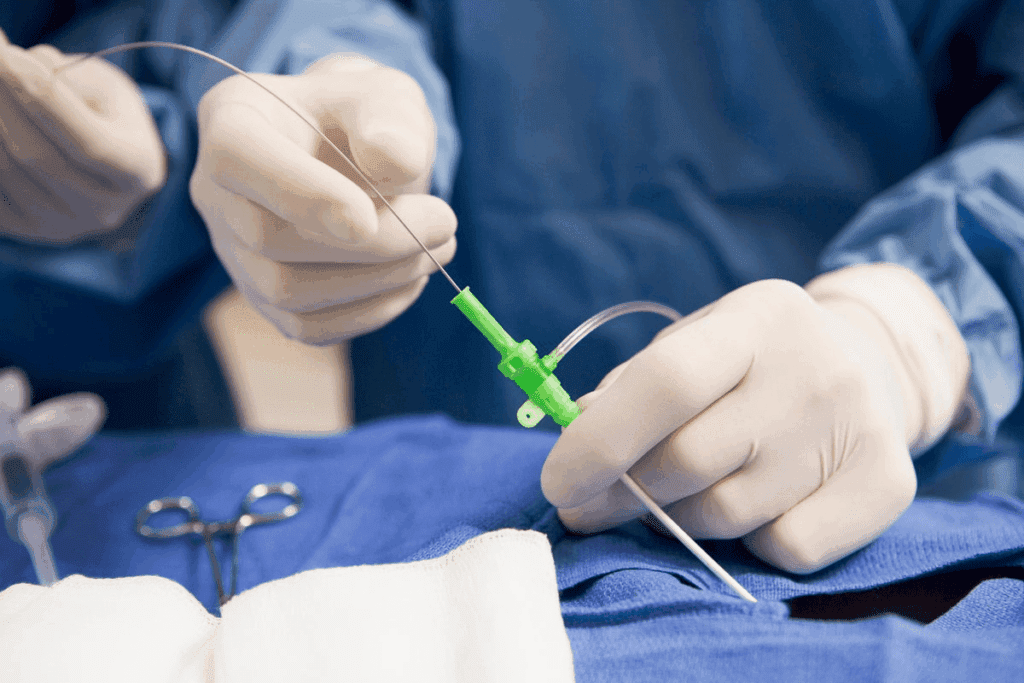
Did you know that over 25 million adults in the United States are affected by gallstones? This is a huge number that shows how important it is to know the early signs of gallstones. Our gallbladder health is key to our overall health. Problems with it can cause a lot of abdominal pain. Discover the surprising signs of gallstones. Learn the #1 critical symptom in your back or shoulder you should never ignore.
Gallstones are solid deposits that develop in the gallbladder. If not treated quickly, they can cause serious problems. Knowing the risk factors and early signs is key for getting help fast. At our place, we offer full care and support for those with gallstone issues.
Key Takeaways
- Understanding the early signs of gallstones is key for getting help fast.
- Gallbladder health is vital for our overall well-being.
- Knowing the risk factors can help prevent big problems.
- Severe abdominal pain is a common symptom of gallstones.
- We offer full care for those dealing with gallstone issues.
Understanding Gallstones and Their Causes
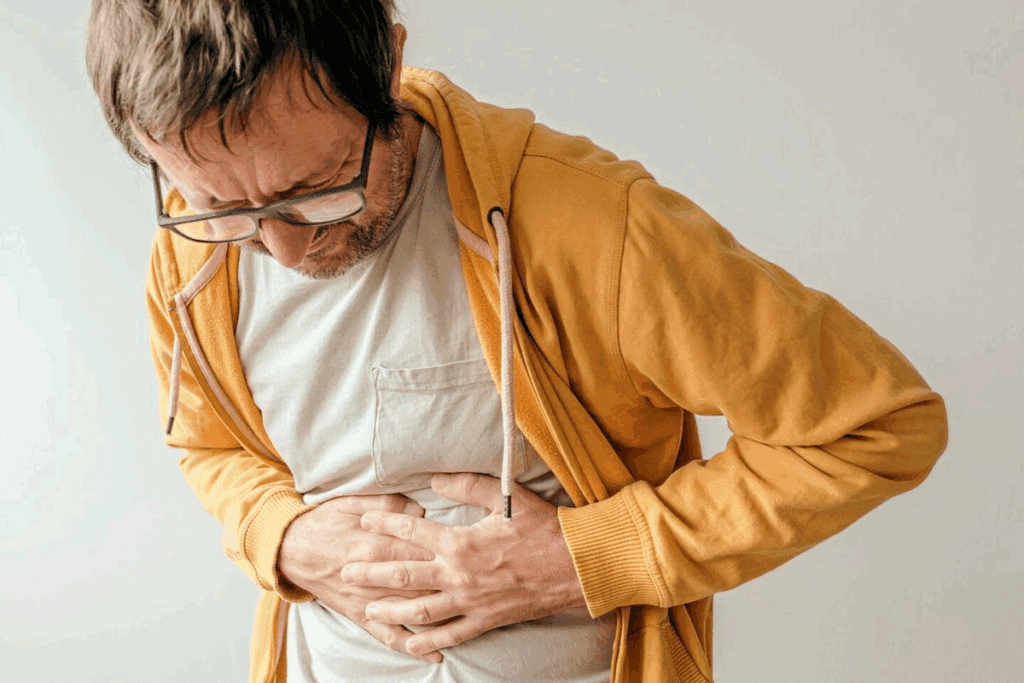
To understand gallstones, we need to know their types, risk factors, and how they form. Gallstones are hard, small deposits in the gallbladder, an organ under the liver. The gallbladder helps with digestion and problems with it can cause health issues.
Types of Gallstones
Gallstones are mainly three types: cholesterol stones, pigment stones, and mixed stones. Cholesterol stones are yellowish-green and mostly made of cholesterol. They are the most common. Pigment stones are smaller and darker, made of bilirubin. Mixed stones are a mix of cholesterol and pigment.
Risk Factors for Developing Gallstones
Several factors can increase the risk of gallstones. Dietary factors like a high-fat, low-fiber diet can lead to stone formation. Other risks include obesity, age (over 40), gender (female), and family history of gallstones. Medical conditions like diabetes and certain medications also raise the risk.
Gallstones are solid deposits that develop in the gallbladder.
Gallstones develop when the composition of bile becomes imbalanced. Bile is made of cholesterol, bilirubin, and bile salts. Too much cholesterol or bilirubin and not enough bile salts can cause stones. This imbalance can come from diet, obesity, and medical conditions. Understanding how gallstones develop is essential for prevention.
Initial Symptoms of Gallstones
Spotting the early signs of gallstones is key to getting help quickly. Many people don’t know the first signs, which can be really tough. Common symptoms include stomach pain, feeling sick, and throwing up.
Abdominal Pain Characteristics
Stomach pain is a big sign for those with gallstones. The pain usually hits in the upper right side and might spread to the right shoulder or back. . We characterize this pain as follows Page
- Location: Upper right abdomen
- Radiation: To the right shoulder or back
- Trigger: Often occurs after Page meals
- Severity: Can range from mild to severe
Nausea and Vomiting
Nausea and vomiting are also common signs of gallstones. These happen when the gallbladder gets blocked. The severity of nausea and Page can vary, but we Page Page patients should seek medical attention if these symptoms persist.
Page Page
Symptom | Description | Severity |
Nausea | Feeling of queasiness | Mild to Moderate Page |
Vomiting | Forcible expulsion of stomach contents | Moderate to Severe |
Other Early Indicators
Besides stomach pain, feeling sick, and throwing up, there are other early signs of gallstones. These include:
- Indigestion and bloating
- Fatigue and general mala Page
- Fever in cases of infection
- Page
- We stress how important it is to catch these symptoms early to avoid bigger problems.
Recognizing Biliary Colic
Biliary colic is often caused by eating fatty meals and is a sign of gallstones. We’ll help you understand what it is and how to spot its symptoms.
Understanding Biliary Colic
Biliary colic is a pain in the belly caused by a gallstone blocking the cystic duct. This duct connects the gallbladder to the common bile duct. The blockage causes sharp pain in the upper right part of the belly.
The pain from biliary colic can be very strong. It might feel like a sharp, cramping, or gripping feeling. It’s different from other belly pains because it often happens after eating fatty or greasy foods.
Identifying Biliary Colic Symptoms
To spot biliary colic symptoms, watch for these signs:
- Severe pain in the upper right belly that might spread to the right shoulder or back
- Pain that gets worse or starts after eating fatty meals
- Pain that comes and goes, lasting from a few minutes to hours
- Nausea or vomiting along with the pain
While biliary colic is a big symptom, it’s usually not life-threatening by itself. But, if the pain is very bad or doesn’t go away, or if you have fever, jaundice, or severe vomiting, get medical help right away.
Symptom | Description |
Abdominal Pain | Severe pain in the upper right abdomen |
Trigger Factors | Fatty or greasy meals |
Associated Symptoms | Nausea, vomiting |
“Understanding the triggers and symptoms of biliary colic can help individuals seek timely medical care, potentially preventing complications related to gallstones.”
— Medical Expert
When to Seek Medical Attention
Knowing when to get medical help for gallstones is key. Dealing with gallstone symptoms can be tough. It’s important to put your health first.
Severe Pain Episodes Page
Page
- Intensity and Duration: If you have sudden, severe abdominal pain that lasts more than a few minutes or keeps coming back, get medical help.
- Associated Symptoms: Pain with nausea, vomiting, fever, or jaundice might mean a serious problem.
Signs of Complications
Some symptoms can mean serious problems like cholecystitis or pancreatitis. Watch for these signs:
- Fever and Chills: A high fever and feeling cold could mean an infection.
- Jaundice: Yellow skin and eyes show a bile duct blockage.
- Severe Nausea and Vomiting: Constant vomiting can cause dehydration and imbalance of electrolytes.
Page Page
If you or someone you know has these symptoms, getting medical help fast is critical. Our healthcare team is dedicated to providing top-notch care and support during your treatment.
Diagnostic Methods for Gallstones
Diagnosing gallstones involves several steps. These include imaging tests and medical evaluations. Accurate diagnosis is key to choosing the right treatment.
We use different methods to find gallstones. Each method has its own benefits. The choice depends on the patient’s condition and medical history.
Ultrasound Imaging
Ultrasound is the top choice for finding gallstones. It’s safe and doesn’t use radiation. It uses sound waves to show the gallbladder’s images.
Ultrasound is great because it’s safe and shows images in real-time. It’s often the first test for suspected gallstones.
CT Scans and Other Tests
At times, more tests are needed to confirm the diagnosis or check for complications. CT scans give detailed images of the abdomen. They help spot gallstones and any related problems.
Other tests like endoscopic ultrasound (EUS) and magnetic resonance cholangiopancreatography (MRCP) might be used too. They provide detailed views of the gallbladder and bile ducts. This helps in planning the treatment.
Our medical team will help guide patients through the diagnosis. They explain each test’s purpose and what to expect. This makes sure patients are informed and comfortable during their tests.
Treating Gallstones: Options Available
Gallstone treatment options range from simple lifestyle changes to more invasive surgeries. The right treatment depends on symptoms, gallstone size and number, and overall health.
Lifestyle and Home Remedies
For mild symptoms, simple changes and home remedies can help. These include:
- Dietary adjustments to avoid triggering foods
- Increasing physical activity
- Maintaining a healthy weight
- Avoiding fasting or rapid weight loss
Natural remedies can also offer relief. But, always talk to a healthcare provider before trying them.
Medical Treatments
For more severe cases, medical treatments are available. These include:
- Ursodeoxycholic acid (UDCA): A medication for dissolving small to medium-sized cholesterol gallstones.
- Pain management: Medications to help with pain from gallstones.
Medical treatments can be effective but may not work for everyone. The risk of gallstones coming back is a concern.
Surgical Interventions
Surgery is often needed for severe or recurring symptoms. The most common surgery is a cholecystectomy, removing the gallbladder. Laparoscopic surgery is often used, leading to quicker recovery times.
Treatment Option | Description | Benefits | Risks/Considerations |
Lifestyle Changes | Dietary adjustments, increased physical activity, maintaining a healthy weight | Non-invasive, can prevent symptoms | May not be effective for everyone, requires long-term commitment |
Medical Treatments | UDCA, pain management medications | Can dissolve certain gallstones, manage pain | Not suitable for all types of gallstones, risk of recurrence |
Surgical Interventions | Cholecystectomy (gallbladder removal) | Effective for eliminating gallstones and preventing recurrence | Surgical risks, possible complications |
Choosing the right treatment for gallstones can be tough. Our team is here to provide personalized care and support. We help you make informed decisions about your health.
Preventive Measures to Avoid Gallstones
Keeping your gallbladder healthy requires a few key steps. This includes changing your diet and exercising regularly. Knowing what causes gallstones helps you avoid them.
Dietary Adjustments
Eating right is key to avoiding gallstones. Focus on fruits, veggies, and whole grains. These foods are full of fiber and antioxidants, which are good for your digestive system.
- Eat foods high in fiber to reduce the risk of gallstones.
- Include healthy fats like those found in nuts, seeds, and avocados in your diet.
- Limit intake of refined carbohydrates and sugars.
Importance of Regular Exercise
Exercise is also vital in preventing gallstones. Aim for 30 minutes of moderate exercise daily. This helps keep your weight in check and improves your gallbladder’s function.
Benefits of Regular Exercise:
- Reduces the risk of obesity, a significant risk factor for gallstones.
- Improves insulin sensitivity, which can help prevent gallstone formation.
- Enhances overall digestive health.
By making these changes, you can lower your gallstone risk. A balanced diet and regular exercise are essential. They help keep your gallbladder in top shape.
Understanding Complications Related to Gallstones
Complications from gallstones can be serious and even life-threatening. If not treated, they can cause conditions that need urgent medical care.
We will look at two major complications: cholecystitis and pancreatitis. Knowing about these is key for patients to understand the danger and get the right medical help.
Cholecystitis Explained
Cholecystitis is when the gallbladder gets inflamed, usually because of gallstones blocking the cystic duct. This blockage causes bile to build up, leading to inflammation and serious infection.
Symptoms include severe abdominal pain, fever, and nausea. If not treated quickly, it can cause gangrene or perforation of the gallbladder, both of which are very dangerous.
Treatment for cholecystitis often means staying in the hospital, taking antibiotics, and sometimes removing the gallbladder surgically.
Pancreatitis and Gallstones
Pancreatitis is when the pancreas gets inflamed, often because of gallstones. Gallstones can block the pancreatic duct, causing pancreatitis.
Symptoms include severe abdominal pain that goes to the back, nausea, and vomiting. Pancreatitis can be mild or severe, with the severe kind being very dangerous.
Condition | Symptoms | Treatment |
Cholecystitis | Severe abdominal pain, fever, nausea | Hospitalization, antibiotics, possible surgery |
Pancreatitis | Severe abdominal pain, nausea, vomiting | Fluid replacement, pain management, sometimes surgery |
Living with Gallstones
Effectively managing your symptoms and maintaining good health is crucial if you have gallstones. You need to make lifestyle changes and see your doctor regularly. This helps control chronic symptoms and avoids serious problems.
Effectively managing your symptoms and maintaining good health is crucial if you have gallstones.
Effectively managing your symptoms and maintaining good health is crucial if you have gallstones.
Ongoing Medical Consultation
Effectively managing your symptoms and maintaining good health is crucial if you have gallstones.
FAQ
What are gallstones, and how are they formed?
Gallstones are solid deposits that develop in the gallbladder. when bile’s balance is off. Diet, obesity, and some health issues can cause this imbalance. We can explain more about gallstone causes and risk factors.
What are the initial symptoms of gallstones?
Early signs of gallstones include upper right belly pain, nausea, and vomiting. You might also feel uncomfortable after eating fatty foods. We’ll show you how to spot these early signs.
What is biliary colic, and how is it related to gallstones?
Biliary colic is severe pain from a gallstone blocking bile ducts. We can help you recognize its symptoms and link it to gallstones.
When should I seek medical attention for gallstones?
See a doctor for severe pain, ongoing nausea and vomiting, fever, or jaundice. We aim to provide quick and effective care for gallstone issues.
How are gallstones diagnosed?
Doctors use tests like ultrasound, CT scans, or MRI to find gallstones. Our team will explain the results and guide you through diagnosis.
What are the treatment options for gallstones?
Treatments include diet changes, medical treatments, and surgery like Gallbladder Removal Surgery. We’ll help you find the best option for you.
Can gallstones be prevented?
Some risk factors can’t be changed, but a healthy diet, staying hydrated, and regular exercise can help. We can give you tips on preventing gallstones.
What are the treatment options for gallstones?
Treatments include diet changes, medical treatments, and surgery like Gallbladder Removal Surgery. We’ll help you find the best option for you.
References
National Center for Biotechnology Information. Evidence-Based Medical Insight. Retrieved from https://pubmed.ncbi.nlm.nih.gov/17184803/