
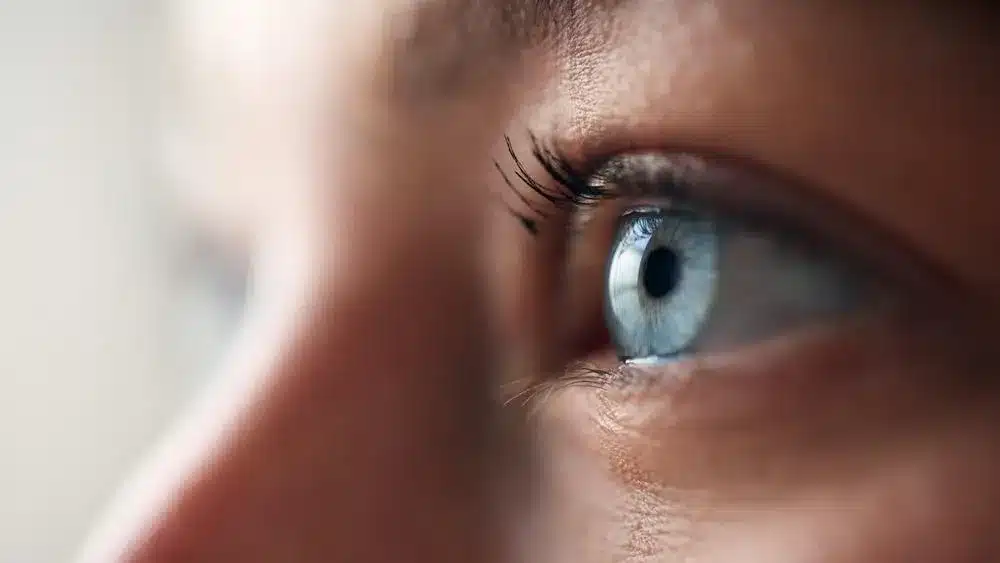
Anemia, a condition with low hemoglobin levels, can affect health in many ways, including vision. People with anemia may see blurry or have serious eye problems. This is because anemia can change the retina.
Research shows many anemic people face vision issues. Up to 31% have trouble focusing, and 39.5% have trouble bringing things together. It’s important to know how anemia eyes affect health to catch problems early.
Looking into how anemia affects vision shows us the importance of spotting signs of low iron eyes. This can help prevent and manage eye problems linked to iron deficiency in eye health.
Key Takeaways
- Anemia can cause significant vision problems, including blurred vision and retinal changes.
- Up to 31% of anemic individuals may experience accommodative insufficiency.
- 39.5% of anemic individuals may suffer from convergence insufficiency.
- Understanding the link between anemia and eye health is critical for early diagnosis.
- Recognizing signs of low iron eyes can help in managing and preventing vision problems.
The Connection Between Anemia and Vision Problems
It’s important to know how anemia and vision problems are linked. This knowledge helps in early diagnosis and treatment. It can prevent long-term eye damage. Anemia, caused by low iron or other deficiencies, affects oxygen transport and eye function.
How Blood Health Affects Eye Function
Blood health is key to eye function. Hemoglobin, found in red blood cells, is vital for oxygen delivery to the retina and eye tissues. Low hemoglobin, as seen in anemia, can cause vision issues. Studies show anemia can lead to vision problems due to lack of oxygen to the eyes.
“The eyes are very sensitive to oxygen changes,” a study notes. Anemia can cause various eye problems. This makes it important to consider anemia when diagnosing vision issues.
Statistical Overview of Vision Issues in Anemic Patients
Research has shown the prevalence of vision problems in anemic patients. About 30% of anemic patients have retinal changes. These findings stress the need for eye exams in anemic patients.
- Retinal changes are common in anemic patients, affecting vision.
- Low hemoglobin levels can lead to decreased visual acuity.
- Ocular symptoms can often be the first noticeable signs of underlying anemia.
Understanding the link between anemia and vision problems helps healthcare providers. They can offer better care, addressing both the cause and symptoms. This approach is key to improving patient outcomes and quality of life.
Understanding Anemia: Types and Causes
Anemia is a complex condition with various causes. Knowing its types is key to managing its effects on vision. It happens when the body has fewer red blood cells or when these cells lack hemoglobin, a protein that carries oxygen.
Anemia can be divided into several types based on its causes. These include iron deficiency anemia, vitamin deficiency anemia, chronic disease-related anemia, and hemolytic anemia.
Iron Deficiency Anemia
Iron deficiency anemia is the most common type. It happens when the body lacks enough iron to make hemoglobin. Iron is vital for making hemoglobin, which carries oxygen to tissues, including the eyes.
It can result from not getting enough iron in the diet, chronic blood loss, or increased iron needs during pregnancy. Symptoms include fatigue, weakness, and pale skin, as well as vision problems.
Vitamin Deficiency Anemia
Vitamin deficiency anemia occurs when the body lacks vitamins needed for red blood cell production, like vitamin B12 and folate. Vitamin B12 deficiency can cause anemia because it’s key for making red blood cells.
This anemia can be caused by a diet lacking these vitamins, certain medical conditions, or medications that affect vitamin use.
Chronic Disease-Related Anemia
Chronic disease-related anemia is linked to diseases like rheumatoid arthritis, cancer, and HIV/AIDS. These conditions can lead to anemia by affecting red blood cell production.
For example, chronic inflammation can disrupt the production of erythropoietin, a hormone that stimulates red blood cell production, leading to anemia.
Hemolytic Anemia
Hemolytic anemia occurs when red blood cells are destroyed faster than they can be made. This can be due to infections, medications, or conditions that affect the immune system.
Hemolytic anemia can cause jaundice, fatigue, and shortness of breath, among other symptoms. It can also affect vision due to reduced oxygen delivery to the eyes.
How Hemoglobin Levels Affect Ocular Health
Hemoglobin is key in bringing oxygen to the eyes. This is vital for healthy vision and preventing eye diseases. We’ll look at how hemoglobin levels affect eye health, focusing on the body’s processes and what happens with low hemoglobin.
The Role of Hemoglobin in Eye Function
Hemoglobin is a protein in red blood cells that carries oxygen. The eyes need oxygen to work right, and hemoglobin helps deliver it. When hemoglobin levels are good, the eyes get the oxygen they need to function well.
Ocular health is tied to overall health. Things that affect hemoglobin, like diet or diseases, can harm vision. For example, iron deficiency anemia can cause vision issues because it reduces oxygen to the retina and other eye tissues.
Critical Hemoglobin Thresholds for Vision
Research shows certain hemoglobin levels are critical for vision. Studies found that levels below 8.95 g/dl increase vision problems risk. This highlights the importance of maintaining adequate hemoglobin levels to prevent eye issues.
Knowing these thresholds helps doctors spot vision risks early. Early treatment of anemia can prevent eye damage. This stresses the importance of checking both hemoglobin and eye health regularly.
Common Signs of Low Iron Eyes
Anemia can affect the eyes in subtle but important ways. About 26% of people with anemia see their vision get worse. It’s key to know how low iron levels can harm our eyes.
Pale Conjunctiva and Eyelids
The eyes can look pale if you have low iron. The thin membrane over the white part of the eyes, called the conjunctiva, might look pale. The eyelids can also lose their color, looking pale or even blue.
Retinal Changes
Anemia can cause changes in the retina, like bleeding or changes in blood vessels. The retina needs oxygen, and anemia can cut off this supply. Retinal exams can show signs like pale spots or twisted blood vessels, pointing to anemia damage.
Visual Acuity Issues
Low iron can make vision blurry or hard to focus. This happens because anemia affects the retina and how we see. Fixing the anemia can sometimes help improve vision, showing why treating the cause is important.
Eyelid Appearance Changes
Anemia can also change how the eyelids look, making them swell or become brittle. Iron deficiency can cause nails to curve like spoons and eyelashes to break easily, showing how anemia affects the whole body.
Spotting these signs early is key to treating anemia. Knowing how anemia affects the eyes helps people get the right medical care. This way, they can tackle both the anemia and its impact on vision.
Anemia-Related Vision Changes and Symptoms
Anemia can cause subtle vision changes that hint at bigger health problems. Vision issues are a big worry for many with anemia.
Blurred Vision
Many with anemia say their vision is blurry. This happens because their blood can’t carry enough oxygen to their eyes. This lack of oxygen affects the retina, causing vision problems.
Light Sensitivity
People with anemia often feel too sensitive to light. This could be because of changes in the retina or how their eyes handle light.
Visual Disturbances
Anemic patients might see spots or floaters. These issues are often tied to the blood’s trouble in getting enough oxygen to the retina.
Headaches and Eye Pain
Headaches and eye pain are common in anemia. Not having enough hemoglobin means the eyes and muscles around them don’t get enough oxygen. This leads to pain.
Knowing these symptoms is key to spotting and treating anemia. Below is a table that outlines the main vision changes and symptoms linked to anemia.
|
Symptom |
Description |
Possible Cause |
|---|---|---|
|
Blurred Vision |
Distorted or unclear vision |
Reduced oxygen supply to the retina |
|
Light Sensitivity |
Increased sensitivity to light |
Retinal changes or altered light processing |
|
Visual Disturbances |
Seeing spots or floaters |
Inadequate oxygen supply to the retina |
|
Headaches and Eye Pain |
Pain around the eyes or headaches |
Insufficient oxygen supply to eye muscles and tissues |
Accommodative Insufficiency in Anemic Patients
Anemia can lead to a problem called accommodative insufficiency. This makes it hard for the eyes to focus on things up close. It can really impact daily life and quality of life.
Difficulty Focusing on Near Objects
One big symptom is trouble focusing on things that are near. This can make reading or doing other near tasks blurry.
People might feel eye strain trying to focus. This can cause eye discomfort and tiredness, worse after doing near work for a long time.
Eye Strain and Fatigue

Eye strain and feeling tired are common in those with accommodative insufficiency. The eyes have to work extra hard to focus, leading to tiredness and sometimes headaches.
These symptoms can really hurt daily life and well-being, not just how well you work.
Impact on Reading and Close Work
Accommodative insufficiency really affects reading and doing close work. Tasks that were once easy now take more effort and focus.
|
Symptoms |
Effects on Daily Life |
|---|---|
|
Difficulty focusing on near objects |
Blurred vision during reading or close work |
|
Eye strain and fatigue |
Discomfort and headaches after near work |
|
Impact on reading and close work |
Increased effort and reduced productivity |
It’s interesting to know that up to 31% of people with anemia might have this problem. This shows how important eye care is in managing anemia.
Convergence Insufficiency and Its Relationship to Anemia
Studies show a strong link between anemia and convergence insufficiency. This vision problem makes it hard to focus on close objects, causing eye strain and other issues.
About 39.5% of anemic individuals have convergence insufficiency. This highlights how anemia can affect vision health. We’ll look at symptoms, daily life impact, diagnosis, and treatment for convergence insufficiency linked to anemia.
Symptoms of Convergence Problems
Convergence insufficiency shows in several ways, including:
- Difficulty focusing on near objects
- Eye strain and fatigue
- Headaches
- Blurred vision
- Double vision
These symptoms can make daily tasks hard. For more on symptoms and effects, check out studies in medical journals like.
Impact on Daily Activities
Convergence insufficiency can affect daily life in many ways:
- Reading and close work are hard due to eye strain and focus issues.
- Long visual tasks can cause headaches and tired eyes.
- Driving, specially at night, can be tough with blurred or double vision.
Knowing how convergence insufficiency affects daily life is key for effective treatment.
Diagnostic Approaches
Diagnosing convergence insufficiency requires a detailed eye exam, including:
- Checking near vision
- Examining eye movements and alignment
- Measuring the near point of convergence
A detailed diagnosis helps find the severity of convergence insufficiency and guides treatment.
Treatment Options
Treatment for convergence insufficiency often includes:
|
Treatment |
Description |
|---|---|
|
Vision Therapy |
A type of physical therapy for the eyes and brain, aimed at improving eye movements and coordination. |
|
Corrective Lenses |
Glasses or contact lenses that can help improve near vision. |
|
Eye Exercises |
Specific exercises to strengthen eye muscles and improve convergence. |
Treating anemia is also important. It can help reduce symptoms of convergence insufficiency.
Anemia-Induced Retinopathy: Causes and Symptoms
Anemia and retinopathy are linked in complex ways. Anemia affects the retina, leading to vision problems. This happens when there’s not enough red blood cells or hemoglobin.
Retinal Hemorrhages
Retinal hemorrhages are a big problem in anemia-induced retinopathy. They happen when blood vessel walls get weak and break. About 30% of eyes in anemic patients exhibit retinal hemorrhages, causing vision issues.
Exudates and Disc Changes
Anemia also causes exudates and changes in the optic disc. Exudates are lipid deposits in the retina. Disc changes include swelling or pallor of the optic disc. These signs show how severe anemia is and its effect on eyes.
Long-term Consequences
If not treated, anemia-induced retinopathy can cause permanent vision loss. Long-term effects include vision problems and serious issues like vitreous hemorrhage or retinal detachment. It’s important to treat anemia early to avoid these problems.
Watch for these symptoms:
- Blurred vision
- Floaters
- Vision disturbances
- Eye pain or discomfort
Knowing the causes and symptoms of anemia-induced retinopathy helps in early detection and treatment. By treating anemia, we can reduce the risk of retinopathy and its complications.
Visual Pathway Impairment in Iron Deficiency
Iron is key for the health of our visual pathway. A lack of iron can cause big problems. The visual pathway includes the retina, optic nerve, and brain areas that handle vision.
Low iron can mess with how this pathway works. We’ll look at how iron deficiency affects visual evoked potentials, neural transmission, and subtle visual processing.
Visual Evoked Potentials Changes
Visual evoked potentials (VEPs) are brain signals from looking at things. People with iron deficiency anemia often have slower VEPs. This means their brain takes longer to process visual information.
This delay is because iron helps make myelin, a fatty substance around nerve fibers. Without enough iron, myelin doesn’t form well. This hurts how nerve fibers work.
Prolonged VEP latencies show how iron deficiency affects vision. It can cause blurry vision and trouble with processing what we see.
Neural Transmission Effects
Iron also affects how signals move through the visual pathway. Iron helps neurons work right and makes neurotransmitters. These are important for signal passing between neurons.
Not enough iron can mess up signal passing. This leads to visual disturbances and other symptoms. Good neural transmission is key for quick and accurate vision processing.
Subtle Visual Processing Deficits
Iron deficiency can also cause small but important vision problems. These problems might not be obvious at first. But they can really affect how we live.
For example, small vision changes can make reading, driving, or doing daily tasks hard. Early detection and treatment of iron deficiency can help avoid these issues.
We need to understand how iron deficiency affects our vision and health. We should take a full approach to diagnosing and treating it.
Anemia and Risk of Eye Diseases
Anemia can harm the eyes, leading to glaucoma and optic nerve problems. It affects eye health in many ways, impacting vision. This is due to several factors.
Glaucomatous Changes
Glaucoma damages the optic nerve, often because of high eye pressure. Studies show anemia might raise the risk of glaucoma. A study on the website looks into anemia’s link to eye diseases, including glaucoma.
Anemia might harm the optic nerve in several ways:
- Less oxygen for the optic nerve
- More damage from oxidative stress
- Worse blood flow to the retina and optic nerve
Optic Nerve Dysfunction
Optic nerve problems are a big worry for people with anemia. The optic nerve sends visual info to the brain. Anemia can cut down oxygen to the optic nerve, causing issues.
Signs of optic nerve problems include:
- Blurred vision
- Loss of color vision
- Visual field defects
Other Associated Eye Conditions
Anemia is also linked to other eye issues, like retinal changes and vision problems. The severity and type of anemia can affect the risk and type of these conditions.
|
Eye Condition |
Association with Anemia |
|---|---|
|
Glaucoma |
Increased risk due to optic nerve damage |
|
Retinopathy |
Possible retinal changes and hemorrhages |
|
Optic Neuritis |
Increased risk of optic nerve inflammation |
It’s important to understand how anemia affects eye diseases. Early detection and care are key. Regular eye checks can spot problems early.
Diagnosing Anemia Through Eye Examinations
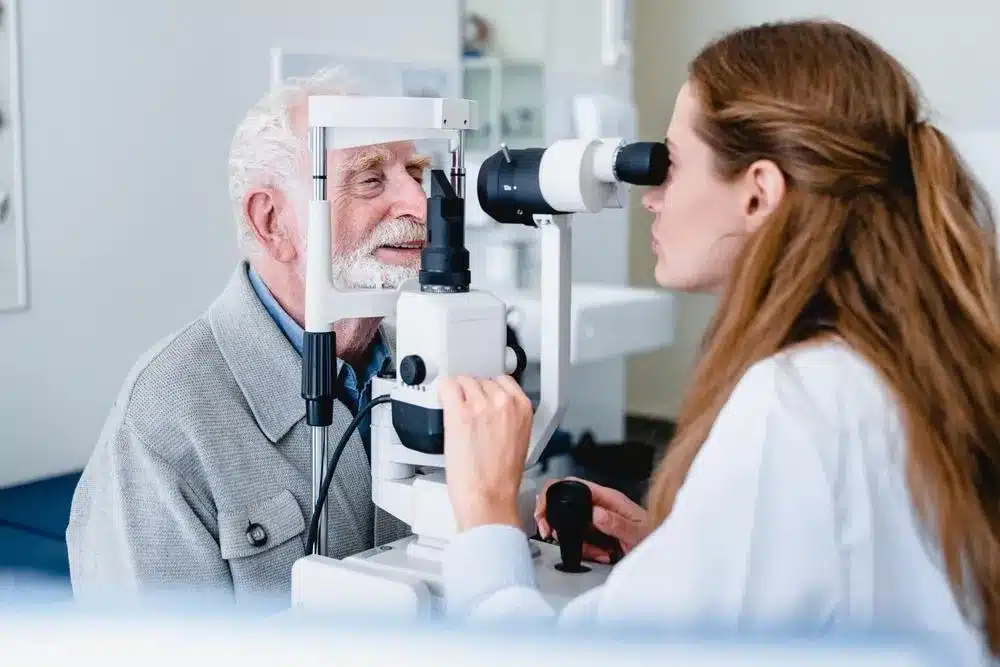
Eye exams can spot signs of anemia early. Anemia means low hemoglobin, which affects eye health. Ophthalmologists are key in finding these signs.
Ophthalmological Signs of Anemia
Ophthalmologists look for certain signs in eye exams. These include:
- Pale conjunctiva, a common sign of anemia.
- Retinal changes like hemorrhages or exudates, caused by low hemoglobin.
- Visual problems like blurred vision or light sensitivity, reported by patients.
Research shows that low hemoglobin levels can predict eye problems with high accuracy. This shows a strong link between anemia and eye health.
|
Clinical Sign |
Description |
Association with Anemia |
|---|---|---|
|
Pale Conjunctiva |
Reduced redness of the conjunctiva |
Common in iron deficiency anemia |
|
Retinal Hemorrhages |
Bleeding in the retina |
Can occur in severe anemia |
|
Visual Disturbances |
Blurred vision, light sensitivity |
Reported by patients with anemia |
When to Refer for Blood Testing
If an ophthalmologist sees these signs, they might suggest blood tests. This can confirm anemia early and prevent problems.
“The eyes are not only a window to the soul but also to the body’s overall health, including conditions like anemia.”
— Ophthalmology Expert
Differential Diagnosis
Ophthalmologists must think of other possible causes when checking for anemia. Other conditions can look similar in the eyes. A detailed check is needed to find the real cause.
By combining eye exam results with medical history and lab tests, doctors can make better care plans. This ensures anemia is managed well and vision is protected.
Treatment Approaches for Anemia-Related Vision Problems
Fixing anemia-related vision issues needs a full plan. We must tackle the anemia itself and its eye effects. This way, we can really help patients get better.
Addressing the Underlying Anemia
First, we need to fix the anemia. This means:
- Dietary adjustments: Eating more iron-rich foods or taking supplements.
- Iron supplementation: Giving iron by mouth or through a vein to fix the lack.
- Vitamin supplementation: Making sure there’s enough vitamin B12 and folate for red blood cells.
Specific Interventions for Eye Symptoms
Along with treating the anemia, we also need to help the eyes. This includes:
- Corrective lenses: Glasses to fix blurry vision or other eye problems.
- Eye exercises: Exercises to lessen eye strain and tiredness from anemia.
- Protective measures: Wearing sunglasses to cut down on light sensitivity.
Recovery Timeline and Expectations
How long it takes to get better from anemia-related eye issues varies. It depends on how bad the anemia is and how well the treatment works. Generally, we can expect:
|
Treatment Phase |
Expected Outcomes |
|---|---|
|
Initial Treatment (0-3 months) |
Improvement in hemoglobin levels, reduction in fatigue |
|
Intermediate Phase (3-6 months) |
Noticeable improvements in visual acuity and reduction in eye strain |
|
Long-term Follow-up (6+ months) |
Complete resolution of anemia-related vision problems in most cases |
Monitoring and Follow-up Care
Keeping an eye on progress and regular check-ups are key. This ensures the treatment is working and catches any new issues. This includes:
- Regular blood tests: To check hemoglobin levels and iron stores.
- Ophthalmological check-ups: To see if eye symptoms are getting better and to check eye health.
- Dietary counseling: To help keep a balanced diet and avoid anemia coming back.
Conclusion
It’s important to know the signs of low iron eyes if you have vision problems due to anemia. This article has shown how anemia affects your eyes. We talked about the symptoms and changes in your eyes when iron levels are low.
Anemia can really hurt your eye health and vision. You might see things blurry, be sensitive to light, or have other vision issues. If you notice these signs, get help right away. This can stop serious damage from happening.
We stress the need to tackle anemia-related eye problems fully. This means treating the anemia and managing eye symptoms. This way, you can get your vision back and live better.
If you’re seeing signs of anemia or vision problems, see a doctor. They can help figure out what’s wrong and treat it.
FAQ
Can anemia cause vision problems?
Yes, anemia can lead to vision issues. This is because it lacks red blood cells or hemoglobin. This makes it hard for the eyes to get enough oxygen.
What are the signs of low iron eyes?
Signs include pale eyelids and conjunctiva, and changes in the retina. You might also notice problems with your vision and changes in how your eyelids look.
Can iron deficiency cause edema?
Iron deficiency anemia can cause many symptoms, but edema is not usually one of them. But, anemia can sometimes lead to heart problems. These problems might cause edema.
Can anemia cause headaches?
Yes, anemia can cause headaches. This is because the brain and other tissues don’t get enough oxygen.
How does anemia affect the eyes?
Anemia can affect the eyes in many ways. It can cause changes in the retina, visual disturbances, and eye strain.
What are the symptoms of anemia-induced retinopathy?
Symptoms include retinal hemorrhages, exudates, and changes in the optic disc. These can lead to vision problems.
Can low iron cause blurry vision?
Yes, low iron can cause blurry vision. This is because it affects the retina and the visual pathway.
How is anemia-related vision loss treated?
Treatment for vision loss due to anemia usually starts with addressing the anemia. This might involve iron supplements or other treatments. Specific treatments for eye symptoms are also used.
Can anemia increase the risk of eye diseases?
Yes, anemia can increase the risk of certain eye diseases. This includes glaucomatous changes and optic nerve dysfunction.
How can anemia be diagnosed through eye examinations?
Anemia can be diagnosed through eye exams. Look for signs like pale conjunctiva, retinal changes, and other ocular manifestations.
What is the relationship between convergence insufficiency and anemia?
Convergence insufficiency is linked to anemia. It can cause eye strain, headaches, and trouble with near vision tasks.
Can iron deficiency affect the visual pathway?
Yes, iron deficiency can affect the visual pathway. This can lead to changes in visual evoked potentials, neural transmission effects, and subtle visual processing deficits.
References:
• Elucidating the Impact of Anemia and Nutrition Education on the Accommodative Disorder of Eye among the College Students. (n.d.). Retrieved from https://www.biotech-asia.org/vol21no1/elucidating-the-impact-of-anemia-and-nutrition-education-on-the-accommodative-disorder-of-eye-among-the-college-students/
• Determinants for Anemic Retinopathy. (n.d.). Retrieved from https://pmc.ncbi.nlm.nih.gov/articles/PMC10375210/
• Evaluation of Iron Deficiency Anemia Frequency as a Risk Factor in Glaucoma Patients. (n.d.). Retrieved from https://pmc.ncbi.nlm.nih.gov/articles/PMC6093034/
• Retinal changes in anemia – A comparative cross sectional study. (n.d.). Retrieved from https://ijceo.org/article-details/22187
• Crimson Spotted Rainbowfish (Melanotaenia duboulayi) Change. (n.d.). Retrieved from https://www.ncbi.nlm.nih.gov/pmc/articles/PMC4743937/