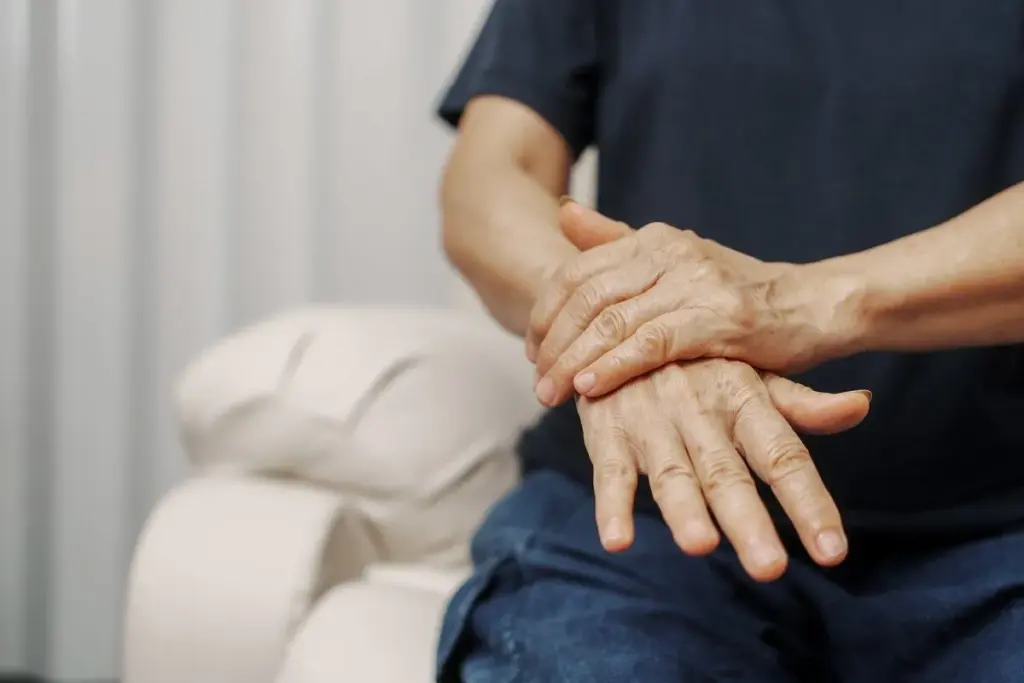
Diagnosing Parkinson’s disease can be tough. But simple tests like the finger to nose test offer important clues. This test checks how well a person moves and their coordination, which Parkinson’s often changes.
The finger test for Parkinson’s looks at how a person moves their fingers. Doctors use this to see if someone has signs of Parkinson’s disease. By watching how a patient moves their fingers, doctors can understand their brain better.
Key Takeaways
- The finger test is a simple yet effective tool for diagnosing Parkinson’s disease.
- The test assesses coordination and motor skills, which are often affected by the condition.
- Early diagnosis is key for managing and treating Parkinson’s well.
- The finger to nose test is one of several ways to check for Parkinson’s disease.
- Getting a correct diagnosis needs a detailed check by a healthcare expert.
Understanding Parkinson’s Disease
To understand Parkinson’s disease, we need to look at its definition, causes, and how it affects the body. We’ll dive deep into this condition to give you a full picture.
Definition and Prevalence
Parkinson’s disease is a disorder that mainly affects movement. It causes tremors, stiffness, and slow movement. About 1 million people in the U.S. live with it.
Prevalence goes up with age, mostly after 60. But, some people get it in their 30s or 40s too.
|
Age Group |
Prevalence of Parkinson’s Disease |
|---|---|
|
60-69 years |
1 in 100 people |
|
70-79 years |
1 in 50 people |
|
80 years and older |
1 in 30 people |
Neurological Basis of Parkinson’s
The disease happens when dopamine-producing neurons in the brain degenerate. This part of the brain controls movement. Without enough dopamine, movement gets tough.
The loss of dopamine neurons in Parkinson’s disease disrupts the normal functioning of the basal ganglia, leading to the characteristic motor symptoms.
The loss of dopamine neurons in Parkinson’s disease disrupts the normal functioning of the basal ganglia, leading to the characteristic motor symptoms.
Impact on Movement Control
Parkinson’s disease greatly affects movement. It causes tremors, slow movement, and stiffness. This is because the brain can’t make enough dopamine, affecting the basal ganglia’s function.
Knowing how Parkinson’s affects movement is key to finding good treatments. We’ll keep exploring how this impacts diagnosis and treatment in the next sections.
Signs of Parkinson’s Disease
It’s important to know the signs of Parkinson’s disease early. This helps in getting the right treatment. Parkinson’s affects how we move and balance. Each person shows different symptoms, so it’s key to know what to look for.
Primary Motor Symptoms
Primary motor symptoms are the main signs of Parkinson’s. They affect how we move. Here are some common ones:
- Tremors: These start in one hand or arm. They get worse when you’re not moving and better when you do.
- Slow Movement (Bradykinesia): As the disease gets worse, moving becomes slower. Simple tasks become hard.
- Rigidity: Your muscles get stiff. This makes it hard to move freely.
- Postural Instability: You might have trouble keeping your balance. This raises the risk of falling.
Secondary Motor Symptoms
Secondary motor symptoms make movement and daily tasks harder. Some examples are:
- Difficulty with Walking: Your walk might change, like shuffling or freezing.
- Micrographia: Your handwriting gets smaller and harder to read.
- Masked Faces: You might look like you’re not smiling or showing emotions.
Non-Motor Symptoms
Non-motor symptoms also affect people a lot. They can make life harder. Some examples are:
- Cognitive Changes: You might have trouble thinking or remember things.
- Mood Disorders: Feeling sad or anxious is common.
- Sleep Disturbances: You might have trouble sleeping or other sleep problems.
Knowing these signs is key to managing Parkinson’s. Catching it early can make a big difference in someone’s life.
The Importance of Early Diagnosis
Diagnosing Parkinson’s disease early can greatly improve patient outcomes. Early detection leads to timely treatment, which boosts the quality of life for those affected.
Benefits of Early Detection
Early diagnosis of Parkinson’s disease brings many advantages. It lets healthcare providers:
- Start treatment plans that slow the disease’s progress
- Manage symptoms more effectively
- Improve patient outcomes through timely interventions
Early detection also allows patients to make informed decisions about their care, including lifestyle changes and treatment options.
|
Benefits |
Description |
Impact on Patient |
|---|---|---|
|
Timely Intervention |
Early treatment can slow disease progression |
Improved quality of life |
|
Effective Symptom Management |
Better control over symptoms through medication and therapy |
Enhanced daily functioning |
|
Informed Decision Making |
Patients can make informed choices about their care |
Increased patient empowerment |
Challenges in Diagnosing Parkinson’s
Despite the benefits, diagnosing Parkinson’s disease can be tough. Symptoms often look like those of other conditions, making it hard to diagnose accurately.
The complexity of Parkinson’s disease requires a detailed diagnostic approach, including clinical evaluation, medical history, and sometimes, specialized tests.
We know early diagnosis is key, and while challenges exist, medical science is always getting better at diagnosing.
How is Parkinson’s Disease Diagnosed?
We diagnose Parkinson’s disease by looking at clinical evaluations and ruling out other conditions. This process includes a detailed assessment of medical history, physical examination, and sometimes, extra tests. These tests help to rule out other causes of symptoms.
Clinical Criteria
The diagnosis of Parkinson’s disease relies on clinical criteria. This includes looking for symptoms like tremors, rigidity, bradykinesia, and postural instability. At least two of these symptoms must be present, with at least one being tremor or bradykinesia, to support a diagnosis of Parkinson’s.
During the clinical evaluation, we also look at the patient’s medical history. We check for signs of other neurological conditions that could mimic Parkinson’s. The presence of non-motor symptoms such as cognitive decline, mood disorders, and sleep disturbances can also support the diagnosis.
|
Clinical Feature |
Description |
Relevance to Diagnosis |
|---|---|---|
|
Tremor |
Involuntary shaking or trembling |
Key diagnostic criterion; often one of the earliest symptoms |
|
Bradykinesia |
Slowness of movement |
Essential for diagnosis; significantly impacts daily activities |
|
Rigidity |
Increased muscle tone leading to stiffness |
Contributes to diagnosis; can cause discomfort and affect mobility |
|
Postural Instability |
Impaired balance and coordination |
Important for staging disease progression; increases risk of falls |
The Role of Neurologists
Neurologists are key in diagnosing Parkinson’s disease. They conduct detailed neurological examinations and assess symptoms. Their role is not only to diagnose but also to manage the disease and improve the patient’s quality of life.
Ruling Out Other Conditions
An essential part of diagnosing Parkinson’s disease is ruling out other conditions that can mimic its symptoms. This involves a combination of clinical evaluation, laboratory tests, and sometimes, imaging studies. Conditions that may be considered include other parkinsonian syndromes, essential tremor, and drug-induced parkinsonism.
By carefully evaluating clinical criteria, utilizing the expertise of neurologists, and ruling out other conditions, we can accurately diagnose Parkinson’s disease and develop an appropriate management plan.
The Finger Test for Parkinson’s: An Overview
Doctors use finger tests to check for Parkinson’s disease. These tests look at how well the body moves. They help find out if someone has Parkinson’s and how bad it is.
Definition and Purpose
The finger test for Parkinson’s checks how fingers move. It looks at things like tremors, stiffness, and how slow movements are. These tests help find the signs of Parkinson’s disease.
Types of Finger Tests Used
There are different finger tests for Parkinson’s. These include:
- The finger-to-nose test, which checks coordination and tremors.
- Finger tapping tests, which look at how fast movements are.
- Cogwheel rigidity assessment through finger manipulation.
Each test gives different info about how well the body moves. This helps doctors diagnose Parkinson’s disease.
Diagnostic Value
Finger tests are good at showing small changes in how the body moves. They help doctors see if someone has Parkinson’s. They also show how severe the disease is.
|
Test Type |
Assesses |
Significance in Parkinson’s Diagnosis |
|---|---|---|
|
Finger-to-Nose Test |
Coordination, Tremor |
Helps identify tremors and coordination issues |
|
Finger Tapping Test |
Bradykinesia |
Evaluates slowness of movement |
|
Cogwheel Rigidity Assessment |
Rigidity, Cogwheeling |
Detects stiffness and cogwheel phenomenon |
Finger-to-Nose Test Procedure
The finger-to-nose test is key in checking for Parkinson’s Disease. It looks at how well a patient moves and their coordination.
Performing the Test
The test has the patient touch their nose and then the doctor’s finger with their index finger. They do this back and forth several times. It checks if they can move smoothly.
We tell the patient to start with their arm out. Then, they bring their finger to their nose and then to our finger. They do this a few times, fast and right.
What Doctors Look For
Doctors watch how well the patient moves during the test. They look for tremors, trouble judging distance, and slow movements. These signs show if there’s a problem with the brain.
The test also checks the patient’s hand-eye coordination and brain pathways. If the patient moves slowly or makes mistakes, it could mean Parkinson’s Disease or another brain issue.
Interpreting the Results
When we look at the test results, we check for any signs of brain problems. A good result means the patient moves smoothly and accurately. But, if they move jerkily or slowly, it could be a sign of trouble.
We use these findings along with other symptoms to help diagnose Parkinson’s Disease. The finger-to-nose test is one tool we use to check the brain and make a diagnosis.
Finger Tapping Test for Bradykinesia
The finger tapping test is a key tool for diagnosing bradykinesia, a key symptom of Parkinson’s disease. Bradykinesia is when movements are slow. It greatly affects the lives of those with Parkinson’s.
What is Bradykinesia?
Bradykinesia makes everyday tasks hard because of slow movements. It’s not just being slow; it’s a complex issue with the brain. Knowing about bradykinesia helps doctors treat Parkinson’s better.
People with bradykinesia struggle with simple things like walking and dressing. The finger tapping test is a simple way to check how severe bradykinesia is.
Test Procedure
The test asks the patient to tap their thumb and index finger fast. A doctor watches as they do this. It’s a basic but useful test for checking motor skills.
The doctor looks at how fast, big, and regular the tapping is. If these are off, it might mean bradykinesia. The test is done with both hands to compare.
|
Parameter |
Normal |
Bradykinesia |
|---|---|---|
|
Speed |
Fast and consistent |
Slow and decreasing |
|
Amplitude |
Consistent and large |
Decreasing and small |
|
Rhythm |
Regular |
Irregular |
Significance in Diagnosis
The finger tapping test is key in diagnosing Parkinson’s disease. It measures bradykinesia, showing how well a person can move fast and repeat actions. This helps doctors understand if someone has Parkinson’s and how severe it is.
Spotting bradykinesia early with this test can lead to better treatment. It’s a big help in diagnosing Parkinson’s, along with other tests.
Cogwheel Rigidity Assessment
Cogwheeling is a sign of rigidity seen in Parkinson’s disease. It’s checked by moving fingers. This helps doctors see how severe the symptoms are.
Understanding Cogwheeling
Cogwheel rigidity feels like a jerky, ratchety motion when moving a limb. It’s a key sign of Parkinson’s disease. This symptom greatly affects a patient’s ability to move and their quality of life.
Doctors look for the “cogwheel” or “ratchet” feeling during the test. This is more noticeable when the patient is relaxed. It’s a strong sign of the disease.
How It’s Tested Using Finger Manipulation
Testing for cogwheel rigidity is a simple yet useful method. The doctor holds the patient’s finger and moves it gently. They check for flexion and extension.
- The doctor asks the patient to relax their arm and hand.
- Then, they move the wrist or elbow to check the tone.
- They look for a jerky or ratchety feeling, which means cogwheeling.
Differentiating from Other Types of Rigidity
Cogwheel rigidity is different from other types, like lead-pipe rigidity. Lead-pipe rigidity feels smooth and even. It’s important to tell these apart for the right diagnosis and treatment.
- Cogwheel rigidity is often linked to Parkinson’s disease.
- Lead-pipe rigidity can be found in other conditions.
- Whether or not there’s a tremor helps tell them apart.
Knowing about cogwheel rigidity and how to test for it helps doctors diagnose Parkinson’s better. This leads to more effective treatments.
Other Physical Examinations for Parkinson’s
To diagnose Parkinson’s disease, doctors use many physical tests. They check how a person walks, stands, and moves. These tests help see if the disease is there and how it’s growing.
Gait Analysis
Gait analysis is key in spotting Parkinson’s. It looks at how a person walks. Doctors watch for signs like shuffling or trouble starting to walk.
They also check for small arm swings or trouble turning. These signs show if Parkinson’s is affecting how the body moves.
Postural Stability Tests
Postural stability tests check a person’s balance. Parkinson’s can make it hard to stay steady, raising fall risks. Doctors see how well a person can balance after being pushed.
This test shows how Parkinson’s affects daily life. It helps doctors understand the disease’s impact.
Tremor Assessment
Tremor assessment is also important. It looks at the presence, size, and type of tremors. Tremors are a key sign of Parkinson’s.
Doctors check if tremors happen when a person is resting or when they move. Knowing this helps in diagnosing and treating the disease.
In summary, tests like gait analysis, balance checks, and tremor assessments are vital. They give a full picture of Parkinson’s effects on movement. This helps doctors create the best treatment plans for each patient.
Advanced Diagnostic Methods
New ways to detect Parkinson’s disease are changing how we manage it. As we learn more about this complex condition, new tools and methods are being created. These help in diagnosing the disease.
Imaging Studies
Imaging studies are key in diagnosing Parkinson’s disease. MRI (Magnetic Resonance Imaging) and CT (Computed Tomography) scans help rule out other conditions. They show brain structure and look for abnormalities.
MRI can spot changes in the brain linked to Parkinson’s. A neurologist says MRI is important. It shows brain structure changes.
DaTscan and Other Specialized Tests
DaTscan is a special imaging test for Parkinson’s disease. It uses a radioactive tracer to check the brain’s dopamine system. This helps tell if it’s Parkinson’s or another condition.
Other tests include:
- Transcranial Sonography: This ultrasound checks the brain’s substantia nigra, affected in Parkinson’s.
- Optical Coherence Tomography (OCT): OCT looks at the retinal nerve layer, which can be affected in Parkinson’s.
Emerging Diagnostic Technologies
New technologies are changing Parkinson’s disease diagnosis. These include:
- Artificial Intelligence (AI) and Machine Learning: AI analyzes data to help diagnose Parkinson’s.
- Wearable Devices and Biosensors: These monitor symptoms and health data for diagnosis and tracking.
- Biomarkers: Researchers look for genetic and protein markers for early diagnosis.
As these technologies improve, diagnosing Parkinson’s will get better. This will lead to better care for patients.
Parkinson’s Disease Stages and Progression
It’s key to know how Parkinson’s disease gets worse to manage its effects on daily life. Each person’s experience with Parkinson’s is different.
The Five Stages of Parkinson’s
Parkinson’s disease is divided into five stages, as Hoehn and Yahr described. These stages help doctors understand how the disease gets worse and how severe it is.
- Stage 1: Symptoms are mild and usually affect one side of the body.
- Stage 2: Symptoms get worse, affecting both sides of the body, but balance is not badly affected.
- Stage 3: Mid-stage Parkinson’s, where balance is affected, and symptoms are more noticeable.
- Stage 4: Symptoms are severe, and patients may need help with daily tasks.
- Stage 5: The most advanced stage, where patients are often wheelchair-bound or bedridden.
How Symptoms Evolve Over Time
As Parkinson’s disease gets worse, symptoms change and can include both motor and non-motor symptoms. Motor symptoms like tremors, rigidity, and slow movement get worse. Non-motor symptoms like cognitive decline, mood changes, and sleep problems may also appear.
Watching these symptoms closely is important for adjusting treatment plans and improving patients’ quality of life.
Monitoring Disease Advancement
Regular checks by healthcare professionals are key to tracking Parkinson’s disease progression. This includes checking motor and non-motor symptoms, as well as the patient’s overall health and how they respond to treatment.
- Regular visits with a neurologist to check how the disease is progressing.
- Changing medication and treatment plans as needed.
- Encouraging lifestyle changes to manage symptoms well.
By understanding Parkinson’s disease stages and how symptoms change, we can better support patients. This helps provide caring and complete care.
Treatment Options for Parkinson’s Disease
Managing Parkinson’s disease requires a detailed plan. This plan might include medication, physical therapy, and surgery. Every person’s experience with Parkinson’s is different. So, treatment plans are tailored to each individual.
Medication Approaches
Medicines are key in treating Parkinson’s symptoms. They aim to boost dopamine levels in the brain or mimic its effects. Levodopa, often paired with carbidopa, is a common treatment. It helps reduce symptoms like tremors and stiffness.
Other medicines, like dopamine agonists, MAO-B inhibitors, and COMT inhibitors, can also be used. They might be used alone or with levodopa. The goal is to find the right mix to control symptoms without too many side effects.
Dopamine agonists are useful in the early stages of Parkinson’s. They can also be used with levodopa. Choosing the right medication and dosage is important to avoid side effects and ensure the best results.
Surgical Interventions
For some, surgery might be an option when medicines don’t work well or cause too many side effects. Deep Brain Stimulation (DBS) is a surgery that involves placing electrodes in the brain. It can lessen symptoms like tremors, stiffness, and slow movement, improving life quality.
We consider DBS for those with severe symptoms, who haven’t responded well to medicines, and who are in good health. While it’s not a cure, DBS can greatly improve movement and reduce the need for strong medicines.
Physical and Occupational Therapy
Physical and occupational therapy are vital parts of treating Parkinson’s. They help keep patients mobile, balanced, and able to do daily tasks. Physical therapists create exercise plans to boost flexibility, strength, and heart health.
Occupational therapists help patients adjust to daily tasks based on their abilities. They use tools and strategies to keep patients independent. Together, these therapies can greatly enhance the lives of those with Parkinson’s.
We believe in a team approach to managing Parkinson’s. This includes medical treatment, lifestyle changes, and supportive therapies. It’s all about meeting the complex needs of our patients.
Living with Parkinson’s: Beyond the Diagnosis
Getting a Parkinson’s diagnosis is tough, but there’s hope. New care and support options help keep life good. We must look beyond the diagnosis to find ways to improve life for those affected.
Lifestyle Modifications
Changing your lifestyle can help manage Parkinson’s. Regular exercise is key for staying mobile and flexible. Try yoga, tai chi, and walking.
Eating well is also important. A diet full of antioxidants and omega-3 fatty acids can help manage symptoms.
Staying close to family and friends is also key. Social support is vital. Doing things you love can make you feel better too.
Support Systems and Resources
A strong support system is essential for those with Parkinson’s. This includes family, friends, support groups, and healthcare professionals. Support groups let you share experiences and learn from others.
There are many resources for Parkinson’s, like counseling, physical therapy, and occupational therapy. These can help manage the disease and improve life quality.
Emerging Research and Hope
Research on Parkinson’s is always changing, with new studies and trials giving hope for better treatments. Stem cell therapy and gene therapy are promising areas. They could lead to better disease management and outcomes.
Keeping up with Parkinson’s research can help you take charge of your care. Working with healthcare providers and researchers is key to making progress against this condition.
Conclusion
Parkinson’s disease is a complex disorder that affects millions globally. It’s important to recognize its signs early for timely diagnosis and effective management. The finger test for Parkinson’s is a key tool in identifying the condition.
Getting an accurate diagnosis is vital for starting the right treatment. There are many treatment options available. These include medications, surgery, and physical therapy, which can greatly improve life quality.
Receiving a Parkinson’s diagnosis can be overwhelming. But, with the right medical care and support, people can manage the condition well. Keeping up with the latest research and treatments is essential for a fulfilling life.
FAQ
What is the finger test for Parkinson’s disease?
The finger test for Parkinson’s disease checks how well you move. It includes tests like the finger-to-nose test and finger tapping. These tests help doctors diagnose and track Parkinson’s.
What are the primary motor symptoms of Parkinson’s disease?
Parkinson’s disease causes tremors, rigidity, slow movement, and trouble with balance. These are the main symptoms.
How is Parkinson’s disease diagnosed?
Doctors diagnose Parkinson’s by looking at your symptoms, medical history, and doing physical tests. The finger test is one of these tests.
What is bradykinesia, and how is it tested?
Bradykinesia means moving slowly. It’s tested with the finger tapping test. This test checks how fast and how well you can move your fingers.
What is cogwheel rigidity, and how is it assessed?
Cogwheel rigidity feels like a jerky, ratchety movement when you move a limb. Doctors check for it by moving your fingers and wrists.
What are the stages of Parkinson’s disease?
Parkinson’s disease has five stages. Each stage shows how severe the symptoms are and how much they affect your daily life.
What treatment options are available for Parkinson’s disease?
Treatments for Parkinson’s include medicines, surgery, and therapy. These help manage symptoms and improve life quality.
Can Parkinson’s disease be cured?
There’s no cure for Parkinson’s disease yet. But, treatments and lifestyle changes can help manage symptoms and slow the disease.
How can I support a loved one with Parkinson’s disease?
Supporting someone with Parkinson’s means being there emotionally and helping with daily tasks. Encourage them to stay active and follow their treatment plan.
What is the significance of early diagnosis in Parkinson’s disease?
Early diagnosis is key. It means starting treatment sooner. This can help manage symptoms, slow the disease, and improve life quality.
What are the non-motor symptoms of Parkinson’s disease?
Non-motor symptoms include cognitive issues, mood changes, sleep problems, and autonomic dysfunction. These symptoms are not related to movement.
How does Parkinson’s disease affect movement control?
Parkinson’s disease damages dopamine-producing neurons in the brain. This leads to symptoms like tremors, rigidity, and slow movement.
National Center for Biotechnology Information. Evidence-Based Medical Insight. Retrieved from https://pmc.ncbi.nlm.nih.gov/articles/PMC2897716/