Did you know nearly 100 million people worldwide have scars? Microneedling is a new way to make scars less noticeable. It’s a hope for those wanting to hide their scars.
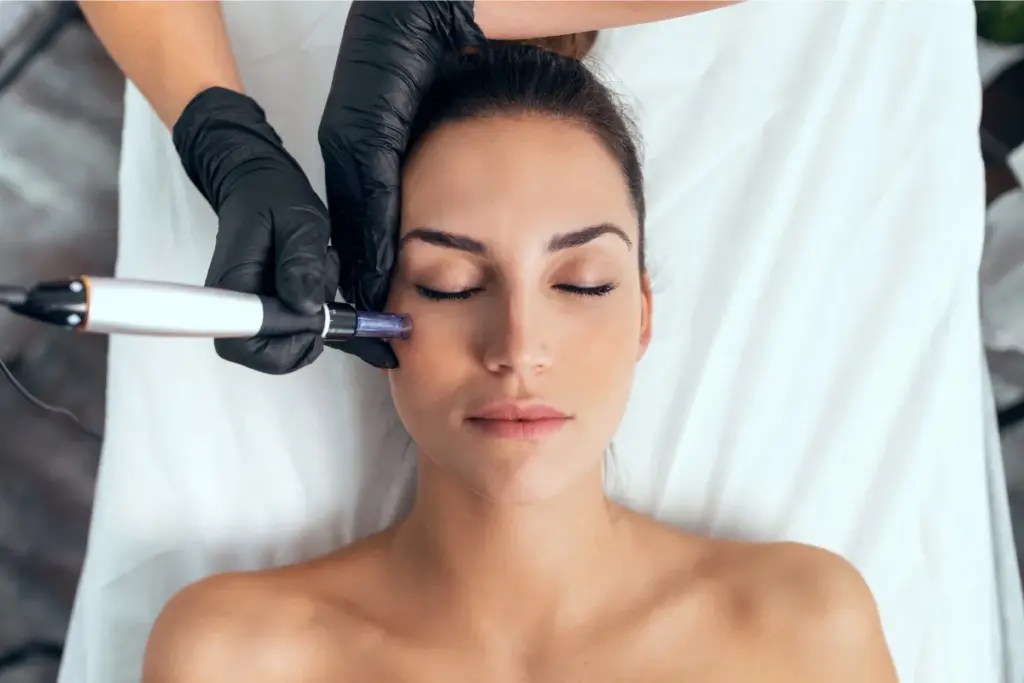
Microneedling, or micro-needling, is a gentle skin treatment. It uses tiny needles to make small injuries in the skin. This helps make more collagen and makes the skin look better.
This method is loved for fixing many skin problems, including scars.
Key Takeaways
- Microneedling is a minimally invasive treatment for scars.
- It stimulates collagen production to improve skin texture.
- The procedure is effective for various types of scars.
- Microneedling promotes skin rejuvenation.
- It’s a popular choice for those seeking to reduce scar appearance.
Understanding Scars and Their Formation
When the skin gets hurt, it tries to heal by forming scars. Scars happen when the skin repairs itself after injuries, surgeries, or acne. The look and feel of scars can change a lot. This depends on the injury, wound size, and skin type.
Different Types of Scars
There are many types of scars. Atrophic scars are sunken and often from acne or chickenpox. Hypertrophic scars are raised and can happen after surgery or injuries. Keloid scars are even bigger and go beyond the original wound. Knowing the scar type helps find the best treatment.
The Cleveland Clinic says most melanoma cases come from too much sun. This shows how important skin health is and how scarring from sun damage can happen.
The Biological Process of Scar Formation
Scar formation goes through several stages. First, the body cleans the wound and starts healing. Then, it makes collagen and granulation tissue. Lastly, the scar tissue gets stronger over years.
What is Microneedling and How Does It Work?

Microneedling uses the body’s natural healing to boost collagen and elastin. These are key for young, healthy skin. It’s a gentle treatment that makes tiny holes in the skin to start healing.
Devices like the ExoPatch have tiny needles with special hydrogel. They collect fluid from between skin cells. This makes the treatment work better by helping the skin heal naturally.
The Science Behind Microneedling
Microneedling works by making the skin produce more collagen. When the skin gets tiny injuries, it starts to heal. This healing process releases growth factors that help make more collagen.
This leads to better skin texture and less scarring. It’s a way to improve the skin’s look and feel.
Collagen induction therapy is a big part of microneedling. It makes the skin produce new collagen. This fills in scars and makes the skin more elastic.
Collagen Induction Therapy Explained
Collagen induction therapy is when microneedling makes the skin produce more collagen. This new collagen helps scars look better and improves skin health. It uses the body’s own healing to work.
Knowing how microneedling works is key to seeing its benefits. As research grows, so will its uses and results.
Benefits of Microneedling for Scar Treatment
Microneedling is a good option for those with scars. It uses the body’s healing to make skin look better. This treatment helps make scars less noticeable by boosting collagen.
Research and Clinical Evidence
Many studies show microneedling works well for scars. It can make acne, surgical, and burn scars look better. This happens because it makes more collagen, helping the skin heal and look smoother.
Key findings from clinical studies include:
- Significant reduction in scar severity scores
- Improvement in skin texture and elasticity
- Enhanced collagen deposition in treated areas
Realistic Expectations for Scar Improvement
Microneedling can lead to great results, but it’s important to know what to expect. How much it helps depends on the scar type, its severity, and your skin. Usually, you need more than one treatment to see the best results. Regular follow-up sessions help keep the improvements going.
Factors influencing outcomes include:
- Severity and type of scarring
- Skin type and condition
- Number and frequency of microneedling sessions
Types of Scars That Respond Best to Microneedling
Microneedling is a top choice for treating different scars. It’s a gentle way to boost collagen, making scars less noticeable and skin smoother.
Acne Scars and Microneedling Results
Acne scars are a common target for microneedling. It’s great for atrophic acne scars, which are sunken. The treatment fills these areas, leading to smoother skin. Many see a 50% drop in scar severity.
Surgical Scars
Surgical scars can also see improvement with microneedling. It boosts collagen and makes scars less visible. Results can vary, but it works well on hypertrophic and atrophic surgical scars.
Stretch Marks
Stretch marks, or striae, can also benefit. Microneedling stimulates collagen, making stretch marks less obvious. It’s not a complete fix, but it helps a lot.
Burn Scars
Burn scars are tough to treat, but microneedling shows promise. It helps flatten and soften scars, making them less noticeable. Effectiveness depends on scar severity and depth.
In summary, microneedling is a flexible treatment for many scars. It’s good for acne, surgical, stretch marks, and burn scars. Knowing your scar type helps decide if microneedling is right for you.
Types of Scars That May Not Respond Well
Certain scars, like keloid and hypertrophic scars, can be tough to treat with microneedling. This method helps by boosting collagen, but it’s not perfect for all scars. It works best for scars that aren’t too deep or wide.
Keloid Scars
Keloid scars are thick and can grow bigger than the original wound. They often itch or hurt. Microneedling might not be the best choice for these scars because it could make them worse. Yet, some research shows it can work when used with other treatments.
Hypertrophic Scars
Hypertrophic scars are thick but stay within the wound area. They might be red and can get better with time. Microneedling might make them look and feel better, but it takes time and might not work for everyone.
It’s important to know what microneedling can and can’t do. If you have keloid or hypertrophic scars, talk to a dermatologist or skincare expert. They can help figure out the best treatment for you.
Professional vs. At-Home Microneedling for Scars
Choosing between professional microneedling and at-home derma rolling for scar treatment is a big decision. Both have their fans, but they vary in how well they work, how safe they are, and their cost.
Medical-Grade Devices and Their Benefits
Professional microneedling uses medical-grade devices that are more advanced than home kits. These tools can reach deeper into the skin, boosting collagen production better. They also let professionals target scars more precisely, leading to better results.
Limitations of At-Home Derma Rollers
At-home derma rollers are easy to use and don’t cost much. But, they have shorter needles and less control than professional tools. This can mean less collagen boost. Also, keeping them clean and using them right is hard, which can limit their effectiveness.
In summary, professional microneedling is better for scar treatment than at-home derma rollers. It’s more effective and safer. Knowing the differences helps people choose the right scar treatment, including thinking about how much is microneedling and looking at microneedling before and after photos.
The Microneedling Procedure for Scar Treatment
Microneedling is a modern method for treating scars and boosting collagen. It’s known for its ability to improve skin texture. This treatment is minimally invasive and effective for scar revision.
Pre-Treatment Preparation
Before microneedling, your skin needs to be ready. Stay out of the sun, stop using certain skincare products, and make sure your skin is clean and makeup-free. Proper pre-treatment preparation is key to a successful treatment.
|
Pre-Treatment Guidelines |
Description |
|---|---|
|
Avoid Sun Exposure |
Minimize sun exposure and use SPF 30 or higher sunscreen |
|
Skincare Products |
Discontinue products containing retinol, glycolic acid, or salicylic acid a few days before treatment |
|
Skin Condition |
Ensure skin is clean and free of makeup on the treatment day |
What Happens During the Procedure
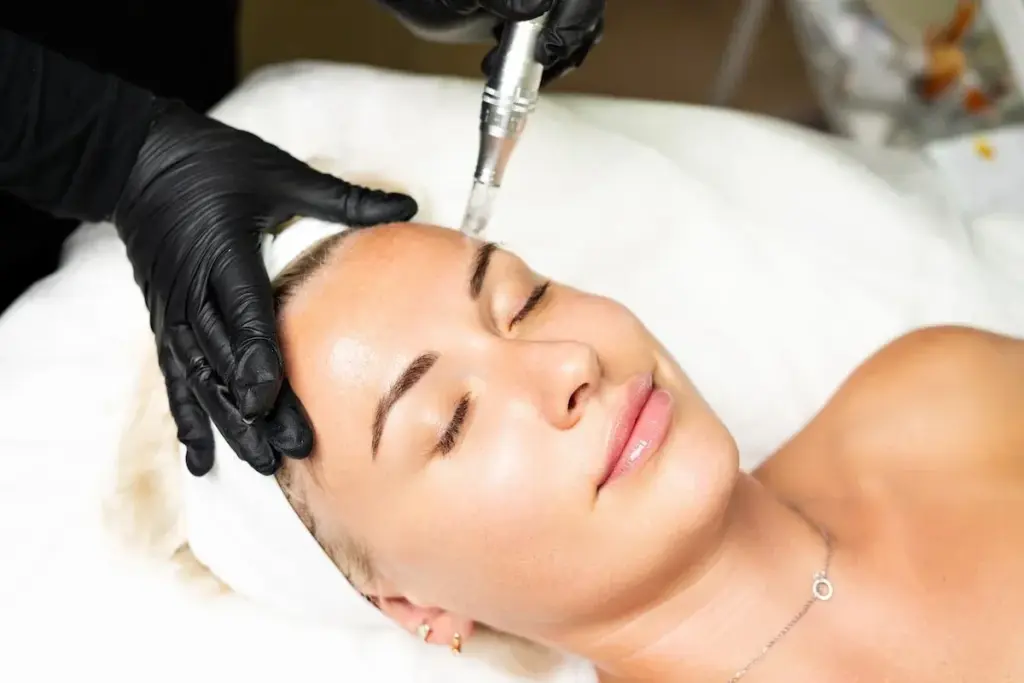
A device with fine needles is used to make micro-injuries in the skin. This stimulates collagen production. The treatment starts with a numbing cream to reduce discomfort.
The microneedling device is then moved over the area, creating controlled injuries. The procedure’s duration depends on the area’s size.
Post-Treatment Care
After microneedling, it’s important to follow care instructions. Keep your skin moisturized, avoid the sun, and don’t use harsh products for a few days. Adhering to post-treatment care helps achieve the best results.
Knowing what happens during microneedling helps prepare you for the treatment. It ensures you get the best results in scar revision.
Microneedling Different Body Areas for Scars
Microneedling is not just for the face. It can help with scars on other parts of the body too. This method is gentle and can be adjusted for different body areas, making it a great option for many.
Facial Scar Treatment
Microneedling works well on facial scars, like those from acne. It boosts collagen, which makes fine lines and scars look better. Microneedling for acne scars is popular because it makes the skin look younger.
Body Scar Treatment
Microneedling can also treat scars on the arms, legs, and belly. It’s similar to facial treatments but might need different needle lengths for thicker skin.
Sensitive Area Considerations
When treating sensitive areas, it’s important to be very careful. Only experienced professionals should handle these areas to avoid problems. Following the right care before and after treatment is key to safety.
|
Body Area |
Needle Length |
Treatment Considerations |
|---|---|---|
|
Face |
0.5-1.5 mm |
Sensitive skin, facial structures |
|
Body |
1.5-2.5 mm |
Skin thickness, scar depth |
|
Sensitive Areas |
0.5-1.5 mm |
Delicate skin, precision required |
Understanding each body area’s needs helps practitioners give the best microneedling treatments. This way, they can reduce scars effectively.
Potential Risks and Side Effects
It’s important to know the risks and side effects of microneedling before trying it for scars. This treatment is usually safe, but there are things to watch out for. This ensures a good and safe treatment.
Common Side Effects
Most people don’t have many side effects from microneedling. These can include:
- Redness and irritation like a mild sunburn, which goes away in a few days.
- Mild swelling that goes down in 24 to 48 hours.
- Dry skin or temporary changes in skin pigmentation, more common in darker skin.
When to Seek Medical Attention
Even though it’s rare, sometimes you need to see a doctor. If you notice any of these, get help right away:
- Prolonged redness or swelling that doesn’t get better.
- Signs of infection, like more pain, redness, swelling, or pus.
- Scarring or big changes in skin texture.
Knowing about these risks and side effects helps you decide if microneedling is for you. It’s also key to follow the care instructions before and after treatment. This helps avoid any bad effects.
How Many Microneedling Sessions Are Needed for Scars?
The number of microneedling sessions for scars varies. It depends on the scar type, its severity, your skin type, and how your body heals.
Treatment Frequency and Intervals
Usually, you’ll get microneedling sessions every 4 to 6 weeks. This time lets your skin heal and boosts collagen production.
Factors Affecting Number of Sessions Required
Several things can change how many sessions you need, including:
- The depth and severity of the scars
- Skin type and condition
- Age and overall health of the individual
- Previous treatments or interventions
Generally, 3 to 6 sessions are needed for good results. But, some people might need more to see the changes they want.
Combining Microneedling with Other Treatments
Microneedling can be mixed with other treatments for better results. This mix can make scars look much better. It uses the best parts of different therapies.
PRP and Microneedling
Microneedling with Platelet-rich Plasma (PRP) therapy is very effective. PRP uses your own blood’s growth factors to boost collagen and skin renewal. Together, they make scars look smoother and more even.
Radiofrequency Microneedling
Radiofrequency (RF) microneedling is a step up from regular microneedling. It uses RF energy to heat the skin and make it tighter. This combo is great for deep scars and overall skin renewal.
Topical Treatments and Serums
Microneedling works well with topical treatments and serums too. It makes these products go deeper into the skin. This means they work better.
Using microneedling with these treatments gives you better results. You’ll see your skin look smoother and scars less noticeable. It’s perfect for those looking for a microneedling facial or body treatment.
How Much is Microneedling for Scar Treatment?
Thinking about microneedling for scar treatment? It’s important to know the costs. Prices can change based on where you are, the doctor’s skill, and how many sessions you need.
Professional Treatment Costs
Professional microneedling treatments cost between $500 and $2,000 per session. Many sessions are needed to see the best results. This can make the total cost higher. Always talk to a skilled practitioner for a custom quote.
At-Home Options and Their Pricing
At-home microneedling devices are cheaper, costing $20 to $300. They might be more affordable, but their effectiveness and safety can differ from professional treatments. It’s key to follow good hygiene and use guidelines to avoid risks. Some at-home kits, like ExoPatches, are very affordable, making them a good choice for some.
Microneedling Before and After: Scar Treatment Results
Microneedling is a game-changer for treating scars. It works by boosting collagen, making scars less noticeable. Knowing what to expect can help you choose the right treatment for your scars.
Immediate Post-Treatment Appearance
Right after microneedling, the area might look red and feel like a sunburn. This is normal and usually goes away in a few days. The skin might also feel a bit sensitive and swollen.
Timeline for Visible Results
Results from microneedling can show up in a few weeks to months. How fast you see changes depends on your skin and scar severity. Most people start to notice improvements in 3-4 weeks, with more noticeable changes over time.
Long-Term Outcomes
Long-term, microneedling can keep scars looking better. You might need to get treated again to keep the results. Taking good care of your skin and protecting it from the sun can help keep the scars looking their best.
Real Patient Results
Many people have seen great results from microneedling for scars. Before-and-after photos show how well it works. Always talk to a professional to get the best treatment plan and know what to expect.
Safety Guidelines for At-Home Microneedling on Scars
When you’re thinking about using microneedling at home for scars, it’s key to follow safety rules. This method creates tiny injuries to boost collagen, which can make scars look better. But, using it wrong or with the wrong tools can cause problems.
Proper Device Selection and Needle Length
Picking the right microneedling device is critical for safe and good results. Make sure it’s made for home use and can adjust needle lengths. The needle length should match your skin and the scar area.
For face scars, use a needle length of 0.5-1.5 mm. For body scars, you might need a longer needle, 1.5-2.5 mm.
Sterilization and Hygiene Practices
Keeping things clean is very important to avoid infections and ensure safe treatment. Always sterilize the device before and after use. Soak it in a disinfectant or use a UV sterilizer.
Clean the area well with a gentle cleanser and dry it gently. Using a topical anesthetic cream can help with any pain during the treatment.
By sticking to these safety tips, you can lower the risks of at-home microneedling. This way, you can get good results in making scars less noticeable.
Alternative Scar Treatment Options
While microneedling is a top choice for scars, other options exist. The right treatment depends on the scar’s type, severity, and your skin. Different treatments work better for different people.
Laser therapy is a popular choice for some. It uses light to boost collagen and smooth out skin texture.
Laser Therapy
Laser therapy shines high-energy light on scars. This encourages collagen growth and enhances skin look. There are many lasers, each with its own effects and risks.
Chemical peels are another option. They apply a solution to peel off the skin’s top layers. This helps make superficial scars less noticeable.
Chemical Peels
Chemical peels can be tailored to fit your skin and needs. They’re great for shallow scars and can also brighten your skin.
Dermal fillers offer quick fixes for some scars, like atrophic scars. They fill in the scar, making your skin look smoother.
Dermal Fillers
Dermal fillers come in different materials, like hyaluronic acid. The right filler depends on the scar’s type and how long you want the results to last.
For serious scarring, surgical revision might be needed. This involves removing or changing the scar tissue.
Surgical Revision
Surgical revision is for big scars that bother you a lot. It’s a big step that needs careful thought and a doctor’s advice.
|
Treatment |
Description |
Best For |
|---|---|---|
|
Laser Therapy |
Promotes collagen production and improves skin texture |
Various scar types, including acne and surgical scars |
|
Chemical Peels |
Removes top skin layers to reduce scar appearance |
Superficial scars and improving skin texture |
|
Dermal Fillers |
Fills in depressed scars |
Atrophic scars |
|
Surgical Revision |
Surgically removes or alters scar tissue |
Significant or functionally impairing scars |
Conclusion
Microneedling is a top choice for treating scars, including acne scars. It boosts collagen and rejuvenates the skin. This makes it a great, easy-to-use option for those wanting better skin.
Many people see big improvements in their skin after microneedling. It’s safe and works well when done by experts. This makes it a reliable choice for skin issues.
To get the best results, following a treatment plan is key. This might mean having several sessions a few weeks apart. Adding PRP or serums can also help improve your skin even more.
Before starting any treatment, talk to a healthcare expert. They can help figure out what’s best for you. Microneedling is safe and effective, making it a good choice for many skin problems.
FAQ
What is microneedling and how does it work for scar treatment?
Microneedling is a treatment that uses tiny needles to make micro-injuries in the skin. This stimulates collagen production and rejuvenates the skin. It helps improve the look of scars.
What types of scars can be treated with microneedling?
Microneedling can treat many scars. This includes acne scars, surgical scars, stretch marks, and burn scars.
How many microneedling sessions are needed for effective scar treatment?
The number of sessions needed varies. It depends on your skin, the scar’s severity, and your goals. Usually, 3 to 6 sessions, spaced 4-6 weeks apart, are needed.
Can microneedling be used on sensitive areas, such as the face?
Yes, it can be used on sensitive areas like the face. But, use a device with adjustable needle length. Also, follow proper sanitation and hygiene.
What are the possible risks and side effects of microneedling for scar treatment?
Side effects include redness, swelling, and temporary irritation. Serious complications can happen if sanitation and hygiene are not followed.
Can microneedling be combined with other treatments, such as PRP or radiofrequency?
Yes, microneedling can be combined with treatments like PRP or radiofrequency. This can enhance results and improve skin texture.
How much does microneedling cost for scar treatment?
Costs vary. They depend on location, practitioner, and device. Prices range from $500 to $2,000 per session.
Is microneedling safe for at-home use on scars?
At-home devices are available. But, it’s important to follow sanitation and hygiene practices. Choose a device with adjustable needle length to avoid complications.
What are the alternatives to microneedling for scar treatment?
Alternatives include laser therapy, chemical peels, dermal fillers, and surgical revision. These can be used alone or with microneedling.
How long does it take to see results from microneedling for scar treatment?
Results are visible in weeks to months. Improvement continues as collagen production increases over time.