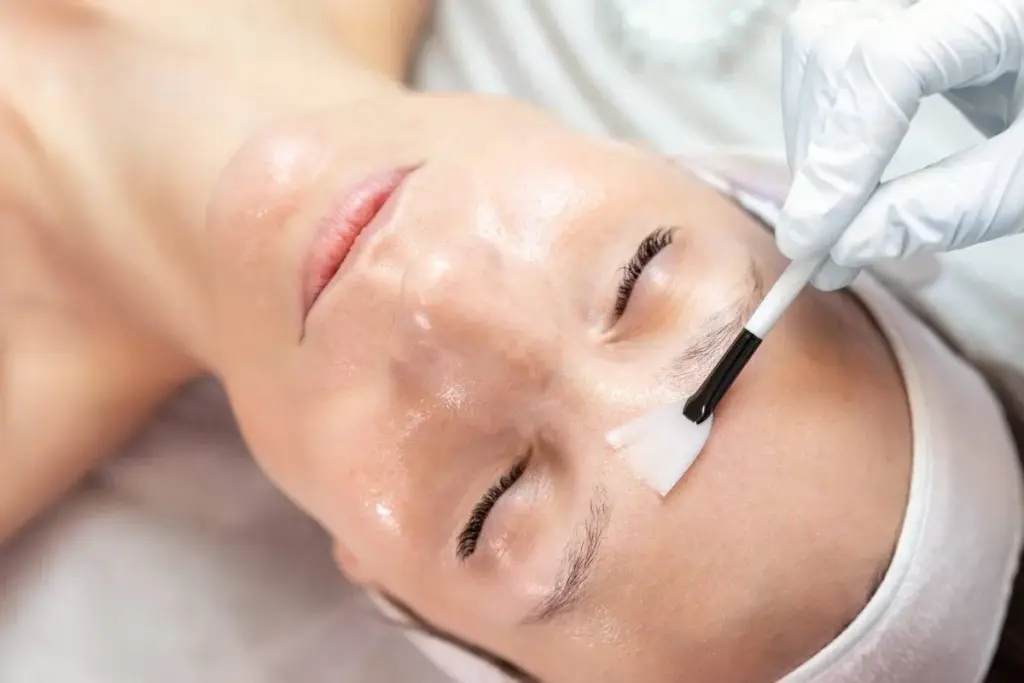
More and more people are trying chemical exfoliation to look younger. The global anti-aging market is growing fast. It’s important to know how treatments like chemical peels help with anti-aging benefits.
Answering whether a chemical peel can make you look younger by targeting fine lines, sun damage, and uneven texture.
Chemical peels are a way to refresh your skin. They use a solution to remove the top skin layers. This reveals smoother, less wrinkled skin. This article will explore the science behind them, their types, benefits, and risks.
Key Takeaways
- Chemical peels can significantly reduce signs of aging.
- Various types of peels cater to different skin types and concerns.
- Understanding the science behind chemical peels is key to getting the most out of them.
- Potential risks and side effects can be lessened with the right care and professional advice.
- Chemical peels are a favorite for those looking to rejuvenate their skin.
Understanding What Chemical Peels Are
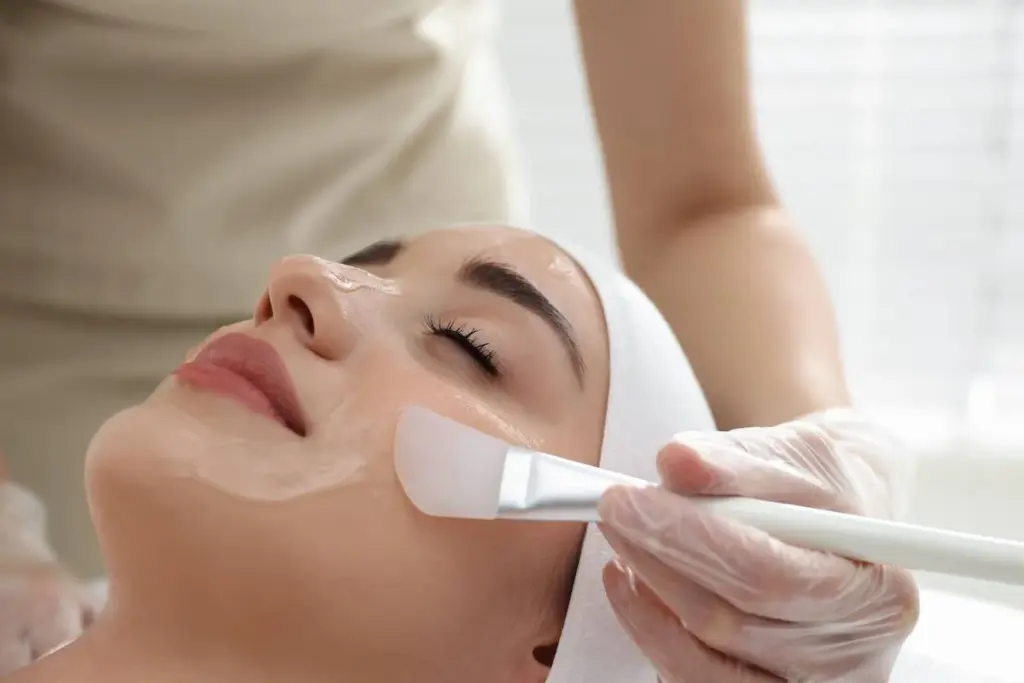
Chemical peels have been used for years to make skin smoother and brighter. They work by applying a solution to remove the top skin layers. This reveals newer, healthier skin cells.
The Science Behind Skin Exfoliation
Skin exfoliation is key in skin care. It gets rid of dead skin cells and helps new ones grow. Chemical peels use glycolic acid to break down dead skin cells. This is deeper than manual exfoliation.
How Chemical Peels Affect Skin Cells
Chemical peels boost cell turnover. This process slows down with age, making skin look dull. By removing top layers, they help new skin cells grow. This improves skin texture and reduces fine lines and wrinkles.
|
Chemical Peel Type |
Effect on Skin Cells |
Common Uses |
|---|---|---|
|
Glycolic Acid Peel |
Stimulates cell turnover, removes dead skin cells |
Anti-aging, skin brightening |
|
Peels for Acne Scarring |
Reduces appearance of scars, promotes new collagen |
Acne treatment, scar revision |
Chemical peels are effective because they can be customized for different skin issues. They can tackle acne and scarring or fine lines and wrinkles. Knowing how they work helps people choose the right treatment for their skin.
The History of Chemical Peel Treatments
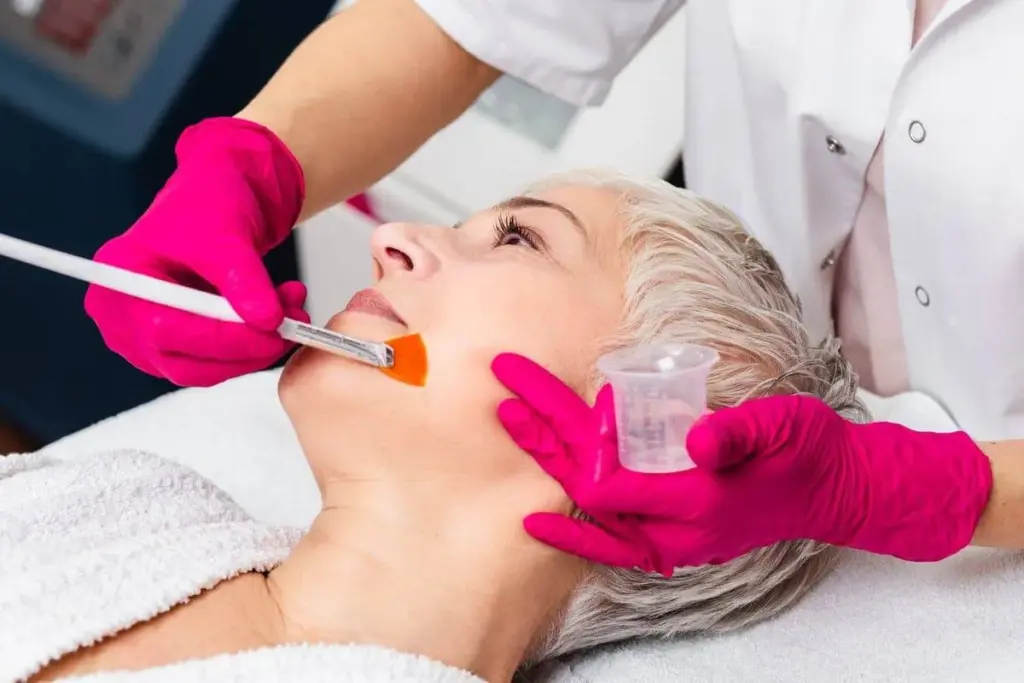
The history of chemical peels is a story of growth, thanks to new research and tech. It shows how these treatments have evolved from old times to today. This journey is filled with important steps.
Chemical peels have been key in skin care for a long time. People long ago used natural stuff to make their skin better. The ancient Egyptians used sour milk, and the Greeks and Romans made their own mixtures for smoother skin.
Evolution of Peels in Dermatology
In the late 1800s and early 1900s, chemical peels started to get more advanced. Dermatologists tried out new agents, like phenol for deep peels. The mid-1900s brought in TCA and AHAs, adding more options for peels.
Key milestones in the evolution of chemical peels include:
- The development of TCA peels for medium-depth exfoliation
- The introduction of glycolic acid as a potent AHA
- Advances in understanding skin physiology and the role of different peeling agents
Modern Advancements in Peel Formulations
Recently, chemical peels have seen big improvements. New peels mix old agents with new tech for better results. For example, combination peels let doctors customize treatments for each person’s skin.
“The advent of new peeling agents and technologies has revolutionized the field, enabling dermatologists to offer more targeted and effective treatments.”
Medical Expert, Dermatologist
Now, chemical peels are a big part of skin care. They help with many issues, like wrinkles, dark spots, and acne scars.
How Chemical Peels Work to Rejuvenate Skin
To understand how chemical peels rejuvenate the skin, we need to look at the exfoliation process and collagen production. Chemical peels are a treatment that removes the top skin layers. This reveals smoother, brighter skin underneath.
The Exfoliation Process Explained
The exfoliation process is key to how chemical peels work. Chemical peels contain ingredients like alpha-hydroxy acids (AHAs) or beta-hydroxy acids (BHAs) that break down dead skin cells. This allows for a gentle removal of these cells.
This process improves skin texture and unclogs pores. It reduces acne and other skin imperfections.
The type and concentration of the peel can be adjusted for different skin types and concerns. For example, superficial peels use glycolic acid or lactic acid for gentle exfoliation. Deeper peels use trichloroacetic acid (TCA) or phenol for more profound effects.
Stimulating Collagen Production
Chemical peels also stimulate collagen production, which is vital for skin rejuvenation. Collagen is a protein that gives structure to the skin. Its production decreases with age, causing wrinkles and sagging skin.
By causing a controlled injury to the skin, chemical peels trigger the body’s natural healing process. This includes the production of new collagen.
- Increased collagen production plumps up the skin, reducing fine lines and wrinkles.
- Improved skin elasticity makes the skin look more youthful and vibrant.
- Enhanced skin firmness contributes to a more radiant and healthy appearance.
Chemical peels combine exfoliation with collagen stimulation for a facial rejuvenation treatment. They address various skin concerns, including aging signs, hyperpigmentation, and acne scars. This makes them a versatile skincare treatment option.
Different Types of Chemical Peels
It’s important to know about the different chemical peels to find the right one for your skin. Peels vary in how deep they go, which affects their ability to fix skin problems.
Superficial Peels: AHAs and BHAs
Superficial peels are the gentlest. They use alpha-hydroxy acids (AHAs) or beta-hydroxy acids (BHAs) to remove dead skin cells. Glycolic acid peels are popular for making the skin brighter and smoother.
AHAs, like glycolic and lactic acid, break down the “glue” that holds dead skin cells together. This reveals newer skin. BHAs, like salicylic acid, are great for acne-prone skin because they can get into pores and reduce swelling.
Medium-Depth Peels: TCA
Medium-depth peels use trichloroacetic acid (TCA) to go deeper into the skin. They help with fine lines, wrinkles, and skin color issues. TCA peels also boost collagen, making the skin look better.
Deep Peels: Phenol
Deep peels, with phenol, are the strongest. They go deep to fix serious skin damage, deep wrinkles, and big color issues. Because they’re so strong, they need to be done carefully by a pro.
|
Type of Peel |
Active Ingredient |
Primary Benefits |
|---|---|---|
|
Superficial |
AHAs, BHAs |
Gentle exfoliation, brightening, acne control |
|
Medium-Depth |
TCA |
Improved skin texture, reduced fine lines and wrinkles |
|
Deep |
Phenol |
Significant skin rejuvenation, deep wrinkle reduction |
Common Ingredients in Chemical Peel Formulations
Knowing what’s in chemical peels helps you see their benefits and pick the right one for your skin. These peels work thanks to different ingredients, each tackling specific skin issues.
Glycolic Acid and Its Benefits
Glycolic acid is a key AHA in chemical peels. It deeply penetrates the skin, helping to exfoliate and boost collagen. It’s great for reducing fine lines, improving texture, and lightening age spots. Glycolic acid peels are best for sun-damaged skin and mild dark spots.
Salicylic Acid for Acne-Prone Skin
Salicylic acid is a BHA that gets into pores, making it perfect for acne-prone skin. It clears pores, cuts down inflammation, and stops future breakouts. Salicylic acid peels are known for making skin clearer and reducing acne scars.
Lactic Acid and Other AHAs
Lactic acid is a gentle but effective AHA. It moisturizes and helps cells turn over, making it good for many skin types, even sensitive ones. Other AHAs like malic and tartaric acid also have roles in peels, depending on the skin issue.
These ingredients let you tailor your skincare. You can pick peels that target acne, aging, or dark spots. There’s a peel for everyone’s needs.
- Glycolic acid for deep exfoliation and collagen stimulation
- Salicylic acid for acne treatment and pore unclogging
- Lactic acid for gentle exfoliation and hydration
- Other AHAs for various skin benefits
Knowing about these ingredients helps you choose the right skincare. Chemical peels can be a key part of your routine for healthier, brighter skin.
The Anti-Aging Benefits of Chemical Peel Treatments
Chemical peels are a treatment that can make aging skin look better. They help reduce fine lines and wrinkles. These treatments are part of a plan to keep skin looking young and healthy.
Reducing Fine Lines and Wrinkles
Chemical peels are great for making fine lines and wrinkles less noticeable. They work by exfoliating the skin and boosting collagen. This makes wrinkles look smoother, making the skin look younger.
Key benefits include:
- Improved skin elasticity
- Reduced wrinkle depth
- Enhanced skin firmness
Improving Skin Texture and Tone
Chemical peels also make skin texture and tone better. They remove dead skin cells and help new cells grow. This makes the skin look brighter and smoother.
The result is a more even-toned complexion with reduced appearance of pores and a smoother skin surface.
Addressing Age Spots and Sun Damage
Age spots and sun damage are common issues. Chemical peels with glycolic acid or salicylic acid can help. They exfoliate the skin and encourage new cell growth, making age spots less visible.
|
Benefit |
Description |
|---|---|
|
Reduces Fine Lines |
Exfoliates skin, stimulating collagen production |
|
Improves Skin Texture |
Removes dead skin cells, promoting cell turnover |
|
Addresses Age Spots |
Exfoliates skin, reducing appearance of age spots and sun damage |
Chemical peels tackle many signs of aging. They can reduce fine lines, improve skin texture, and address age spots. These treatments offer significant benefits for those looking to rejuvenate their skin.
What to Expect During a Chemical Peel Procedure
If you’re thinking about getting a chemical peel, knowing what to expect can really help. It makes you feel more ready and comfortable.
Pre-Treatment Preparation
Your dermatologist or skincare expert will give you special instructions before the peel. This might include:
- Avoiding certain skincare products or medications
- Not waxing or using depilatory creams on the area to be treated
- Informing your doctor about any history of cold sores or other skin conditions
Pre-treatment preparation is key to avoid risks and get the best results.
The Application Process
First, your skin is cleaned well, and a degreasing solution is applied. This removes dirt and oils. Then, the chemical peel solution is applied with a brush, cotton swab, or gauze.
The application process is usually simple. But, it’s important to listen to the practitioner’s instructions closely.
Sensations and Duration
You might feel a mild stinging or burning during the treatment. This usually goes away in a few minutes. The time it takes can vary based on the peel type and area treated. A session usually lasts from 15 to 60 minutes.
Common feelings during the treatment are:
- Mild stinging or burning
- Tingling sensation
- Feeling of warmth on the skin
Knowing what to expect can make you feel more at ease during the procedure.
Recovery and Aftercare Following a Chemical Peel
The journey to radiant skin doesn’t end with the chemical peel treatment. It continues with careful aftercare. Proper recovery and aftercare are key to get the most from the treatment and avoid side effects.
Immediate Post-Peel Care
Right after a chemical peel, your skin might feel sensitive, tight, and look red or swollen. To handle these feelings:
- Keep the skin moisturized with a gentle, fragrance-free moisturizer.
- Avoid direct sun exposure and use a broad-spectrum sunscreen with at least SPF 30.
- Don’t use harsh skincare products or exfoliants for a few days.
Managing the Peeling Phase
The peeling phase can last from a few days to a week, depending on the peel’s depth. To get through this phase well:
- Gently cleanse the skin with a mild cleanser.
- Apply a soothing mask or moisturizer to hydrate the skin.
- Avoid picking or peeling off the skin manually, as this can lead to infection or scarring.
Long-Term Skin Care After Treatment
After healing, keeping up a consistent skincare routine is vital for lasting results. This includes:
- Using products with antioxidants and sunscreen daily.
- Adding gentle exfoliants a few times a week to keep skin texture.
- Staying hydrated and eating a balanced diet to support skin health.
By following these aftercare tips, you can enjoy the full benefits of your chemical peel. You’ll get smoother, brighter, and more youthful-looking skin.
Choosing the Right Chemical Peel for Your Skin Concerns
To get the most from chemical peel treatments, it’s key to know your skin issues and pick the right peel. Chemical peels come in different types, each tackling different problems. These can range from aging and dark spots to acne and scars.
Peels for Wrinkles and Aging Skin
For those worried about wrinkles and aging, peels with glycolic acid or retinoic acid work well. These peels boost collagen, making fine lines and wrinkles less noticeable.
A study in the Journal of Clinical and Aesthetic Dermatology showed glycolic acid peels improve skin texture and reduce wrinkles.
“Glycolic acid peels are an excellent choice for addressing aging skin concerns due to their ability to penetrate deep into the skin and stimulate collagen production.”
Dermatologist Insights
|
Peel Type |
Key Ingredients |
Benefits for Aging Skin |
|---|---|---|
|
Glycolic Acid Peel |
Glycolic Acid |
Stimulates collagen, reduces fine lines and wrinkles |
|
Retinoic Acid Peel |
Retinoic Acid |
Promotes cell turnover, improves skin texture |
Solutions for Hyperpigmentation and Melasma
Hyperpigmentation and melasma can be tough to tackle, but some peels offer hope. Salicylic acid and lactic acid peels are good for these issues. They help exfoliate the skin and fade dark spots.
Choosing between these peels depends on your skin type and how severe the hyperpigmentation is. It’s best to talk to a dermatologist to find the right treatment for you.
Addressing Acne and Acne Scarring
For acne-prone skin, peels with salicylic acid or mandelic acid are helpful. These peels clear pores, reduce inflammation, and stop new breakouts.
- Salicylic acid peels: Effective for deep cleansing pores and reducing acne.
- Mandelic acid peels: Gentle on the skin, suitable for sensitive skin types.
By picking the right chemical peel for your skin issues, you can see big improvements in your skin’s look and health.
Potential Risks and Side Effects
Chemical peels can have risks, from mild side effects to serious issues. They are generally safe when done by a pro. Knowing these risks helps ensure a safe and effective treatment.
Common Temporary Reactions
Most people get some side effects from chemical peels. These can include:
- Redness and irritation, like a mild sunburn
- Peeling or flaking skin, as the treated layer sheds
- Temporary changes in skin color, more common in darker skin
These effects usually go away in a few days to a week. Experts say, “Proper post-peel care can greatly reduce these effects.” Keeping the skin moisturized and protected from the sun is key during this time.
Rare but Serious Complications
Though rare, serious problems can happen, often due to improper use or neglect of aftercare. These can include:
- Permanent scarring or skin discoloration
- Infection, which can worsen if not treated quickly
- Herpes simplex virus (cold sores) reactivation in some
Following pre- and post-treatment instructions carefully is vital to avoid these serious issues. A dermatologist notes, “The main way to avoid serious problems is through proper patient selection, precise technique, and thorough aftercare.”
Who Should Avoid Chemical Peels
Some people should not get chemical peels or should do so with caution. These include:
- Pregnant or breastfeeding women, due to risks from certain ingredients
- Those with a history of keloid or hypertrophic scarring
- People with active infections or open wounds on the skin
- Individuals with certain medical conditions, like diabetes, which can affect healing
A medical expert stresses, “A detailed consultation before the treatment is key to see if a chemical peel is safe for you.”
“Checking the patient’s medical history and current skin condition is vital to avoid contraindications.”
Professional vs. At-Home Chemical Peel Options
Many people want glowing skin and think about chemical peels. They wonder if they should get a professional treatment or try it at home. Chemical peels can fix many skin problems, like wrinkles and acne. Your choice depends on your skin, what you want to fix, and what you prefer.
Dermatologist-Administered Treatments
Professional chemical peels by dermatologists are safe and tailored to your skin. They can pick the right peel for you, from light to deep. Dermatologists can assess your skin and recommend the most appropriate peel, whether it’s a superficial, medium-depth, or deep peel.
Professional treatments use stronger peels that you can’t buy over-the-counter. These peels work deeper for better results. Dermatologists also teach you how to care for your skin before and after the peel.
Over-the-Counter Products
At-home chemical peels are popular because they’re easy and cheap. You can find many types of peels over-the-counter. But, the risk of bad reactions is higher because you’re doing it yourself.
When using at-home peels, always follow the directions and do a patch test. Some peels might not be right for everyone’s skin. Knowing your skin is key.
Safety Considerations for DIY Approaches
At-home peels can be risky if you don’t know what you’re doing. You could hurt your skin, like getting burns or scars. It’s important to know what’s in the peel before using it.
To stay safe, start with mild peels and slowly get stronger ones. Also, keep your skin protected from the sun to keep your peel results looking good.
In short, both professional and at-home peels have good and bad sides. Your choice depends on your skin, budget, and comfort with DIY skincare. Talking to a dermatologist can help you decide what’s best for you.
Real Results: Chemical Peel Before and After
Many people have seen big changes in their skin after getting chemical peels. These treatments help with aging, fine lines, and dark spots. They make skin look smoother and younger.
Timeline for Visible Improvements
How fast you see results from a chemical peel depends on your skin and the peel type. Superficial peels work in a few days to a week. Medium-depth and deep peels take longer, sometimes up to weeks, as your skin heals.
One patient said, “I noticed my skin looked better in just a week after the peel.”
Longevity of Results
How long chemical peel results last varies. It depends on your skin care, sun protection, and the peel type. Generally, the effects can last months to a year or more. You might need to get treated again to keep the look.
“Chemical peels can provide long-lasting results when combined with proper skin care and sun protection,” says a dermatologist. “Regular maintenance is key to maintaining the health and appearance of the skin.”
Patient Testimonials and Experiences
People share their positive experiences with chemical peels. They talk about less wrinkles, fewer dark spots, and better skin texture. It’s clear these treatments can make a big difference.
- Improved skin texture and tone
- Reduced appearance of fine lines and wrinkles
- Fading of age spots and hyperpigmentation
Looking at chemical peel before and after photos shows how effective they are. They’re a great choice for those wanting to refresh their skin.
Chemical Peels vs. Other Anti-Aging Treatments
When looking at anti-aging treatments, it’s key to know how chemical peels compare to others. There are many treatments out there, making it important to see what each does best.
Comparing with Microdermabrasion
Microdermabrasion is a gentle way to remove dead skin cells. It helps new cells come to the surface. But, it doesn’t go as deep as chemical peels.
Chemical peels can tackle deeper issues like wrinkles and spots better. Microdermabrasion is good for all skin types and is often used to keep skin looking fresh between deeper treatments.
Differences from Laser Resurfacing
Laser resurfacing uses lasers to remove damaged skin and boost collagen. It’s great for serious sun damage and wrinkles. But, it needs more time to recover because it’s more intense.
Chemical peels offer different levels of treatment. They can be light or deep, depending on what your skin needs. This makes them more flexible than laser resurfacing.
Chemical Peels vs. Injectable Treatments
Injectables like Botox and fillers target wrinkles and lost facial volume. They work directly on specific areas. Chemical peels, on the other hand, work on the skin’s surface and deeper layers.
Chemical peels can make injectable results last longer by improving skin quality. Using both treatments together might be the best way to look younger and fresher.
Scientific Evidence: Do Chemical Peels Actually Work?
Clinical research has shown how chemical peels can make skin look younger. These treatments are not just based on stories; they have scientific proof.
Clinical Studies on Effectiveness
Many studies have looked into how chemical peels affect aging skin. For example, a study in the Journal of Clinical and Aesthetic Dermatology found that glycolic acid peels made skin smoother and reduced fine lines.
Research also shows that chemical peels boost collagen production. A study in Dermatologic Surgery found that TCA peels increased collagen, making skin more elastic.
Dermatologists’ Perspectives
Dermatologists often suggest chemical peels because they know how they work. Medical Expert, a dermatologist with over a decade of experience, says, “Chemical peels are a versatile tool in anti-aging treatments, providing customizable solutions for various skin concerns.”
|
Study |
Peel Type |
Key Findings |
|---|---|---|
|
Journal of Clinical and Aesthetic Dermatology |
Glycolic Acid Peel |
Improved skin texture, reduced fine lines |
|
Dermatologic Surgery |
TCA Peel |
Increased collagen synthesis, improved skin elasticity |
Dermatologists agree that chemical peels, when used right, can rejuvenate the skin and fight aging signs.
Conclusion: The Truth About Chemical Peels and Youthful Skin
Chemical peels are a top choice for those wanting to refresh their skin and look younger. They come in different types, each with its own ingredients and effects. Knowing about them helps people choose the best for their skin.
Chemical peels do a lot to fight aging. They help reduce wrinkles and improve skin texture and color. They boost collagen, which fights signs of aging and sun damage. They’re great for acne scars, dark spots, or just keeping skin looking young.
In summary, chemical peels are a big win for the skin. They make skin look better and stay healthy. Adding them to your skincare can help keep your skin looking young for a long time.
FAQ
What is a chemical peel and how does it work?
A chemical peel is a treatment that removes the top skin layers. It reveals smoother, brighter skin. It works by exfoliating the skin, removing dead cells, and promoting new growth.
What are the different types of chemical peels available?
There are many types of chemical peels. Superficial peels use AHAs and BHAs. Medium-depth peels use TCA, and deep peels use phenol. Each type has its own benefits and uses.
What are the benefits of chemical peels for anti-aging?
Chemical peels can reduce wrinkles and improve skin texture. They can also address age spots and sun damage. This results in a younger look.
How do I prepare for a chemical peel procedure?
Before a peel, avoid certain skincare products and protect your skin from the sun. Follow any instructions from a dermatologist or skincare expert.
What can I expect during a chemical peel treatment?
During a peel, a solution is applied to your skin. You might feel tingling or stinging. The treatment time depends on the type of peel.
How do I care for my skin after a chemical peel?
After a peel, clean your skin gently, moisturize, and protect it from the sun. Always follow the aftercare advice from a dermatologist or skincare expert.
Are chemical peels safe, and what are the possible risks?
Chemical peels are safe when done by a qualified professional. But, there are risks like temporary reactions and rare serious complications. Some people should avoid peels.
Can I perform a chemical peel at home, or should I see a professional?
At-home peels are available, but professional treatments are safer and more effective. Over-the-counter products may not work as well.
How long do the results of a chemical peel last?
Results vary based on the peel type, skin concerns, and individual skin. You might need maintenance treatments to keep the benefits.
Can chemical peels be used in conjunction with other anti-aging treatments?
Yes, peels can be used with other treatments like microdermabrasion, laser resurfacing, or injectables. This can enhance the results.
Are chemical peels supported by scientific evidence?
Yes, studies and dermatologists confirm that chemical peels work for anti-aging and skin improvement.
How do I choose the right chemical peel for my skin concerns?
Choose a peel based on your skin issues, like wrinkles or hyperpigmentation. Talk to a dermatologist or skincare expert to find the best peel for you.
References
National Center for Biotechnology Information. Evidence-Based Medical Insight. Retrieved from https://www.ncbi.nlm.nih.gov/pmc/articles/PMC2921757/