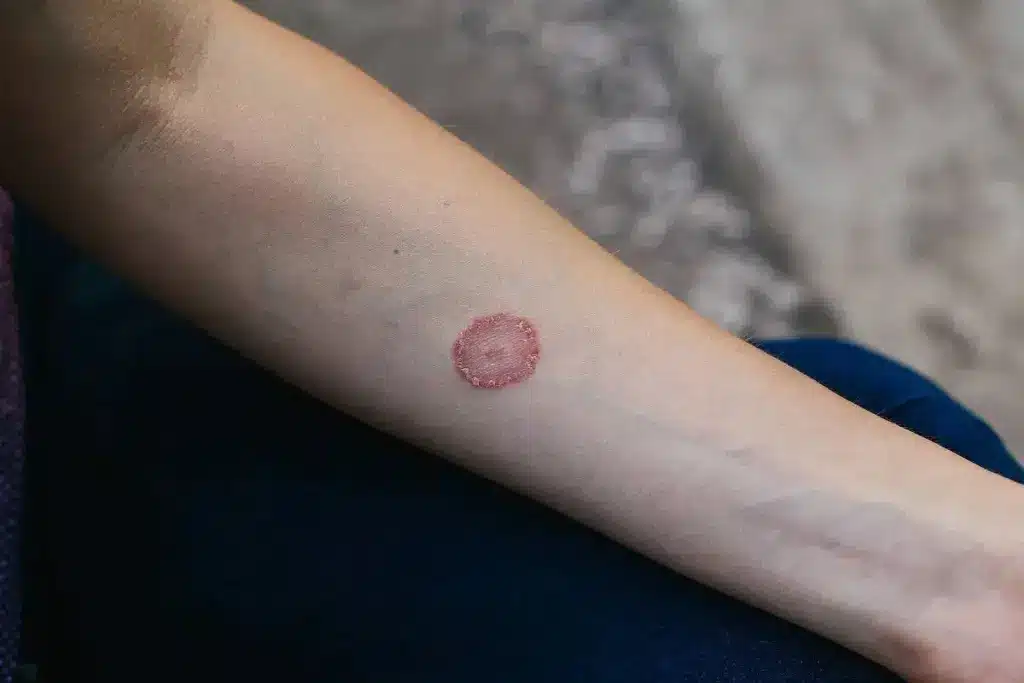
Did you know that nearly 1 in 5 people worldwide will experience tinea versicolor at some point in their lives? This common skin condition is caused by a fungal infection that affects the skin, leading to patches of discoloration. Dealing with tinea versicolor can be uncomfortable and distressing, affecting not just the skin but also one’s self-esteem.tinea versicolorFemale Inguinal Anatomy: An Amazing, Unique Guide
Tinea versicolor is a condition characterized by the appearance of patches on the skin, typically on the back, chest, and shoulders. These patches can be lighter or darker than the surrounding skin and may be accompanied by mild scaling. The condition is not serious but can be persistent and recurrent if not properly managed.
Key Takeaways
- Tinea versicolor is a common fungal infection affecting the skin.
- It causes patches of discoloration, often on the back, chest, and shoulders.
- The condition is not serious but can affect self-esteem.
- Proper management is key to preventing recurrence.
- Treatment options are available to help manage symptoms.
What is Tinea Versicolor?
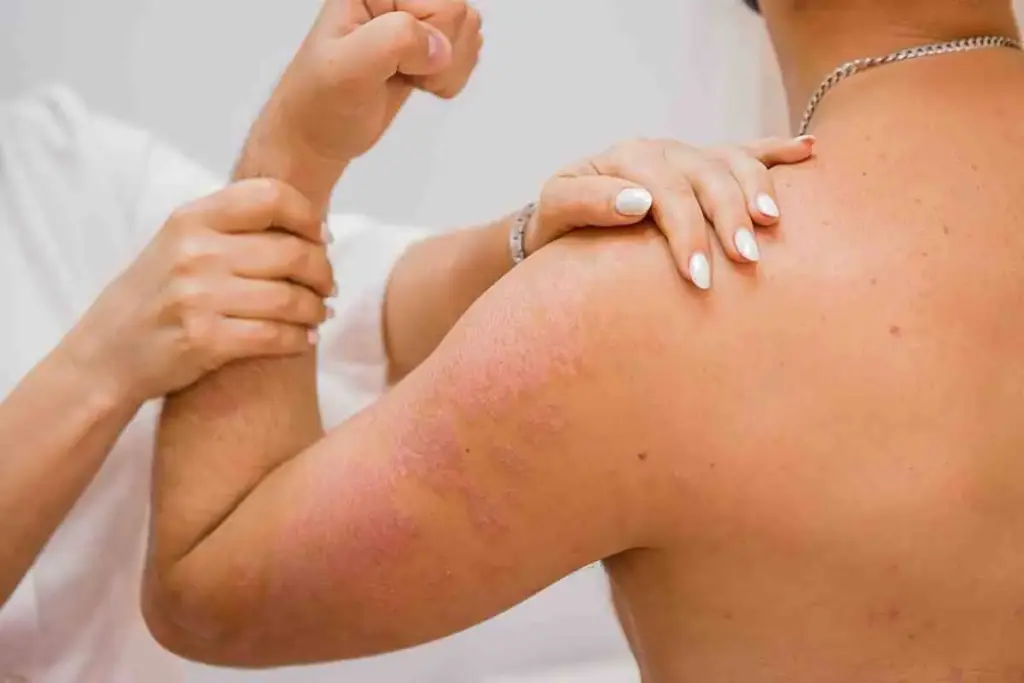
Tinea versicolor, also known as pityriasis versicolor, is a superficial fungal infection. It’s caused by yeast-like fungi that live on the skin. It shows up as patches of discoloration on the chest, back, and shoulders.
These patches can be lighter or darker than the skin around them. They may appear in shades like white, pink, or brown.
Definition and Overview
The fungus behind tinea versicolor is usually Malassezia, a type of yeast-like fungus. This fungus is naturally found on human skin and usually doesn’t cause issues. But, under certain conditions, it can grow too much, causing tinea versicolor.
Causes of the Condition
Several factors can lead to tinea versicolor. These include:
- Warm and humid weather, which promotes fungal growth
- Excessive sweating, as it creates a moist environment ideal for fungal overgrowth
- Hormonal changes, which can affect the skin’s natural balance
- Immunosuppression, as a weakened immune system can’t effectively control fungal growth
“The overgrowth of Malassezia yeast on the skin leads to the characteristic patches of tinea versicolor,” as noted by dermatological experts. Understanding these causes is key to managing and treating the condition.
Symptoms of Tinea Versicolor
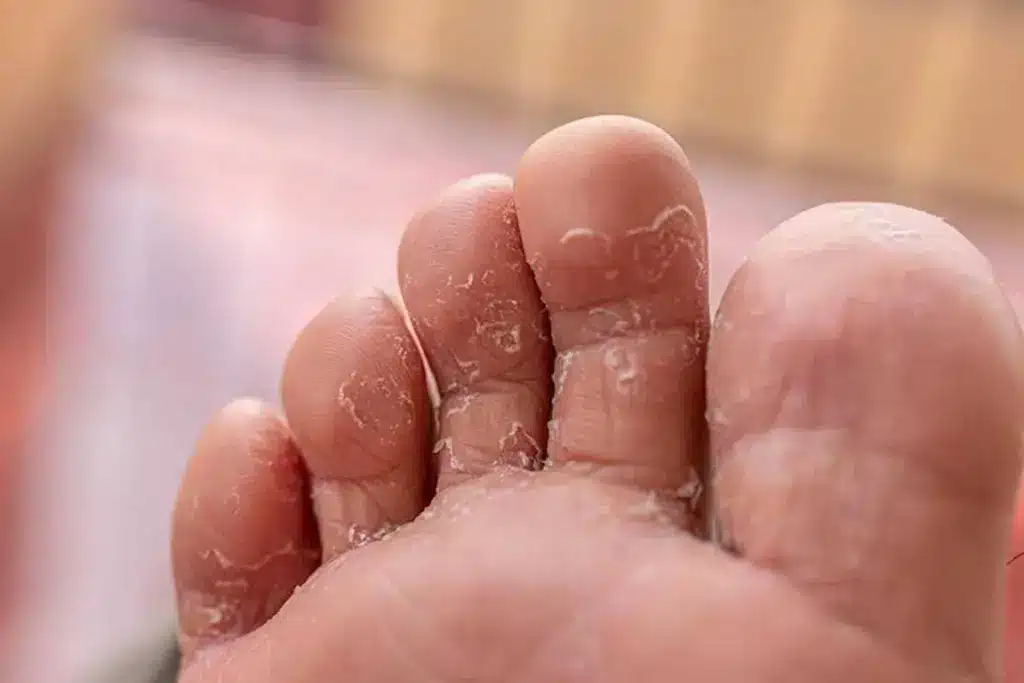
Tinea versicolor often changes how your skin looks. It can make your skin color and texture different. You might also feel some discomfort.
Skin Changes and Appearance
This condition causes patches of color change on your skin. These patches can be lighter or darker than the rest of your skin. You can find them on your back, chest, shoulders, and sometimes on your face and neck.
The appearance of these skin changes can be quite distinct. They can make your skin tone look different. In some cases, these patches might be more noticeable after you’ve been in the sun. This is because they don’t tan or tan unevenly.
Itching and Discomfort
While the main symptom is the change in skin appearance, some people might itch or feel uncomfortable. This itching can be mild or more serious. It can get worse when you sweat or get too hot.
It’s important to know that not everyone itches. Some people might not feel any discomfort at all. But for those who do, it can really bother them. It might even affect how they live their daily lives.
If you notice any of these symptoms, it’s a good idea to see a doctor. They can help figure out if you have tinea versicolor. Then, you can talk about tinea versicolor treatment options together.
How Is Tinea Versicolor Diagnosed?
We diagnose tinea versicolor by examining the skin closely and sometimes doing more tests. This helps us know for sure what the problem is and how to treat it.
Clinical Examination
First, we look at the skin to see if it has any signs of tinea versicolor. A doctor will check the color, size, and where the spots are. They also look at your health history and any past treatments.
They might use a Wood’s lamp to help find fungal infections. This special light makes tinea versicolor spots glow, which helps confirm the diagnosis. It’s a quick and easy test.
Diagnostic Tests
Sometimes, we need more tests to be sure. We might take a skin scraping to look for the Malassezia fungus under a microscope. This test helps us say for sure if you have tinea versicolor.
We might also do a fungal culture or biopsy, but this is rare. We decide based on how bad the condition is and how you react to treatment.
By looking at the skin and doing tests when needed, we can find out if you have tinea versicolor. Then, we can make a treatment plan just for you.
Treatment Options for Tinea Versicolor
For those with tinea versicolor, there are many ways to treat it. We know it’s important to find a treatment that works for you. This depends on how bad the symptoms are, your skin type, and what you prefer.
Topical Antifungal Medications
Topical treatments are often the first choice for tinea versicolor. These include creams, lotions, and shampoos with antifungal agents like ketoconazole or clotrimazole. These treatments can greatly reduce the fungal infection, making your skin look better and less likely to come back.
It’s key to follow the treatment plan given by a doctor. Side effects like skin irritation or dryness are usually mild.
Oral Antifungal Treatments
If topical treatments don’t work or the condition is widespread, oral antifungal meds might be needed. Oral treatments, like itraconazole or fluconazole, fight the infection from inside. They’re great for severe or ongoing cases of tinea versicolor.
But, oral treatments can have bigger side effects and might affect other meds. Always use them with a doctor’s advice.
Home Remedies and Natural Solutions
There are also home remedies and natural solutions for tinea versicolor. Applying tea tree oil or using diluted apple cider vinegar can help. Tea tree oil has antifungal properties, and apple cider vinegar can balance your skin’s pH.
- Tea tree oil: Known for its antifungal and antibacterial properties.
- Diluted apple cider vinegar: May help in balancing the skin’s pH.
- Coconut oil: Some individuals find it helpful in soothing the skin.
While these remedies can be helpful, always talk to a doctor before trying them. This ensures they won’t harm you or make things worse.
Managing tinea versicolor is a personal journey. What works for one person might not work for another. By exploring treatment options and working with a healthcare provider, you can find a plan that fits your needs.
Prevention Strategies for Tinea Versicolor
To prevent tinea versicolor, it’s key to understand the role of skin care and lifestyle changes. These steps can greatly lower the chance of getting this condition.
Importance of Skin Care
Good skin care is the first step in preventing tinea versicolor. It means keeping your skin clean and dry, mainly in sweaty areas. Regular showering and drying are vital, after you sweat a lot. Using antifungal soaps or cleansers can also control Malassezia fungi growth.
Wearing loose, breathable clothing helps too. It reduces sweat on your skin, making it harder for fungi to grow. Also, don’t share personal care items to stop fungal infections from spreading.
Lifestyle Modifications
Making lifestyle changes is also important. Stress management through relaxation techniques like meditation or yoga helps. A healthy diet with fruits, vegetables, and whole grains boosts your immune system against fungal infections.
- Avoiding too much sun exposure, which can trigger the condition
- Using non-comedogenic products that are less likely to clog pores
- Staying hydrated to keep your skin healthy
By adding these prevention strategies to your daily routine, you can lower the risk of tinea versicolor.
Common Misconceptions About Tinea Versicolor
Tinea versicolor is more common than you might think, but it’s filled with myths. We want to clear up these misconceptions. This way, you can better manage tinea versicolor.
Is It Contagious?
Tinea versicolor is not contagious. It’s caused by a yeast infection that’s always on your skin. It’s not spread by bacteria or viruses like colds or flu. The condition happens when yeast grows too much, often due to heat, humidity, and hormonal changes.
Can It Cause Permanent Skin Damage?
Usually, tinea versicolor doesn’t cause lasting skin damage. But, it can change your skin’s color, which might take time to go away after treatment. These color changes are not permanent damage. They happen because the condition affects how your skin makes melanin.
|
Misconception |
Fact |
|---|---|
|
Tinea versicolor is contagious. |
It’s caused by an overgrowth of naturally occurring yeast on the skin, not transmitted from person to person. |
|
Tinea versicolor causes permanent skin damage. |
While it can cause changes in skin pigmentation, these are not permanent and will resolve over time. |
Tinea Versicolor and Recurrence
Understanding why tinea versicolor recurs is key to managing it well. It’s important to know why it comes back to prevent it. This helps in creating a plan to stop it from happening again.
Why Does It Come Back?
Tinea versicolor comes back for several reasons. The main cause is the yeast on the skin that can start growing again. Other factors include:
- Warm and humid climates
- Poor skin care
- Immunocompromised state
- Use of certain medications like corticosteroids
These factors make it easy for the yeast to grow, causing tinea versicolor to come back.
Strategies to Prevent Recurrence
To stop tinea versicolor from coming back, good skin care and lifestyle changes are needed. Maintaining good hygiene is very important. Here are some ways to prevent it:
- Use antifungal shampoos or soaps regularly.
- Keep the skin dry, after bathing or exercising.
- Avoid excessive sweating.
- Wear loose, breathable clothing.
- Consider using topical antifungal treatments to prevent it.
By following these steps, you can lower the chance of tinea versicolor coming back.
When to See a Doctor
Knowing when to see a doctor is key to managing Tinea Versicolor. Some cases are mild and can be handled at home. But, others may need a doctor’s help.
Warning Signs and Symptoms
Some signs mean it’s time to visit a doctor. These include:
- Severe skin discoloration that doesn’t get better with over-the-counter treatments.
- Increasing itching or discomfort that bothers you during the day or at night.
- The rash spreading to a big part of your body.
- Signs of a secondary infection, like more redness, swelling, or pus.
If you notice any of these signs, seeing a doctor is important. They can help prevent worse problems and treat your Tinea Versicolor right.
Professional Treatment Options
When you go to the doctor, they will check you out and offer treatments. They might give you:
- Stronger antifungal meds, either cream or pills, based on how bad it is.
- Advice on how to live healthier to avoid getting it again.
- Check for side effects and changes to your treatment if needed.
Getting help from a doctor means you get care that fits you. They can help manage your Tinea Versicolor better.
Living with Tinea Versicolor
Tinea versicolor affects not just the skin but also a person’s self-esteem and overall well-being. It can be tough to live with, but there are ways to manage its effects.
Managing Self-Esteem and Appearance
The visible symptoms of tinea versicolor can make a person feel self-conscious. It’s important to address these concerns in a management plan.
Strategies for Managing Appearance:
- Using cosmetic products to cover affected areas
- Maintaining good skin hygiene
- Wearing clothing that makes you feel confident
Support Resources and Communities
Support resources and communities can greatly help those with tinea versicolor. Connecting with others who understand the challenges is key.
|
Resource Type |
Description |
Benefits |
|---|---|---|
|
Online Forums |
Platforms where individuals can share their experiences and advice |
Community support, shared knowledge |
|
Support Groups |
Local or virtual groups that meet to discuss living with tinea versicolor |
Emotional support, practical advice |
|
Professional Counseling |
One-on-one or group therapy sessions with a professional |
Personalized guidance, coping strategies |
By using these resources and strategies, people with tinea versicolor can improve their self-esteem and quality of life.
Conclusion: Can Tinea Versicolor Go Away Permanently?
We’ve looked into Tinea Versicolor, including its causes, symptoms, and treatments. How well treatments work is key to managing this condition.
Summary of Treatment Effectiveness
Topical and oral antifungal meds can clear Tinea Versicolor. Home remedies and natural solutions also help manage it.
Long-Term Management Strategies
To stop it from coming back, we need to care for our skin and make lifestyle changes. Knowing the causes and taking action early can help prevent Tinea Versicolor.
In summary, while Tinea Versicolor can be ongoing, the right treatment and care can control its symptoms. This improves life quality for those dealing with it.
FAQ
What is tinea versicolor?
Tinea versicolor is a fungal infection that affects the skin’s color. It causes patches of discoloration.
What causes tinea versicolor?
Warm weather, sweating, and hormonal changes create the perfect environment for this infection. This allows yeast-like fungi to grow.
Is tinea versicolor contagious?
No, it’s not contagious. It happens when fungi on the skin grow too much, not from an outside infection.
What are the symptoms of tinea versicolor?
Symptoms include patches of skin that are lighter or darker. These patches may itch or feel uncomfortable.
How is tinea versicolor diagnosed?
Doctors diagnose it by looking at the skin and may use tests like a skin scraping. This confirms the infection.
What are the treatment options for tinea versicolor?
Treatments include creams and pills, as well as home remedies. These help clear the infection and prevent it from coming back.
Can tinea versicolor cause permanent skin damage?
Usually, it doesn’t cause permanent damage. But, if not treated, it can lead to lasting skin color changes.
How can I prevent tinea versicolor?
To prevent it, keep your skin clean and dry. Avoid sweating too much and wear breathable clothes.
Why does tinea versicolor recur?
It can come back due to not treating it fully, being exposed to triggers, or being more prone to fungal infections.
When should I see a doctor for tinea versicolor?
See a doctor if symptoms don’t go away, if treatment doesn’t work, or if you’re unsure about what to do.
References
National Center for Biotechnology Information. Evidence-Based Medical Insight. Retrieved from https://www.ncbi.nlm.nih.gov/books/NBK482500/