Nearly 1 in 5 people who get microneedling treatments have some bad reactions. This shows we need to know who should stay away from it. Microneedling can help make your skin look better by boosting collagen. But, it’s not for everyone.
Some health issues or medicines can make problems worse. So, it’s key to know who should not get this treatment. Knowing the possible side effects and dangers of microneedling helps you make smart choices for your skin.
Listing contraindications such as active acne, eczema, and Accutane use for the microneedling procedure.
Key Takeaways
- People with certain health problems should not get microneedling.
- Some medicines can make microneedling risks higher.
- It’s important to know the possible side effects to make good choices.
- Microneedling can help by making more collagen.
- The cost of microneedling changes based on different things.
Understanding Microneedling: What Is It and How Does It Work?
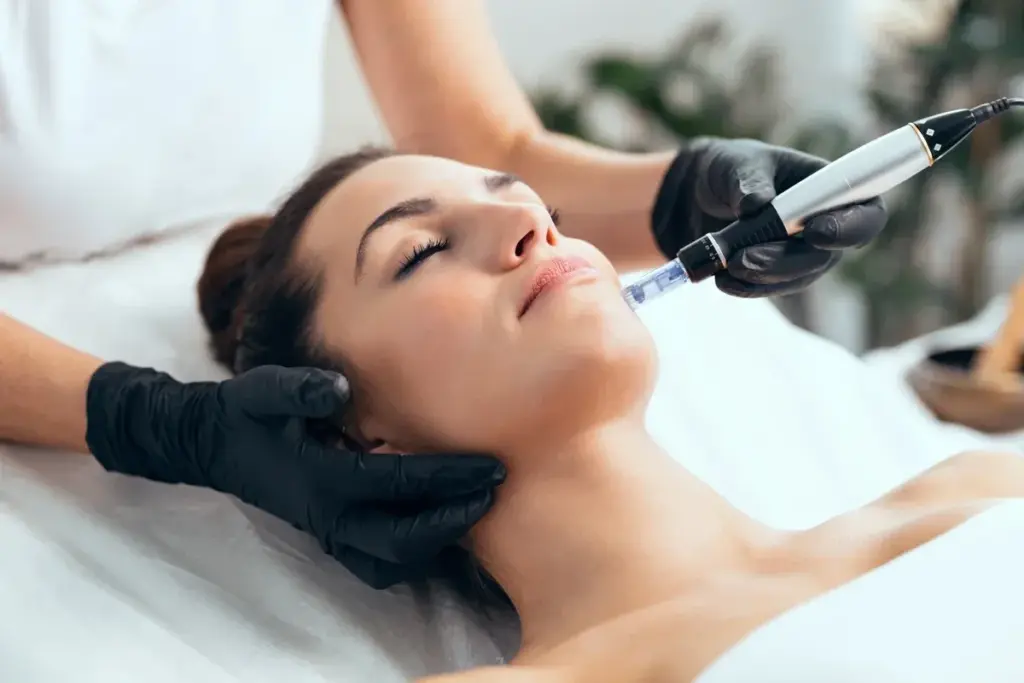
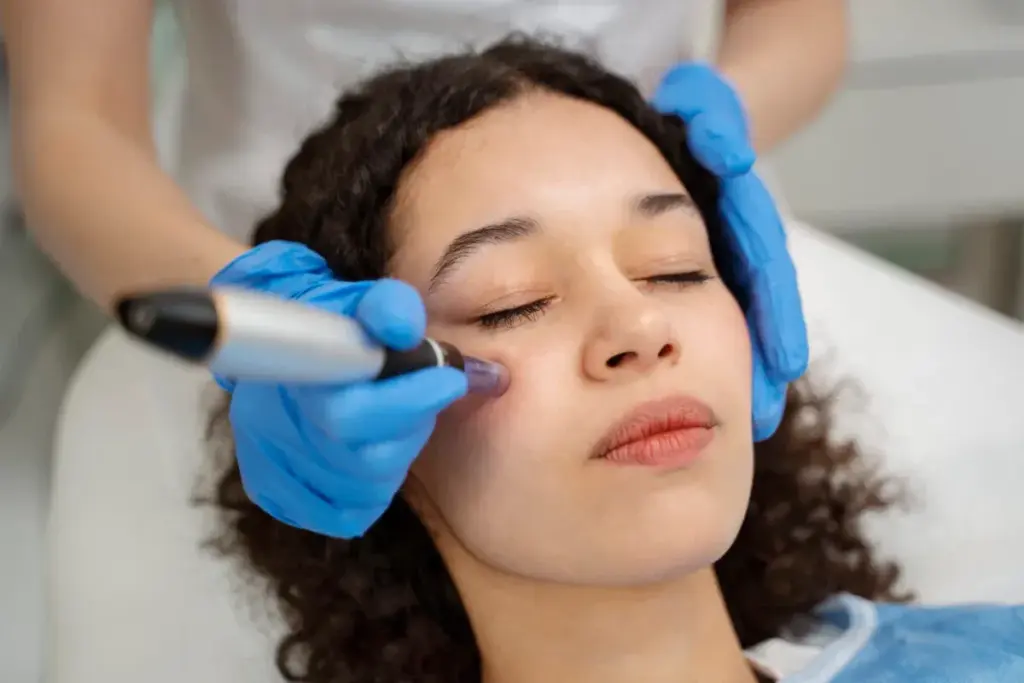
Microneedling is a treatment that boosts collagen production in the skin. It uses tiny needles to make micro-injuries. This starts the body’s natural healing process.
This process makes new collagen and elastin. These proteins are key for healthy, young-looking skin. As we get older, we make less of these proteins, leading to wrinkles and loose skin.
The Science Behind Collagen Induction Therapy
Collagen induction therapy works by mimicking injury. When the skin gets hurt, it starts to heal. This healing includes making new collagen and elastin.
“Microneedling stimulates collagen production by creating micro-injuries in the skin, which triggers the body’s natural wound healing process.” – Dr. Jane Smith, Dermatologist
Common Types of Microneedling Devices
There are many microneedling devices out there. You can find derma rollers and automated pens. Derma rollers are handheld and have needles that roll over your skin.
|
Device Type |
Description |
Benefits |
|---|---|---|
|
Derma Roller |
Manual device with needles that roll over the skin |
Cost-effective, portable |
|
Automated Microneedling Pen |
Electronic device with adjustable needle depth |
Precise control, customizable treatment |
Different microneedling devices have different features. They vary in needle depth, speed, and frequency. This lets you tailor treatments to your specific skin needs.
The Microneedling Procedure: What to Expect
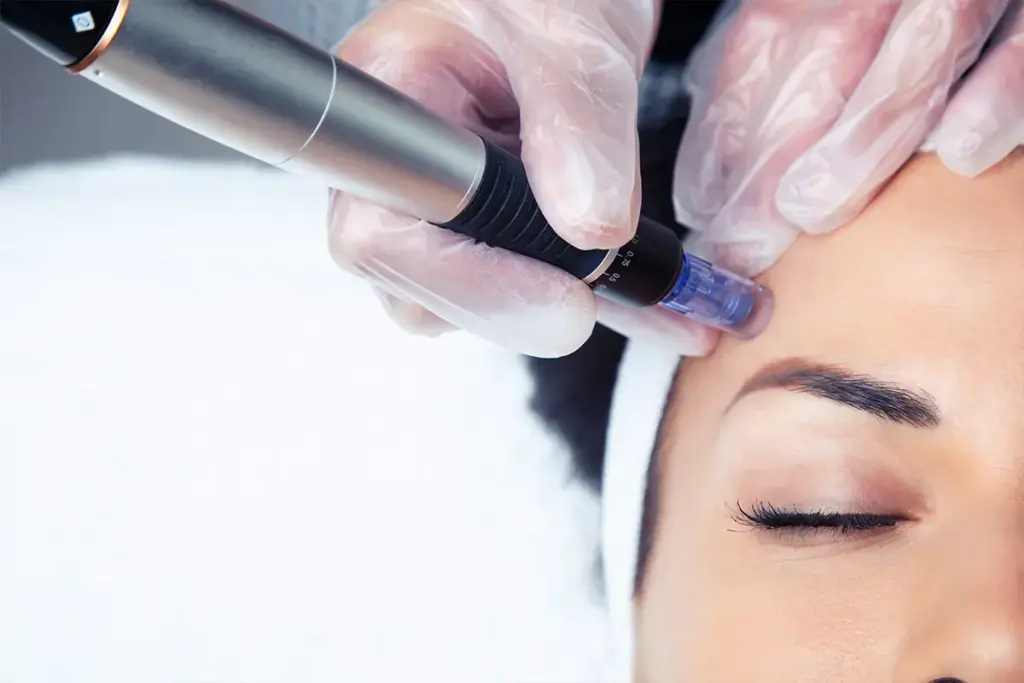
Knowing what to expect from microneedling is important. This skincare treatment involves several steps to get the best results.
Pre-Treatment Preparation
Preparation is key before microneedling. You should avoid certain skincare products and medications. It’s recommended to consult with a dermatologist for personalized advice.
During the Procedure
A device with fine needles makes micro-injuries in the skin during microneedling. This stimulates collagen production. The treatment lasts 30 minutes to an hour, depending on the area. Topical numbing cream is used to reduce discomfort.
Post-Treatment Care
Proper care after microneedling is essential. Keep your skin moisturized and protected from the sun. As one source notes, “Proper aftercare following a facial or chemical peel can significantly impact the outcome,” which is similar for microneedling.
‘Gentle skincare and sun protection are key in the days after microneedling.’
Understanding the microneedling process helps prepare you for the treatment. This way, you can get the best results.
Benefits of Microneedling for Suitable Candidates
Microneedling is a versatile treatment that offers many benefits. It rejuvenates the skin and helps with issues like acne scars. For those who are good candidates, it’s a powerful solution for many skin problems.
Skin Rejuvenation and Collagen Production
One key benefit of microneedling is boosting collagen production. This leads to skin rejuvenation. The treatment makes tiny injuries in the skin, starting the body’s healing process. This results in smoother, younger-looking skin.
Treatment for Acne Scars and Hyperpigmentation
Microneedling is also great for acne scars and hyperpigmentation. The tiny needles make paths in the skin. This lets topical treatments penetrate better, reducing scars and discoloration.
Microneedling for Hair Loss
Lastly, microneedling for hair loss is getting attention. It might help grow hair by increasing scalp blood flow and collagen. This strengthens hair follicles and boosts hair health.
In summary, microneedling has many benefits for those who are good candidates. It improves skin texture, reduces scars, and may even help with hair growth.
Professional Microneedling vs. At-Home Microneedling Safety
At-home microneedling devices have become popular, but their safety and effectiveness are debated. They are convenient, but there are risks to consider.
Differences in Equipment and Technique
Professional microneedling tools are more advanced than home devices. They have adjustable needles and precise temperature control. Trained professionals use them, knowing how to handle skin well. At-home devices, like derma rollers, are less precise and may be used incorrectly by those without training.
Risk Factors for DIY Microneedling
Using microneedling at home can lead to infections, scars, and dark spots. Without proper cleaning and technique, the risk of problems grows. People might not know their skin’s needs, like if it’s too sensitive or has active acne.
When At-Home Treatments Are Absolutely Contraindicated
Some skin issues, like active acne, rosacea, or eczema, make at-home microneedling dangerous. People with these problems should talk to a dermatologist first. Also, those taking blood thinners or isotretinoin should avoid at-home microneedling because of the risk of bruising and bleeding.
|
Aspect |
Professional Microneedling |
At-Home Microneedling |
|---|---|---|
|
Equipment Precision |
Highly advanced with adjustable needle depths |
Limited precision, often manual |
|
Technique |
Performed by trained professionals |
Self-administered, risk of incorrect technique |
|
Risk of Complications |
Lower risk due to professional expertise |
Higher risk of infection, scarring |
In conclusion, while at-home microneedling is convenient, the risks are real. Professional microneedling is safer and more effective. It’s done by experts who can customize treatments for your skin.
General Contraindications for Microneedling Procedures
It’s important to know who should avoid microneedling for safety and best results. This treatment creates tiny injuries to boost collagen. But, it’s not for everyone.
Medical Conditions That Disqualify Candidates
Some health issues make microneedling risky. For example, those with keloid scarring, active skin infections, or Prurigo Pigmentosa should not get it. Also, people with pacemakers or other implants should talk to their doctor first. This is because the treatment might affect these devices.
Other reasons to avoid microneedling include autoimmune diseases, active skin conditions like psoriasis or eczema, and blood disorders. It’s key to tell your doctor about any health issues before getting microneedling.
Temporary Contraindications vs. Absolute Contraindications
Some reasons to skip microneedling are temporary. For example, if you have active acne or skin infections, you can get treated once they clear up. But, some conditions are absolute no-gos, like certain chronic diseases or taking specific meds like isotretinoin too recently.
An expert says, “Safe microneedling starts with careful checks before treatment.” This shows how vital it is to choose the right patients and do thorough checks before starting.
Active Skin Infections and Microneedling
Active skin infections are a big no-no for microneedling. This treatment creates tiny injuries to boost collagen and renew the skin. But, if the skin is already infected, it can make things worse.
Bacterial Infections
Bacterial infections, like those from Staphylococcus or Streptococcus, are a big concern. Microneedling on infected skin can push bacteria deeper. This might cause more serious infections or spread them to other parts of the body.
Viral Infections Like Herpes and Warts
Viral infections, like herpes simplex virus (HSV) and human papillomavirus (HPV), are risky. Microneedling can wake up dormant viruses or spread them, causing more lesions or problems.
Fungal Infections
Fungal infections, though rare, can also be a problem. Infections like ringworm can get worse or spread with microneedling. This could lead to more widespread infection or longer healing times.
|
Infection Type |
Risks Associated with Microneedling |
|---|---|
|
Bacterial |
Spread of infection, increased severity |
|
Viral |
Reactivation, spread to other areas |
|
Fungal |
Worsening of infection, prolonged healing |
Inflammatory Skin Conditions That Conflict With Microneedling
Inflammatory skin conditions can make microneedling treatments less safe and less effective. These conditions can cause bad reactions, longer healing times, and less success in treatment.
Rosacea and Its Complications
Rosacea is a long-term condition that makes the skin red, flushes, and shows blood vessels. Microneedling can make rosacea symptoms worse, causing more redness and irritation. People with rosacea should talk to a dermatologist before trying microneedling.
Eczema and Dermatitis
Eczema and dermatitis are conditions that make the skin inflamed, leading to itching, redness, and dryness. Microneedling can make these conditions worse, causing more irritation and breaking the skin’s natural barrier.
Psoriasis Concerns
Psoriasis is an autoimmune disease that makes skin cells grow too fast, causing them to pile up on the skin’s surface. The trauma from microneedling can trigger Koebner phenomenon in psoriasis patients, leading to new psoriatic lesions at the injury site.
|
Condition |
Microneedling Risks |
Precautions |
|---|---|---|
|
Rosacea |
Increased redness, irritation |
Consult dermatologist, gentle treatment |
|
Eczema/Dermatitis |
Irritation, flare-ups |
Avoid during active flare-ups |
|
Psoriasis |
Koebner phenomenon, new lesions |
Careful assessment, consider alternative treatments |
Active Acne: Why It’s a Temporary Barrier to Microneedling
Active acne makes it hard to start microneedling because of the risk of infection. This is because the skin is fighting an infection. Adding microneedling could make the infection worse or spread it.
Risk of Spreading Bacteria
Active acne means your skin is already fighting an infection. Microneedling can make things worse by spreading bacteria. This could lead to more serious infections or longer healing times.
Key risks associated with microneedling during active acne include:
- Increased risk of bacterial dissemination
- Exacerbation of existing inflammation
- Potential for post-inflammatory hyperpigmentation (PIH)
When It’s Safe to Resume After Acne Clears
Wait until your acne is fully gone before starting microneedling again. How long you wait depends on how bad your acne was and how well it’s treated. Usually, wait a few weeks after your skin is clear.
Before resuming microneedling, consider the following:
- Ensure your skin is clear of active acne lesions.
- Consult with a dermatologist to confirm it’s safe to proceed.
- Adjust your pre-treatment skincare routine to minimize risks.
By understanding the risks and being careful, you can safely use microneedling. It can help with acne scars and improve your skin’s health.
Blood-Related Disorders and Clotting Issues
Blood-related disorders can affect how safe and effective microneedling is. People with these conditions might face higher risks. It’s important to check if they can safely get the treatment.
Hemophilia and Other Bleeding Disorders
Conditions like hemophilia and other bleeding disorders can make microneedling risky. They make it hard for the body to stop bleeding. This can lead to too much bleeding during or after the treatment.
Patients on Blood Thinners
People on blood thinners also face more risks with microneedling. Blood thinners stop blood clots from forming. This can make bleeding during microneedling more likely. It’s often advised to stop these medications before the treatment, with a doctor’s guidance.
It’s key for those with blood disorders or on blood thinners to talk to their doctor before microneedling. This talk will help figure out if the treatment is safe. It will also help plan any needed steps to avoid risks.
Autoimmune Conditions and Microneedling Risks
Microneedling is a popular way to improve skin, but it’s not for everyone. People with certain autoimmune conditions should be careful. These conditions can affect how the body reacts to treatments.
Lupus and Similar Disorders
Those with lupus or similar conditions might face higher risks with microneedling. Lupus can make the skin more sensitive and inflamed. This could get worse with microneedling.
It’s important for people with lupus to talk to their doctor. They need to know the possible risks and benefits.
Other conditions like rheumatoid arthritis or scleroderma can also be a concern. The main worry is how the treatment might react with their symptoms.
Compromised Immune Systems
People with compromised immune systems might be more at risk for infections. They might also heal slower after microneedling. This is because their immune system is weaker.
It’s key for those with weakened immune systems to talk to a doctor before microneedling. A doctor can help figure out if it’s safe. They might also suggest other treatments.
Knowing the risks of microneedling with autoimmune conditions helps people make better choices. Always check with a doctor before trying it. They can help decide if it’s right for you.
Cancer Patients and Recent Cancer Treatments
Microneedling is a popular way to improve skin texture. But, it’s not safe for cancer patients and survivors. This treatment makes tiny injuries to boost collagen, which can make skin look better. Yet, for those who have had chemotherapy or radiation, the skin might react differently.
Chemotherapy and Radiation Considerations
Chemotherapy and radiation therapy can harm the skin. People who have had these treatments might find their skin too sensitive or dry. It’s important for them to talk to their doctor before trying microneedling to check for microneedling risks.
Consultation Requirements for Cancer Survivors
Cancer survivors need to think carefully before trying microneedling. A doctor can look at the skin, how long it’s been after treatment, and other health issues. This helps decide if microneedling is safe.
In short, microneedling can be good for the skin, but cancer patients and survivors should be careful. Getting a doctor’s advice is key to making a smart choice.
Pregnancy and Breastfeeding Considerations
Women who are pregnant or breastfeeding should think carefully about microneedling. It’s usually safe for many, but it has special risks during these times. The body changes and becomes more sensitive.
Potential Risks to Mother and Baby
Pregnancy makes the skin more sensitive. This could lead to problems like infections or bad reactions to treatments. There’s not much research on how microneedling affects the fetus or the pregnancy.
For moms who are breastfeeding, there’s a worry about passing on harmful things through milk. But microneedling itself doesn’t involve harmful substances. Yet, any infection or reaction could affect breastfeeding.
When It’s Safe to Resume Microneedling
When it’s okay to start microneedling again depends on many things. It’s about your health, any issues during pregnancy or breastfeeding, and your skin. It’s best to wait until after you’ve stopped breastfeeding and talk to a doctor first.
- Make sure any skin changes from pregnancy or birth have healed.
- Talk to a dermatologist or healthcare provider to check your skin and decide when to start microneedling again.
Medication Interactions and Microneedling Side Effects
Some medicines can change how well microneedling works and how safe it is. It’s very important to tell your doctor about all the medicines you’re taking before getting microneedling. This helps avoid any bad side effects.
Accutane (Isotretinoin) and Required Waiting Periods
Accutane is a strong acne drug. It can make microneedling riskier, causing more scarring, dryness, and irritation. You should wait at least 6 months after stopping Accutane before getting microneedling.
Steroid Treatments
Using steroids, either on your skin or inside your body, can change how your skin reacts to microneedling. Corticosteroids might make your skin thinner, which could lead to more bruising, bleeding, or slow healing. Always talk to your doctor about steroids before getting microneedling.
Other Medications That Increase Sensitivity
Some antibiotics, antihistamines, and retinoids can also make your skin more sensitive or interact with microneedling. It’s important to check all your medicines with your doctor to avoid any problems.
|
Medication |
Potential Risk |
Precaution |
|---|---|---|
|
Accutane (Isotretinoin) |
Increased risk of scarring, dryness, irritation |
Wait 6 months after treatment |
|
Steroid Treatments |
Skin thinning, bruising, delayed healing |
Discuss timing with healthcare provider |
|
Retinoids |
Increased skin sensitivity |
Adjust treatment schedule as needed |
Knowing how medicines and microneedling can interact helps you make better choices. This way, you can avoid any bad side effects and get the best results from your treatment.
Skin Type and Tone Factors That May Affect Microneedling Results
It’s important to know how skin type and tone impact microneedling results. This procedure creates micro-injuries to boost collagen production. But, it works differently for everyone based on their skin.
Fitzpatrick Scale and Microneedling Suitability
The Fitzpatrick scale helps figure out your skin type based on sun exposure. It goes from Type I (very fair) to Type VI (very dark). Knowing your skin type is key before microneedling to avoid issues like hyperpigmentation.
- Type I-III: People with these skin types usually face less risk of problems from microneedling. But, they might get redness and irritation.
- Type IV-VI: Those with darker skin are at a higher risk of hyperpigmentation after microneedling. It’s important to take precautions and prepare well before treatment.
Hyperpigmentation Risks in Darker Skin Tones
Darker skin tones have more melanin, making them more prone to hyperpigmentation. Microneedling can cause inflammation, leading to PIH. To lower this risk, experts use special techniques and devices for darker skin. They also stress the importance of pre- and post-treatment care.
Understanding these factors helps experts tailor treatments for each skin type and tone. This makes microneedling safer and more effective for everyone.
Consulting Healthcare Providers Before Undergoing Microneedling
Getting a consultation with a qualified healthcare provider is key. It makes sure microneedling is safe and works for you.
Important Medical History to Disclose
Share your full medical history during the consultation. This includes past skin treatments, current meds, and health issues. Being open about your medical history lets providers check risks and benefits of microneedling.
Questions to Ask Your Dermatologist
Make a list of questions for your dermatologist. Ask about their microneedling experience, expected results, and side effects. Knowing the procedure and its effects helps you decide wisely.
Red Flags During Consultations
Watch for red flags during your consultation. These include not being told about risks or being pushed for extra treatments. A good healthcare provider will focus on your safety and health, giving you honest info.
By talking to a healthcare provider and being informed, you can have a safe and good microneedling experience.
Alternative Treatments for Those Who Should Avoid Microneedling
There are many ways to get great skin without microneedling. If you can’t do microneedling, don’t worry. There are safer and effective options out there.
Non-Invasive Skin Rejuvenation Options
Non-invasive treatments are perfect for those who don’t want to risk microneedling. Some great choices include:
- Laser skin resurfacing
- Chemical peels
- Microdermabrasion
- Facial massages and treatments
These options can make your skin look better. They can smooth out wrinkles and improve texture without invasive methods.
Topical Treatments for Various Skin Concerns
Topical treatments are a good choice if you can’t do microneedling. Some top picks are:
|
Skin Concern |
Topical Treatment |
|---|---|
|
Acne |
Retinoids, Benzoyl peroxide |
|
Hyperpigmentation |
Vitamin C serums, Hydroquinone |
|
Fine lines and wrinkles |
Peptides, Hyaluronic acid |
These treatments can be customized for your specific skin issues. They work well with other non-invasive options.
Professional Treatments With Lower Risk Profiles
Looking for professional treatments with less risk? Facials and chemical peels are great choices. They offer big benefits with little downtime.
Always talk to a dermatologist or skincare expert. They can help find the best treatment for your skin.
Conclusion
Understanding microneedling is key for those thinking about it. It’s a popular skincare treatment that can rejuvenate the skin and boost collagen. This makes it a great choice for many looking to improve their skin.
But, it’s also important to know the risks and when not to use it. Some health issues, infections, and certain skin problems might make microneedling not safe or need extra thought.
Seeing a healthcare provider or dermatologist is a must for a safe microneedling experience. They can check if it’s right for you, suggest other options if needed, and guide you on its benefits and risks.
Being informed about microneedling’s benefits and risks helps use it wisely. This way, you can enjoy its benefits while avoiding any problems.
FAQ
What is microneedling and how does it work?
Microneedling uses tiny needles to make micro-injuries in the skin. This stimulates collagen production and rejuvenates the skin.
What are the benefits of microneedling?
Microneedling rejuvenates the skin, boosts collagen, and treats acne scars and hyperpigmentation. It also helps with hair loss.
Can I do microneedling at home?
At-home microneedling is available, but it’s not safe for everyone. It’s best to get professional microneedling for better results and safety.
What are the contraindications for microneedling?
You should avoid microneedling if you have active skin infections, inflammatory conditions, or acne. It’s also not good for blood disorders, autoimmune diseases, recent cancer treatments, or certain medications.
Can I get microneedling if I have rosacea or eczema?
No, it’s not recommended for active rosacea or eczema. It can make these conditions worse.
How long do I need to wait after taking Accutane before getting microneedling?
Wait 6-12 months after stopping Accutane before getting microneedling.
Can microneedling be done during pregnancy or breastfeeding?
No, it’s not safe during pregnancy or breastfeeding. It may risk the health of the mother and baby.
What are the risks associated with microneedling?
Risks include infection, scarring, and hyperpigmentation, more so in darker skin tones.
How do I prepare for microneedling?
Avoid sun exposure and stop using certain skincare products. Also, tell your healthcare provider about your medical history.
What should I expect during and after microneedling?
You might feel some discomfort during the treatment. Afterward, your skin may be red and sensitive. Your healthcare provider will guide you on post-treatment care.
Are there alternative treatments to microneedling?
Yes, there are non-invasive options, topical treatments, and professional treatments with lower risks.
Reference
National Center for Biotechnology Information. Evidence-Based Medical Insight. Retrieved from https://www.ncbi.nlm.nih.gov/pmc/articles/PMC2577201/