
Having sinus surgery is a big step to help with chronic sinusitis. Many worry about how long headaches will last after the surgery.
Recent studies have given us a better understanding of recovery. They show that headaches after sinus surgery can last differently for everyone. Most people see a big improvement in their symptoms a few weeks after the surgery.
A study in a well-known medical journal found something interesting. Most patients said their headaches got better in frequency and severity within 1-3 months after surgery.
Key Takeaways
- Most patients experience a decrease in headache frequency and severity within 1-3 months after sinus surgery.
- Recent studies indicate significant improvement in symptoms within a few weeks post-operation.
- The average duration of headaches after sinus surgery varies among patients.
- Sinusitis symptoms can significantly improve after the surgical procedure.
- Patients can expect a gradual reduction in post-operative headaches.
Understanding Sinus Surgery and Post-Operative Headaches
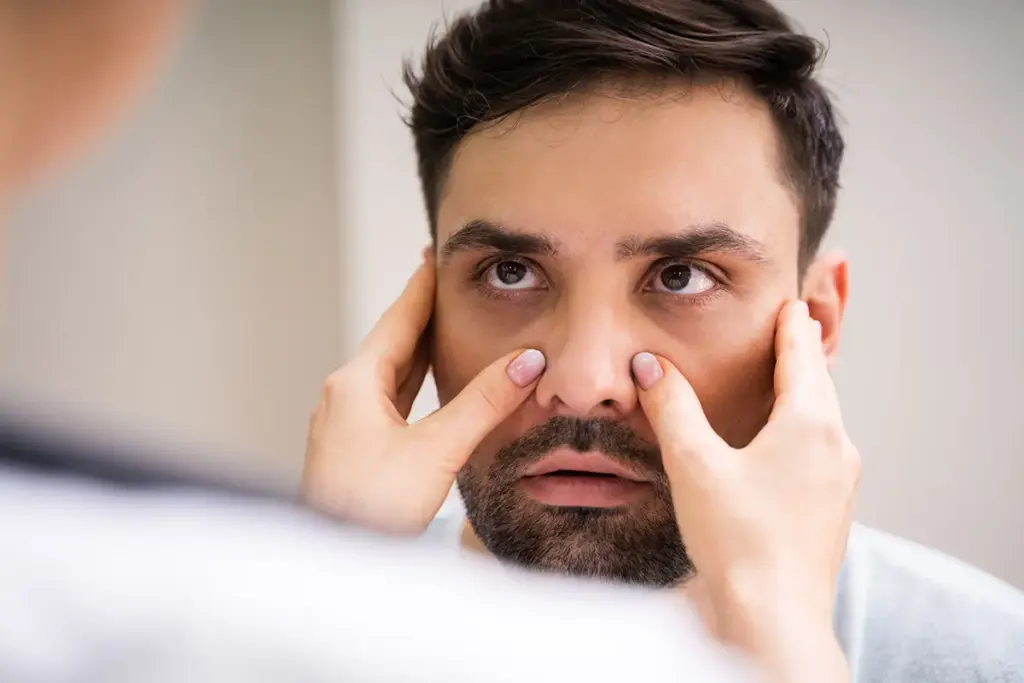
It’s important to know about sinus surgery to handle headaches after it well. Different surgeries have different effects on recovery.
Common Types of Sinus Surgeries
There are many types of sinus surgeries. FESS surgery is very common. It uses an endoscope to see inside the sinuses and remove bad tissue or blockages.
Nasal endoscopy lets doctors look into the nasal passages and sinuses. It’s used for both checking and treating problems. Endoscopic sinus surgery includes FESS and other procedures that use an endoscope to work on the sinuses.
Why Headaches Occur After Sinus Procedures
Headaches after sinus surgery happen for a few reasons. Swelling, inflammation, and the body’s reaction to surgery are big factors. The surgery inside the nose can also cause irritation and pain.
Anatomical Factors Contributing to Post-Surgical Pain
The shape and location of the sinuses affect pain after surgery. The sinuses are connected to the nasal passages and other facial areas.
|
Anatomical Factor |
Contribution to Pain |
|---|---|
|
Swelling and Inflammation |
Causes pressure on nerves |
|
Nerve Endings Irritation |
Results in pain sensation |
|
Surgical Trauma |
Leads to post-operative discomfort |
Knowing these details helps set realistic expectations and manage recovery after sinus surgery.
Typical Timeline for Headache Recovery After Sinus Surgery
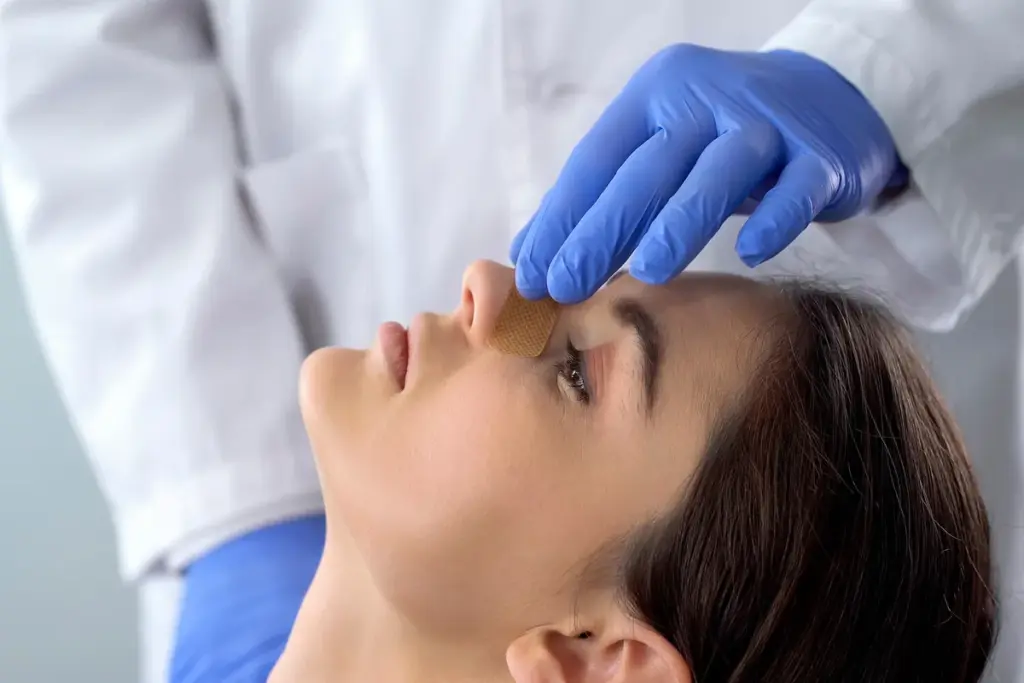
Sinus surgery recovery is different for everyone. But, there’s a general timeline to help you know what to expect. The time and how bad your headaches are can change based on the surgery and your health.
First 24-48 Hours: Immediate Post-Surgical Pain
The first 24–48 hours after surgery are typically the most challenging. Patients often feel a lot of pain, including headaches, because of swelling and the body’s reaction to the surgery. It’s important to follow your doctor’s pain management plan during this time.
Days 3-7: Transition Period
By days 3 to 7, the swelling starts to go down. Patients may notice their headaches getting better. It’s a good time to start adjusting your pain plan and slowly getting back to normal. Using nasal sprays can help with healing and headaches.
Weeks 1-3: Gradual Improvement
In the first few weeks, most people see their symptoms getting better. The headaches will be less often and less intense as the sinuses heal. It’s important to keep up with your post-surgery care, like using saline sprays and going to follow-up appointments.
Beyond 3 Weeks: When to Expect Complete Relief
Many people start to feel a lot better within three weeks. But, it can take longer for all symptoms to go away, sometimes more than three weeks. How fast you recover depends on the surgery, your sinuses before surgery, and your overall health.
|
Recovery Stage |
Typical Symptoms |
Recommended Actions |
|---|---|---|
|
First 24-48 Hours |
Significant pain, swelling |
Follow prescribed pain management |
|
Days 3-7 |
Gradual reduction in headache severity |
Adjust pain management, start nasal irrigation |
|
Weeks 1-3 |
Continued improvement, less frequent headaches |
Continue post-operative care, attend follow-ups |
|
Beyond 3 Weeks |
Significant relief, possible complete resolution |
Maintain good sinus health practices |
Statistical Data on Post-Sinus Surgery Headache Duration
Statistical data gives us insights into how long headaches last after sinus surgery. Studies have looked into how long it takes for headaches to go away. They also compared recovery times for different surgeries.
Research Findings on Average Recovery Times
Studies show that headaches after sinus surgery can last different lengths of time. A study in the Journal of Otolaryngology-Head and Neck Surgery found headaches usually last 7-10 days after surgery.
Percentage of Patients Experiencing Extended Headaches
A lot of patients have headaches that last longer than expected after surgery. A study in the American Journal of Rhinology & Allergy found about 20% of patients had headaches for more than two weeks.
Comparative Recovery Times Across Different Procedures
Recovery times can vary based on the type of surgery. Here’s a table comparing average headache durations for different procedures:
|
Procedure |
Average Headache Duration |
|---|---|
|
Ethmoidectomy |
7-14 days |
|
Nasal Surgery |
5-10 days |
|
FESS (Functional Endoscopic Sinus Surgery) |
3-7 days |
Knowing these statistics can help both patients and doctors plan better for recovery after sinus surgery.
Factors That Influence How Long Your Headaches May Last
Understanding what affects post-operative headache duration is key for patient care. After sinus surgery, headaches are common due to several reasons.
Type and Extent of Sinus Surgery Performed
The complexity and extent of the surgery greatly influence headache duration. More complex surgeries, like those involving multiple sinuses, often lead to longer recovery times.
Pre-existing Sinus Conditions
Patients with chronic sinusitis or other pre-existing conditions may face longer headaches. Studies show these conditions can make recovery harder.
Patient Age and Overall Health
Older patients or those with poor health may take longer to recover. The body’s healing ability is affected by age and health.
Surgical Technique and Surgeon Experience
The surgery technique and the surgeon’s experience also matter. More skilled surgeons using the latest methods can shorten recovery times.
|
Factor |
Influence on Headache Duration |
|---|---|
|
Type and Extent of Surgery |
More extensive surgeries may lead to longer headache durations |
|
Pre-existing Sinus Conditions |
Conditions like chronic sinusitis can prolong recovery |
|
Patient Age and Health |
Older or less healthy patients may experience longer recovery times |
|
Surgical Technique and Surgeon Experience |
Advanced techniques and experienced surgeons can minimize recovery time |
Different Types of Headaches Following Sinus Procedures
It’s important to know about the different headaches that can happen after sinus surgery. Procedures like FESS (Functional Endoscopic Sinus Surgery) and nasal endoscopy can cause various headaches after surgery.
Pressure-Related Headaches
Pressure-related headaches are common after sinus surgery. They happen because of swelling and congestion in the nasal passages and sinuses. Pressure-related headaches feel like fullness or pressure around the eyes, cheeks, and forehead.
Inflammation-Based Pain
Inflammation also plays a role in headaches after sinus surgery. The surgery can cause inflammation in the sinuses, leading to pain. Inflammation-based pain can be mild or severe and is often treated with anti-inflammatory drugs.
Nerve-Related Discomfort
Nerve-related discomfort is another type of headache that can occur. It happens when nerves are irritated or damaged during surgery. This can cause sharp, stabbing pains or ongoing aching. It’s key to understand how nerves affect pain after surgery.
Medication-Induced Headaches
Medication-induced headaches can also happen due to the drugs used during and after surgery. Taking too much or being sensitive to certain medications can cause headaches. It’s important to stick to the medication plan given by your doctor to avoid this.
|
Headache Type |
Cause |
Characteristics |
|---|---|---|
|
Pressure-Related |
Swelling and congestion |
Feeling of fullness or pressure |
|
Inflammation-Based |
Surgical inflammation |
Mild to severe pain |
|
Nerve-Related |
Nerve irritation or damage |
Sharp, stabbing pains or persistent aching |
|
Medication-Induced |
Medication overuse or sensitivity |
Varies depending on medication |
Nasal Sinuses: Anatomy and How Surgery Affects Headache Patterns
The nasal sinuses are vital for our breathing. Knowing how they work helps us understand the effects of surgery on headaches. These sinuses are air-filled spaces inside the nose.
Structure of the Nasal Sinuses
The nasal sinuses are split into four main pairs: maxillary, frontal, ethmoid, and sphenoid. Each one is in a different spot and does a specific job. They help with drainage and air flow in the nose.
How Surgical Alterations Impact Pain Sensation
When we have surgery in the nose, like sinus surgery, it changes the sinuses’ shape. This can affect how we feel pain. It’s because the surgery touches the sinuses and might irritate nearby nerves.
Nerve Pathways Involved in Post-Surgical Headaches
Headaches after surgery involve nerve pathways, like the trigeminal nerve. This nerve sends pain signals from the sinuses to the brain. Studies show that changes in these nerves can change headache patterns after surgery.
|
Nerve Pathway |
Function |
|---|---|
|
Trigeminal Nerve |
Transmits pain signals from nasal sinuses |
|
Branchial Nerves |
Regulate pain sensation in sinus areas |
FESS Surgery and Associated Headache Patterns
FESS surgery is a big step in treating sinus problems. It’s important to know how it affects headaches after surgery. This surgery is a new way to treat chronic sinusitis and other sinus issues. It helps patients understand what to expect during their recovery.
Unique Aspects of Functional Endoscopic Sinus Surgery
FESS surgery uses an endoscope to see inside the sinuses. This thin, flexible tube has a camera and light. It lets surgeons remove diseased tissue and bone without big cuts.
The minimally invasive nature of FESS means less damage to tissues. This could lead to less pain after surgery compared to older methods.
Expected Headache Timeline After FESS
Headaches after FESS surgery can vary, but most see big improvements in a few weeks. Immediate post-operative headaches are common because of swelling and the body’s reaction to surgery. These usually get better as the sinuses start draining and inflammation goes down.
Studies show most patients see a drop in headache frequency and severity in 1-3 weeks after surgery.
Research Data Specific to FESS Recovery
Research on FESS recovery has given us important info on headaches. A study in the American Journal of Rhinology & Allergy found a big drop in headache symptoms at 6 and 12 months after surgery. Another study showed that proper post-operative care, including nasal irrigation, can really help with recovery and headache severity.
Knowing about FESS surgery and its effects on headaches helps patients make better choices. It’s key to talk to your doctor about your specific situation and what you can expect. This way, you can get the best results from your treatment.
Managing Post-Operative Sinus Pain Effectively
Managing post-operative sinus pain involves several steps. These include using medication, practicing self-care, and getting professional advice. After sinus surgery, patients often feel different levels of pain. A mix of strategies can help address this.
Prescribed Pain Management Protocols
Doctors usually give pain medicines after surgery. These can be strong drugs for bad pain or milder ones for less pain. It’s important to take the medicine as directed to manage pain well.
Over-the-Counter Options for Headache Relief
Over-the-counter (OTC) pain relievers can also help with sinus pain. Drugs like acetaminophen or ibuprofen can ease headaches and facial pain. But, always check with your doctor before taking OTC meds to avoid drug interactions.
Non-Pharmaceutical Approaches to Pain Control
There are also non-drug ways to manage pain after surgery. Using warm compresses, saline sprays, and gentle nasal irrigation can help. Keeping the air moist and drinking lots of water also helps with pain and healing.
Hydration and Nutrition for Recovery Support
Drinking enough water and eating well are key to recovering from sinus surgery. Water helps thin out mucus, making it easier to drain. Eating foods full of vitamins and minerals, like vitamin C, boosts your immune system and helps you heal.
|
Recovery Tips |
Benefits |
|---|---|
|
Stay Hydrated |
Promotes sinus drainage, reduces mucus thickness |
|
Use Saline Nasal Sprays |
Moisturizes nasal passages, aids in healing |
|
Apply Warm Compresses |
Relieves facial pain, promotes sinus drainage |
a renowned ENT specialist, says, “A good plan for managing pain is essential for a smooth recovery after sinus surgery. Using the right medicines, taking care of yourself, and eating well can help reduce pain and lead to better results.”
“Pain management is not just about medication; it’s about adopting a holistic approach to recovery that includes hydration, nutrition, and self-care.”
When Headaches Indicate Complications After Sinus Surgery
It’s important to know the difference between normal pain after sinus surgery and signs of complications. Some pain is expected after surgeries like ethmoidectomy or nasal surgery. But, some symptoms may mean you need to see a doctor right away.
Warning Signs That Require Medical Attention
Keep an eye on your symptoms after sinus surgery. Severe or getting worse headaches, fever over 101.5°F, more nasal discharge, or trouble breathing through your nose are red flags. Severe headaches that don’t get better with pain meds or come with other bad symptoms need your doctor’s attention fast.
Distinguishing Normal Recovery Pain from Complications
Normal pain after surgery usually gets better with time. But, pain from complications can stay or get worse. A study in the Journal of Otolaryngology-Head and Neck Surgery found that
“Patients with ongoing or severe pain after sinus surgery often had complications like infection or nasal polyps.”
Potential Complications That Cause Prolonged Headaches
Several issues can cause headaches that last after sinus surgery. These include infections, nasal polyps, and scarring in the sinuses. Sometimes, the surgery might not fix the sinus problems, leading to ongoing pain. Here’s a table showing possible complications and their symptoms:
|
Complication |
Symptoms |
|---|---|
|
Infection |
Fever, more nasal discharge, facial pain |
|
Nasal Polyps |
Nasal blockage, loss of smell, postnasal drip |
|
Scarring |
Long-term nasal blockage, chronic sinusitis |
Emergency Symptoms to Never Ignore
Some symptoms after sinus surgery are emergencies. These include very bad headache or facial pain, vision changes, confusion, or trouble speaking. If you have any of these, get medical help right away.
In summary, while some headaches after sinus surgery are normal, it’s key to watch for signs of complications. Knowing the difference between normal pain and possible problems helps ensure a safe and smooth recovery.
Techniques to Clear and Drain Sinuses After Surgery
After sinus surgery, it’s key to use good methods to clear and drain sinuses. Doing so can lower the chance of problems and make symptoms like headaches and stuffy nose better.
Nasal Irrigation Methods
Nasal irrigation is a top way to clear sinuses after surgery. Using a saline solution to clean out the nasal area helps get rid of debris, lessens swelling, and aids in healing. It’s best to use a neti pot or a squeeze bottle with a nasal spray tip.
Recommended Saline Solutions and Products
There are many saline solutions and products for nasal irrigation. Some are made for after-surgery care, and others you can buy without a prescription. Make sure to pick one that is sterile and soft on your nasal tissues.
Gentle Techniques to Promote Drainage Without Pain
Using gentle methods can help with drainage without pain. Try using a humidifier to moisten the air, applying warm compresses to your face, and gently blowing your nose.
How Proper Drainage Reduces Headache Duration
Clearing sinuses properly can greatly shorten headache time after surgery. When sinuses are free of debris and mucus, pressure drops, and healing goes smoother.
|
Technique |
Description |
Benefits |
|---|---|---|
|
Nasal Irrigation |
Using saline solution to flush out nasal passages |
Removes debris, reduces swelling, promotes healing |
|
Humidification |
Adding moisture to the air |
Reduces nasal congestion, promotes drainage |
|
Warm Compresses |
Applying warmth to the face |
Loosens mucus, promotes drainage |
Special Considerations for Different Patient Populations
It’s important to know what different patients need after sinus surgery. Each group has its own recovery goals and challenges.
Children and Adolescents: Recovery Expectations
Young patients, like kids and teens, might heal faster than adults. But, they might need special pain relief. “Pain management in kids needs careful thought about the right dose and type of medicine,” studies say.
Elderly Patients: Unique Challenges in Pain Management
Older patients often face more health issues that can slow their recovery. It’s key to manage their pain carefully, considering their health and other medicines they take.
Patients with Chronic Conditions: Modified Recovery Timelines
People with long-term health problems, like diabetes or heart disease, might heal differently. Their health affects how fast they recover and handle pain after surgery.
Gender-Based Differences in Headache Recovery
Research shows men and women might recover from sinus surgery headaches differently. Knowing this helps doctors tailor care to meet each patient’s needs.
By understanding these special needs, doctors can give better care to patients after sinus surgery.
Latest Research on Post-Sinus Surgery Pain Management
New studies have changed how we manage pain after sinus surgery. They aim to improve patient results and cut down recovery time.
Recent Clinical Studies and Their Findings
Many studies have looked into the best ways to manage pain after sinus surgery. A study in the Journal of Otolaryngology-Head and Neck Surgery showed that mixing acetaminophen and ibuprofen works well for pain after FESS surgery.
Emerging Treatment Protocols
New treatment plans include multimodal analgesia. This method uses different pain medicines together for better results. It helps cut down on opioid use and side effects.
Advances in Medication Options
New pain medicines are safer and more effective. For instance, a study on gabapentin after sinus surgery found it greatly lowers pain.
Future Directions in Post-Operative Care
The future of care after surgery includes personalized medicine. It means tailoring pain management to each patient. Also, research is looking into non-pharmacological interventions like acupuncture and mindfulness for pain relief.
|
Study |
Findings |
Implications |
|---|---|---|
|
Journal of Otolaryngology-Head and Neck Surgery |
Combination of acetaminophen and ibuprofen effective for pain relief after FESS surgery |
Reduced need for opioid medications |
|
Study on gabapentin |
Significant reduction in postoperative pain |
New medication options for pain management |
Ethmoidectomy and Other Specific Sinus Procedures: Headache Expectations
It’s important to know about ethmoidectomy and how it affects headaches before surgery. This procedure removes infected ethmoid sinuses. It’s often used to treat chronic sinusitis.
Procedure-Specific Recovery Timelines
The time it takes to recover from ethmoidectomy varies. Generally, patients can expect:
- Immediate post-surgical pain lasting a few days
- A transition period of 3-7 days where pain gradually subsides
- Gradual improvement over the next 1-3 weeks
Unique Pain Patterns Associated with Different Surgeries
Different sinus surgeries cause different pain patterns. For example:
- Ethmoidectomy may cause more pronounced pain due to the location and complexity of the ethmoid sinuses.
- Other procedures like septoplasty might have different recovery pain profiles.
Comparative Analysis of Recovery Experiences
Studies comparing recovery experiences across different sinus surgeries provide valuable insights. Key findings include:
|
Procedure |
Average Recovery Time |
Pain Level |
|---|---|---|
|
Ethmoidectomy |
2-3 weeks |
Moderate to Severe |
|
Septoplasty |
1-2 weeks |
Mild to Moderate |
By understanding these differences, patients can better prepare for their recovery journey.
How LivHospital.com Approaches Post-Sinus Surgery Care
LivHospital.com focuses on making patients comfortable and helping them recover. We know sinus surgery is a big deal for patients. Our goal is to give them the care they need.
Our Mission and Values in Patient Recovery
At LivHospital.com, we aim to provide top-notch, patient-focused care. We believe in being open, caring, and professional. This ensures our patients get the best results after sinus surgery.
Specialized Protocols for Headache Management
Our team has created specialized headache management protocols for each patient. These plans help reduce pain and aid in a smooth recovery.
Patient Support Systems During Recovery
We have strong patient support systems to help our patients during recovery. This includes help with pain, follow-up visits, and resources for any issues.
Expert Team and Their Qualifications
Our expert team is made up of skilled professionals with lots of experience in nasal sinuses and sinus surgery. We keep learning to bring the latest in sinus treatment to our patients.
Conclusion
Knowing what to expect after sinus surgery is key to a smooth recovery. The time and pain level can change a lot. This depends on the surgery type, your health before surgery, and your own body. After surgery, symptoms usually get better over weeks. Using pain meds and other methods helps a lot. Also, using nasal sprays and keeping your nose clear helps with headaches and healing.
Different surgeries, like Functional Endoscopic Sinus Surgery (FESS), have their own recovery times and pain levels. Knowing this and when to get help is important for a good outcome. Being well-informed and ready can help you through your recovery. This way, you can avoid long-lasting headaches and get the best results from your surgery.
FAQ
How long does headache last after sinus surgery?
Headaches after sinus surgery can last differently for everyone. Most people start feeling better in 1-3 weeks. Studies say the average recovery time is 2 weeks, but some might take up to 6 weeks.
What are the common types of sinus surgeries that may cause headaches?
Headaches can come from surgeries like Functional Endoscopic Sinus Surgery (FESS), endoscopic sinus surgery, and ethmoidectomy. These surgeries can cause swelling and discomfort, leading to headaches.
How can I manage post-operative sinus pain effectively?
To manage post-operative sinus pain, follow your doctor’s pain management plan. You can also use over-the-counter pain relievers. Try nasal irrigation, saline sprays, and stay hydrated and well-nourished.
What are the warning signs that require medical attention after sinus surgery?
Seek medical help if you have severe headache, fever, facial swelling, nasal discharge, or trouble breathing after surgery. These are serious signs that need immediate attention.
How can I clear and drain my sinuses after surgery?
Use nasal irrigation with saline solutions to clear your sinuses after surgery. Do it gently to avoid pain. This can help reduce headaches and aid in recovery.
Are there any special considerations for different patient populations after sinus surgery?
Yes, patients like children, the elderly, and those with chronic conditions need special care after surgery. They might need adjusted recovery plans, unique pain management, and closer monitoring.
What is the expected headache timeline after FESS surgery?
After FESS surgery, most people see improvement in 1-2 weeks. Some might have mild headaches for up to 6 weeks, but these can be managed with medication.
How does the type and extent of sinus surgery affect headache duration?
The type and extent of surgery can influence how long headaches last. More complex procedures might take longer to recover from. Age and pre-existing conditions also play a role.
Can sinus surgery cause nerve-related discomfort or pain?
Yes, surgery can cause nerve pain, mainly if it involves sensitive areas like the ethmoid sinuses. This pain is usually temporary and can be treated with medication.
What are the latest research findings on post-sinus surgery pain management?
Recent studies focus on new treatments and medication options for post-surgery pain. A combination of pharmaceutical and non-pharmaceutical methods can help reduce headaches and improve recovery.
How does LivHospital.com approach post-sinus surgery care?
LivHospital.com focuses on patient-centered care for post-sinus surgery. They offer specialized headache management, support systems, and care from experienced healthcare professionals.
References
National Center for Biotechnology Information. Evidence-Based Medical Insight. Retrieved from https://pmc.ncbi.nlm.nih.gov/articles/PMC3452256/