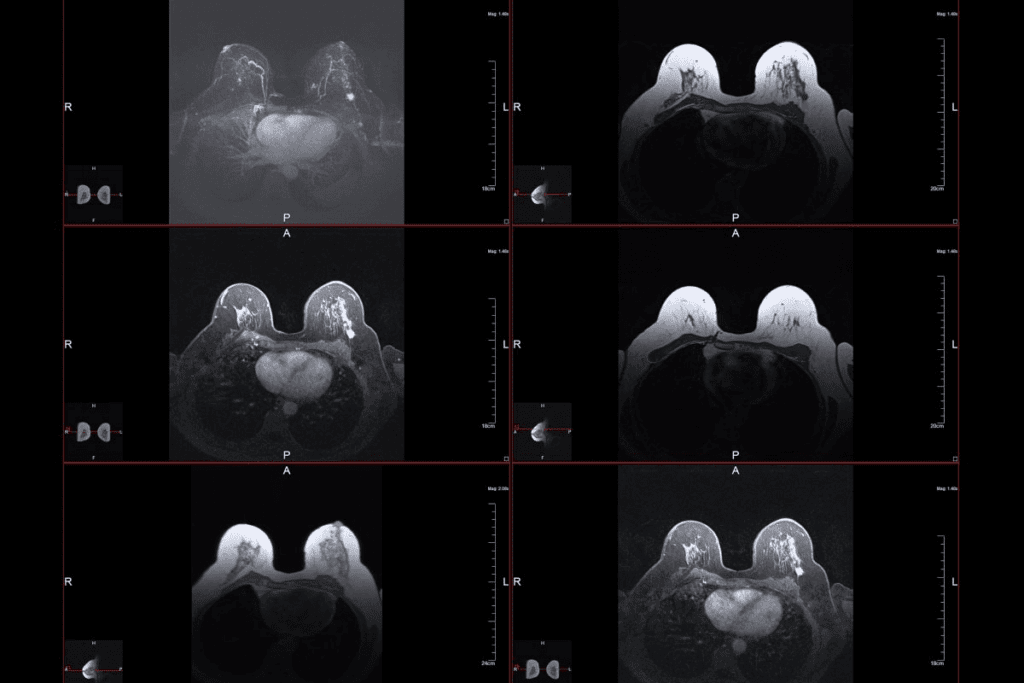
Recovering from a lumpectomy means paying close attention to your body’s needs. Proper sleep is key to healing. Many women have lumpectomies each year. Knowing the best sleep practices can help their recovery a lot. An easy guide to the best sleeping position after lumpectomy. Find out why sleeping on your back is critical and get tips for comfort.
It can be hard to get comfortable after surgery. But, it’s important to sleep in a way that helps your body heal. We’ll talk about why sleeping on your back is important after a lumpectomy. We’ll also give tips to make your recovery smoother.
Key Takeaways
- Understanding the importance of sleep for lumpectomy recovery
- Best practices for post-surgery sleeping
- Tips for comfortably sleeping on your back
- The role of sleep in the healing process
- How to manage discomfort during recovery
Understanding Lumpectomy: A Brief Overview

Breast-conserving surgery, also known as lumpectomy, removes the cancerous lump and some surrounding tissue. It’s often chosen for early-stage breast cancer. This method aims to keep the breast looking natural while removing the cancer.
What is a lumpectomy procedure?
The lumpectomy process starts with anesthesia to keep the patient comfortable. The surgeon then makes an incision in the breast to find the tumor. They remove the tumor and some healthy tissue around it.
The incision is closed with stitches or staples. The removed tissue is checked to make sure there are no cancer cells left. The goal is to remove the cancer while keeping as much of the breast as possible. Often, radiation therapy follows to kill any remaining cancer cells.
Why sleeping position matters after breast surgery
After a lumpectomy, how you sleep is important for healing. Sleeping on your back is best because it puts less pressure on the surgery site. This can help reduce pain and speed up healing.
Wrong sleeping positions can strain the breast tissue. This can cause problems or make recovery take longer. Sleeping right can also help with swelling and drainage, which are key for healing.
Difference between lumpectomy and mastectomy recovery
Lumpectomy and mastectomy are both treatments for breast cancer, but they’re different. A mastectomy removes one or both breasts, while a lumpectomy only takes out the cancerous part.
Lumpectomy recovery is usually less tough than mastectomy. Patients might have less tissue damage and a shorter recovery time. But, both surgeries need careful post-op care, including the right sleeping position, for the best healing.
The Immediate Post-Surgery Period

The first 24-48 hours after a lumpectomy are key for managing pain and healing. During this time, doctors watch for any complications.
First 24-48 hours after lumpectomy
Right after surgery, patients might feel pain, swelling, and bruising. It’s important to follow the doctor’s instructions to handle these symptoms well.
- Resting as much as possible to allow the body to heal
- Applying ice packs to reduce swelling
- Elevating the affected area to minimize discomfort
- Taking prescribed pain medication as directed
Hospital recommendations for sleeping
Hospital staff often give specific sleep tips after a lumpectomy. These tips help with healing and comfort.
Some common hospital tips include:
- Sleeping on your back with the affected area elevated
- Avoiding sleeping on the affected side or stomach
- Using pillows for support to maintain a comfortable position
Managing initial pain and discomfort
It’s vital to manage pain well right after surgery. Doctors usually give pain meds to help with this.
Key strategies for managing pain include:
- Taking pain medication as directed by your healthcare provider
- Using relaxation techniques such as deep breathing or meditation
- Applying cold compresses to reduce swelling and ease pain
- Resting in a comfortable position to minimize strain on the surgical site
Following hospital tips and your healthcare team’s advice is key for a smooth recovery.
Recommended Sleeping Position After Lumpectomy
After a lumpectomy, how you sleep is key for healing and comfort. The right sleep position can greatly affect your recovery.
Why Back Sleeping is Initially Preferred
Sleeping on your back is best after a lumpectomy. It lessens pressure on the surgery area. This helps in healing and reduces pain.
Impact of Sleeping Positions on Incision Healing
Your sleep position can influence incision healing. Back sleeping avoids direct pressure on the surgery area. This can prevent issues and aid in a smoother recovery.
Medical Recommendations from Surgeons
To understand the effects of different sleep positions, look at this comparison:
Sleeping Position | Impact on Healing | Comfort Level |
Back Sleeping | Reduces pressure on surgical site | Initially comfortable, may become less so over time |
Side Sleeping | May put pressure on the surgical site if on the operated side | Can be comfortable for habitual side sleepers |
Stomach Sleeping | Generally not recommended as it can put pressure on the chest | Uncomfortable and potentially painful post-surgery |
By sticking to the recommended sleep position, patients can greatly enhance their recovery after a lumpectomy.
Timeline: How Long to Maintain Back Sleeping
Knowing how long to sleep on your back after a lumpectomy is key for a smooth recovery. There are specific guidelines to follow for healing and avoiding complications. We’ll cover the general timeline and what affects how long you should sleep on your back.
First Week Post-Surgery
The first week is very important. Doctors usually tell patients to sleep on their back. This helps reduce swelling and aids in healing. It’s important to stick to this advice for the first seven days.
Weeks 2-4 After Lumpectomy
By weeks 2-4, healing is well underway. Even though back sleeping is advised, some might start to feel okay with slight changes in position. But, it’s important to keep sleeping on your back to avoid putting pressure on the surgery area.
Gradual Transition to Normal Sleeping Positions
After four weeks, you can start to slowly move to your usual sleeping positions. This should be done carefully, listening to your body. If you feel pain or discomfort, it’s okay to go back to sleeping on your back.
Individual Variations in Healing Timelines
Healing times can vary a lot from person to person. Things like how big the surgery was, your overall health, and any extra treatments can affect how fast you heal. So, how long you should sleep on your back can also vary.
Recovery Stage | Recommended Sleeping Position | Key Considerations |
First Week | Back Sleeping | Minimize swelling, promote healing |
Weeks 2-4 | Primarily Back Sleeping | Continue to avoid pressure on the surgical site |
After 4 Weeks | Gradual Transition | Listen to your body, adjust slowly |
Following the recommended sleeping position can be tough, but it’s very important for recovery. By sticking to these guidelines and paying attention to your body’s healing, you can make your recovery smoother and more effective.
Factors Affecting Sleeping Position Requirements
How long you need to sleep on your back after a lumpectomy depends on several things. Knowing these can help you get ready for your recovery and pick the right sleeping position.
Extent of Surgery and Lymph Node Involvement
The size of your surgery and if lymph nodes were taken out or checked can change how long you need to rest. If your surgery was big or if lymph nodes were involved, you might have to sleep on your back longer.
“The bigger the surgery, the longer it takes to heal and the more important it is to sleep on your back,” saysa top breast surgeon. This shows why it’s key to listen to your surgeon about sleeping positions.
Individual Healing Rates
Everyone heals at their own pace, and this pace can change how long you need to sleep in a certain way. Things like age, health, and genes can affect how fast you heal.
For example, younger people or those in better health might heal quicker and go back to normal sleeping sooner. It’s important to follow your doctor’s advice to heal right.
Additional Treatments (Radiation, etc.)
Getting treatments like radiation or chemo can also affect how you sleep. These treatments might make you more careful about how you sleep.
- Radiation can make you tired and cause skin problems, which can mess with your sleep.
- Chemo might make you more sensitive and uncomfortable, so you need to be careful with your position.
Pre-existing Health Conditions
If you have health problems like diabetes, heart disease, or breathing issues, healing can be harder. You might need to be extra careful with your sleeping to avoid pain or problems.
By knowing these factors, you can better handle your recovery and choose the right sleeping position after a lumpectomy.
Challenges of Sleeping on Your Back After Surgery
Switching to back sleeping after a lumpectomy is tough, mainly for side or stomach sleepers. This change can really affect how well a patient recovers.
Discomfort for Habitual Side or Stomach Sleepers
Changing to back sleeping is hard for those who sleep on their side or stomach. The new position can cause discomfort. This makes it hard to sleep well at night.
This discomfort can be tough to deal with. But, it’s key to sleep on your back to heal right.
Pain Management Considerations
Managing pain after a lumpectomy is very important. Back sleeping might make pain worse. Always follow your doctor’s advice on managing pain.
Good pain management can help you sleep better on your back. This makes resting easier.
Sleep Quality Concerns
Good sleep is a big worry after surgery. The stress and discomfort of back sleeping can hurt sleep quality. This can slow down healing.
Try a calming bedtime routine and a comfy sleep space. This can help you sleep better.
Psychological Aspects of Sleep Disruption
The mental side of bad sleep after surgery is big. Poor sleep can make you stressed, anxious, and tired. These feelings can slow down recovery.
“Sleep is a critical component of the healing process. Ensuring that patients get adequate rest is essential for their overall recovery and well-being.”
Talking to your doctor about sleep issues is important. It helps deal with the mental side of bad sleep.
Creating a Comfortable Back Sleeping Environment
Creating a cozy sleeping space on your back can help you heal after a lumpectomy. It might take some time to get used to sleeping on your back. But with the right setup, you can feel more comfortable and sleep better.
Pillow Arrangements for Optimal Support
Getting your pillows right is key for a comfy back sleep. Place a supportive pillow under your knees to ease your spine. Also, a thin pillow or a rolled towel under your lower back can add extra comfort.
For side support, use body pillows or extra pillows. This keeps you in the back-sleeping position and eases pressure on your surgery site.
Mattress Considerations
The right mattress is important for back sleeping comfort. Choose a medium-firm mattress for the best support. A too-soft mattress can make your spine misalign, causing discomfort.
If you can’t change your mattress, a mattress topper can help. Memory foam toppers are great because they mold to your body, giving you personalized support.
Temperature and Environment Factors
It’s not just about the bed. Keep your bedroom cool, between 60-67°F (15-19°C), for better sleep.
Also, make sure your bedroom is dark and quiet. Use blackout curtains or a white noise machine if needed. A peaceful room helps you fall asleep and stay asleep.
Relaxation Techniques for Better Sleep
Relaxation techniques are key for better sleep. Try deep breathing or progressive muscle relaxation before bed. They calm your mind and body.
Doing relaxing things, like reading or listening to music, can also help. Avoid screens and electronic devices an hour before bed. The blue light they give off can mess with your sleep cycle.
Best Sleeping Position After Lumpectomy for Optimal Healing
Understanding the right sleeping position after a lumpectomy is crucial for a smooth recovery. Choosing the best sleeping posture helps reduce pain, aids in healing, and lowers the chance of complications.
Benefits of Back Sleeping for Surgical Site
Sleeping on your back is often advised after a lumpectomy. It lessens pressure on the surgical area. This position also helps prevent irritation and supports even healing.
Back sleeping promotes better drainage and reduces swelling. These are critical for healing. It allows the body to recover without extra stress on the surgical site, leading to a smoother recovery.
Elevated Positions to Reduce Swelling
Elevating the upper body while sleeping can improve recovery. Using pillows or a wedge to lift the back and shoulders helps reduce swelling. This position also manages pain and discomfort by easing tension on the surgical site.
Protecting the Surgical Area During Sleep
It’s important to protect the surgical area during sleep to avoid irritation or injury. A supportive pillow or cushion under the back or knees can keep a comfortable position and lessen strain. Wearing a comfortable, supportive bra or garment that doesn’t constrict or put pressure on the affected area is also advisable.
Expert Advice on Ideal Sleeping Postures
Medical experts say the best sleeping position for healing is one that minimizes pressure and irritation on the surgical site. They suggest trying different pillow arrangements and sleeping postures to find what works best. It’s also important to follow your healthcare provider’s specific advice, as they can offer personalized guidance based on your needs and surgery details.
Sleeping Position | Benefits | Precautions |
Back Sleeping | Reduces pressure on surgical site, promotes even healing | Avoid flat back sleeping without support |
Elevated Back Sleeping | Reduces swelling, improves circulation | Use appropriate pillows or wedges for support |
Side Sleeping | May be comfortable for some, but requires careful positioning | Avoid sleeping on the affected side initially |
Understanding the benefits and following the recommended sleeping positions can greatly improve recovery after a lumpectomy. It’s vital to be mindful of your sleeping posture and make adjustments to support healing.
Alternative Sleeping Positions When Back Sleeping Is Difficult
Patients who struggle to sleep on their back after a lumpectomy have other options. Sleeping on the back is often best, but everyone’s comfort and healing are different.
Modified Side Sleeping Techniques
Modified side sleeping is a good alternative for those who can’t sleep on their back. Sleep on the side that wasn’t operated on. Use a body pillow or extra pillows to support you and avoid pressure on the surgery area.
Elevated Sleeping Options
Elevated sleeping can also help with swelling and healing. Use pillows or a wedge to lift your upper body. This can be very helpful in the early stages of recovery when swelling is high.
When Sleeping on the Unaffected Side May Be Acceptable
Sleeping on the unaffected side is okay, but do it carefully. Wait for your surgeon’s okay, usually after the initial healing. Always use supportive pillows to reduce pressure and movement on the surgery area.
Gradual Position Adjustments as Healing Progresses
As you heal, you can slowly change your sleeping position. Pay attention to your body and make changes slowly. If a new position hurts or causes pain, go back to a safer one or talk to your doctor.
Supportive Products for Post-Lumpectomy Sleep
Supportive products are key for better sleep after lumpectomy surgery. They offer comfort, reduce pain, and aid in healing. This is important during the recovery time.
Specialized Pillows and Wedges
Special pillows and wedges help keep the right sleeping position after surgery. They lift the upper body, cut down swelling, and ease pressure on the surgery area.
- Body pillows: Full-body pillows support the back and sides, helping keep the right sleeping position.
- Wedge pillows: They’re great for lifting the upper body, reducing swelling, and making breathing easier.
- Neck pillows: Neck pillows ensure the neck is aligned properly for comfort.
Post-Surgical Bras for Nighttime Support
Post-surgical bras offer gentle support to the breasts during recovery. They’re made of soft, breathable materials to avoid irritating the surgery site.
“The right post-surgical bra can make a big difference in comfort at night,” saysa leading breast surgeon. “It’s important to pick a bra that’s not too tight but supports well.”
Comfort Accessories
Along with specialized pillows and bras, other comfort accessories can also improve sleep. These include:
Accessory | Benefit |
Soft, loose-fitting clothing | Reduces irritation to the surgical site |
Heating pads or warm compresses | Helps in managing pain and discomfort |
Eye masks and earplugs | Enhances sleep quality by reducing light and noise |
Pain Management Tools for Better Sleep
Managing pain well is key to better sleep after a lumpectomy. Tools and techniques for pain management include:
- Prescription pain medication: As directed by your healthcare provider.
- Over-the-counter pain relievers: Such as acetaminophen or ibuprofen, under the guidance of a healthcare provider.
- Relaxation techniques: Practices like deep breathing, meditation, or guided imagery can help in reducing stress and promoting relaxation.
Using these supportive products in their recovery routine can greatly improve sleep quality. This helps in a smoother and more comfortable healing process.
Signs That Your Sleeping Position Is Affecting Recovery
After a lumpectomy, how you sleep can really affect your healing. It’s key to know if your sleep habits are slowing down your recovery.
Warning Signs to Watch For
Some symptoms show that your sleep might be hurting your healing. Look out for:
- Increased pain or discomfort in the surgical area
- Swelling or bruising that worsens or doesn’t improve
- Numbness or tingling sensations in the breast or arm
- Difficulty moving the affected arm or shoulder
Noticing these signs early can help you change your sleep to aid healing.
When to Contact Your Healthcare Provider
If you see any of these, reach out to your healthcare provider:
- Severe pain not managed with prescribed medication
- Signs of infection, such as redness, warmth, or fever
- Unusual discharge or bleeding from the surgical site
- Increasing numbness or tingling
They can guide you on changing your sleep or dealing with issues.
Distinguishing Normal Discomfort from Complications
Some pain is normal after a lumpectomy. But, some symptoms might mean trouble. This table helps tell normal pain from serious problems:
Symptom | Normal Discomfort | Potential Complication |
Pain | Mild to moderate, manageable with medication | Severe, worsening, or not relieved by medication |
Swelling/Bruising | Some swelling or bruising that improves over time | Increasing swelling or bruising |
Surgical Site | Some redness or tenderness | Redness, warmth, or discharge |
Transitioning Back to Your Preferred Sleeping Position
Getting back to your usual sleep position after a lumpectomy takes time and careful watching of your body’s healing. As you get better, it’s important to balance wanting to sleep like before with keeping the surgery area safe.
Gradual Approach to Resuming Normal Sleep Positions
It’s best to slowly get back to sleeping the way you like. Start by making small changes to how you sleep, giving your body time to adjust without hurting the surgery area.
If you’re used to sleeping on your side, try slightly changing your position in bed. Over a few nights, you can gradually turn more until you’re sleeping comfortably on your side again.
Testing New Positions Safely
When trying new sleeping positions, listen to what your body is telling you. If you feel pain or discomfort, it might mean you’re moving too fast.
Begin with small changes and watch how your body reacts. If you want to try sleeping on your side from your back, use pillows to support your body.
Listening to Your Body’s Signals
Your body will tell you how it’s doing as you go back to your usual sleep position. Watch for any pain, discomfort, or strange feelings near the surgery area.
If you notice any bad signs, go back to a more comfortable position. If problems keep happening, talk to your doctor.
Timeline for Returning to Stomach or Side Sleeping
How long it takes to go back to sleeping on your stomach or side depends on how fast you heal and how big the surgery was.
Healing Stage | Timeline | Recommended Sleeping Position |
Initial Healing | 0-2 weeks | Back sleeping |
Intermediate Healing | 2-4 weeks | Gradual transition to side sleeping |
Advanced Healing | 4-6 weeks | Side sleeping or stomach sleeping (if comfortable) |
Always follow your surgeon’s advice on when to go back to your usual sleep position. This helps you recover safely and smoothly.
Conclusion
Getting enough sleep is key for a smooth recovery after a lumpectomy. We’ve seen how the right sleeping position is important for healing and comfort.
Understanding the need for good post-surgery care helps a lot. It makes the recovery better. We’ve talked about how to sleep right after surgery and how to go back to normal.
Good care after surgery means the right sleep position and a comfy sleep area. Knowing when something’s wrong is also important. By following these tips and talking to doctors, patients can recover easier and feel more confident.
Putting sleep and care first is vital for the best recovery after a lumpectomy. It helps patients stay healthy and recover well.
FAQ
How long do I have to sleep on my back after a lumpectomy?
You should sleep on your back for at least a week after surgery. Your doctor will tell you how long based on your healing.
Why is back sleeping preferred after a lumpectomy?
Back sleeping is best because it doesn’t put pressure on the surgery area. This helps you heal better and feel less pain.
Can I sleep on my side after a lumpectomy?
It’s not good to sleep on your side right after surgery. But, your doctor might say it’s okay later. They’ll guide you.
How can I make back sleeping more comfortable after a lumpectomy?
Use pillows under your knees and back for support. Choose a comfy mattress and keep your room cool. Try deep breathing or meditation to relax.
Are there any supportive products that can help with post-lumpectomy sleep?
Yes, there are pillows, bras, and other items made for comfort after surgery. They can help you sleep better.
What are the signs that my sleeping position is affecting my recovery?
If you’re in pain, swelling, or feel tired, it might be because of how you’re sleeping. Talk to your doctor if you notice these signs.
How do I transition back to my preferred sleeping position after a lumpectomy?
Start by making small changes in your sleep position. Listen to your body. If it hurts, go back to sleeping on your back and ask your doctor for advice.
Can pre-existing health conditions affect my sleeping position after a lumpectomy?
Yes, health issues like back pain or breathing problems might change what sleeping position is best for you. Talk to your doctor about your needs.
How long does it take to fully recover from a lumpectomy?
It takes a few weeks to get back to normal after a lumpectomy. It might take longer to get back to sleeping the way you like. Your doctor will tell you when you can.
Are there any specific bras or clothing recommended for post-lumpectomy sleep?
Yes, special bras are good for support at night. They’re comfy and don’t put pressure on the surgery area.
Can additional treatments like radiation affect my sleeping position after a lumpectomy?
Yes, treatments like radiation can affect your recovery and sleep. Your healthcare team will help you figure out how to sleep during these times.
References
Centers for Disease Control and Prevention. Evidence-Based Medical Insight. Retrieved from https://www.cdc.gov/cancer/breast/basic_info/treatment.htm