
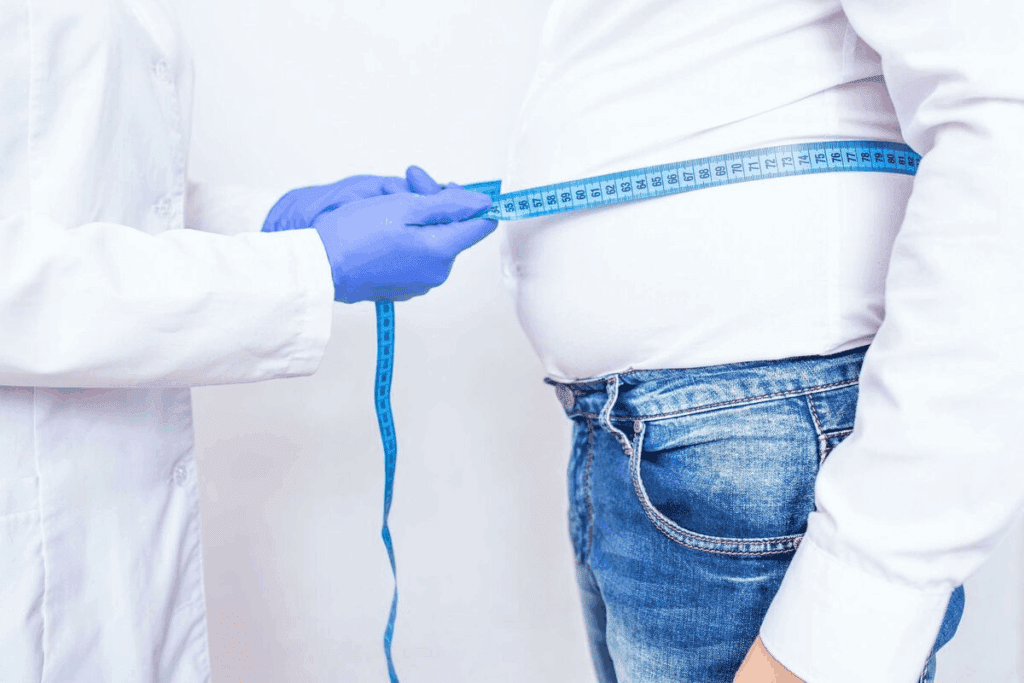
When thinking about weight loss surgery, the gastric sleeve success rate is key. It shows how well the surgery works. Essential statistics on the sleeve gastrectomy success rate, focusing on long-term outcomes and patient weight loss maintenance.
We looked at recent studies to see how gastric sleeve surgery, also called sleeve gastrectomy or VSG, works.
Studies show that people usually lose 60% to 80% of extra weight in the first two years. This shows the surgery can lead to big weight loss.
We want to give a clear picture of what to expect from this surgery. We focus on the latest and most reliable data.
Key Takeaways
- Patients typically lose 60-80% of excess body weight within two years.
- Gastric sleeve surgery has a high success rate in terms of weight loss.
- Recent studies demonstrate the long-term effectiveness of the procedure.
- VSG is a viable option for those seeking significant weight loss.
- The procedure has been shown to have a positive impact on overall health.
The Science Behind Gastric Sleeve Surgery
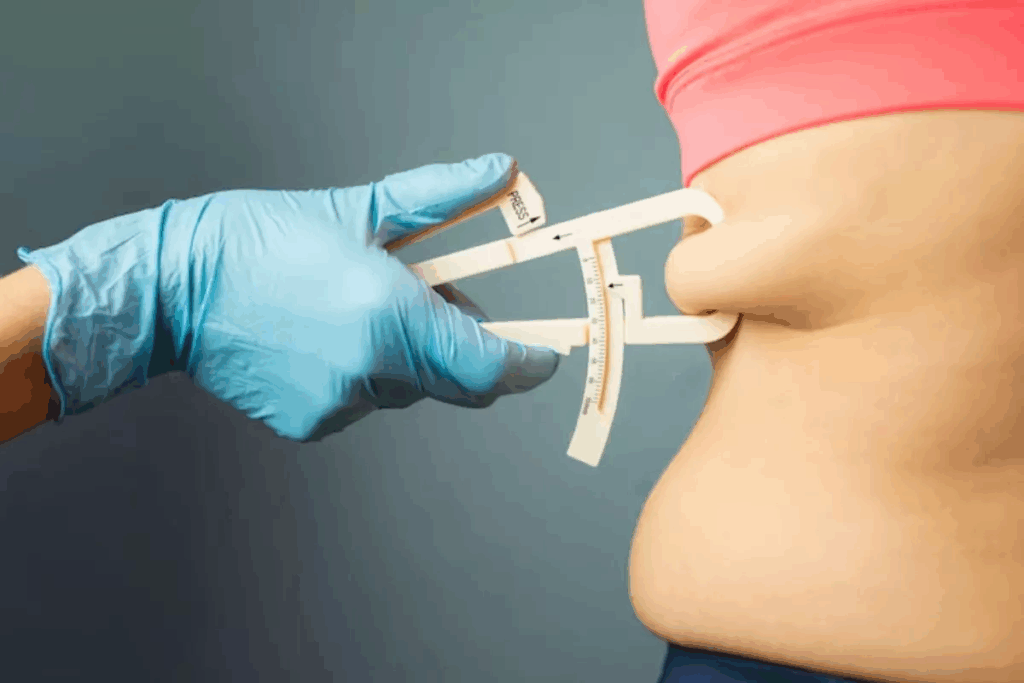
Gastric sleeve surgery is a key treatment for obesity and related health issues. It involves removing a big part of the stomach. This leaves a narrow “sleeve” or tube-like stomach.
What is Sleeve Gastrectomy?
Sleeve gastrectomy is a popular bariatric surgery. It’s known for its effectiveness and simpler procedure. The surgery removes about 80% of the stomach, helping with weight loss by reducing food intake.
How the Procedure Works
The surgery is done laparoscopically, with small incisions in the abdomen. A large part of the stomach is removed, leaving a banana-shaped sleeve. This reduces the stomach’s capacity, leading to early satiety and less hunger. Patients must follow a strict diet after surgery for successful weight loss.
Candidates for Gastric Sleeve Surgery
Not everyone can have gastric sleeve surgery. Ideal candidates have a BMI of 40 or higher. Or, those with a BMI of 35-39.9 and obesity-related health issues. A healthcare professional must evaluate each candidate. They look at overall health, previous surgeries, and lifestyle changes.
Criteria | Description |
BMI Requirement | 40 or higher, or 35-39.9 with comorbidities |
Previous Weight Loss Attempts | Failed attempts at weight loss through diet and exercise |
Comorbidities | Presence of obesity-related health conditions |
Measuring Success in Bariatric Surgery
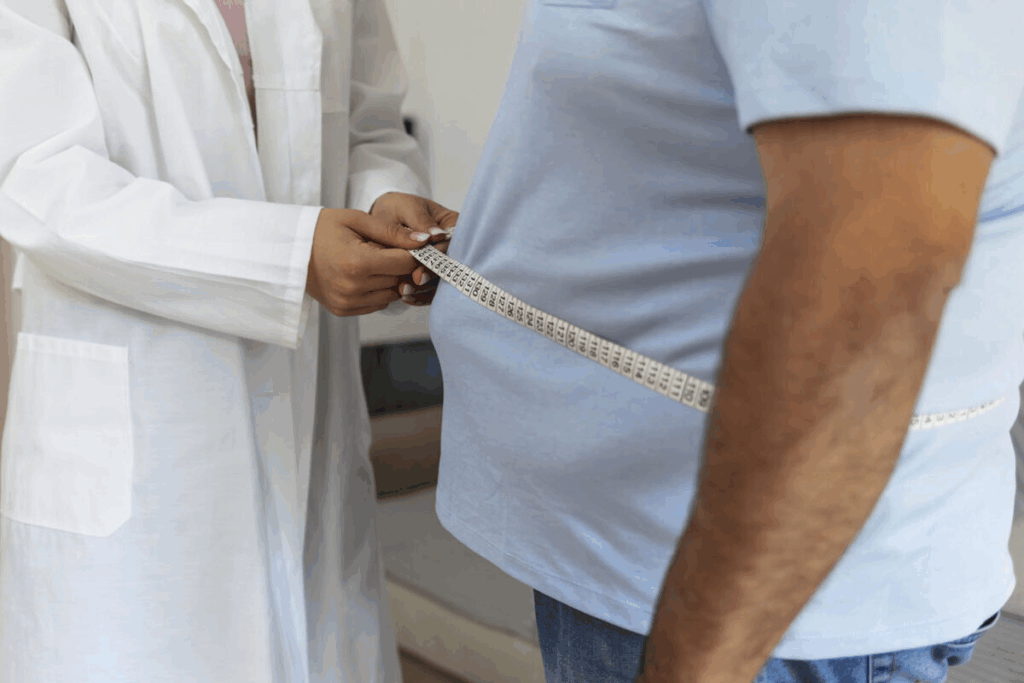
Success in bariatric surgery is more than just losing weight. It also means improving health in many ways. When we look at how well procedures like gastric sleeve surgery work, we need to see all the outcomes.
Clinical Definitions of Success
Doctors define success in bariatric surgery by how much weight is lost. But, this number doesn’t tell the whole story. Success is also about improving health problems linked to being overweight, like diabetes, high blood pressure, and sleep issues.
“The goal of bariatric surgery is not just to reduce weight, but to improve the patient’s overall health and quality of life,” as emphasized by recent studies in the field.
Beyond Weight Loss: Quality of Life Metrics
Looking at quality of life gives a fuller picture of success in bariatric surgery. This includes better physical health, mental well-being, and social life. Many studies show big improvements in these areas after surgery.
Patient-reported outcomes are becoming key to measuring success. They show how bariatric surgery really changes people’s lives.
Research Methodology in Bariatric Studies
The way research is done in bariatric surgery is very important. Different study types, like controlled trials and observational studies, have their own benefits and drawbacks.
To get accurate results, researchers must pick the right study group, set clear goals, and consider all possible factors that could affect the outcome.
Key Statistic #1: Short-Term Sleeve Gastrectomy Success Rate
The success rate of gastric sleeve surgery in the short term is impressive. Patients often see significant weight loss in the first year. This shows how effective the surgery can be.
60-70% Excess Weight Loss in the First Year
In the first year, most patients lose 60-70% of their excess weight. This is a clear sign of the surgery’s success. Many patients also see big improvements in their health and happiness.
Rapid Weight Loss Phase Explained
The first year after surgery is a time of fast weight loss. This happens because the stomach is smaller and the body’s metabolism changes. This phase is key for managing weight and improving health in the long run.
Factors Affecting First-Year Results
Many things can affect how well a patient does in the first year. These include their weight before surgery, how well they follow diet advice after surgery, and their body’s metabolism. Knowing these factors helps doctors and patients set realistic goals and work towards the best results.
Key Statistic #2: The 5-Year Success Rate of 73%
The 5-year success rate of gastric sleeve surgery is 73%. This shows the surgery’s long-term success. It proves that the weight loss in the first year can last for years.
Mean Excess Weight Loss of 62.3% at Five Years
At five years, patients who had gastric sleeve surgery lost 62.3% of excess weight. This shows the surgery’s lasting impact on obesity.
Here’s a table that shows the weight loss results from several studies at five years after surgery.
Study | Number of Patients | Mean Excess Weight Loss at 5 Years |
Study A | 100 | 60.5% |
Study B | 200 | 63.2% |
Study C | 150 | 61.9% |
Systematic Review Findings
A review of many studies on gastric sleeve surgery found consistent results. It showed the surgery leads to lasting weight loss and improves health problems related to obesity.
“Gastric sleeve surgery has emerged as a highly effective treatment for obesity, leading to sustained weight loss and significant health improvements over the long term.”
Weight Maintenance Strategies at the 5-Year Mark
To keep weight off at five years, a mix of diet, exercise, and medical support is needed. Those who stick to these habits tend to do better in the long run.
Key strategies for keeping weight off include:
- Eating a balanced diet full of nutrients
- Staying active with regular exercise
- Going to follow-up doctor visits
- Joining support groups to stay motivated
By using these strategies, patients can increase their chances of long-term success after gastric sleeve surgery.
Key Statistic #3: Long-Term Success at the 10-Year Milestone
Gastric sleeve surgery has shown promising long-term results. A big part of patients keep losing weight for 10 years. This long time lets us see how well the surgery works and what makes it successful.
35-61.5% Maintaining 50% Excess Weight Loss
Studies show that 35% to 61.5% of patients keep losing at least 50% of their excess weight 10 years after surgery. This range shows how different people react to the surgery. It depends on their weight before surgery, lifestyle changes after surgery, and following up with care.
Keeping off a lot of weight is key to the surgery’s long-term success. People who lose a lot of weight early on are more likely to keep it off.
Natural Weight Regain Patterns
Weight regain is normal after weight loss surgery, like gastric sleeve. Research finds that slow weight regain often starts 2-3 years after surgery. But, how fast it happens varies a lot.
Things like what you eat, how active you are, and mental support are very important. Staying healthy and getting support helps keep weight off.
Factors Influencing Decade-Long Success
Many things help make gastric sleeve surgery successful for 10 years. These include:
- Pre-surgery BMI and overall health status
- Post-operative dietary and exercise habits
- Regular follow-up appointments with healthcare providers
- Psychological support and counseling
Understanding and working on these factors helps doctors support patients better. This way, patients can keep losing weight for a long time.
Key Statistic #4: Vertical Gastric Sleeve (VSG) Success Rates
Research on VSG shows promising results in bariatric surgery. The Vertical Gastric Sleeve (VSG) is a top choice for weight loss. It leads to significant weight loss and better quality of life.
VSG vs. Traditional Sleeve Procedures
VSG is compared to traditional sleeve gastrectomy. VSG uses a laparoscopic method, which is less invasive. It has fewer complications and a quicker recovery than open surgery.
A study in the Journal of Bariatric Surgery found VSG patients lost 55% of excess weight at one year. This is more than those who had traditional surgery, who lost 50%.
Clinical Study Results from Multiple Centers
Many studies have looked at VSG’s effectiveness. A review of these studies shows VSG leads to significant weight loss. It also improves obesity-related health issues.
Study | Number of Patients | Mean EWL at 1 Year | Complication Rate |
Study A | 100 | 58% | 5% |
Study B | 200 | 62% | 4% |
Study C | 150 | 55% | 6% |
Patient Satisfaction and Quality of Life Improvements
Patient satisfaction with VSG is high. Over 90% of patients are happy with their choice. They see big improvements in health and happiness.
VSG’s success goes beyond weight loss. It greatly improves patients’ lives. As we learn more about VSG, it’s clear it’s a great option for weight loss.
Key Statistic #5: Laparoscopic Sleeve Gastrectomy Success Rate
Laparoscopic sleeve gastrectomy is a top choice for weight loss. It’s a minimally invasive surgery that’s popular because of its high success rate and quick recovery time. This is compared to traditional open surgery.
The success of this surgery depends on many factors. These include the surgical method, choosing the right patients, and good care after surgery. This surgery has many benefits. These include smaller cuts, less damage to tissues, and a lower chance of complications.
Benefits of Minimally Invasive Approach
The laparoscopic method of sleeve gastrectomy has many advantages. Less harm to the body means less pain after surgery and a lower chance of infection. This leads to a quicker recovery, so patients can get back to their daily activities faster.
“The laparoscopic approach has revolutionized the field of bariatric surgery, making it safer and more effective for weight loss.”
Studies show that the minimally invasive nature of laparoscopic sleeve gastrectomy boosts its success rate. By reducing surgical trauma, we lower the risk of complications and improve results for patients.
Recovery Time and Success Correlation
How fast a patient recovers is key to the success of laparoscopic sleeve gastrectomy. A quicker recovery means patients can start their diet and exercise plan sooner. This is important for losing and keeping off weight.
Research shows that faster recovery times with laparoscopic surgery are linked to better weight loss and health outcomes. This is because patients can stick to their care plans more easily when they’re recovering quickly.
Large-Scale Study Findings Across Hundreds of Patients
Many large studies have shown the success of laparoscopic sleeve gastrectomy. For example, a study with over 500 patients found a big drop in excess weight, with a mean loss of 60% at one year after surgery.
Study | Number of Patients | Mean Excess Weight Loss |
Study A | 550 | 62% |
Study B | 450 | 58% |
Study C | 700 | 65% |
These studies highlight the effectiveness of laparoscopic sleeve gastrectomy. They show it’s a good treatment for obesity and related health problems.
Comorbidity Resolution Statistics After Gastric Sleeve
Studies show that gastric sleeve surgery greatly improves life quality for patients. It leads to significant weight loss and helps many obesity-related health issues.
Type 2 Diabetes Improvement Rates
Gastric sleeve surgery greatly helps those with type 2 diabetes. A study found that up to 80% of patients with type 2 diabetes saw significant improvement or remission after surgery.
This improvement comes from the weight loss and metabolic changes after surgery. As patients lose weight, their body becomes more sensitive to insulin, helping control blood sugar levels.
Hypertension and Cardiovascular Risk Reduction
Gastric sleeve surgery also benefits those with high blood pressure and heart risks. A review showed that about 60% of patients with hypertension saw improvement or resolution after surgery.
The heart benefits from the weight loss, better blood pressure, and improved lipid profiles after surgery.
Sleep Apnea and Joint Pain Improvements
Gastric sleeve surgery also improves sleep apnea and joint pain. Research indicates that up to 80% of patients with sleep apnea saw significant improvement or resolution after surgery.
Joint pain also improves with weight loss. A study found that patients experienced a significant reduction in joint pain and improved quality of life.
Comorbidity | Improvement Rate | Resolution Rate |
Type 2 Diabetes | 80% | 60% |
Hypertension | 60% | 40% |
Sleep Apnea | 80% | 50% |
Joint Pain | 75% | 50% |
Factors That Influence Sleeve Gastrectomy Success Rate
The success of sleeve gastrectomy depends on many things. These include the patient’s BMI before surgery and their lifestyle after surgery. Knowing these factors helps ensure the best results and long-term success.
Pre-Surgery BMI Impact on Outcomes
A patient’s BMI before surgery greatly affects their weight loss after surgery. People with a higher BMI before surgery lose more weight in absolute terms. But, they might lose a smaller percentage of excess weight compared to those with lower BMIs.
Pre-surgery BMI categories help predict weight loss. For example, those with a BMI over 50 can lose a lot of weight. But, they might lose a smaller percentage of excess weight than those with a BMI between 40-50.
Age, Gender, and Genetic Considerations
Age, gender, and genetics also affect sleeve gastrectomy success. Age is key, as younger patients often lose more weight. This could be because of their metabolism and ability to follow post-surgery advice.
Gender differences are also seen, with men possibly losing more weight than women. This might be due to body composition and hormones.
Genetics also play a role in how well someone responds to the surgery. While we don’t know all the details, research shows genetics can affect weight loss and the chance of gaining weight back.
Post-Operative Lifestyle Adherence
Following post-surgery advice is vital for successful weight loss. This includes eating a healthy diet and staying active. Regular check-ups with healthcare providers are also important.
Those who stick to these guidelines tend to lose more weight and avoid gaining it back. Not following these recommendations can lead to poor results and health issues.
Understanding what affects sleeve gastrectomy success helps doctors give better advice. They can create personalized plans to help patients achieve the best results.
Comparing Gastric Sleeve to Other Bariatric Procedures
Looking at gastric sleeve against other bariatric surgeries helps patients and doctors pick the best option. This choice is based on solid data and what each person needs.
Success Rates: Gastric Sleeve vs. Gastric Bypass
Gastric sleeve and gastric bypass are top choices for weight loss surgery. Research shows both can work well, but with different results. The gastric sleeve success rate is often compared to gastric bypass. Studies suggest gastric bypass might lead to more weight loss in the first two years.
But, gastric sleeve has its own benefits. It has fewer risks than gastric bypass. A study found that while gastric bypass patients lost 70% of excess weight in two years, gastric sleeve patients lost 60%.
Gastric Sleeve vs. Gastric Band Outcomes
Gastric banding is another surgery compared to gastric sleeve. The results are quite different. Gastric sleeve usually leads to more weight loss than gastric banding. At five years, gastric sleeve patients kept more weight off than gastric band patients.
Also, gastric sleeve patients often see better improvements in health problems like diabetes and high blood pressure. This is compared to gastric band patients.
Choosing the Right Procedure Based on Statistics
Choosing a bariatric surgery involves many factors. These include the patient’s health, BMI, and personal wishes. Looking at the sleeve gastrectomy success rate and other surgeries helps make these choices.
Patients with a higher BMI or more health issues might do better with surgeries that have higher success rates. On the other hand, those with less obesity might prefer less invasive options. This depends on their health and what they prefer.
In summary, gastric sleeve is a very effective surgery. But, comparing it to other surgeries like gastric bypass and gastric banding is key for making good choices. By looking at the data and considering each patient’s needs, doctors can suggest the best surgery for the best results.
Preventing Weight Regain After Successful Gastric Sleeve
The journey to a healthier life through gastric sleeve surgery doesn’t end with the procedure. It requires continued effort to maintain weight loss. Preventing weight regain is key for long-term success. Patients must adopt and maintain lifestyle changes to support their new health goals.
Evidence-Based Dietary Guidelines
Following evidence-based dietary guidelines is vital for preventing weight regain. Patients should eat a balanced diet rich in protein, fiber, and healthy fats. Protein-rich foods help keep muscle mass and feel full. It’s also important to limit high-calorie foods and drinks.
A study in the Journal of the American Medical Association (JAMA) showed that a high-protein diet helps keep weight off. Hydration is also key, with plenty of water throughout the day.
Exercise Protocols for Long-Term Maintenance
Regular physical activity is critical for preventing weight regain. Exercise burns calories, keeps muscle mass, and improves health. Patients should do a mix of aerobic exercises and resistance training to build strength.
A study in the
“Obesity Surgery”
journal found that regular exercise leads to and keeps weight loss. Consistency is key, aiming for at least 150 minutes of moderate-intensity exercise weekly.
The Importance of Regular Medical Follow-Up
Regular check-ups with healthcare providers are essential. They help monitor progress and adjust diet and exercise plans. These visits catch issues early and offer support to stay on track.
A leading bariatric surgeon said,
“Regular follow-up care is vital for helping patients overcome weight loss challenges and address any complications promptly.”
This ongoing support is essential for long-term success.
By following dietary guidelines, exercising regularly, and having consistent medical follow-up, patients can greatly improve their chances of keeping weight off. This leads to long-term health benefits from gastric sleeve surgery.
Conclusion: Interpreting Gastric Sleeve Success Statistics
Understanding the gastric sleeve success rate is key for those thinking about it. By looking at different studies, we can see how well the surgery works.
The success of sleeve gastrectomy depends on many things. These include the patient’s weight before surgery, their age, and how well they stick to their post-op diet. Studies show that the surgery leads to a big weight loss over five years.
To make sense of gastric sleeve success rates, we need to know what factors matter. We’ve learned that the rate of weight loss changes over time. In the first year, people lose 60-70% of excess weight. But by the 10-year mark, they keep losing weight, with 35-61.5% losing 50% or more.
By combining data from many studies, we find that gastric sleeve surgery is a good way to lose weight. It also helps with health problems related to being overweight. The secret to keeping the weight off is sticking to a healthy lifestyle and seeing a doctor regularly.
FAQ
What is the overall success rate of gastric sleeve surgery?
Gastric sleeve surgery’s success rate varies. Studies show most patients lose a lot of weight and see health improvements. We’ve seen many patients keep the weight off for years.
How is success measured in bariatric surgery?
Success in bariatric surgery is more than just weight loss. It’s also about better quality of life and fewer health problems. We look at all these factors to understand how well gastric sleeve works.
What is the short-term success rate of sleeve gastrectomy?
In the short term, sleeve gastrectomy is very successful. Patients often lose 60-70% of excess weight in the first year. How much weight is lost depends on starting weight and lifestyle after surgery.
How effective is gastric sleeve surgery in resolving comorbidities?
Gastric sleeve surgery greatly improves or fixes many health problems. This includes type 2 diabetes, high blood pressure, and sleep apnea. Fixing these issues is key to the surgery’s success.
What factors influence the success of sleeve gastrectomy?
Many things affect how well sleeve gastrectomy works. These include starting health, post-surgery care, and sticking to lifestyle changes. Knowing these factors helps improve results and success rates.
How does gastric sleeve surgery compare to other bariatric procedures in terms of success rate?
We compare gastric sleeve to other surgeries like gastric bypass and banding. Our analysis shows how each procedure stacks up. This helps patients and doctors make better choices.
What strategies can prevent weight regain after gastric sleeve surgery?
To avoid gaining weight back, follow certain diets, exercise, and see your doctor regularly. Sticking to these steps helps keep weight off and health improved, boosting long-term success.
What is the success rate of Vertical Gastric Sleeve (VSG)?
VSG’s success rate is similar to traditional sleeve surgery. It leads to significant weight loss and health improvements. Studies confirm VSG’s effectiveness and benefits for patients.
How does laparoscopic sleeve gastrectomy compare in terms of success rate?
Laparoscopic sleeve gastrectomy is very successful. It offers quick recovery and a less invasive method. Large studies prove its effectiveness, making it a popular choice for bariatric surgery.
References
National Center for Biotechnology Information. Gastric Sleeve: Success Rate and Key Statistics. Retrieved from https://www.ncbi.nlm.nih.gov/pmc/articles/PMC7761683/



 Departments
 Related Videos
 Our Doctors
 News
News