
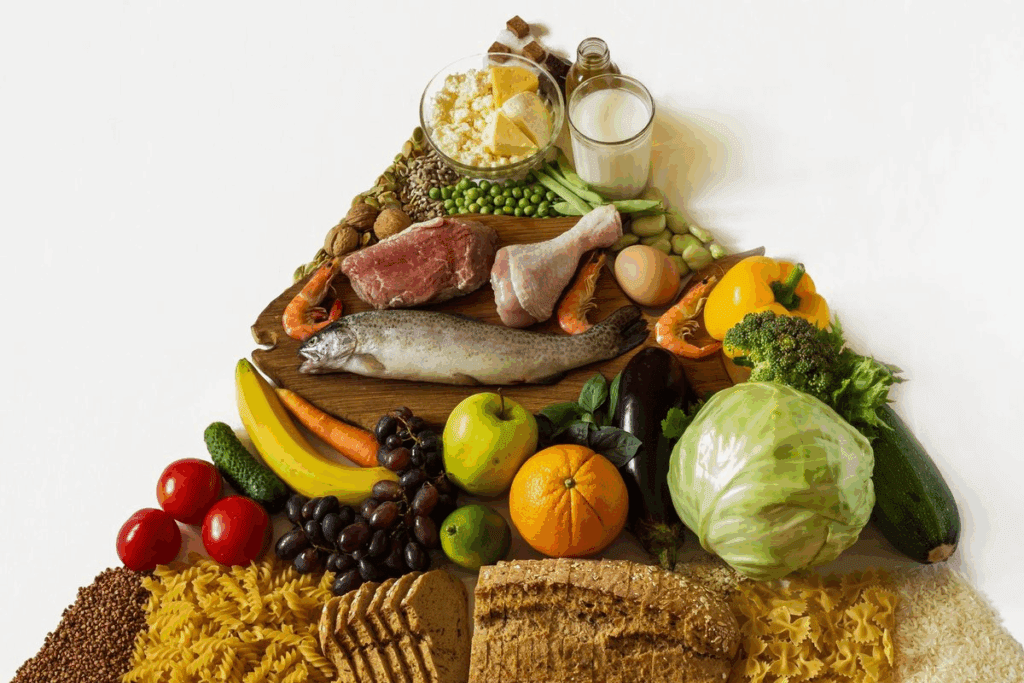
Recovering from bariatric surgery needs careful food planning. Soft food recipes help move from liquid to solid foods.
Going through soft food diets helps your body heal and lose weight. At Liv Hospital, we focus on nutrition education and recovery plans that work.soft food recipes after bariatric surgeryWhat is the number one cancer-fighting food?
After bariatric surgery, your stomach changes a lot. You need a special diet to get all the nutrients you need. We’ll look at 15 soft food recipes that help patients recover well.
Key Takeaways
- Soft food recipes are key for recovery after bariatric surgery.
- A special diet is needed to get all the nutrients.
- Liv Hospital offers nutrition education for patients.
- Good recovery plans help with weight loss.
- Slowly moving to regular foods is important.
The Bariatric Soft Food Phase Explained
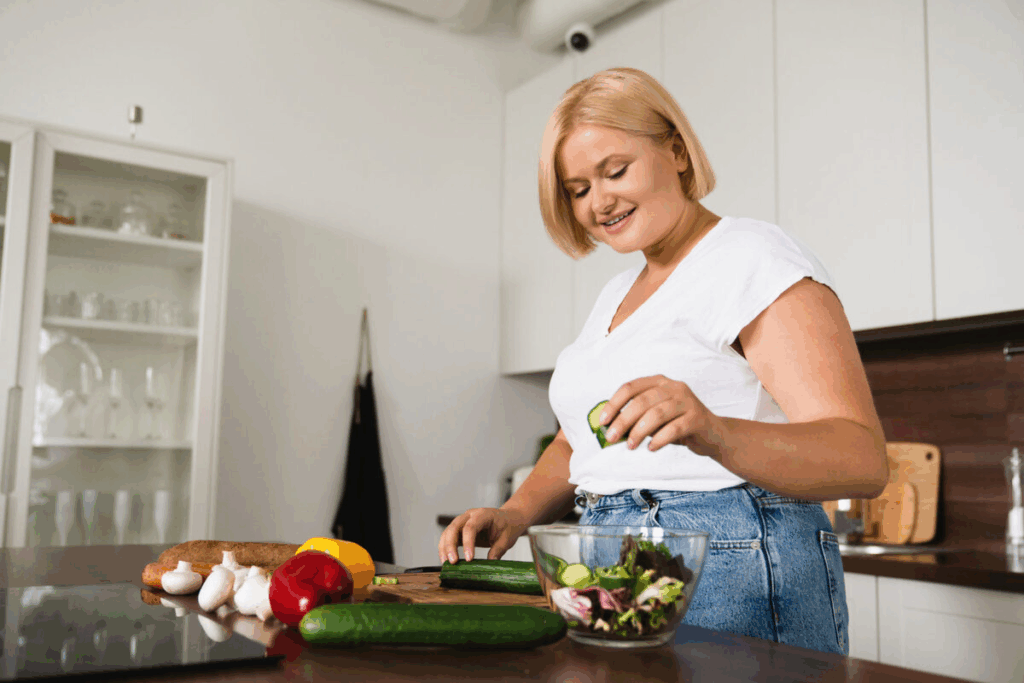
For those who have had bariatric surgery, understanding the soft food phase is key. It affects their healing and weight loss. This phase comes after a liquid diet and can last weeks. Patients need to eat a lot of protein and avoid sugar and fat to aid in recovery and weight loss.
Timeline and Progression After Surgery
The soft food phase timeline varies, but it usually starts 1-2 weeks post-surgery. It can last 2-4 weeks. It’s vital to follow your healthcare team’s specific guidelines as they adjust the pace based on your recovery.
Patients start adding softer foods to their diet slowly. They watch how their body reacts and adjust their food choices.
Importance of Proper Nutrition During Recovery
Nutrition is key during the soft food phase. It helps the body heal, prevents complications, and ensures nutrient intake. A diet high in protein is essential for muscle maintenance and health.
Focus on protein-rich foods and supplements. Avoid sugary and fatty foods. Drinking plenty of water is also important for hydration.
Texture and Consistency Guidelines
In the soft food phase, food texture and consistency matter a lot. Foods should be soft, moist, and easy to swallow. Avoid dry, sticky, or hard-to-digest foods.
Good choices include pureed veggies, soft fruits, lean proteins, and soft grains.
Eat slowly, chew well, and stop when full to prevent discomfort and complications.
Nutritional Guidelines for Bariatric Patients
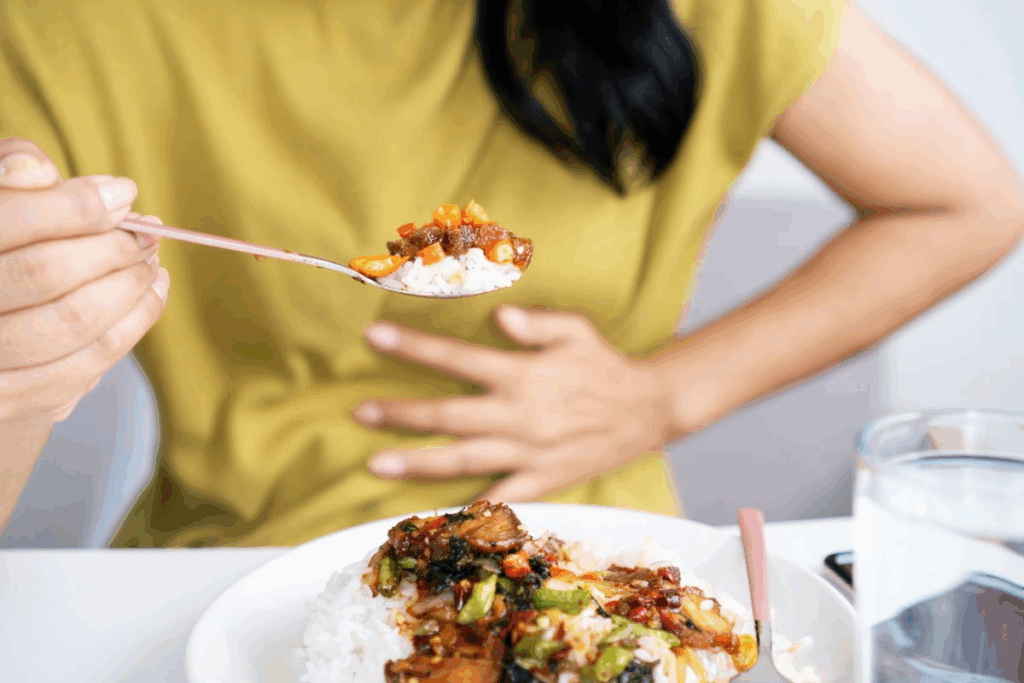
Nutritional guidelines are key for bariatric surgery patients’ recovery and success. After surgery, it’s important to follow a diet that helps with healing, keeps muscle mass, and ensures nutritional well-being.
Protein Requirements: 50-70g Daily
Protein is vital in the post-bariatric surgery diet. Patients should aim for 50-70 grams of protein daily. Women need 50-60 grams, and men need 60-70 grams. This helps with tissue repair and keeps muscle mass.
Good protein sources include lean meats like chicken, fish, and eggs. Also, dairy products and protein supplements are good. Adding these to your diet helps meet your protein needs.
Portion Control: 1/4 to 1/2 Cup Per Meal
Controlling meal portions is key during the soft food stage. Patients should eat 1/4 to 1/2 cup per meal. This helps manage digestion and prevents discomfort or complications.
Eating smaller, more frequent meals also helps keep blood sugar stable. It supports overall digestive health.
Foods to Avoid During the Soft Food Stage
Some foods should be avoided during the soft food stage. These include high-sugar foods, high-fat foods, and foods that are difficult to digest.
Food Category | Examples | Reason to Avoid |
High-Sugar Foods | Candy, Sugary Drinks, Desserts | Can cause dumping syndrome |
High-Fat Foods | Fried Foods, Fatty Meats | Difficult to digest, may cause nausea |
Difficult to Digest | Tough Meats, Raw Vegetables | Can cause discomfort or obstruction |
By following these nutritional guidelines, bariatric patients can support their recovery. They can also minimize complications and set themselves up for long-term success.
15 Soft Food Recipes After Bariatric Surgery
Recovering from bariatric surgery means watching what you eat closely. We’ve put together 15 soft food recipes to help you. These dishes are full of nutrients, easy to digest, and made just for bariatric patients.
Our recipes have a mix of proteins and veggies. This ensures you get all the nutrients you need while you’re recovering. Medical Expert, a bariatric surgeon, says, “Eating the right foods after surgery is key for a good recovery. These soft food recipes are tasty and full of nutrients for healing.”
How These Recipes Support Your Recovery
The soft food recipes we’ve made are great for your recovery. They’re easy on your stomach, which is important right after surgery. They also have lots of protein, which helps with healing and keeping muscle.
Our recipes include moist proteins, soft veggies, and a bit of unsweetened fruits. These are good for bariatric patients. They’re gentle on your stomach and full of nutrients.
Adapting Recipes to Your Specific Needs
Everyone’s nutritional needs are different, even more so after bariatric surgery. We know you might need to change our recipes to fit your needs. This could be based on what you like, dietary needs, or what your doctor says.
To change our recipes, you can adjust the sizes, swap ingredients, or change the seasonings. For example, if you need more protein, you can add more protein-rich foods to our recipes.
By making these changes, you can make sure our recipes fit your needs. This helps with your recovery and keeps you healthy.
Protein-Packed Breakfast Options
Starting your day with a protein-packed breakfast is key for bariatric surgery patients. It aids in healing and keeps energy levels up. We’ve got three tasty, healthy breakfast ideas that meet bariatric needs.
Creamy Greek Yogurt with Pureed Berries
Mixing Greek yogurt with pureed berries makes a yummy, nutritious breakfast. It’s high in protein and easy to digest. Here’s what you need:
- 1/2 cup Greek yogurt
- 1/4 cup pureed berries (like strawberries or blueberries)
- A drizzle of honey or sugar-free sweetener (optional)
Fluffy Scrambled Eggs with Ricotta
Scrambled eggs are a great breakfast choice. Adding ricotta cheese makes them even better. This mix is rich in protein and soft on your stomach. Here’s how to make it:
- Beat 2 eggs with a fork until well mixed.
- Add 1 tablespoon ricotta cheese and mix until smooth.
- Cook in a non-stick pan over low heat, stirring constantly until the eggs are scrambled and fluffy.
Protein-Enriched Oatmeal
Oatmeal is a cozy breakfast that can be made protein-rich. It’s easy to customize with your favorite fruits or sweeteners. Here’s how to make it:
- Cook 1/4 cup rolled oats with 1/2 cup water or milk.
- Mix in 1 scoop of your preferred protein powder.
- Add sweetener or fruit to taste.
These breakfasts are packed with protein to support bariatric patients’ nutritional needs. They provide the energy and nutrients for a healthy start to your day.
Nourishing Soup Recipes
Nourishing soup recipes are not only tasty but also full of nutrients after bariatric surgery. Soups are a great way to add many nutrients to your diet during recovery.
After bariatric surgery, it’s important to eat foods that are easy to digest and full of nutrients. Soups like pureed chicken and vegetable, protein-rich lentil, and creamy cauliflower with turkey are great choices.
Pureed Chicken and Vegetable Soup
This soup is a gentle, comforting option that combines chicken’s protein with various vegetables. To make it, you’ll need:
- 1 cup cooked chicken
- 1 cup mixed vegetables (such as carrots, peas, and corn)
- 2 cups chicken broth
- 1 tablespoon olive oil
Blend all the ingredients until smooth and enjoy as a nourishing meal.
Protein-Rich Lentil Soup
Lentils are a great source of protein and fiber, making them perfect for bariatric patients. This soup is easy to make and requires:
- 1 cup cooked lentils
- 1 cup diced vegetables (such as onions, celery, and carrots)
- 2 cups vegetable broth
- 1 teaspoon dried thyme
Simmer the ingredients together and puree for a smooth texture.
Creamy Cauliflower Soup with Turkey
This creamy soup is not only delicious but also packed with protein thanks to the turkey. You’ll need:
- 1 head of cauliflower
- 1 cup cooked turkey
- 2 cups chicken broth
- 1/4 cup Greek yogurt
Blend the cooked cauliflower, turkey, and broth until smooth, then stir in the Greek yogurt for a creamy finish.
These nourishing soup recipes are designed to support your recovery and provide essential nutrients. By adding soups to your diet, you can ensure you’re getting the vitamins and minerals you need during this critical phase.
Seafood-Based Soft Food Options
Seafood is packed with protein and omega-3 fatty acids. It’s great for a post-bariatric surgery diet. “Adding seafood to your meals can really help your recovery and health,” as it boosts healing and heart health.
Look into soft seafood options that are nutritious and simple to make. Here are three tasty and healthy recipes to try:
Poached Salmon with Dill Sauce
This dish is full of omega-3s and protein. Poach salmon fillets until they’re soft. Then, serve with a dill sauce from Greek yogurt, fresh dill, and lemon juice. This recipe is full of nutrients and easy on your stomach, perfect for the soft food stage.
Baked Tilapia with Herbs
Baked tilapia with herbs like parsley and thyme is another great choice. Season the tilapia, bake it until done, and serve with soft veggies. This dish is not only tasty but also rich in protein for recovery.
Tuna Salad with Greek Yogurt
Mix canned tuna with Greek yogurt, onions, and a bit of salt and pepper. This tuna salad is a protein-rich option that’s great on its own or with soft crackers.
These seafood soft food options are made to meet your nutritional needs after bariatric surgery. By adding these recipes to your diet, you’ll get the nutrients needed for healing and health.
Poultry and Meat Recipes
Adding soft and tasty poultry and meat recipes can help with healing after bariatric surgery. They are full of protein, which is key for keeping muscles strong and health good during recovery. We’ll look at three tasty and healthy recipes: Mini Turkey Meatloaf Muffins, Slow Cooker Shredded Chicken, and Moist Ground Beef with Ricotta.
Mini Turkey Meatloaf Muffins
These mini meatloaf muffins are cute and full of protein and flavor. They use ground turkey instead of beef, making them a great choice. They also have finely chopped veggies, making them soft and easy to eat after surgery.
Ingredients: Ground turkey, finely chopped onion, finely chopped bell pepper, egg, breadcrumbs, salt, and pepper.
Instructions: Mix all ingredients together, shape into muffin tin, and bake until cooked through.
Slow Cooker Shredded Chicken
Slow cooker shredded chicken is a flexible and simple dish. It’s great for bariatric patients because it’s soft, tender, and has lots of protein.
Ingredients: Boneless, skinless chicken breasts, chicken broth, salt, and pepper.
Instructions: Place chicken breasts in a slow cooker, add chicken broth, and cook on low until the chicken is tender and easily shreds with a fork.
Moist Ground Beef with Ricotta
This recipe mixes ground beef with ricotta cheese, making it a filling and protein-rich meal for bariatric patients.
Ingredients: Ground beef, ricotta cheese, egg, salt, and pepper.
Instructions: Cook ground beef until browned, then mix with ricotta cheese and egg. Season with salt and pepper to taste.
Recipe | Main Ingredients | Protein Content |
Mini Turkey Meatloaf Muffins | Ground turkey, vegetables, egg | High |
Slow Cooker Shredded Chicken | Chicken breasts, chicken broth | High |
Moist Ground Beef with Ricotta | Ground beef, ricotta cheese, egg | High |
Vegetarian Soft Food Recipes
Vegetarian soft food recipes are key in the diet after bariatric surgery. They offer important nutrients and are easy to digest. These recipes help the stomach feel better and support a good recovery.
Protein-Enriched Mashed Potatoes
Mashed potatoes are comforting and nutritious after surgery. Adding Greek yogurt or protein powder boosts their nutritional value. Boil potatoes, mash with milk or yogurt, and add protein powder. Season with salt and pepper.
Soft-Cooked Lentils with Vegetables
Lentils are great for bariatric patients because they’re high in protein and fiber. Sauté onions and garlic, then add lentils, veggies, and broth. Simmer until the lentils are soft, then puree for a smooth texture. This dish is nutritious and gentle on the stomach.
Ricotta and Spinach Bake
This recipe mixes ricotta cheese’s creaminess with spinach’s nutrition. Mix cooked spinach with ricotta, eggs, and Parmesan. Pour into a dish and bake until set. It’s rich in protein and can be customized to your liking.
Here’s a comparison of the nutritional values of these vegetarian soft food recipes:
Recipe | Protein (g) | Calories | Fiber (g) |
Protein-Enriched Mashed Potatoes | 20 | 250 | 4 |
Soft-Cooked Lentils with Vegetables | 18 | 230 | 10 |
Ricotta and Spinach Bake | 22 | 200 | 2 |
These vegetarian soft food recipes are tasty and full of nutrients for recovery after bariatric surgery. Adding these recipes to your diet ensures you get the protein, fiber, and other nutrients you need.
Meal Prep and Progression Tips
After bariatric surgery, meal prep is key for recovery and health. Having nutritious options ready can help manage dietary needs.
Batch Cooking for Bariatric Success
Batch cooking is great for bariatric patients. It lets them have healthy, soft foods always ready. This saves time and reduces meal prep stress.
To batch cook well, follow these tips:
- Plan your meals: Choose meals for a week that fit your nutritional needs.
- Shop smart: Buy ingredients in bulk and pick items for many recipes.
- Prepare in bulk: Cook big batches for individual servings.
- Store properly: Use airtight containers to keep meals fresh.
Essential Kitchen Tools for Soft Food Preparation
The right kitchen tools are important for soft food prep. You’ll need:
- A blender or food processor for pureeing foods.
- A slow cooker for meals that simmer all day.
- Measuring cups and spoons for portion control.
Getting these tools can make meal prep easier and ensure food is prepared right.
Signs You’re Ready to Progress to the Next Diet Stage
Going to the next diet stage after bariatric surgery needs a healthcare provider’s guidance. Look for these signs to know if you’re ready:
- Tolerance to current foods: If you can eat your current diet without problems.
- Weight loss progress: If you’re losing weight steadily and healthily.
- Nutritional balance: If you’re getting all the nutrients you need.
Always listen to your body and talk to your healthcare provider before changing your diet.
“The key to successful bariatric meal prep is planning and consistency. By dedicating a few hours each week to meal preparation, patients can set themselves up for long-term success.”
Conclusion
As we wrap up our guide to soft food recipes after bariatric surgery, we stress the need for good nutrition during recovery. Adding to your diet helps you smoothly move through the post-op stages.
Our recipes and soft food after bariatric surgery tips are made to meet your nutritional needs. They provide important protein and nutrients for healing. We also share bariatric diet tips to help you deal with post-surgery diet changes.
By using the meal prep and progression tips in this guide, you can confidently move through the diet stages. This will help you reach your health goals and keep a balanced lifestyle. We’re here to support your recovery, giving you the tools and advice you need for success.
FAQ
What is the bariatric soft food phase, and how long does it last?
After bariatric surgery, patients start the soft food phase. They eat soft, easy foods. This phase usually lasts 2 to 4 weeks, based on progress and doctor’s advice.
What are the nutritional guidelines for bariatric patients during the soft food stage?
Bariatric patients should eat 50-70 grams of protein daily. Meals should be small, from 1/4 to 1/2 cup. Avoid hard-to-digest foods and those high in sugar, fat, and calories.
Can I adapt the soft food recipes to my specific dietary needs and preferences?
Yes, you can change the recipes to fit your needs and likes. Adjust ingredients, seasonings, and sizes to meet your taste and health goals.
What are some tips for meal prep and progression after bariatric surgery?
For a smooth recovery, try batch cooking and get the right kitchen tools. Watch your body’s signs to know when to move to the next diet stage.
Are there any specific foods that I should avoid during the soft food stage after bariatric surgery?
Yes, avoid foods high in sugar, fat, and calories. Also, skip tough meats, dry bread, and raw veggies during the soft food stage.
How do I know if I’m meeting my daily protein requirements during the soft food stage?
Eat protein-rich foods like Greek yogurt, eggs, fish, poultry, and legumes. If needed, use protein shakes or powders to meet your protein needs.
Can I include seafood in my diet after bariatric surgery?
Yes, seafood is good for your diet after surgery. Choose soft options like poached salmon, baked tilapia, or tuna salad with Greek yogurt.
What are some vegetarian soft food options that are suitable for bariatric patients?
Good vegetarian options include protein-rich mashed potatoes, soft-cooked lentils with veggies, and ricotta and spinach bake.
How can I make sure I’m getting enough nutrients during the soft food stage?
Eat a variety of soft, nutrient-rich foods. Include protein, fruits, and veggies. For personalized advice, talk to your healthcare provider or a dietitian.
References
National Center for Biotechnology Information. Evidence-Based Medical Guidance. Retrieved from https://www.ncbi.nlm.nih.gov/pmc/articles/PMC3964174/



 Departments
 Related Videos
 Our Doctors
 News
News