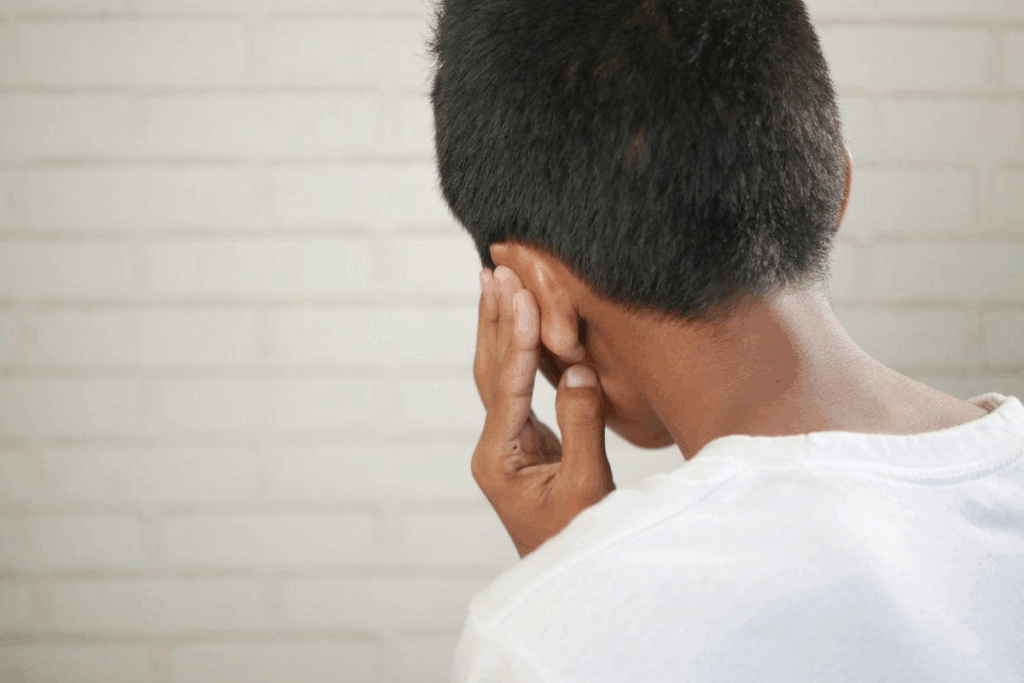
Pain behind the ear and jaw is a common problem that affects many people. It can be mild or very painful, making everyday activities hard. This pain can really affect how well you feel every day soreness behind ears and jaw.
At Liv Hospital, we know how serious temporomandibular joint disorders can be. They can cause ear and jaw pain. Our guide helps you understand this condition, its symptoms, how to diagnose it, and how to treat it. We want to help those in pain find relief.
Studies show that temporomandibular joint disorders affect 5 to 15 percent of people. Sixty percent of them also have ear symptoms. We focus on treating ear and jaw pain with care that puts the patient first.
Key Takeaways
- Understanding the causes of pain behind the ear and jaw
- Recognizing the symptoms of temporomandibular joint disorders
- Exploring diagnosis options for ear and jaw pain
- Discovering treatment options for relief
- Learning about comprehensive care for temporomandibular joint disorders
Understanding the Anatomy: Ear and Jaw Connection

The ear and jaw work together in a complex way. This connection is why pain in one area can also affect the other. To understand this, we need to look at the detailed structures that link them.
Temporomandibular Joint (TMJ) Structure
The Temporomandibular Joint (TMJ) is a key joint that connects the jaw to the skull. It helps with jaw movements like opening and closing. The TMJ has several important parts:
- The mandibular condyle, which is the rounded end of the lower jawbone.
- The articular eminence, a bony ridge on the temporal bone.
- The articular disc, a fibrous cartilage structure that cushions the joint.
- Ligaments that provide support and stability to the joint.
The TMJ’s design allows for many movements. It supports the jaw during activities like chewing and speaking.
Nerve Pathways Between Ear and Jaw
The ear and jaw are connected by nerve pathways. The auriculotemporal nerve is a key nerve here. It links the TMJ and the ear, creating a direct connection.
Other nerves, like the great auricular nerve, also play a role. They add to the complexity of pain in this area.
Why Pain Often Occurs in Both Areas Simultaneously
Pain in the ear and jaw can happen together because of shared nerves. The TMJ’s close location to the ear also plays a part. Problems like TMJ disorders or muscle tension can cause this pain.
- Temporomandibular joint disorders (TMD).
- Muscle tension and strain in the jaw and surrounding areas.
- Ear infections or other otologic conditions.
Knowing how the ear and jaw are connected helps in diagnosing and treating pain in both areas.
Common Causes of Soreness Behind Ears and Jaw
[Add image here]
Finding out why you have soreness behind your ears and jaw is key to feeling better. We’ll look at different reasons for this pain. This will help you understand what might be causing your discomfort.
Temporomandibular Joint Disorders (TMD)
Temporomandibular joint disorders, or TMD, often cause pain in the ears and jaw. The temporomandibular joint is a hinge that connects the jaw to the skull. When it’s not working right, it can hurt and feel uncomfortable.
Symptoms of TMD include: jaw pain or tenderness, clicking or grating sounds when you open or close your mouth, and trouble chewing.
Dental Problems
Dental issues can also cause pain in the ear and jaw. Problems like tooth decay, gum disease, or a bad bite can send pain to other areas.
Common dental problems that might cause this pain include impacted teeth, abscesses, or jaw problems from dental work.
Ear Infections
Ear infections, mainly in the middle ear, can cause pain in the ear, jaw, and nearby areas. These infections can make the area inflamed and filled with fluid, leading to discomfort.
Symptoms of an ear infection include ear pain, fever, hearing loss, and discharge.
Muscle Tension and Strain
Muscle tension and strain in the jaw and neck can also cause soreness. This tension can come from stress, grinding or clenching your teeth (bruxism), or bad posture.
Relaxation techniques and exercises to strengthen the jaw muscles can help ease this pain.
Medical Conditions Associated with Pain Behind Jaw Below Ear
Many medical conditions can cause pain behind the jaw and below the ear. These issues can affect your overall health. Getting a detailed diagnosis is key to finding out why you’re in pain.
Trigeminal Neuralgia
Trigeminal neuralgia is a chronic pain condition. It affects the trigeminal nerve, which carries face sensations to the brain. The pain is often sharp and can feel like electric shocks. Treatment options include medications, surgical procedures, and other interventions aimed at reducing or eliminating the pain.
Parotitis (Salivary Gland Inflammation)
Parotitis is inflammation of the parotid gland, a salivary gland near the ear. It can cause pain and swelling. The causes can range from bacterial or viral infections to blockages in the salivary gland ducts. Treatment usually involves addressing the cause, which might include antibiotics for infections.
Cervical Spine Issues
Problems with the cervical spine, like herniated discs or osteoarthritis, can cause pain. Diagnosis often involves imaging studies like MRI or CT scans to assess the condition of the cervical spine. Treatment may include physical therapy, pain management medications, or surgery.
Mastoiditis
Mastoiditis is an infection of the mastoid bone, located behind the ear. It can cause pain, swelling, fever, and ear discharge. Mastoiditis is considered a serious condition and typically requires prompt medical attention, often involving antibiotics or surgical drainage.
Condition | Common Symptoms | Typical Treatments |
Trigeminal Neuralgia | Sharp, stabbing pain in the face | Medications, surgery |
Parotitis | Pain, swelling near the ear | Antibiotics, supportive care |
Cervical Spine Issues | Radiating pain, neck stiffness | Physical therapy, pain management, surgery |
Mastoiditis | Pain, swelling, fever, ear discharge | Antibiotics, surgical drainage |
Diagnosing Pain Under Ear and Behind Jaw
Figuring out the cause of pain under the ear and behind the jaw is key. It involves physical checks, imaging tests, and dental exams.
Physical Examination Techniques
First, doctors check the area with physical exams. They look for tenderness and swelling. They also test how well the jaw moves.
Imaging Tests (X-rays, MRI, CT Scans)
Imaging tests help find pain causes that aren’t seen by touch alone. X-rays show bone problems. MRI looks at soft tissues like nerves and joints. CT scans show both bones and soft tissues.
Imaging Test | Primary Use | Benefits |
X-rays | Bone abnormalities | Quick and widely available |
MRI | Soft tissue evaluation | High detail of nerves and joints |
CT Scans | Comprehensive bone and soft tissue | Detailed cross-sectional images |
Dental Evaluations
Dental checks are vital for pain under the ear and jaw. Dentists look at teeth alignment and jaw health. They check for bruxism signs.
Using these methods, doctors can find the pain’s cause. This leads to better treatments.
Immediate Relief Strategies for Pain Behind Ear and Under Jaw
Pain behind the ear and under the jaw can be really tough. But, there are ways to get quick relief. We can try different methods to ease the pain.
Cold and Heat Therapy
Cold and heat therapy are simple yet effective. A cold compress can reduce swelling and numb the pain. Wrap a cold pack in a cloth to protect your skin.
Heat therapy, like a warm bath or a low-setting heating pad, can relax muscles. It also improves blood flow to the area.
Try switching between cold and heat to see what works best for you. Some people find alternating between the two helps the most.
Over-the-Counter Pain Medications
OTC pain medications can also help. Nonsteroidal anti-inflammatory drugs (NSAIDs) like ibuprofen reduce inflammation and pain. Acetaminophen is another option for pain relief.
Always follow the dosage on the label. If you’re unsure, talk to a healthcare professional.
Gentle Massage Techniques
Gentle massage can relax muscles around the jaw and ear. Use your fingertips to massage in a circular motion. Focus on the TMJ area, as tension here can cause pain.
Self-massage techniques can be done often to manage pain and prevent future episodes.
Relaxation Exercises
Relaxation exercises are key for stress management. Stress can make pain worse. Techniques like deep breathing exercises, meditation, and progressive muscle relaxation can calm the body and reduce pain.
Practice these exercises often, and during stressful times, to prevent pain episodes.
Effective Home Remedies for Pain Behind Jaw Under Ear
Looking for ways to ease pain without going to the doctor? Home remedies can help with pain behind the jaw and under the ear. These natural methods are great for managing pain without harsh chemicals.
Essential Oil Applications
Essential oils like lavender, eucalyptus, and peppermint can help. They have properties that fight inflammation and pain. Mix a few drops with a carrier oil and massage it on the sore spot.
Benefits of Essential Oils:
- Reduces inflammation
- Relaxes muscles
- Eases pain
Herbal Compresses
Herbal compresses can soothe the area. Chamomile and calendula have anti-inflammatory effects. To make one, steep herbs in hot water, cool it, and apply it to the sore spot.
Tips for Using Herbal Compresses:
- Use warm or cool compresses according to your comfort
- Apply for 15-20 minutes at a time
- Repeat as needed
Dietary Adjustments
Changing your diet can also help. Avoid hard foods and eat soft ones instead. Adding foods like omega-3 fish, turmeric, and ginger can also reduce inflammation.
Anti-Inflammatory Foods:
- Fatty fish (salmon, sardines)
- Turmeric
- Ginger
- Green leafy vegetables
Hydration Importance
Drinking enough water is key for health and can ease jaw pain. Water keeps muscles and joints lubricated, preventing strain and inflammation.
Tips for Staying Hydrated:
- Drink at least 8 glasses of water a day
- Avoid sugary drinks and caffeine
- Incorporate hydrating foods like watermelon and cucumbers
Medical Treatments for Tenderness Under Ear Behind Jaw
Medical treatments can help with pain under the ear and behind the jaw. If simple steps don’t work, doctors might suggest other treatments. These depend on what’s causing the pain.
Prescription Medications
Prescription medications are sometimes needed for serious pain. Muscle relaxants can ease jaw muscle tension. Anti-inflammatory drugs can help with swelling and pain. Sometimes, antidepressants are used to manage long-term pain.
Dental Interventions
Dental care is key for TMJ problems. Custom-made oral appliances can fix bite issues and ease TMJ strain. In serious cases, surgery might be needed to fix or replace the TMJ.
Physical Therapy Approaches
Physical therapy is important for pain relief. It includes gentle massage, jaw-strengthening exercises, and treatments like ultrasound. A physical therapist can create a plan to improve jaw movement and lessen pain.
Injections and Advanced Procedures
Injections like corticosteroids or Botox can target pain. For severe TMJ issues, procedures like arthrocentesis or TMJ arthroscopy might be used.
Doctors say a good treatment plan often mixes different approaches. It’s based on the person’s specific needs and condition.
“The key to effective management of pain under the ear and behind the jaw lies in accurately diagnosing the underlying cause and selecting the most appropriate treatment strategy.” Medical Expert
Jaw Exercises to Alleviate Pain Underneath Ear Near Jaw
Simple jaw exercises can ease pain under the ear near the jaw. Adding these to your daily routine can boost jaw movement, cut down on tension, and lessen discomfort.
Gentle Stretching Routines
Gentle stretching relaxes jaw muscles and boosts flexibility. Here’s a simple jaw stretch:
- Open your mouth as wide as you comfortably can.
- Hold this position for 10 seconds.
- Slowly close your mouth.
- Repeat this exercise 5-10 times.
Benefits of Gentle Stretching: Regular stretching eases muscle tension, improves jaw alignment, and cuts down on pain.
Strengthening Exercises
Strengthening jaw muscles adds support and lessens pain. Try the jaw resistance movement:
- Place your hand on your chin.
- Open your mouth against the resistance from your hand.
- Hold for a few seconds.
- Close your mouth slowly.
- Repeat this 10-15 times.
Tip: Use gentle resistance to avoid straining your jaw.
Proper Exercise Technique and Frequency
Doing these exercises right and often is key. Here are some tips:
- Do the exercises in front of a mirror to check your technique.
- Begin slowly and gradually increase how often and how hard you do them.
- Listen to your body and stop if pain gets worse.
By sticking to these tips and doing jaw exercises daily, you can reduce pain under the ear near the jaw. This will also help your jaw health overall.
Lifestyle Changes to Prevent Pain Under Jaw and Behind Ear
To stop pain under the jaw and behind the ear, we need to make several changes. These changes can help a lot. They can make a big difference in how we feel every day.
Stress Management Techniques
Stress can make our jaw and facial muscles tight. This can cause pain behind the ear and jawline. Here are some ways to manage stress:
- Meditation and Deep Breathing: These calm the mind and relax muscles.
- Yoga: It combines movement with deep breathing to lower stress.
- Progressive Muscle Relaxation: This method involves tensing and relaxing muscles.
Using these stress management techniques regularly can help. It can lower stress levels and reduce jaw and ear pain.
Proper Posture Habits
Good posture is key to avoiding muscle strain in the neck and jaw. Here’s how:
- Standing and Sitting Upright: Avoid slouching or leaning forward to prevent muscle strain.
- Ergonomic Workspace: Make sure your workspace supports good posture, with the monitor at eye level and the keyboard in front.
Good posture can help reduce TMJ and muscle strain. This can prevent pain.
Sleep Position Adjustments
How we sleep can affect our jaw alignment and pain. Here are some tips:
- Sleeping on Your Back: This keeps the neck and jaw in their natural position.
- Avoiding Sleeping on Your Stomach: This can twist the neck and compress the jaw.
- Using a Supportive Pillow: A pillow that keeps the neck curved can reduce jaw strain.
Changing sleep positions can help avoid TMJ pressure. This can reduce pain behind the ear and jaw.
Avoiding Trigger Foods and Activities
Some foods and activities can make jaw pain worse. It’s important to:
- Avoid Hard or Chewy Foods: Foods like nuts, hard candy, or chewing gum can strain the jaw.
- Limit Activities That Strain the Jaw: Avoid wide yawning, loud singing, or playing certain musical instruments.
By avoiding these triggers, we can lower our risk of jaw pain. This can help prevent pain under the jaw and behind the ear.
In conclusion, making these lifestyle changes can help prevent jaw and ear pain. It can improve our overall quality of life.
When to Seek Medical Help for Sharp Pain Under Ear and Jaw
If you feel sharp pain under your ear and jaw, knowing when to see a doctor is key. This pain can come from many things. It’s important to know when to get help to treat it well and feel better.
Warning Signs and Red Flags
Some symptoms with sharp pain under the ear and jaw mean you should see a doctor right away. These include:
- Persistent or worsening pain
- Difficulty swallowing or opening the mouth
- Swelling or redness in the affected area
- Fever or chills
- Numbness or tingling sensations
Knowing these signs can help you get medical help quickly. A doctor says, “Seeing a doctor early can really help with sharp pain under the ear and jaw.”
“Pain is the body’s way of signaling that something is wrong. Ignoring it or hoping it goes away can lead to more severe complications.” A medical expert
Emergency Symptoms
Sharp pain under the ear and jaw can sometimes mean you need emergency care. These include:
Symptom | Description |
Severe difficulty breathing | Feeling like you can’t catch your breath or are choking |
Chest pain or pressure | Pain or discomfort in the chest that may radiate to the arm, back, or jaw |
Severe headache or dizziness | A sudden, severe headache or feeling dizzy |
If you or someone you know has these symptoms, get emergency care right away.
Finding the Right Specialist
When you have sharp pain under the ear and jaw, seeing the right doctor is important. You might need to see:
- An otolaryngologist (ENT specialist) for ear issues
- A dentist or oral surgeon for jaw or dental problems
- A primary care physician or internist for a general check-up and referral
Your primary care doctor can help find the right specialist for you.
Knowing the warning signs, emergency symptoms, and how to find the right doctor helps you take care of your health. This way, you can get the right medical help for sharp pain under the ear and jaw.
Long-Term Management of Pain Behind Ear and Jawline
To manage pain behind the ear and jawline well, we need a detailed plan. This plan should tackle the immediate pain causes and also look at the big picture. It should include medical treatments, lifestyle changes, and self-care.
Creating a Comprehensive Treatment Plan
First, we must find out why the pain is happening. This means getting a good diagnosis. We might need to see dentists, ENT specialists, or pain management doctors.
Next, we look at all the treatment options. This includes medical treatments, physical therapy, and even things like acupuncture or relaxation techniques.
Tracking Symptoms and Triggers
Keeping track of when and why pain happens is key. We suggest using a pain diary. It helps us see patterns and make better treatment choices.
Look out for common triggers like stress, certain foods, and physical activities.
Combining Therapies for Best Results
Using different therapies together can make them work better. For example, physical therapy and relaxation techniques can help with jaw pain.
Also, mixing medical treatments with lifestyle changes can lead to better results. This includes changing what we eat and how we handle stress.
Therapy Type | Examples | Benefits |
Medical Treatments | Prescription medications, injections | Reduces pain and inflammation |
Physical Therapy | Jaw exercises, massage | Improves jaw mobility and strength |
Lifestyle Changes | Dietary adjustments, stress management | Reduces triggers and enhances overall well-being |
By taking these steps and mixing different methods, we can create a solid plan for managing pain long-term.
Conclusion: Taking Control of Your Ear and Jaw Health
Understanding pain behind the ear and jaw is key to better health. We’ve looked at the causes, symptoms, and how to treat them. This includes the TMJ’s role in our overall health.
Improving ear and jaw health requires a full approach. This includes quick fixes, medical treatments, and lifestyle changes. Gentle massages, relaxation exercises, and managing stress can help reduce pain.
If pain persists, don’t hesitate to see a doctor. They can help create a treatment plan just for you. By tracking your symptoms and triggers, you can better manage pain.
By taking charge of your ear and jaw health, you can live a better life. This guide offers the tools you need for optimal health and well-being.
FAQ
What are the common causes of pain under ear and behind jaw?
Pain under the ear and behind the jaw can come from several sources. It might be due to temporomandibular joint disorders or dental issues. Ear infections and muscle tension also play a role. Other causes include trigeminal neuralgia, parotitis, cervical spine problems, and mastoiditis.
How is pain behind ear and jaw diagnosed?
Doctors use physical exams and imaging tests like X-rays, MRI, and CT scans to find the cause. Dental checks are also part of the process.
What are the immediate relief strategies for pain behind ear and under jaw?
Quick relief can be found with cold and heat therapy. Over-the-counter pain meds and gentle massage help too. Relaxation exercises are also effective.
Are there any effective home remedies for pain behind jaw under ear?
Yes, home remedies like essential oils and herbal compresses work well. Changing your diet and staying hydrated also helps.
What medical treatments are available for tenderness under ear behind jaw?
Medical options include prescription drugs, dental treatments, and physical therapy. Injections or advanced procedures might also be needed.
Can jaw exercises help alleviate pain underneath ear near jaw?
Yes, jaw exercises like gentle stretches and strengthening routines can ease pain. Proper technique is key.
What lifestyle changes can help prevent pain under jaw and behind ear?
To prevent pain, manage stress, maintain good posture, and adjust your sleep position. Avoiding certain foods and activities is also important.
When should I seek medical help for sharp pain under ear and jaw?
Seek medical help if you notice warning signs, emergency symptoms, or if the pain gets worse. Don’t ignore it.
How can I manage pain behind ear and jawline in the long term?
For long-term management, create a treatment plan and track symptoms and triggers. Combining different therapies is key to success.
What is the role of the temporomandibular joint in jaw movement?
The temporomandibular joint is vital for jaw movement. It helps with chewing, speaking, and yawning.
Can pain behind ear and jaw be a sign of a serious medical condition?
Yes, pain in this area can signal serious conditions like mastoiditis or trigeminal neuralgia. Seek medical help quickly.
How can I find the right specialist for my ear and jaw pain?
Start with your primary care doctor. They can refer you to specialists like otolaryngologists, dentists, or pain management experts. Choose based on your pain’s cause.
References
National Center for Biotechnology Information. Pain Behind Ear and Jaw: Causes and Relief Guide. Retrieved from https://www.ncbi.nlm.nih.gov/pmc/articles/PMC4311046/