The level of paralysis depends on where the damage is in the neck or back. This shows how complex spinal cord injuries are. Damage to the spinal cord can lead to a big loss of function.
It’s important to understand the challenges in treating spinal cord damage. A severed spinal cord is a big problem. Today’s medical tech can’t fully fix it.
Key Takeaways
- The location of the damage determines the level of paralysis.
- Spinal cord injuries can result in significant loss of function.
- Current medical technology struggles to fully restore function to a damaged spinal cord.
- Understanding the complexity of spinal cord injuries is key for better treatments.
- Research into spinal cord damage treatment is ongoing.
The Structure and Function of the Spinal Cord
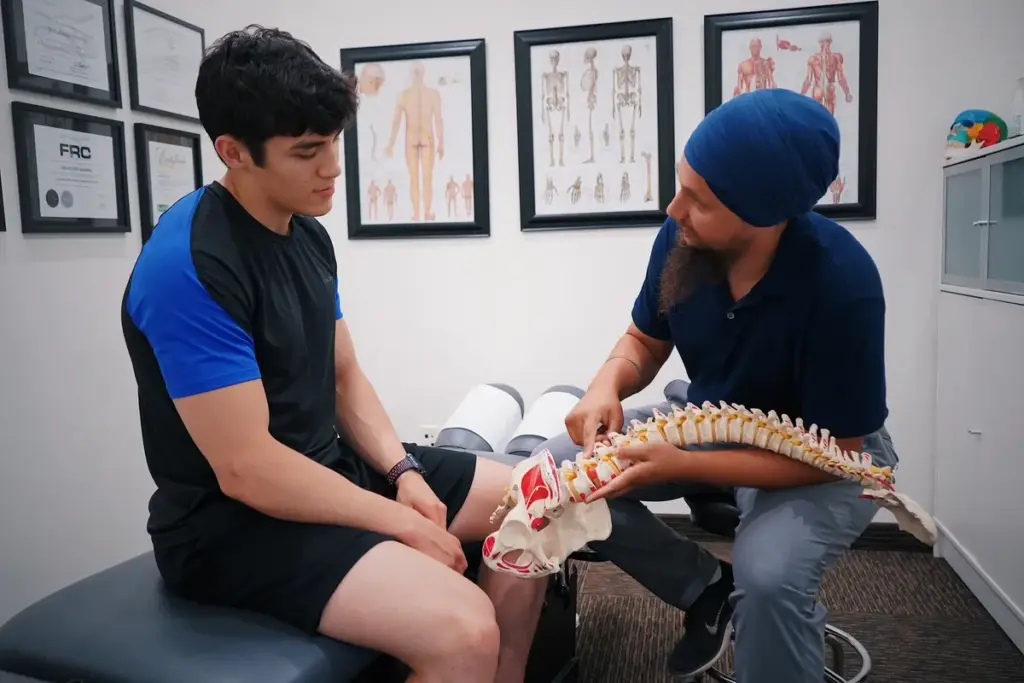
The spinal cord is a key part of our nervous system. It helps the brain talk to the rest of the body. It’s a long, thin tube made of nervous tissue, running from the brain to the lower back.
Anatomy of the Spinal Cord
The spinal cord is wrapped in the spinal column, made of vertebrae. It’s covered by three layers of meninges: the dura mater, arachnoid mater, and pia mater. The spinal cord has different segments for different body parts.
What Does the Spinal Cord Do in the Nervous System
The spinal cord is key for signal transmission between the brain and the rest of the body. It also helps with reflex control, allowing quick responses to stimuli without brain involvement.
Signal Transmission
Signal transmission is vital for the spinal cord. It carries messages between the brain and the body, enabling movements and sending sensory info.
Reflex Control
Reflex control is also important. It allows for quick reactions to danger, like pulling your hand away from a hot surface.
|
Function |
Description |
|---|---|
|
Signal Transmission |
Facilitates communication between the brain and the peripheral nervous system. |
|
Reflex Control |
Enables rapid responses to certain stimuli without the need for brain processing. |
In summary, the spinal cord is vital for movement, sensory info, and reflexes. Knowing how it works helps us understand our nervous system better.
The Spinal Cord and Brain Connection
The spinal cord is like a messenger between the brain and the body. It helps with communication and control. This is key for movement, feeling, and quick actions.
How the Spinal Cord Communicates with the Brain
The spinal cord talks to the brain through complex paths. These paths let signals move between the brain and the spinal cord. This makes actions work together.
Spinal Cord in Brain Function
The spinal cord is very important for brain work. It helps with moving and feeling things.
Motor Control Pathways
Motor control pathways send signals from the brain to muscles and glands. This lets us move on purpose. The spinal cord is key for these signals.
Sensory Information Processing
Sensory information processing is about getting and understanding body inputs. The spinal cord sorts this out before it gets to the brain.
Paraplegia and quadriplegia show how vital the spinal cord is. They happen when the spinal cord is damaged at different levels. This damage affects many body functions.
|
Function |
Spinal Cord Role |
Brain Role |
|---|---|---|
|
Motor Control |
Transmits signals from brain to muscles |
Initiates motor commands |
|
Sensory Processing |
Processes and relays sensory information |
Interprets sensory information |
Types of Spinal Cord Injuries
It’s important to know about the different types of spinal cord injuries. This knowledge helps in creating effective treatment plans. These injuries can happen from various causes and vary in severity and damage extent.
Complete vs. Incomplete Injuries
Spinal cord injuries are divided into complete and incomplete types. A complete spinal cord injury means no function below the injury site. On the other hand, an incomplete injury allows for some function to remain. Knowing the difference is key for understanding the injury’s impact and planning rehabilitation.
- Complete injuries usually lead to paralysis and loss of sensation below the injury.
- Incomplete injuries might allow for some motor or sensory function.
Severed Spinal Cord: Mechanisms and Consequences
A severed spinal cord, or transected spinal cord, is a severe injury. It happens when the spinal cord is completely cut or torn. This can result from trauma, like car accidents or falls. The effects of a severed spinal cord are often severe, leading to permanent paralysis and loss of autonomic functions.
The damage from a severed spinal cord isn’t just physical. It also involves biological responses that can worsen the injury.
Common Causes of Spinal Cord Damage
Spinal cord damage can come from many sources, including:
- Traumatic injuries, like those from car accidents or sports.
- Falls from heights.
- Acts of violence, such as gunshot wounds.
- Medical conditions, like tumors or infections that compress the spinal cord.
Knowing these causes is vital for prevention and targeted interventions.
Why Natural Repair is Limited<image3>
The spinal cord’s ability to heal itself is limited by its complex structure and function. After an injury, the body’s repair efforts face big challenges. Knowing these challenges is key to finding better treatments.
Biological Barriers to Regeneration
The spinal cord’s biology creates big hurdles for healing. Axonal growth is hard because of missing growth factors and harmful molecules. For example, myelin-associated inhibitors stop new axons from growing.
- Inhibitory molecules like Nogo-A and MAG
- Lack of growth-promoting factors
- Scar tissue formation
The Inhibitory Environment After Injury
After a spinal cord injury, the area becomes unfriendly to healing. The injury causes inflammation and scar tissue, blocking axonal growth. Also, certain chemicals make the environment even more hostile.
“The presence of scar tissue and inhibitory molecules after a spinal cord injury significantly hampers the natural repair.”
Comparison to Other Tissue Types
The spinal cord can’t heal like some other tissues, like the liver or skin. This is because of its complex structure and special function. Looking at other tissues shows how unique the spinal cord’s repair challenges are.
In summary, the spinal cord’s natural repair is limited by biological barriers and a hostile environment after injury. Understanding these obstacles is vital for creating new treatments to help repair the spinal cord.
How Does a Spinal Cord Injury Affect the Brain
Spinal cord injuries deeply affect the brain, impacting physical, cognitive, and emotional health. The connection between the spinal cord and brain means injuries can cause many effects. These effects can change an individual’s health in many ways.
Neuroplasticity After Spinal Injury
Neuroplasticity is the brain’s ability to change and adapt. It plays a big role in recovery after a spinal cord injury. The brain tries to make up for damaged areas by changing how it works and making new connections.
Neuroplasticity mechanisms include growing new neurons and forming new pathways. These changes are influenced by the injury’s severity, the success of rehabilitation, and individual brain differences.
Cognitive and Emotional Impacts
Spinal cord injuries can affect thinking and feelings. People might struggle with memory, attention, and processing speed. They may also feel mood swings, depression, anxiety, and stress because of the injury.
The emotional and psychological effects of a spinal cord injury are very important. People go through many emotions as they adjust. Support from healthcare, family, and friends is key during this time.
Long-term Neurological Adaptations
Over time, the brain makes big changes after a spinal cord injury. These changes can improve function and quality of life. Knowing about these changes helps in creating long-term care plans.
|
Adaptation Type |
Description |
Impact on Recovery |
|---|---|---|
|
Neural Reorganization |
The brain reorganizes its function to compensate for damaged areas. |
Improves functional recovery and adaptability. |
|
Compensatory Mechanisms |
Individuals develop strategies to compensate for lost functions. |
Enhances independence and quality of life. |
|
Neuroplastic Changes |
The brain undergoes structural and functional changes. |
Supports long-term recovery and adaptation. |
In conclusion, spinal cord injuries have many effects on the brain. These include changes in neuroplasticity, thinking, and feelings, and long-term brain adaptations. Understanding these effects is key to giving good care and support to those with spinal cord injuries.
Current Spinal Cord Damage Treatment Approaches
Treating spinal cord injuries needs a full plan. This includes quick medical help and ongoing rehab. The aim is to lessen injury, handle problems, and boost independence and life quality.
Immediate Medical Interventions
Quick medical steps are key in spinal cord injury treatment. These steps might include:
- Surgical actions to stabilize the spine and ease spinal cord pressure.
- Medicines to cut down inflammation and control pain.
- Immobilizing the patient carefully to avoid more harm.
Fast medical care is vital to avoid lasting damage and better results.
Rehabilitation Strategies
Rehab is a big part of getting better for those with spinal cord injuries. Rehab plans might include:
- Physical therapy to boost movement and strength.
- Occupational therapy to learn skills for daily life and independence.
- Speech therapy if the injury impacts talking.
These plans are made to fit the person’s needs and goals. They aim to improve function and well-being.
Assistive Technologies and Adaptive Equipment
Assistive tech and adaptive gear are key for those with spinal cord injuries. They might include:
- Wheelchairs and mobility aids to boost independence.
- Adaptive tools for daily tasks, like special utensils and gadgets.
- Devices for communication for those with speech or writing issues.
New tech has made assistive devices better and more useful. This has greatly improved life for those with spinal cord injuries.
Combining quick medical care, rehab, and assistive tech offers a full treatment plan for spinal cord damage. Knowing about these options helps healthcare teams and those with spinal cord injuries work together for the best results.
Cutting-Edge Research in Spinal Cord Repair
Advances in stem cell therapies and electrical stimulation are changing how we treat spinal cord injuries. Researchers are finding new ways to fix damaged spinal cords. This gives hope to those with such injuries.
Stem Cell Therapies and Regenerative Medicine
Stem cell therapies are a key area of research for spinal cord repair. These therapies use stem cells to replace or repair damaged spinal cord cells. Studies show they can help animals with spinal cord injuries recover.
The use of induced pluripotent stem cells (iPSCs) is exciting. iPSCs are made from adult cells that can become any cell type. This makes them a great source for therapy. Scientists are working to make these therapies safer and more effective.
Biomaterials and Neural Scaffolds
Researchers are also working on biomaterials and neural scaffolds for spinal cord repair. These materials provide a structure for nerve growth and can carry cells or molecules to the injury site.
They are creating biomaterials that mimic the spinal cord’s natural environment. This helps with nerve growth. Combining biomaterials with stem cell therapies is a promising approach.
Electrical Stimulation and Neuromodulation
Electrical stimulation is a new technique for spinal cord repair. It uses electrical impulses to stimulate nerves and aid recovery.
Epidural Stimulation
Epidural stimulation sends electrical impulses to the spinal cord through electrodes in the epidural space. It has helped restore motor function in people with spinal cord injuries, even in complete paralysis cases.
Brain-Computer Interfaces
Brain-computer interfaces (BCIs) are a new way to bypass damaged spinal cord areas. BCIs allow direct brain-to-device communication. This could give independence back to those with spinal cord injuries.
These new technologies show the fast progress in spinal cord repair. As research keeps advancing, we’re getting closer to effective treatments for spinal cord injuries.
Does Spinal Cord Injury Heal? Real-Life Perspectives
Healing from a spinal cord injury is complex. It depends on many things. Each person’s recovery is different, so we need to look at what affects this.
Factors Affecting Recovery
Several things can change how well someone recovers from a spinal cord injury. These include how bad the injury is, how quickly and well medical care is given, and the person’s health and strength.
Severity and Location of the Injury: The damage to the spinal cord greatly affects recovery chances. Injuries that don’t completely cut off the spinal cord usually have a better chance of recovery.
Timeliness and Quality of Medical Care: Getting medical help quickly and correctly is very important. It helps reduce damage and can lead to better results. This includes surgery, rehab, and managing other health issues.
Documented Cases of Partial Recovery
Some people have made partial recoveries from spinal cord injuries. This is thanks to hard work in rehab and new medical tools.
- New ways in physical therapy and rehab are showing promise in helping people get better.
- Things like exoskeletons and devices that send electrical signals have helped some people move again.
Setting Realistic Expectations
While some people do get better, it’s important to have realistic hopes. Recovery takes a long time and can be different for everyone.
Personalized Rehabilitation Plans: Making rehab plans that fit each person’s needs can really help. It makes a big difference in how well they do.
Knowing what affects recovery and keeping up with new treatments can help people on their journey to get better.
Conclusion: The Future of Spinal Cord Repair
Research into spinal cord repair is moving fast, giving new hope to those with spinal cord injuries. Studies are looking into new ways like stem cell therapies, biomaterials, and electrical stimulation. These methods aim to help the body heal and improve function.
The future looks bright for spinal cord repair. Scientists are making new discoveries every day. They’re working on new treatments that could change the game.
Even though there are hurdles, the progress is huge. We now know more about how the spinal cord works and its link to the brain. More research and money are needed to find better treatments. The future of spinal cord repair is full of promise, ready to make a big difference.
FAQ
What is the role of the spinal cord in the nervous system?
The spinal cord is key in the nervous system. It sends messages between the brain and the body. It also controls reflexes.
How does a spinal cord injury affect the brain?
A spinal cord injury can change how the brain works. It can affect thinking and feelings. It also leads to long-term changes in the nervous system.
What are the different types of spinal cord injuries?
Spinal cord injuries are divided into complete and incomplete types. A severed spinal cord is a severe injury. It can cause a lot of loss of function.
Can the spinal cord repair itself naturally?
The spinal cord can’t fully repair itself naturally. This is because of biological barriers and an environment that stops repair after injury.
What are the current treatment approaches for spinal cord damage?
Treatments include immediate medical care, rehabilitation, and assistive technologies. These aim to reduce damage and improve outcomes.
What is the potential for recovery from spinal cord injury?
Recovery from spinal cord injury depends on injury severity. Some people may see partial recovery.
What are the latest research developments in spinal cord repair?
New research includes stem cell therapies, biomaterials, and electrical stimulation. These methods show promise for better outcomes for those with spinal cord injuries.
How does the spinal cord communicate with the brain?
The spinal cord talks to the brain through complex pathways. It sends sensory information and motor control signals.
What are the common causes of spinal cord damage?
Spinal cord damage can come from traumatic injuries like accidents or falls. It can also come from non-traumatic causes like infections or tumors.
Can spinal nerve damage be treated?
Spinal nerve damage can be treated. This includes rehabilitation and assistive technologies. These help minimize damage and improve outcomes.
Does spinal cord injury heal?
While some may see partial recovery, spinal cord injury is often permanent. Treatment focuses on managing symptoms and improving quality of life.
The Lancet. Evidence-Based Medical Insight. Retrieved from https://www.thelancet.com/journals/lancet/article/PIIS0140-6736(10)62321-8/fulltext



 Departments
 Related Videos
 Our Doctors
 News
News