Knowing the types of spinal cord injuries is key for patients and their families. At Liv Hospital, we focus on each patient’s needs. We offer advanced care to help them through their recovery.
The way we classify spinal injury levels depends on the part of the spine affected. This ranges from the cervical to the thoracic, lumbar, and sacral areas. Knowing this helps us understand how the injury affects a person’s function.
We know every patient is different. Our team is dedicated to giving each person the care they need. We support them every step of the way.
Key Takeaways
- Spinal cord injury levels are classified based on the spine segment affected.
- The classification includes cervical, thoracic, lumbar, and sacral regions.
- Understanding the type and level of injury is key to knowing its effects.
- Liv Hospital focuses on each patient’s needs in care and rehabilitation.
- We have advanced care plans to support patients on their journey.
The Spinal Cord: Anatomy and Function
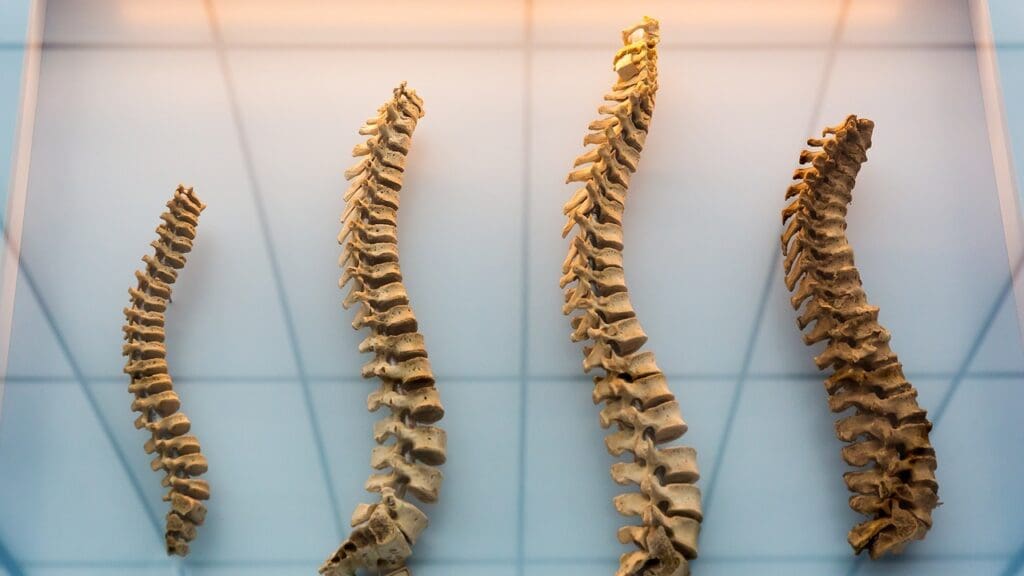
It’s important to know about the spinal cord’s anatomy and function. This helps us understand how spinal cord injuries work. The spinal cord runs from the brain to the lower back. It controls many body functions.
We’ll look at the vertebral column, the spinal cord’s segments, and how injuries impact it. Knowing this helps us grasp the different levels of function in spinal cord injuries.
Structure of the Vertebral Column
The vertebral column, or backbone, has 33 vertebrae. It’s divided into five parts: cervical, thoracic, lumbar, sacrum, and coccyx. The spinal cord goes through the vertebral canal, which the vertebrae form.
The cervical area has 7 vertebrae (C1-C7), the thoracic area has 12 (T1-T12), and the lumbar area has 5 (L1-L5). The sacrum is 5 fused vertebrae, and the coccyx is 4 fused vertebrae.
Spinal Cord Segments and Nerve Functions
The spinal cord has 31 segments, each linked to a nerve root. These segments control motor and sensory functions.
Nerve roots from each segment connect to muscles and send sensory info. Knowing what each segment does is key to understanding injury levels and their effects.
| Spinal Cord Segment | Nerve Function |
|---|---|
| Cervical (C1-C8) | Controls neck, arm, and hand functions |
| Thoracic (T1-T12) | Controls trunk and abdominal muscles |
| Lumbar (L1-L5) | Controls leg and foot functions |
| Sacral (S1-S5) | Controls bowel, bladder, and sexual functions |
How Spinal Cord Injuries Affect Neural Pathways
Spinal cord injuries (SCI) can damage neural pathways. This leads to different levels of motor and sensory loss. The injury’s level and severity decide the extent of loss.
We’ll talk about how SCI impacts neural pathways and the resulting effects. Understanding these effects is vital for creating effective treatments and rehabilitation plans.
Spinal Cord Injury Levels: Classification System
Spinal cord injuries are sorted by where and how much damage there is. This helps doctors figure out the best treatment. It also shows how much the injury affects a person’s ability to move and function.
Cervical Region (C1-C8)
The cervical area is at the top of the spine. Damage here can be very serious. Injuries at C1-C4 levels can lead to tetraplegia, which means both arms and legs are affected and breathing help might be needed. Patients with injuries at C5-C8 might have some use of their arms and hands, but how much depends on the injury’s level.
Thoracic Region (T1-T12)
The thoracic area is in the chest and belly. T1-T6 injuries usually cause paraplegia, which affects the lower body. The level of injury determines how much independence a person has. T7-T12 injuries might allow for better control of the trunk and more independence in daily tasks.
Lumbar Region (L1-L5)
The lumbar area is in the lower back. Injuries at L1-L5 can affect leg function differently. Generally, the lower the injury, the more leg function is preserved.
Sacral Region (S1-S5)
The sacral area is at the spine’s base. Injuries here often impact bowel, bladder, and sexual functions. The severity of these effects depends on the injury’s level and completeness.
Knowing these classifications is key for both doctors and patients. It helps them understand spinal cord injuries better and plan effective rehabilitation.
Complete vs. Incomplete Spinal Cord Injuries
It’s important to know the difference between complete and incomplete spinal cord injuries. This helps figure out how much damage there is and what recovery might look like. Spinal cord injuries can really change someone’s life, and knowing the injury type is key for treatment plans.
Complete Injuries: Total Loss of Function
A complete spinal cord injury means no feeling or movement below the injury. People with complete injuries can’t feel anything or move below the injury site. This kind of injury stops all communication between the brain and the body below the injury, leading to no function at all.
Characteristics of Complete Spinal Cord Injuries:
- Total loss of sensory function
- Complete loss of motor function
- No reflexes below the level of injury
Incomplete Injuries: Partial Preservation
In contrast, incomplete spinal cord injuries have some damage but not all. This means some feeling and movement might be left below the injury. How much function is saved can vary a lot, based on the injury’s severity and where it is.
Characteristics of Incomplete Spinal Cord Injuries:
- Partial preservation of sensory function
- Some degree of motor function retained
- Potential for varied recovery patterns
We show the differences between complete and incomplete spinal cord injuries in the table below:
| Characteristics | Complete Spinal Cord Injury | Incomplete Spinal Cord Injury |
|---|---|---|
| Sensory Function | Total loss below injury level | Partial preservation |
| Motor Function | Complete loss below injury level | Some degree retained |
| Reflexes | No reflexes below injury level | Reflexes may be present or affected |
| Recovery Potencial | Limited to minimal recovery | Varied recovery patterns possible |
Determining Completeness: Clinical Assessment
Doctors use a detailed clinical assessment to figure out if a spinal cord injury is complete or not. This includes a full check of the nervous system to see how much feeling and movement is left. They also look at reflexes and other signs of spinal cord function.
The American Spinal Injury Association (ASIA) Impairment Scale is a key tool for classifying spinal cord injuries. It ranges from ASIA A (no feeling or movement) to ASIA E (normal function).
Getting the injury type right is key for treatment plans and predicting outcomes. Knowing the injury helps doctors create better plans for recovery. This can greatly improve someone’s life after a spinal cord injury.
High Cervical Injuries (C1-C4): Function and Challenges
Injuries to the upper cervical spine, C1-C4, can greatly affect a person’s ability to function and be independent. These injuries are severe because they impact important bodily functions.
Respiratory Dependence and Ventilator Requirements
One big challenge for those with high cervical injuries is respiratory dependence. The higher the injury, the more likely they need a ventilator to breathe. With the right care and technology, people can live full lives despite this.
Getting a ventilator is a big deal in the early stages of injury. Some people need it all the time, while others only need it at night or for specific activities.
Quadriplegia and Total Assistance Needs
High cervical injuries often cause quadriplegia, leading to a big loss of motor function. This means needing total help with daily tasks, like personal care, moving around, and sometimes even talking.
- Complete dependence on caregivers for daily needs
- Need for specialized equipment for mobility and transfers
- Potential for adaptive technology to aid in communication
Communication and Adaptive Technology
Despite the hurdles, adaptive technology has made communication and interaction possible. People with high cervical injuries can use different devices and software to communicate, interact, and enjoy activities.
Some examples of adaptive technology include:
- Eye-tracking devices for computer control
- Voice-controlled systems for smart home management
- Specialized communication apps for smartphones and tablets
We aim to help those with high cervical injuries get these technologies. We want to improve their independence and quality of life.
Mid to Low Cervical Injuries: C5-C7 Spinal Cord Injury
Injuries at the C5-C7 levels of the spine are complex. They affect upper limb function, hand and arm use, and breathing. These injuries impact many important health areas.
Upper Limb Function and Limitations in C5-C6 SCI
C5-C6 injuries can lead to different levels of arm use. Some people might have good arm movement, while others face big challenges. The injury’s severity greatly affects how much you can move.
Key considerations for C5-C6 SCI include:
- Potential for elbow flexion and wrist extension
- Limited or no hand function
- Need for adaptive equipment for daily activities
Enhanced Hand and Arm Capabilities in C7 SCI
C7 injuries usually mean better arm and hand use than higher injuries. People with C7 SCI can do more complex tasks. They have better dexterity.
Notable aspects of C7 SCI include:
- Enhanced tricep function allowing for elbow extension
- Improved hand function, potentially enabling grasp
- Increased independence in daily activities
Respiratory Function and Independence Levels
Respiratory function is key for those with C5-C7 SCI. The injury level affects breathing and independence.
| Injury Level | Respiratory Function Impact | Independence Level |
|---|---|---|
| C5 | Significant impairment; may require ventilator support | Limited independence; requires extensive assistance |
| C6 | Moderate impairment; some ventilator dependence | Partial independence; needs adaptive equipment |
| C7 | Less impairment; potentially independent breathing | Higher independence; may need some adaptive equipment |
Knowing these differences helps tailor rehab and support for C5-C7 SCI patients. It ensures they get the right care.
Different Types of Spinal Injury Syndromes
Spinal cord injuries can cause various syndromes. These include central cord, Brown-Séquard, anterior cord, and cauda equina syndromes. Each syndrome has its own challenges for patients and doctors. Knowing about these syndromes helps in creating better treatment plans.
Central Cord Syndrome: Symptoms and Function
Central cord syndrome mainly affects the arms, causing weakness or paralysis. Legs are less affected. Patients might also have sensory loss and bladder problems. The hallmark of central cord syndrome is the disproportionate impact on the arms compared to the legs.
Brown-Séquard Syndrome: Hemisection Effects
Brown-Séquard syndrome happens when one half of the spinal cord is damaged. It leads to weakness or paralysis on one side and loss of pain and temperature on the other. The mixed presentation of motor and sensory deficits characterizes this syndrome.
Anterior Cord Syndrome: Motor and Sensory Patterns
Anterior cord syndrome damages the front two-thirds of the spinal cord. It causes motor loss and affects pain and temperature sensation. Patients might keep some sensation, like proprioception and vibration. Early intervention is critical to managing the functional impacts of anterior cord syndrome.
Cauda Equina Syndrome: Lower Spinal Injury
Cauda equina syndrome is caused by damage to the cauda equina in the lower spine. Symptoms include severe lower back pain, sciatica, and bladder and bowel issues. Prompt surgical intervention is often necessary to prevent long-term neurological damage.
These spinal injury syndromes show how complex and varied spinal cord injuries can be. Knowing each syndrome’s specifics is key to better care and outcomes. A detailed approach is needed for effective management and rehabilitation.
Thoracic Spinal Cord Injuries and T5 Paraplegia
Thoracic spinal cord injuries, like those at T5, bring big challenges. They can change a person’s life a lot. They affect how well someone can move, live on their own, and feel overall.
We’ll look closely at these injuries. We’ll see how upper and lower thoracic injuries differ. And how they affect people’s lives.
Trunk Stability in Upper Thoracic Injuries
Upper thoracic injuries happen between T1 and T6. They really mess with trunk stability. Losing muscle control in the upper trunk makes it hard to sit or stand right.
Rehab programs work hard to strengthen muscles. They also use tools to help with balance.
Specific Functional Impacts of T5 Paraplegia
T5 paraplegia happens when the fifth thoracic vertebra is injured. It causes paralysis below it. People with T5 paraplegia might lose a lot of function in their legs.
But, they might keep a lot of strength in their arms. This means they can use wheelchairs and other aids. Adaptive tech and rehab are key to their independence.
Enhanced Trunk Control in Lower Thoracic Injuries
Lower thoracic injuries, from T7 to T12, usually mean better trunk control. People with these injuries might have more muscle in their stomachs. This helps with stability and some mobility.
Physical therapy is designed to use these strengths. It aims to improve how well someone can function.
Lumbar and Sacral SCI Levels of Function
Lumbar and sacral spinal cord injuries affect walking, bowel and bladder control, and autonomic functions. These injuries in the lower spine impact mobility, autonomy, and quality of life.
Walking Ability and Mobility Aids
Lumbar SCI can greatly impact walking ability. The injury’s level and completeness determine its effect. Higher lumbar injuries might allow walking with aids, while lower injuries may limit it more.
“The ability to walk again is a primary concern for many patients with lumbar SCI,” says a leading rehabilitation specialist. We use canes, walkers, and orthotics to help patients walk better and be more independent.
Rehab programs focus on muscle strength, balance, and mobility. We use advanced tech like exoskeletons and electrical stimulation to improve walking.
Bowel, Bladder, and Sexual Function
Sacral SCI mainly affects bowel, bladder, and sexual functions. The sacral region controls these autonomic functions. Patients may face issues like incontinence and constipation.
Management includes bowel and bladder training, medications, and sometimes surgery. Sexual function is also affected, with changes in response and fertility. We provide care, including counseling, for these sensitive issues.
Autonomic Dysreflexia and Management
Autonomic dysreflexia (AD) is a serious condition in SCI patients at or above T6. It causes high blood pressure, headaches, and sweating. “Prompt recognition and management of autonomic dysreflexia are critical to prevent serious complications,” emphasizes , an expert in spinal cord injury care.
Management involves finding and fixing the cause, like a full bladder. We teach patients and caregivers to recognize AD signs and act quickly. This includes sitting the patient upright, loosening tight clothes, and checking for urinary blockages.
Understanding and managing lumbar and sacral SCI impacts can greatly improve patients’ lives.
The ASIA Impairment Scale: Modern Classification
Medical advancements have led to better ways to assess and manage spinal cord injuries. The ASIA Impairment Scale is a key tool for doctors. It helps them understand how severe a spinal cord injury is.
ASIA A: Complete Injury
People with an ASIA A injury have no feeling or movement in their lower body. This shows a very serious injury. It affects how well they can recover and get better.
ASIA B, C, and D: Incomplete Injury Gradations
ASIA B, C, and D injuries are not as severe. They mean some feeling or movement is left. ASIA B has some feeling but no movement. ASIA C and D have more movement, with D being the most.
ASIA E: Normal Function
An ASIA E means the person has no injury or has fully recovered. Their nerves work as they should.
Clinical Assessment Process
To find out a patient’s ASIA grade, doctors do a detailed check. They test feeling and movement. This helps plan the right treatment.
Here’s a table showing what each ASIA grade means:
| ASIA Grade | Sensory Function | Motor Function | Implications |
|---|---|---|---|
| ASIA A | No sensory function in S4-S5 | No motor function in S4-S5 | Complete spinal cord injury |
| ASIA B | Sensory function preserved | No motor function | Incomplete injury, some sensation |
| ASIA C | Sensory function preserved | Some motor function | Incomplete injury, limited motor control |
| ASIA D | Sensory function preserved | Significant motor function | Incomplete injury, substantial motor recovery |
| ASIA E | Normal sensory function | Normal motor function | Normal neurological function |
The ASIA Impairment Scale is very important for treating spinal cord injuries. It helps doctors and researchers talk about injuries in the same way. This way, we can predict how well someone will do and plan their recovery better.
Treatment Approaches Based on Spinal Cord Injury Level
Treatment for spinal cord injuries varies based on the injury level and severity. We tailor treatment plans to meet each patient’s unique needs. This ensures we address specific challenges and goals effectively.
Acute Management and Surgical Interventions
After a spinal cord injury, our first step is to stabilize the spine and prevent further damage. Surgical interventions are often needed to align the vertebrae and relieve spinal cord pressure. We use advanced techniques to reduce complications and improve outcomes.
Managing secondary complications like respiratory failure and spinal shock is also key. Our team uses a multidisciplinary approach to provide thorough care.
Rehabilitation Strategies for Different Injury Levels
Rehabilitation is vital for spinal cord injury treatment. It aims to improve function and independence. Rehabilitation strategies differ based on injury level. For example, those with higher-level injuries need more respiratory support.
Patients with mid to low cervical injuries focus on improving upper limb function. Those with thoracic and lumbar injuries benefit from physical therapy to enhance mobility and strength.
Assistive Technologies and Environmental Modifications
Assistive technologies greatly improve life for those with spinal cord injuries. We recommend assistive devices like wheelchairs and walkers to aid mobility and independence.
Environmental modifications are also essential. These include making homes and workplaces accessible and safe. This may involve installing ramps and adapting bathrooms for wheelchair use.
Emerging Treatments and Clinical Trials
The field of spinal cord injury treatment is constantly evolving. Research focuses on emerging treatments like stem cell therapy and neurostimulation. We participate in clinical trials to test these new approaches.
These innovative treatments could significantly improve outcomes and quality of life. We keep our patients updated on the latest research and discuss clinical trial options.
Conclusion: Living with Spinal Cord Injury
It’s important to understand the different levels of spinal cord injuries. This knowledge helps in providing the right care and support. We’ve looked at the various types of injuries and their effects on people.
Rehabilitation is key for those living with spinal cord injuries. It aims to improve independence and quality of life. At Liv Hospital, we offer top-notch healthcare with a focus on ethics. We make sure patients get the support they need.
Rehabilitation helps people adjust to their new reality. It helps them regain skills and join their communities again. With advanced treatments, assistive technologies, and support, we help people live well despite their injuries.
What are the different levels of spinal cord injuries?
Spinal cord injuries are classified by the part of the spine affected. This includes the cervical, thoracic, lumbar, and sacral regions. The level of injury affects the functional impacts and challenges.
What is the difference between complete and incomplete spinal cord injuries?
Complete spinal cord injuries mean total loss of function below the injury. Incomplete injuries, on the other hand, preserve some function. Doctors use clinical assessments to determine the completeness of an injury.
What are the functional impacts of high cervical injuries (C1-C4)?
High cervical injuries often lead to respiratory dependence and quadriplegia. They also require adaptive technology for communication and daily living.
How do mid to low cervical injuries (C5-C7) affect upper limb function?
Injuries at C5-C6 levels impact upper limb function. C7 injuries enhance hand and arm capabilities, with varying levels of independence.
What is T5 paraplegia, and how does it affect trunk stability and functional abilities?
T5 paraplegia is a thoracic spinal cord injury that affects trunk stability and functional abilities. It has specific impacts on mobility and independence.
What are the different types of spinal injury syndromes?
Spinal injury syndromes include central cord syndrome, Brown-Séquard syndrome, anterior cord syndrome, and cauda equina syndrome. Each has distinct symptoms and functional impacts.
How do lumbar and sacral spinal cord injuries affect bowel, bladder, and sexual function?
Lumbar and sacral injuries impact bowel, bladder, and sexual function. The degree of impairment varies, and management strategies are needed to mitigate these effects.
What is the ASIA Impairment Scale, and how is it used to classify spinal cord injuries?
The ASIA Impairment Scale is a modern classification system. It assesses the severity of spinal cord injuries, grading them from ASIA A (complete injury) to ASIA E (normal function).
What treatment approaches are available for spinal cord injuries, and how do they vary based on injury level?
Treatment approaches include acute management, surgical interventions, and rehabilitation strategies. Assistive technologies and environmental modifications are also used, tailored to the injury level and severity.
How do spinal cord injury levels affect mobility and independence?
The level of spinal cord injury significantly impacts mobility and independence. Higher injuries typically result in greater impairment. They require more extensive support and adaptive technologies.
Reference:
- https://asia-spinalinjury.org/wp-content/uploads/2019/04/ASIA-ISCOS-IntlWorksheet_2019.pdf