
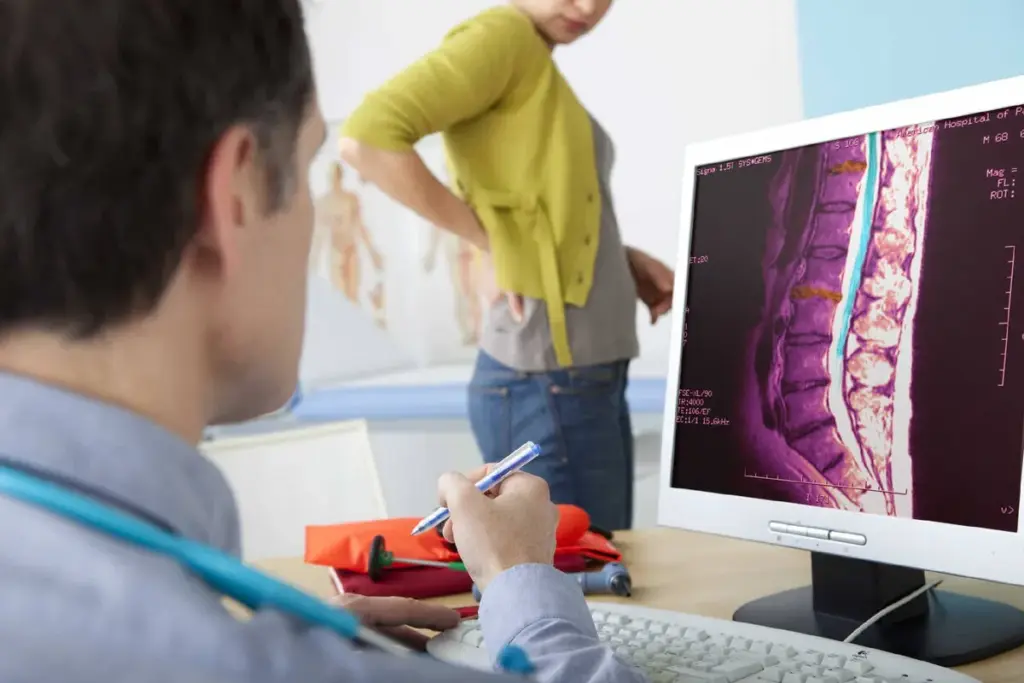
A spinal cord injury can lead to paralysis and loss of sensation. The injury’s severity depends on where and how much damage there is.
Injuries causing quadriplegia or tetraplegia are very severe. They greatly affect a person’s life and independence. It’s important to understand how severe these injuries are to give the right medical care and support.
Key Takeaways
- The severity of a spinal cord injury depends on the location and extent of the damage.
- Quadriplegia and tetraplegia are among the most severe types of spinal cord injuries.
- Proper medical care is key for those with spinal cord injuries.
- Knowing the impact of spinal cord injuries helps improve support for those affected.
- Spinal cord function can be greatly affected by the injury’s severity.
The Anatomy and Functions of the Spinal Cord
The spinal cord is a complex structure that runs from the brain to the lower back. It is protected by the vertebrae and is key to controlling our body’s functions.
Structure of the Spinal Cord and Vertebrae
The spinal cord is surrounded by the spinal vertebrae, which protect and support it. The vertebrae are divided into five regions: cervical, thoracic, lumbar, sacrum, and coccyx. The cervical spine, with C1 to C7 vertebrae, is vital for supporting the head and allowing for movement.
Neural Pathways and Signal Transmission
The spinal cord has neural pathways that send signals between the brain and the body. These pathways are key for both voluntary actions, like walking, and involuntary actions, like heart rate.
Critical Functions Controlled by Different Segments
Different parts of the spinal cord manage different functions. For example, the cervical spine handles neck and arm movements, while the thoracic spine controls the torso. Knowing these functions helps in diagnosing and treating spinal cord injuries.
|
Spinal Segment |
Functions Controlled |
|---|---|
|
Cervical Spine (C1-C7) |
Controls neck and arm movements, breathing, and other vital functions |
|
Thoracic Spine (T1-T12) |
Controls torso movements, abdominal muscles, and some autonomic functions |
|
Lumbar Spine (L1-L5) |
Controls lower back, hips, and leg movements |
Classification of Spinal Cord Injuries
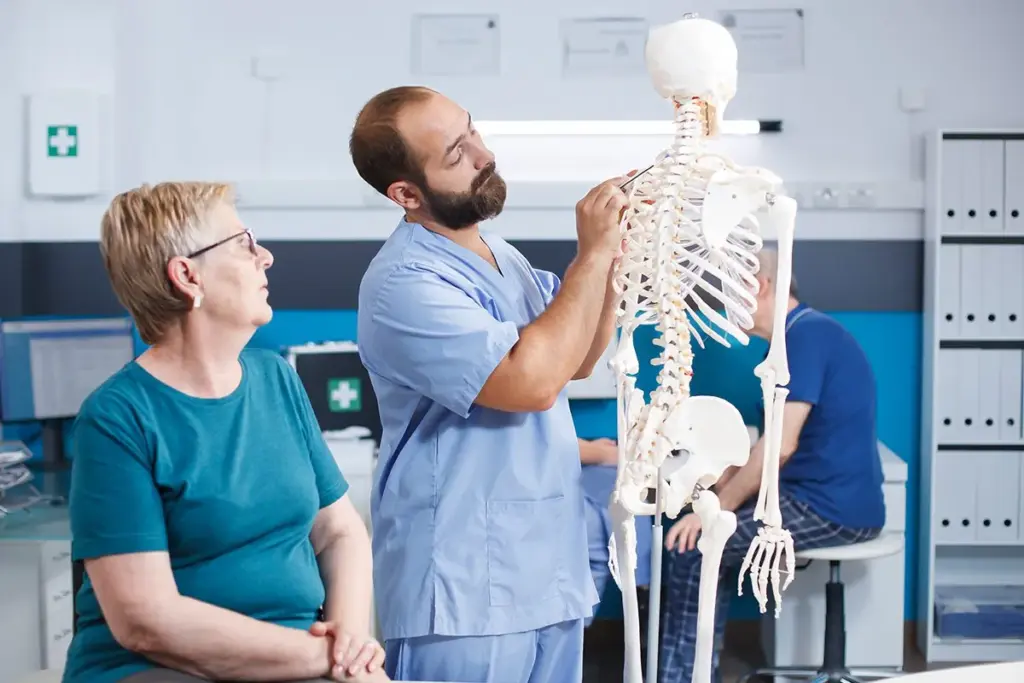
Understanding the type of spinal cord injury is key. It helps doctors know how to treat it. The injury’s severity and where it is on the spinal cord affect recovery and life quality.
Complete vs. Incomplete Injuries
There are two main types of spinal cord injuries. A complete spinal cord injury means no feeling or movement below the injury. On the other hand, an incomplete spinal cord injury leaves some feeling or movement.
The ASIA Impairment Scale Explained
The ASIA Impairment Scale is a tool used by doctors. It rates spinal cord injuries from ASIA A (no feeling or movement) to ASIA E (normal function).
Neurological Levels and Functional Impact
The neurological level of injury is important. It’s the lowest part of the spinal cord that works normally. Knowing this helps doctors see how the injury affects daily life and rehabilitation.
Using these systems helps doctors plan better care. This way, they can improve life for people with spinal cord injuries.
High Cervical Injuries: The Most Severe Spinal Cord Injuries
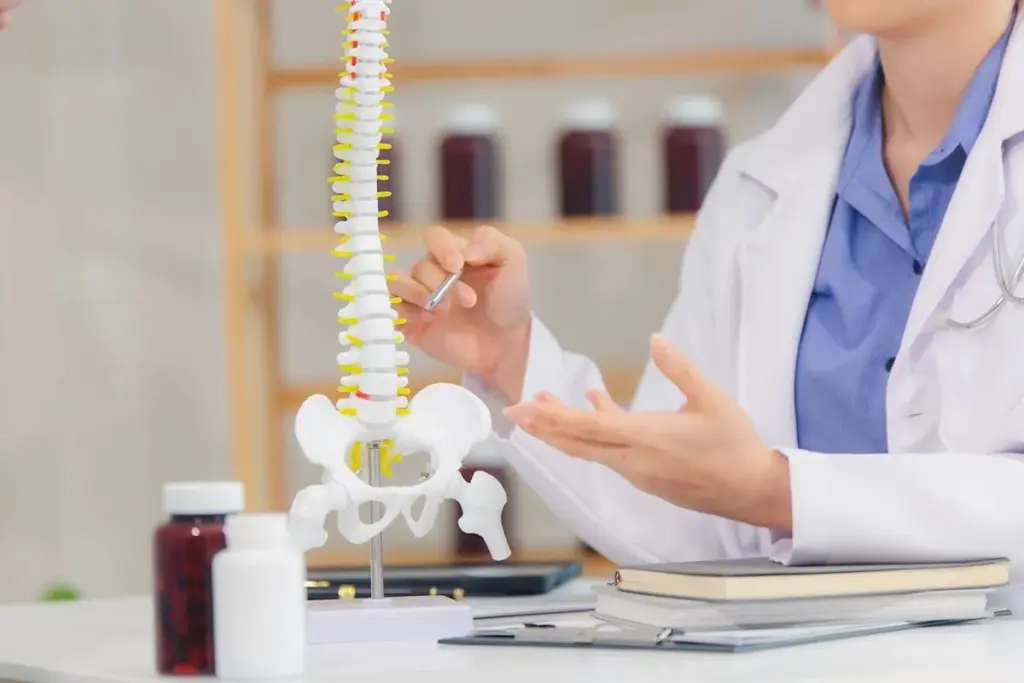
Injuries to the upper cervical spine are very serious. They can have long-lasting effects. The C1-C3 vertebrae are key for breathing and moving.
C1-C3 Vertebrae Injuries and Their Consequences
Injuries to the C1-C3 vertebrae can be very bad. They can make breathing very hard. The C1 and C2 vertebrae help hold the head and allow for movement.
Damage here can lead to respiratory compromise. This means patients might need a machine to breathe.
These injuries can also affect other important functions. Patients might have trouble swallowing or speaking.
Respiratory Compromise and Ventilator Dependence
One big problem with high cervical injuries is respiratory compromise. The muscles needed for breathing might not work right. This means patients often need a ventilator to breathe.
Being on a ventilator can lead to other health issues. Ventilator-associated pneumonia is a big concern.
Total Body Paralysis and Autonomic Dysfunction
High cervical injuries can cause total body paralysis. This greatly affects a person’s life and freedom. It also impacts the body’s ability to control itself, like heart rate and blood pressure.
Dealing with total body paralysis and autonomic dysfunction is hard. It needs a team of experts to manage the patient’s complex needs.
Understanding Tetraplegia and Paraplegia
It’s important to know the difference between tetraplegia and paraplegia to help those affected. Both are caused by spinal cord injuries but affect people differently. Tetraplegia and paraplegia impact motor functions and life quality in unique ways.
Tetraplegia (Quadriplegia): Causes and Manifestations
Tetraplegia, or quadriplegia, happens when the spinal cord in the neck is damaged. This injury can cause partial or total paralysis of all four limbs. The injury’s level and extent determine its severity and impact.
Causes: High-impact traumas like car accidents or falls often cause tetraplegia by damaging the cervical spine.
Manifestations: People with tetraplegia may lose motor function, sensation, and control over their body below the injury site.
Paraplegia: T-Spine and Lower Injuries
Paraplegia is when the lower half of the body is paralyzed. It usually happens due to injuries in the thoracic or lumbar spine. Unlike tetraplegia, paraplegia mainly affects the legs and lower trunk but usually leaves the arms and hands unaffected.
Causes: Paraplegia can result from trauma, infections, or birth defects affecting the spinal cord.
Manifestations: The main symptom is losing motor and sensory functions in the legs. There’s also a risk of autonomic dysfunction.
Functional Differences and Daily Challenges
The differences in function between tetraplegia and paraplegia affect daily life. Both need a lot of care and rehabilitation, but their specific needs and adaptations differ.
|
Condition |
Primary Effects |
Daily Challenges |
|---|---|---|
|
Tetraplegia |
Paralysis of all four limbs, possible autonomic dysfunction |
Needs help with most daily tasks, managing breathing |
|
Paraplegia |
Paralysis of the lower body |
May need help with moving, managing bowel and bladder |
Both tetraplegia and paraplegia require a team effort for care. This includes medical treatment, rehabilitation, and mental support. Knowing about these conditions helps in providing better care and improving life quality for those affected.
Common Causes of Catastrophic Spinal Cord Trauma
It’s important to know why severe spinal cord injuries happen. This knowledge helps us prevent them. These injuries can come from accidents, sports, and medical issues.
Vehicle Accidents and Falls
Car crashes are a big reason for spinal cord injuries. The force of these accidents can cause serious damage to the spine. Falls from high places are also dangerous, mainly for older people and workers in some jobs.
Sports and Recreational Injuries
Sports and fun activities can lead to spinal injuries. This is true for sports like diving, football, and rugby. These activities can cause falls or hits that hurt the spine.
Violence, Disease, and Congenital Conditions
Violence, like gunshots, can also hurt the spine. Some diseases and birth defects can make the spine weak. This can lead to serious injuries.
Here’s a table that shows why spinal cord trauma happens:
|
Cause |
Description |
Risk Factors |
|---|---|---|
|
Vehicle Accidents |
High-impact crashes leading to spinal fractures or dislocations |
Speed, lack of safety measures |
|
Falls |
Falling from heights, leading to spinal trauma |
Age, occupational hazards |
|
Sports Injuries |
Contact sports or high-impact activities causing spinal damage |
Contact sports, improper safety gear |
Acute Management of Severe Spinal Injuries
Managing severe spinal injuries right away is key to reducing harm and improving recovery chances. The first hours after an injury are very important for the patient’s future.
Emergency Response and Immobilization
The first step is to keep the patient safe by immobilizing the spine. This stops any movement that could make the injury worse. Emergency teams use special gear to do this.
Diagnostic Procedures and Initial Assessment
At the hospital, a detailed check-up is done. This includes X-rays, CT scans, or MRI to see how bad the injury is. This info helps decide how to treat the patient.
Spinal Shock: Recognition and Management
Spinal shock happens right after a spinal cord injury. It’s when the spinal cord stops working below the injury. It’s very important to spot and handle spinal shock early.
Managing it means watching the patient closely and giving them support. This includes keeping their blood pressure right and making sure they get enough oxygen.
Medical and Surgical Interventions for Spinal Cord Recovery
Medical and surgical treatments are key in helping people recover from spinal cord injuries. They aim to lessen damage, aid in healing, and improve life quality. This is important for those with spinal cord injuries.
Pharmacological Approaches to Minimize Damage
In the early stages of spinal cord injury, medicine is very important. Methylprednisolone, a type of steroid, is often given to reduce swelling. This might help lessen the injury’s impact. Other medicines might protect the spinal cord from more harm.
- Administration of corticosteroids to reduce inflammation
- Use of neuroprotective agents to prevent further damage
- Management of pain and other secondary complications
Surgical Decompression and Spinal Stabilization
Surgery is sometimes needed to relieve pressure on the spinal cord. It also helps stabilize the spine and fix any broken vertebrae. Surgical decompression can improve outcomes by easing pressure. Stabilizing the spine is also key for safety and healing.
- Surgical decompression to relieve pressure on the spinal cord
- Spinal stabilization to prevent further injury
- Repair of damaged vertebrae or surrounding tissues
Managing Secondary Complications and Preventing Further Injury
It’s important to manage secondary issues in spinal cord injury care. This includes stopping infections, controlling pain, and dealing with autonomic dysreflexia. It’s also vital to prevent more injuries through careful care and rehab.
Healthcare teams use medicine, surgery, and careful management to help people with spinal cord injuries. This approach can greatly improve their recovery chances.
Rehabilitation Strategies and Assistive Technologies
For those with spinal cord injuries, the right tools and strategies are key. They help achieve independence and improve life quality. Rehabilitation is vital for reaching the best outcomes and gaining back independence.
Comprehensive Rehabilitation Programs
Rehab programs for spinal cord injuries cover all aspects of recovery. A team of experts, like physical and occupational therapists, work together. They aim to boost the individual’s abilities and improve their life.
These programs use a mix of physical therapy, occupational therapy, and assistive technologies. The goal is to help people become more independent and live better lives.
Adaptive Equipment and Environmental Modifications
Adaptive equipment and changes to the environment are essential in rehab. This includes simple tools like grabbers and complex devices like wheelchairs. It’s all about making life easier.
Environmental changes make spaces more accessible. This might mean installing ramps or widening doorways. It’s all about helping people move around more easily.
Respiratory Management and Autonomic Dysreflexia Prevention
Managing breathing is critical for those with high-level spinal cord injuries. They might need ventilators or special breathing exercises. These help keep their airways clear.
Autonomic dysreflexia is a serious condition that can happen to those with injuries above the mid-thoracic level. It’s important to avoid triggers and manage pain well. This helps prevent the condition.
|
Rehabilitation Strategy |
Description |
Benefits |
|---|---|---|
|
Physical Therapy |
Exercises to improve strength, flexibility, and mobility |
Enhanced functional abilities, improved independence |
|
Occupational Therapy |
Training in daily living skills and use of adaptive equipment |
Increased independence in daily activities |
|
Respiratory Management |
Techniques and devices to support breathing |
Improved respiratory function, reduced complications |
Living with Severe Spinal Cord Injury: Psychological Impact and Adaptation
Living with a severe spinal cord injury is a tough journey. It comes with emotional and psychological challenges. To adapt, you need medical care, psychological support, and strategies for coping.
Emotional Challenges and Mental Health Considerations
People with severe spinal cord injuries often deal with depression, anxiety, and grief. These mental health issues are key to address. They affect a person’s quality of life and ability to adapt.
Managing emotional challenges requires professional help, family support, and personal strategies. Healthcare providers must spot mental health issues early and help.
Building Support Systems and Community Resources
Having a strong support system is essential. This includes family, friends, healthcare professionals, and support groups. Community resources also help by providing services and promoting independence.
Support groups are great for sharing experiences, getting support, and learning from others. They offer emotional support and practical advice.
|
Support System |
Description |
Benefits |
|---|---|---|
|
Family and Friends |
Primary caregivers and emotional support |
Emotional stability, practical assistance |
|
Healthcare Professionals |
Medical care and rehabilitation services |
Improved health outcomes, guidance on managing condition |
|
Support Groups |
Community of individuals with similar experiences |
Emotional support, practical advice, sense of community |
Achieving Quality of Life Despite Severe Limitations
It’s possible to have a good quality of life despite severe spinal cord injuries. You can adapt, use assistive technologies, and find activities that bring joy and fulfillment.
By focusing on rehabilitation and support, you can live more independently. Recognizing the value of assistive technologies is also key to daily living and autonomy.
In conclusion, living with a severe spinal cord injury needs a holistic approach. This includes addressing the psychological impact, building support systems, and improving quality of life. Understanding these aspects helps healthcare providers and individuals work together for better outcomes and well-being.
Conclusion: Advances in Research and Hope for the Future
Research on spinal cord injuries has made a big difference. It has given hope to those affected by these injuries. New studies and medical discoveries are leading to better care and results.
Studying spinal cord injuries has helped us understand it better. This knowledge is key for creating effective treatments and ways to help people recover.
The future looks bright with more money going into spinal cord injury research. New technologies and treatments are being tested. They aim to make life better for those with spinal cord injuries.
As research keeps moving forward, there’s more hope for better treatments. Maybe even treatments that can help people regain their function and independence.
FAQ
What is the most severe type of spinal cord injury?
The most severe spinal cord injury is to the C1-C3 vertebrae. This can cause breathing problems, need for a ventilator, total paralysis, and issues with body functions.
What is the difference between tetraplegia and paraplegia?
Tetraplegia, or quadriplegia, means both arms and legs are paralyzed. It happens from injuries to the cervical spine. Paraplegia is when only the legs are paralyzed, from injuries to the thoracic or lumbar spine.
What are the common causes of spinal cord injuries?
Spinal cord injuries often come from car accidents, falls, sports injuries, violence, diseases, and birth defects.
What is spinal shock, and how is it managed?
Spinal shock is a sudden loss of spinal cord function after an injury. It’s managed by keeping the spine stable, doing tests, and watching vital signs and nerve function closely.
What are the different classifications of spinal cord injuries?
Injuries are either complete or incomplete. The ASIA Impairment Scale rates them from ASIA A (complete) to ASIA E (normal function).
What are the functions of the spinal cord?
The spinal cord sends signals between the brain and body. It controls movements, reflexes, and sends sensory information.
How are spinal cord injuries diagnosed?
Doctors use X-rays, CT scans, MRI scans, and nerve tests to diagnose spinal cord injuries.
What are the treatment options for spinal cord injuries?
Treatments include medicines, surgery, and rehabilitation. These help reduce damage, stabilize the spine, and improve life quality.
What is the role of rehabilitation in spinal cord injury management?
Rehabilitation is key in managing spinal cord injuries. It includes physical therapy, using adaptive equipment, and managing breathing and blood pressure.
How do spinal cord injuries affect mental health?
Spinal cord injuries can lead to depression and anxiety. People need support and resources to deal with these emotional challenges.
What is the prognosis for individuals with spinal cord injuries?
Outcomes vary based on injury severity and treatment. Research and medical care advancements help improve life for those with spinal cord injuries.
References
Spinal Cord: Severe Injuries And Recovery
https://www.ncbi.nlm.nih.gov/books/NBK560721/