Did you know that nearly 8 out of 10 people over 50 have spinal narrowing? This is often linked to spinal stenosis. It happens when the spinal canal gets smaller, pressing on nerves and causing pain.
The pain from this condition can show up in different places. It might be in the back, legs, or arms. Knowing what spinal stenosis is and how it affects you is important. It helps manage symptoms and improve your life.
Spinal stenosis causes severe discomfort. Learn exactly what hurts and discover the best ways to manage your spine pain effectively.
Key Takeaways
- Spinal stenosis is a condition where the spinal canal narrows.
- This narrowing can press on nerves, leading to pain.
- Pain can occur in the back, legs, or arms, depending on where it is.
- Understanding the condition is key to managing its symptoms.
- Symptoms can vary in severity and impact daily activities.
Understanding Spinal Stenosis
Spinal stenosis is a condition that affects millions globally. It causes a lot of pain and discomfort. To understand it, we need to look at the spine’s structure and how it develops.
Definition and Basic Spine Anatomy
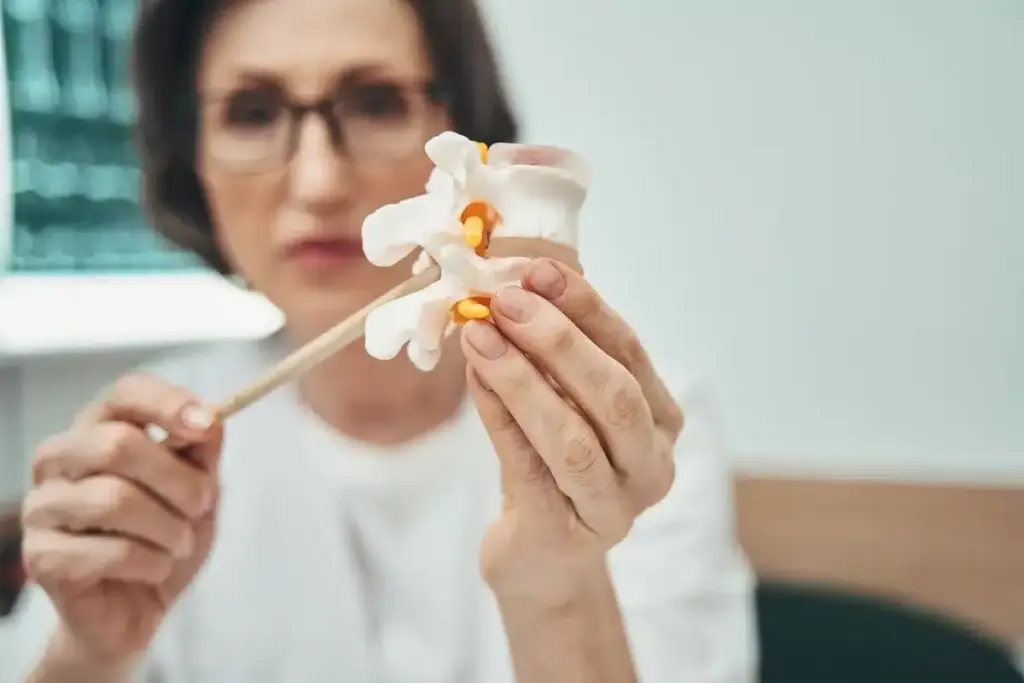
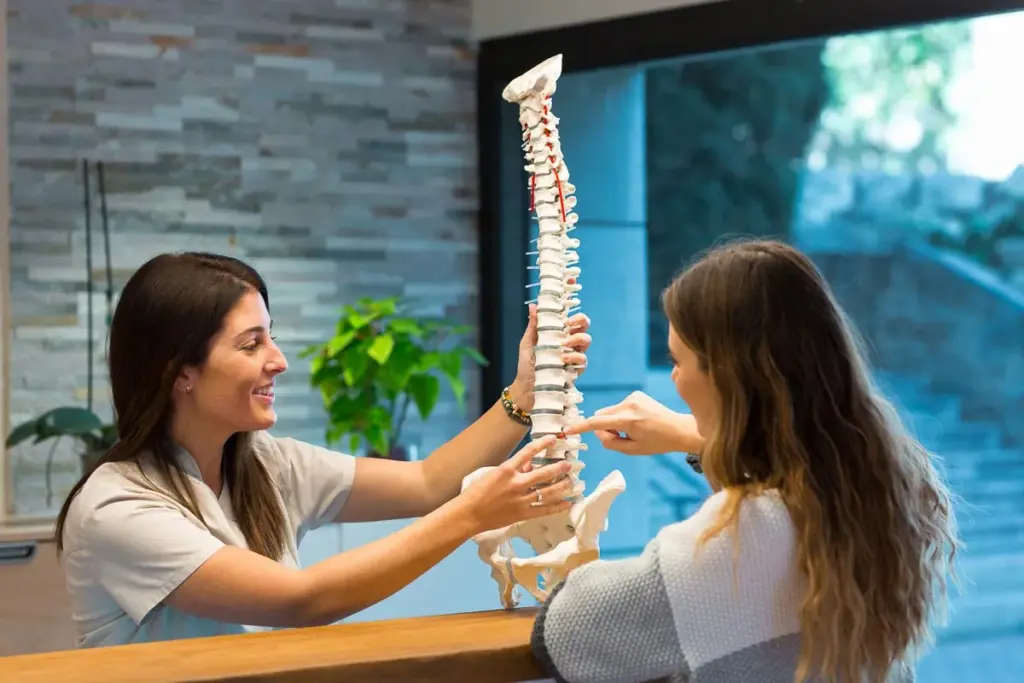
The spine, or backbone, is made of vertebrae, discs, and nerves. It supports the body and protects the spinal cord. Spinal stenosis happens when the spine’s spaces narrow, pressing on nerves.
This narrowing can occur in the neck or lower back. The spine’s anatomy is key to understanding stenosis.
The spine has vertebrae and discs that act as shock absorbers. The spinal canal, made by vertebrae, holds the spinal cord and nerves. When this canal narrows, it can cause stenosis.
How Spinal Stenosis Develops
Spinal stenosis often comes from age-related wear and tear. The spine’s discs and joints wear out over time. This wear can cause bone spurs and thickened ligaments, narrowing the spinal canal.
Herniated discs and bone spurs are common causes of spinal stenosis. They can compress nerves and cause pain.
Genetic predisposition, injuries, and conditions like osteoarthritis also contribute to stenosis. As it progresses, symptoms can get worse. It’s important to understand the causes and seek treatment.
Types of Spinal Stenosis
It’s important to know the different types of spinal stenosis to treat it well. This condition can happen in various parts of the spine. Each part has its own symptoms and challenges.
Cervical Spinal Stenosis
Cervical spinal stenosis happens in the neck. It can press on the spinal cord. This leads to neck pain, numbness, and weakness in the arms and legs. Early diagnosis is critical to avoid lasting damage.
Thoracic Spinal Stenosis
Thoracic spinal stenosis is less common and affects the middle spine. It causes chest or abdominal pain. If not treated, it can lead to neurological symptoms. This type often comes with other spinal deformities.
Lumbar Spinal Stenosis
Lumbar spinal stenosis is in the lower back and is the most common. It narrows the spinal canal, causing leg pain, numbness, and weakness. Symptoms get worse when standing or walking.
Each type of spinal stenosis needs a specific treatment. Knowing the type and its details is key to managing it effectively.
Common Pain Symptoms of Spinal Stenosis
Spinal stenosis causes nerves to compress, leading to various pain symptoms. These symptoms can be quite intense and affect daily life a lot.
Back Pain Characteristics
Back pain is a common symptom of spinal stenosis. The pain can stay in one spot or spread to other areas. Chronic back pain is common, and it can get worse with certain activities or positions.
The type of back pain varies. Some people feel a dull ache, while others experience sharp pains. The pain can be constant or come and go, depending on activities like standing, walking, or bending.
Leg Pain and Neurogenic Claudication
Leg pain is another common symptom, linked to neurogenic claudication. This condition causes pain, weakness, or tiredness in the legs when walking or standing. Resting or bending forward can help relieve the pain.
Neurogenic claudication happens when nerves in the lumbar spine get compressed. Symptoms can affect both legs or just one, and their severity can vary. Standing or walking for a long time makes it worse, but sitting or leaning forward can help.
Numbness and Tingling Sensations
Numbness and tingling are common complaints in spinal stenosis. These feelings come from nerve compression. The numbness can also make it hard to do everyday tasks because of weakness.
|
Symptom |
Description |
Common Triggers |
|---|---|---|
|
Back Pain |
Localized or radiating pain |
Standing, walking, bending |
|
Leg Pain |
Pain, weakness, or fatigue |
Walking, standing |
|
Numbness/Tingling |
Numbness or tingling sensations |
Prolonged positions, nerve compression |
Cervical Spinal Stenosis Pain Patterns
It’s important to know the pain patterns of cervical spinal stenosis to manage it well. This condition happens when the spinal canal in the neck gets smaller. This puts pressure on the spinal cord and nerves.
This pressure can cause neck, arm, and hand pain, numbness, and weakness. These symptoms can make daily activities hard.
Neck Pain and Stiffness
Neck pain and stiffness are common signs of cervical spinal stenosis. The pain can be mild or very severe. It might also make it hard to move your neck.
Doing neck movements like bending or twisting can make the pain worse.
Arm and Hand Symptoms
Cervical spinal stenosis can also affect your arms and hands. You might feel pain, numbness, tingling, or weakness. Some people lose dexterity or coordination in their hands.
This makes simple tasks like buttoning shirts or tying shoelaces hard to do.
Balance and Coordination Issues
In severe cases, cervical spinal stenosis can mess with your balance and coordination. The spinal cord compression can cause myelopathy. This is damage to the spinal cord.
Myelopathy symptoms include trouble walking, balance issues, and problems with fine motor skills. These symptoms can make everyday life very challenging.
|
Symptom |
Description |
|---|---|
|
Neck Pain |
Ranges from mild to severe, often accompanied by stiffness |
|
Arm and Hand Symptoms |
Includes pain, numbness, tingling, and weakness |
|
Balance and Coordination Issues |
Difficulty walking, balance problems, and fine motor skill impairments |
Lumbar Spinal Stenosis Pain Patterns
It’s important to know the pain patterns of lumbar spinal stenosis to manage it well. This condition narrows the spinal canal in the lower back. It causes pain, numbness, and weakness in the back and legs.
Lower Back Pain Characteristics
Lower back pain is a main symptom of lumbar spinal stenosis. This pain can feel like a dull ache, sharp, or stabbing. It might spread to the buttocks and thighs.
The pain’s feel can differ from person to person. But, it usually gets worse when standing or walking. Sitting or bending forward can make it better.
Sciatica and Radicular Pain
Sciatica is a common symptom of lumbar spinal stenosis. It’s pain that goes along the sciatic nerve from the lower back to the legs. This pain is called radicular pain.
It can also cause numbness, tingling, or weakness in the leg. This makes it hard to move or feel in the affected leg.
Pain While Standing or Walking
Pain while standing or walking is a key symptom of lumbar spinal stenosis. This pain is called neurogenic claudication. It happens because standing or walking makes the spinal canal narrower, irritating the nerves.
People often feel better when they sit down or bend forward. These positions help reduce the pressure on the nerves.
|
Symptom |
Description |
Relief Measures |
|---|---|---|
|
Lower Back Pain |
Aching, sharp, or stabbing pain in the lower back |
Sitting, bending forward |
|
Sciatica/Radicular Pain |
Pain radiating down the leg along the sciatic nerve |
Rest, physical therapy |
|
Pain While Standing/Walking |
Pain or discomfort when standing or walking |
Sitting, bending forward |
Related Conditions That Worsen Spinal Stenosis Pain
Several spinal conditions can make spinal stenosis pain worse. Spinal stenosis is a complex issue. It can be made worse by other spinal problems. This makes it important to get a full diagnosis and treatment.
Retrolisthesis and Its Effects
Retrolisthesis is when a vertebra shifts backward. This can press on nerves and make spinal stenosis symptoms worse. It can cause more pain, numbness, and tingling.
“The presence of retrolisthesis can significantly complicate the treatment of spinal stenosis,” say spinal specialists.
Lumbar Lordosis Complications
Lumbar lordosis is when the lower back curves too much inward. When this happens with spinal stenosis, it puts more stress on the spine. This makes pain and discomfort worse.
Managing lumbar lordosis is key to easing spinal stenosis symptoms.
Degenerative Disc Disease
Degenerative disc disease is when the discs between vertebrae break down. This can cause discs to herniate or bulge. It can make the spinal canal narrower, making spinal stenosis symptoms worse.
It’s important to understand how degenerative disc disease affects spinal stenosis. This helps in planning the right treatment.
In conclusion, conditions like retrolisthesis, lumbar lordosis, and degenerative disc disease can greatly affect spinal stenosis pain. Getting a full diagnosis is key. This helps in finding the right treatment plan.
How Pain Changes with Different Activities
It’s important to know how spinal stenosis pain changes with different activities. This condition narrows the spinal canal, causing pain and discomfort. The pain level can change based on the activity.
Pain While Standing and Walking
Standing and walking can make spinal stenosis pain worse. These activities narrow the spinal canal more, putting more pressure on nerves. This can cause pain, numbness, or weakness in the legs.
Patients often report pain or discomfort after walking a certain distance. This is known as neurogenic claudication.
Pain Relief with Sitting or Bending Forward
Sitting or bending forward can help relieve spinal stenosis pain. These positions can open up the spinal canal, reducing nerve pressure. Many patients can walk further without pain by taking breaks to sit or bend forward.
Pain During Sleep and Rest
Spinal stenosis patients often experience pain during sleep or rest. Lying down can sometimes make pain worse, if the spine is not aligned right. Using supportive pillows or adjusting sleeping positions can help ease this discomfort.
Understanding how activities affect spinal stenosis pain helps patients make better choices. By modifying activities and using pain-relieving positions, patients can improve their quality of life.
Causes of Spinal Stenosis
Spinal stenosis can come from many sources, like degenerative changes, injuries, and genetics. Knowing what causes it helps doctors find the best treatments.
Age-Related Degeneration
As we get older, our spinal discs dry out and crack more easily. This can cause bone spurs and thicker ligaments. These changes can make the spinal canal narrower.
Degenerative changes are more common after 50. The older you get, the higher your chance of getting spinal stenosis.
Herniated Discs and Bone Spurs
Herniated discs and bone spurs also play a big role. A herniated disc happens when the soft center leaks out, pressing on nerves. Bone spurs are bony growths that can make the canal even narrower.
Other Contributing Factors
Genetics, past injuries, and conditions like scoliosis or spondylolisthesis can also cause spinal stenosis. Some people might be born with a narrower spinal canal because of their genes.
|
Cause |
Description |
Effect on Spinal Stenosis |
|---|---|---|
|
Age-Related Degeneration |
Loss of water content in spinal discs, leading to cracking and bone spur formation |
Narrowing of the spinal canal |
|
Herniated Discs |
Soft inner gel of the disc leaks out, compressing nearby nerves |
Compression of nerves, exacerbating stenosis symptoms |
|
Bone Spurs |
Bony projections form along the edges of the vertebrae |
Further narrowing of the spinal canal |
Knowing what causes spinal stenosis is key to finding good treatments. Doctors can then tailor treatments to help patients feel better and live better lives.
Diagnosing Spinal Stenosis
To find out if someone has spinal stenosis, doctors use many methods. They do physical checks, use advanced imaging, and compare symptoms with other conditions. This detailed approach helps them know for sure if it’s spinal stenosis or something else.
Physical Examination
First, doctors do a detailed physical check. They look at how well you move, your muscle strength, and reflexes. They also check for nerve damage signs like numbness or weakness in your limbs.
Key parts of the physical check include:
- Looking at how you walk and stand
- Checking muscle strength and reflexes
- Searching for any nerve damage signs
Imaging Tests
Imaging tests are key to confirming spinal stenosis. The main ones used are:
|
Imaging Modality |
Description |
Usefulness in Diagnosing Spinal Stenosis |
|---|---|---|
|
MRI (Magnetic Resonance Imaging) |
Shows detailed images of soft tissues like nerves and discs |
Very good at showing nerve compression and spinal stenosis |
|
CT (Computed Tomography) Scan |
Clear images of bones and can spot bone spurs and other bony issues |
Helpful for seeing bony stenosis and planning surgery |
|
X-rays |
First look at spinal alignment and bones |
Not as good for soft tissues, but good for a first check |
Differential Diagnosis
Differential diagnosis is key to rule out other conditions that might look like spinal stenosis. This includes things like peripheral artery disease, diabetic neuropathy, and other back pain or nerve symptom causes. Doctors use a patient’s medical history, physical check, and imaging to tell spinal stenosis apart from other issues.
The role of differential diagnosis is huge. It makes sure patients get the right treatment for their real problem.
When to Seek Medical Help for Spinal Stenosis
Knowing when to get medical help for spinal stenosis is very important. This condition can cause a lot of pain and make it hard to move if not treated right.
Red Flag Symptoms
Some symptoms mean you need to see a doctor right away. These include:
- Sudden or severe pain
- Loss of bladder or bowel control
- Progressive weakness in the legs
- Difficulty walking or standing
If you have any of these, you should get medical help fast. A study in the Journal of Neurosurgery: Spine shows early treatment can really help.
Progressive Neurological Symptoms
Signs like numbness, tingling, or weakness in your limbs also need a doctor’s check. These can mean your nerves are getting squeezed tighter and could get worse if not treated.
|
Symptom |
Description |
Action |
|---|---|---|
|
Sudden Severe Pain |
Pain that comes on suddenly and is severe |
Seek immediate medical help |
|
Loss of Bladder/Bowel Control |
Inability to control bladder or bowel movements |
Seek immediate medical help |
|
Progressive Weakness |
Weakness in legs that worsens over time |
Schedule a medical consultation |
Doctors say acting fast is important to manage spinal stenosis well. If you’re feeling any of these symptoms, don’t wait to get help.
Non-Surgical Treatment Options for Spinal Stenosis
If you have spinal stenosis, looking into non-surgical treatments is key. These options help manage pain and improve your life without surgery. They aim to ease pain, reduce swelling, and boost your ability to move.
Medications for Pain Management
Medicines are important for controlling spinal stenosis pain. Over-the-counter pain relievers like acetaminophen or ibuprofen can help. For more severe pain, prescription medications like corticosteroids or muscle relaxants might be suggested.
Physical Therapy Approaches
Physical therapy is a great non-surgical option for spinal stenosis. A physical therapist will create a custom workout plan. This plan aims to strengthen the muscles supporting the spine, improve flexibility, and correct posture.
Manual therapy, heat or cold therapy, and electrical stimulation might also be used. These methods help reduce pain and aid in healing.
Epidural Steroid Injections
Epidural steroid injections involve putting corticosteroids near the spinal cord. This helps reduce swelling and eases pain. It’s often considered when other treatments haven’t worked well.
Changing your lifestyle can also help with spinal stenosis. Staying at a healthy weight, exercising regularly, and keeping good posture are important. By using these methods together, you can create a plan to lessen pain and enhance your life quality.
Spinal Stenosis Exercises for Pain Relief
Managing spinal stenosis symptoms often involves a regimen of therapeutic exercises. These exercises are designed to alleviate pain and improve mobility. Regular exercise can help reduce discomfort by strengthening the muscles that support the spine and improving flexibility.
Flexion-Based Exercises are very beneficial for individuals with spinal stenosis. These exercises involve bending forward, which can help relieve pressure on the spine. Examples include knee-to-chest stretches and pelvic tilts. Flexion-based exercises can be performed in various positions, including lying down or standing, making them accessible for different fitness levels.
Flexion-Based Exercises
Flexion-based exercises are designed to open up the spinal canal and reduce pressure on the nerves. One simple exercise is the knee-to-chest stretch, where you lie on your back, bring one knee towards your chest, and hold for 30 seconds before switching legs. Another exercise is the pelvic tilt, which involves lying on your back with your knees bent and tilting your pelvis upwards, holding for a few seconds before releasing.
Core Strengthening Exercises
Core strengthening is key for supporting the spine and reducing pain associated with spinal stenosis. Exercises like planks and bridges help build core strength. Planks involve holding a position similar to a push-up, with your weight supported by your forearms and toes, for as long as possible. Bridges involve lying on your back with your knees bent and lifting your hips towards the ceiling, squeezing your glutes at the top.
Proper Exercise Techniques and Precautions
When performing exercises for spinal stenosis, it’s essential to follow proper techniques to avoid exacerbating the condition. Start slowly and gently, gradually increasing the intensity and duration of your workouts. It’s also important to listen to your body and stop if you experience any sharp pain or discomfort. Consulting with a healthcare professional or physical therapist can provide personalized guidance and help you develop a safe and effective exercise plan.
Surgical Interventions for Spinal Stenosis
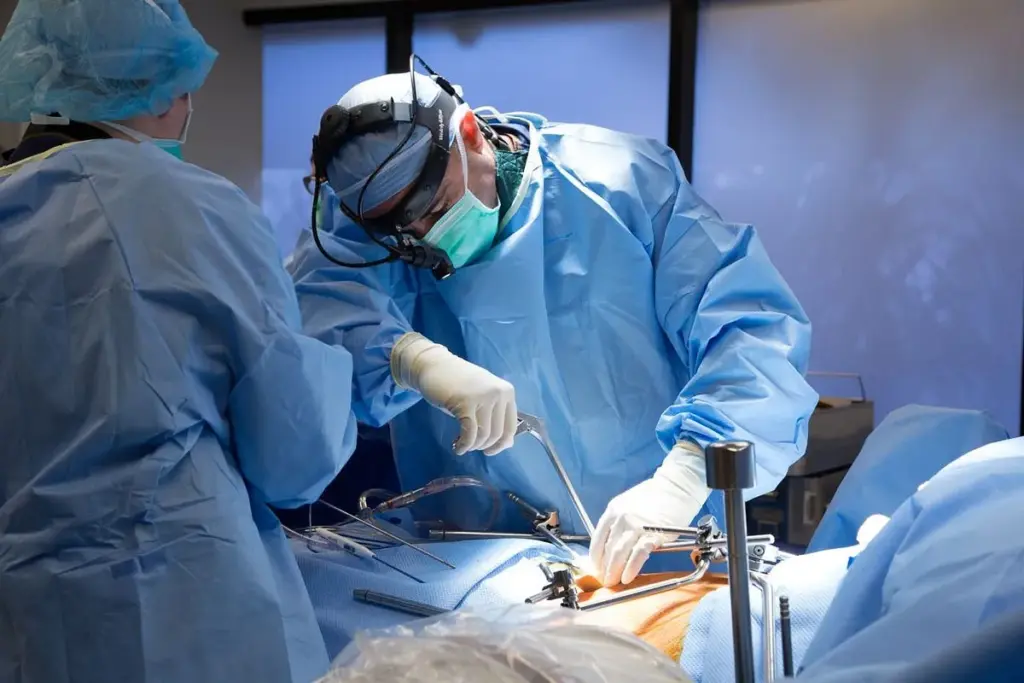
For those with severe spinal stenosis, surgery can offer a lot of relief. It’s considered when other treatments don’t work. The main goal is to ease pressure on the spinal cord or nerves, helping to reduce pain and improve life quality.
Decompression Procedures
Decompression surgery removes bone or tissue that’s pressing on the spinal cord or nerves. This can be done through laminectomy, laminotomy, or foraminotomy. Decompression procedures are often effective in relieving symptoms and can be tailored to the individual’s specific condition.
Spinal Fusion Surgery
Spinal fusion surgery joins two or more vertebrae together to stabilize the spine. It’s often paired with decompression surgery. While it can offer a lot of relief, spinal fusion surgery is a more invasive procedure with a longer recovery time.
|
Surgical Procedure |
Purpose |
Recovery Time |
|---|---|---|
|
Decompression |
Relieve pressure on spinal cord or nerves |
Several weeks to months |
|
Spinal Fusion |
Stabilize the spine by fusing vertebrae |
Several months |
|
Minimally Invasive Surgery |
Reduce tissue damage and promote faster recovery |
Several weeks |
Minimally Invasive Options
Minimally invasive surgical techniques aim to reduce tissue damage and speed up recovery. They use smaller incisions and special tools to achieve the desired results with less disruption to the surrounding tissue.
Getting a surgical consultation is key to figuring out the best treatment. A healthcare professional will look at your condition and talk about the benefits and risks of surgery. This way, you can make a well-informed decision about your care.
Conclusion
Understanding spinal stenosis and how to manage it is key for those affected. Recognizing symptoms and getting medical help is important. This way, people can find relief through various treatments.
Managing spinal stenosis well means using non-surgical methods like physical therapy and medicine. Sometimes, surgery is needed. Working with a healthcare provider to create a treatment plan is vital.
Being proactive in managing spinal stenosis is important for a better life. Staying informed, following treatment plans, and making lifestyle changes are essential. This helps improve quality of life.
By managing spinal stenosis effectively, people can lessen symptoms and improve their abilities. This approach also boosts overall well-being.
FAQ
What is spinal stenosis?
Spinal stenosis is when the spinal canal gets narrower. This can press on nerves and cause pain.
What are the common symptoms of spinal stenosis?
Symptoms include back pain, leg pain, and numbness. You might also feel tingling or have trouble with daily activities.
What are the different types of spinal stenosis?
There are cervical, thoracic, and lumbar types. Each affects the body differently.
How is spinal stenosis diagnosed?
Doctors use physical exams, MRI or CT scans, and other tests. They rule out other causes of symptoms.
What are the causes of spinal stenosis?
It can be due to age, herniated discs, or bone spurs. Genetics and degenerative disc disease also play a role.
What are the treatment options for spinal stenosis?
Non-surgical treatments include medicines, physical therapy, and injections. Surgery like decompression or fusion might also be needed.
How can exercises help alleviate spinal stenosis pain?
Exercises like flexion and core strengthening can help. But, it’s important to do them correctly and safely.
When should I seek medical help for spinal stenosis?
Get medical help if you have red flag symptoms or if your symptoms get worse. Also, seek help for progressive neurological symptoms.
Can spinal stenosis be managed without surgery?
Yes, many manage symptoms without surgery. Lifestyle changes, physical therapy, and other treatments can help.
What is the role of physical therapy in managing spinal stenosis?
Physical therapy improves mobility and strengthens muscles. It’s often the first treatment recommended.
How does foraminal stenosis relate to spinal stenosis?
Foraminal stenosis affects the openings for nerves. It can cause similar symptoms as spinal stenosis.
Can lumbar lordosis exacerbate spinal stenosis symptoms?
Yes, an excessive inward curvature of the lower back can make symptoms worse. It adds pressure on the spine.
What is the impact of retrolisthesis on spinal stenosis?
Retrolisthesis can make symptoms worse. It narrows the spinal canal further.
National Center for Biotechnology Information. Evidence-Based Medical Insight. Retrieved from https://pubmed.ncbi.nlm.nih.gov/7474278/



 Departments
 Related Videos
 Our Doctors
 News
News