
Knowing the prognosis for spinal tumors is key for both patients and doctors. The outlook changes a lot based on several things. These include the tumor type, where it is, the cancer stage, and the patient’s age.
Recent studies found that bone metastasis varies among primary cancer types. Breast and prostate carcinomas are the top tumors that spread to bone tissue.
At Liv Hospital, we will look at seven important facts about survival rates and life expectancy for spinal tumor patients. These facts offer hope and better outcomes for patients.
Key Takeaways
- Prognosis varies based on tumor type and location
- Cancer stage and patient age impact survival rates
- Recent advances in medical research improve understanding of bone metastasis
- Breast and prostate carcinomas commonly metastasize to bone tissue
- Multidisciplinary care improves patient outcomes
Understanding Spinal Tumors and Their Classification
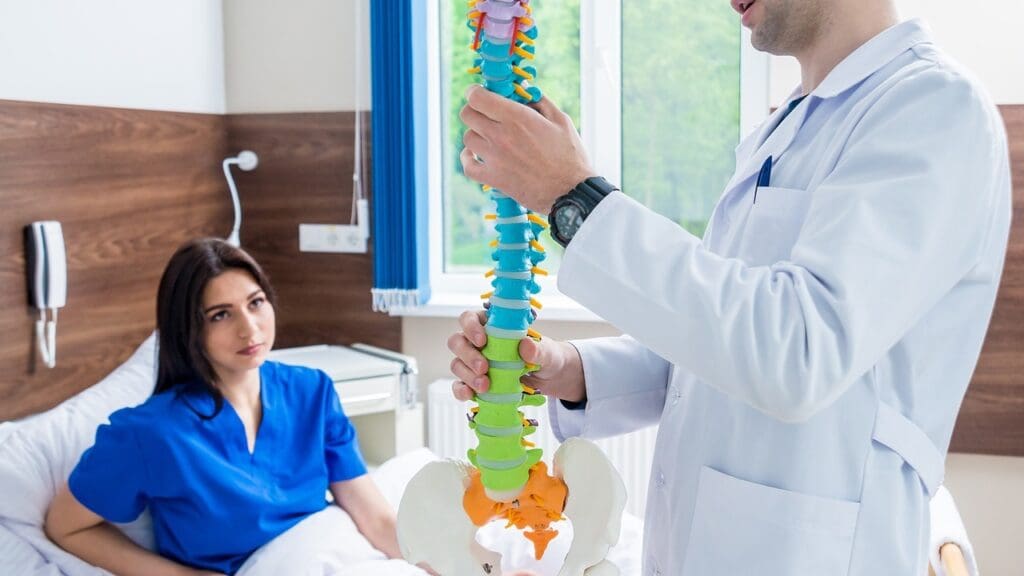
Spinal tumors are complex and need careful diagnosis and treatment. They are close to the spinal cord, which makes them hard to manage. This is because they can harm the nerves.
We sort spinal tumors by where they start and where they are. Knowing this helps doctors figure out what to do next.
Primary vs. Secondary Spinal Tumors
Spinal tumors are mainly two types: primary and secondary. Primary spinal tumors start in the spine. Secondary spinal tumors come from other parts of the body.
Intramedullary Tumors
Intramedullary tumors grow inside the spinal cord. These are rare and hard to treat because of where they are.
Extramedullary Tumors
Extramedullary tumors are outside the spinal cord but inside the spinal canal. They can be inside or outside the dura mater, depending on their exact spot.
Common Types of Vertebral Tumors
Some common vertebral tumors are osteoblastomas, osteosarcomas, and metastatic lesions. Here’s a quick look at what makes each one unique:
| Tumor Type | Origin | Malignancy |
|---|---|---|
| Osteoblastoma | Primary | Benign |
| Osteosarcoma | Primary | Malignant |
| Metastatic Lesions | Secondary | Malignant |
Factors That Determine Spinal Tumor Prognosis
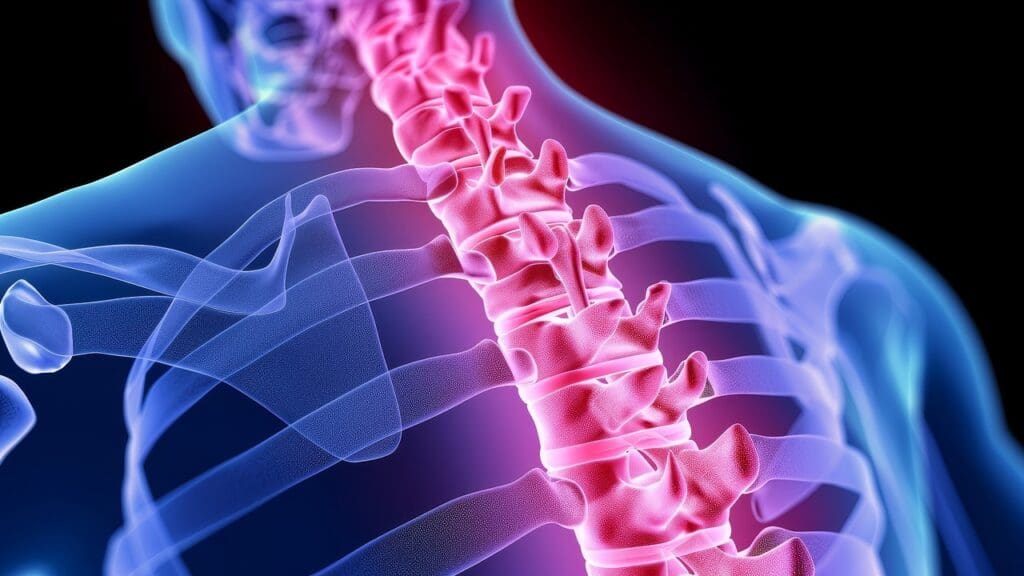
Understanding spinal tumor prognosis involves looking at several important factors. These factors together help us predict patient outcomes. Each factor plays a role in determining how well a patient might do.
Tumor Type and Malignancy Status
The type of tumor and its malignancy status are key. Malignant tumors usually have a worse prognosis than benign ones. We look at the tumor’s details to guess its impact on life expectancy.
Tumor Location and Surgical Accessibility
The tumor’s location in the spine affects surgery options. This, in turn, influences treatment plans and prognosis. Tumors easier to reach often have better outcomes because of easier surgery.
Cancer Stage and Metastatic Spread
The cancer’s stage and if it has spread are very important. Advanced stages with spread usually mean a worse prognosis.
Patient Age and Overall Health Status
Patient age and health are also key. Older patients or those with health issues may face tougher treatment and recovery.
By looking at these factors, we can give a more accurate prognosis. We can then create a treatment plan that meets the patient’s specific needs.
Key Fact 1: Benign vs. Cancerous Tumor on Spine Prognosis
It’s important to know the difference between benign and malignant spinal tumors. This difference affects treatment choices and how well a patient does. We’ll look at how benign and cancerous tumors compare in survival rates and treatment responses.
Survival Outcomes for Benign Spinal Tumors
Benign spinal tumors usually have a better outlook than malignant ones. With the right treatment, patients with benign tumors can live longer and have a better quality of life. Effective surgical intervention can remove the tumor completely, greatly improving patient results.
The 36 Percent Five-Year Survival Rate for Malignant Cases
Malignant spinal tumors have a worse prognosis. For some cancerous spinal tumors, the five-year survival rate is about 36 percent. This shows the tough fight against malignant spinal tumors and the need for strong and quick treatment.
Treatment Response Differences
How well a tumor responds to treatment varies a lot between benign and malignant tumors. Benign tumors usually respond well to treatment, needing less intense methods. Malignant tumors, though, often need a mix of treatments like surgery, radiation, and chemotherapy to control the disease.
Every patient is different, and treatments are made to fit each person’s needs. Knowing the differences between benign and malignant spinal tumors is key to creating effective treatment plans and better patient outcomes.
Key Fact 2: Back Cancer Prognosis and Treatment Complexity
Treating spinal malignancies is a big challenge that impacts patient outcomes a lot. The treatment’s complexity comes from many factors. These include the tumor’s type and location, and the patient’s health.
Challenges in Treating Spinal Malignancies
Spinal malignancies are hard to treat because they are close to important neural structures. Surgery, radiation therapy, and chemotherapy are used together to fight the disease well.
Surgical Intervention Outcomes
The results of surgery for spinal malignancies vary a lot. Things that affect these outcomes include the tumor’s location, size, and type, and the patient’s health and treatment response. A successful surgery can greatly improve life quality and survival chances.
Post-Treatment Recovery Expectations
What to expect after treatment for spinal malignancies depends on many things. These include how much surgery was needed, how well other treatments worked, and the patient’s health before treatment. Rehabilitation programs help patients get their strength and mobility back.
Dealing with the complexities of back cancer treatment can be tough. Our team is dedicated to giving full care and support to patients during their treatment.
Key Fact 3: Cancer of the Spine Prognosis and Survival Timelines
The outlook for spine cancer depends on several important factors. These include the type of tumor and its stage when found. Knowing these details helps both patients and doctors make better treatment choices.
Median Survival Times After Diagnosis
Median survival times are a key indicator of how well a patient might do. For spine cancer, these times can change a lot. This depends on if the tumor is primary or metastatic, its aggressiveness, and the patient’s health.
The 236-Day Median Post-Surgery Survival for Metastatic Cases
For metastatic cases, the average survival after surgery is about 236 days. This shows how tough it is to treat advanced cancer. It also stresses the need for early detection and treatment.
Factors That Extend Survival
Several things can help patients with spine cancer live longer. Improvements in surgical techniques, radiation therapy, and targeted therapies have helped many. A patient’s overall health and the lack of widespread cancer spread also play a big role.
Every person’s fight with spine cancer is different. The prognosis can change a lot. By understanding what affects survival, patients and their families can handle the challenges of cancer care better.
Key Fact 4: Cancer of Spine Prognosis in Different Age Groups
The outlook for spine cancer changes with age. Younger people usually have a better chance of recovery. This is because of many factors, like the cancer type, overall health, and any other health issues.
Pediatric Patient Outcomes
Children with spine cancer often do well because they are generally healthier. Early diagnosis and treatment are key for them. We’ve seen young patients make amazing comebacks thanks to quick and right medical care.
Adult Survival Statistics
Adults with spine cancer face different survival chances. These depend on the cancer type, if it has spread, and their health. Adults with primary tumors tend to live longer than those with spread cancer. Improvements in surgery and radiation have also helped more adults survive.
Elderly Patient Considerations and Complications
Elderly patients with spine cancer have extra hurdles. They often have other health problems and are less able to fight off illness. We tailor treatment plans for them to improve their life quality and manage their health well.
Key Fact 5: Specific Spinal Tumor Prognosis by Tumor Type
Spinal tumor prognosis depends a lot on the tumor type. Some types have better outcomes than others. It’s key for both patients and doctors to understand these differences.
Low-Grade Astrocytomas
Low-grade astrocytomas often have a good prognosis, mainly in young adults. Research shows a five-year survival rate of up to 73 percent. Early diagnosis and the right treatment plan are very important.
Meningiomas and Schwannomas Outcomes
Meningiomas and schwannomas are usually benign and have good outcomes with the right treatment. Surgical removal is often the main treatment. When successful, it can lead to long-term survival or even a cure. It’s vital to use precise surgical techniques for the best results.
Ependymomas and Other Common Spinal Cord Tumors
Ependymomas and other common spinal cord tumors have different prognoses. The tumor’s grade is a big factor in the prognosis. Higher grades usually mean poorer outcomes. Treatment plans are made to fit the tumor’s specific characteristics to improve chances of success.
In conclusion, the prognosis for spinal tumors varies a lot by tumor type. It’s vital to understand these differences for better treatment decisions and patient outcomes. We keep working to improve our knowledge and treatment options for spinal tumor patients.
Key Fact 6: Cancer in the Spine Prognosis Post-Treatment
The outlook for spinal cancer after treatment changes a lot. It depends on the cancer type, how far it has spread, and the patient’s health.
One-Year Mortality Rates
The one-year survival rate is a key sign of how well a patient might do after treatment. For those with cancer that has spread to the spine, this rate can be 59 percent. This shows that fighting advanced cancer is tough.
Five-Year Survival Trends
Looking at survival rates over five years gives a broader view. These rates change a lot based on the cancer type, how well the treatment works, and how the patient responds. For some, like those with primary spinal tumors, the five-year survival rate is hopeful. But for others with cancer that has spread, it’s a big challenge.
Long-Term Survival Possibilities
Long-term survival depends on many things. These include how well the treatment works, the patient’s health, and any other health issues they might have. New ways to treat cancer, like better surgery and targeted therapies, have helped many patients live longer.
| Prognostic Factor | One-Year Mortality Rate | Five-Year Survival Rate |
|---|---|---|
| Metastatic Disease | Up to 59% | Varies |
| Primary Spinal Tumors | Lower than metastatic | Generally higher |
Key Fact 7: Advances Improving Cancer on the Spine Survival Rate
New surgical methods, better radiation therapy, and targeted treatments are helping spinal cancer patients. We’re seeing big changes in how we treat cancer on the spine. These changes come from new medical tech and ways to treat the disease.
Modern Surgical Techniques
Today’s surgery for spinal tumors is much better. Minimally invasive surgeries mean less recovery time and less damage to healthy tissues. Stereotactic body radiation therapy (SBRT) lets doctors target tumors more accurately, leading to better results.
Radiation Therapy Innovations
Radiation therapy has gotten a lot better. Intensity-modulated radiation therapy (IMRT) and proton therapy are key. They allow for more precise radiation, which helps protect healthy tissues and lowers side effects.
Targeted Therapies and Immunotherapy
Targeted therapies and immunotherapy are showing great promise for spinal cancer. They focus on specific parts of the cancer or boost the immune system. This could lead to better survival rates and quality of life for patients.
We’re dedicated to giving the latest treatments to patients with spinal cancer. As technology keeps improving, we’re hopeful for even better survival rates and outcomes for our patients.
Life Expectancy with Spinal Cancer: Reality vs. Statistics
Understanding life expectancy with spinal cancer is more than just looking at numbers. While averages give a general idea, each person’s outcome can be very different.
Individual Variation in Outcomes
Every person’s fight with spinal cancer is unique. Things like how well treatment works and their overall health play a big part. Individual variation in outcomes means some might do better or worse than expected.
Quality of Life Considerations
When we talk about life expectancy, we must think about quality of life too. Doctors aim to not just extend life but to make sure the time left is as good as possible.
Outlier Cases and Unexpected Recoveries
There are times when patients surprise everyone by getting better or living longer than expected. These cases show how complex and varied cancer can be.
Looking at spinal cancer prognosis, we see that while numbers are helpful, each person’s situation is key. It affects both how long they live and the quality of that life.
Is Backbone Cancer Curable? Treatment Goals and Expectations
Whether backbone cancer can be cured depends on several things. These include the type of tumor and how early it was caught. Patients and their families want to know what to expect from treatment.
Curative vs. Palliative Approaches
There are two main ways to treat backbone cancer. One is curative, aiming to get rid of the cancer. The other is palliative, which focuses on making symptoms better and improving life quality. The choice depends on the tumor and the patient’s health.
Remission Possibilities by Tumor Type
How likely it is to achieve remission changes with the tumor type. Some benign tumors are easier to treat. But malignant tumors are harder to tackle.
Managing Expectations for Patients and Families
We work hard to manage what patients and families expect. We make sure they know what the prognosis and treatment plan are. We also support them every step of the way.
Navigating Treatment Decisions for Optimal Spinal Cancer Outcomes
Spinal cancer treatment is complex and needs a detailed plan. We think a full strategy is key for the best results.
A multidisciplinary team is vital in treating spinal cancer. This team includes doctors, surgeons, and radiologists. They work together to create a treatment plan that fits the patient’s needs.
Multidisciplinary Team Benefits
A team approach helps understand the patient’s condition better. This leads to better treatment choices. It also makes patients happier with their care.
Personalized Treatment Planning
Every patient’s treatment should be unique. We consider the tumor and the patient’s health. This way, we can target treatments effectively and reduce side effects.
Clinical Trial Opportunities
Some patients might want to try new treatments in clinical trials. We suggest talking to your doctor about these options.
Using a detailed and team-based approach improves spinal cancer treatment. It helps patients live better lives.
Conclusion
Spinal tumor prognosis depends on many things. These include the type of tumor, where it is, the cancer stage, and the patient’s age. We’ve looked at how these factors affect survival rates and life expectancy. This shows why a detailed treatment plan is key.
New advancements in spinal cancer treatment have made a big difference. Modern surgery, new radiation therapy, and targeted treatments have boosted survival chances and quality of life. A team of experts working together helps patients get the best results.
Research keeps moving forward, giving hope for better survival rates and quality of life for spinal cancer patients. We’re dedicated to top-notch healthcare for international patients. We make sure they get the best treatment for their condition.
Knowing about spinal tumor prognosis and the latest in treatment helps patients and doctors work together. Our aim is to give personalized care and support. We want to improve survival chances and quality of life for those with spinal cancer.
What is the prognosis for spinal tumors, and what factors influence it?
The outlook for spinal tumors depends on several things. These include the tumor type, its location, and the cancer stage. Age and overall health also play a role.
How do primary and secondary spinal tumors differ in terms of prognosis?
Primary tumors start in the spine. Secondary tumors spread to the spine from other places. Primary tumors usually have a better chance of recovery.
What is the survival rate for patients with malignant spinal tumors?
For some malignant spinal tumors, the five-year survival rate is about 36 percent.
How does the location of a spinal tumor impact treatment and prognosis?
Where the tumor is affects surgery options. This, in turn, influences treatment plans. Tumors easier to reach tend to have better outcomes.
What is the difference in prognosis between benign and malignant spinal tumors?
Benign tumors often have a better outlook with the right treatment. This can lead to longer life. Malignant tumors face a tougher road.
How does age influence the prognosis for spinal cancer?
Young patients often do better due to their health and resilience. Older patients face more challenges because of other health issues and less energy.
What are the survival rates for specific types of spinal tumors?
Young adults with low-grade astrocytomas might live up to 73 percent of five years. Benign tumors like meningiomas and schwannomas also have good chances with treatment.
What is the life expectancy for patients with spinal cancer?
Life expectancy varies widely for spinal cancer patients. It depends on treatment success and overall health.
Is backbone cancer curable, and what are the treatment goals?
Cure rates for backbone cancer vary by tumor type and stage. Goals can be to cure the cancer or to improve life quality by easing symptoms.
What role do advances in medical technology play in improving spinal cancer survival rates?
New medical tech, like better surgery and radiation, helps patients with spinal cancer live longer.
How can patients navigate treatment decisions for optimal spinal cancer outcomes?
Finding the best treatment means a team effort. Healthcare experts work together to create a plan that fits the patient’s needs.
What is the one-year mortality rate for metastatic spinal disease?
The one-year death rate for metastatic spinal disease can be as high as 59 percent.
What are the factors that extend survival in patients with spinal cancer?
Survival can be extended by better surgery and treatments. The patient’s health and how well they respond to treatment also matter.
References
- PMC – PubMed Central : https://pmc.ncbi.nlm.nih.gov/articles/PMC9363129