
Getting a diagnosis of a spinal tumor can change your life. It brings a lot of uncertainty and worry about the future. At Liv Hospital, we know how important it is to give clear and caring care to our patients. Thanks to new ways of diagnosing and treating, the spinal tumor survival rate has gotten better. This gives hope to those who are affected.
The outlook and life expectancy for people with spinal tumors can vary a lot. It depends on the type, where it is, and if it’s cancerous or not. Our team of experts is here to give personalized care and support. We help patients understand their treatment options and work towards the best results.
Key Takeaways
- Advances in diagnosis and therapy have improved spinal tumor survival rates.
- The type, location, and malignancy of the tumor significantly impact prognosis.
- Personalized care and support are key for the best outcomes.
- Knowing what affects survival rates helps patients make better choices.
- Liv Hospital is dedicated to giving top-notch care for spinal tumor patients.
Understanding Spinal Tumors: Classification and Diagnosis
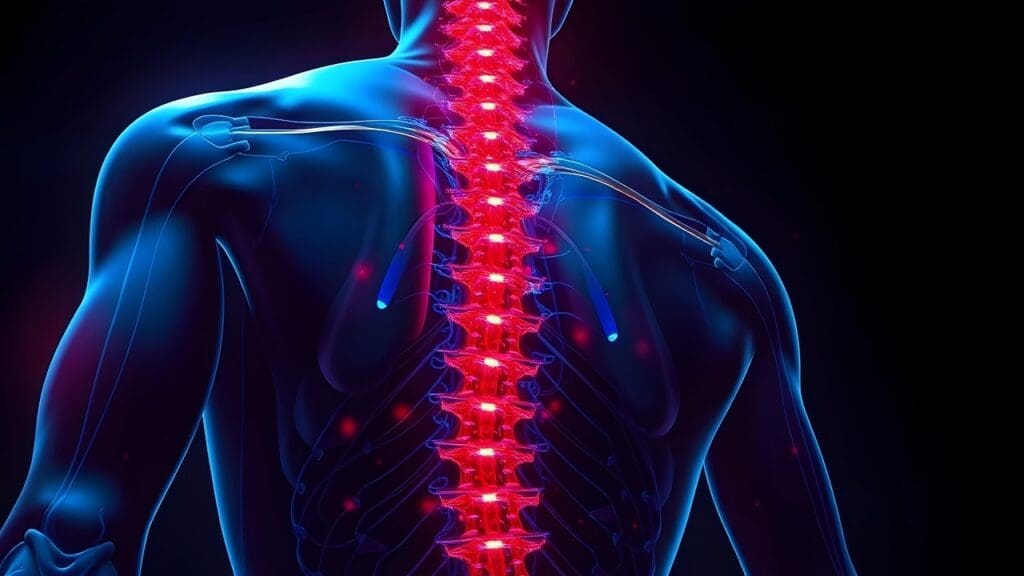
It’s key to know the different types of spinal tumors for better care. Spinal tumors can be complex and varied. They need a detailed diagnosis and treatment plan.
Types of Spinal Tumors: Primary vs. Secondary
Spinal tumors are divided into primary and secondary types. Primary tumors start in the spine. Secondary tumors spread from other cancers.
A study in the Journal of Neuro-Oncology shows primary tumors are rare. They make up about 4-10% of all central nervous system tumors.
Secondary tumors are more common. They often come from cancers like breast, prostate, and lung. Knowing if a tumor is primary or secondary helps doctors plan treatment.
| Tumor Type | Origin | Frequency |
|---|---|---|
| Primary | Spine | Rare (4-10% of CNS tumors) |
| Secondary | Metastasize from other parts of the body | More common |
Benign vs. Malignant Tumors of the Spine
Spinal tumors can be benign or malignant. Benign tumors are non-cancerous and usually have a better outlook. Malignant tumors are cancerous and can spread or invade tissues.
“The accurate diagnosis of spinal tumors is critical for determining the appropriate treatment strategy and improving patient outcomes.” – Neurosurgeon
Modern Diagnostic Approaches
Today, we use advanced imaging like MRI and CT scans to diagnose spinal tumors. These tools give us detailed info on the tumor’s size and location. This info is vital for treatment planning.
We use these tools to accurately classify tumors. Then, we create a treatment plan that meets each patient’s needs.
7 Key Facts About Spinal Tumor Survival Rate
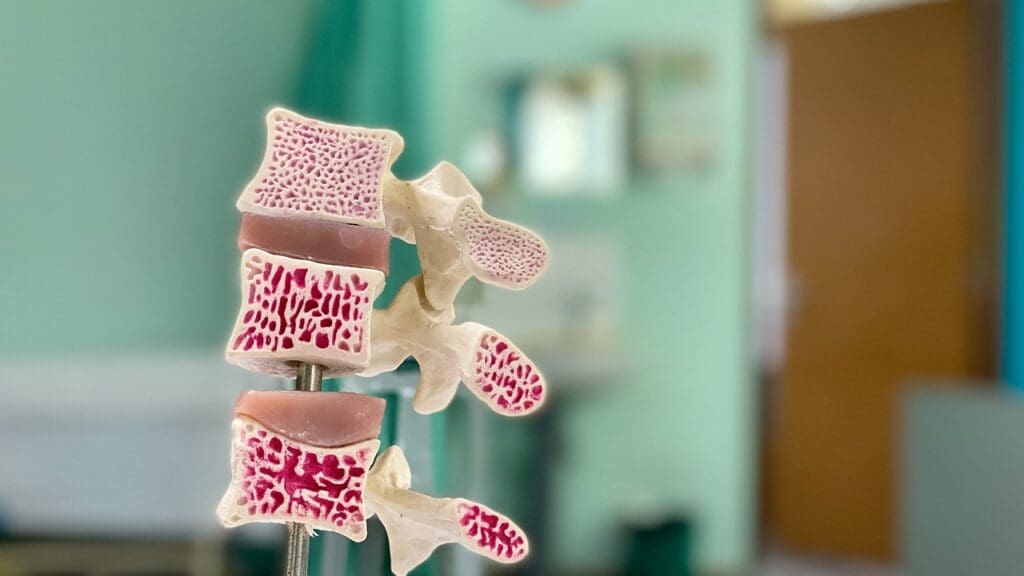
Recent studies have shed light on key factors influencing spinal tumor survival rates. This gives valuable insights for patients and clinicians. Knowing these factors is key for making informed treatment and care decisions.
Fact 1: Overall 5-Year Survival Exceeds 70% for Many Primary Tumors
The overall 5-year survival rate for many primary spinal tumors is over 70%. This gives hope to patients with these conditions. Early detection and proper treatment are critical.
Fact 2: Benign Tumors Have Significantly Better Outcomes
Benign spinal tumors generally have better outcomes than malignant ones. The 5-year survival rate for benign tumors is often 90% or more with proper management.
Fact 3: Location Dramatically Impacts Prognosis
The location of a spinal tumor greatly affects the prognosis. Tumors in certain areas of the spine are harder to treat due to their closeness to critical structures.
Fact 4: Age Is a Significant Prognostic Factor
Age is a key factor in determining the prognosis for spinal tumor patients. Younger patients usually have better outcomes than older ones. This can vary based on the tumor type.
| Age Group | 5-Year Survival Rate |
|---|---|
| 0-19 years | 85% |
| 20-49 years | 75% |
| 50+ years | 60% |
Fact 5: Early Detection Improves Survival Rates
Early detection of spinal tumors significantly improves survival rates. Advances in imaging technologies help diagnose these tumors earlier, leading to better outcomes.
Fact 6: Treatment Advances Have Improved Outcomes
Advances in treatment, including surgery, radiation therapy, and chemotherapy, have improved outcomes for spinal tumor patients. A multidisciplinary approach to care is essential for optimizing treatment plans.
Fact 7: Metastatic Disease Has Lower Survival Rates
Metastatic spinal disease, where cancer has spread to the spine, generally has lower survival rates. The prognosis depends on the primary cancer type and the patient’s overall health.
By understanding these key facts about spinal tumor survival rates, patients and healthcare providers can work together. This helps develop effective treatment strategies and improve outcomes.
Primary Malignant Spinal Tumors and Their Prognosis
Primary malignant spinal tumors are a big challenge in cancer treatment. They come from the spine and can be different types. Each type has its own growth pattern and how well it does.
Chordomas and Chondrosarcomas
Chordomas and chondrosarcomas are rare tumors in the spine. Chordomas grow slowly but can spread. Chondrosarcomas are made of cartilage and can be more aggressive.
The chance of survival depends on how well the tumor is removed and its grade. Thanks to better surgery, survival rates have gone up.
Osteosarcomas and Ewing Sarcomas
Osteosarcomas and Ewing sarcomas are very aggressive tumors in the spine. Osteosarcomas grow fast and are hard to treat if not caught early. Ewing sarcomas are also aggressive and need a combination of treatments.
Thanks to new treatments like chemotherapy and better surgery, more people are surviving. This shows how important early and effective treatment is.
Lymphomas Affecting the Spine
Lymphomas can also start in the spine, but they’re not as common. They respond well to treatments like chemotherapy and radiation. This makes their prognosis better than other spinal tumors, if caught early.
The outlook for spinal tumors depends on the type, how advanced it is, and the patient’s health. New treatments are helping more people live longer. Knowing the details of each tumor helps doctors plan better treatments and improve survival chances.
Metastatic Spinal Cancer: Survival Rates and Expectations
The spine is often where cancer spreads to in advanced cases. This affects how long a person might live and their quality of life. When cancer cells from other parts of the body reach the spine, it makes treatment harder and changes the outlook.
Common Primary Cancers That Spread to the Spine
Several cancers are known to spread to the spine. These include:
- Breast cancer
- Lung cancer
- Prostate cancer
- Renal cell carcinoma
- Thyroid cancer
These cancers often go to the bone because of its blood supply. The spine is a common place because of its veins that help cancer spread.
Prognosis Based on Original Cancer Type
The outlook for metastatic spinal cancer changes based on the original cancer. For example, breast cancer spreading to the spine usually has a better chance than lung cancer.
| Primary Cancer Type | Median Survival (months) |
|---|---|
| Breast Cancer | 24-36 |
| Lung Cancer | 6-12 |
| Prostate Cancer | 12-24 |
Impact of Multiple Metastases
Having more than one place where cancer spreads makes things harder. It usually means a worse outlook. The amount of cancer in the body is key to knowing how long someone might live.
Dealing with metastatic spinal cancer is tough, and the future can be uncertain. Our team works hard to give the best care and support. We aim to improve survival chances and quality of life for our patients.
How Tumor Location Affects Spinal Cancer Survival Rate
Knowing how spinal tumor location affects survival is key for good treatment plans. The spine has different areas, and tumors can happen in each one.
Cervical, Thoracic, and Lumbar Tumors
The spine is split into cervical, thoracic, and lumbar areas. Tumors in these spots have different survival rates. Cervical spine tumors are rare and often cause brainstem and spinal cord problems.
Thoracic spine tumors are common and can lead to back pain and nerve issues. Lumbar spine tumors usually cause lower back pain and nerve problems. Survival rates differ because of tumor type and treatment challenges.
| Spinal Region | 5-Year Survival Rate | Common Symptoms |
|---|---|---|
| Cervical | 60-70% | Neurological symptoms, neck pain |
| Thoracic | 50-60% | Back pain, neurological deficits |
| Lumbar | 70-80% | Lower back pain, radiculopathy |
Intramedullary vs. Extramedullary Tumors
Tumors can be inside (intramedullary) or outside (extramedullary) the spinal cord. Intramedullary tumors are harder to treat because they’re close to important nerve areas.
Vertebral Body vs. Spinal Cord Involvement
Tumors can start in the vertebral body or affect the spinal cord. Vertebral body tumors can cause instability. Spinal cord involvement can lead to serious nerve problems. Knowing where and how much the tumor affects the spine is vital for treatment planning.
Age-Related Factors in Spinal Tumor Survival
It’s key to know how age affects survival in spinal tumors. Younger patients usually do better than older ones.
Pediatric Spinal Tumor Outcomes
Children with spinal tumors have different outcomes than adults. Pediatric patients tend to have better survival rates because of their health and strength. Young kids can often handle tough treatments better, which helps them live longer.
A study showed kids under 15 have a much higher 5-year survival rate than older patients. This is because kids often get different types of tumors, like medulloblastomas and primitive neuroectodermal tumors (PNETs).
Adult Age Groups and Survival Statistics
Adults with spinal tumors have varied survival rates. Those between 20 and 50 years old usually do better than older adults.
| Age Group | 5-Year Survival Rate |
|---|---|
| 20-39 years | 65% |
| 40-59 years | 55% |
| 60+ years | 40% |
Elderly Patients: Special Considerations
Elderly patients with spinal tumors face special challenges. Careful consideration of these factors is critical when planning treatment for older adults.
We suggest a detailed geriatric assessment to find the best treatment for elderly patients. This helps spot risks and ways to improve survival and quality of life.
Treatment Approaches and Their Impact on Survival
The treatment of spinal tumors has changed a lot. Now, we use many methods that help patients live longer. Every patient is different, so we make a treatment plan just for them.
Surgical Interventions
Surgery is key in treating spinal tumors. We try to take out as much of the tumor as we can without harming the nerves. Advances in surgical techniques have made things better for many patients.
A study in the Journal of Neurosurgery: Spine found that removing most of the tumor greatly increases survival chances for some patients (1). This shows how important skilled surgery is.
Radiation Therapy
Radiation therapy is also very important. It’s used alone or with surgery for tumors that radiation works well on. High-precision radiation techniques like SBRT help target the tumor without harming nearby healthy tissues.
| Treatment Modality | Impact on Survival |
|---|---|
| Surgical Interventions | Improves survival by removing tumor burden |
| Radiation Therapy | Effective for radiosensitive tumors, improving local control |
| Chemotherapy and Targeted Treatments | Offers systemic control, improving overall survival in certain tumor types |
Chemotherapy and Targeted Treatments
Chemotherapy and targeted treatments are very important for spinal tumors, mainly for aggressive or spread-out disease. They can be used alone or with other treatments.
“The integration of chemotherapy and targeted therapy into the treatment plan can significantly enhance patient outcomes by addressing microscopic disease and reducing the risk of recurrence.” – Oncologist
Emerging Therapies and Clinical Trials
New treatments like immunotherapy and targeted agents are being tested in clinical trials. These new methods might help patients live longer and feel better.
We want to give our patients the newest treatments and trials. This way, they get the best care available.
Benign Spinal Tumors: Improved Long-Term Outcomes
Thanks to new diagnostic and treatment methods, the outlook for benign spinal tumors has brightened. We can now manage these tumors more effectively. This leads to better long-term results for patients.
Meningiomas and Neurofibromas
Meningiomas and neurofibromas are common benign spinal tumors. Meningiomas grow slowly and come from the meninges, which protect the spinal cord. Neurofibromas start in the nerve sheath. Both can press on the spinal cord or nerves, causing symptoms.
Hemangiomas and Osteoid Osteomas
Hemangiomas are tumors made of blood vessels in the vertebrae. They usually don’t cause pain but can if they get big. Osteoid osteomas are small bone tumors that can hurt a lot, often at night.
Management Strategies for Benign Tumors
Here are ways to manage benign spinal tumors:
- Watching them with regular scans for tumors that don’t cause symptoms
- Surgery for tumors that cause symptoms or harm the nerves
- Using radiation therapy when surgery isn’t possible
- Managing pain for tumors like osteoid osteomas
By choosing the right treatment for each patient and tumor, we can get the best results. This improves the life quality for those with benign spinal tumors.
Quality of Life and Functional Outcomes After Treatment
Spinal tumor treatment greatly affects a patient’s quality of life and how well they function. As we improve treatment methods, focusing on improving life after treatment is key.
Neurological Recovery Expectations
How well a patient recovers from spinal tumor treatment varies. It depends on the tumor type, where it is, and how much surgery is needed. Patients with benign tumors usually recover better than those with malignant ones.
Pain Management and Rehabilitation
Managing pain well is essential for a good life after treatment. We use many methods, like medicine, physical therapy, and sometimes special procedures. Rehabilitation helps patients get back to doing things on their own.
| Rehabilitation Aspect | Goals | Interventions |
|---|---|---|
| Physical Therapy | Improve mobility, strength | Exercise programs, gait training |
| Occupational Therapy | Enhance daily functioning | Adaptive equipment training, daily living skills |
| Pain Management | Reduce pain, improve comfort | Medication management, interventional procedures |
Long-term Monitoring and Follow-up Care
Keeping an eye on patients long-term is vital. It helps catch any signs of the tumor coming back and manage treatment side effects. Regular check-ups and scans are part of our care plan.
By focusing on quality of life and function, we offer complete care. This approach helps spinal tumor patients live better and longer.
Conclusion: Advances in Spinal Tumor Care and Future Directions
Spinal tumor care has made big strides, leading to better lives for patients. New research and treatments bring hope for longer survival times. We’ve seen big improvements in diagnosing and treating spinal tumors.
Using data and AI, we’re moving towards smarter ways to treat spinal metastasis. This could lead to even better care in the future.
As we keep pushing forward, we expect to see even better results and new treatments. Our goal is to provide top-notch healthcare to all patients, including those from abroad.
What is the overall 5-year survival rate for spinal tumor patients?
Most primary spinal tumors have a 5-year survival rate over 70%. But, this rate can change a lot. It depends on the tumor type, where it is, and how serious it is.
How do benign and malignant spinal tumors differ in terms of survival rates?
Benign spinal tumors usually have better survival rates than malignant ones. They grow slower and are less likely to spread.
How does the location of a spinal tumor affect prognosis?
Where a spinal tumor is located greatly affects its prognosis. Tumors in some areas, like the cervical spine, might have different outcomes than those in the thoracic or lumbar regions.
What role does age play in spinal tumor survival rates?
Age is a big factor in survival rates. Younger patients often do better than older ones. But, kids and the elderly have special considerations that can affect their survival chances.
How has early detection impacted spinal tumor survival rates?
Finding tumors early has greatly improved survival rates. It allows for treatment before the tumor gets worse.
What are the most common primary cancers that metastasize to the spine?
Breast, lung, and prostate cancers most often spread to the spine. The type of original cancer affects the prognosis and survival rate.
How do treatment advances impact spinal tumor survival rates?
New treatments, like surgery, radiation, and chemotherapy, have made outcomes better for spinal tumor patients. They help improve survival rates.
What is the impact of multiple metastases on spinal cancer survival rates?
Having many metastases means a worse prognosis and lower survival rate. It shows the disease has spread widely.
How do intramedullary and extramedullary tumors differ in terms of prognosis?
Intramedullary tumors, inside the spinal cord, have a different outlook than extramedullary tumors. These tumors are outside the spinal cord but inside the spinal canal.
What are the survival rates for glioblastoma, a type of brain cancer?
Glioblastoma’s 5-year survival rate is usually low. It depends on age, health, and how well the tumor responds to treatment.
What are the chances of surviving a malignant spinal tumor?
Survival chances for malignant spinal tumors vary. It depends on the tumor type, location, stage, and how well it responds to treatment. Some patients have better chances than others.
How do benign spinal tumors such as meningiomas and neurofibromas affect long-term outcomes?
Benign spinal tumors like meningiomas and neurofibromas usually have good long-term outcomes. This is true with the right management, like surgery or monitoring.
References
- PubMed/NCBI : https://pubmed.ncbi.nlm.nih.gov/18084720