

Going through spine surgery can be scary. Knowing how long it takes and how to recover is key. Did you know recovery time for back surgery can be weeks to months?
We want to help you feel ready for your surgery. This article will cover how long spine surgery lasts and what recovery is like. We aim to make your recovery smooth and successful.
Key Takeaways
- Understanding the average duration of spine surgery
- Factors influencing back surgery recovery time
- What to expect during the post-surgery recovery period
- Tips for a smooth and successful recovery
- Importance of pre-surgery preparation
Average Duration of Common Spine Surgeries

The time needed for spine surgery varies a lot. It depends on the surgery type. Knowing this helps patients get ready and set the right expectations.
Discectomy: 1-2 Hours
A discectomy, which removes a herniated disc, usually lasts 1 to 2 hours. It’s short because it often uses minimally invasive methods. This makes the surgery simpler and quicker.
Laminectomy: 2-3 Hours
Laminectomy removes part of a vertebra to ease spinal cord pressure. It takes 2 to 3 hours. It’s a bit longer than discectomy because more bone needs to be removed.
Spinal Fusion: 3-7 Hours
Spinal fusion fuses two or more vertebrae together. It’s more complex and can last 3 to 7 hours. The time varies based on how many vertebrae are fused and the patient’s health.
Scoliosis Correction: 4-8 Hours
Scoliosis correction aims to fix the spine’s abnormal curve. It’s one of the longer surgeries, lasting 4 to 8 hours. It’s complex and takes time to ensure the spine is stable.
To better understand the average duration of these surgeries, let’s summarize the information in a table:
|
Surgery Type |
Typical Duration |
|---|---|
|
Discectomy |
1-2 hours |
|
Laminectomy |
2-3 hours |
|
Spinal Fusion |
3-7 hours |
|
Scoliosis Correction |
4-8 hours |
Knowing the average time for these spine surgeries helps patients prepare. It also helps them understand what to expect during recovery.
Factors That Influence Surgery Duration
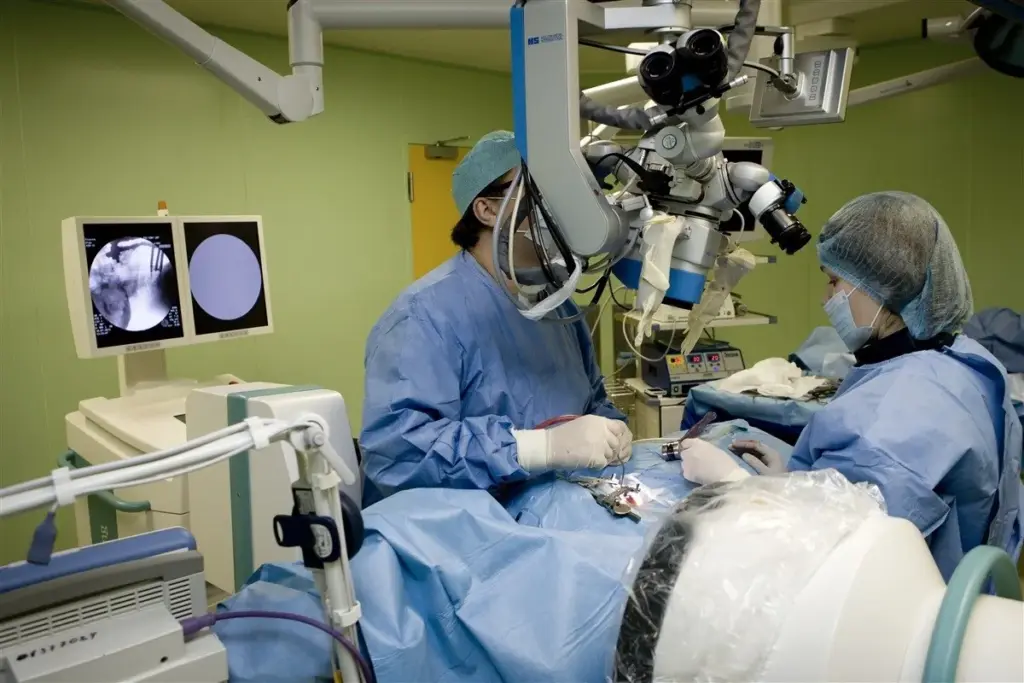
Spine surgery time varies greatly. It depends on many factors that can change the surgery’s length. “The complexity and success of spine surgery depend on a multitude of factors,” say doctors. Knowing these can help patients get ready for their surgery.
Patient-Specific Factors
Things about the patient can greatly affect surgery time. Overall health and any health problems can change how the surgery goes and how long it lasts. For example, people with diabetes or heart issues might need extra care, making the surgery longer.
Surgical Complexity
The surgery’s complexity is key too. More complex surgeries, like those needing to fix many vertebrae, take longer. The more complex the surgery, the more time is needed to ensure precision and accuracy.
Surgeon Experience and Technique
The surgeon’s skill and experience also matter a lot. More skilled and experienced surgeons can do surgeries faster, thanks to their practice. As a famous surgeon says, “Experience is key in reducing surgery time without compromising on quality.”
Hospital Resources and Equipment
Lastly, the hospital’s resources and equipment can also impact surgery time. Better-equipped facilities can make the process smoother, cutting down on prep and surgery time. Hospitals with the latest tech can make surgeries go more smoothly.
Pre-Surgery Preparation and Its Impact on Duration
Getting ready for spine surgery is key to a good outcome. This step includes important actions to make the surgery safe and effective.
Medical Evaluations and Testing
Before spine surgery, medical evaluations and testing are a must. They check for risks and make sure the patient is ready. Tests like blood work and imaging studies help understand the patient’s health.
|
Test Type |
Purpose |
Impact on Surgery |
|---|---|---|
|
Blood Work |
Assess overall health and detect possible issues |
Helps manage risks during surgery |
|
Imaging Studies |
Give detailed images of the spine |
Helps the surgical team during the procedure |
Anesthesia Considerations
Anesthesia considerations are very important for spine surgery. The type of anesthesia affects when the surgery starts and how comfortable the patient is. Anesthesia teams work with the surgical team to choose the best anesthesia.
Patient Positioning and Surgical Setup
Proper patient positioning and surgical setup are vital for spine surgery. They ensure the surgical team can work well. The team carefully sets up the patient and equipment for a successful surgery.
The Surgical Process: Step-by-Step Timeline
Spine surgery has several key steps, each with its own timeline. Knowing these steps helps patients prepare and understand their recovery.
Anesthesia Administration: 30-60 Minutes
The first step is giving anesthesia, which takes 30 to 60 minutes. This makes sure the patient is comfortable and pain-free. Our anesthesiologists watch the patient’s vital signs and adjust the anesthesia as needed.
Surgical Access and Exposure: 30-90 Minutes
After anesthesia, the team gets to the spine. They make incisions and move muscles and tissues to see the spine. This step can take 30 to 90 minutes, depending on the case.
Main Procedure: Variable Duration
The main surgery is where the real work happens. The time it takes varies a lot, depending on the surgery. For example, a simple discectomy might be quicker than a complex spinal fusion. Our team is skilled at handling complex cases.
Closure and Immediate Post-Op: 30-60 Minutes
After the surgery, the team closes the incision. They use sutures or staples and apply dressings. Then, the patient goes to the recovery room for monitoring. This step takes 30 to 60 minutes.
In summary, spine surgery can take 2 to 4 hours or more. It depends on the surgery’s complexity. Our team works with precision and care to give the best results for our patients.
Key Takeaways:
- Anesthesia administration: 30-60 minutes
- Surgical access and exposure: 30-90 minutes
- Main procedure duration varies by surgery type
- Closure and post-op care: 30-60 minutes
Spine Surgery Healing Time: What to Expect
Recovering from spine surgery takes time and goes through several stages. Knowing these stages helps patients and their families get ready for what’s ahead.
Immediate Post-Operative Period (1-3 Days)
The first few days after surgery are key for managing pain and watching for any issues. During this time, patients are closely watched in the hospital.
Key aspects of this phase include:
- Pain management through medication
- Monitoring for signs of infection or other complications
- Initial mobilization to prevent blood clots and promote circulation
Early Recovery Phase (1-4 Weeks)
When patients go home, the early recovery phase starts, lasting 1-4 weeks. They can expect their pain and mobility to slowly get better.
It’s essential to follow post-operative instructions carefully to ensure proper healing and minimize the risk of complications.
Intermediate Recovery (1-3 Months)
The next phase, lasting 1-3 months, focuses on getting stronger and rehabilitating. Patients often start physical therapy to regain strength and flexibility.
How fast patients improve can vary, but most see big changes in their condition during this time.
Long-Term Healing (3-12 Months)
The long-term healing phase can last from 3 to 12 months. During this time, patients will continue to get better, but progress might slow down.
Factors influencing long-term healing include:
- Adherence to rehabilitation protocols
- Overall health and lifestyle
- The complexity of the initial surgery
By understanding the different stages of spine surgery recovery, patients can better navigate their journey and achieve the best results.
Hospital Stay Duration After Different Spine Surgeries
How long you stay in the hospital after spine surgery varies a lot. It depends on if the surgery is outpatient, minimally invasive, or complex. The surgery type and other factors also play a big role.
Outpatient Procedures: Same-Day Discharge
Some spine surgeries, like discectomies or minor decompressions, are done on an outpatient basis. This means you can usually go home the same day. You need to be stable after surgery and have someone to care for you at home.
Minimally Invasive Surgeries: 1-3 Days
Minimally invasive spine surgeries cause less damage and often mean a shorter hospital stay. You might stay 1 to 3 days. This is because you recover faster and feel less pain after surgery.
Complex Surgeries: 3-7 Days or Longer
More complex surgeries, like spinal fusions or scoliosis corrections, need longer stays. They can last from 3 to 7 days or more. This is because they are more complicated and need closer monitoring during recovery.
To understand hospital stay times better, let’s look at a comparison of different spine surgeries and their typical stays.
|
Type of Surgery |
Typical Hospital Stay |
|---|---|
|
Outpatient Procedures |
Same Day |
|
Minimally Invasive Surgeries |
1-3 Days |
|
Complex Surgeries (e.g., Spinal Fusion) |
3-7 Days or Longer |
The table shows that hospital stay times vary a lot depending on the surgery type. Knowing these differences helps patients prepare for their recovery.
Recovery Milestones Following Spine Surgery
Recovering from spine surgery is a journey with important milestones. These show progress and healing. Knowing these milestones helps patients and their caregivers prepare and manage expectations.
First Week Post-Surgery
The first week after surgery is tough. Patients feel a lot of pain and can’t move much. They should rest and not do too much. We watch for any problems and help with pain.
First Month Milestones
By the end of the first month, patients start to feel better. They can do light activities and move more. It’s important to stick to the rehab plan given by doctors.
Three-Month Recovery Markers
At three months, patients get stronger and move better. They can do harder tasks and start doing normal things again. Going to physical therapy is key during this time.
Six-Month to One-Year Progress
By six months to a year, most patients have made big strides. They can go back to work and fun activities. Some may keep getting better slowly.
|
Recovery Stage |
Typical Milestones |
|---|---|
|
First Week |
Significant pain, limited mobility |
|
First Month |
Improved pain levels, increased mobility |
|
Three Months |
Substantial strength and mobility gains |
|
Six Months to One Year |
Significant progress, return to normal activities |
Physical Therapy and Rehabilitation Timeline
Rehabilitation after spine surgery is key to getting patients strong and mobile again. A good plan is made just for them, making sure they heal safely and well.
Initial Mobilization (Days 1-3)
The first part of rehab is about gentle movement to avoid problems like blood clots and stiffness. Early movement starts with simple steps like walking and basic stretches. It’s a key step for more rehab to come.
Early Rehabilitation Exercises (Weeks 1-6)
As patients get better, exercises get more focused. These help with flexibility and strength, like gentle stretches and light cardio. The aim is to boost their ability without hurting them.
Progressive Strengthening (Months 2-4)
In this phase, exercises get tougher to build muscle strength and endurance. It’s vital for getting back to how they were before surgery and getting ready for harder activities.
Return to Normal Activities (Months 4-12)
The last part of rehab is about slowly getting back to normal life, like work and fun activities. How long this takes varies a lot, based on the surgery and the person’s health.
It’s very important for patients to work with their doctors to make the rehab plan fit their needs and progress. This way, they can get the best results from their surgery.
Factors That Can Accelerate or Delay Healing
Knowing what affects healing can really help after surgery. The journey to recovery after spine surgery is complex. It’s influenced by many things.
Positive Factors for Faster Recovery
Several things can help you recover faster. Keeping a healthy lifestyle is key. This means eating well, exercising right, and not smoking.
Following post-operative instructions is also important. It helps you stick to the recovery plan. This lowers the chance of problems.
A supportive social network is also vital. People with strong support systems do better. They get help emotionally and practically. Being positive and having realistic hopes about recovery also helps a lot.
Risk Factors for Delayed Healing
On the other hand, some things can slow healing. Smoking hurts because it reduces blood flow and oxygen to tissues. Obesity adds stress to the spine, making recovery harder.
Having pre-existing medical conditions, like diabetes or heart disease, can also slow healing. These conditions can make it harder for the body to recover from surgery. This might make recovery take longer.
Age-Related Considerations
Age is a big factor in recovery. Older people might heal slower because of less energy and health issues. But, with the right care, many older patients can do well.
It’s important for patients and doctors to work together. They should find and fix problems, use good things to help, and make a recovery plan that fits the patient’s needs.
Complications That May Extend Surgery or Recovery Time
Spine surgery is often very effective. But, complications can happen that might make the surgery longer or recovery harder. Knowing about these issues is key to managing expectations and getting the best results.
Intraoperative Complications
Intraoperative complications happen during surgery. These can include:
- Bleeding or hemorrhage: Too much bleeding can make the surgery harder and need extra steps to stop it.
- Nerve injury: There’s a chance of damaging nerves, which can cause problems with how you move or feel.
- Dural tear: A tear in the dura mater, the membrane around the spinal cord, can cause cerebrospinal fluid to leak.
These problems can make the surgery take longer and might need the surgical team’s quick attention.
Early Post-Operative Complications
Early post-operative complications happen right after surgery. Common issues include:
- Infection: Infections at the surgery site can slow healing and might need antibiotics or more surgery.
- Reaction to anesthesia: Some people might have bad reactions to the anesthesia used during surgery.
- Respiratory or cardiac issues: People with health problems before surgery might face breathing or heart problems.
It’s important to watch closely and act fast to handle these problems well.
Late Complications Affecting Recovery
Late complications can happen weeks, months, or even years after surgery. These may include:
- Hardware failure: In surgeries with implants, there’s a chance the implants might not work right, needing more surgery.
- Persistent pain: Some people might keep feeling pain after surgery, for many reasons.
- Adjacent segment disease: Fusion surgery can put more stress on other parts of the spine, leading to new problems.
|
Complication Type |
Examples |
Potential Impact |
|---|---|---|
|
Intraoperative |
Bleeding, nerve injury, dural tear |
Prolonged surgery time, immediate post-op complications |
|
Early Post-Operative |
Infection, reaction to anesthesia, respiratory/cardiac issues |
Delayed recovery, need for additional treatment |
|
Late |
Hardware failure, persistent pain, adjacent segment disease |
Long-term recovery issues, possible need for more surgery |
Knowing about these possible complications helps us prepare and manage them better. This ensures the best outcome for those having spine surgery.
“Understanding the risks and possible complications of spine surgery is key for patients to make informed choices about their care.”
— Spine Surgery Expert
Patient Experiences: Real Recovery Timelines
Patients who have had spine surgery share their stories. These stories help others know what to expect during recovery. They talk about the good and the tough parts of getting better.
Minimally Invasive Surgery Experiences
People who had minimally invasive spine surgery say they healed faster and felt less pain. For example, a patient who had a minimally invasive discectomy was back to normal in a few weeks. They barely felt any pain.
These stories show that this kind of surgery can make recovery quicker. Patients can get back to their daily lives sooner. They also need less pain medicine and face fewer problems.
Fusion Surgery Recovery Stories
Patients who had fusion surgery say they felt better, but it took longer to get there. One patient said the start was hard, but they felt much better a few months later.
These stories stress the need for patience and following doctor’s orders. It’s key to a good recovery.
Complex Reconstruction Recovery Journeys
Those who had complex reconstruction surgeries faced a tougher road to recovery. But, they often see big improvements in their lives. Their recovery was longer and more intense.
Despite the hard times, many say their lives got better after surgery. We help these patients a lot during their recovery.
Looking at these stories helps us understand different recovery times for spine surgeries. This knowledge helps patients know what to expect before surgery.
Conclusion: Planning for Your Spine Surgery Journey
Planning for spine surgery means knowing about the procedure and recovery. Being informed helps patients prepare for what’s ahead.
Getting ready for spine surgery is key for a smooth recovery. It’s important to know how long surgeries last and what affects this. Also, understanding the recovery milestones is vital.
Recovery times vary based on the surgery and the patient. We’ve covered typical healing times for different surgeries. This includes immediate care and long-term healing.
Knowing what to expect in recovery helps set realistic goals. Patients can work with their healthcare team for a successful outcome. Our guide aims to give patients the knowledge and confidence for their surgery.
FAQ
How long does spine surgery typically take?
Spine surgery time varies. Discectomy takes 1-2 hours. Laminectomy can take 2-3 hours. Spinal fusion might take 3-7 hours. Scoliosis correction can take 4-8 hours.
What factors influence the duration of spine surgery?
Several factors affect surgery time. These include the patient’s health, the surgery’s complexity, the surgeon’s skill, and the hospital’s resources.
How long is the recovery period after spine surgery?
Recovery after spine surgery is a gradual process. The first 1-3 days are the immediate post-operative period. The early recovery phase lasts 1-4 weeks. Intermediate recovery takes 1-3 months. Long-term healing can take 3-12 months.
What is the typical hospital stay after spine surgery?
Hospital stay varies by surgery type. Outpatient procedures allow for same-day discharge. Minimally invasive surgeries need 1-3 days. Complex surgeries may require 3-7 days or more.
What are the key milestones during the recovery process?
In the first week, patients often feel a lot of pain and have limited mobility. By the first month, they start to notice improvements. By three months, they gain strength and mobility. By six months to one year, they see significant progress.
How important is physical therapy in the recovery process?
Physical therapy is very important. It starts within days. Early exercises begin within weeks. Strengthening exercises start around 2-4 months. Returning to normal activities can take 4-12 months.
What factors can influence the healing process after spine surgery?
A healthy lifestyle and following post-operative instructions can help recovery. Smoking and pre-existing medical conditions can slow healing.
What are the possible complications that can arise from spine surgery?
Complications can affect surgery time and recovery. These include intraoperative, early post-operative, and late complications.
How long does it take to recover from a spinal fusion?
Spinal fusion recovery can take 3 to 12 months. Patients see significant symptom improvement and gradually return to normal activities.
What is the optimal healing time for spine surgery?
Healing time varies by individual and surgery type. Generally, it ranges from 3 to 12 months.
Reference
National Center for Biotechnology Information. Evidence-Based Medical Insight. Retrieved from https://pubmed.ncbi.nlm.nih.gov/15864140/