
Many people wonder if certain blood types are more likely to have sickle cell disease. But, it’s not true that some blood types are more at risk.
Sickle cell disease is not caused by blood type. It’s due to a genetic mutation that affects how the body makes hemoglobin. This condition is more common in certain ethnic groups. In the U.S., about 4.83 out of every 10,000 babies are born with it.
It’s important to know the genetic cause of sickle cell disease. This knowledge helps doctors diagnose and treat it. We’ll look at the latest data on sickle cell disease in different ethnic groups. We’ll also talk about the best ways to care for people with this condition.
Key Takeaways
- Sickle cell disease is caused by a genetic mutation, not by a specific blood type.
- The condition affects hemoglobin production, leading to abnormal red cells.
- Sickle cell disease prevalence varies among different ethnic groups.
- In the U.S., the birth prevalence is about 4.83 per 10,000 live births.
- Understanding the genetic basis is key to diagnosis and management.
The Relationship Between Blood Types and Sickle Cell Disease
It’s important to know the difference between blood types and sickle cell disease. Many people get these two mixed up. But they are different and affect patient care in different ways.
Dispelling Common Misconceptions
Some think blood type decides if you have sickle cell disease. But, sickle cell disease is a genetic disorder. It’s caused by a change in the HBB gene, not by blood type. The ABO blood group system and the Rh factor don’t have anything to do with sickle cell disease.
Blood types are classified by the ABO system and the Rh factor. But sickle cell disease comes from a specific change in the hemoglobin gene. This change makes abnormal hemoglobin.
Genetic Basis vs. Blood Group Classification
The HBB gene mutation causes sickle cell disease. This mutation leads to hemoglobin S (HbS). It makes red blood cells misshapen and break down. Blood group classification, on the other hand, is based on different genes. It’s mainly used for transfusions.
- Key differences:
- Blood type is determined by antigens on red blood cells.
- Sickle cell disease is caused by a mutation in the hemoglobin gene.
- The presence of sickle cell disease is not related to the ABO blood group or Rh factor.
Knowing these differences is key for healthcare providers. It helps them give the right care. And it helps patients get the right diagnosis and treatment. By clearing up these misconceptions, we can help patients better.
The Genetic Foundation of Sickle Cell Disease
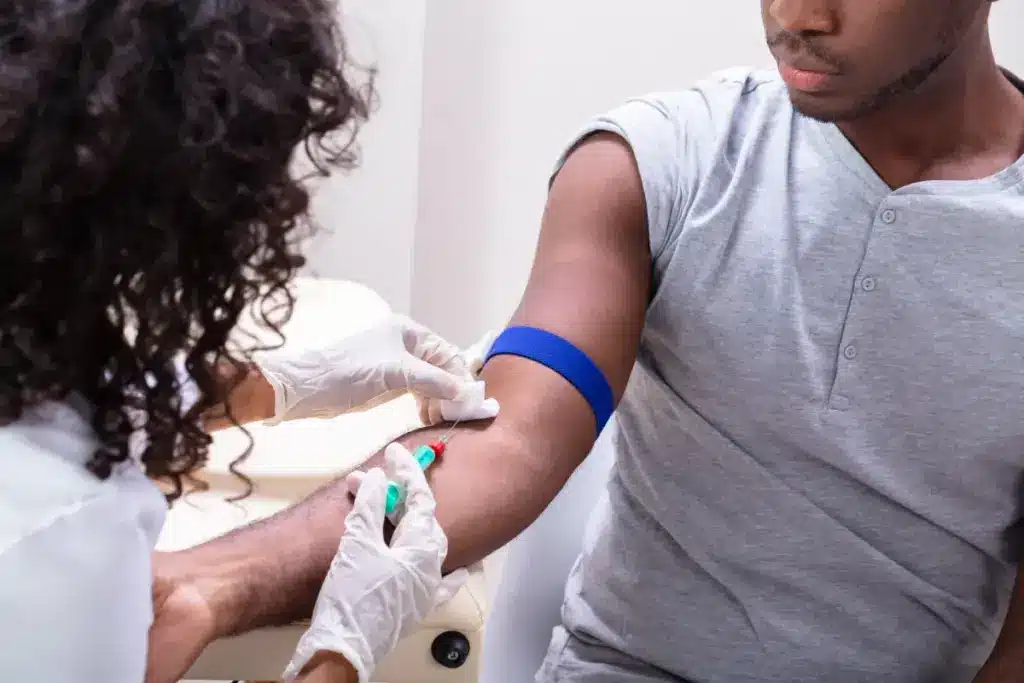
Sickle cell disease comes from a change in the HBB gene. This gene is for the beta-globin part of hemoglobin. The change makes sickle hemoglobin (HbS), which can bend red blood cells into a sickle shape.
We will look into the genetic cause of sickle cell disease. This includes the specific mutation and how it’s passed down. Knowing the genetics helps find carriers and predict the chance of passing the disease to kids.
Hemoglobin Gene Mutations
The HBB gene mutation for sickle cell disease is a single change in DNA. This change swaps glutamic acid for valine at the sixth spot of the beta-globin chain. This makes HbS. People with two copies of this mutated gene (one from each parent) have sickle cell disease.
Key aspects of the HBB gene mutation include:
- Point mutation leading to glutamic acid to valine substitution
- Production of abnormal hemoglobin (HbS)
- Autosomal recessive inheritance pattern
Inheritance Patterns and Risk Factors
Sickle cell disease follows an autosomal recessive pattern. This means you need two bad copies of the HBB gene (one from each parent) to have the disease. Carriers, with one normal and one mutated gene, usually don’t show symptoms but can pass the mutation to their kids.
The chance of a child having sickle cell disease depends on the parents’ genes. If both parents are carriers, there’s a 25% chance with each baby that it will have sickle cell disease. can be found in scientific studies.
|
Parent 1 Genotype |
Parent 2 Genotype |
Risk of Sickle Cell Disease in Offspring |
|---|---|---|
|
Carrier |
Carrier |
25% |
|
Carrier |
Normal |
0% |
|
Affected |
Carrier |
50% |
Knowing the genetic basis of sickle cell disease is key for family planning. It helps identify carriers and predict disease risk in offspring. This knowledge aids in making health decisions for families.
Understanding the SS Blood Group Terminology
It’s important to understand what “SS blood group” means in the context of sickle cell disease. This term is linked to sickle cell disease, but it’s key to grasp its genetic and medical implications.
Defining Hemoglobin SS (HbSS)
Hemoglobin SS, or HbSS, is a type of sickle cell disease. People with HbSS have two sickle hemoglobin genes, one from each parent. This leads to abnormal hemoglobin, causing red blood cells to curve like a sickle under stress.
HbSS is the most common type of sickle cell disease. It’s a homozygous condition, with two mutated genes. This is different from heterozygous conditions like sickle cell trait (HbAS), where there’s one normal and one mutated gene.
Difference Between Blood Types and Hemoglobin Genotypes
Blood types (A, B, AB, O) and hemoglobin genotypes (HbSS, HbAS) are different. Blood types are about the antigens on red blood cells, while hemoglobin genotypes are about the structure of hemoglobin.
The “SS blood group” term can be confusing because it refers to the hemoglobin genotype, not the blood type. So, people with sickle cell disease and the HbSS genotype can have any ABO blood type (A, B, AB, or O).
Knowing the difference between blood types and hemoglobin genotypes is vital. Blood type is important for transfusions, but hemoglobin genotype helps understand sickle cell disease risk and complications.
The ABO Blood Group System and Rh Factor
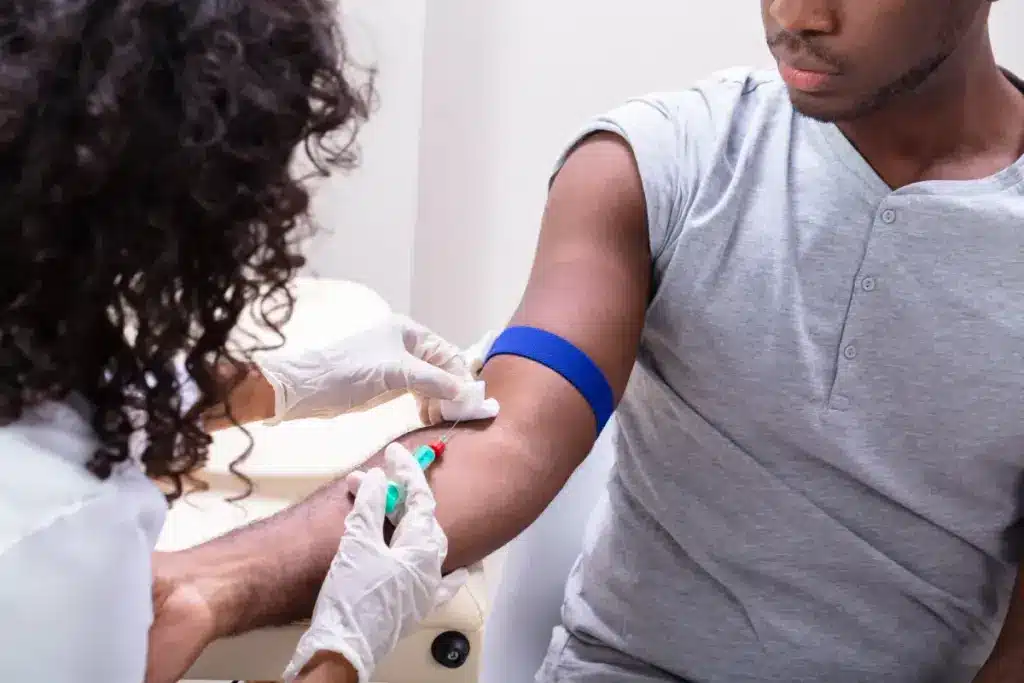
Blood types are classified mainly through the ABO system and Rh factor. This is key for matching blood in transfusions and organ donations. The ABO system divides blood into four types: A, B, AB, and O. These types are based on specific antigens on red blood cells.
Blood Type Classification Explained
The ABO system checks for A and B antigens on red blood cells. Type A has A antigens, type B has B, type AB has both, and type O has none. The Rh factor adds another antigen, present (Rh positive) or absent (Rh negative). This system is vital for blood transfusions to avoid severe reactions.
Understanding Blood Types: Mixing ABO and Rh gives us eight basic blood types. These are A+, A-, B+, B-, AB+, AB-, O+, and O-. Each person has one of these types, decided by their genes.
Distribution of Blood Types Across Populations
The spread of ABO blood types varies by population. For example, type O is common in some ethnic groups, while type A is more common in others. Knowing these patterns helps manage blood banks and ensure blood matches patients’ needs.
|
Population |
O+ |
A+ |
B+ |
AB+ |
Other Types |
|---|---|---|---|---|---|
|
European |
33% |
30% |
8% |
2% |
27% |
|
African |
45% |
24% |
18% |
4% |
9% |
|
Asian |
39% |
27% |
25% |
7% |
2% |
These differences show why diverse blood donations are critical. By understanding and respecting these variations, we can enhance patient care in transfusions.
Sickle Cell Trait vs. Sickle Cell Disease
It’s important to know the difference between sickle cell trait and sickle cell disease. Both are linked to the sickle cell gene but affect health and family planning differently.
Carrier Status and Its Implications
Carriers of the sickle cell trait have one normal and one sickle hemoglobin gene. This is known as sickle cell trait (SCT). They are usually healthy but can pass the mutated gene to their kids. This is different from sickle cell disease, where a person has two sickle hemoglobin genes.
When Two Carriers Have Children
When two carriers of the sickle cell trait have kids, there’s a 25% chance each child will have sickle cell disease. There’s also a 50% chance the child will be a carrier like the parents. And a 25% chance the child won’t have the disease or be a carrier. Knowing these chances is key for planning families and getting genetic counseling.
|
Condition |
Genotype |
Health Implications |
|---|---|---|
|
Sickle Cell Trait |
One normal and one sickle hemoglobin gene |
Generally healthy, but can pass the mutated gene to offspring |
|
Sickle Cell Disease |
Two sickle hemoglobin genes |
Can experience serious health complications |
For carriers and families with sickle cell disease, genetic counseling is available. It offers more information and support. According to, knowing the genetic basis is essential for managing the condition.
Epidemiology of Sickle Cell Disease in the United States
It’s important to know about sickle cell disease to help different ethnic groups in the U.S. This genetic disorder affects how red blood cells work. It’s most common in people of African descent but also affects others.
Prevalence Among Different Ethnic Groups
Sickle cell disease is most common in Black or African Americans. The CDC says it affects about 1 in 365 Black or African American births. It also happens in Hispanic, Middle Eastern, and South Asian people, but less often.
About 1 in 13 Black or African Americans have sickle cell trait, which is different. Early detection and management are key to prevent problems and improve life quality.
|
Ethnic Group |
Prevalence of Sickle Cell Disease |
Prevalence of Sickle Cell Trait |
|---|---|---|
|
Black or African American |
1 in 365 |
1 in 13 |
|
Hispanic |
1 in 16,300 |
1 in 50 to 1 in 100 |
|
Middle Eastern/South Asian |
Varies |
Varies |
Birth Statistics and Screening Programs
Newborn screening is key to finding sickle cell disease early. All 50 states in the U.S. screen for it. This has greatly helped children with sickle cell disease.
“Universal newborn screening for sickle cell disease has been instrumental in reducing mortality and improving the quality of life for affected children.” –
CDC Report on Sickle Cell Disease
Early diagnosis through newborn screening is vital. It helps doctors watch for and manage problems early.
Knowing about sickle cell disease helps us meet the needs of affected populations. This knowledge improves health outcomes.
Global Distribution of Sickle Cell Disease
Sickle cell disease affects millions worldwide. Its spread is tied to historical migration and genetic heritage. Certain regions carry a heavy burden.
High Prevalence Regions in Africa
Africa is hit hard by sickle cell disease. West African populations show sickle cell trait frequencies up to 40.5%. This is due to genetic adaptation against malaria.
Nigeria, the Democratic Republic of Congo, and Uganda are most affected. Both the trait and disease are common here because of the sickle cell gene’s high frequency.
Correlation with Historical Migration Patterns
Historical migration has spread sickle cell disease far and wide. The trans-Saharan and trans-Atlantic slave trades helped spread the sickle cell gene. This happened beyond Africa to the Americas and other places.
In the Americas, Brazil and the United States have big sickle cell disease populations. This is because of people coming from malaria areas.
Knowing these migration patterns helps us understand sickle cell disease’s genetic spread. It also guides public health strategies.
The Evolutionary Advantage: Malaria Resistance
In areas hit hard by malaria, the sickle cell trait has become a big plus. This genetic issue affects how the body makes hemoglobin. It helps protect people from malaria.
Natural Selection and Sickle Cell Trait
The sickle cell trait shows how natural selection works. In places where malaria is common, people with the sickle cell trait (HbAS) live longer than those without (HbAA). They are less likely to get very sick from malaria, which is a big killer.
As a leading researcher noted, “The sickle cell trait has been key to survival in malaria areas. It shows how genes and environment interact.”
Geographic Overlap with Malaria Endemic Regions
The sickle cell trait is found where malaria is common. In sub-Saharan Africa, where malaria is a big problem, the trait is very common. This shows how the trait helps people survive in these areas.
- The sickle cell trait is more common in places with lots of malaria.
- Research shows a strong link between the trait’s presence and malaria areas.
- Having the trait means fewer deaths from malaria in kids and young adults.
Learning about genetics, environment, and disease, the sickle cell trait and malaria resistance are a great example. They show how humans adapt to their surroundings.
Clinical Manifestations and Complications
It’s important to understand sickle cell disease to give good care. This disease affects many parts of the body, causing different problems.
Acute Pain Crises and Management
Acute pain crises are a big part of sickle cell disease. They happen when sickled red blood cells block blood vessels. This causes pain and tissue damage.
Managing these crises is key. It often means going to the hospital for severe cases. Effective management includes staying hydrated, using pain meds, and finding what triggers these episodes.
We stress the need for a detailed care plan. This helps reduce how often and how bad these crises are.
Long-term Organ Damage
Sickle cell disease can harm organs over time. This is because of constant blockages and breakdown of red blood cells. The spleen, kidneys, and heart are often affected.
Regular check-ups with doctors are essential. They help catch and prevent problems early. Teaching patients and using advanced care methods are also important.
Diagnosis and Screening Approaches
Diagnosing sickle cell disease involves several steps. It starts with screening and then confirmatory tests. Finding out early is key to managing the disease well. This helps improve the life quality of those affected.
Newborn Screening Programs
Newborn screening is a big part of finding sickle cell disease early. It tests newborns for the disease with a simple blood test. Early detection is key to watch the baby’s health and prevent problems.
Genetic Testing and Counseling
For families with sickle cell history, genetic testing and counseling are very important. Genetic tests show if someone carries the sickle cell gene. They also check the risk of passing it to their kids. Counseling gives families the facts they need to make choices about having children.
Genetic counseling helps more than just parents-to-be. It also helps those with sickle cell disease or trait. They learn about their condition and how to manage it. This way, families understand their risks and can plan for the future.
Blood Transfusions and Blood Type Compatibility
Blood transfusions are key in managing sickle cell disease. They need careful blood type matching. For those with this condition, transfusions can lower risks and improve life quality. But, the success depends on matching the donor’s and recipient’s blood types.
Importance of Blood Type Matching
Matching blood types is vital to avoid bad reactions. In sickle cell disease, the immune system might attack incompatible blood. This can cause serious problems.
When we give blood, we must match types to avoid immune reactions. This reaction can destroy the transfused red blood cells, a condition known as hemolysis.
Special Considerations for Sickle Cell Patients
For these patients, we match more than just ABO blood groups. We also look at other antigens to lower alloimmunization risks. This means doing extended blood typing beyond the usual ABO and Rh typing.
Sickle cell patients often need many transfusions. This increases the chance of developing antibodies against certain blood types. Finding compatible blood becomes harder.
Extended Blood Typing Beyond ABO
By doing extended blood typing, we find better matches. This reduces the chance of bad reactions. It ensures patients get the transfusions they need safely.
Extended typing looks for other antigens that could cause immune responses. This is key for patients who might get many transfusions over their lives.
Comprehensive Treatment Approaches
Dealing with sickle cell disease needs a full treatment plan. This plan includes many options tailored for each patient’s needs.
Medication Therapies
Medicine is key in managing sickle cell disease. Hydroxyurea is a medication that reduces pain crises and may decrease the need for blood transfusions. Other drugs help with pain, prevent infections, and tackle other issues.
We use different medicines to meet our patients’ complex needs. The right medicine depends on the disease’s severity, the patient’s health history, and other factors.
Hydroxyurea and Other Disease-Modifying Agents
Hydroxyurea is special because it boosts fetal hemoglobin, making the disease less severe. It’s important to watch how the patient reacts to it and adjust the dose as needed.
Other drugs are being studied to see if they can improve sickle cell disease outcomes. These drugs target specific parts of the disease process.
Stem Cell Transplantation and Gene Therapy
Stem cell transplantation might cure some patients by replacing their bone marrow with healthy cells. Gene therapy is also being researched to fix the genetic issue causing the disease.
These advanced treatments are promising but come with risks and challenges. It’s important to carefully consider each patient’s situation to choose the best treatment.
|
Treatment Approach |
Description |
Benefits |
|---|---|---|
|
Medication Therapies |
Includes hydroxyurea and other medications to manage symptoms and prevent complications. |
Reduces frequency of pain crises, may reduce need for blood transfusions. |
|
Stem Cell Transplantation |
Replaces patient’s bone marrow with healthy stem cells from a compatible donor. |
Potential for a cure, eliminates disease symptoms. |
|
Gene Therapy |
Aims to correct the genetic defect causing sickle cell disease. |
Potential for a cure, promising area of ongoing research. |
Multidisciplinary Care and Innovative Medical Approaches
Managing sickle cell disease needs a team effort. It involves using the latest medical techniques and a holistic treatment plan. This approach helps meet the complex needs of patients with this condition.
Specialized Sickle Cell Centers
Specialized sickle cell centers are key in multidisciplinary care. They have a team of experts like hematologists and nurses. For more info, visit the.
Advanced Protocols and Ethical Care Considerations
Managing sickle cell disease uses advanced protocols. These protocols are based on the latest research and guidelines. Ethical care is also important, focusing on patient-centered care that respects each person’s needs.
The Role of Facilities Like Liv Hospital
Places like Liv Hospital offer full care for international patients. They provide diagnosis, treatment, and support in a multidisciplinary care setting. This ensures patients get care from start to finish.
By using advanced protocols and ethical care considerations, we can give top care to sickle cell disease patients. This not only improves their health but also their quality of life.
Conclusion
Understanding sickle cell disease means looking at its genetic roots and how it’s different from blood types. We’ve covered the main points, from how it’s passed down to its spread worldwide and the need for early detection.
Managing sickle cell disease goes beyond just medicine. It also includes a team effort, with specialized care centers and new treatments. Places like Liv Hospital lead the way in supporting patients.
We’ve summarized the key points to stress the importance of early detection and full care for sickle cell disease. Our talk shows the need for ongoing research and better treatments to help patients more.
FAQ
What is the relationship between blood type and sickle cell disease?
Sickle cell disease is not linked to blood type. It’s caused by a genetic change in the HBB gene. The ABO blood group and Rh factor do not affect the disease.
What is sickle cell trait, and how is it different from sickle cell disease?
Sickle cell trait means having one normal and one mutated HBB gene. People with this trait usually don’t show symptoms but can pass the mutation to their kids. Sickle cell disease happens when someone has two mutated genes.
What does “SS blood group” refer to?
“SS blood group” means someone has two copies of the mutated HbSS gene. This is linked to sickle cell disease. It’s important to know the difference between blood types and hemoglobin types.
How is sickle cell disease inherited?
Sickle cell disease is inherited in a specific way. If someone has two mutated HBB genes, they have the disease. Carriers have a 50% chance of passing the mutated gene to each child.
What is the risk of a child having sickle cell disease if both parents are carriers?
If both parents are carriers, there’s a 25% chance with each child that they will have sickle cell disease.
Why is newborn screening for sickle cell disease important?
Newborn screening catches the disease early. This allows for early treatment and better outcomes.
How are blood transfusions managed for patients with sickle cell disease?
Blood type matching is key for patients needing frequent transfusions. Sometimes, more than just ABO typing is needed to prevent reactions.
What are the treatment options for sickle cell disease?
Treatments include medications like hydroxyurea, stem cell transplants, and new gene therapies. Care teams work together to manage the disease and its effects.
What is the role of specialized sickle cell centers in managing the disease?
Specialized centers offer advanced care for complex cases. They also support international patients. Places like Liv Hospital provide full care.
Is there a connection between sickle cell trait and malaria resistance?
Yes, having sickle cell trait can help protect against malaria in areas where it’s common. This is because the trait offers some resistance to the disease.
References
CDC MMWR. Vol. 73 — Provisional Mortality Data, 2023. https://www.cdc.gov/mmwr/volumes/73/wr/mm7312a1.htm
National Center for Biotechnology Information (NCBI). Abnormal Haemoglobin Variants, ABO and Rh Blood Groups. https://pmc.ncbi.nlm.nih.gov/articles/PMC1831888/
Centers for Disease Control and Prevention (CDC). Sickle Cell Data & Statistics. https://www.cdc.gov/sickle-cell/data/index.html
Medical News Today. Most Common Blood Type by Race. https://www.medicalnewstoday.com/articles/most-common-blood-type-by-race
National Heart, Lung, and Blood Institute (NHLBI). Sickle Cell Disease. https://www.nhlbi.nih.gov/health/sickle-cell