

After gastric bypass surgery, it’s key to follow the recovery process well. The second stage starts two to three weeks later. It’s when you move from clear liquids to soft, pureed foods.
Safe foods and tips for the stage 2 diet gastric bypass surgery.
This stage, lasting 7 to 14 days, is very important. Your stomach is getting used to its new size. It’s vital to stick to the right diet for a smooth recovery and healthy eating.
This time can be tough, but with the right help, you can make great progress. You’ll be on your way to reaching your weight loss goals.
Key Takeaways
- Transition from clear liquids to pureed and soft protein-based foods
- Lasts for 7 to 14 days, starting 2-3 weeks after surgery
- Precise nutritional guidelines are key for recovery
- Establish healthy eating habits for long-term weight loss
- Seek guidance for a smooth recovery
Understanding the Stage 2 Diet After Gastric Bypass Surgery
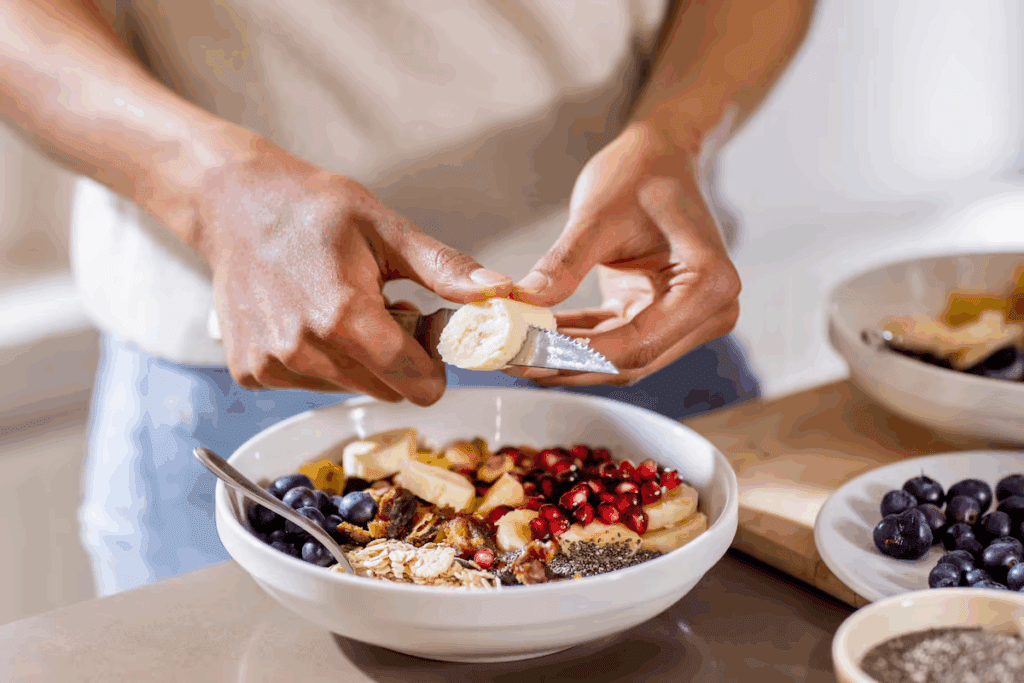
Knowing about the Stage 2 diet is key for those who’ve had gastric bypass surgery. It’s a big part of their recovery. This stage is a major step towards healing and getting used to new eating habits.
What Defines Stage 2 of the Bariatric Diet
Stage 2 starts with solid foods after a liquid diet. Patients eat pureed foods that are full of protein and nutrients. This diet is easy on the stomach, helping it heal while giving the body what it needs.
Timeline: When Stage 2 Typically Begins and Ends
Stage 2 usually starts 2-3 weeks after surgery and lasts 7-14 days. But, it can change based on how fast someone recovers and their doctor’s advice. It’s important to stick to a personal diet plan for a smooth transition.
Why This Stage Is Critical for Recovery
This stage is important because it sets the base for nutrition during recovery. It introduces foods rich in nutrients, helping with healing. It also helps patients get used to new eating habits, which is key for long-term success.
In Stage 2, eating high-protein foods like pureed meats, eggs, and dairy is key. Avoiding foods high in sugar, fat, or hard to digest is also important. This helps avoid complications and ensures a good recovery.
The Purpose and Goals of Stage 2 Dietary Guidelines

Understanding Stage 2 dietary guidelines is key after gastric bypass surgery. They help with healing, avoid complications, and support long-term health and weight loss.
Protecting Your Healing Stomach Pouch
Your stomach pouch is healing in Stage 2. It’s important to eat foods that are easy on your stomach. This includes pureed foods like lean proteins, veggies, and fruits. They’re easy to digest and full of nutrients for healing.
Preventing Complications and Discomfort
The Stage 2 diet aims to prevent nausea, vomiting, and dehydration. Eating bariatric soft food recipes stage 2 and avoiding sugary, fatty, or hard-to-digest foods helps. Also, trying different gastric sleeve food ideas keeps meals interesting and ensures you get all the nutrients you need.
Setting the Foundation for Long-term Success
Following Stage 2 guidelines supports your immediate recovery and sets you up for long-term success. It helps you develop healthy eating habits. These habits are essential for lasting weight loss and better health.
Protein Requirements During Stage 2
During Stage 2, patients need to eat enough protein for healing and health. Protein is key for keeping muscle mass, aiding in healing, and getting needed nutrients.
Why 60-90 Grams of Protein Daily Is Essential
Eating 60-90 grams of protein daily is very important in Stage 2. This amount helps:
- Heal tissues and the stomach pouch
- Keep muscle mass even with less calories
- Feel full and satisfied, avoiding overeating
Getting enough protein is key for a smooth recovery and sets the stage for success after gastric bypass surgery.
Recommended Protein Sources
There are many ways to get enough protein, including:
- Whey protein shakes: These are easy to drink and full of protein.
- Soy protein: Great in shakes or soft foods.
- Egg protein: Eggs are a complete protein and can be pureed.
These sources are highly recommended for their quality and ease of use in Stage 2.
Protein Sources to Avoid
Some proteins are best avoided in Stage 2, like:
- Collagen-based proteins: They might not have the right amino acids for recovery.
Choose proteins that are easy to digest and have all the amino acids you need.
Tracking Your Protein Intake
To hit your daily protein goals, consider:
- Keeping a food diary to track protein.
- Using a protein tracking app.
- Talking to a nutritionist or healthcare provider for advice.
Being consistent is important for meeting your protein needs in Stage 2.
Approved Foods for Your Stage 2 Diet Gastric Bypass Surgery
After gastric bypass surgery, it’s important to know which foods are safe. Your diet should include nutrient-rich, easy-to-digest foods. This helps you heal and adjust to your new stomach size.
Pureed Protein Options
Protein is key in Stage 2. You need 60-90 grams of protein daily for healing. Good pureed protein sources are:
- Whey protein shakes
- Soy protein puree
- Egg white protein mixed with water or broth
These proteins are nutritious and gentle on your stomach during recovery.
Soft Foods That Are Safe to Consume
You can also add soft foods to your diet. These should be easy to chew and gentle on your stomach. Some examples are:
- Mashed bananas
- Soft-cooked eggs
- Greek yogurt
- Cottage cheese
Dairy Products: What’s Allowed and What’s Not
Dairy products are good for protein and calcium. But, choose the right types. Good dairy options are:
- Low-fat yogurt
- Cottage cheese
- Milk (skim or low-fat)
Avoid high-fat dairy to avoid discomfort.
Vegetables and Fruits in Pureed Form
Pureed veggies and fruits are also important. They add vitamins and minerals. Some good options are:
- Pureed peas
- Mashed sweet potatoes
- Applesauce
- Pureed carrots
Listen to your body and adjust your diet if needed. If you feel discomfort or pain, talk to your healthcare provider.
Foods and Beverages to Strictly Avoid
After gastric bypass surgery, it’s key to avoid certain foods and drinks in Stage 2. This helps your stomach heal smoothly. Your diet is very important in preventing problems and aiding in recovery.
High-Sugar Foods and Their Impact
Eating foods high in sugar during Stage 2 can cause dumping syndrome. This leads to nausea, vomiting, diarrhea, and stomach cramps. It’s best to avoid foods like cakes, cookies, and sugary drinks.
Examples of high-sugar foods to avoid:
- Cakes and pastries
- Sugary cereals
- Fruit juices with added sugars
- Sweetened yogurts
Carbonated Beverages and Gas-Forming Foods
Drinks and foods that cause gas can make you feel uncomfortable. It’s wise to steer clear of these to ease stomach strain.
Examples of carbonated beverages and gas-forming foods to avoid:
- Soda and sparkling water
- Beans and cabbage
- Broccoli and cauliflower
- Onions and garlic
Tough Textures and Hard-to-Digest Items
It’s best to avoid foods that are hard to digest. Your stomach is healing, and it needs easy-to-digest foods.
Examples of tough textures and hard-to-digest items to avoid:
| Food Category | Examples |
|---|---|
| Tough meats | Steak, dry chicken |
| Dry foods | Crackers, toast |
| High-fiber foods | Raw vegetables, nuts |
Alcohol and Caffeine Considerations
Alcohol and too much caffeine can upset your stomach. It’s best to limit or avoid them in Stage 2.
Following these dietary guidelines is important for a successful recovery and to avoid complications.
Proper Eating Techniques During Stage 2
Proper eating techniques are key in Stage 2 of gastric bypass surgery recovery. The right eating habits can greatly impact your recovery and success in the long run.
Portion Control: The 1-2 Tablespoon Rule
In Stage 2, controlling portions is vital to avoid overwhelming your stomach. Start with 1-2 tablespoons per meal. This helps manage discomfort and lowers the risk of complications.
Tips for Effective Portion Control:
- Use a small bowl or container to measure your food portions.
- Eat slowly and pause between spoonfuls to assess your hunger and fullness levels.
- Avoid eating in front of screens or while distracted, as this can lead to overeating.
Eating Frequency: Every 3-4 Hours
Eat small, frequent meals every 3-4 hours to keep your nutrition balanced. This schedule helps stabilize your energy and aids in healing.
| Meal Timing | Recommended Foods |
|---|---|
| Breakfast | Pureed protein shakes or soft scrambled eggs |
| Mid-Morning Snack | Plain yogurt or cottage cheese |
| Lunch | Pureed vegetables or soft cooked chicken |
| Mid-Afternoon Snack | Fruit puree or protein smoothie |
| Dinner | Soft cooked fish or pureed lean meat |
Chewing Thoroughly and Eating Slowly
Even with pureed or soft foods, chewing well and eating slowly is important. This reduces the risk of food intolerances and aids in digestion.
Benefits of Slow Eating:
- Enhanced digestion and nutrient absorption.
- Reduced risk of nausea and vomiting.
- Increased satisfaction and reduced hunger.
Separating Food and Fluid Consumption
Separate food and fluid intake to avoid stretching your stomach pouch. Wait 30 minutes after eating before drinking fluids, and don’t drink during meals.
By following these eating techniques in Stage 2, you can improve your recovery and set a strong foundation for long-term success after gastric bypass surgery.
Hydration Guidelines and Importance
During Stage 2 of your recovery, it’s key to stay hydrated. After gastric bypass surgery, your body might not process fluids the same way. So, it’s important to follow certain hydration guidelines.
Daily Fluid Requirements
Most patients need to drink at least 64 ounces (2 liters) of fluid each day. But, your needs might change based on how active you are. Check your urine to see if it’s pale yellow or clear. This means you’re drinking enough water.
Best Types of Fluids to Consume
Choosing the right fluids is important after bariatric surgery. Water is best, but you can also have:
- Low-sugar sports drinks
- Clear broths
- Herbal teas
Stay away from drinks with lots of sugar or caffeine. They can make you feel bad or dehydrated.
Signs of Dehydration to Watch For
Dehydration is serious, so watch for signs early. Look out for:
- Dizziness or feeling lightheaded
- Dark or thick urine
- Feeling tired or weak
- Dry mouth or throat
If you notice these signs, drink more water. If they don’t go away, talk to your doctor.
Tips for Meeting Hydration Goals
Here are some tips to help you stay hydrated:
- Always carry a water bottle with you
- Drink fluids at set times during the day
- Check your urine color to see if you’re drinking enough
- Drink slowly to avoid discomfort
By following these tips and listening to your body, you can have a smoother recovery in Stage 2.
Essential Supplements in Stage 2
As you move into Stage 2 of your gastric bypass surgery recovery, knowing about nutritional supplements is key. Your body needs extra nutrients to heal and stay healthy.
Nutritional Needs and Multivitamin Requirements
After gastric bypass surgery, your body can’t absorb nutrients as well. Taking a multivitamin is vital to fill any gaps. We suggest a daily multivitamin made for post-bariatric surgery patients.
Key Considerations for Multivitamins:
- Make sure it has iron, folate, and other important vitamins and minerals.
- Go for a chewable or liquid multivitamin in Stage 2.
- Talk to your healthcare provider to pick the right multivitamin.
Calcium and Vitamin D Supplementation
Calcium and vitamin D are key for bone health after gastric bypass surgery. We stress the need for enough calcium and vitamin D to avoid deficiencies.
Recommended Daily Intake:
- Calcium: 500-700 mg
- Vitamin D: 2000-3000 IU
It’s important to talk to your healthcare provider about the best supplement plan for you.
Vitamin B12 and Other Micronutrients
Vitamin B12 deficiency is common after gastric bypass surgery because of reduced absorption. We recommend regular vitamin B12 supplementation, often through injections or sublingual tablets.
Other important micronutrients include:
- Vitamin B complex
- Magnesium
- Zinc
Your healthcare provider will help you figure out the right dosages and forms of these supplements.
Creating a Supplement Schedule
Creating a schedule for your supplements is very helpful. Here are some tips:
- Use reminders on your phone or a visible pill box.
- Link your supplement intake to daily routines, like meal times.
- Keep a log to track your supplements and any side effects.
By following these tips and talking to your healthcare provider, you can meet your nutritional needs in Stage 2.
“The key to a successful recovery after gastric bypass surgery is not just about the surgery itself, but also about the careful management of your nutritional intake and supplementation.” – Expert in Bariatric Care
Sample Meal Plans for Stage 2 Recovery
Knowing what to eat in Stage 2 recovery is key. A meal plan tailored just for you can make it easier. We’ll show you meal plans for early and late Stage 2. This will help you make smart food choices.
Day 1-3: Early Stage 2 Meal Ideas
In the first days of Stage 2, eat foods that are easy on your stomach. Good choices include:
- Pureed Chicken with broth
- Greek Yogurt mixed with pureed fruits
- Smooth protein shakes
These foods are packed with nutrients and help avoid discomfort.
Day 4-7: Mid-Stage 2 Meal Progression
As you move into mid-Stage 2, you can try thicker purees and soft foods. Try these:
- Mashed bananas with almond milk
- Pureed vegetables like carrots and green beans
- Soft-cooked eggs
Chew well and eat slowly to help with digestion.
Day 8-14: Late Stage 2 Meal Options
In late Stage 2, you can eat a variety of soft foods and thicker purees. Consider:
- Cottage cheese
- Pureed meats like beef or turkey
- Soft fruits like avocados
Drink plenty of water and don’t mix it with meals.
Recipes for Bariatric-Friendly Pureed Foods
Making bariatric-friendly pureed foods at home is easy and healthy. Here’s a simple recipe:
“Combine cooked chicken breast, low-sodium chicken broth, and a hint of salt in a blender. Blend until smooth and creamy, adjusting the consistency as needed with more broth.”
By following these meal plans and recipes, you’re on the path to a successful Stage 2 recovery. This will help you stay healthy in the long run.
Troubleshooting Common Stage 2 Challenges
After gastric bypass surgery, patients often face various difficulties during Stage 2. These include nausea, constipation, and fatigue related to protein shakes. Understanding how to manage these challenges is key for a successful recovery.
Dealing with Nausea and Vomiting
Nausea and vomiting are common issues during Stage 2. To manage these symptoms, eat small, frequent meals. Avoid foods high in sugar or fat. Drinking fluids between meals, not with meals, can also help reduce nausea. If vomiting persists, contact your healthcare provider for guidance.
- Eat slowly and chew food thoroughly
- Avoid carbonated beverages
- Choose bland foods if spicy or strong-tasting foods cause nausea
Managing Constipation
Constipation can occur due to changes in diet and reduced food intake. To manage constipation, ensure you’re drinking enough fluids. Consider incorporating pureed fruits and vegetables into your diet. If constipation persists, your healthcare provider may recommend a gentle laxative or stool softener.
“Adequate hydration is key to preventing constipation after bariatric surgery.” – Bariatric Care Specialist
Addressing Protein Shake Fatigue
Some patients experience fatigue when consuming protein shakes. This might be due to the rapid absorption of protein. To address this, try switching to a different type of protein powder or adjusting the amount consumed at one time. Ensure you’re getting enough rest and staying hydrated.
| Symptom | Potential Solution |
|---|---|
| Nausea and Vomiting | Eat small, frequent meals; avoid high sugar and fat foods |
| Constipation | Increase fluid intake; incorporate pureed fruits and vegetables |
| Protein Shake Fatigue | Switch protein powder type or adjust consumption amount |
When to Contact Your Healthcare Provider
If you experience persistent or severe symptoms such as vomiting, constipation, or fatigue, contact your healthcare provider. They can provide personalized guidance and support to help you navigate these challenges.
Conclusion: Preparing for Transition to Stage 3
As we near the end of Stage 2 after gastric bypass surgery, it’s time to prepare for Stage 3. This phase means adding more varied and textured foods to your diet. We’ll help you move forward, building on what you’ve learned in Stage 2.
Getting ready for Stage 3 needs careful planning and watching how your body reacts to new foods. You’ll keep eating protein-rich foods and start with softer solids. It’s important to see how your body handles different textures. Understanding this stage is key for your long-term health and nutrition.
By following the advice from earlier, you’ve set a strong base for recovery. Keep focusing on your nutritional needs, drink plenty of water, and listen to your body. Your healthcare team will be there to support you as you make this transition.
FAQ
What is the Stage 2 diet after gastric bypass surgery?
The Stage 2 diet comes after the clear liquid diet. It introduces soft, pureed foods. These foods help the stomach heal and prepare for solid foods.
When does Stage 2 typically begin and end?
Stage 2 starts a few days after surgery. It begins when you can handle clear liquids. It usually lasts one to two weeks, based on how well you recover.
What are the primary objectives of the Stage 2 dietary guidelines?
The main goals are to protect the stomach, prevent problems, and help with weight loss and health.
How much protein should I consume daily during Stage 2?
You should eat 60-90 grams of protein daily. This helps with healing and keeps muscle mass.
What are good sources of protein during Stage 2?
Good protein sources are whey, soy, and egg products. They are easy to digest and have the right amino acids.
What foods should I avoid during Stage 2?
Avoid high-sugar foods, carbonated drinks, tough textures, and hard-to-digest items. They can cause discomfort and problems.
How should I eat during Stage 2?
Eat small meals often, chew well, and don’t drink fluids with meals. This helps with digestion and comfort.
How much fluid should I consume daily during Stage 2?
Aim for 64 ounces of fluid daily. This keeps you hydrated and supports healing.
What are the signs of dehydration during Stage 2?
Signs of dehydration are dark urine, dizziness, headaches, and dry mouth. If you see these, drink more and talk to your doctor.
What supplements are necessary during Stage 2?
You need multivitamins, calcium, vitamin D, and vitamin B12. They help meet your nutritional needs and prevent deficiencies.
Can I have tomatoes after gastric sleeve surgery?
You can have tomatoes in pureed form during Stage 2. But watch how your body reacts and adjust as needed.
What are some bariatric-friendly pureed food recipes?
Try pureed chicken, fish, or veggies. You can also use protein shakes or other nutrient-rich ingredients in your recipes.
How do I manage common challenges like nausea and constipation during Stage 2?
To manage nausea and constipation, adjust your diet, stay hydrated, and use medication or supplements as advised by your doctor.
What can I expect when transitioning to Stage 3?
Stage 3 introduces solid foods. Keep following your diet and doctor’s advice to smoothly transition and achieve long-term success.
References
Government Health Resource. Evidence-Based Medical Guidance. Retrieved from https://www.kelsey-seybold.com/medical-services-and-specialties/bariatric-surgery/post-surgery-nutrition/stage-2