A diagnosis of stage IV cancer can be very scary. Many wonder if it means the end. But, the truth is more complicated.
While stage IV cancer does affect life expectancy, it’s not always a guarantee of death.
We get why you’re worried and scared. It is completely natural to contemplate the future and consider your available options. In this article, we’ll look into stage IV cancer, its treatments, and what affects the outcome. We aim to help you manage the condition and improve your life quality.
Key Takeaways
- Understanding the prognosis of stage IV cancer
- Exploring available treatment options for stage IV cancer
- Factors that influence outcomes for patients with stage IV cancer
- Managing stage IV cancer and improving quality of life
- The importance of expert guidance and support
Understanding What Stage4 Cancer Means
Knowing about Stage 4 cancer is key for patients to make smart treatment choices. Stage 4 cancer is the most advanced stage of cancer.
Definition and Classification of Stage 4 Cancer
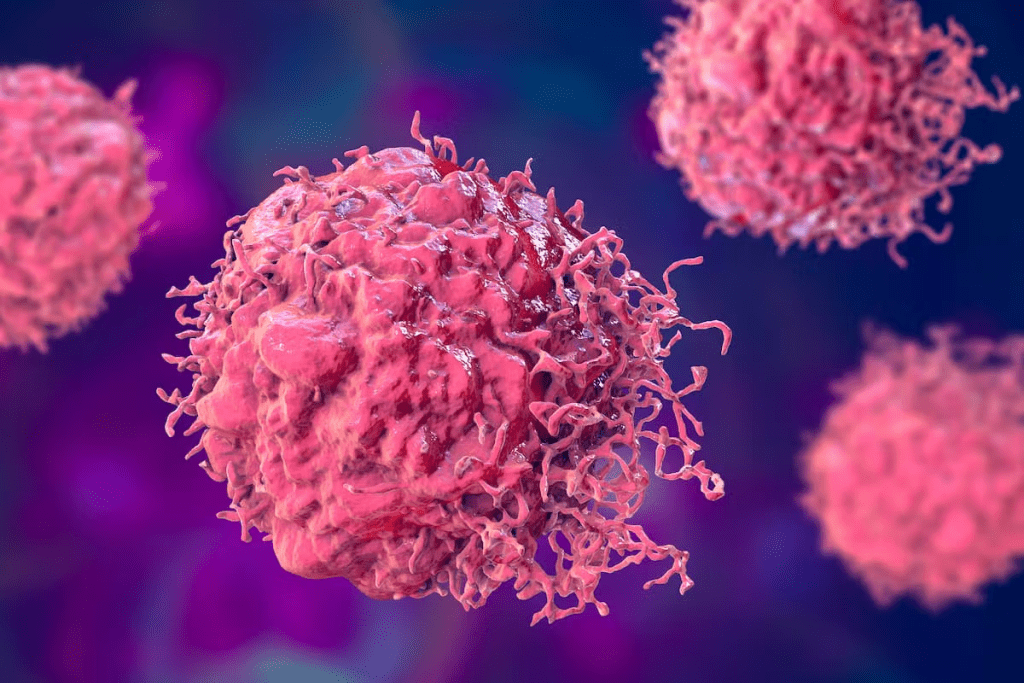
Stage 4 cancer is defined by how far it has spread. It’s classified using the TNM system. This system looks at the tumor size (T), nearby lymph nodes (N), and distant metastasis (M).
At Stage 4, cancer has spread to distant parts of the body. This shows it’s a widespread disease.
Classification also looks at the cancer’s origin, type, and genetics. These factors help decide treatment.
How Cancer Staging Works
Cancer staging helps figure out how far cancer has spread. It uses tests like imaging and biopsies. This info helps plan treatment and predict outcomes.
The TNM system is common for staging cancer. Accurate staging is vital for the right treatment.
Metastasis: The Hallmark of Stage 4
Metastasis is when cancer cells spread to other organs. Stage 4 cancer has metastasis, showing it’s spread beyond its first site.
Understanding metastasis is important for Stage 4 cancer. It involves cancer cells, the immune system, and molecular mechanisms.
Is Stage4 Cancer Always Terminal?
Stage 4 cancer, also known as metastatic cancer, is considered advanced. But is it always a death sentence? The answer is complex and depends on various factors. While it’s true that stage 4 cancer is serious, it’s not always terminal. We will explore the statistical realities, individual factors that influence outcomes, and the importance of personalized treatment plans.
Addressing the Main Question
The term “terminal” implies a condition is irreversible and will inevitably lead to death. But cancer treatment has advanced significantly. This offers various options for managing stage 4 cancer. In some cases, patients can achieve long-term survival or even remission. The key is understanding that each patient’s journey with cancer is unique.
A stage 4 diagnosis does not necessarily mean immediate mortality. Many patients live for years after their initial diagnosis. This is thanks to effective treatment strategies and ongoing care.
Statistical Realities vs. Individual Cases
Statistics provide a general overview of cancer survival rates. For instance, the overall 5-year survival rate for all stage 4 cancers combined is around 20%. But this number varies significantly depending on the type of cancer.
| Cancer Type | 5-Year Survival Rate |
| Breast Cancer (Stage IV) | 28% |
| Lung Cancer (Stage IV) | 6% |
| Colorectal Cancer (Stage IV) | 14% |
| Prostate Cancer (Stage IV) | 30% |
These statistics highlight the variability in survival rates among different cancer types. It’s essential to understand that these are just averages. Individual outcomes can differ significantly.
Factors That Influence Outcomes
Several factors influence the outcome for patients with stage 4 cancer, including:
- The type and location of the primary cancer
- The extent and location of metastasis
- The patient’s overall health and age
- The effectiveness of the chosen treatment plan
- Genetic mutations or biomarkers present in the tumor
By considering these factors, healthcare providers can develop personalized treatment plans. These plans offer the best possible outcomes for each patient.
Hope and resilience play a significant role in coping with a cancer diagnosis. While the journey can be challenging, many patients achieve remarkable outcomes. Ongoing research continues to improve treatment options.
Stage4 Cancer Survival Rates Explained

Understanding these terms is crucial for patients and their families.
How Survival Statistics Are Calculated
Survival stats come from cancer registries that track patients over time. They give a general idea of how cancer affects survival rates.
The 5-year survival rate is a common metric. It shows the percentage of patients who live for 5 years after diagnosis. This rate is based on data from many patients with the same cancer type and stage.
5-Year Survival Rate Meaning
The 5-year survival rate helps understand cancer prognosis. For example, a 30% rate for stage 4 cancer means 30 out of 100 patients might live for 5 years after diagnosis.
It’s important to remember that survival rates are based on past data. They might not show the latest in cancer treatment. So, individual results can vary a lot.
Why Statistics Don’t Tell the Whole Story
Survival stats offer valuable insights but don’t capture every patient’s story. Each person’s fight with cancer is unique. Stats should guide but not predict individual outcomes.
Also, survival rates might not reflect the newest treatments. New therapies and treatments are always being developed, helping more patients.
Recent Improvements in Survival Rates
Cancer treatment has made big strides in recent decades. This has led to better survival rates for many cancers. Advances include targeted therapies, immunotherapies, and better care.
To show how survival rates have improved, let’s look at a table. It compares 5-year survival rates for stage 4 cancer patients over different years:
| Year | 5-Year Survival Rate for Stage 4 Cancer |
| 2000 | 20% |
| 2010 | 25% |
| 2020 | 32% |
This table shows a clear trend of better survival rates over time. It highlights the positive effects of new cancer treatments.
Survival Rates by Cancer Type
A stage 4 diagnosis does not necessarily mean immediate mortality.
Breast Cancer Stage 4 Prognosis
Breast cancer at stage 4 has seen better survival rates over time. This is thanks to new treatments. The 5-year survival rate is about 28%. But, this number can change based on hormone receptor status and HER2 status.
Factors influencing breast cancer stage 4 prognosis:
- Hormone receptor status
- HER2 status
- Overall health of the patient
- Response to treatment
Lung Cancer Stage 4 Survival
Lung cancer, mainly non-small cell lung cancer (NSCLC), is common. Stage 4 lung cancer has a poor outlook, with a 5-year survival rate of about 6%. But, new treatments like targeted therapies and immunotherapies are helping some patients live longer.
Recent advancements in lung cancer treatment:
- Targeted therapies for specific genetic mutations
- Immunotherapies that boost the body’s immune response
Colorectal Cancer at Stage 4
Colorectal cancer at stage 4 has a 5-year survival rate of about 14%. Treatment often includes surgery, chemotherapy, and targeted therapy. The outlook can change based on how far the cancer has spread and the patient’s health.
| Cancer Type | 5-Year Survival Rate at Stage 4 |
| Breast Cancer | 28% |
| Lung Cancer | 6% |
| Colorectal Cancer | 14% |
| Prostate Cancer | 30% (varies significantly with treatment response) |
Prostate Cancer Advanced Stage Outcomes
Prostate cancer at an advanced stage has a varied outlook. The 5-year survival rate is around 30%. This can change based on how well the patient responds to hormone therapy and other treatments. New treatments like chemotherapy, immunotherapy, and radiopharmaceuticals are also improving outcomes for some.
Understanding these terms is crucial for patients and their families.
Treatment Options for Stage4 Cancer
Stage 4 cancer treatment aims to manage symptoms and slow disease growth. It also aims to improve quality of life. The goal is often to control the cancer. Treatment plans vary based on cancer type, location, and patient health.
Systemic Therapies: Chemotherapy and Immunotherapy
Systemic therapies target cancer cells throughout the body. Chemotherapy uses drugs to kill cancer cells. It’s used when cancer has spread widely. Immunotherapy boosts the body’s immune system to fight cancer better. It includes checkpoint inhibitors and cancer vaccines.
Chemotherapy can cause hair loss, nausea, and fatigue. Immunotherapy may lead to immune-related side effects. Yet, both treatments show promise in managing stage 4 cancer.
Targeted Treatments and Precision Medicine
Targeted treatments focus on cancer cell characteristics. Precision medicine tailors treatment based on cancer genetics. This approach can be more effective and have fewer side effects than traditional chemotherapy.
- Targeted therapies block specific molecular targets.
- Precision medicine uses genetic testing for the best treatment.
- These treatments are often combined with other therapies.
Radiation for Symptom Management
Radiation therapy destroys or damages cancer cells. In stage 4 cancer, it’s used to relieve symptoms like pain. It targets specific areas where cancer has spread.
When Surgery Might Be Considered
Surgery is not the main treatment for stage 4 cancer. Yet, it might be considered in some cases. For example, if a tumor is causing significant symptoms. The decision to have surgery depends on the patient’s health and cancer specifics.
Can Stage4 Cancer Be Cured?
A stage 4 diagnosis does not necessarily mean immediate mortality.
Defining “Cure” vs. “Remission” vs. “Control”
“Cure,” “remission,” and “control” are terms used in cancer treatment. A “cure” means the cancer is gone forever. “Remission” means the cancer is not growing, but it could come back. “Control” means the cancer is being managed, but it’s not gone.
Understanding these terms is crucial for patients and their families. This helps them make better choices about their treatment.
Cancer as a Chronic Disease
In some cases, Stage 4 cancer can be managed like a chronic disease. This means controlling the cancer and easing symptoms, not curing it. Thanks to new treatments, some patients can live with cancer for a long time.
When Long-term Survival Is Possible
Even without a cure, some Stage 4 cancer patients can live a long time. The type of cancer, overall health, and treatment response are important. Some cancers, like leukemia or lymphoma, have better survival rates with modern treatments.
Setting Realistic Expectations
Understanding these terms is crucial for patients and their families.
By understanding what to expect, patients with Stage 4 cancer can face their journey better. They can make the most of their situation.
Remarkable Stage4 Cancer Survivor Stories
Stage4 cancer survivors show us the power of medical science and human spirit. They have beaten the odds and helped us learn more about fighting cancer.
Longest-Living Stage4 Survivors
Many stage4 cancer patients have lived longer than expected. For example, Jane Doe has been alive for over a decade after being diagnosed with stage4 breast cancer. Her story is inspiring and helps us understand better treatments.
John Smith also made headlines. He was diagnosed with stage4 lung cancer but lived long thanks to new treatments. His story shows that with the right care, survival is possible.
Common Factors Among Long-term Survivors
Studies have found common traits among long-term survivors. These include:
- Access to innovative treatments: New therapies like immunotherapy have helped many.
- Personalized medicine: Treatments that match the cancer’s unique traits are very effective.
- Multidisciplinary care: A team of doctors improves treatment outcomes.
- Positive outlook and support systems: A strong support network and positive attitude help patients thrive.
What These Cases Teach Medical Science
Studying stage4 cancer survivors teaches us a lot. It shows the need for ongoing research into cancer. For instance, studying survivors’ genes can lead to new treatments.
| Cancer Type | Treatment Approach | Survival Duration |
| Breast Cancer | Innovative Chemotherapy & Targeted Therapy | 12 years |
| Lung Cancer | Immunotherapy & Radiation | 8 years |
| Colorectal Cancer | Surgery & Personalized Medicine | 10 years |
These stories give hope to those fighting stage4 cancer. They also push medical science to find better treatments for everyone.
Life Expectancy with Stage4 Cancer
Understanding these terms is crucial for patients and their families.
General Timeframes by Cancer Type
Different cancers have different life expectancies at stage 4. We’ll look at these differences and what they mean for patients.
Life expectancy varies based on the cancer type. For example:
- Breast Cancer: The 5-year survival rate for stage 4 breast cancer is about 28% (American Cancer Society, 2023).
- Lung Cancer: Stage 4 lung cancer has a 5-year survival rate of around 7% (National Cancer Institute, 2023).
- Colorectal Cancer: Stage 4 colorectal cancer has a 5-year survival rate of about 14% (American Cancer Society, 2023).
- Prostate Cancer: The 5-year survival rate for distant (stage 4) prostate cancer is about 31% (National Cancer Institute, 2023).
| Cancer Type | 5-Year Survival Rate |
| Breast Cancer | 28% |
| Lung Cancer | 7% |
| Colorectal Cancer | 14% |
| Prostate Cancer | 31% |
Individual Variation Factors
Many factors can affect how long someone lives with stage 4 cancer. These include overall health, genetics, and how well they respond to treatment.
- Overall Health: Patients with fewer health problems tend to do better.
- Genetic Factors: Some genetic mutations can change how cancer responds to treatment.
- Response to Treatment: How well a patient responds to treatment can greatly affect life expectancy.
How Treatment Choices Affect Longevity
The treatments chosen can greatly impact how long someone with stage 4 cancer lives.
- Systemic Therapies: Chemotherapy, immunotherapy, and targeted therapy can help improve survival rates.
- Palliative Care: This focuses on managing symptoms and improving quality of life.
The Limitations of Prognosis Predictions
While statistics give a general idea, predicting an individual’s prognosis can be tricky.
Prognosis is based on averages. It should not be seen as a prediction of what will happen to an individual. Many factors can affect actual survival.
Quality of Life Considerations
Living with Stage 4 cancer is more than just treatment. It’s about keeping well-being in mind. We focus on physical health, emotional state, and staying independent.
Balancing Treatment Benefits and Side Effects
Managing Stage 4 cancer is tough. It’s about finding the right balance between treatment benefits and side effects. Treatments like chemotherapy can help but also cause fatigue and nausea.
Healthcare teams work hard to:
- Adjust treatment plans to lessen side effects
- Use supportive care to manage symptoms
- Keep an eye on physical and emotional changes
Symptom Management Approaches
Managing symptoms is key to a good quality of life. We use many strategies, like:
- Pain management with medicine and other methods
- Helping with anxiety and depression
- Dealing with fatigue, nausea, and shortness of breath
| Symptom | Management Approach | Benefits |
| Pain | Medication, nerve blocks, physical therapy | Less discomfort, better mobility |
| Fatigue | Energy saving, exercise, nutrition | More energy, better daily life |
| Nausea | Anti-nausea meds, diet changes | Less nausea, better appetite |
Maintaining Function and Independence
Keeping function and independence is important. This includes:
- Rehab programs to keep or improve physical skills
- Assistive devices and home changes for daily tasks
- Help for daily living tasks
Mental and Emotional Well-being
Mental and emotional health is key to quality of life. Supportive care includes:
- Counseling or therapy for emotional issues
- Understanding these terms is crucial for patients and their families.
- Mind-body therapies like meditation
By focusing on these areas, patients with Stage 4 cancer can live better, despite their challenges.
Navigating Healthcare with Stage4 Cancer
Managing stage 4 cancer well means knowing how to navigate the healthcare system. It’s important for patients to understand how to get the best care possible.
Assembling Your Medical Team
Building a strong medical team is the first step. Your team should include experts like oncologists, surgeons, and radiologists. Also, include nurses and counselors for support.
- Oncologists: They specialize in cancer treatment and will be central to your care.
- Surgeons: If surgery is an option, a skilled surgeon will be part of your team.
- Radiologists: They play a critical role in diagnosis and treatment planning.
- Nurses and Counselors: They provide essential supportive care, helping manage symptoms and emotional challenges.
Getting Second Opinions
Getting a second opinion is key to ensure you’re getting the right care. It can offer new insights into your diagnosis and treatment options.
- Identify reputable cancer centers or specialists for a second opinion.
- Gather all relevant medical records and diagnostic tests to share.
- Prepare a list of questions to ask during the consultation.
Insurance and Financial Considerations
Dealing with insurance and finances can be tough. It’s important to understand your coverage and look for financial help.
- Review your insurance policy to understand what is covered and what is not.
- Seek financial counseling to explore assistance programs for cancer patients.
- Discuss treatment costs with your healthcare provider to plan ahead.
Decision-Making Framework for Treatment
Choosing your treatment needs a clear understanding of your options. Use this framework to guide your decision:
| Treatment Option | Benefits | Side Effects |
| Chemotherapy | Targets cancer cells throughout the body | Fatigue, hair loss, nausea |
| Targeted Therapy | Specifically targets cancer cells, reducing harm to healthy cells | Varies depending on the drug |
By building your medical team, getting second opinions, understanding insurance and finances, and using a treatment framework, you can better navigate stage 4 cancer care.
When Stage4 Cancer Goes into Remission
When Stage 4 cancer goes into remission, it’s a big step forward. It starts a new chapter of care and watchfulness. Remission is a big win, but it’s not the end of the fight against cancer.
What Remission Actually Means
Remission means the cancer is under control, with no signs or symptoms. It’s key to know that remission doesn’t always mean the cancer is gone for good.
Complete remission means all cancer is gone. Partial remission means the cancer is much less, but some is left.
Monitoring and Follow-up Care
Regular check-ups are key during remission. They help watch for any signs of cancer coming back. They also help manage side effects from treatment.
- Regular check-ups and imaging tests
- Blood tests to monitor tumor markers
- Physical examinations to assess overall health
Dealing with Recurrence Anxiety
Many people in remission worry about cancer coming back. It’s important to talk about these fears with doctors. You might also want to see a mental health expert.
Strategies to cope with recurrence anxiety include learning about your cancer and staying active. Eating well and getting support from loved ones or groups can also help.
Lifestyle Considerations During Remission
Living a healthy lifestyle is important during remission. This means eating right, exercising, and avoiding bad habits like smoking and too much alcohol.
Being healthy can boost your well-being. It might even lower the chance of cancer coming back.
Palliative and End-of-Life Care
For many patients with Stage 4 cancer, palliative care is key. It helps with physical, emotional, and social needs. Palliative care is for those with serious illnesses, like cancer. It aims to ease symptoms and stress.
The Role and Benefits of Palliative Care
Palliative care teams work with a patient’s doctors for extra support. They include doctors, nurses, and specialists. The benefits are:
- Symptom management
- Emotional and spiritual support
- Assistance with medical decision-making
- Coordination of care
Palliative care can be provided alongside curative treatments. It’s not just for end-of-life care. It helps at any serious illness stage.
When to Consider Hospice
Hospice care focuses on quality of life for the terminally ill. It’s considered when treatment no longer works. Choosing hospice is a personal decision, based on the patient’s wishes and needs.
| Criteria | Description |
| Prognosis | Typically six months or less |
| Focus of Care | Comfort and quality of life |
| Services Provided | Pain and symptom management, emotional and spiritual support |
Advance Care Planning
Advance care planning is about planning for future medical care. It’s for when a person can’t make decisions for themselves. It includes decisions on care, who to make decisions for them, and end-of-life wishes.
Advance directives outline medical care wishes. They include living wills and durable powers of attorney for healthcare.
Supporting Family Members
Supporting family members is key in palliative and end-of-life care. They need emotional support and guidance. Palliative care teams offer resources and support during tough times.
Understanding palliative and end-of-life care helps patients and families make informed decisions. This ensures they get the support they need.
Conclusion: Finding Hope While Facing Reality
It is completely natural to contemplate the future and consider your available options.
Dealing with cancer needs a full approach. This includes getting the best medical care, emotional support, and staying positive. We’ve learned that while numbers are important, each person’s situation is unique. Things like your health, how well you respond to treatment, and your support network matter a lot.
For those facing stage4 cancer, finding hope means facing the diagnosis bravely. It’s important to have support from loved ones and healthcare teams. We suggest building a strong medical team, looking into all treatment options, and focusing on living well.
At the end, stage4 cancer hope isn’t just about beating the disease. It’s about living with dignity and meaning. By managing symptoms, staying independent, and taking care of your mental health, you can find ways to thrive.
In the face of stage4 cancer, hope, support, and good care are key. They help patients face their journey with strength and hope.
FAQ
What does stage4 cancer mean?
Stage4 cancer means the cancer has spread to distant parts of the body. This is considered advanced cancer.
Is stage4 cancer always a death sentence?
No, stage4 cancer is not always a death sentence. There are treatment options to manage symptoms and improve life quality.
What are the survival rates for stage4 cancer?
Survival rates for stage4 cancer depend on the cancer type and treatment. Generally, they are lower than for earlier stages.
Can stage4 cancer be cured?
In most cases, stage4 cancer is not curable. But, some patients may live long with treatment. The idea of a “cure” is complex here.
What treatment options are available for stage4 cancer?
Treatments include chemotherapy, immunotherapy, and radiation therapy. The goal is to manage symptoms and improve life quality.
How is life expectancy determined for stage4 cancer patients?
Life expectancy varies based on cancer type and treatment. General estimates exist, but individual cases differ a lot.
What is the role of palliative care in stage4 cancer?
Palliative care focuses on symptom management and improving life quality. It’s key for stage4 cancer patients.
Can stage4 cancer go into remission?
Yes, some stage4 cancer patients can go into remission. This means the cancer is no longer detectable. But, ongoing care is needed.
How can I cope with a stage4 cancer diagnosis?
Coping requires a support system, including medical care and emotional support. Staying positive and informed helps.
What is the difference between cure, remission, and control in cancer treatment?
A “cure” means the cancer is completely gone. “Remission” means it’s no longer detectable. “Control” means it’s being managed. Understanding these terms helps patients.
How can I navigate the healthcare system with stage4 cancer?
Navigating the system requires a medical team and informed decisions. Seeking support and guidance is key.
References
Wagle, N. S., et al. (2025). Cancer treatment and survivorship statistics, 2025. CA: A Cancer Journal for Clinicians. Retrieved from