
Severe kidney damage is a hallmark of Stage 4 kidney disease. At this stage, the kidneys have lost about 70 to 85 percent of their function. It’s vital to understand the treatment options to manage the condition and improve life quality.
Getting a diagnosis of advanced kidney disease can be scary. But, new treatments offer real hope for slowing the disease. With the help of a dedicated kidney specialist, patients can explore different treatments. These include medical management, dietary changes, and lifestyle adjustments.
Managing chronic kidney disease at this stage needs a detailed approach. Our aim is to give patients the tools and support they need. This way, they can successfully navigate their treatment journey.
Key Takeaways
- Stage 4 kidney disease represents severe kidney damage.
- Emerging treatment strategies can slow disease progression.
- A detailed treatment plan includes medical management, dietary changes, and lifestyle modifications.
- Working with a dedicated kidney specialist is key for effective management.
- Understanding treatment options can improve quality of life for patients.
What Is Stage 4 Kidney Disease?

Stage 4 kidney disease means your kidneys don’t work well. They have a glomerular filtration rate (GFR) between 15-29 mL/min/1.73 m squared. This means your kidneys can’t filter out toxins as they should.
Definition and GFR Levels
CKD stage 4 is when your kidneys are badly damaged. The GFR shows how well your kidneys work. A GFR of 15-29 ml/min means your kidneys are failing badly.
Prevalence in the United States
CKD is common in the U.S. About 37 million adults have it. Many of them reach Stage 4. Knowing this helps us plan better for healthcare and talk more about kidney health.
Extent of Kidney Damage at Stage 4
At Stage 4, your kidneys are very damaged. You might feel tired, weak, and have swelling. You might also have trouble breathing and changes in how you pee.
This damage needs careful medical care. Doctors work hard to slow the disease and manage its effects.
Managing Stage 4 kidney disease takes a team effort. Doctors, dietitians, and others help. They create plans that fit each patient, aiming to slow the disease and improve life quality.
Is Stage 4 Kidney Disease Reversible?
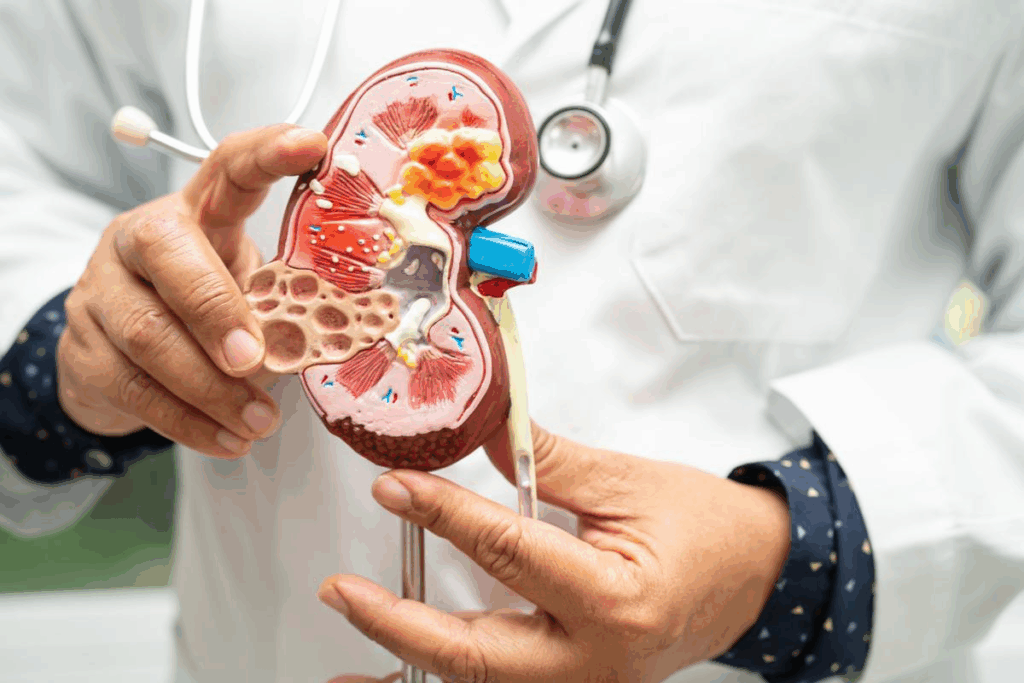
To understand if Stage 4 kidney disease can be reversed, we need to look at the damage and treatment options. While some kidney damage can’t be fixed, treatments can slow or stop further harm.
The Reality of Kidney Damage
At Stage 4, kidney disease is severe, with a big loss of function. The kidneys are badly damaged, making it hard for the body to work right. The damage is usually permanent, but early action can slow it down.
Goals of Treatment
The main aim of treatment is to slow the disease and handle any problems it causes. This includes medicines, changes in lifestyle, and diet. These steps can help keep kidney failure at bay.
Slowing Progression vs. Reversal
Reversing kidney damage is rare, but slowing the disease is a key goal. Treatments can keep kidneys working longer. This improves life quality and might avoid dialysis or transplant.
Common Symptoms of Stage 4 Kidney Disease
When kidneys start to fail at Stage 4, patients face many symptoms. These can really change how they live their lives. Symptoms affect different parts of health and daily activities.
Physical Manifestations
People with Stage 4 kidney disease often feel severe fatigue. They might also have nausea, vomiting, or trouble sleeping. Changes in how they urinate and swelling in hands and feet are common too.
They might get muscle cramps, itchy skin, or find it hard to breathe. These symptoms can make everyday tasks hard.
Laboratory Abnormalities
Lab tests show signs like elevated creatinine levels, anemia, and imbalances in electrolytes. These signs can make symptoms worse and affect overall health.
Impact on Daily Functioning
The symptoms of Stage 4 kidney disease can really affect daily life. It’s hard to do simple things and stay independent.
Symptom | Description | Impact on Patient |
Fatigue | Persistent feeling of tiredness | Reduces ability to perform daily tasks |
Swelling | Fluid retention causing swelling in hands and feet | Discomfort and reduced mobility |
Shortness of Breath | Difficulty breathing due to fluid buildup | Reduces physical activity and quality of life |
Diagnosing and Monitoring Stage 4 Kidney Disease
To diagnose Stage 4 kidney disease, doctors use blood tests, urine tests, and look at your medical history. It’s key to catch and track this disease to manage it well and slow it down.
eGFR Testing
The eGFR test is a blood test that checks how well your kidneys work. It shows how well your kidneys filter waste. A low eGFR means your kidneys aren’t working right, which is a sign of Stage 4 kidney disease. “The eGFR test is a cornerstone in diagnosing and monitoring kidney disease,” as it provides a quantitative measure of kidney function.
Urine Albumin Measurements
Urine albumin measurements are also vital. Albumin is a protein that healthy kidneys keep in the blood. If kidneys are damaged, albumin can leak into the urine. Finding albumin in the urine (albuminuria) means your kidneys are damaged. Testing for albumin regularly helps see how bad the damage is and if treatments are working.
Regular Monitoring Protocols
Keeping an eye on Stage 4 kidney disease is key. This means regular eGFR tests, urine albumin measurements, and other tests for issues like anemia, bone disease, and imbalances in electrolytes. It’s best to work with a healthcare provider to create a monitoring plan that fits you. As a leading nephrology expert says, “Regular monitoring and timely interventions can significantly improve the quality of life for patients with Stage 4 kidney disease.”
Medical Management of Stage 4 Kidney Disease
To manage Stage 4 kidney disease, doctors use many strategies. These help slow down the disease. It’s key to delay kidney failure and handle related problems.
Blood Pressure Control
Keeping blood pressure in check is very important. High blood pressure can harm the kidneys more. So, we aim to keep it at a safe level.
We use medicines like ACE inhibitors and ARBs. They help by reducing kidney pressure.
Managing Complications
Handling complications is also critical. These can include anemia, bone issues, and acid imbalance. We treat these with different medicines.
For anemia, we use erythropoietin. Vitamin D helps with bone health. Sodium bicarbonate treats acid imbalance.
Complication | Management Strategy | Medications Used |
Anemia | Erythropoietin therapy | Erythropoietin |
Bone Disease | Vitamin D supplementation | Vitamin D |
Metabolic Acidosis | Sodium bicarbonate therapy | Sodium bicarbonate |
By managing blood pressure and complications, we can slow the disease. This improves patients’ lives a lot.
Blood Sugar Control for Diabetic Patients
Diabetic patients with stage 4 kidney disease must focus on controlling their blood sugar. This helps slow down the disease’s progress. It also keeps their kidneys working better and lowers the chance of serious problems.
Importance of Glycemic Control
Keeping blood sugar levels in check is key for those with stage 4 kidney disease. Glycemic control slows kidney disease and lowers heart disease risks. The American Diabetes Association suggests aiming for an HbA1c under 7% for most adults with diabetes.
“Tight blood sugar control can significantly impact the progression of kidney disease in diabetic patients.”
Medication Adjustments
Diabetic patients with stage 4 kidney disease might need to change their medications. Some drugs, like metformin, may need to be adjusted or stopped as kidney function worsens. We help patients adjust their medications to manage blood sugar safely and effectively.
Monitoring Protocols
It’s vital to regularly check blood sugar levels for diabetic patients with stage 4 kidney disease. We suggest regular HbA1c tests and continuous glucose monitoring. This ensures blood sugar stays within safe ranges.
Monitoring Method | Frequency | Target Range |
HbA1c Testing | Every 3 months | <7% |
Continuous Glucose Monitoring | As recommended by healthcare provider | 70-180 mg/dL |
Dietary Modifications to Slow Progression
For those with Stage 4 kidney disease, changing what you eat is key. A diet that’s good for your kidneys can slow damage and make you feel better.
Protein Restriction Guidelines
One important change is to limit protein. Too much protein can harm your kidneys. It’s best to talk to a doctor or dietitian to find out how much is right for you.
Phosphorus Management
Managing phosphorus is also critical. Too much phosphorus can cause bone and heart problems. Eating less of foods high in phosphorus, like dairy and processed meats, can help keep levels in check.
Sodium and Potassium Limitations
It’s also important to eat less sodium and potassium. Too much sodium can raise blood pressure and harm kidneys. Too much potassium can cause heart issues. Avoid foods high in these, like processed foods and bananas.
Working with a Renal Dietitian
Getting help from a renal dietitian is vital. They can create a diet plan that fits your needs and lifestyle.
Nutrient | Recommended Limitation | High-Risk Foods |
Protein | 0.8-1.0 g/kg body weight/day | Red meat, poultry, fish, eggs, dairy |
Phosphorus | 1000-1200 mg/day | Dairy products, processed meats, certain fish |
Sodium | Processed foods, canned goods, salt | |
Potassium | Varies based on individual needs | Bananas, avocados, potatoes, spinach |
By making these changes and working with healthcare experts, people with Stage 4 kidney disease can slow disease progress. This can greatly improve their quality of life.
Lifestyle Changes for Kidney Health
Healthy lifestyle choices are key for keeping kidneys healthy, even for those with Stage 4 kidney disease. Making smart daily habits can greatly improve your health and kidney function.
Appropriate Exercise Recommendations
Exercise is good for those with kidney disease. It helps manage symptoms, boosts heart health, and improves life quality. Aim for at least 30 minutes of moderate-intensity exercise most days of the week, like brisk walking, cycling, or swimming.
Smoking Cessation Benefits
Stopping smoking is a big step for kidney health. Quitting can slow kidney disease, lower heart risks, and boost overall health. There are resources like counseling and nicotine replacement therapy to help quit.
Alcohol Consumption Guidelines
Drinking in moderation is key for those with kidney disease. Limiting alcohol can lower kidney damage risk and other health issues. Talk to a healthcare provider to find out a safe drinking amount.
Stress Management Techniques
Managing stress is important for health and happiness. Try meditation, deep breathing, or yoga to reduce stress and improve mental health. Doing things you enjoy and find relaxing is also helpful.
Lifestyle Change | Benefit |
Regular Exercise | Improves cardiovascular health and manages symptoms |
Smoking Cessation | Slows kidney disease progression and reduces cardiovascular risk |
Moderate Alcohol Consumption | Reduces risk of further kidney damage |
Stress Management | Improves mental health and overall well-being |
By making these lifestyle changes, people with Stage 4 kidney disease can manage their condition better and live a better life.
Stage 4 Kidney Disease in Elderly Patients
Stage 4 kidney disease in elderly patients is very challenging. It combines age-related health issues with severe kidney damage. Elderly patients with Stage 4 chronic kidney disease (CKD) face many challenges that need careful management.
Age-Related Challenges
Elderly patients often have many health problems like diabetes, hypertension, and heart disease. These issues make managing Stage 4 CKD harder. They also face physical and mental decline, which can make following treatment plans difficult.
Medication Considerations
Elderly patients usually take many medications, which raises the risk of bad reactions. We must carefully check and adjust their medications. This is to reduce risks and ensure safe treatment of Stage 4 CKD.
Quality of Life Priorities
For elderly patients with Stage 4 CKD, keeping a good quality of life is key. We aim to manage symptoms, keep physical function, and support their overall well-being. This is more important than just trying to extend their life.
Consideration | Impact on Elderly Patients |
Comorbid Conditions | Complicates CKD management |
Medication Management | Increases risk of drug interactions |
Quality of Life | Focus on symptom management and well-being |
Preparing for Kidney Replacement Therapy
When kidney function starts to decline, patients with Stage 4 kidney disease need to prepare for kidney replacement therapy. This is a big step. It involves understanding the options and making informed decisions about their care.
Dialysis Options
Dialysis is a common kidney replacement therapy. There are two main types: hemodialysis and peritoneal dialysis.
- Hemodialysis: This uses a machine to filter the blood outside the body. It’s often done at a dialysis center, but some can do it at home.
- Peritoneal Dialysis: This method uses the lining of the abdomen to filter waste from the blood. It can be done manually all day or at night with a machine.
Kidney Transplantation Evaluation
Kidney transplantation is another option. It involves surgically putting a healthy kidney from a donor into the patient’s body.
The process for kidney transplantation includes several steps:
- Initial assessment to see if the patient is a good candidate for transplantation.
- Matching with a donor.
- Pre-transplant testing and preparation.
Vascular Access Planning
For patients on hemodialysis, creating vascular access is key. This means surgically connecting an artery and vein, usually in the arm.
There are three main types of vascular access:
- Arteriovenous Fistula (AVF): AVFs are the best option. They connect an artery and vein directly.
- Arteriovenous Graft (AVG): If an AVF isn’t possible, a graft is used to connect an artery and vein.
- Central Venous Catheter: This is a temporary solution for dialysis access, used while waiting for a permanent option.
Complementary Approaches and Emerging Treatments
Looking into new ways to manage Stage 4 kidney disease, we find promising options. These can help improve life quality and slow disease growth. They work alongside traditional treatments.
Evidence-Based Complementary Options
Some therapies show promise in managing Stage 4 kidney disease symptoms. These include:
- Dietary supplements like omega-3 fatty acids
- Acupuncture for pain relief
- Herbal remedies, but use them with caution
Table: Examples of Complementary Therapies
Therapy | Potential Benefits | Considerations |
Omega-3 Supplements | Reduce inflammation | Consult healthcare provider before starting |
Acupuncture | Pain relief, stress reduction | Ensure practitioner is experienced |
Clinical Trials and Research
New treatments for Stage 4 kidney disease are being tested in clinical trials. These include new medicines and regenerative medicine. Joining trials can give you access to new treatments.
Discussing Options with Your Healthcare Team
Talking to your healthcare team about new treatments is key. This makes sure all treatments are safe and part of your care plan.
By learning about new treatments, patients with Stage 4 kidney disease can make better choices. This can lead to better outcomes and a better life.
Conclusion
Managing stage 4 kidney disease needs a mix of medical care, diet changes, and lifestyle adjustments. Knowing the disease and its signs helps patients work with their doctors. This way, they can slow the disease and keep their life quality good.
It’s key to stick to the treatment plan. This includes controlling blood pressure, sugar levels, and making diet changes. Regular check-ups with doctors are also important for managing the disease.
By taking a full approach to managing stage 4 kidney disease, patients can get better health and stay independent. Medical care and lifestyle changes are key in slowing the disease’s progress.
FAQ
What is Stage 4 kidney disease, and how is it defined?
Stage 4 kidney disease means your kidneys are badly damaged. They work at only 15-29% of their normal level. This is measured by the glomerular filtration rate (GFR).
Is Stage 4 kidney disease reversible?
Some kidney damage can be managed, but Stage 4 damage is often not reversible. Treatment aims to slow the disease’s progress and manage its effects.
What are the common symptoms of Stage 4 kidney disease?
Symptoms include feeling very tired, swelling, and changes in how you urinate. You might also have anemia and imbalances in electrolytes, affecting your daily life.
How is Stage 4 kidney disease diagnosed and monitored?
Doctors use eGFR tests, urine albumin measurements, and regular checks to track the disease. This helps manage its progression and any complications.
What is the importance of blood pressure control in Stage 4 kidney disease?
Keeping blood pressure under control is key. It helps slow the disease and prevent heart problems.
How can dietary modifications help manage Stage 4 kidney disease?
Eating less protein and managing phosphorus can slow the disease. Limiting sodium and potassium is also important. Working with a renal dietitian is vital.
What lifestyle changes can help maintain kidney health at Stage 4?
Healthy choices like regular exercise, quitting smoking, and drinking in moderation help. Managing stress is also important for your kidneys.
What are the challenges faced by elderly patients with Stage 4 kidney disease?
Elderly patients deal with age-related health issues and managing many medications. They also focus on maintaining a good quality of life.
What are the options for kidney replacement therapy?
Options include dialysis and kidney transplantation. Preparing for these involves evaluation, planning, and creating vascular access.
Are there complementary approaches and emerging treatments for Stage 4 kidney disease?
Yes, there are complementary options and ongoing research. It’s important to discuss these with your healthcare team.
How can patients with diabetes manage their condition to slow kidney disease progression?
Keeping blood sugar levels in check is key. This involves adjusting medications and monitoring closely to slow kidney disease.
What is the role of a renal dietitian in managing Stage 4 kidney disease?
A renal dietitian creates a personalized diet plan. This includes guidelines for protein, phosphorus, sodium, and potassium.
Can Stage 4 kidney disease be managed without dialysis?
Some patients can manage without dialysis, but others may need it. Lifestyle changes and medical management can delay dialysis.
References
National Health Service (NHS). Evidence-Based Medical Guidance. Retrieved from
https://www.nhs.uk/conditions/kidney-disease/treatment/



 Departments
 Related Videos
 Our Doctors
 News
News