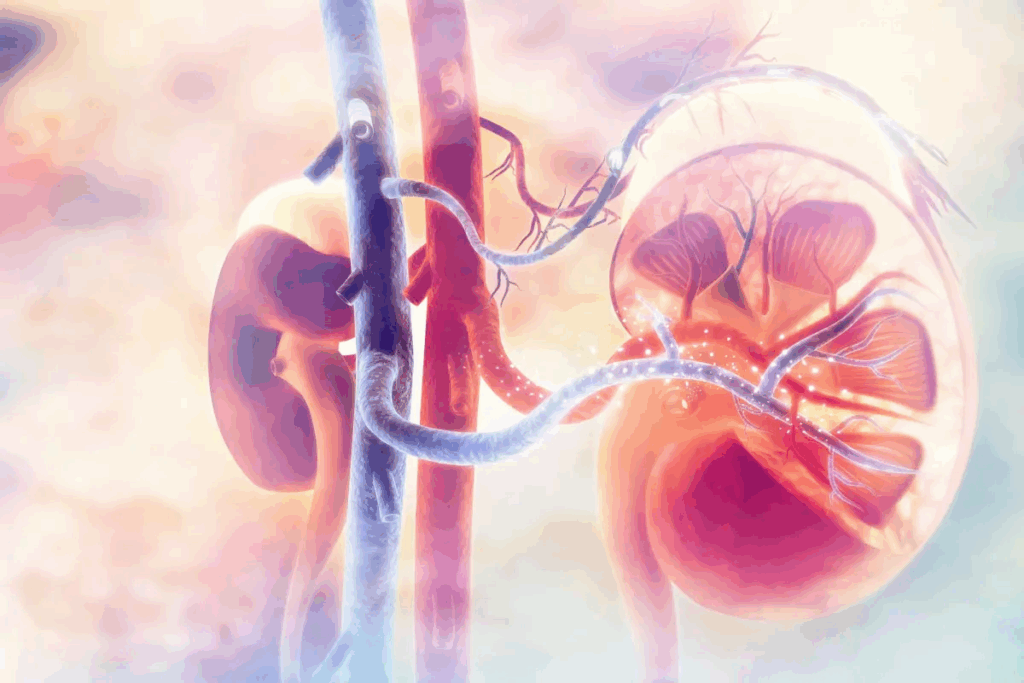
Being diagnosed with Stage 4 chronic kidney disease (CKD) means your kidneys are only working at 15-29% of their full capacity. This stage is critical because waste products start to build up in your blood. This buildup causes noticeable symptoms and health problems.stage iv renal failureChronic Renal Failure Stage 2: Symptoms Explained
Getting a diagnosis of advanced CKD can be scary. But, starting treatment early and managing your care well can slow down the disease. This helps keep your quality of life good. Knowing your treatment options and the help of a team of healthcare professionals can guide your decisions for the future.
Key Takeaways
- Stage 4 CKD means severely damaged kidneys, functioning at 15-29% of normal capacity.
- Early intervention can slow disease progression and preserve quality of life.
- Understanding treatment options is key for making informed decisions.
- A multidisciplinary healthcare approach is available to support patients.
- Managing symptoms and slowing disease progression are key goals.
Understanding Stage IV Renal Failure and Its Impact

It’s important for patients to understand how severe Stage 4 CKD is. This stage means a big drop in kidney function. The glomerular filtration rate (GFR) is between 15-29 mL/min, showing severe damage.
Definition and GFR Measurements
Stage 4 CKD is marked by a GFR of 15-29 mL/min. This shows the kidneys are badly damaged and at risk of failing completely. GFR measurements are key for diagnosing and tracking CKD.
The GFR shows how well the kidneys work. It measures how fast they filter waste from the blood. A GFR of 15-29 mL/min means the kidneys are not working right, leading to toxin buildup.
Prevalence and Statistics in the United States
CKD is common in the U.S. About 1 in 7 adults, or 35.5 million people, have it. But, 9 out of 10 don’t know they have it. This shows we need more awareness and screening.
CKD Stage | GFR (mL/min) | Prevalence in U.S. |
Stage 1 | >90 | 3.3% |
Stage 2 | 60-89 | 3.0% |
Stage 3 | 30-59 | 7.6% |
Stage 4 | 15-29 | 0.4% |
The Critical Nature of Stage 4 CKD
Stage 4 CKD is very serious. It means the kidneys are almost failing. Patients at this stage are at high risk of needing dialysis or a transplant. Early detection and management are vital to slow disease and manage complications.
Even though Stage 4 CKD is severe, there’s hope. Understanding the condition helps patients work with doctors to create a good treatment plan.
Common Symptoms and Complications at 25% Kidney Function

When kidneys work at 25%, the body builds up toxins. This leads to symptoms that hurt a person’s quality of life. The kidneys can’t remove waste well, causing uremia.
Physical Manifestations
Stage 4 CKD brings many physical symptoms. These include:
- Fatigue: Feeling very tired all the time.
- Swelling: Feet, ankles, and legs swell from too much fluid.
- Shortness of Breath: Trouble breathing due to fluid in the lungs.
These symptoms are not just uncomfortable. They show the body’s imbalance due to kidney failure. Managing these symptoms is key to better living.
Uremia and Its Effects on the Body
Uremia, with too much urea in the blood, causes many problems. Some effects are:
- Nausea and vomiting
- Loss of appetite
- Muscle cramps and weakness
Uremia can lead to serious issues like cardiovascular disease and neurological disorders. Treating uremia with diet and medicine helps slow CKD.
“The buildup of uremic toxins causes many problems, showing the need for full care in Stage 4 CKD patients.”
— Expert in Nephrology
Quality of Life Considerations
Stage 4 CKD symptoms and complications hurt a patient’s life quality. Healthcare must tackle these issues early. Ways to improve life quality include:
- Diet changes to balance electrolytes and fluids
- Medicines to control symptoms and slow disease
- Changes in lifestyle, like exercise and stress management
By focusing on these, we can help Stage 4 CKD patients live better despite their condition.
Medical Evaluation and Monitoring Protocols
Managing Stage 4 Chronic Kidney Disease (CKD) needs a detailed plan. We know that patients with Stage 4 CKD must get regular checks. This helps manage their condition and slow down the disease.
Essential Laboratory Tests
Lab tests are key to watch kidney function and catch problems early. These tests include:
- eGFR (estimated Glomerular Filtration Rate): Shows how well the kidneys filter fluid.
- Serum Creatinine: Checks the blood for creatinine, a waste from muscle breakdown.
- Blood Urea Nitrogen (BUN): Looks at urea levels in the blood to check kidney function.
- Electrolyte Levels: It’s important to keep an eye on potassium, sodium, and phosphorus levels. This helps avoid problems like too much potassium or too little calcium.
- Complete Blood Count (CBC): Helps find anemia and other blood issues common in CKD patients.
Imaging Studies
Imaging tests help see the kidneys’ shape and spot any problems. Common tests are:
- Ultrasound: Gives pictures of the kidneys to find blockages, cysts, or other issues.
- CT Scans: Shows detailed pictures of the kidneys. It can find kidney stones or tumors.
Frequency of Medical Follow-ups
How often to see a doctor for Stage 4 CKD varies. It depends on the patient’s health and any complications. Usually, we suggest:
- Regular Check-ups: Patients should see their doctor every 3-6 months to keep an eye on their health.
- More Frequent Visits: If there are complications or the condition gets worse, more visits are needed.
Following these medical plans helps Stage 4 CKD patients get the care they need. This can slow the disease and improve their life quality.
Conventional Medical Treatments for Stage 4 CKD
Conventional medical treatments are key in slowing Stage 4 CKD’s progression. They manage the condition and its complications.
Medication Management for Kidney Protection
Medications are vital in managing Stage 4 CKD. Angiotensin-converting enzyme (ACE) inhibitors and angiotensin II receptor blockers (ARBs) are used. They help by reducing proteinuria and controlling blood pressure.
The Kidney Disease: Improving Global Outcomes (KDIGO) guidelines recommend ACE inhibitors or ARBs for CKD patients with hypertension, and those with proteinuria.
- ACE inhibitors relax blood vessels, lowering kidney pressure.
- ARBs block angiotensin II, a strong vasoconstrictor.
Blood Pressure and Diabetes Control
Managing blood pressure and diabetes is key in Stage 4 CKD. High blood pressure and diabetes can harm the kidneys. Tight blood glucose control and aggressive blood pressure management are essential.
Condition | Target Value |
Blood Pressure | <130/80 mmHg |
HbA1c (Diabetes) | <7% |
Addressing Secondary Complications
Stage 4 CKD patients often face secondary complications like anemia, bone disease, and electrolyte imbalances. Erythropoiesis-stimulating agents (ESAs) treat anemia. Phosphate binders and vitamin D analogs manage bone disease.
“The management of CKD-mineral and bone disorder (CKD-MBD) is critical to prevent cardiovascular complications and improve quality of life.” –
KDIGO Guidelines
We suggest regular monitoring and adjusting treatments as needed to manage these complications effectively.
Renal Dietary Interventions That Can Slow Progression
Renal dietary interventions can slow Stage 4 CKD progression and improve quality of life. By choosing the right foods, people can greatly benefit their kidney health.
Protein Restriction Guidelines
Protein restriction is key in a renal diet. Reducing protein intake eases kidney strain. It’s best to talk to a healthcare provider or dietitian to find the right protein amount for you.
Electrolyte Management
Managing electrolytes is critical for those with CKD. It’s important to watch sodium, potassium, and phosphorus intake. Patients should limit high-electrolyte foods and work with a healthcare team for a personalized plan.
Hydration Recommendations
Drinking enough water is important, but not too much. Patients should keep an eye on their fluid intake. Adjust it based on urine output and overall health.
Working with a Renal Dietitian
Working with a renal dietitian is very helpful. They create a diet plan that meets your nutritional needs. They can guide on protein, electrolyte, and hydration management, making the renal diet easier to follow.
Lifestyle Modifications to Preserve Remaining Kidney Function
Lifestyle changes are key in managing Stage 4 CKD and keeping kidneys working. Healthy habits and avoiding harmful substances can slow kidney disease progression.
Appropriate Exercise Recommendations
Exercise is good for Stage 4 CKD patients. It helps manage symptoms, boosts health, and improves life quality. Aerobic exercises like walking or cycling are recommended. Also, resistance training helps keep muscles strong.
- Aim for at least 30 minutes of moderate-intensity exercise per day.
- Consult with a healthcare provider before starting any new exercise program.
Stress Management Techniques
Chronic stress can harm kidney health. Meditation, yoga, and deep breathing exercises are effective. They reduce stress and improve well-being.
Technique | Benefits |
Meditation | Reduces stress, improves mental clarity |
Yoga | Enhances flexibility, reduces stress |
Deep Breathing | Lowers blood pressure, reduces anxiety |
Sleep Optimization Strategies
Good sleep is vital for health, including kidney function. Aim for 7-8 hours of sleep each night. Keep a regular sleep schedule.
“Sleep is essential for the body’s repair and regeneration processes, which can help in managing chronic conditions like CKD.”
Avoiding Nephrotoxic Substances
Some substances can harm kidneys. Patients with Stage 4 CKD should avoid nonsteroidal anti-inflammatory drugs (NSAIDs) unless a doctor prescribes them. Limit contrast dyes used in imaging studies.
- Always consult with a healthcare provider before taking any new medication.
- Inform healthcare providers about your CKD before undergoing any procedures that may involve contrast dyes.
Can Stage 4 Kidney Disease Be Reversed? Evidence-Based Approaches
Stage 4 CKD is often seen as irreversible. Yet, with the right treatment, some patients might see their condition improve. This section looks into the chance of reversing Stage 4 kidney disease. It covers documented cases, what affects recovery, and what to expect.
Documented Cases of Partial Reversal
There are cases where Stage 4 CKD patients have seen their condition improve. These successes often come from specific treatments and lifestyle changes.
- Aggressive management of underlying conditions such as hypertension and diabetes
- Implementation of renal dietary interventions
- Lifestyle modifications including exercise and stress management
A study in the Journal of the American Society of Nephrology found that intense blood pressure control and diet changes helped some patients.
Factors That Influence Recovery
Many things can affect a patient’s chance of recovering from Stage 4 CKD. Knowing these factors is key to setting realistic goals and creating a good treatment plan.
Factor | Description | Impact on Recovery |
Underlying Cause | The primary cause of CKD (e.g., diabetes, hypertension) | High |
Comorbidities | Presence of other health conditions | Moderate |
Lifestyle Factors | Diet, exercise, smoking status | High |
Timeliness of Intervention | How quickly treatment is initiated | High |
Setting Realistic Expectations
While some patients have seen improvements, it’s important to be realistic. Full recovery from Stage 4 CKD is rare. The main goal is usually to slow the disease’s progress.
Realistic goals may include:
- Slowing the progression of kidney disease
- Managing symptoms and complications
- Improving quality of life
Measuring Improvement in Kidney Function
Improvement in kidney function is tracked through lab tests like serum creatinine and eGFR.
These tests help doctors see if the treatment is working. They can then adjust the plan as needed.
By using proven methods and closely monitoring patients, we can better manage Stage 4 CKD. In some cases, this might even lead to partial reversal.
Special Considerations for Stage 4 Kidney Disease in Elderly Patients
Elderly patients with Stage 4 kidney disease face unique challenges. These challenges need careful thought and tailored care plans. As the world’s population ages, more elderly people are getting kidney disease. This makes it important to have a detailed approach to their care.
Age-Related Challenges and Adaptations
Elderly patients often have other health issues like diabetes and heart disease. These can make managing Stage 4 kidney disease harder. We must think about these other health problems when planning treatment.
As people get older, their bodies change. This includes less muscle and how they process medicines. We need to adjust medicine doses carefully to avoid bad side effects.
Medication Adjustments
Managing medicines is key for elderly patients with Stage 4 kidney disease. We must be careful with medicines that can harm the kidneys. For example, Zulresso (brexanolone) is not safe for those with serious kidney problems.
We should regularly check and adjust medicines. This helps avoid bad side effects and makes sure the treatment is right for the patient’s kidney function.
Quality of Life Priorities
For elderly patients with Stage 4 kidney disease, keeping a good quality of life is very important. We need to find a balance between treating the disease and what the patient wants. This might include talking about end-of-life care.
Managing symptoms is also key. Elderly patients may feel tired, have pain, or have trouble breathing. Helping with these symptoms can greatly improve their life.
Caregiver Support Strategies
Elderly patients with Stage 4 kidney disease often need caregivers for help. We should give caregivers the tools and advice they need to do their job well.
This includes teaching caregivers about the patient’s condition and treatment. By supporting caregivers, we help ensure the patient gets the care they need while keeping their dignity and quality of life.
Preparing for Renal Replacement Therapy Options
For those with Stage 4 CKD, getting ready for renal replacement therapy is key. As kidney function drops, patients need to look at different treatments to manage their disease well.
Dialysis Modalities
Dialysis is a common treatment that cleans the blood. It comes in two main types: hemodialysis and peritoneal dialysis.
- Hemodialysis: This method uses a machine to clean the blood outside the body. It can be done in a dialysis center or at home.
- Peritoneal Dialysis: This method uses the lining of the abdomen to filter waste. It offers more freedom and independence.
Characteristics | Hemodialysis | Peritoneal Dialysis |
Location | Dialysis center or home | Home |
Frequency | Typically 3 times a week | Daily or nightly exchanges |
Flexibility | Limited by center hours | More flexible scheduling |
Kidney Transplantation Evaluation
Kidney transplantation is another option, aiming for a long-term fix. Patients must go through a detailed check to see if they’re a good match for a transplant.
Evaluation Process includes looking at medical history, blood tests, imaging, and psychological checks. These steps ensure the patient’s health and readiness for a transplant.
Vascular Access Planning
For those choosing hemodialysis, planning vascular access is vital. This means creating a reliable spot for dialysis, often through an arteriovenous fistula or graft.
Conservative Management Approaches
Some might prefer conservative management over or alongside renal replacement therapy. This approach aims to manage symptoms and enhance quality of life.
Key Components include managing pain, nutritional support, and psychological counseling. These help meet the patient’s overall needs.
Conclusion: Creating Your Comprehensive Stage 4 CKD Management Plan
Creating a detailed management plan is key for Stage 4 CKD patients. We’ve looked at different treatments, lifestyle changes, and therapy options. These can slow the disease and enhance life quality.
A good plan includes medical care, diet changes, and lifestyle adjustments. Patients and doctors work together to make a plan that fits each person’s needs.
Managing Stage 4 CKD well means regular check-ups, sticking to medication, and acting fast when needed. It’s important for patients, caregivers, and doctors to work together for the best results.
With a solid management plan, Stage 4 CKD patients can handle their condition better. They can avoid serious problems and feel better overall. We’re here to support patients every step of the way, providing top-notch care and support.
FAQ
What is Stage 4 CKD, and how is it diagnosed?
Stage 4 CKD is a serious kidney disease. It means your kidneys are not working well, with a GFR between 15-29 mL/min. Doctors use tests like serum creatinine and GFR to diagnose it.
Is Stage 4 kidney disease reversible?
CKD is usually not reversible, but some cases can improve. The chance of improvement depends on the disease cause and treatment success.
What are the common symptoms of Stage 4 CKD?
Symptoms include feeling tired, swelling, and shortness of breath. Uremia, a toxin buildup, can cause nausea, vomiting, and brain fog.
How can I slow the progression of Stage 4 CKD?
To slow the disease, you need medical care, lifestyle changes, and diet. Manage blood pressure and diabetes, eat right, and avoid harmful substances.
What are the treatment options for Stage 4 CKD?
Treatments include medicines and controlling blood pressure. You might also need dialysis or a kidney transplant.
What is the role of a renal dietitian in managing Stage 4 CKD?
A renal dietitian helps create a diet plan. It’s tailored to your needs, including protein limits, electrolyte balance, and staying hydrated.
Can elderly patients with Stage 4 CKD benefit from treatment?
Yes, older patients can benefit from treatment. But, age-related issues and quality of life are also important to consider.
What are the renal replacement therapy options for Stage 4 CKD?
Options include dialysis and kidney transplants. Planning for vascular access is also key.
How often should I follow up with my healthcare provider if I have Stage 4 CKD?
Follow-up visits depend on your situation. But, regular check-ups are vital for managing the disease.
Can lifestyle modifications help preserve remaining kidney function in Stage 4 CKD?
Yes, lifestyle changes can help. This includes exercise, managing stress, getting enough sleep, and avoiding harmful substances.
What is the importance of measuring improvement in kidney function?
Tracking kidney function is key. It shows if treatments are working and helps make changes as needed.
How can I manage uremia and its effects on the body?
Managing uremia involves medical treatment like dialysis. Diet changes, like protein limits and electrolyte balance, are also important.
References
National Center for Biotechnology Information. Evidence-Based Medical Guidance. Retrieved from https://www.ncbi.nlm.nih.gov/books/NBK535404/