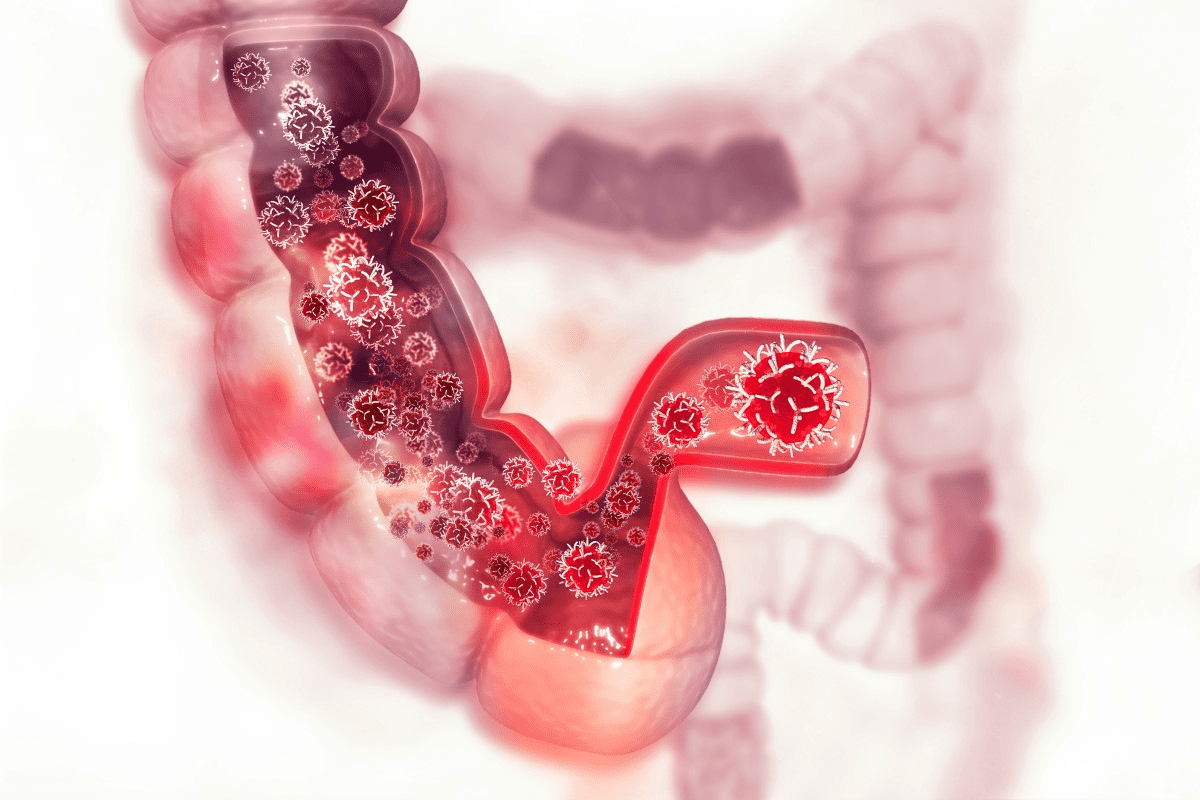
Stage III colorectal cancer is a serious diagnosis. Cancer cells have spread to nearby lymph nodes but not to distant organs. Knowing the exact classification in this stage is key. It affects how intense the treatment will be and how long you might live.
Colorectal stage 3 is split into three parts: IIIA, IIIB, and IIIC. The type of cancer and how far it has spread to lymph nodes decide this. Liv Hospital focuses on each patient’s needs, giving them care that fits them best.
Key Takeaways
- Stage III colorectal cancer involves cancer cells spreading to nearby lymph nodes.
- The stage is divided into IIIA, IIIB, and IIIC based on tumor and lymph node factors.
- Understanding the substage is key for figuring out treatment intensity.
- Liv Hospital provides patient-centered care for colorectal cancer patients.
- Classification directly affects survival chances and treatment plans.
Understanding Colon Cancer Basics

Knowing the basics of colon cancer is key for both patients and doctors. Colon cancer, or colorectal cancer, is a major health issue affecting millions. It’s important to understand its basics and how it’s classified.
What is Colon Cancer?
Colon cancer starts in the large intestine (colon). It often begins as small, non-cancerous growths called polyps. These can turn into cancer over time. The exact cause is not known, but risk factors include age, family history, and lifestyle.
- Age: Risk increases after the age of 50
- Family history: Having a family history of colon cancer or polyps
- Lifestyle factors: Diet, physical activity level, and smoking
How Cancer Staging Works
Cancer staging is vital for knowing how far cancer has spread. For colon cancer, the TNM staging system is often used. It looks at three main factors:
- T (Tumor): Size and extent of the primary tumor
- N (Node): Whether the cancer has spread to nearby lymph nodes
- M (Metastasis): Whether the cancer has spread to distant parts of the body
The TNM system breaks down stage III colon cancer into three parts: IIIA, IIIB, and IIIC. These are based on tumor size, lymph node involvement, and metastasis. Knowing these basics helps decide the best treatment and predict outcomes.
Stage Three Cancer Colon: Definition and Overview

Stage 3 colon cancer is a serious condition. It means the cancer has spread to nearby lymph nodes but not to distant parts of the body. This detail is key for choosing the right treatment and understanding the patient’s outlook.
Key Characteristics of Stage 3 Colon Cancer
Stage 3 colon cancer is split into substages IIIA, IIIB, and IIIC. These are based on how deep the tumor is in the colon wall and if nearby lymph nodes are affected.
The classification depends on multiple factors: T stage, N stage, and M stage. For stage 3, the M stage is always M0, showing no cancer spread to distant areas.
Substage | T Category | N Category |
IIIA | T1-T2 | N1 |
IIIA | T1 | N2 |
IIIB | T3-T4 | N1 |
IIIB | T2-T3 | N2 |
IIIC | T4 | N2 |
How Stage 3 Differs from Other Stages
Stage 3 colon cancer is different from earlier stages (I and II) because it involves lymph nodes. It’s also distinct from stage 4, where cancer spreads to distant areas. Knowing these differences helps patients understand their diagnosis and treatment options.
The substages within stage 3 help predict outcomes and guide treatment. For example, substage IIIA usually has a better outlook than IIIC because of less lymph node involvement.
The TNM Classification System Explained
To understand colon cancer staging, you need to know the TNM classification system. It sorts cancer based on certain traits. The TNM system is key in colon cancer staging, helping to classify the disease clearly.
Tumor (T) Classification
The ‘T’ category in the TNM system looks at the tumor’s size and spread. It ranges from T1 to T4. Higher numbers mean the tumor has grown deeper into the colon and nearby tissues.
Tumor invasion depth is very important. For example, T1 means the tumor is only in the innermost layer of the colon. T4 means it has spread through the colon wall into other tissues or organs.
Node (N) Classification
The ‘N’ category checks if the cancer has reached nearby lymph nodes. N0 means no lymph nodes are involved. N1 and N2 show involvement of more lymph nodes.
N1 and N2 differ by the number of lymph nodes affected. N1 is 1 to 3 nodes, and N2 is 4 or more.
Metastasis (M) Classification
The ‘M’ category looks at if the cancer has spread to distant parts of the body. M0 means no distant spread, and M1 means it has.
Knowing the ‘M’ classification is key. It greatly affects the cancer’s outlook and treatment plans.
TNM Category | Description | Classification Criteria |
T1 | Tumor limited to the innermost layer | Minimal invasion |
T4 | Tumor invades through the colon wall | Extensive invasion |
N0 | No lymph node involvement | No regional lymph nodes affected |
N2 | 4 or more lymph nodes involved | Significant regional lymph node involvement |
M0 | No distant metastasis | No spread to distant parts of the body |
M1 | Distant metastasis present | Spread to other parts of the body |
Substages of Stage 3 Colon Cancer
The substages of Stage 3 colon cancer are key for understanding prognosis and treatment. Stage III is split into IIIA, IIIB, and IIIC. These are based on the T and N categories from the TNM Classification System.
Stage IIIA: Characteristics and Criteria
Stage IIIA colon cancer means the tumor has grown a bit but not too much. It has also spread to a few nearby lymph nodes. This is an early stage of cancer spread.
Key characteristics of Stage IIIA colon cancer:
- Tumor has not grown through the muscularis propria
- Spread to 1-3 nearby lymph nodes
- No distant metastasis
Stage IIIB: Characteristics and Criteria
Stage IIIB shows more serious local invasion and node spread. Tumors have grown through the muscularis propria but not to nearby organs. They also have more lymph nodes involved.
The prognosis for Stage IIIB colon cancer depends on the tumor’s depth and lymph node count.
Stage IIIC: Characteristics and Criteria
Stage IIIC shows a lot of nodal involvement and possibly aggressive tumor behavior. Tumors have grown through the muscularis propria and might have invaded nearby organs. They also have a lot of lymph nodes involved.
Characteristics of Stage IIIC colon cancer:
- Advanced tumor invasion
- Significant lymph node involvement (N2 or more)
- No distant metastasis
Knowing these substages is vital for choosing the right treatment and understanding prognosis. We will look at the effects of these substages in more detail later.
Tumor Invasion Depth in Stage 3 Colon Cancer
In colon cancer, how deep a tumor invades the colon wall layers is key. The T stage shows this invasion depth. It’s vital for knowing how far the cancer has spread.
The colon wall has layers: mucosa, submucosa, muscularis propria, and serosa. Knowing these layers helps us see how invasion depth affects the cancer’s stage.
Understanding Colon Wall Layers
The colon wall’s layers are complex. Each layer has a special role. The mucosa is the innermost, touching fecal matter. The submucosa is a layer of connective tissue under the mucosa.
The muscularis propria is a muscle layer that helps move contents. The serosa is the outermost layer, a thin membrane covering the colon.
How Tumor Penetration Affects Staging
The depth of tumor penetration greatly affects its stage. A tumor in the mucosa or submucosa is less invasive than one in the muscularis propria or serosa. In stage 3, the tumor has invaded through the muscularis propria and into the serosa or nearby tissues.
Tumor invasion depth is key in determining the T stage. Deeper invasion means a higher T stage, showing more advanced cancer. This, along with lymph node involvement (N stage) and metastasis (M stage), helps doctors stage the cancer accurately.
Understanding tumor invasion depth and its impact on staging helps patients grasp their diagnosis. It’s a key part of assessing colon cancer, guiding treatment and prognosis.
Lymph Node Involvement in Stage 3 Colorectal Cancer
Lymph nodes play a big role in how stage 3 colorectal cancer is treated. These small, bean-shaped structures help fight infections and diseases. When cancer spreads to these nodes, it’s called lymph node involvement.
N1 Classification (1-3 Lymph Nodes)
The N1 classification means cancer has spread to 1-3 lymph nodes. This is important because it shows the cancer is starting to spread. Knowing about lymph node involvement helps doctors choose the right treatment. If cancer is in just a few nodes, it might be treatable with surgery or other methods.
N2 Classification (4 or More Lymph Nodes)
The N2 classification is for when cancer reaches 4 or more lymph nodes. This is a more serious stage. Patients with N2 may need stronger treatments than those with N1. Knowing how far cancer has spread helps doctors plan better.
Significance of Lymph Node Location
Where the lymph nodes are also matters a lot. Nodes close to the tumor are regional, while distant ones are further away. The location affects how surgery is done and if more treatments are needed. We look at the location and number of nodes to figure out the stage and outlook for patients.
Tumor Size and Stage 3 Colon Cancer Classification
Tumor size is important, but it’s not the only thing that decides stage 3 colon cancer. The stage is based on several factors. These include tumor size, lymph node involvement, and metastasis.
Why Size Alone Doesn’t Determine Stage
Tumor size is just one factor in colon cancer staging. The TNM classification system looks at the tumor (T), nearby lymph nodes (N), and distant metastasis (M). This system is more complex than just looking at tumor size.
A 5 cm tumor can be different stages based on lymph node involvement. So, understanding colon cancer stage needs a full assessment, not just tumor size.
Classification of 3-5 cm Tumors
Tumors between 3-5 cm are stage 3 if they reach nearby lymph nodes. The substage depends on lymph node involvement and tumor depth.
A 4 cm tumor with 1-3 lymph nodes might be stage IIIA. The same size tumor with more lymph nodes could be stage IIIB or IIIC.
Classification of 6-10 cm Tumors
Tumors 6-10 cm are often stage 3 because they may have invaded deeper or spread to lymph nodes. But, the exact stage depends on the TNM classification.
A 10 cm colon tumor with lymph node involvement but no distant metastasis could be stage IIIB or IIIC. This depends on lymph node involvement and tumor depth.
Classification of Tumors Larger Than 10 cm
Tumors over 10 cm are considered large and may be at an advanced stage. But, the stage is based on the TNM assessment, not just size.
A tumor over 10 cm with lymph node involvement but no distant metastasis could be stage 3. It might be stage IIIC, depending on lymph node involvement and other factors.
Stage 3 Adenocarcinoma of the Colon
Stage 3 adenocarcinoma of the colon is a serious condition that needs a deep understanding and specific treatments. Adenocarcinoma starts in glandular tissue and is the most common colon cancer. Its stage is key to knowing the prognosis and treatment choices.
What is Adenocarcinoma?
Adenocarcinoma is a cancer that starts in glandular cells in the lining of organs like the colon. It grows abnormally, forming tumors. Adenocarcinoma of the colon is aggressive and can spread to other parts of the body, making early and accurate diagnosis very important.
“Adenocarcinoma is the most common colon cancer, and knowing its traits is key to managing it,” says a top oncologist. This highlights the need to understand adenocarcinoma’s specific characteristics in colon cancer patients.
Special Considerations for Adenocarcinoma Staging
Staging adenocarcinoma of the colon involves several factors. These include the tumor’s depth, lymph node involvement, and metastasis. The TNM classification system is often used to assess how far the cancer has spread.
- Tumor (T) classification looks at how deep the tumor has invaded the colon wall.
- Node (N) classification checks if nearby lymph nodes are involved.
- Metastasis (M) classification finds out if the cancer has spread to distant sites.
For stage 3 adenocarcinoma, the cancer has reached nearby lymph nodes but not distant areas. Knowing these staging details is essential for creating a good treatment plan.
Comparing Stage 2 and Stage 3 Colorectal Cancer
Colorectal cancer gets more serious as it moves from Stage 2 to Stage 3. This is because the cancer starts to spread to nearby lymph nodes. Knowing about these stages helps doctors figure out the best treatment.
Key Differences in Classification
The main difference between Stage 2 and Stage 3 colorectal cancer is lymph node involvement. Stage 2 cancer hasn’t reached the lymph nodes yet. But Stage 3 cancer has. This change affects treatment plans and how well the patient might do.
- Stage 2: Cancer is only in the colon or rectum, without touching lymph nodes.
- Stage 3: Cancer has reached nearby lymph nodes, showing it’s more advanced.
Stage 2A vs. Stage 3A Comparison
Let’s look at the sub-stages of Stage 2 and Stage 3 colorectal cancer. Stage 2A cancer has grown through the muscularis propria into the pericolorectal tissues but hasn’t reached lymph nodes. Stage 3A cancer has grown into the muscularis propria and into nearby lymph nodes.
Characteristics | Stage 2A | Stage 3A |
Tumor Spread | No lymph node involvement | Lymph node involvement |
Treatment Approach | Surgery, possibly followed by chemotherapy | Surgery and chemotherapy |
Prognostic Implications
The outlook for Stage 2 and Stage 3 colorectal cancer is different because of lymph node involvement. Stage 3 cancer usually has a worse outlook than Stage 2. But, thanks to new treatments, both stages have better chances of recovery.
Every patient’s case is different. The outlook can change based on many things, like overall health, how well the treatment works, and the cancer’s specific traits.
Diagnostic Methods for Determining Stage 3 Colon Cancer
Diagnosing stage 3 colon cancer requires advanced imaging and detailed pathological exams. It’s key to know the stage and plan treatment.
Imaging Techniques
Imaging is vital for finding and staging colon cancer. We use different methods to see how far the tumor has spread and if it’s in lymph nodes.
- CT Scans: CT scans are common for colon cancer staging. They show the colon, tissues, and lymph nodes, helping us see how far the tumor has grown.
- MRI: MRI is also useful for colon cancer. It gives clear images of soft tissues, helping us understand the tumor’s depth and lymph node involvement.
- PET Scans: PET scans, used with CT scans (PET-CT), find cancerous tissues by showing where cells are most active.
Pathological Examination
Looking at biopsy samples is key to confirming colon cancer and understanding its type.
- Biopsy: A biopsy takes a tissue sample from the colon for a closer look. It helps us know the cancer type and grade.
- Histopathological Analysis: Examining the biopsy sample gives us detailed info on the tumor, like its type, grade, and genetic changes.
Molecular Testing
Molecular testing is now critical in colon cancer diagnosis and treatment. These tests find specific genetic changes that guide treatment.
- Genetic Mutation Analysis: We check tumor samples for mutations like KRAS, NRAS, and BRAF. These can affect treatment choices.
- Microsatellite Instability (MSI) Testing: MSI testing shows the tumor’s microsatellite instability status. This affects prognosis and treatment.
By using these methods together, we can accurately stage colon cancer. This helps us create a treatment plan that fits each patient’s needs.
Prognosis and Survival Rates for Stage 3 Colorectal Cancer
Knowing the prognosis for stage 3 colorectal cancer is key for patients and their families. The outlook changes based on several factors. These include the substage, overall health, and how well the treatment works.
5-Year Survival Statistics
The 5-year survival rate is a key statistic for understanding the prognosis. Recent data shows the 5-year survival rate for stage 3 colorectal cancer is getting better. “The overall 5-year survival rate for stage 3 colorectal cancer is approximately 40-50%.” But, this rate can change a lot based on the substage.
For example, stage IIIA has a better prognosis than stage IIIC. It’s important to talk to healthcare providers to understand your specific situation.
Factors Affecting Prognosis
Several factors can affect the prognosis for stage 3 colorectal cancer. These include:
- The substage of cancer (IIIA, IIIB, or IIIC)
- The number of lymph nodes involved
- The overall health of the patient
- The response to initial treatment
- Genetic mutations or biomarkers
As noted by a recent study, “the presence of certain genetic mutations can significantly impact the prognosis and treatment options for patients with stage 3 colorectal cancer.”
Recent Improvements in Outcomes
Recent advancements in treatment have improved outcomes for stage 3 colorectal cancer. These include:
- Targeted therapies tailored to specific genetic profiles
- Immunotherapies that enhance the body’s immune response
- Improved surgical techniques and post-operative care
“Advances in chemotherapy and radiation therapy have also contributed to better survival rates and quality of life for patients with stage 3 colorectal cancer.”
We are dedicated to providing the best and most caring care to our patients. By understanding the prognosis and staying updated on the latest treatments, patients can make informed decisions about their care.
Conclusion: Understanding Your Stage 3 Colon Cancer Diagnosis
Getting a stage 3 colon cancer diagnosis can feel scary. But knowing what it means is key to making smart choices about your treatment. We’ve looked at what stage 3 colon cancer is, its subtypes, and how these affect your chances of recovery.
Understanding your diagnosis helps you choose the right treatment. Knowing the details of your cancer lets you understand your treatment plan better. This way, you can make choices that fit your needs.
It’s important to work with your healthcare team to find the best treatment for you. With a clear understanding of your diagnosis, you can actively manage your care. This can lead to better outcomes.
By staying informed and involved in your treatment, you can benefit from the latest in colon cancer care. This approach can help you achieve the best results possible.
FAQ
What is stage 3 colon cancer?
Stage 3 colon cancer means the cancer has spread to nearby lymph nodes. It hasn’t reached distant parts of the body. It’s divided into substages IIIA, IIIB, and IIIC based on the tumor and lymph nodes.
How is colon cancer staged?
Colon cancer is staged using the TNM system. It looks at the tumor’s size and spread (T), lymph nodes (N), and if it has spread to other parts (M).
What is the difference between stage 2 and stage 3 colorectal cancer?
Stage 2 cancer hasn’t reached nearby lymph nodes. Stage 3 cancer has. This is the main difference.
What is the significance of tumor invasion depth in colon cancer staging?
How deep the tumor invades the colon wall is key. It affects the stage and how likely you are to recover.
How does lymph node involvement affect stage 3 colon cancer?
Lymph nodes are very important in stage 3 colon cancer. N1 means 1-3 nodes are involved, and N2 means 4 or more. This impacts your treatment and chances of recovery.
Does tumor size alone determine the stage of colon cancer?
No, tumor size is just one factor. The TNM system also looks at lymph nodes and if the cancer has spread.
What is adenocarcinoma of the colon?
Adenocarcinoma is a common type of colon cancer. It starts in the glandular tissue of the colon.
How is stage 3 adenocarcinoma of the colon treated?
Treatment for stage 3 adenocarcinoma includes surgery, chemotherapy, and sometimes radiation. It depends on the tumor and your health.
What are the 5-year survival statistics for stage 3 colorectal cancer?
The 5-year survival rate for stage 3 colorectal cancer varies. It depends on the substage and other factors. Treatment options have improved survival rates.
What diagnostic methods are used to determine stage 3 colon cancer?
To find stage 3 colon cancer, doctors use CT scans, biopsy samples, and molecular tests. These help understand the tumor’s characteristics.
What is the prognosis for stage 3 colorectal cancer?
The prognosis for stage 3 colorectal cancer varies. It depends on the substage, lymph nodes, and overall health. With the right treatment, many patients see significant improvements.
What stage is a 3 cm colon tumor?
A 3 cm colon tumor’s stage depends on lymph nodes and distant metastasis, not just size.
What stage is a 5 cm colon tumor?
A 5 cm colon tumor can be stage 2 or 3. It depends on if the cancer has spread to lymph nodes.
What stage is a 7 cm colon tumor?
A 7 cm colon tumor is likely stage 2. But if it has spread to lymph nodes, it could be stage 3.
What stage is a 10 cm colon tumor?
A 10 cm colon tumor can be stage 2 or 3. It depends on lymph node involvement.
What stage is a 3B colon cancer?
Stage 3B colon cancer means the cancer has spread to nearby lymph nodes. The tumor has also grown into the pericolorectal tissues.
What is the significance of understanding my stage 3 colon cancer diagnosis?
Knowing your stage 3 colon cancer diagnosis is key. It helps you understand your treatment options and make informed decisions about your care.
References:
National Center for Biotechnology Information. Stage III Colon Cancer: Classification and Treatment Considerations. Retrieved from https://pmc.ncbi.nlm.nih.gov/articles/PMC1422595/