

Spinal stenosis is a condition where the spinal canal narrows. This leads to pain, numbness, and weakness in different parts of the body. Researchers are looking into stem cell therapy as a possible treatment.
The narrowing of the spinal canal can make everyday activities hard. Stem cell therapy might help ease symptoms and even cure spinal stenosis.
Key Takeaways
- Spinal stenosis is a debilitating condition that affects many individuals.
- Stem cell therapy is being explored as a possible treatment.
- The therapy aims to alleviate symptoms and improve quality of life.
- Recent studies show promising results for stem cell therapy.
- Further research is needed to fully understand its benefits.
Understanding Spinal Stenosis
Spinal stenosis is when the spinal canal gets narrower. This can press on nerves and cause symptoms. It can make simple tasks hard to do.
Definition and Types of Spinal Stenosis
Spinal stenosis means the spaces in the spine get smaller. This can harm the nerves in the spine. There are two main types:
- Cervical Stenosis: This happens in the neck.
- Lumbar Stenosis: This is more common and affects the lower back.
Common Causes and Risk Factors
Many things can cause spinal stenosis, including:
- Degenerative disc disease
- Herniated discs
- Bone spurs
- Osteoarthritis
These issues can make the spinal canal narrower. This can put pressure on the spinal cord or nerves.
Symptoms and Progression
The symptoms of spinal stenosis vary. They depend on where and how bad it is. Common signs include:
- Pain or numbness in the back, legs, or arms
- Weakness or fatigue in the legs or arms
- Cramps or tingling sensations
Knowing about spinal stenosis helps doctors diagnose and treat it better.
Conventional Treatments for Spinal Stenosis
For those with spinal stenosis, traditional treatments are often the first choice. These methods aim to ease symptoms, enhance life quality, and sometimes stop the condition’s growth.
Non-Surgical Approaches
Non-surgical treatments are usually the first step against spinal stenosis. They include:
- Physical therapy to boost mobility and strength
- Medications like pain relievers and corticosteroids to lessen inflammation
- Lifestyle changes, including exercise and managing weight
Physical therapy is often suggested to keep or improve mobility and cut down pain. A physical therapist creates a plan based on the person’s needs. This plan focuses on exercises that strengthen back muscles and increase flexibility.
Surgical Interventions
If non-surgical methods don’t work, surgery might be considered. Surgical options for spinal stenosis include:
| Procedure | Description | Benefits |
| Laminectomy | Removing the lamina to ease pressure on the spinal cord | Helps reduce pressure and ease symptoms |
| Spinal Fusion | Joining two or more vertebrae to stabilize the spine | Can stabilize and lessen pain |
A spine specialist notes, “Surgery can be a good choice for those with severe spinal stenosis who haven’t seen improvement with other treatments.”
“Surgery is not a cure-all, but it can greatly improve life quality for many patients.”
Limitations of Traditional Treatments
Traditional treatments can offer relief, but they have their limits. Medications can have side effects, and surgery comes with risks. These treatments might not fix the root cause of spinal stenosis, leading to ongoing management instead of a cure.
New treatments like stem cell injections for spinal stenosis and red light therapy for spinal stenosis are being explored. These innovative methods aim to not just ease symptoms but also repair or grow back damaged tissue.
The drawbacks of traditional treatments show the need for ongoing research into better, lasting solutions for spinal stenosis.
The Science Behind Stem Cells
Stem cells play a key role in treating spinal stenosis and other degenerative conditions. They can turn into different cell types, making them a promising tool for regenerative medicine.
Definition of Stem Cells
Stem cells can grow and change into various cell types. This makes them very useful for fixing or replacing damaged tissues. They are a key part of stem cell therapy for spinal stenosis.
Types of Stem Cells
There are many types of stem cells, each with its own uses. The main types are:
- Embryonic Stem Cells: These come from embryos and can become any cell type.
- Adult Stem Cells: Found in adult bodies, these cells can’t change into as many types but are useful for healing.
- Induced Pluripotent Stem Cells (iPSCs): These are adult cells that can change into many types, like embryonic stem cells.
Regenerative Properties
Stem cells have amazing healing powers. They can fix or replace damaged tissues by changing into the right cell types. For spinal stenosis, they could grow new spinal tissues, easing symptoms and improving life quality.
The study of stem cells and their use in treating spinal stenosis is growing fast. As scientists learn more, stem cells will likely play an even bigger role in fixing damaged tissues, giving new hope to those with degenerative conditions.
Spinal Stenosis Stem Cell Therapy: An Overview
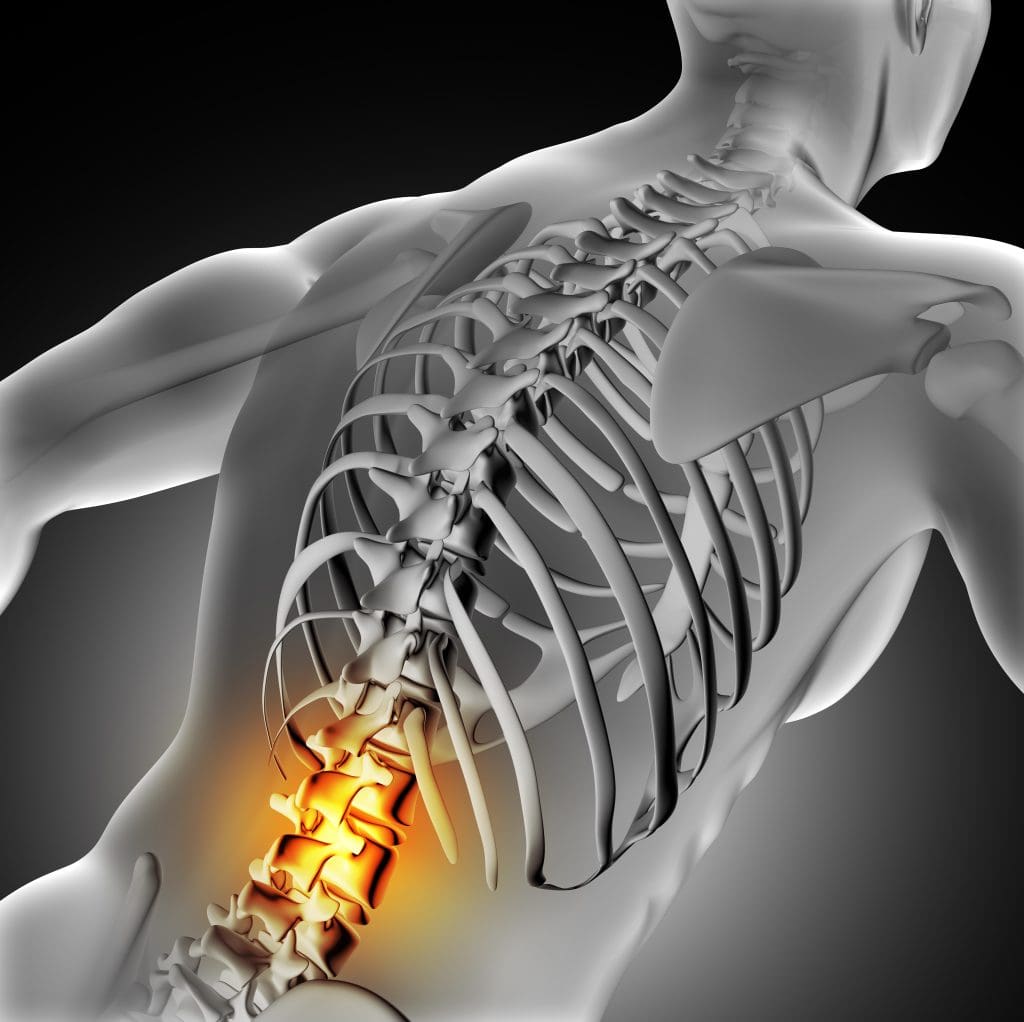
Stem cell therapy for spinal stenosis is getting a lot of attention. It uses stem cells to fix or replace damaged spine cells. This could help ease symptoms without surgery.
How Stem Cells Target Spinal Stenosis
Stem cells can turn into different types of cells, including those in the spine. When they reach the affected area, they might fix damaged tissues and reduce swelling. This could help ease the pressure on nerves caused by spinal stenosis.
Potential Benefits Over Traditional Treatments
Stem cell therapy has some big advantages over usual treatments for spinal stenosis. It’s less invasive than surgery, which means less recovery time and fewer risks. It might also tackle the root cause of the problem, not just the symptoms.
| Benefit | Stem Cell Therapy | Traditional Treatments |
| Invasiveness | Minimally invasive | Surgery is invasive |
| Recovery Time | Generally shorter | Can be lengthy |
| Addressing the Cause | Potentially addresses underlying cause | Often focuses on symptom management |
Stem cell therapy could offer a more complete way to treat spinal stenosis. As research grows, it’s likely to become a key part in managing this condition.
Types of Stem Cells Used for Spinal Stenosis
Stem cell therapy for spinal stenosis uses different stem cells, each with special benefits. The right stem cell depends on the patient’s condition and the stenosis’s severity. It also depends on what the patient hopes to achieve.
Mesenchymal Stem Cells (MSCs)
Mesenchymal stem cells (MSCs) are often used for spinal stenosis. MSCs are multipotent stem cells that can turn into many cell types. They help repair tissues and control the immune system, making them great for regenerative therapy.
Bone Marrow-Derived Stem Cells
Bone marrow-derived stem cells are also used for spinal stenosis treatment. These cells come from the patient’s bone marrow and are full of MSCs. Using these stem cells helps grow new tissues and eases symptoms in patients.
Adipose-Derived Stem Cells
Adipose-derived stem cells come from fat tissue. They are easy to get and plentiful. These cells have anti-inflammatory properties and can become different cell types. They are good for treating spinal stenosis.
The table below shows the different stem cells used for spinal stenosis treatment:
| Stem Cell Type | Source | Key Benefits |
| Mesenchymal Stem Cells (MSCs) | Bone marrow, adipose tissue | Multipotent, immunomodulatory |
| Bone Marrow-Derived Stem Cells | Bone marrow | Rich in MSCs, promotes tissue regeneration |
| Adipose-Derived Stem Cells | Adipose tissue | Easy to harvest, anti-inflammatory properties |
Each stem cell type has its own benefits. They can be used alone or together to treat spinal stenosis well. Choosing the right stem cell depends on the patient’s needs and the doctor’s expertise.
The Stem Cell Procedure for Spinal Stenosis
The stem cell procedure for spinal stenosis is a detailed process. It offers hope to those with this condition. The treatment involves taking stem cells from the patient, processing them, and injecting them into the affected area. This helps in healing and reduces symptoms.
Patient Preparation
Before starting stem cell therapy for spinal stenosis, patients get a full check-up. This includes looking at their medical history and doing physical exams. They might also have imaging tests like MRI or CT scans.
Patients are told about the benefits and risks of stem cell therapy. They learn about what to expect and other treatment options.
Stem Cell Harvesting Methods
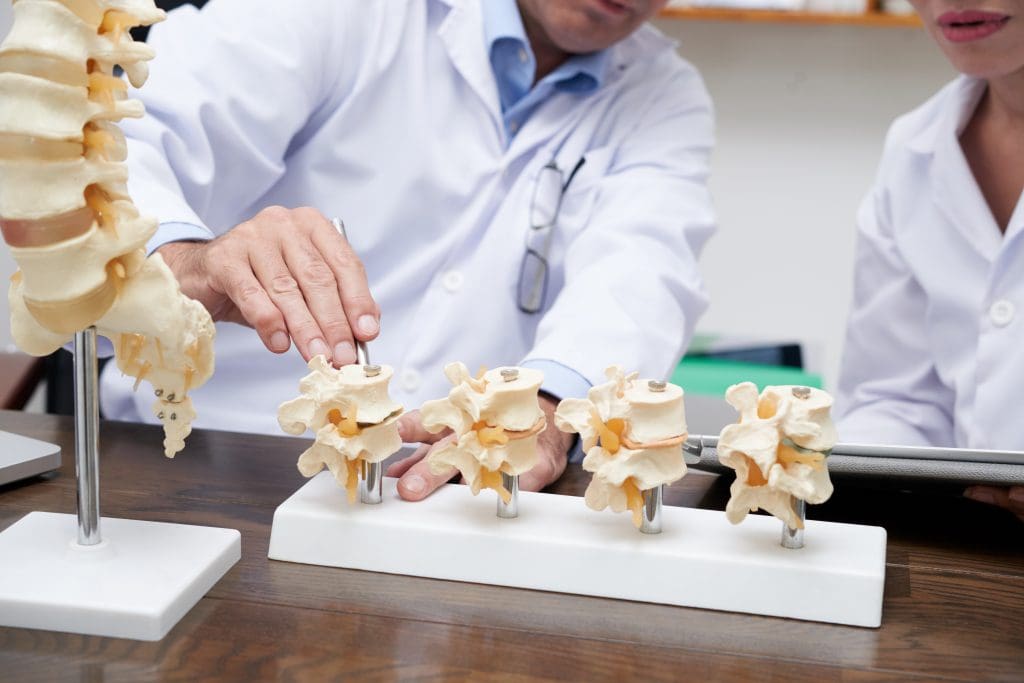
Stem cells can come from bone marrow or fat tissue. The choice depends on the patient’s health and the doctor’s preference.
Bone marrow-derived stem cells are taken from the pelvis. This is done under local anesthesia to reduce pain. The marrow is then processed to get the stem cells.
Adipose-derived stem cells come from fat tissue, often from the abdomen. This method is less invasive and can provide many stem cells.
Injection Techniques and Delivery
After processing, the stem cells are ready for injection. The injection is guided by imaging, like fluoroscopy or ultrasound. This ensures the cells are placed correctly.
The stem cell injections for spinal stenosis aim to deliver cells to the affected area. This can help in regeneration, reduce inflammation, and ease pain.
Patients are watched for a short time after the procedure. They receive care instructions to help with recovery and get the most from the treatment.

Clinical Evidence: Can Stem Cells Actually Cure Spinal Stenosis?
Clinical trials are looking into if stem cells can cure spinal stenosis. It’s key to look at the evidence supporting stem cells for this condition.
Current Research Findings
Recent studies show stem cell therapy might help spinal stenosis. Stem cell treatments seem to make symptoms better and improve life quality. For example, a study found that mesenchymal stem cell injections greatly reduced pain and improved movement in patients.
- Stem cells might repair damaged spinal tissues.
- More research is needed to confirm stem cell therapy’s safety and effectiveness for spinal stenosis.
- Combining stem cell therapy with other treatments might lead to better results.
Success Rates and Outcomes
Stem cell therapy’s success rates for spinal stenosis vary. But, many patients have seen improvements. A review of trials showed:
- More than 70% of patients felt less pain.
- Over 50% improved their ability to function.
- A few patients even got rid of their symptoms completely.
Case Studies and Patient Experiences
Case studies show stem cell therapy’s benefits for spinal stenosis. For instance, a patient who got adipose-derived stem cell treatment greatly improved and could do normal activities again.
“After receiving stem cell therapy, I experienced a dramatic reduction in pain and was able to walk without discomfort for the first time in years.” – Patient testimonial
Limitations in Current Research
Despite promising findings, research has its limits. These include:
- The need for more diverse and larger patient groups.
- Different treatment methods and stem cell sources.
- Not enough long-term data.
Overcoming these challenges is vital to fully grasp stem cell therapy’s promise for spinal stenosis.
Risks and Side Effects of Stem Cell Treatments
Stem cell therapy is becoming more popular for spinal stenosis. It’s important to know the risks before deciding. While it’s usually safe, there can be side effects and complications.
Common Side Effects
Most people don’t have serious side effects from stem cell therapy. You might feel some pain or discomfort where the injection was given. You could also see some swelling or bruising.
Headaches and feeling tired are also common. These symptoms usually go away within a few days.
Potential Complications
Even though rare, serious problems can happen. These include infections at the injection site and allergic reactions. You could also face tissue or nerve damage.
It’s important to talk to your doctor about these risks. They can help you understand what to expect.
Safety Considerations
Choosing a trusted stem cell provider is key to safety. The quality of stem cells and the cleanliness of the procedure matter a lot. Your doctor should also check you thoroughly before starting treatment.
Knowing the rules about stem cell therapy in your area is also important. It helps ensure it’s done safely.
| Safety Measure | Description | Importance |
| High-quality stem cells | Sourced from reputable suppliers to minimize contamination risk | High |
| Sterile techniques | Used during the procedure to prevent infection | High |
| Patient screening | Thorough evaluation to ensure suitability for stem cell therapy | High |
| Post-procedure follow-up | Monitoring for adverse effects and providing necessary care | High |
Knowing the risks and side effects helps you decide if stem cell therapy is right for you. It’s also good to compare it with other treatments, like red light therapy for spinal stenosis. This way, you can choose the best option for you.
Patient Selection: Who Is a Good Candidate?
Choosing the right patients for stem cell therapy for spinal stenosis is key. The success of this treatment depends on several factors. These include the severity of the condition, the patient’s overall health, and the specific details of their spinal stenosis.
Ideal Candidates for Stem Cell Therapy
The best candidates for stem cell therapy usually have not seen results from other treatments. They often have moderate to severe spinal stenosis. Patients with degenerative spinal stenosis who are in a lot of pain and can’t move well might find relief here.
The following table outlines the characteristics of ideal candidates:
| Characteristics | Description |
| Severity of Condition | Moderate to severe spinal stenosis |
| Previous Treatments | Inadequate response to conservative treatments |
| Overall Health | Generally good health with no severe comorbidities |
Contraindications
Stem cell therapy is promising, but it’s not for everyone. Patients with severe comorbidities, like cancer, severe neurological issues, or active infections, are not good candidates.
Also, those with certain medical conditions or taking specific medications might need special consideration. It’s important for anyone interested to get a detailed check-up from a healthcare expert. This will help figure out if they’re a good fit for stem cell therapy.
Finding Reputable Stem Cell Providers
Choosing a good stem cell provider is key for the best results in treating spinal stenosis. The field of stem cell therapy is growing fast. This brings hope to patients but also means we need to be careful when picking a provider.
Credentials to Look For
When looking for a stem cell provider, check their credentials first. They should be board-certified and have training in regenerative medicine. It’s also important they have experience with stem cell procedures for spinal stenosis.
See if they work with well-known medical institutions or stem cell therapy organizations. This shows they are part of the community and follow the latest standards.
Questions to Ask Potential Providers
Before choosing a stem cell treatment, make a list of questions. Ask about their experience with spinal stenosis treatments. Find out how many procedures they’ve done and their success rates.
Also, ask about the stem cell source, the procedure details, and what to expect during recovery. Knowing how they care for patients after treatment is also important.
- What is your experience with stem cell therapy for spinal stenosis?
- What are the possible risks and side effects of the treatment?
- How do you source the stem cells used in your treatments?
- What kind of follow-up care do you provide?
Red Flags to Watch Out For
Be careful of providers who promise too much or make you feel rushed. Watch out for clinics that don’t give clear information about the procedure, risks, and costs. Make sure they are open about the treatment plan and how they will handle any problems.
By checking credentials, asking the right questions, and watching for red flags, patients can make smart choices. This careful approach ensures a safe and possibly effective treatment for spinal stenosis.
Cost and Insurance Considerations
It’s important for patients to know about the money side of stem cell therapy for spinal stenosis. The cost can be high, and insurance coverage can vary a lot.
Average Cost of Stem Cell Treatments
The cost of stem cell treatments for spinal stenosis can vary a lot. It usually ranges from $2,000 to $10,000 per session. Several things can affect the price, like the type of stem cells and the doctor’s experience.
Factors influencing the cost include:
- The source of stem cells (e.g., autologous vs. allogenic)
- The complexity of the procedure
- The qualifications and experience of the medical team
- Geographic location of the treatment center
Insurance Coverage Status
Insurance for stem cell therapy is changing but is not common yet. Most insurance companies see it as an experimental treatment. This means it’s not usually covered by standard policies.
“Insurance coverage for stem cell therapy varies widely among providers, and many consider it an experimental treatment.” -A leading medical insurance expert
Financial Assistance Options
For those who can’t afford it, there are ways to get help. Treatment centers might offer financing plans. There are also patient assistance programs and sometimes medical tourism options.
Patients should talk to their healthcare provider about their financial options.
Knowing about costs, insurance, and help available can help patients make better choices about stem cell therapy for spinal stenosis.
Alternative Regenerative Treatments for Spinal Stenosis
Stem cell therapy is not the only option for spinal stenosis. Other treatments are being explored to help patients. These new methods aim to ease symptoms and improve life quality.
Platelet-Rich Plasma (PRP) Therapy
Platelet-Rich Plasma (PRP) therapy uses PRP from the patient’s blood. This PRP is rich in platelets and growth factors. It’s believed to help heal and reduce swelling.
PRP therapy has shown promise in treating muscle and bone issues. For spinal stenosis, it might be a less invasive option than surgery. But, more research is needed to confirm its effectiveness.
Red Light Therapy for Spinal Stenosis
Red light therapy, also known as low-level laser therapy (LLLT) or photobiomodulation (PBM), uses red or near-infrared light. It’s a non-invasive treatment that may help repair tissues and reduce swelling.
Studies suggest red light therapy can ease pain and improve function in spinal stenosis patients. Yet, most evidence comes from preclinical studies. More clinical research is needed to fully understand its benefits.
Comparing Effectiveness with Stem Cell Therapy
PRP therapy and red light therapy are compared to stem cell therapy for spinal stenosis. Stem cell therapy aims to repair damaged tissues with stem cells. It might offer a more lasting repair.
| Therapy Type | Invasiveness | Potential for Tissue Regeneration | Current Research Status |
| Stem Cell Therapy | Moderately invasive | High | Ongoing clinical trials |
| PRP Therapy | Minimally invasive | Moderate | Some clinical evidence |
| Red Light Therapy | Non-invasive | Low to Moderate | Limited clinical evidence |
The right treatment depends on the patient’s condition, health, and preferences. It’s important to talk to a healthcare professional to choose the best option.
Conclusion: The Future of Stem Cell Therapy for Spinal Stenosis
Stem cell therapy is showing great promise for treating spinal stenosis. It offers hope to those suffering from this condition. Research is growing, helping us understand how stem cells can help with spinal stenosis.
Stem cell treatments could greatly benefit patients. They might reduce inflammation, help healing, and improve function. As stem cell science advances, we’ll see better results and more uses for this therapy.
Though there’s more to learn, early signs are encouraging. Stem cell treatments could soon be a key part of managing spinal stenosis. As research continues, stem cell therapy may become a more effective and lasting solution for patients.
FAQ
What is spinal stenosis and how is it treated with stem cell therapy?
Spinal stenosis is when the spinal canal gets narrower. This can cause pain, numbness, and weakness in the back and legs. Stem cell therapy aims to repair and grow new tissues in the spine. This can help ease symptoms and improve life quality.
What is spinal stenosis and how is it treated with stem cell therapy?
Spinal stenosis is when the spinal canal gets narrower. This can cause pain, numbness, and weakness in the back and legs. Stem cell therapy aims to repair and grow new tissues in the spine. This can help ease symptoms and improve life quality.
What are the benefits of stem cell injections for spinal stenosis?
Stem cell injections may reduce pain and inflammation. They can also improve mobility. This treatment can help avoid surgery by regenerating damaged tissues.
What types of stem cells are used for spinal stenosis treatment?
For spinal stenosis, doctors often use mesenchymal stem cells (MSCs), bone marrow-derived stem cells, and adipose-derived stem cells. Each type has unique benefits.
How are stem cells harvested and injected for spinal stenosis treatment?
Stem cells come from bone marrow, fat tissue, or umbilical cord blood. After harvesting, they are processed and injected into the affected area. Techniques like fluoroscopic guidance are used.
What are the risks and side effects associated with stem cell therapy for spinal stenosis?
Side effects can include pain, swelling, or bruising at the injection site. Serious complications like infection, nerve damage, or allergic reactions are possible. Always talk to a healthcare provider about risks and benefits.
Is stem cell therapy for spinal stenosis covered by insurance?
Insurance coverage for stem cell therapy varies. Some plans cover it for certain conditions, while others don’t. It’s important to check with your insurance provider.
How does red light therapy compare to stem cell therapy for spinal stenosis?
Red light therapy is non-invasive and uses low-level laser or LEDs to repair tissues and reduce inflammation. Its effectiveness is being researched. Stem cell therapy might offer more targeted and lasting benefits.
What are the criteria for selecting patients for stem cell therapy for spinal stenosis?
Good candidates have moderate to severe symptoms and have tried other treatments without success. They should also have no medical conditions that could make stem cell therapy risky.
How can I find a reputable stem cell provider for spinal stenosis treatment?
Look for providers with board certification and experience in stem cell therapy. Ask about their success rates and any risks. Be cautious of unproven claims or unlicensed practitioners.
What is the average cost of stem cell therapy for spinal stenosis?
The cost varies based on the type of stem cells, treatment number, and provider fees. Discuss costs and payment options with your provider.




