For those fighting diseases like myeloma, autologous transplantation can be a game-changer. At Liv Hospital, we’ve perfected the art of autologous stem cell transplants. We’ve seen a 99.1% survival rate for myeloma patients at 100 days post-transplant.
The autologous stem cell transplant process is detailed and complex. It starts with a first meeting and goes all the way to aftercare. Our team is here to guide you through every step, ensuring top-notch care.
It’s important for patients to grasp the stem cell transplant procedure. This knowledge helps them make better treatment choices. Our team is ready to offer personalized care and support every step of the way.
Key Takeaways
- Autologous transplantation is a life-saving procedure for patients with conditions like myeloma.
- Liv Hospital has a 99.1% 100-day survival rate for myeloma patients undergoing autologous stem cell transplants.
- The autologous stem cell transplant process involves multiple complex steps.
- Personalized care and support are provided throughout the treatment journey.
- Understanding the stem cell transplant procedure is key for making informed decisions.
Understanding Autologous Stem Cell Transplants
Autologous stem cell transplantation is a complex procedure. It requires a deep understanding of its basics. We will look into what it is and how it differs from other transplant types.
Definition and Basic Concept
An autologous stem cell transplant uses a patient’s own stem cells. These cells are collected, stored, and then given back after a treatment. This helps replace damaged or sick cells with healthy ones.
Recent studies show it’s effective in treating many blood cancers as reported in a study.
Differences Between Autologous and Allogeneic Transplants
The main difference is where the stem cells come from. Autologous transplants use the patient’s own cells, lowering the risk of GVHD. Allogeneic transplants use donor cells, which can lead to GVHD but also fight cancer.
Knowing these differences helps doctors choose the best treatment for each patient.
Medical Evaluation and Eligibility Assessment

A detailed pre-transplant assessment is key to check if a patient can get an autologous stem cell transplant. This step includes many tests to see if the patient is healthy enough for the transplant.
Pre-Transplant Testing and Organ Function Evaluation
Pre-transplant testing checks how well the patient’s organs work. It includes:
- Cardiac evaluations to check the heart.
- Pulmonary function tests for lung health.
- Liver and kidney function tests to see if these organs work right.
- Infectious disease screening to find any infections.
These tests help us find any risks and make sure the patient is ready for the transplant.
Determining Candidacy for Transplantation
To decide if a patient can get an autologous stem cell transplant, we look at their medical history and current health. We also consider the results of pre-transplant tests. We check things like:
- The type and stage of the patient’s disease.
- The patient’s overall health and how well they can perform.
- Any treatments the patient has had before.
By looking at these factors, we can see if a stem cell transplant is a good option for the patient.
Preparation for the Transplant Procedure
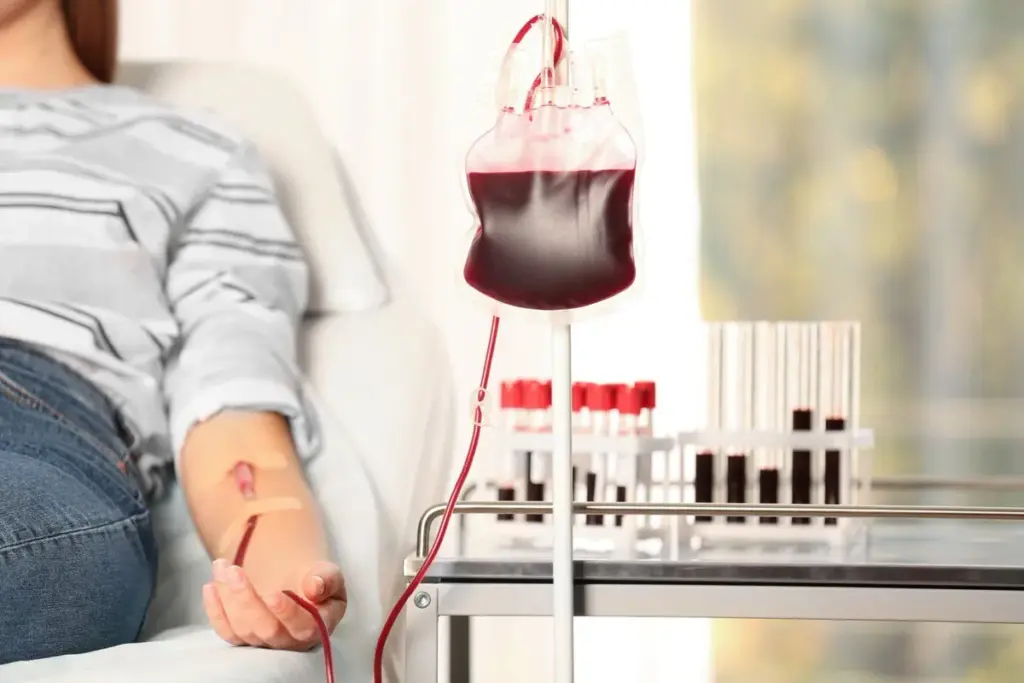
The journey to a successful autologous stem cell transplant starts with thorough preparation. This includes medical and personal aspects. It’s key for the best patient outcomes and a smooth transplant process.
Physical and Psychological Preparation
Preparing for a stem cell transplant is a big challenge. It’s not just about the body, but also the mind. Physical preparation means a series of tests to check organ function and health. This includes heart and lung tests to make sure the patient is ready.
Psychological preparation is just as important. It involves counseling and support to deal with treatment stress and side effects.
Central Venous Catheter Placement
Another important step is the placement of a central venous catheter. This catheter is for chemotherapy, blood transfusions, and blood samples. The procedure is minor but requires careful planning and skill.
We focus on our patients’ physical and mental health. We also manage all necessary steps carefully. This way, we offer complete care for a successful transplant.
Stem Cell Mobilization Process
Stem cell mobilization is key for successful autologous transplants. It prepares stem cells for harvesting. The process gets stem cells from the bone marrow into the bloodstream for collection.
Growth Factor Administration
Growth factors, like G-CSF (Granulocyte-Colony Stimulating Factor), are used to mobilize stem cells. They stimulate the bone marrow. This increases stem cell production and release into the blood.
The use of growth factors has made stem cell mobilization more efficient. It leads to a better harvest.
Chemotherapy-Assisted Mobilization Techniques
Chemotherapy is used for mobilization, too, when growth factors alone don’t work. It temporarily stops the bone marrow, then it recovers. This boosts stem cell release.
This method is very effective in some cases. It increases the stem cell yield for transplant. Combining chemotherapy with growth factors improves mobilization for each patient.
Harvesting Autologous Stem Cells
After mobilizing stem cells, the next step is harvesting them through apheresis. This process is key for collecting stem cells for the autologous transplant.
Apheresis Procedure Explained
Apheresis separates stem cells from other blood parts. Blood is drawn from a vein and passed through a special machine to isolate stem cells. The rest of the blood is then returned to the body. This can take hours, with the patient being watched for any bad reactions.
As a medical expert noted,
“Apheresis is a safe and effective way to get stem cells, with few side effects for most patients.”
Collection Duration and Target Cell Counts
The apheresis time and number of sessions needed depend on the cell count needed for the transplant. The aim is to collect enough stem cells for a successful transplant. The needed cell count varies by patient condition and transplant plan.
- The apheresis process usually takes one or more days.
- The target cell count is based on the patient’s weight and the transplant’s needs.
We know apheresis can be long and uncomfortable. But it’s a vital step in the stem cell transplant process. Our team works hard to make it as comfortable and safe as we can for our patients.
Processing and Cryopreserving Collected Stem Cells
Processing and cryopreserving stem cells are key for successful autologous transplants. After harvesting, stem cells need to be cleaned and checked for health before freezing.
Cell Counting and Quality Assessment
We carefully count and check the quality of the stem cells. This ensures they are ready for transplant. We look at cell viability, colony-forming unit (CFU) ability, and total cell number. These checks help decide if the cells are enough for a transplant.
|
Assessment Criteria |
Description |
Importance |
|---|---|---|
|
Cell Viability |
Percentage of living cells |
High viability means healthy cells |
|
CFU Ability |
Cells’ ability to form colonies |
Shows cells’ ability to settle and grow |
|
Cell Count |
Total number of cells |
Ensures enough cells for transplant |
Freezing and Storage Techniques
Cryopreservation freezes stem cells at very low temperatures to keep them alive. We use controlled-rate freezing to avoid cell damage. The frozen cells are stored in liquid nitrogen at -196°C. This keeps the stem cells alive for a long time.
The Stem Cell Transplant Timeline
The journey from induction therapy to the transplant day is complex and unique for each person. We know it can be tough to navigate, but with the right help, patients can feel more ready for what’s next.
From Induction Therapy to Transplantation
Induction therapy is the first step, aiming to kill cancer cells and get the body ready for the transplant. This part can take months and includes chemotherapy, sometimes with radiation. Good induction therapy is key for a successful transplant.
A top oncologist, says, “Induction therapy is vital for the transplant process. It’s a big part of the treatment plan.”
Preparing for Transplant Day
As transplant day gets closer, patients start getting ready. They get a central venous catheter, do pre-transplant tests, and check their organ function. It’s vital to follow your healthcare team’s advice closely during this time.
Emotional and mental preparation is also important, as the transplant journey can be tough. The National Cancer Institute says, “Getting ready helps lower anxiety and makes the transplant smoother.”
Knowing the stem cell transplant timeline and what to expect helps patients prepare. Our team is here to offer full support every step of the way.
High-Dose Chemotherapy Conditioning
The conditioning regimen is a key part of autologous stem cell transplantation. It uses high-dose chemotherapy to get the patient’s body ready for the transplant.
Purpose of the Conditioning Regimen
The main goal of the conditioning regimen is to kill cancer cells and weaken the immune system. It also makes room in the bone marrow for new stem cells. This treatment makes sure the body is ready for the transplant, lowering the chance of cancer coming back and helping the new cells to grow well.
Common Chemotherapy Protocols and Side Effects
Protocols like BEAM (carmustine, etoposide, cytarabine, and melphalan) and Melphalan alone or with others are often used. These treatments are effective but can lead to serious side effects. These include nausea, tiredness, hair loss, and a higher chance of infections.
Patients getting high-dose chemotherapy need careful watching and support to deal with these side effects. This helps reduce complications and improves their care.
Stem Cell Reinfusion and Engraftment
Stem cell reinfusion is a key step in the autologous transplant process. It starts the recovery phase. The process involves giving the patient their own stem cells back through an IV.
The Reinfusion Process
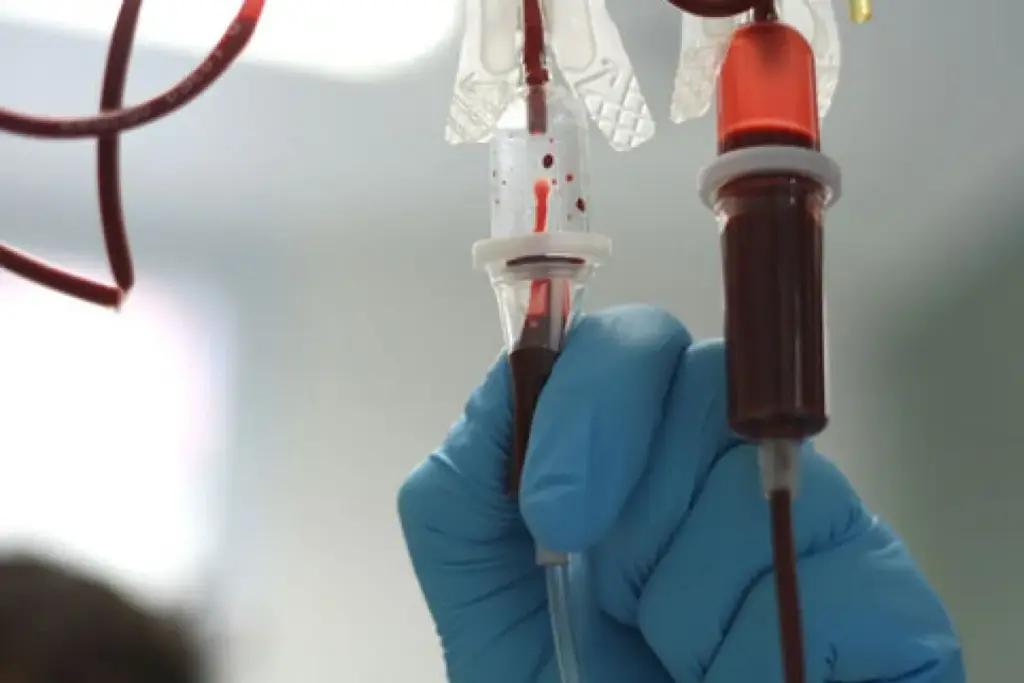
The reinfusion process is simple and often done in an outpatient setting. The stem cells are thawed and infused through a central venous catheter, like a blood transfusion. Patients are watched for any immediate reactions during and after the infusion.
The procedure is generally well-tolerated, but some may feel nausea, vomiting, or an allergic reaction to the cryoprotectant. These side effects are usually managed with medication.
Engraftment Timeline and Monitoring
After reinfusion, the stem cells start to engraft in the bone marrow. Engraftment usually takes 2-4 weeks. During this time, patients are closely watched for signs of engraftment and any complications.
- Blood counts are regularly checked to assess the recovery of white blood cells, red blood cells, and platelets.
- Patients are also monitored for infections and other complications related to the transplant.
As the stem cells engraft, patients start to recover their immune function. The risk of infection goes down. Close monitoring during this period is key to manage any complications and ensure a successful transplant outcome.
Success Rates and Outcomes of Autologous Transplantation
It’s important for patients and doctors to know about autologous stem cell transplant outcomes. The success of these transplants depends on many things. These include the patient’s health and the disease being treated.
Statistical Success Rates by Condition
Autologous stem cell transplantation helps treat many diseases, like multiple myeloma and leukemia. The success rate can change based on the disease. For example, a study found that patients with multiple myeloma live longer after this transplant.
The National Cancer Institute says survival rates have gone up for these transplants.
|
Condition |
Success Rate |
5-Year Survival Rate |
|---|---|---|
|
Multiple Myeloma |
70-80% |
50-60% |
|
Lymphoma |
50-70% |
40-60% |
|
Leukemia |
40-60% |
30-50% |
Factors Affecting Transplant Success
Many things can affect how well an autologous stem cell transplant works. These include the patient’s age and health, and the disease’s specifics. The conditioning regimen before the transplant also matters.
A strong conditioning regimen can kill more cancer cells. This makes the transplant more likely to succeed.
Patient selection is key. Patients who are healthy and have a responsive disease do better. Better transplant techniques and care have also helped improve success rates.
Conclusion: Advancements in Autologous Stem Cell Transplants
Autologous stem cell transplants have seen big improvements, changing how we treat cancers and diseases. New therapies like CAR-T cell therapy have made these transplants even better.
The future of stem cell therapy is bright, with more research underway. We’re getting closer to making treatments even more effective. This is thanks to our growing knowledge of stem cells and new technologies.
These advances have changed medicine a lot, giving hope to patients everywhere. As we keep moving forward, CAR-T cell therapy and other new methods will be key. They will help shape the future of stem cell therapy.
FAQ
What is an autologous stem cell transplant?
An autologous stem cell transplant uses a patient’s own stem cells. These cells are collected, stored, and then given back after high-dose chemotherapy. This helps restore the bone marrow.
How are stem cells harvested for an autologous transplant?
Stem cells are harvested through apheresis. This is when the patient’s blood is filtered to collect stem cells. They are then stored for later use.
What is the purpose of high-dose chemotherapy conditioning in an autologous stem cell transplant?
High-dose chemotherapy conditioning kills cancer cells. It also prepares the bone marrow for the stem cells that will be given back.
What is the stem cell transplant process, and how long does it take?
The process includes several steps. These are induction therapy, stem cell mobilization and harvesting, chemotherapy conditioning, and stem cell reinfusion. It can take weeks to months.
How are autologous stem cells processed and cryopreserved?
After harvesting, the stem cells are processed and counted. They are then cryopreserved using special freezing techniques. This keeps them viable for later use.
What are the advantages of autologous stem cell transplantation compared to allogeneic transplantation?
Autologous stem cell transplantation uses the patient’s own cells. This reduces the risk of graft-versus-host disease and other complications seen in allogeneic transplantation.
What is the role of growth factors in stem cell mobilization?
Growth factors help release stem cells from the bone marrow. This makes them available for harvesting.
What are the common chemotherapy protocols used in conditioning regimens for autologous stem cell transplants?
The chemotherapy protocol varies based on the condition being treated. Common regimens include high-dose chemotherapy with agents like melphalan or busulfan.
How is engraftment monitored after stem cell reinfusion?
We monitor the patient’s blood counts and other indicators after reinfusion. This helps assess the rate of engraftment and bone marrow recovery.
What are the success rates and outcomes of autologous stem cell transplantation?
Success rates vary based on the condition, patient factors, and other variables. Autologous stem cell transplantation is effective in treating many hematological malignancies and conditions.
What is the significance of CAR-T cell therapies in the context of autologous stem cell transplants?
CAR-T cell therapies are a new approach. They genetically modify T cells to attack cancer cells. They may be used with autologous stem cell transplantation.
How do we determine a patient’s eligibility for an autologous stem cell transplant?
We assess a patient’s eligibility through a detailed evaluation. This includes pre-transplant testing and organ function evaluation. It determines if they are suitable for the procedure.
What preparations are necessary for the transplant procedure?
Preparations include physical and psychological preparation. We also ensure the patient is ready for the transplant by placing a central venous catheter.
References
- UCSF Health: https://www.ucsfhealth.org/treatments/autologous-transplant
- Multiple Myeloma Research Foundation: https://www.myeloma.org/autologous-stem-cell-transplant
- Nature: https://www.nature.com/articles/s41408-023-00905-8
- City of Hope: https://www.cityofhope.org/clinical-program/bone-marrow-and-blood-stem-cell-transplants/autologous-transplant
- Blood (ASH Publications): https://ashpublications.org/blood/article/136/Supplement%201/36/470219/Current-Outcomes-of-Autologous-Stem-Cell
- Cancer.gov: https://www.cancer.gov/about-cancer/treatment/types/stem-cell-transplant/stem-cell-fact-sheet
- Healthline: https://www.healthline.com/health/autologous-stem-cell-transplant