Stem cell treatment side effects are an important topic for anyone considering this innovative therapy. At Liv Hospital, we understand that new treatments like stem cell therapy bring both excitement and concern. While these therapies offer hope for patients with difficult-to-treat diseases, it’s also vital to know the potential risks.
Stem cell therapy is transforming how we approach many health conditions. However, how safe it is depends on several factors — including the type of stem cells used and the patient’s overall health.
In this article, we’ll explore the good and bad sides of stem cell treatment, discussing both short-term and long-term stem cell treatment side effects. Understanding these risks helps patients make informed decisions about their health and recovery journey.
Key Takeaways
- Stem cell therapy can have various side effects, ranging from mild to severe.
- The type of stem cells used and the administration method can impact the safety of the treatment.
- Patients should be aware of the possible risks and benefits before undergoing stem cell therapy.
- Liv Hospital is committed to providing world-class, trusted, and patient-focused care.
- Understanding the possible side effects is key to making informed decisions about your treatment.
Understanding Stem Cell Therapy Basics
To understand the risks of stem cell therapy, we need to know the basics. This treatment, also known as regenerative medicine, uses the body’s healing powers. It aims to treat many medical conditions.
What Are Stem Cells and How Are They Used Therapeutically
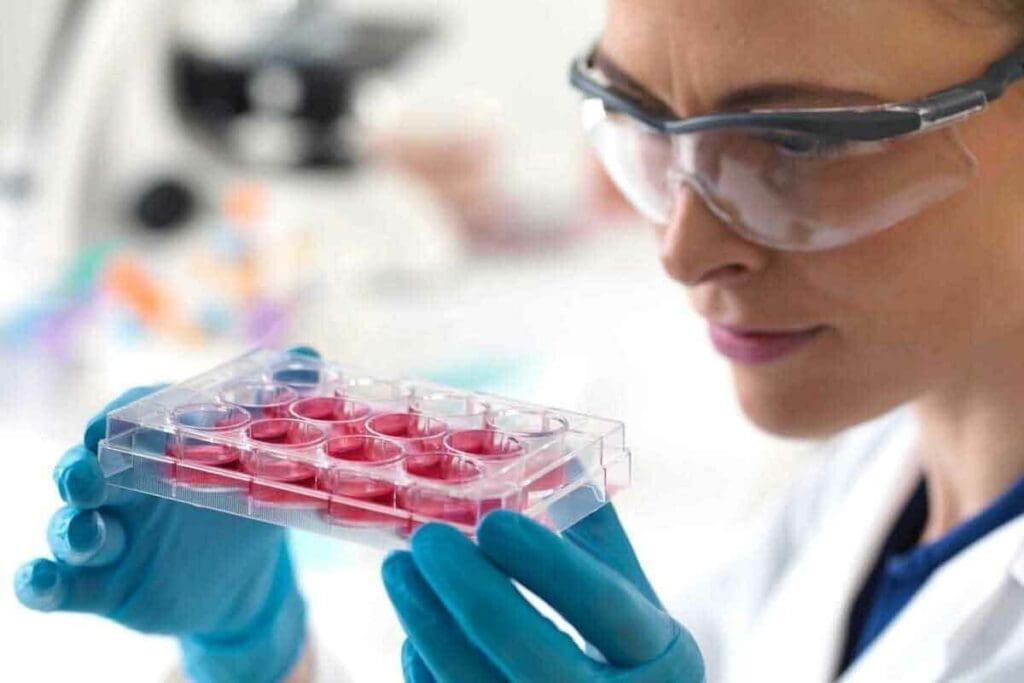
Stem cells can turn into different cell types. This makes them great for fixing or replacing damaged tissues. Therapeutically, stem cells are used to promote healing in injuries, autoimmune diseases, and degenerative disorders.
The process starts with taking stem cells from the patient or a donor. Then, these cells are processed and put back into the body. The goal is to stimulate the body’s natural healing mechanisms, helping to repair and grow tissues.
FDA-Approved vs. Experimental Treatments
It’s important to know the difference between FDA-approved and experimental stem cell treatments. The FDA has only approved a few stem cell therapies. These are mainly for blood-related disorders, after they are safe and effective through trials.
Many stem cell treatments for other conditions are not FDA-approved. These treatments may be provided through clinical trials or as part of a clinic’s therapeutic offerings. But their safety and effectiveness have not been proven yet. Patients should be careful and do their research before trying any stem cell therapy.
Common Stem Cell Treatment Side Effects
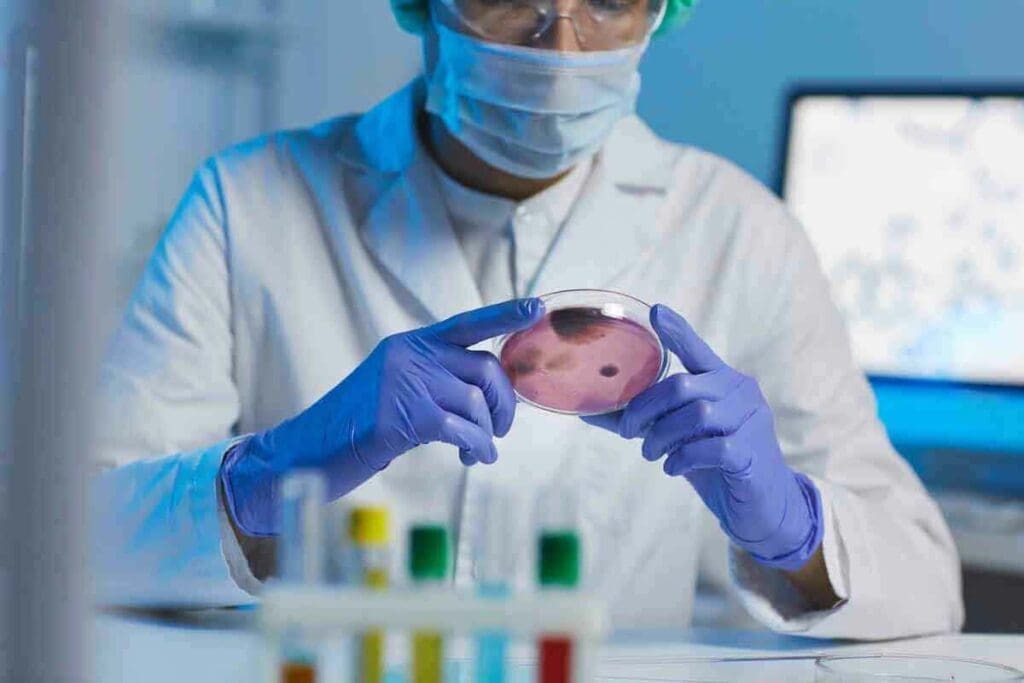
Exploring the benefits of stem cell therapy, we must also look at the common side effects. These treatments are generally safe but can cause reactions in some. It’s important to know about these possible effects.
Risk #1: Injection Site Pain and Inflammation
Injection site pain and inflammation are common side effects. This reaction is usually mild and goes away in a few days. Studies show many patients experience this at the injection site.
Risk #2: Temporary Fever and Fatigue
Some may get a temporary fever and fatigue after treatment. These symptoms are short-lived and can be helped with rest and over-the-counter meds. They are part of the body’s natural response to stem cells.
Risk #3: Headaches and Mild Discomfort
Headaches and mild discomfort are also common. These symptoms are usually mild and can be eased with proper care and medication.
Most side effects of stem cell therapy are mild and go away in days. Common ones include reactions at the injection site, temporary pain or stiffness, and fatigue. Knowing about these side effects helps patients prepare for treatment.
Method-Specific Complications
The way stem cell therapy is given can affect its side effects. Different methods, like injections, IV therapy, facial treatments, and oral supplements, have their own risks.
Stem Cell Injection Side Effects
Stem cell injections are a common treatment. They are usually safe but can cause pain, swelling, and bruising. Rarely, infections or nerve damage might happen.
Common side effects of stem cell injections include:
- Pain or discomfort at the injection site
- Swelling or bruising
- Infection
- Nerve damage
IV Stem Cell Therapy Side Effects
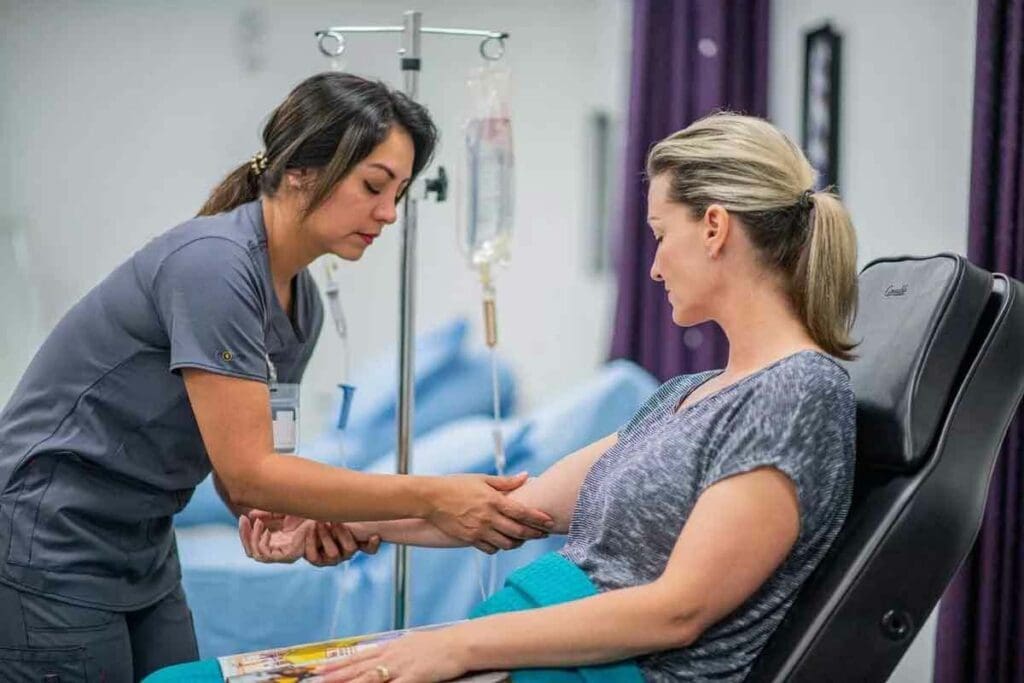
IV stem cell therapy puts stem cells directly into the blood. It might cause mild immune reactions like fever or tiredness. But serious issues like blood clots are rare.
Potential risks associated with IV stem cell therapy:
- Mild immune responses (fever, fatigue)
- Blood clots or thromboembolism
- Allergic reactions
Stem Cell Facial Side Effects
Stem cell facials apply stem cells to the skin. This method is mostly safe but can cause skin irritation, redness, or allergic reactions in some people.
| Side Effect | Frequency |
| Skin irritation | Common |
| Redness | Common |
| Allergic reactions | Rare |
Oral Stem Cell Supplements Side Effects
Oral stem cell supplements are taken by mouth to support health. But their safety and effectiveness are not always checked. Side effects might include stomach problems or allergic reactions.
Possible side effects of oral stem cell supplements:
- Gastrointestinal issues
- Allergic reactions
- Interactions with other medications
Serious Dangers of Stem Cell Treatments
Stem cell treatments are promising but come with serious dangers. It’s important to know the risks as we explore regenerative medicine.
Risk #4: Severe Allergic Reactions
Severe allergic reactions are a big danger with stem cell treatments. These reactions can happen when foreign substances enter the body. This can lead to anaphylaxis, a very serious condition. Patients with allergies should be extra careful and talk to their doctor about their history.
Risk #5: Blood Clots and Thromboembolism
Blood clots and thromboembolism are serious risks with stem cell therapy. Clots can form in the blood and travel to vital organs. It’s key to watch for signs of clotting after treatment.
Risk #6: Tumor Formation Risks
Tumor formation is a big worry with stem cell treatments. Undifferentiated stem cells can sometimes grow into tumors. It’s vital to screen and prepare stem cells carefully to lower this risk.
Risk #7: Unwanted Tissue Growth and Fibrosis
Unwanted tissue growth and fibrosis are also risks. Stem cells can sometimes cause tissue to grow in the wrong places or lead to fibrotic conditions. It’s important to carefully evaluate the treatment plan to avoid these issues.
In summary, stem cell treatments are promising but come with serious risks. Both patients and healthcare providers need to understand these dangers. This knowledge helps make informed treatment decisions.
Long-Term Side Effects of Stem Cell Therapy
It’s key to know the long-term effects of stem cell therapy before deciding to use it. We’re learning about its benefits, but we also need to look at the possible risks.
Risk #8: Immune System Complications
Stem cell therapy can lead to immune system complications. The body might see the new cells as foreign and attack them. This can cause graft-versus-host disease (GVHD), which can be mild or severe and even life-threatening.
To lower this risk, patients get immunosuppressive drugs. But these drugs can make them more likely to get infections. It’s important to watch and manage this closely to avoid problems.
Risk #9: Possible Disease Transmission
There’s also a risk of disease transmission with stem cell therapy. Even with strict screening, there’s a small chance of getting diseases or genetic disorders from the cells. This risk is higher with cells from donors than with cells from the patient themselves.
Stem cell banks and clinics follow strict rules to screen donors. But the risk of disease transmission is something patients should think about before getting stem cell therapy.
Ongoing Research and Uncertain Risks
The field of stem cell therapy is always changing, with new research coming out. As we learn more, we’ll understand the risks and benefits better. Right now, there are uncertain risks that need more study.
Long-term studies are vital to understand the risks of stem cell therapy. As we get more data, we can give patients a clearer picture of the therapy’s safety.
High-Risk Populations and Contraindications
We must think about the special risks for certain patient groups with stem cell treatment. Some health issues or situations can make stem cell therapy more dangerous.
Risk #10: Increased Dangers for Immunocompromised Patients
People with weak immune systems, like those with HIV/AIDS or on immunosuppressive drugs, face higher risks. Their bodies can’t fight off infections or heal well, leading to serious side effects.
Risk #11: Age-Related Risk Factors
Older adults might also be at greater risk. This is because of age-related physical decline, possible health problems, and weaker immune systems. It’s important to carefully check their health before starting stem cell treatment.
Pre-Existing Conditions That Amplify Risks
Conditions like cancer, active infections, or uncontrolled chronic diseases can increase the risks of stem cell therapy. It’s key to carefully check these conditions and consider the benefits and risks before starting treatment.
Knowing these high-risk groups and what to avoid helps doctors find the right candidates for stem cell therapy. This way, they can lower the chance of complications.
Is Stem Cell Treatment Safe? Evaluating the Evidence
It’s important to know the difference between safe and unsafe stem cell clinics. The safety of stem cell treatment depends on many things. This includes the type of stem cells and how they are given. Studies show that stem cell therapy is safe in well-regulated clinics.
Risk #12: Unregulated Clinics and Procedures
Unregulated clinics are very risky. They might use stem cells that are not safe. These clinics don’t follow strict safety rules. This can lead to serious problems for patients.
Some dangers of unregulated clinics include:
- Infection from contaminated stem cells
- Adverse reactions to untested or unproven treatments
- Lack of follow-up care or support
Comparing Safety Profiles of Different Stem Cell Therapies
Comparing Safety Profiles of Different Stem Cell Therapies
Not all stem cell therapies are the same when it comes to safety. Autologous therapies, which use a patient’s own cells, are often safer. But his safety also depends on the condition being treated and the patient’s health.
Several factors affect the safety of stem cell treatments. These include:
- The source of stem cells (e.g., bone marrow, adipose tissue, or umbilical cord)
- The method of administration (e.g., injection, IV, or oral supplements)
- The presence of any additional treatments or adjuvants
Red Flags and Warning Signs
When thinking about stem cell therapy, watch out for red flags. These signs can mean a clinic or treatment is not safe. Some red flags include:
- Claims of miraculous or unproven benefits
- Lack of transparency about the treatment protocol or stem cell source
- No clear information about possible risks or side effects
- Pressure to undergo treatment quickly without adequate consultation
Being informed and careful can help patients avoid risks. This way, they can make better choices about their health.
Minimizing Risks: Safety Precautions and Considerations
Stem cell treatment safety can be greatly improved by knowing and following key precautions. It’s important to talk about the steps to take to lower risks with these treatments.
Questions to Ask Your Provider
Before starting stem cell therapy, patients should talk a lot with their healthcare providers. Asking the right questions helps understand the treatment’s risks and benefits. Important questions include:
- What are the possible side effects of the stem cell treatment?
- How are the stem cells obtained and processed?
- What qualifications and experience does the medical team have?
- Are there other treatment options available?
Being informed is key to making the best choice about stem cell therapy.
Proper Screening and Preparation
Safe stem cell therapy starts with proper screening and preparation. Patients need to have thorough medical checks to find any risks. This includes looking at their medical history, current health, and any conditions that might affect the treatment.
Also, patients should follow their healthcare providers’ pre-treatment advice. This might include changing their lifestyle or stopping certain medications.
Post-Treatment Monitoring
After stem cell therapy, post-treatment monitoring is key to ensuring safety and treatment success. Patients should know about possible side effects and tell their healthcare providers if they have any concerns. Regular check-ups help catch and fix any problems early.
By understanding safety precautions and being active in their care, patients can reduce risks and get the most from stem cell therapy.
Conclusion: Balancing Benefits and Risks
Stem cell therapy has shown promise for treating many conditions. But we must carefully weigh its benefits against the known risks and side effects. A study of 36 research papers found no link between stem cells and cancer risk. No serious side effects were reported.
Yet, some risks like kidney damage, blood clots, and lung blockages have been linked to stem cell use.
We need to look at the evidence carefully. This way, we can choose our treatments wisely and avoid bad outcomes. It’s all about finding a balance for safe and effective stem cell therapy.
FAQ
What are the common side effects of stem cell therapy?
Side effects include pain and swelling at the injection site. You might also feel a temporary fever, fatigue, and headaches. These effects are usually mild and short-lived. It’s important to talk to your healthcare provider about them.
Are stem cell injections safe?
Injections can be safe if done by a qualified doctor using FDA-approved treatments. But there are risks like infection, allergic reactions, and tissue damage.
What are the risks of IV stem cell therapy?
IV therapy can lead to severe allergic reactions, blood clots, and thromboembolism. It’s vital to understand the risks and talk to your doctor about them.
Can stem cell therapy cause long-term side effects?
Yes, it can lead to long-term issues like immune system problems and disease transmission. Research is ongoing to understand these risks better.
Who is at high risk for stem cell therapy complications?
People with weakened immune systems, older adults, and those with health issues are at higher risk. It’s important to carefully select and screen patients to reduce risks.
How can I minimize risks associated with stem cell therapy?
To reduce risks, ask about your doctor’s experience and qualifications. Make sure you’re properly screened and prepared. Follow post-treatment guidelines closely.
What are the warning signs of stem cell therapy complications?
Look out for severe pain, swelling, or redness at the injection site. Also, watch for difficulty breathing, chest pain, or severe allergic reactions. Seek medical help right away if you notice these symptoms.
Are unregulated stem cell clinics safe?
No, unregulated clinics can be dangerous. They often lack oversight and may use untested treatments. Be wary of clinics making exaggerated claims or using unapproved treatments.
How do I choose a safe and reputable stem cell therapy provider?
Research the provider’s qualifications, experience, and safety record. Make sure they use FDA-approved treatments and follow proper protocols. Ask questions and discuss risks and benefits with your healthcare provider.
What is the difference between FDA-approved and experimental stem cell treatments?
FDA-approved treatments have been tested and proven safe and effective. Experimental treatments are being researched and may not be safe or effective yet. Always choose FDA-approved treatments when possible.
Can stem cell therapy cause tumor formation or unwanted tissue growth?
Yes, there’s a risk of tumor formation or unwanted tissue growth. This risk is higher with certain stem cells or unregulated treatments.
How can I ensure I’m receiving safe stem cell therapy?
To get safe therapy, choose a reputable provider. Follow proper screening and preparation guidelines. Monitor your health after treatment.
References
- Zhang, Y., et al. (2022). Adverse events, side effects, and complications in stem cell therapy: a systematic review. Regenerative Medicine, 17(9), 897-911. https://pmc.ncbi.nlm.nih.gov/articles/PMC9659480/