Learn about Chronic Lymphocytic Leukemia (CLL) at Liv Hospital. Discover symptoms, advanced diagnosis, and personalized treatment options for global patients.
We're Here to Help. Get in Touch.
Send us all your questions or requests, and our expert team will assist you.
Lymphocytic Leukemia: Overview and Definition
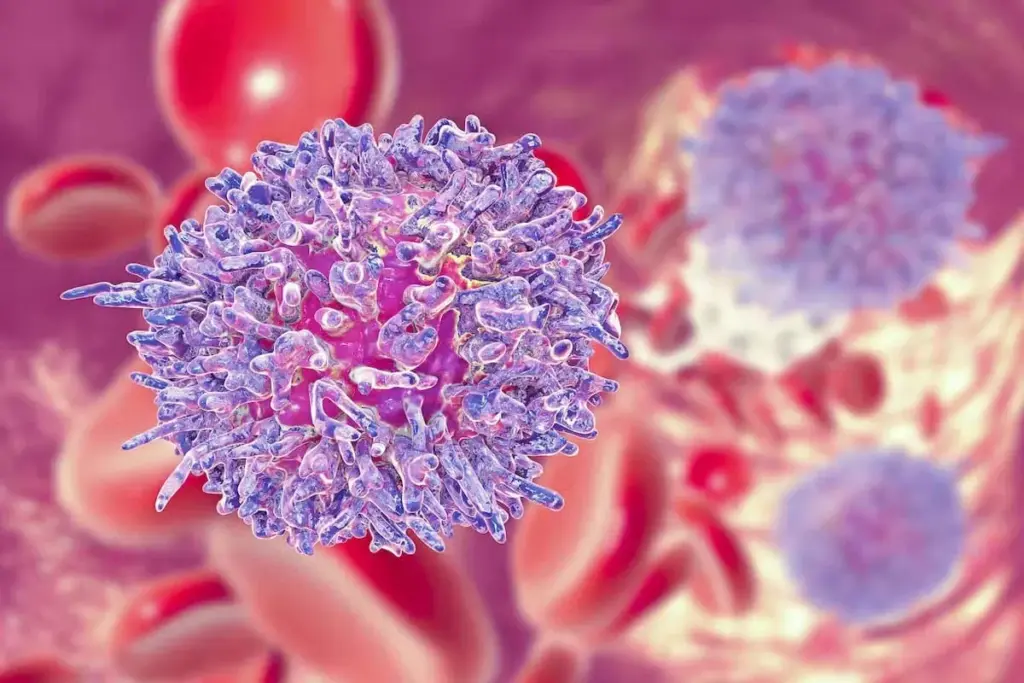
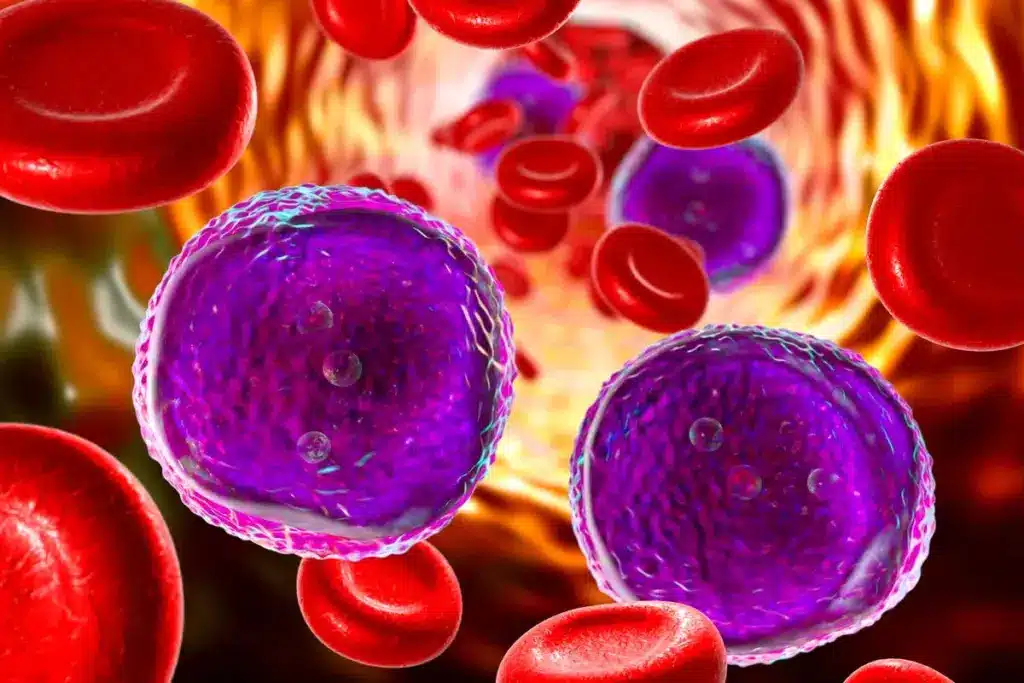
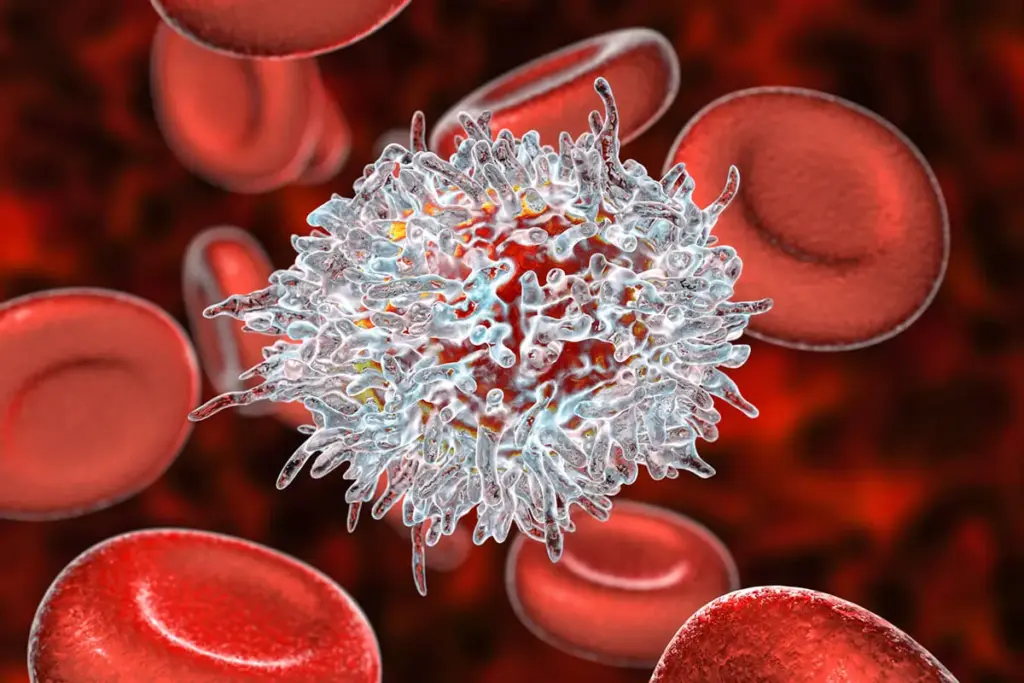
Lymphocytic leukemia is a kind of blood cancer that starts in certain white blood cells called lymphocytes, which help protect your body from infections. Normally, lymphocytes grow and mature in a controlled way so they can fight germs. In lymphocytic leukemia, this process goes wrong, and the body makes too many abnormal lymphocytes that don’t work properly. As these unhealthy cells build up, they crowd out the normal blood cells and upset the balance of your immune system.
Lymphocytic leukemia isn’t just one disease. It’s a group of related conditions, each with its own ways of acting and progressing. Doctors usually sort them by how fast they grow and the type of lymphocyte they start in. There are two main types: acute lymphocytic leukemia (which develops quickly) and chronic lymphocytic leukemia (which develops more slowly). These are different diseases, not just different stages of the same illness.
Lymphocytic leukemia doesn’t just affect the blood. It can also involve the bone marrow (where blood cells are made), lymph nodes, spleen, and other parts of the immune system. Since lymphocytes travel throughout the body, these abnormal cells can build up in different places. This is why people with lymphocytic leukemia can have many different symptoms. Knowing how this condition works helps doctors understand what symptoms mean, how to diagnose it, and how to treat it.
What Is Lymphocytic Leukemia
Lymphocytic leukemia is defined as a malignant disorder of lymphocytes characterized by excessive production of abnormal cells that crowd out healthy blood cells and disrupt immune function.
Basic Medical Definition
In lymphocytic leukemia, the bone marrow produces large numbers of lymphocytes that are genetically altered and functionally ineffective. These cells may accumulate slowly or rapidly depending on the type of leukemia, and they fail to undergo normal cell death, allowing them to build up over time.
Key defining features include • Origin in lymphocyte precursor or mature lymphocyte cells • Abnormal proliferation within the bone marrow • Presence of malignant lymphocytes in blood and lymphatic tissues • Disruption of normal blood cell balance
The behavior of the disease depends largely on whether it is acute or chronic in nature.
Role of Lymphocytes in the Body
To understand lymphocytic leukemia, it is important to understand the normal role of lymphocytes.
Normal Lymphocyte Function
Lymphocytes are a subset of white blood cells that play a central role in immune defense. They are responsible for recognizing foreign substances, coordinating immune responses, and producing antibodies or directly destroying abnormal cells.
The main lymphocyte types include • B lymphocytes, which produce antibodies • T lymphocytes, which regulate immune responses and kill infected cells
In lymphocytic leukemia, these cells lose their normal protective function and instead contribute to disease.
Major Types of Lymphocytic Leukemia
Lymphocytic leukemia is broadly divided into acute and chronic forms based on disease progression speed and cell maturity.
Acute Lymphocytic Leukemia
Acute lymphocytic leukemia is characterized by the rapid growth of immature lymphocyte precursor cells. These cells multiply quickly and crowd out normal blood cell production, leading to symptoms that often develop suddenly and require prompt medical attention.
Acute forms are more common in children but can occur at any age.
Chronic Lymphocytic Leukemia
Chronic lymphocytic leukemia involves the slow accumulation of more mature appearing but abnormal lymphocytes, most often B cells. The disease typically progresses gradually, and some individuals may have no symptoms for long periods.
Chronic lymphocytic leukemia is more common in adults and represents one of the most frequently diagnosed leukemias in this age group.
B Cell and T Cell Variants
Lymphocytic leukemia can also be classified based on the specific lymphocyte subtype involved.
B Cell Lymphocytic Leukemia
Most cases of chronic lymphocytic leukemia arise from B lymphocytes. These abnormal B cells accumulate in the blood, bone marrow, and lymph nodes and interfere with normal immune function.
T Cell Lymphocytic Leukemia
Less commonly, lymphocytic leukemia may originate from T lymphocytes. Certain forms, such as large granular lymphocytic leukemia, involve mature T cells and follow different clinical patterns compared to B cell disease.
Small Lymphocytic Leukemia and Related Conditions
Some lymphocytic leukemias share overlapping features with lymphomas.
Relationship Between Leukemia and Lymphoma
Small lymphocytic leukemia and chronic lymphocytic leukemia are considered closely related conditions. The distinction is based mainly on where the abnormal lymphocytes are most prominent, whether primarily in the blood or in lymph nodes, rather than on fundamental biological differences.
This overlap highlights the interconnected nature of blood and lymphatic cancers.
Because blood and lymphatic tissues are distributed throughout the body, lymphocytic leukemia is considered a systemic condition.
Widespread Impact on the Body
Abnormal lymphocytes may be found in • Blood circulation • Bone marrow • Lymph nodes • Spleen and liver
This widespread involvement explains why symptoms can affect multiple body systems.
Clinical Importance of Early Understanding
Understanding lymphocytic leukemia at a foundational level helps patients and caregivers interpret diagnostic findings and treatment decisions. While the word leukemia often suggests a single aggressive disease, lymphocytic leukemia includes a wide spectrum of conditions with very different clinical courses.
Recognizing whether the disease is acute or chronic, B cell or T cell, and fast or slow growing is essential for accurate evaluation and appropriate care planning.
30 Years of Excellence
Trusted Worldwide
With patients from across the globe, we bring over three decades of medical
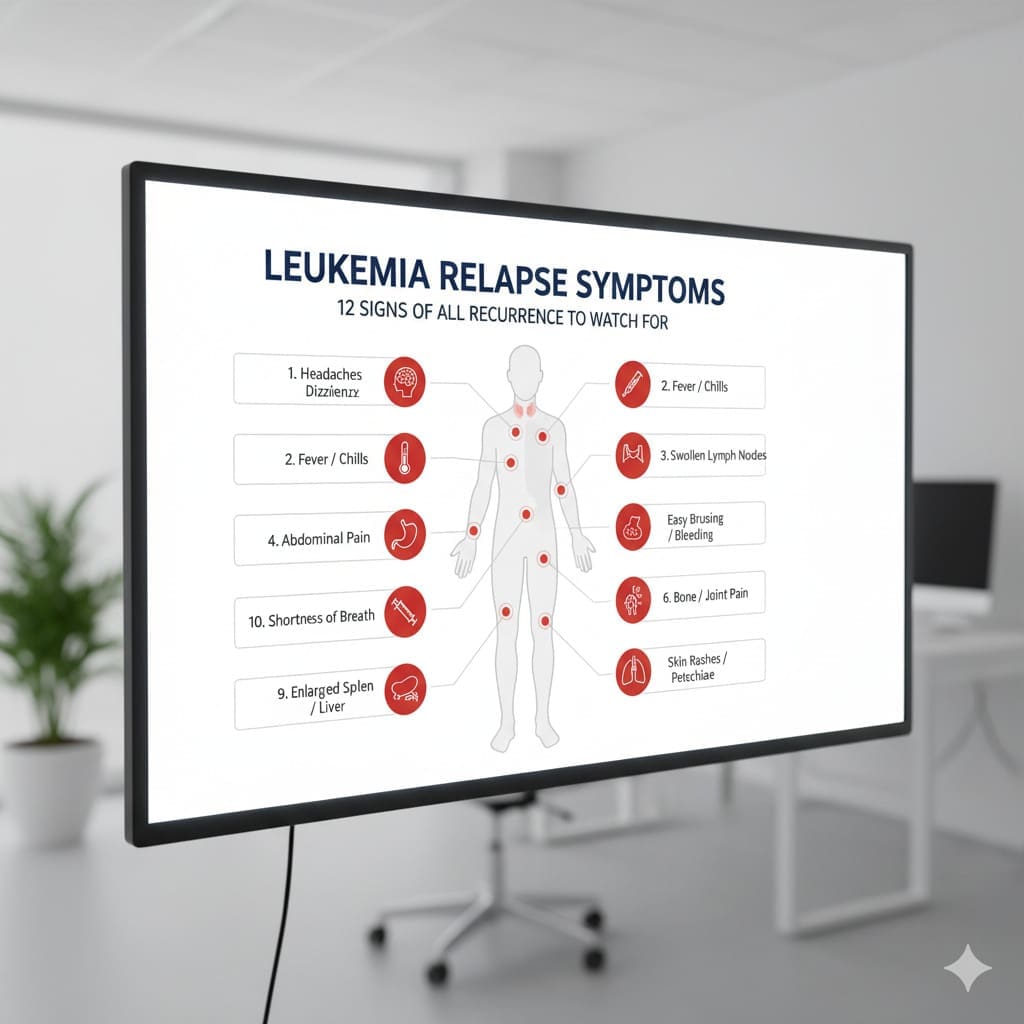
Leukemia Relapse Symptoms: 12 Signs of ALL Recurrence to Watch For
Leukemia relapse symptoms can mirror initial diagnosis, including fatigue, fever, and easy bruising. Learn the signs of ALL recurrence in children and adults.