
Are you missing teeth and unsure about what to do? Dental implants are a permanent, natural-looking fix. They can bring back your smile with confidence step by step dental implant procedure photos.
Implants work and feel like your own teeth. They stop bone loss and keep your face looking good for years.
Knowing the step-by-step process can make you feel better. It helps you understand this life-changing choice.
Key Takeaways
- Dental implants offer a natural and permanent fix for missing teeth.
- The implant process is a step-by-step journey that takes months.
- Implants prevent bone loss and keep your face looking good.
- The process includes a consultation, implant placement, and final restoration.
- Understanding the process can ease your worries and help you decide.
Understanding Dental Implants
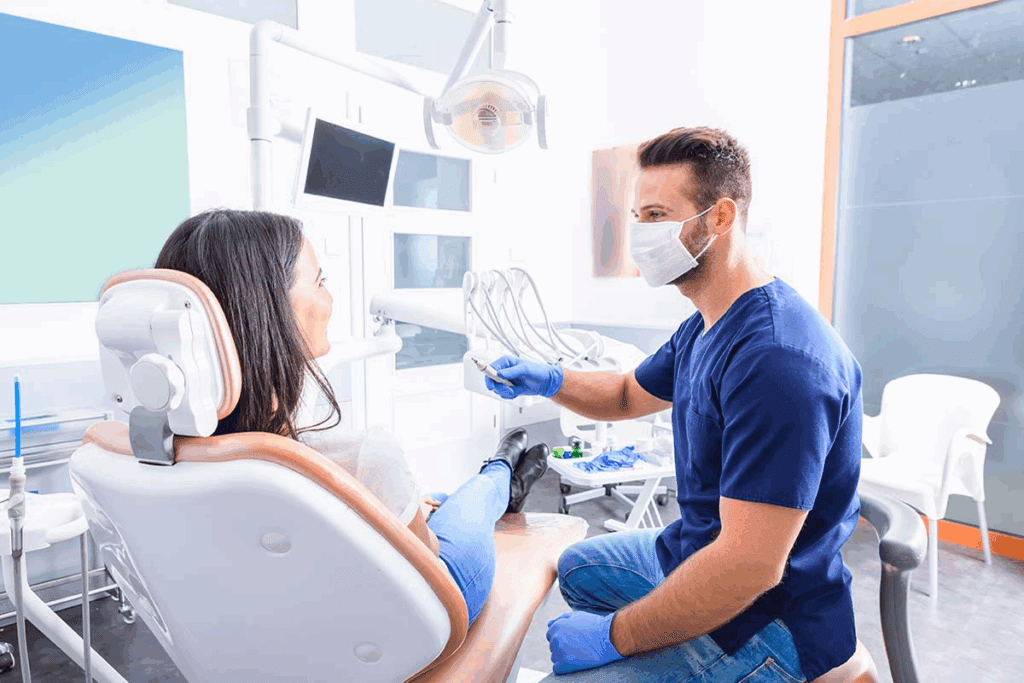
Dental implants are the top choice for replacing teeth. They offer many benefits over other methods. We’ll look into what dental implants are, their advantages, and the types available for different needs.
What Are Dental Implants?
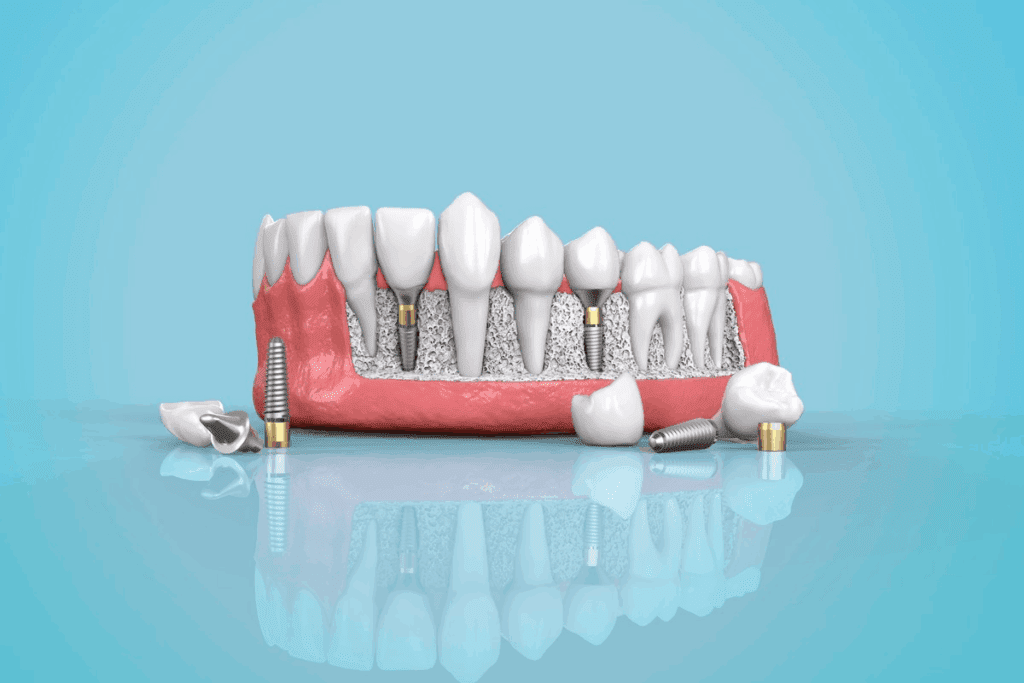
Dental implants are artificial tooth roots made of titanium or other materials. They are placed in the jawbone to support a new tooth or teeth. This implant placement is key for their stability and long life.
The process of placing dental implants includes several steps. These are the initial consultation, the surgery, and attaching the abutment and crown. Knowing these dental implant placement steps is important for those thinking about this option.
Benefits of Choosing Dental Implants
Dental implants have many benefits. They make them a great choice for those with missing teeth. Some main advantages are:
- Durability: Dental implants can last for decades with proper care.
- Natural Appearance: They look and function like natural teeth.
- Jawbone Preservation: They help keep the jawbone strong, preventing bone loss.
- Improved Oral Health: Unlike bridges, they don’t harm nearby teeth, keeping more of your natural teeth.
Types of Dental Implants Available
There are many types of dental implants for different needs. The main types are:
- Endosteal Implants: These are the most common, placed directly in the jawbone.
- Subperiosteal Implants: These sit on top of the jawbone, used for those with less bone.
- Zygomatic Implants: These longer implants anchor into the cheekbone, for those with little upper jaw bone.
Knowing about the different types of dental implants and their benefits helps people choose the best option.
The Complete Dental Implant Timeline
Getting dental implants is a journey that takes time. It can take several months to complete. Knowing the timeline helps patients prepare for each stage.
Average Duration: 2-6 Months
The dental implant process usually takes 2 to 6 months. This time is needed for the implant to bond with the bone, a process called osseointegration.
Key stages within this timeline include:
- Initial consultation and evaluation
- Implant placement surgery
- Osseointegration period
- Abutment placement
- Final crown placement
Factors That May Extend Your Timeline
Several factors can make the dental implant process longer. These include:
- The need for bone grafting to ensure a strong foundation for the implant.
- Healing time after tooth extraction or other preparatory surgeries.
- The complexity of the case, which may require additional procedures.
What to Expect at Each Stage
At each stage of the dental implant process, patients can expect:
- A thorough consultation to discuss treatment plans and expectations.
- A surgical procedure for implant placement, often under anesthesia for comfort.
- A healing period where the implant integrates with the bone.
- A second minor surgery for abutment placement.
- The final placement of a custom-made crown.
By understanding the timeline and what to expect, patients can better prepare themselves for the journey to receiving dental implants.
Choosing the Right Dental Implant Specialist
Finding the right dental implant specialist is key to a successful procedure. The steps involved in implant placement are complex. You need a professional who can guide you well.
Qualifications to Look For
When looking for a dental implant specialist, there are important qualifications to check. Make sure they have the right training and certification in implant dentistry. Look for certifications from groups like the International Congress of Oral Implantologists (ICOI) or the American Board of Oral Implantology (ABOI).
Experience is also vital. Choose a specialist with a good track record of successful implants. They should also keep up with new implant procedure step by step techniques. Ask about their experience during your first meeting.
Questions to Ask During Consultation
Your first meeting is a chance to ask questions. This helps you understand if the specialist is right for you. Some key questions include:
- What is your experience with steps in dental implant placement?
- Can you show me before-and-after photos of your work?
- What kind of care can I expect after the procedure?
- Are there any extra costs I should know about?
Reading Reviews and Testimonials
Reading reviews and testimonials can also help. They give you a sense of the specialist’s reputation and work quality. Look for comments on their professionalism, the procedure’s ease, and patient satisfaction. This can give you a good idea of what to expect.
By considering these points, you can make a smart choice. Choose a dental implant specialist who meets your needs and ensures a successful implant placement steps outcome.
Initial Consultation and Evaluation
Your dental implant journey starts with a detailed initial consultation and evaluation. This step is key to check your oral health and create a treatment plan just for you.
Comprehensive Oral Examination
At the start, we do a full oral exam. We look at your teeth, gums, and overall health. This helps us spot any problems that might affect your implants.
X-Rays and 3D Scanning
We use X-rays and 3D scanning to see your mouth better. These tools give us clear images of your jaw and teeth. This helps us plan where to place your implants perfectly.
Discussing Your Treatment Plan
After the exams and tests, we talk about your treatment plan. This plan shows the steps for your implants, how long it will take, and if you need any extra steps like bone grafting.
Here’s a quick look at what happens in the initial consultation:
| Procedure | Description | Expected Outcome |
|---|---|---|
| Comprehensive Oral Examination | Evaluation of teeth, gums, and overall oral health | Identification of any issues that might affect implant success |
| X-Rays and 3D Scanning | Detailed images of jawbone and teeth | Best plan for placing implants |
| Treatment Plan Discussion | Details on steps, timeline, and extra steps needed | Clear understanding of the dental implant process |
By the end of your initial consultation, you’ll know all about your dental implants step by step procedure. This helps you make smart choices about your care.
Pre-Implant Procedures: Tooth Extraction
Before getting a dental implant, some people need a tooth pulled. This step is key for the implant to work well.
When Extraction Is Necessary
Tooth extraction is needed when a tooth can’t be fixed. This includes teeth that are too damaged, decayed, or infected. Pulling the tooth helps avoid more problems and gets the area ready for the implant.
The Extraction Process
The tooth extraction process has several steps:
- Evaluation: We check the tooth’s condition and decide the best way to pull it.
- Anesthesia: We use local anesthesia to make the process less painful.
- Extraction: The tooth is carefully pulled out with special tools.
- Post-Extraction Care: We give you tips on how to take care of the area to help it heal.
Healing Period (7-10 Days)
After pulling a tooth, it takes 7 to 10 days to heal. During this time, the body starts to fix the area, making a blood clot and closing the wound.
| Day | Healing Process | Care Instructions |
|---|---|---|
| 1-3 | Blood clot formation | Avoid rinsing, smoking, or strenuous activities |
| 4-7 | Wound closure begins | Gently rinse with salt water; maintain oral hygiene |
| 7-10 | Significant healing progress | Resume normal oral hygiene practices |
Healing well after a tooth extraction is important for the success of dental implants. By following our care tips and going to follow-up visits, you can have a smooth recovery and the best chance for your implants to succeed.
Bone Grafting: Building a Strong Foundation
The success of dental implant placement procedure depends on having enough bone. Bone grafting is key when there’s not enough bone. It helps create a solid base for the implant.
Necessity of Bone Grafting
Your dentist or oral surgeon will check if you need bone grafting. They use X-rays and 3D scans to see if you need more bone. This is to ensure a successful implant procedure steps.
Types of Bone Grafts
There are different types of bone grafts for steps in dental implant placement. These include:
- Autografts: Bone taken from the patient’s own body, often from the jaw, hip, or leg.
- Allografts: Bone graft material taken from a donor.
- Xenografts: Bone material derived from an animal source.
- Alloplastic grafts: Synthetic bone graft material.
Each type has its own benefits. The right one is chosen based on the patient’s needs and the surgeon’s expertise.
Recovery Timeline
The recovery time for bone grafting can be 4 to 12 months. This time lets the grafted bone merge with the existing bone. It makes a strong base for the dental implant. As one expert said,
“The key to successful dental implant placement is not just the implant itself, but the foundation it is placed in.”
During this time, patients get regular check-ups. These ensure the graft is healing well. They also check when it’s ready for the next step in the implant procedure steps.
Step by Step Dental Implant Procedure Photos
In this section, we provide a detailed visual guide to the dental implant procedure. It helps you understand what to expect at each stage.
Preparation for Surgery
Before the dental implant surgery starts, thorough preparation is key. This includes a detailed oral examination, X-rays, and 3D scanning. Our experienced dental team makes sure all preparations are done right for a smooth procedure.
“The key to a successful dental implant procedure lies in meticulous planning and preparation,” says Medical Expert, a renowned dental surgeon. “By using advanced imaging techniques, we can ensure precision and accuracy in every step of the process.”
Anesthesia Options
To ensure patient comfort during the procedure, various anesthesia options are available. These range from local anesthesia to sedation dentistry, depending on the patient’s needs and preferences. Our goal is to make the experience as comfortable as possible.
- Local Anesthesia: Numbs the specific area where the implant will be placed.
- Sedation Dentistry: Helps patients relax during the procedure.
Visual Guide to Implant Placement
The actual placement of the dental implant involves several precise steps. First, the dentist makes an incision in the gum to expose the bone. Then, a small hole is drilled into the bone, and the implant is carefully inserted.
Immediate Post-Surgical Appearance
After the surgery, some swelling and bruising are normal. We provide detailed aftercare instructions to manage these symptoms and ensure a smooth recovery. Following our guidance will help minimize discomfort and support the healing process.
As one of our patients noted, “The more I understood what was happening during my dental implant procedure, the less anxious I felt. The visual guide really helped me prepare.”
The Osseointegration Process
Osseointegration is how the bone heals around the implant, making it stable. This is key for dental implants to work well. It makes sure the implant is strong in the jawbone, supporting the tooth replacement.
Bone Fusion with the Implant
The bone grows around the implant, creating a strong bond. This bond is vital for the implant’s stability and life span. The implant’s surface is made to help bone growth and integration.
Timeline for Complete Integration
The time it takes for osseointegration varies. It usually takes 3 to 6 months. This time lets the bone fully heal and bond with the implant. The bone quality, implant type, and health can affect this time.
Factors Affecting Osseointegration Success
Several things can affect how well osseointegration works. These include:
- Bone Quality and Quantity: Good bone density and volume are key for success.
- Implant Surface: The implant’s design and surface treatment help with bone integration.
- Patient Health: Health issues like diabetes or smoking can slow bone healing.
- Surgical Technique: The skill and precision in placing the implant matter a lot.
| Factor | Description | Impact on Osseointegration |
|---|---|---|
| Bone Quality | Adequate bone density | High |
| Implant Surface | Surface treatments for enhanced integration | Moderate to High |
| Patient Health | Overall health and conditions like diabetes | Moderate to High |
| Surgical Technique | Precision in implant placement | High |
Knowing how these factors affect osseointegration helps plan a successful dental implant. By creating the best conditions for osseointegration, we can ensure the implant works well for a long time.
Abutment Placement Procedure
After the implant has bonded with the bone, we start the abutment placement. This step is key. It involves attaching the abutment to the implant, which will hold the final crown.
Minor Surgery for Abutment Attachment
The abutment placement needs a small surgery. We make a tiny cut in the gum to reach the implant. Then, we attach the abutment, making sure it fits well.
Key Steps in Abutment Placement Surgery:
- Administering local anesthesia to ensure comfort
- Making a small incision to expose the implant
- Attaching the abutment to the implant
- Closing the incision with sutures
Healing Period After Abutment Placement
After placing the abutment, we need time for the gum to heal. This healing time is usually a few weeks.
| Healing Stage | Duration | Key Activities |
|---|---|---|
| Initial Healing | 1-2 weeks | Rest, follow post-operative instructions |
| Gum Tissue Adjustment | 2-4 weeks | Gradually return to normal oral hygiene practices |
Temporary Crown Options
During healing, we might give you a temporary crown. These are made to look like your real teeth. They help with looks and function.
Benefits of Temporary Crowns:
- Enhanced appearance during the healing period
- Improved chewing function
- Protection for the abutment and surrounding tissue
Knowing about the abutment placement helps patients get ready for the dental implant process. It makes them understand the steps and what to expect.
Final Restoration: Crown Placement
After the implant is fully integrated with your bone, we move to the final step. This is placing a custom dental crown. This step is key as it completes your dental implant journey. It also makes sure your new tooth looks and functions like a natural one.
Creating Your Custom Dental Crown
Making a custom dental crown involves several steps. First, we take impressions of your mouth. These impressions help us create a crown that matches your teeth in color, shape, and size. Advanced technology, like 3D printing, helps us get it just right.
The crown is designed to:
- Match the color of your natural teeth
- Fit perfectly on the implant
- Restore full functionality to your bite
- Enhance the aesthetic appeal of your smile
The Fitting Process
When your crown is ready, we start the fitting process. We place the crown on the implant and check its fit, comfort, and bite alignment. We make sure it feels natural and doesn’t cause any discomfort or chewing issues.
During the fitting, we might make small adjustments for a perfect fit. This step is vital for the long-term success of your implant.
Adjustments and Finalization
After fitting the crown, we check for any needed adjustments. This could be fine-tuning the bite or making slight changes to the crown for better comfort and function. Once you’re happy with the fit and look, the crown is cemented or screwed into place. This completes your dental implant procedure.
We know the final restoration is a big moment in your dental journey. Our team is dedicated to making your experience comfortable and stress-free. We focus on achieving the best results for your oral health and smile.
Recovery and Possible Complications
After dental implant surgery, knowing about recovery and possible issues is key. We’ll help you understand what to expect and how to avoid problems.
Normal Post-Procedure Symptoms
Some pain is normal after dental implant surgery. You might see swelling, bruising, and a bit of bleeding. These signs usually go away in a few days.
We suggest using ice packs to lessen swelling. Also, eating soft foods can help with pain.
Warning Signs to Watch For
While some pain is okay, watch out for serious signs. Severe pain, too much bleeding, or signs of infection like fever and swelling are big concerns. If you notice these, call your dentist right away.
Long-Term Success Rates
Dental implants usually work well, with a success rate over 95%. Success depends on the implant quality, dentist skill, and following care instructions. Regular dental visits are important to check on your implant.
Maintenance Requirements
To keep your implants working well, you need to take care of them. Brush and floss regularly, and see your dentist often. Also, avoid smoking, as it can harm your implants.
| Maintenance Activity | Frequency | Importance |
|---|---|---|
| Brushing | Twice daily | High |
| Flossing | Daily | High |
| Dental Check-ups | Every 6 months | High |
| Avoiding Smoking | Ongoing | Critical |
By knowing how to recover and taking care of your implants, you can make them last longer. We’re here to help you on your path to a healthier smile.
Cost Considerations and Insurance Coverage
When thinking about dental implants, knowing the costs and insurance options is key. The price for dental implants can change a lot. This depends on how many implants you need, the procedure’s complexity, and where you get treated.
Average Cost Breakdown for Dental Implants
The cost of dental implants includes several parts. These are the implant, the abutment, the crown, and extra procedures like bone grafting. On average, a single dental implant costs between $3,000 and $6,000. But, this price can change based on your needs and the dentist’s skill.
Key factors influencing the cost include:
- The type of implant used
- The need for additional procedures like bone grafting
- The location and reputation of the dental clinic
- The expertise of the dental specialist
Insurance Coverage Options
Dental insurance for implants varies a lot. Some plans might cover part of the cost, while others might not cover implants at all. It’s important to check your insurance policy and talk to your provider to know what’s covered.
Typically, insurance plans that cover dental implants may:
- Cover the crown and other restorative components
- Partially cover the implant procedure
- Not cover additional procedures like bone grafting
Financing Alternatives
Financing options can make dental implants more affordable. Dental clinics, third-party financing companies, and healthcare credit cards offer different plans. These options let you pay for your implants over time, making it easier to manage the cost.
When exploring financing alternatives, consider:
- Interest rates and repayment terms
- Any associated fees or penalties
- The total cost of the financing option
Understanding the costs of dental implants and looking into insurance and financing can help you make a smart choice. This choice should fit your budget and dental needs.
Conclusion
Knowing the dental implant process is key for patients. It helps them make smart choices and get the best results. We’ve shown the steps through photos and pictures, highlighting how implants can change your smile.
The dental implant journey starts with a consultation and ends with a new smile. Each stage is important for success. Understanding these steps helps patients follow their treatment plan well.
We urge patients to move forward with their smile restoration. With the right knowledge and a skilled dentist, you can get a smile that looks and feels natural. Implants make it possible.
FAQ
What is the average cost of dental implants?
The cost of dental implants varies. It depends on where you are, how many you need, and the type of restoration. On average, one implant costs between $3,000 to $5,000.
How long does the dental implant process take?
The process takes several months. It usually lasts from 2 to 6 months. But, it can vary based on your needs, like bone grafting.
What is osseointegration, and why is it important?
Osseointegration is when the bone fuses with the implant. It makes the implant stable and secure. This process is key for the implant’s success and takes months.
Do dental implants require special maintenance?
Yes, they need regular care. This includes brushing, flossing, and dental check-ups. You might also need follow-up visits with your dentist.
Can I get dental implants if I have gum disease?
Gum disease might not be good for implants. But, some people with gum disease can get implants after treating their gums.
How do I choose the right dental implant specialist?
Look for a dentist with implant training. Check their credentials and read reviews. Ask questions during your consultation to find a reliable specialist.
What are the benefits of choosing dental implants?
Dental implants look natural and improve chewing. They also boost confidence. With proper care, they can last decades.
What is the difference between a dental implant and a crown?
An implant is the artificial root in your jaw. A crown is the visible tooth part attached to the implant. The crown looks and functions like your natural teeth.
Are dental implants covered by insurance?
Insurance coverage varies. Some plans cover part of the cost, while others don’t. Always check with your insurance provider.
Can I get dental implants if I have missing bone in my jaw?
Yes, you can get implants even with missing bone. Bone grafting can rebuild your jaw, making it ready for the implant.
How do I know if I’m a good candidate for dental implants?
Schedule a consultation with a dental implant specialist. They will check your oral health and bone density. They’ll discuss if implants are right for you.
References
National Center for Biotechnology Information. Dental Implants: Procedure, Benefits, and Bone Loss Prevention. Retrieved from https://www.ncbi.nlm.nih.gov/books/NBK470448/