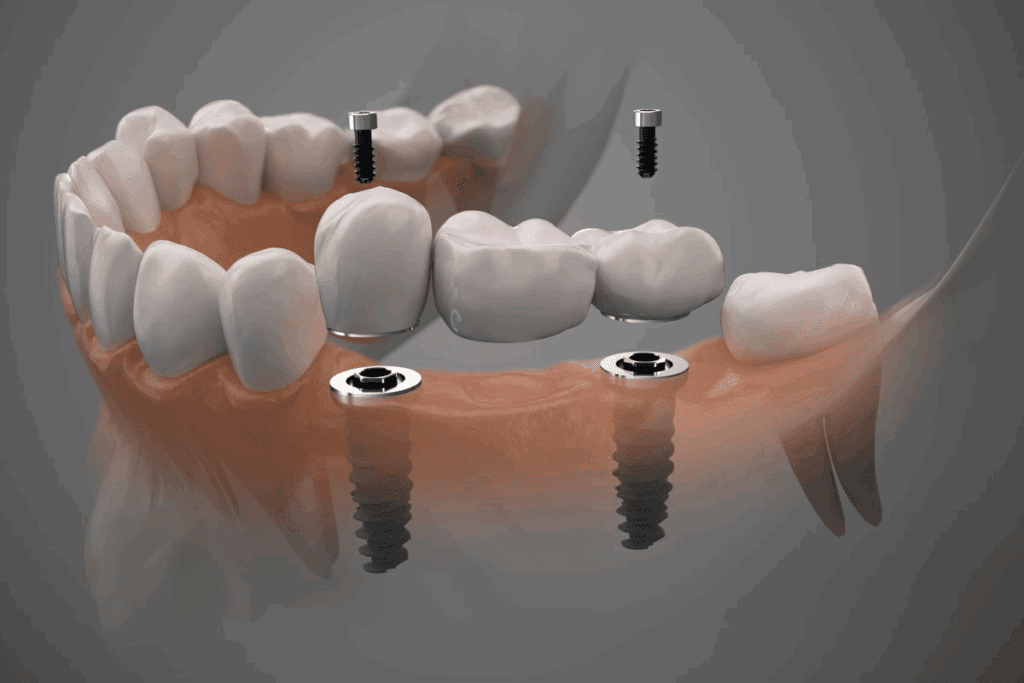
Dental implants are a complete fix for missing or damaged teeth. They give patients a permanent and natural-looking restoration that works like real teeth. Knowing how to get dental implants is key to good dental care steps for implants.
The dental implant process can last from 3 to 9 months or more. If you need bone grafting first, it will take even longer. Top healthcare places offer full implant care with new techniques.
We help you through the life-changing procedure, making sure you get the best care. Our aim is to give you the knowledge to make smart choices about your teeth.
Key Takeaways
- Dental implants offer a permanent solution for missing or damaged teeth.
- The process can take anywhere from 3 to 9 months or more.
- Bone grafting may be required before implant placement.
- Comprehensive care is provided at leading healthcare institutions.
- Innovative techniques ensure the best possible outcomes.
Understanding Dental Implants: What They Are and Why They Matter

It’s important to know about dental implants for your dental health. They are a top choice for replacing teeth because they last long and look natural.
The Structure and Components of Dental Implants
Dental implants have three parts: the implant, the abutment, and the crown. The implant is a titanium root that goes into the jawbone. It acts as a base for the new tooth.
The abutment links the implant to the crown. The crown is the tooth part you see. It’s made to look like your other teeth, so it feels and looks natural.
Benefits Compared to Bridges and Dentures
Dental implants have many advantages over bridges and dentures. Some key benefits include:
- They help keep your mouth healthy because they don’t harm other teeth
- They make eating and talking easier because they’re stable
- They make your smile look better, boosting your confidence
- With the right care, they can last a long time
Longevity and Success Rates
Getting an implant is a long-term solution. Success rates are high, from 90% to 95% over 10 years. The implant’s quality, the dentist’s skill, and your care habits all play a role.
Knowing these details helps you make smart choices for your teeth. This way, you can enjoy the benefits of dental implants for many years.
Determining If You’re a Candidate for Dental Implants

Getting a dental implant starts with checking if you’re a good fit. This step is key because it shows if the implant can work for you. It also points out what steps you need to take first.
Essential Health Requirements
To get dental implants, you need to meet some health standards. Good oral health is a must, with healthy gums and enough bone for the implant. We also check your overall health, as some conditions can affect the implant’s success.
“The success of a dental implant depends on the patient’s health, not just the implant quality,” says a top dental implant expert. This shows how important a detailed health check is before starting the implant process.
Bone Density and Volume Considerations
Enough bone density and volume are key for dental implants to work. If the jawbone is too thin or soft, it might not hold the implant. In these cases, we might suggest a bone graft to strengthen the bone for the implant.
- Bone density check through CT scans.
- Looking at bone volume to see if it can hold the implant.
- Thinking about bone grafting if needed.
Medical Conditions That May Impact Eligibility
Some medical conditions can make it harder to get dental implants. For example, diabetes or osteoporosis can affect bone healing and strength. We look at your medical history to spot any risks and create a treatment plan just for you.
In the first meeting, we do a lot of checks. This includes looking at your medical history, checking your oral health, and using X-rays or CT scans. This detailed check helps us figure out if you’re a good candidate and plan the implant’s placement for the best results.
The Complete Steps for Implants: Your Treatment Timeline
Getting dental implants is a detailed process with many stages. From the first visit to the final crown, it’s a journey. Knowing what to expect can ease your mind and prepare you for what’s to come.
Overview of the Multi-Stage Process
The path to dental implants has several important steps. First, we do a detailed check-up to see if implants are right for you. Then, we might need to remove teeth or do bone grafting.
Next, we surgically place a titanium post in your jaw. After that, your jawbone and the implant bond together. Once bonded, we attach an abutment and put on a custom crown.
Typical Timeline from Start to Finish
The whole process usually takes 3–9 months. It depends on if you need bone grafting, how long it takes for the bone to bond, and the complexity of your crown.
| Stage | Typical Duration | Description |
|---|---|---|
| Initial Consultation | 1-2 visits | Assessment and planning |
| Preparatory Procedures | 1-3 months | Tooth extractions, bone grafting, etc. |
| Implant Placement | 1-2 hours | Surgical placement of titanium post |
| Healing and Osseointegration | 3-6 months | Bone integration with the implant |
| Final Restoration | 2-4 weeks | Abutment and crown placement |
Financial Planning and Insurance Considerations
Planning your finances is key when getting dental implants. Costs can change based on how many implants you need, if you need extra steps, and what kind of crown you choose.
“Understanding your insurance coverage and exploring financing options can help make dental implants more accessible.” – Dental Implant Specialist
Talk to our team about your financial options. We can help you understand the costs and find ways to make implants more affordable.
Your Initial Consultation: A Thorough Assessment
At your first visit, we do a detailed check to see what you need. This first step helps us figure out if dental implants are right for you. It also sets the stage for a successful treatment.
Medical History Review
We start by looking at your medical history. This helps us know if dental implants are a good choice for you. We talk about your current medications, health, and past dental work. Our goal is to make sure you’re a good fit for the procedure and tailor it to your needs.
Oral Examination and Imaging
We then do a full check of your teeth, gums, and jawbone. We use X-rays or 3D scans to see your mouth’s details. This helps us spot any problems and plan the best treatment.
Creating Your Personalized Treatment Plan
After reviewing your history and doing the exam, we make a plan just for you. This plan covers everything from the start to the end of your dental implant journey. We want you to know exactly what’s happening and feel comfortable every step of the way.
By the end of your first visit, you’ll know all about your options and what’s next. We’re here to give you the best care and support as you get your dental implants.
Pre-Implant Procedures: Preparing Your Mouth for Success
Before getting a dental implant, several steps are needed to get your mouth ready. These steps are key to the implant’s success. They involve checking your oral health thoroughly.
Tooth Extraction Process and Healing
First, you might need a tooth pulled. This is done when a tooth is too damaged or decayed. After pulling the tooth, the socket needs time to heal.
This healing time can be weeks to months. Healing properly is important. It makes sure the bone around the socket is strong enough for the implant.
If a tooth is pulled and the socket isn’t kept, the bone can shrink. This makes it harder to place an implant. Sometimes, you might need bone grafting or socket preservation.
Bone Grafting Techniques and Materials
Bone grafting adds bone to the jaw to make it stronger. This is done to support the implant. There are different types of grafts, like using your own bone or donor bone.
The type of graft used depends on how much bone is missing and your health. Advanced bone grafting techniques have made implants more successful.
Sinus Lift Procedures When Necessary
If the upper jawbone is too thin or soft, a sinus lift might be needed. This lifts the sinus membrane and adds bone graft material. It helps make a stable base for the implant.
Treating Gum Disease and Other Existing Issues
Gum disease and other oral health problems must be fixed before implants. Gum disease treatment includes scaling and root planing. This makes sure your gums are healthy for the implant.
By taking care of these steps, we can make sure your dental implant works well. Knowing the steps to tooth implant helps you feel ready for the process.
The Implant Surgery: Placement of the Titanium Root
Getting dental implants is a precise surgery to get the best results. This step is key to fixing your smile and how you eat.
Sedation and Anesthesia Options
We have many ways to keep you comfortable during the surgery. Your choice depends on your health, how nervous you are, and the surgery’s complexity.
Local anesthesia is often used. It numbs the area where the implant goes. This way, you stay awake and feel less pain.
Step-by-Step Surgical Procedure
The steps to place dental implants are:
- First, we make a small cut in the gum to prepare the site.
- Then, we drill a hole in the jawbone for the titanium implant.
- Next, we put the titanium implant into the hole.
- After that, we stitch the gum back over the implant to heal.
Immediate Post-Surgical Care
It’s important to follow our care instructions after surgery. This helps your healing and lowers the chance of problems.
| Post-Surgical Care Instructions | Purpose |
|---|---|
| Avoid strenuous activities | Reduce bleeding and promote healing |
| Apply ice packs | Minimize swelling |
| Follow medication regimen | Manage pain and prevent infection |
| Maintain good oral hygiene | Prevent infection and ensure a healthy environment for the implant |
By following these steps and going to your follow-up visits, you can make your dental implant surgery a success.
The Healing Period: Osseointegration and Recovery
Osseointegration is when the bone and implant become one. It’s key to dental implants working well. This process makes the implant strong and stable.
What Happens During Bone Integration
Your body starts a special process when you get an implant. The bone grows around it, making it stable. This takes several months. The integration is vital for the implant’s success.
As the bone and titanium root bond, they create a solid base. This base supports the implant like a natural tooth. The success of this bond depends on your health, bone density, and how well the implant is placed.
Expected Timeline for Different Jaw Areas
The healing time varies by jaw area. Osseointegration usually takes 3 to 7 months. Implants in the lower jaw need 3-4 months. Those in the upper jaw might take 5-7 months because of bone density differences.
| Jaw Area | Typical Healing Time |
|---|---|
| Lower Jaw (Mandible) | 3-4 months |
| Upper Jaw (Maxilla) | 5-7 months |
Temporary Prosthetics During Healing
Temporary prosthetics help during healing. They keep your mouth looking and feeling normal. This makes it easier to smile and eat while you wait for the final tooth.
These prosthetics are made to look like your real teeth. They help you feel confident while you heal.
Follow-up Appointments and Monitoring
Regular check-ups are important during healing. We use special imaging to check how well the implant is integrating. This helps us make sure everything is going right.
These visits let us adjust the treatment if needed. We want the best outcome for your implant.
Final Restoration: Completing Your New Smile
After placing the implant, we focus on the final touches. This step is key to blending the implant with your natural teeth. It includes attaching the abutment and creating the crown that will show in your mouth.
Abutment Placement Procedure
The first step is attaching the abutment to the implant. This connector is the base for your new crown. We pick the abutment to match your gums and look natural.
“The abutment is vital,” says a dental implant expert. “It connects the implant to the crown, ensuring stability and function.” We place it with care to support the crown.
Impressions and Custom Crown Creation
With the abutment in, we take impressions of your mouth. This is to make a crown that fits perfectly. We use advanced tech for accuracy and a natural look.
Our lab techs work with us to make a crown that looks and feels like your natural tooth. The result is a smile that’s fully restored and natural.
Materials Options for Your Restoration
We have different materials for your crown, like porcelain, ceramic, and zirconia. Each has its own benefits. We help you pick the best one for you.
- Porcelain: Known for its aesthetic appeal and ability to mimic natural tooth color.
- Ceramic: Offers durability and resistance to wear.
- Zirconia: Provides exceptional strength and a natural appearance.
Final Fitting, Adjustments, and Occlusion Check
At the final fitting, we check that the crown fits right and aligns with your bite. We make any needed adjustments for comfort and function. We also check your bite to make sure it’s even and the crown doesn’t affect chewing.
We aim for a perfect fit and natural look. Our team works hard to give you a smile you’ll be proud of, with a crown that works like your natural teeth.
Conclusion: Caring for Your Dental Implants Long-Term
Dental implants can last for decades with the right care. Understanding how to maintain them is key. A good oral hygiene routine is essential for their longevity.
Brushing and flossing daily is important. It removes plaque and bacteria that can harm your implant. Also, don’t forget to visit your dentist every 6 months. This helps keep your implant healthy and catches any problems early.
By following the right aftercare, your dental implant can last 20+ years. Keep up with your oral care and dental appointments. This will help your implant last as long as possible.
FAQ
What is the process for getting a dental implant?
Getting a dental implant involves several steps. First, you’ll have an initial consultation. Then, you’ll go through pre-implant procedures and the actual surgery. After that, there’s a healing period before the final restoration.
We’ll guide you through each step. This ensures your treatment is smooth and successful.
How long does the dental implant process take?
The time it takes for dental implants varies. It usually takes a few months. The exact time depends on your situation, like pre-implant procedures and healing time.
What are the benefits of dental implants compared to bridges and dentures?
Dental implants offer many benefits. They improve your oral function and look. They’re also more durable. Plus, they help keep your bone healthy and prevent teeth from shifting.
What are the essential health requirements for dental implants?
You need good health and enough bone for dental implants. Your gums must be healthy too. Certain health issues might affect your eligibility. We’ll check during your first visit.
What is osseointegration, and how long does it take?
Osseointegration is when the implant bonds with bone. It takes a few months. We’ll keep an eye on your progress to make sure it works well.
What kind of sedation and anesthesia options are available for implant surgery?
We offer different sedation and anesthesia options for comfort during surgery. We’ll talk about them with you. Then, we’ll choose the best one for you.
How do I care for my dental implants long-term?
To care for your implants, brush and floss regularly. Also, visit your dentist for check-ups. This keeps your implants and mouth healthy.
What is the cost of dental implants, and how can I plan for the expenses?
Dental implant costs vary based on your needs. We’ll give you a detailed cost estimate. We’ll also talk about financing and insurance options.
Are there any pre-implant procedures that I may need to undergo?
You might need procedures before the implant, like tooth extraction or bone grafting. We’ll check what you need. Then, we’ll guide you through the necessary steps.
How are temporary prosthetics used during the healing period?
Temporary prosthetics help with looks and function during healing. We’ll give you a comfortable and suitable temporary solution.
What materials are used for the final restoration, and what are the options?
We use top-quality materials for the final restoration, like porcelain and ceramic. We’ll discuss your options with you. Then, we’ll choose the best one for you.
References
National Center for Biotechnology Information. Dental Implants: A Step-by-Step Guide for Tooth Restoration. Retrieved from https://www.ncbi.nlm.nih.gov/books/NBK470448/